
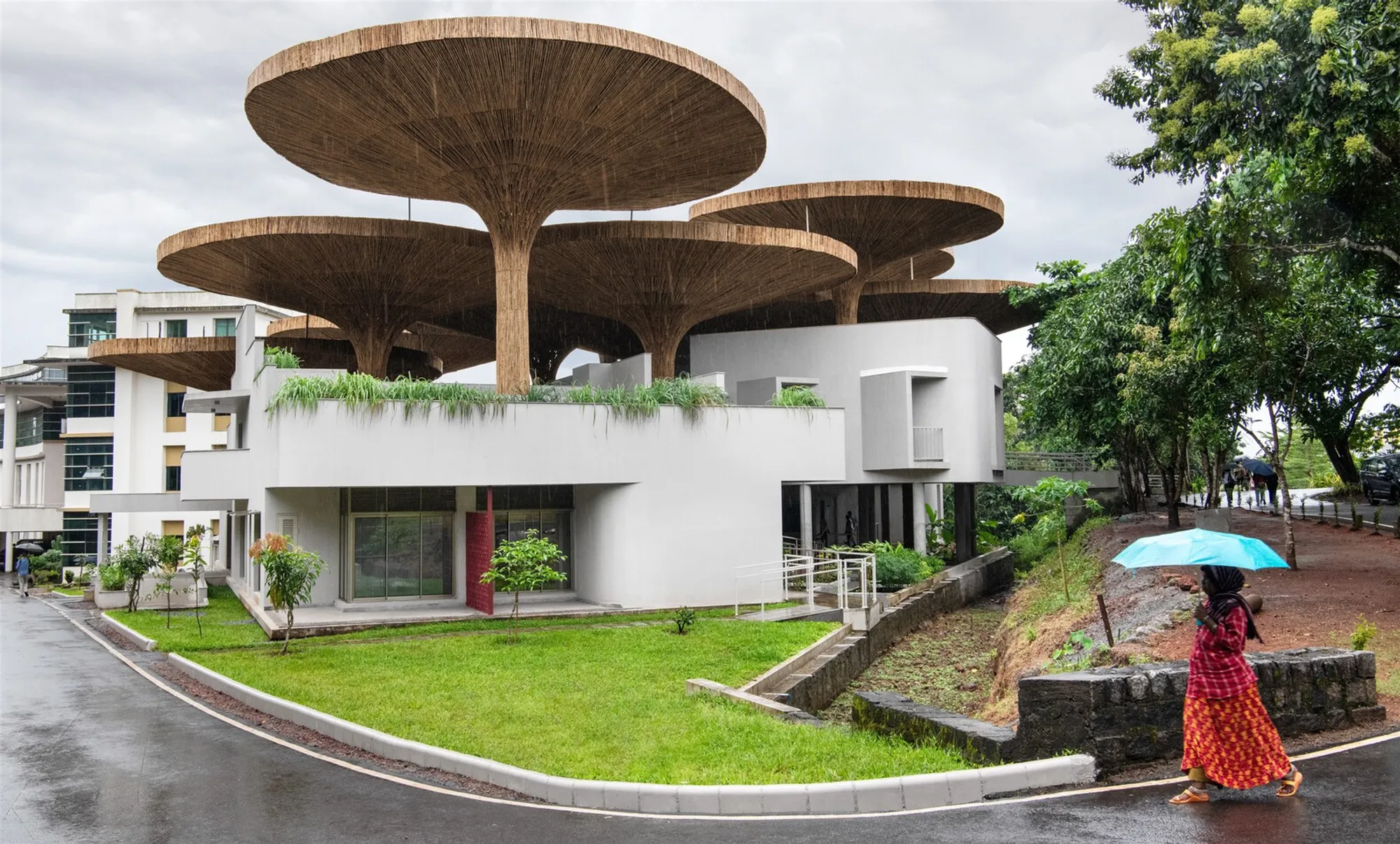
The Center for Inclusive Growth & Competitiveness: A Masterpiece in Sustainable Architecture
Exploring the innovative design of TAPMI's Center for Inclusive Growth, blending architecture, sustainability, and community in Manipal.


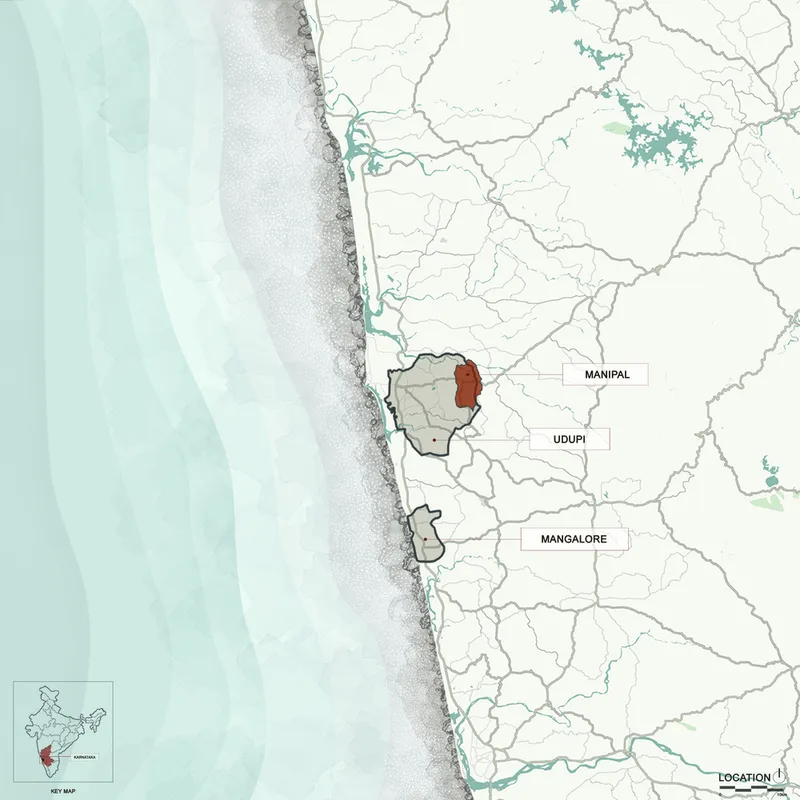
Manipal, a bustling educational hub in Southern India, has witnessed a transformative approach to architectural design with the creation of the Center for Inclusive Growth and Competitiveness. Designed by The Purple Ink Studio, this project integrates sustainability, cultural continuity, and communal spaces to redefine what academic buildings can achieve.


Contextual Foundation of the Center
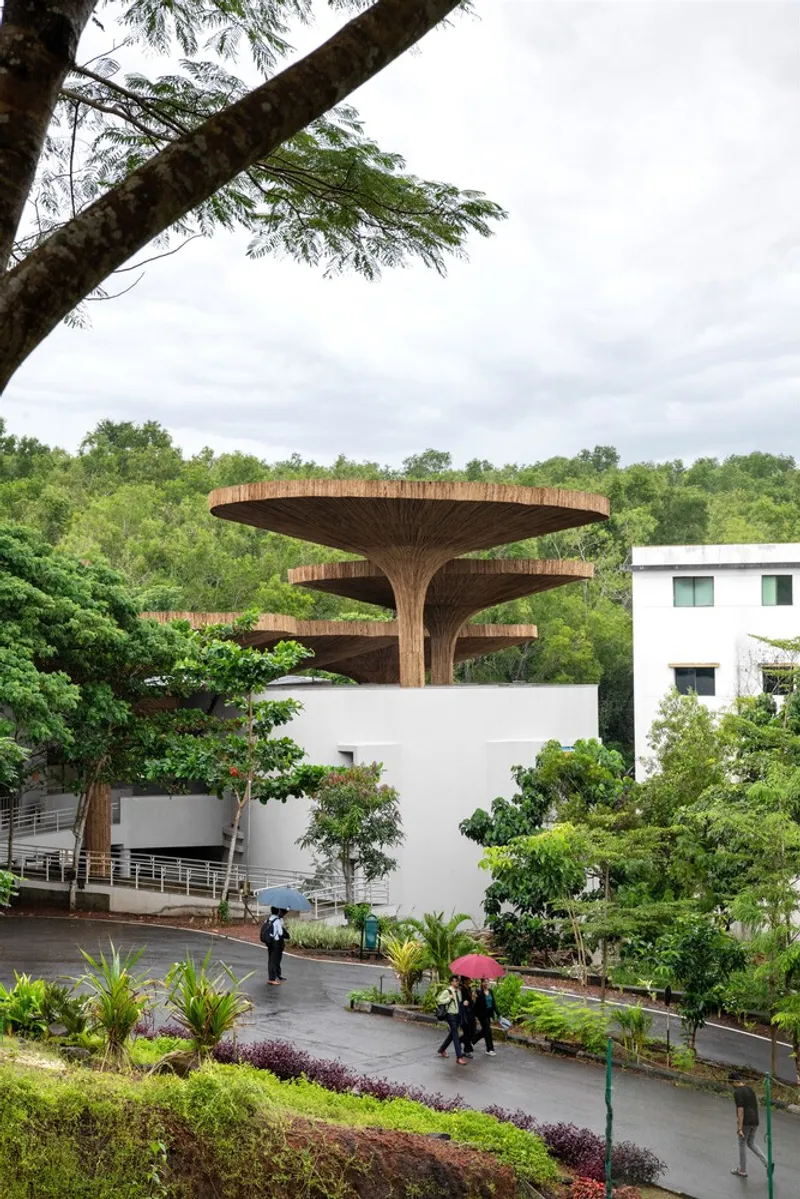
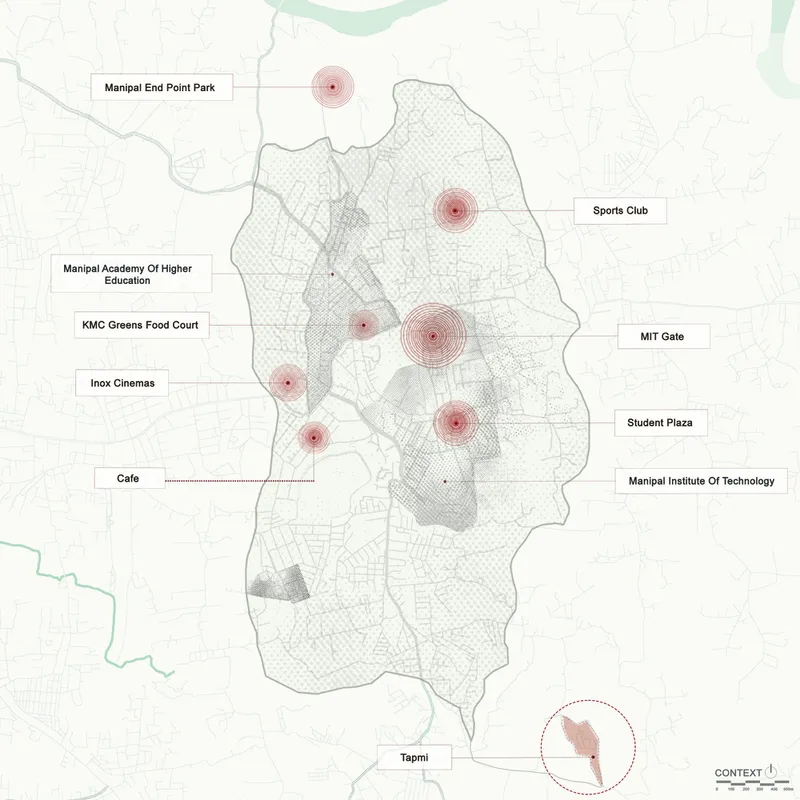
Located within the sprawling 40-acre campus of TAPMI, this center occupies a modest land parcel of 5,000 square feet on a hillock overlooking a picturesque valley. Surrounded by a road that harmonizes with the natural contours of the terrain, the site offers a seamless blend of academic functionality and environmental harmony. Manipal's urban evolution has often sidelined social spaces, making this center a beacon of inclusivity and communal engagement.

Rethinking Academic Spaces for Sustainability
The design brief challenged conventional norms by emphasizing collaboration and interaction. The Center moves beyond traditional spatial requirements, reimagining academic buildings as vibrant community hubs. Instead of restricting functionality to classrooms and administrative areas, the design incorporates workshops, a cafeteria, and shared spaces to foster a sense of belonging.

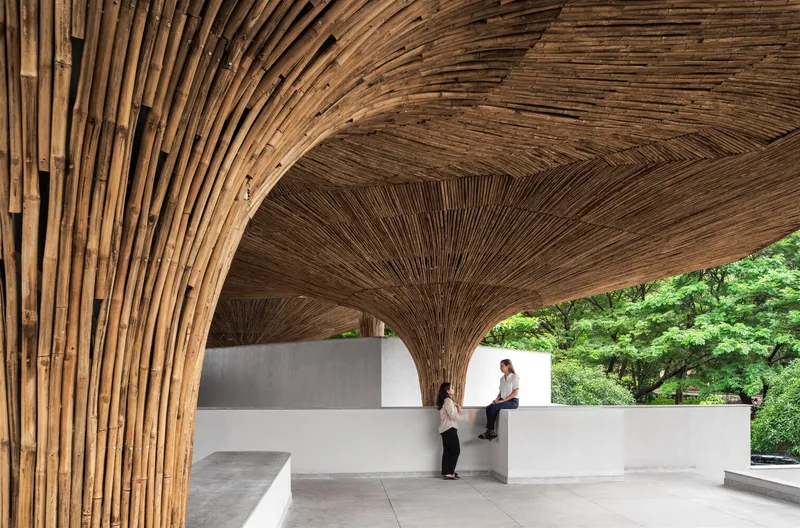

Key Architectural Innovations
1. The Terrace as a Social Hub
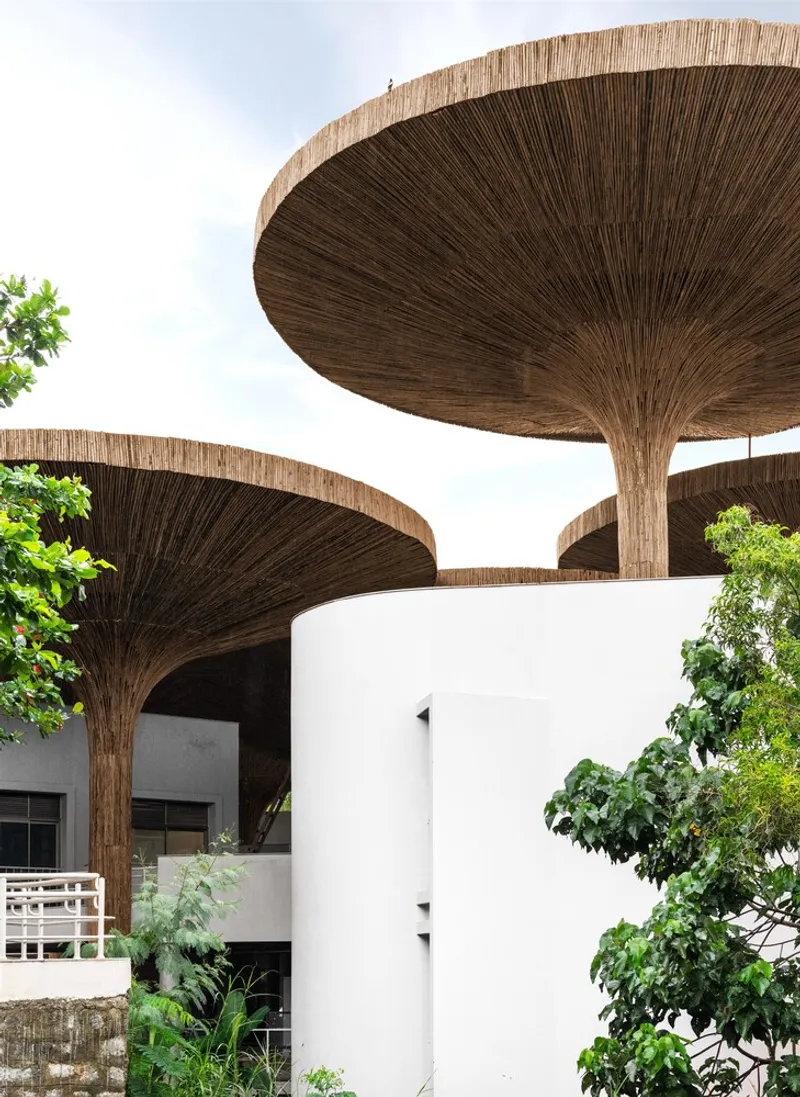
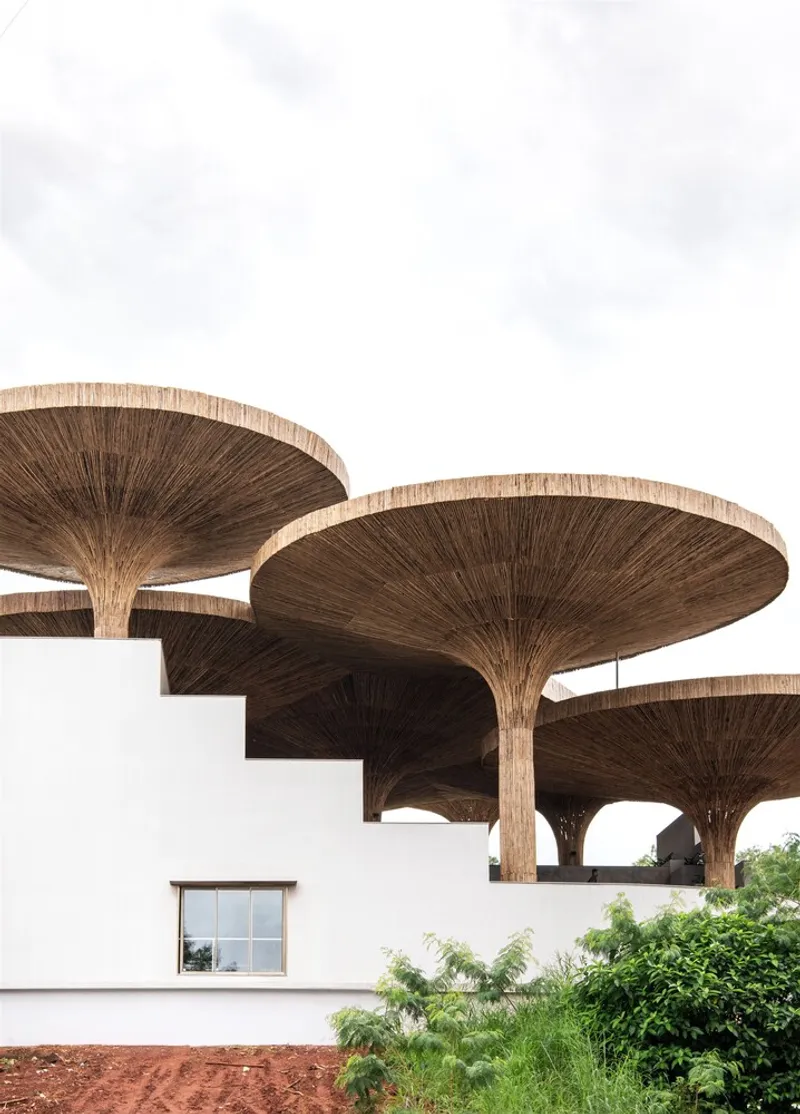
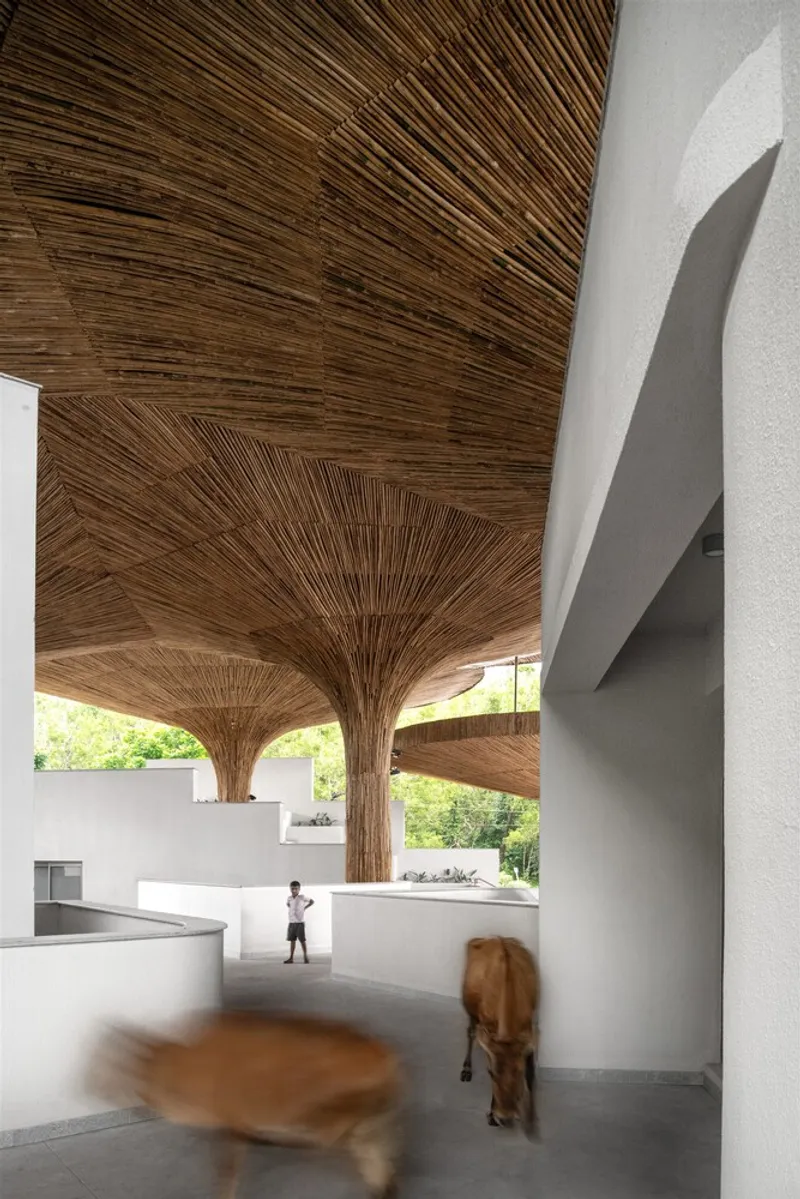
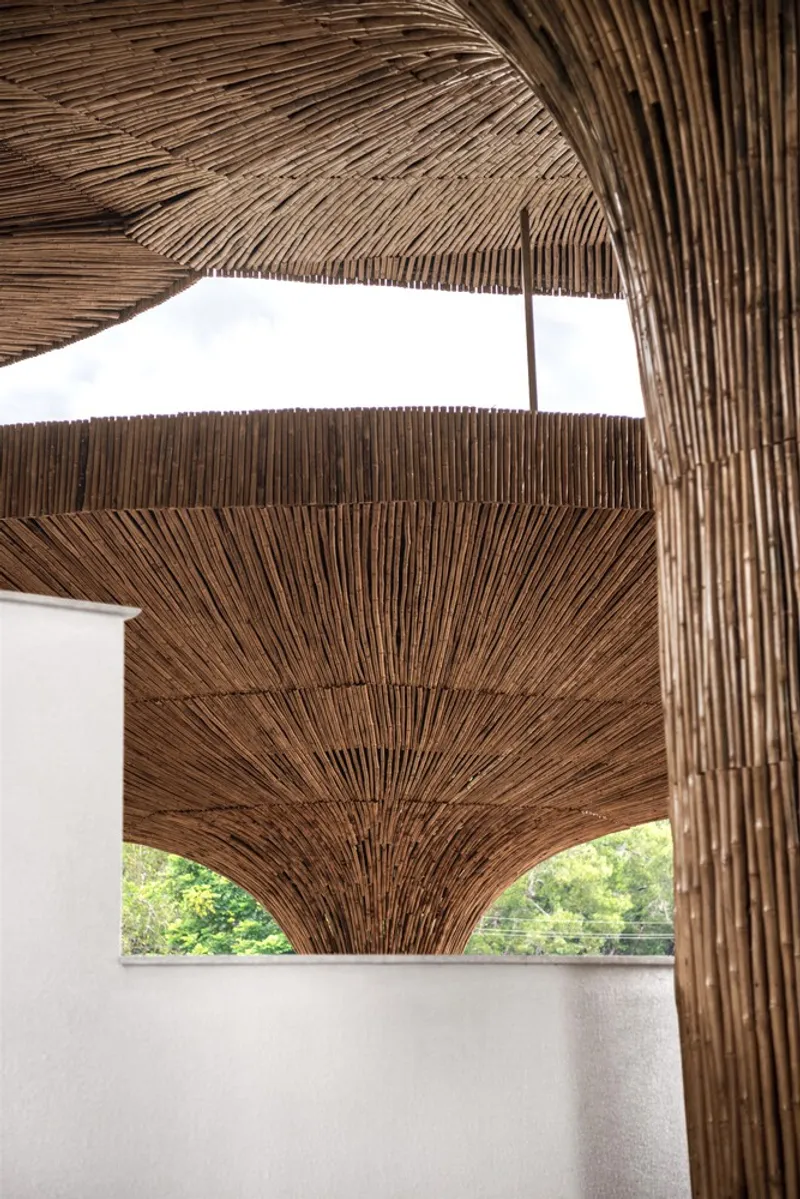
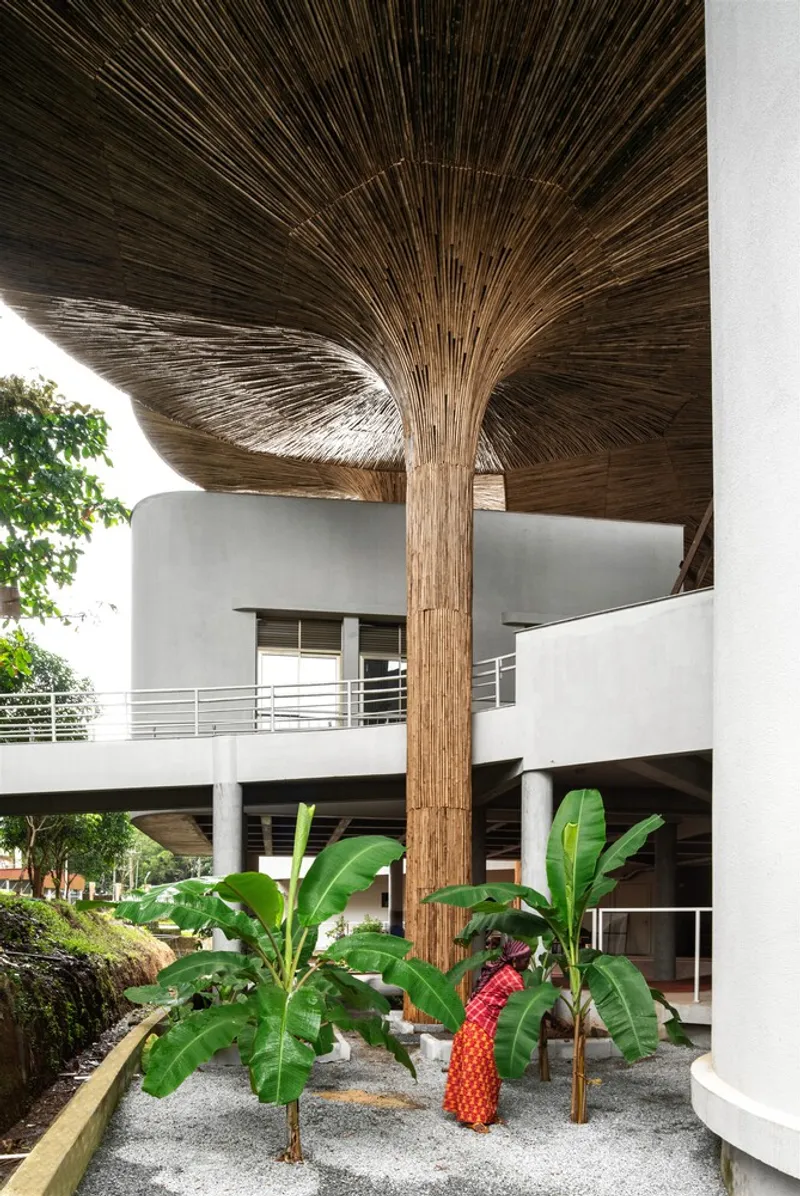
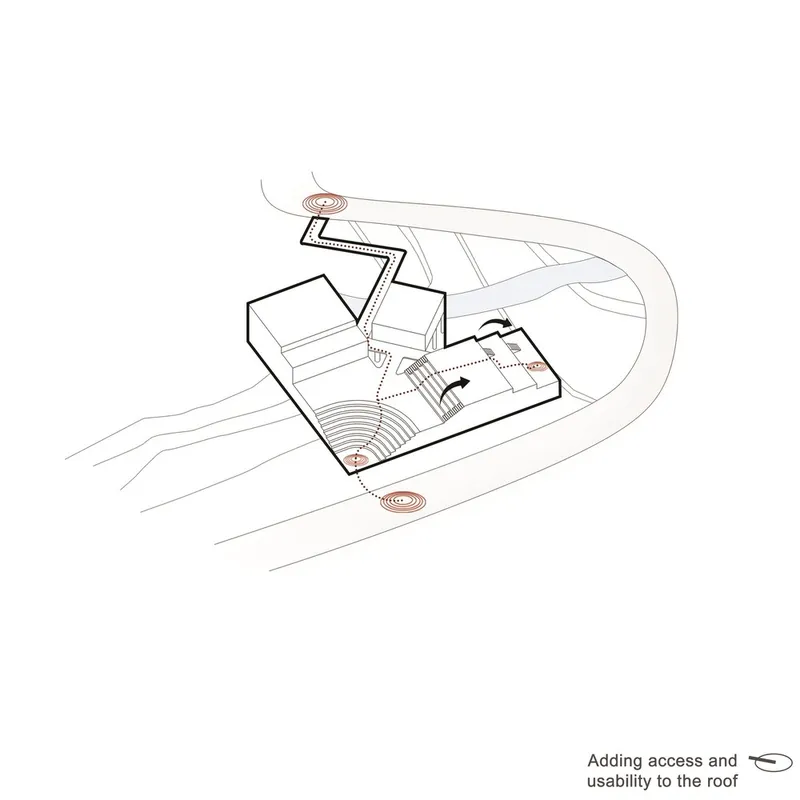
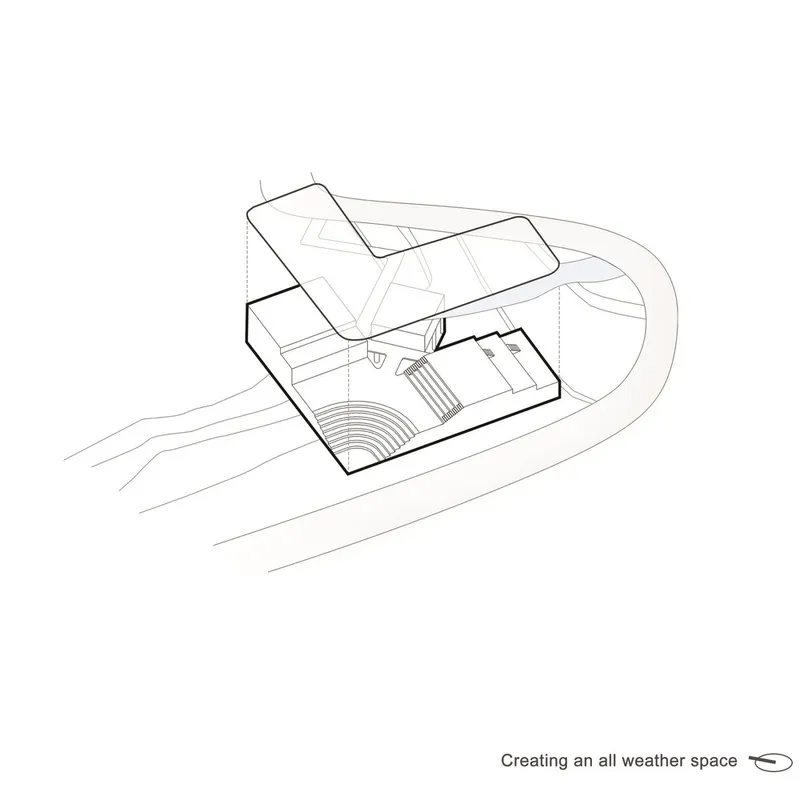
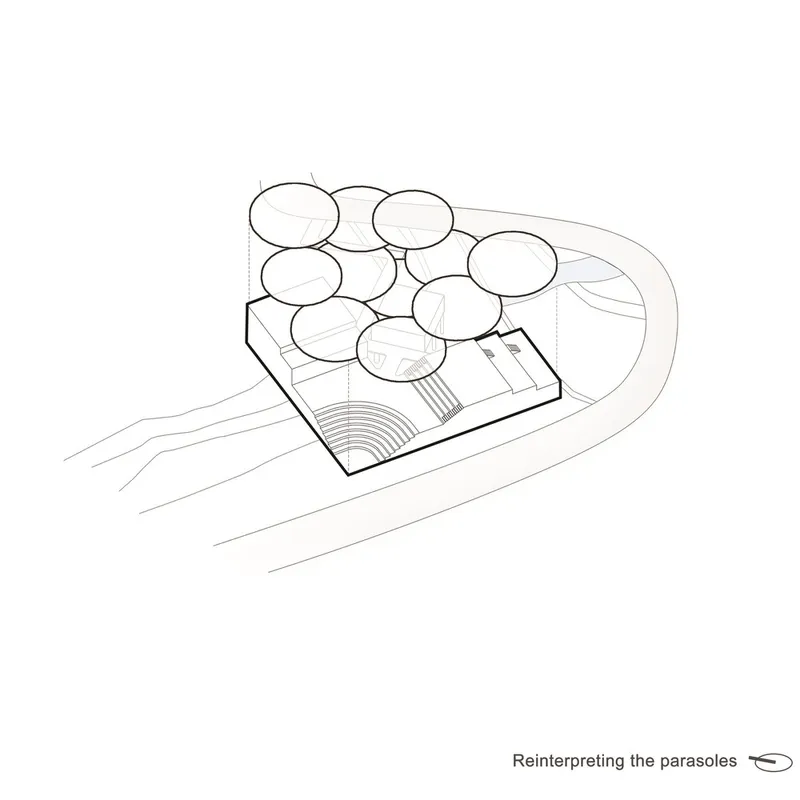
Traditionally underutilized due to Manipal’s heavy rainfall, the terrace of the center has been transformed into a multifunctional space. Covered with a network of parasols inspired by the "Chhatris" of Varanasi, it serves as a platform for learning, interaction, and community engagement. These structures not only provide shelter but also celebrate local craftsmanship, empowering artisans and maintaining cultural continuity.


2. Angala: The Open Amphitheater
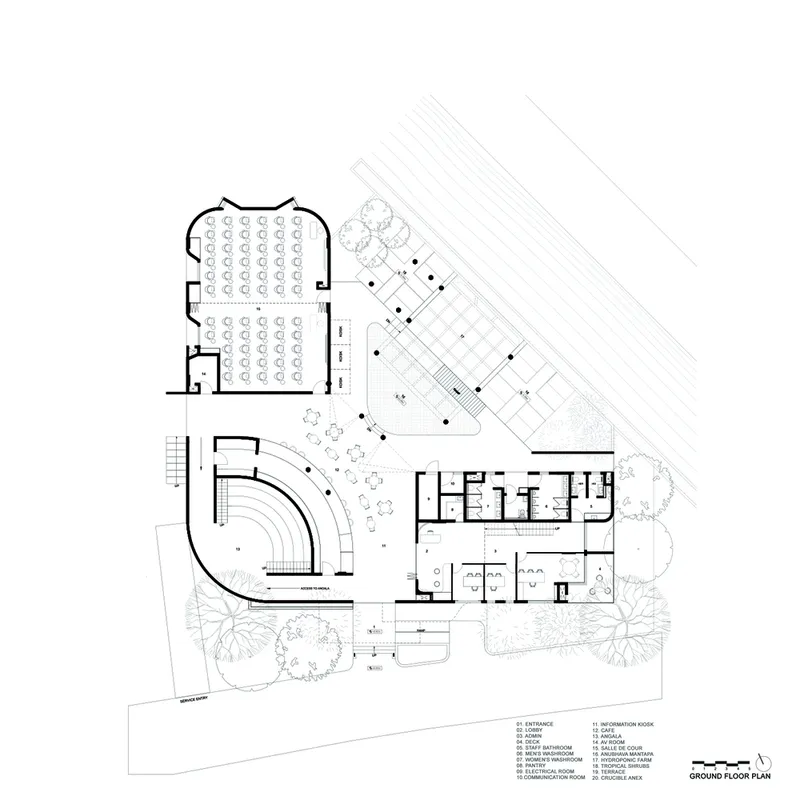
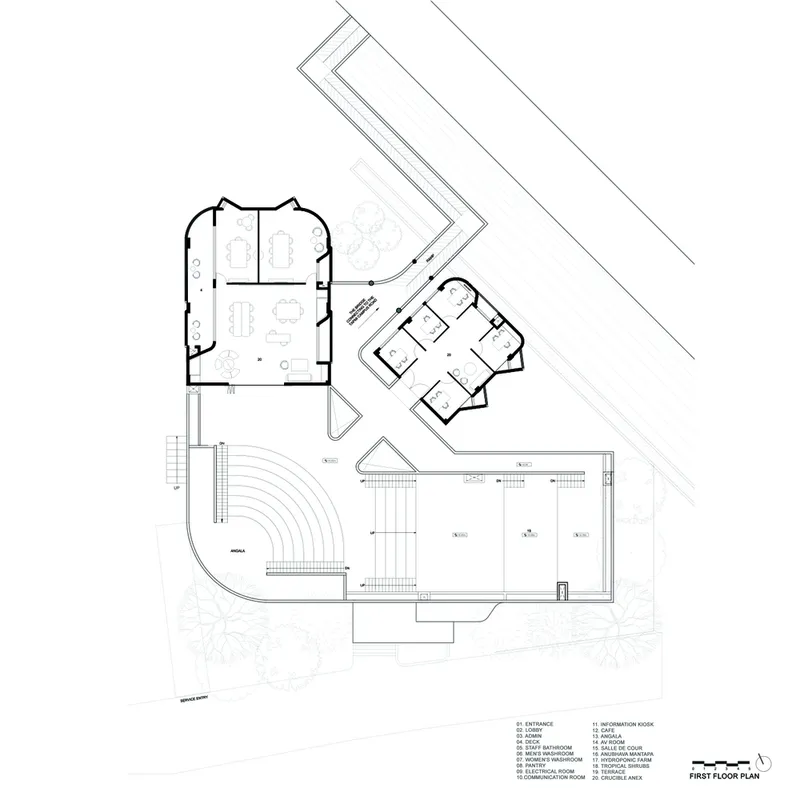
At the heart of the center lies Angala, an open amphitheater seamlessly connected to the surrounding landscape. Designed as a porous hub, it fosters interaction between the building and its environment, encouraging informal gatherings and activities that extend beyond academic hours.


Merging Architecture with Landscape
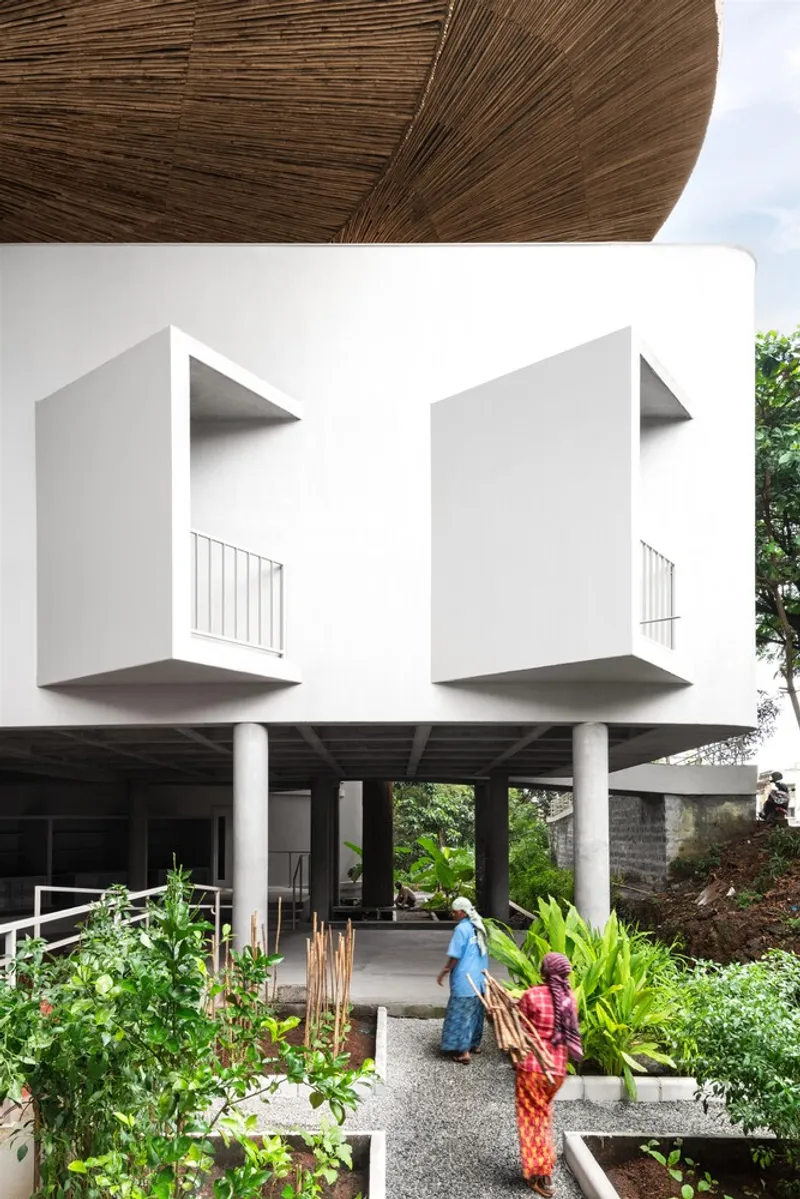
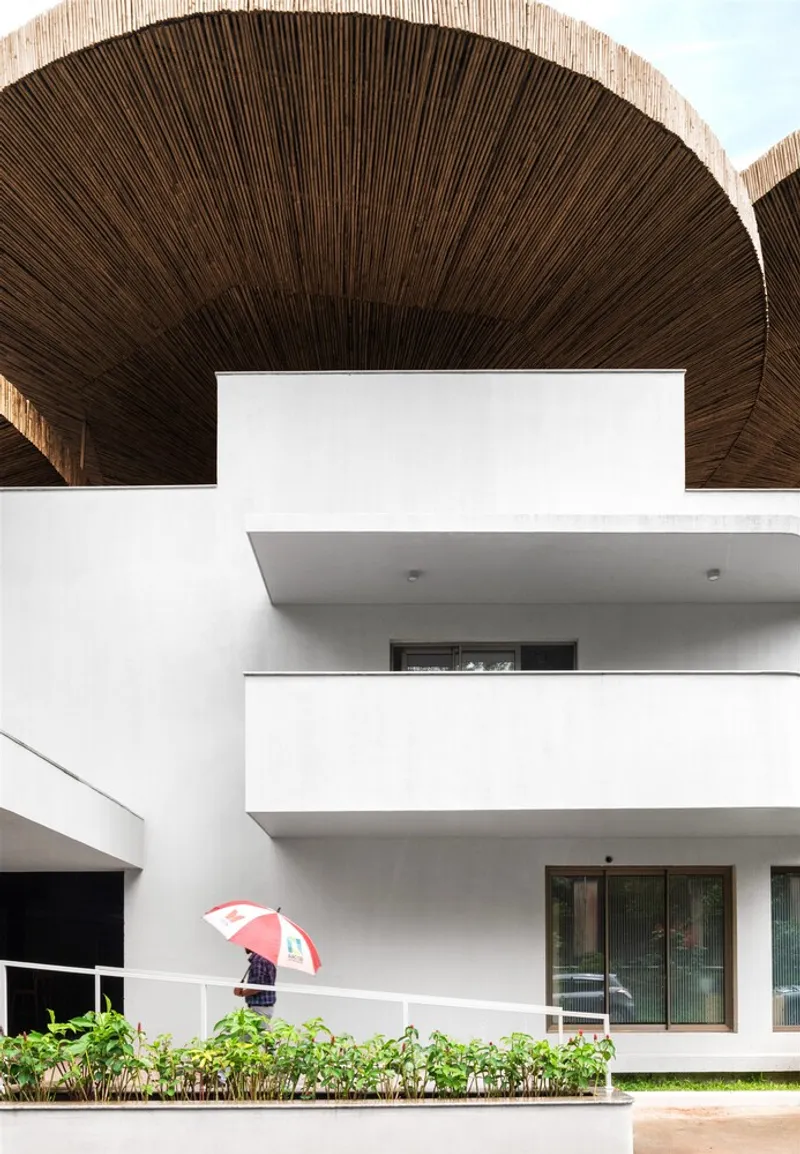
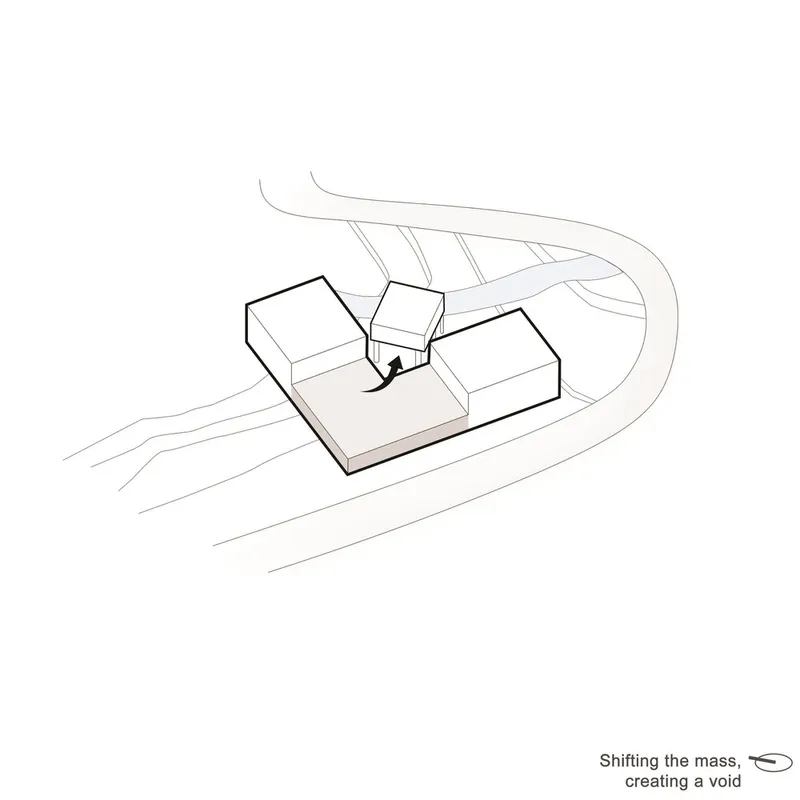
The Center dissolves the boundaries between the built and natural environment. Bridges, ramps, and terraces make the building accessible to all, while the structure itself acts as a connector, linking different terrains within the campus. This design approach emphasizes inclusivity, creating spaces that cater to diverse community needs.


Cultural and Environmental Sustainability
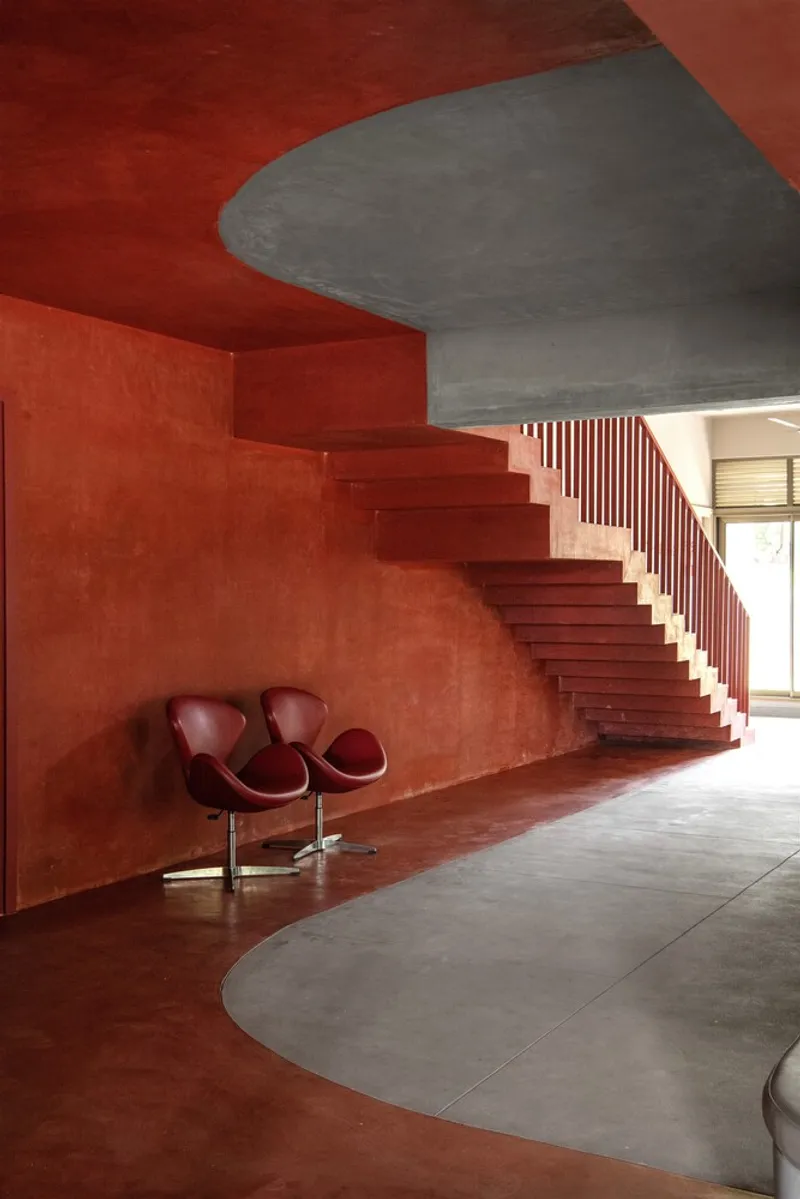
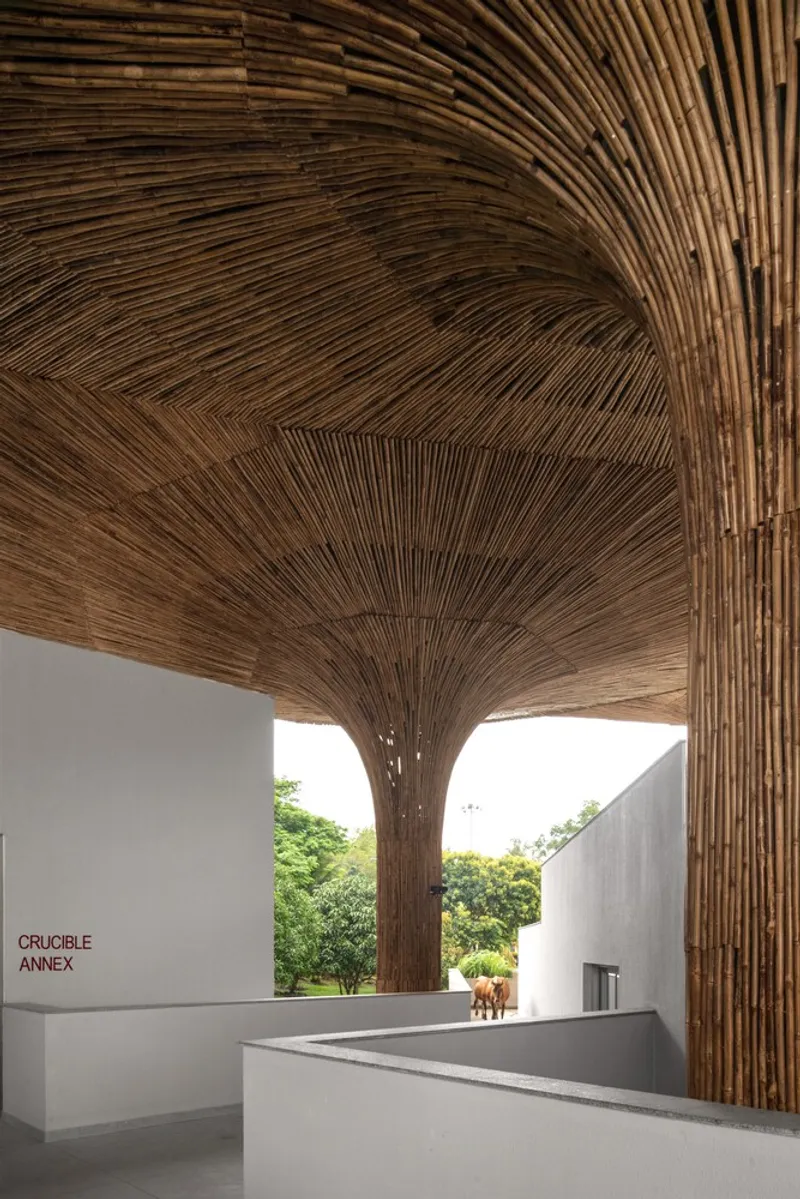
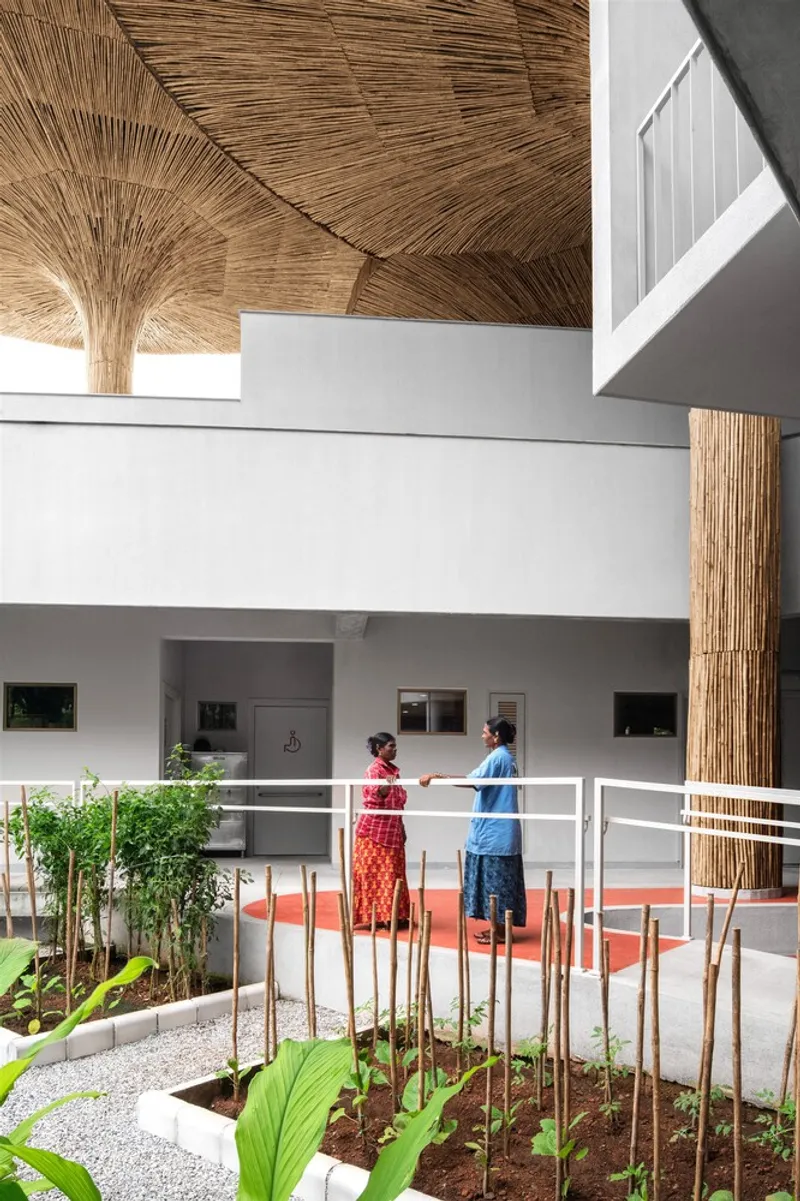
The Center exemplifies a commitment to sustainability that goes beyond ecological considerations. By incorporating traditional materials and techniques, the design pays homage to the region’s heritage. The raw, tactile interiors celebrate craftsmanship, while the open-plan design ensures energy efficiency and adaptability to the local climate.


Building as a Community Catalyst
The TAPMI Center redefines academic architecture by prioritizing openness and accessibility. Without a formal main entrance, the building invites students, faculty, and the community to interact freely. This approach positions the structure as a continuous hub of engagement, fostering a democratic and non-linear model of learning and collaboration.


A Vision for the Future
As an architectural innovation, the TAPMI Center for Inclusive Growth embodies a transformative vision for academic spaces. It combines modern learning needs with cultural roots, ensuring a sustainable and inclusive future. This project stands as a testament to the potential of sustainable architecture in shaping the academic and communal landscape of cities like Manipal.

The Center for Inclusive Growth and Competitiveness is more than an academic building—it is a landmark of sustainable architecture that bridges the gap between tradition and modernity, education and community, and ecology and innovation. Its design offers a roadmap for the future of academic spaces, where inclusivity, sustainability, and cultural continuity take center stage.


All Photographs are work of Suryan//Dang




Popular Articles
Popular articles from the community


Play: Fragments of Their World
Familiar architecture becomes modular playground design, creating safe spaces where displaced children can learn, connect, imagine and play.

The Ocean Hive: Sustainable Architecture for a Self-Sufficient Civilization at Sea
The Ocean Hive imagines sustainable architecture at sea, where modular habitats, algae, wave power and ocean waste sustain a growing colony.

Lunar Spiral: Space Architecture Shaped by the Mathematics of the Universe
Lunar Spiral reimagines space architecture through Fibonacci geometry, lunar regolith, levitating habitats, and self-sustaining Moon living.

Conexión: Biophilic Design Reimagines High-Rise Living in Hong Kong
Conexión reimagines high-rise living in Hong Kong through biophilic design, green facades, shared spaces, daylight, water and nature within.


Similar Reads
You might also enjoy these articles


Hodi-Mandai Geram
Project Function: Preservation and revitalization of the Intangible heritage and socio-spatial identity of the Hodi by Housing, Cultural Memory Center, Sacred Grove, landscape, local tourism economy


Olio Towers: A Mid-Rise for Performers That Fuses Housing, Rehearsal, and Stage
Located blocks from Houston's Theater District, this modular tower stacks living units around a central performance atrium.

Oasis: Modular Green Housing Carved into Dhaka's Urban Fabric
A shortlisted Plugin Housing entry reclaims unauthorized settlements in Dhaka with stepped concrete volumes, green roofs, and ventilation-driven design.

Black Hole: A Floating Megastructure for the Post-Physical Era
Emiliano Mazzarotto envisions a spherical, self-scaling arena where e-sports, digital hotels, and holographic stadiums replace traditional public space.


Explore BMS College Of Architecture Competitions
Discover active competitions in this discipline



Challenge to reimagine the Iron Throne


Photograph architecture without architects


Illustrate the lost glory of Angkor Wat - Render Challenge


Design challenge to reuse E-waste
Comments (0)
Please login or sign up to add comments
No comments yet. Be the first to comment!