

The Evolution of Modern Pizzeria Design: A Case Study of Pizzeria Cacto
The blend of rustic and modern elements in Pizzeria Cacto's design by Estudio Grizzo Arquitectos in Buenos Aires.


As the culinary world continues to evolve, so does the architecture of the spaces where food is served. Modern pizzeria design is a testament to how aesthetics, functionality, and culture converge to create unique dining experiences. One standout example is Pizzeria Cacto, designed by Estudio Grizzo Arquitectos, located in Buenos Aires, Argentina. This pizzeria showcases a blend of traditional materials and contemporary design techniques.
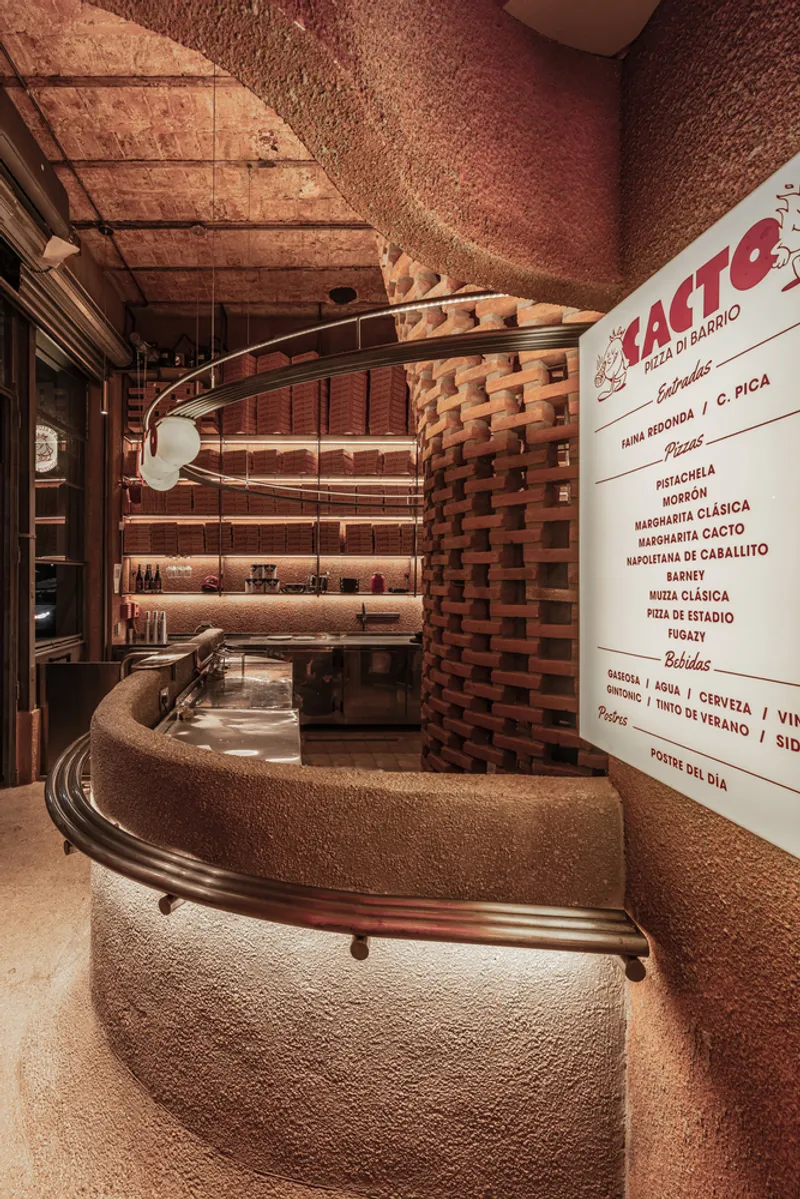
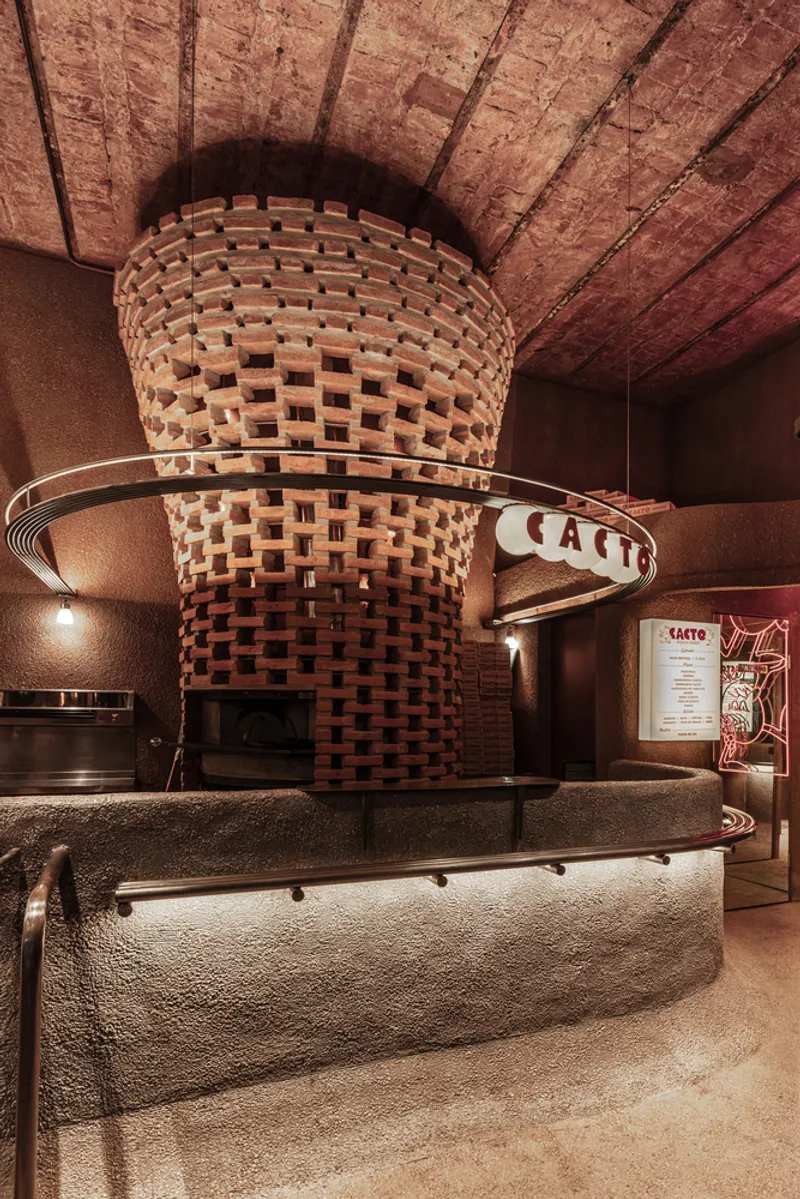
Concept and Design Philosophy
The Architectural Vision
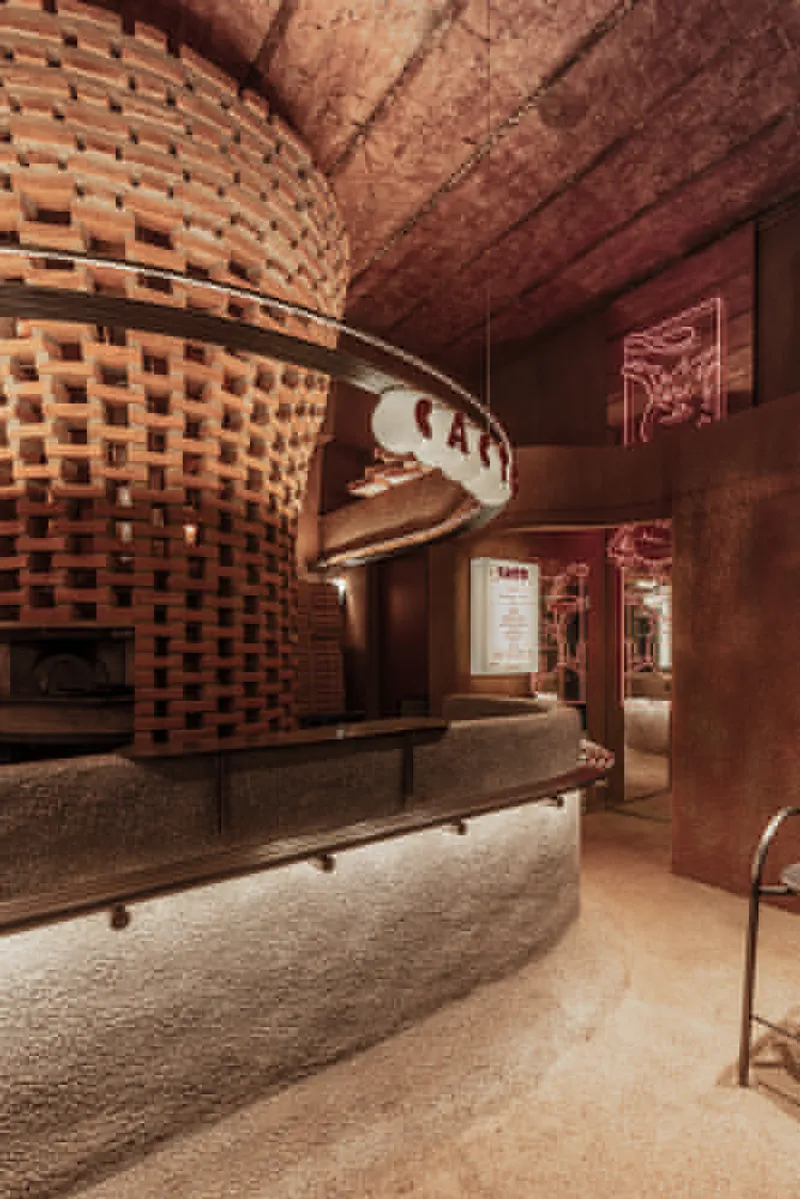
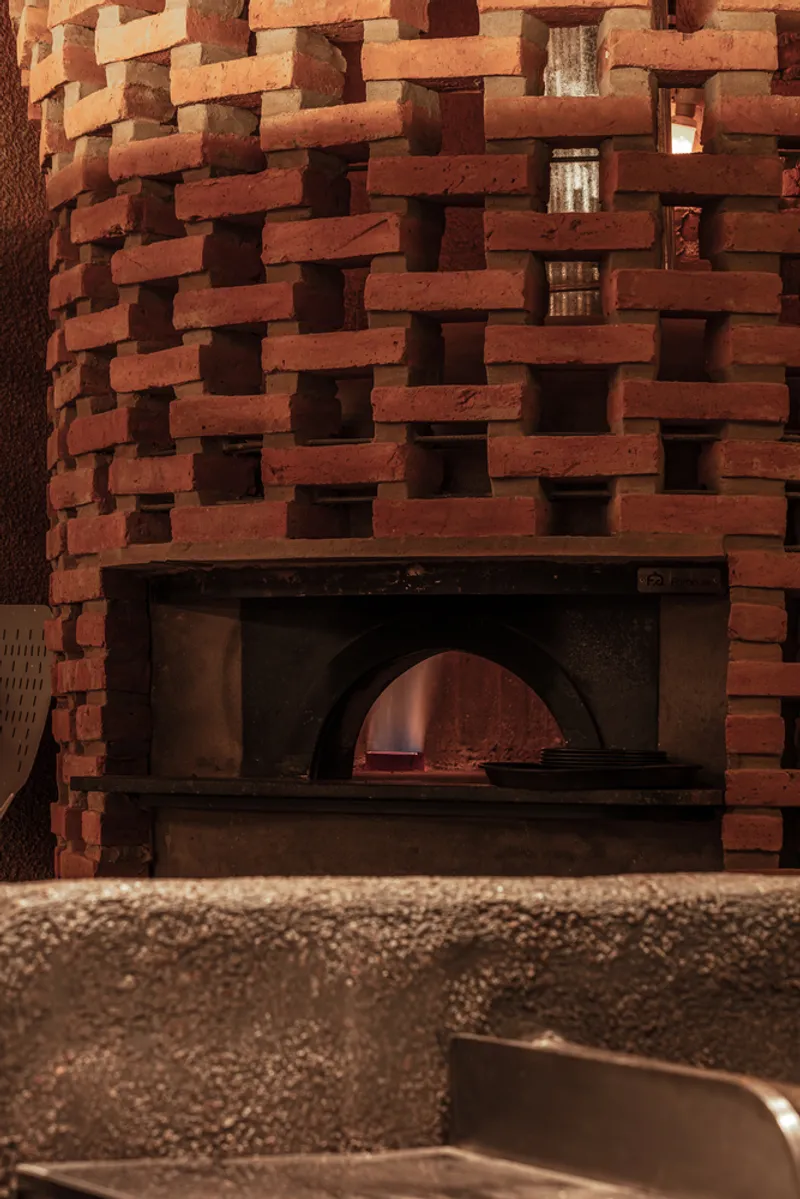
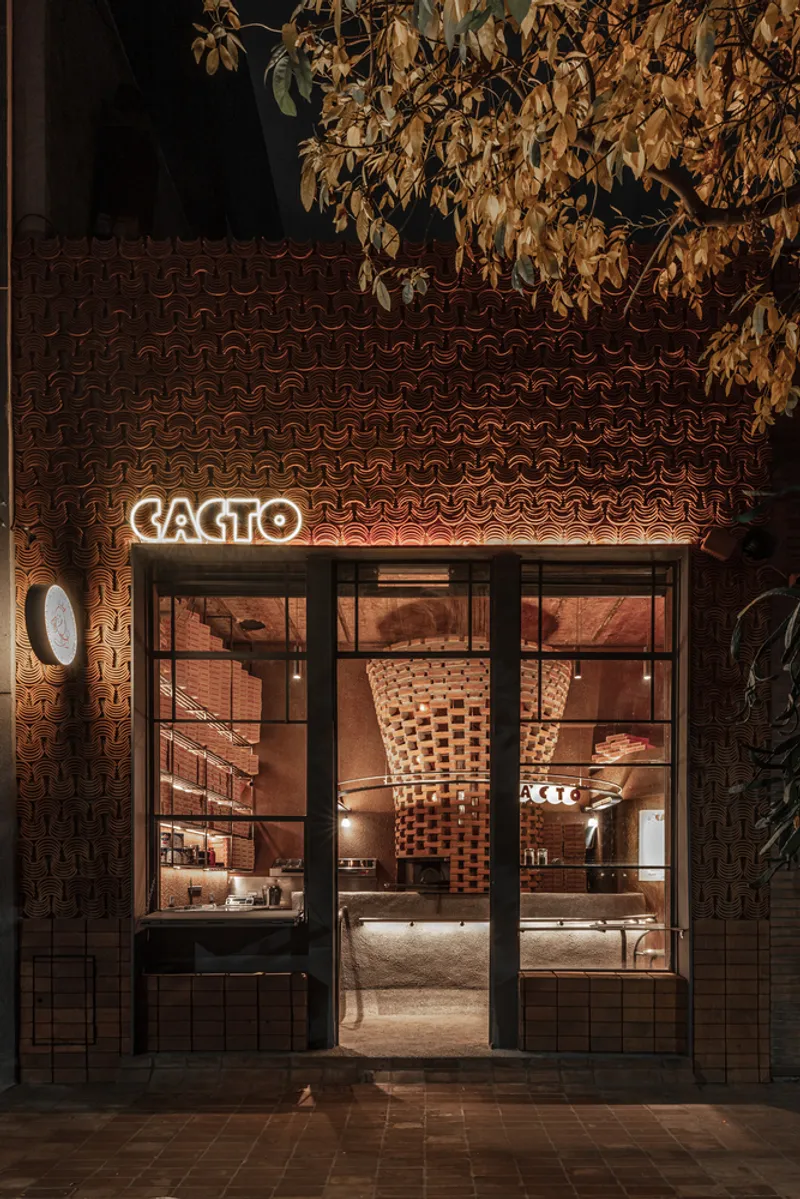
Estudio Grizzo Arquitectos embarked on a journey to transform a modest 30 m² area into a captivating space that appeals to both the palate and the eyes. The central feature of Pizzeria Cacto is a large, artistically crafted oven that not only serves as a functional piece for cooking but also as a pivotal aesthetic element. This design choice reflects a deep understanding of the role architecture plays in enhancing the dining experience.
Use of Rustic and Modern Materials
The Facade
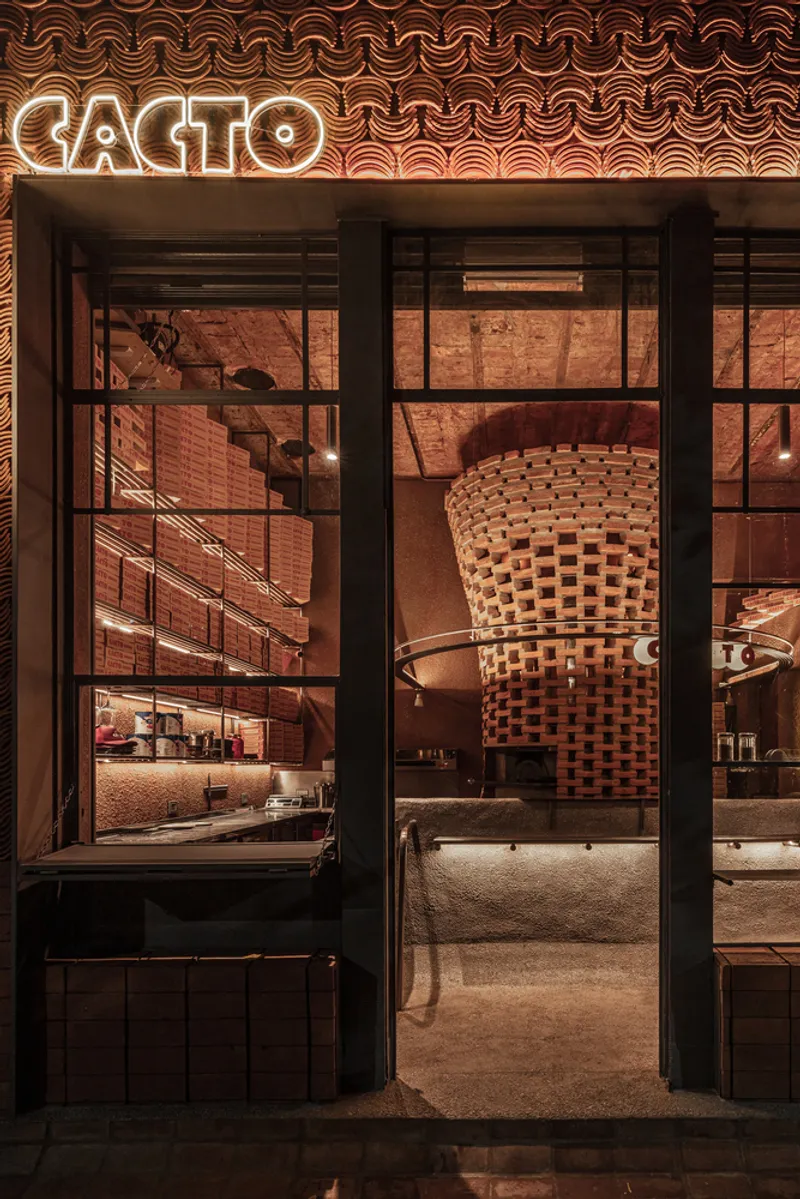
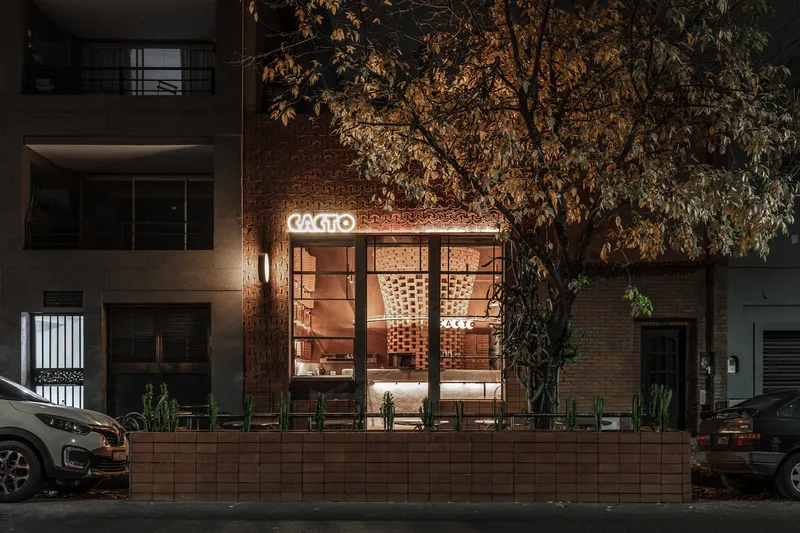
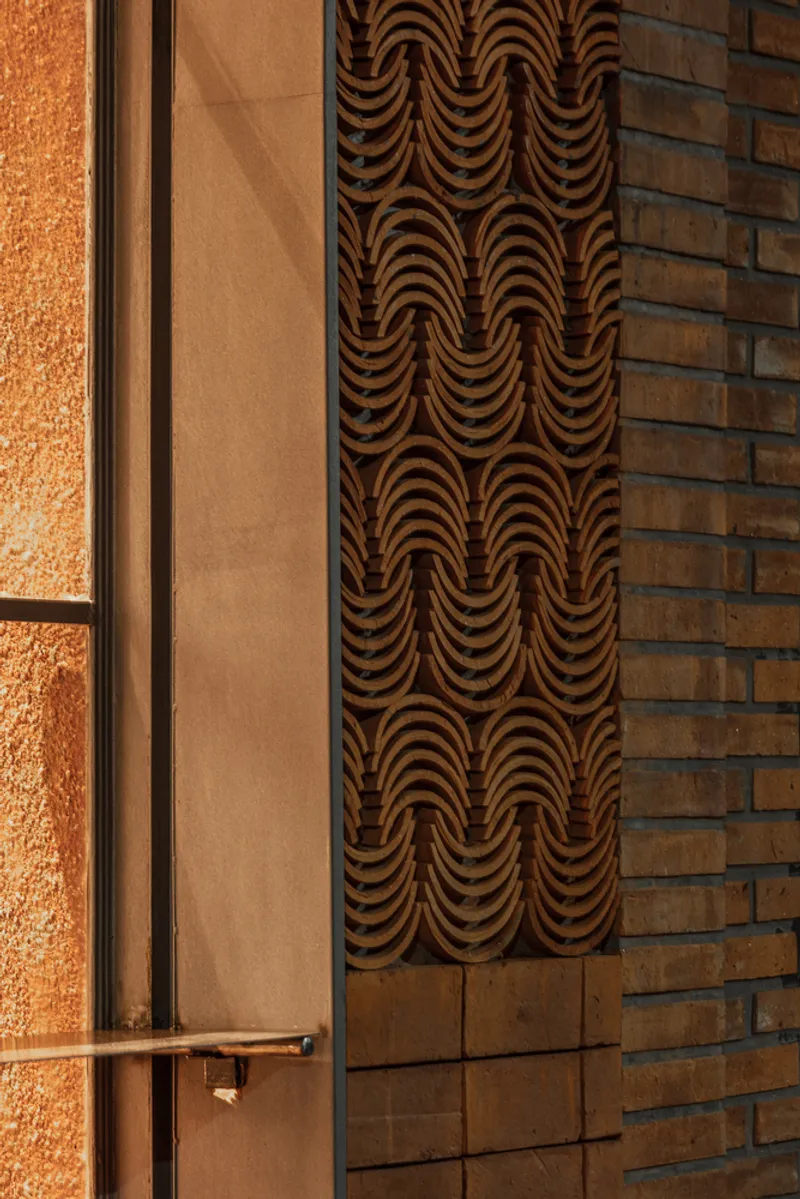
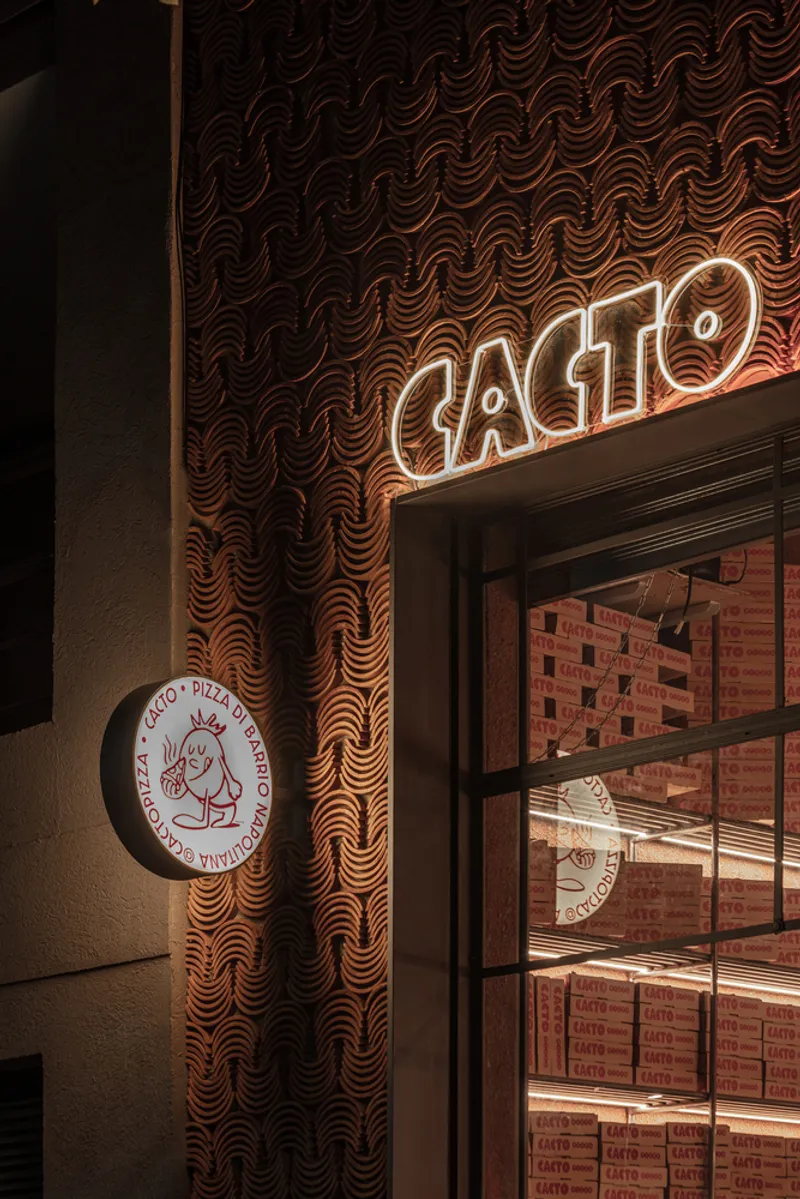
The facade of Pizzeria Cacto is particularly striking, thanks to the innovative use of cut colonial tiles. These tiles were meticulously designed to create a dynamic texture that catches the pedestrian's eye. The rustic charm of the clay tiles and bricks, found on the original facade, was preserved and integrated into the new design, providing a sense of continuity and historical respect.
Interior Elements
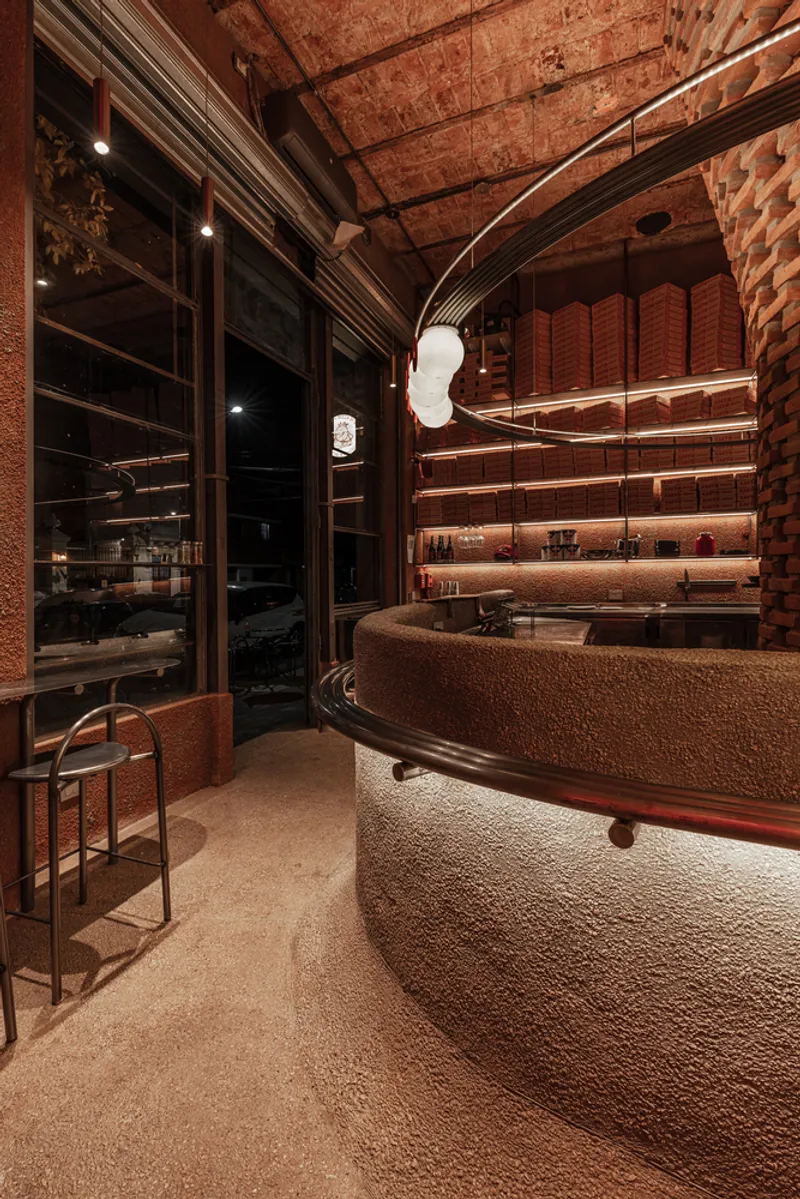
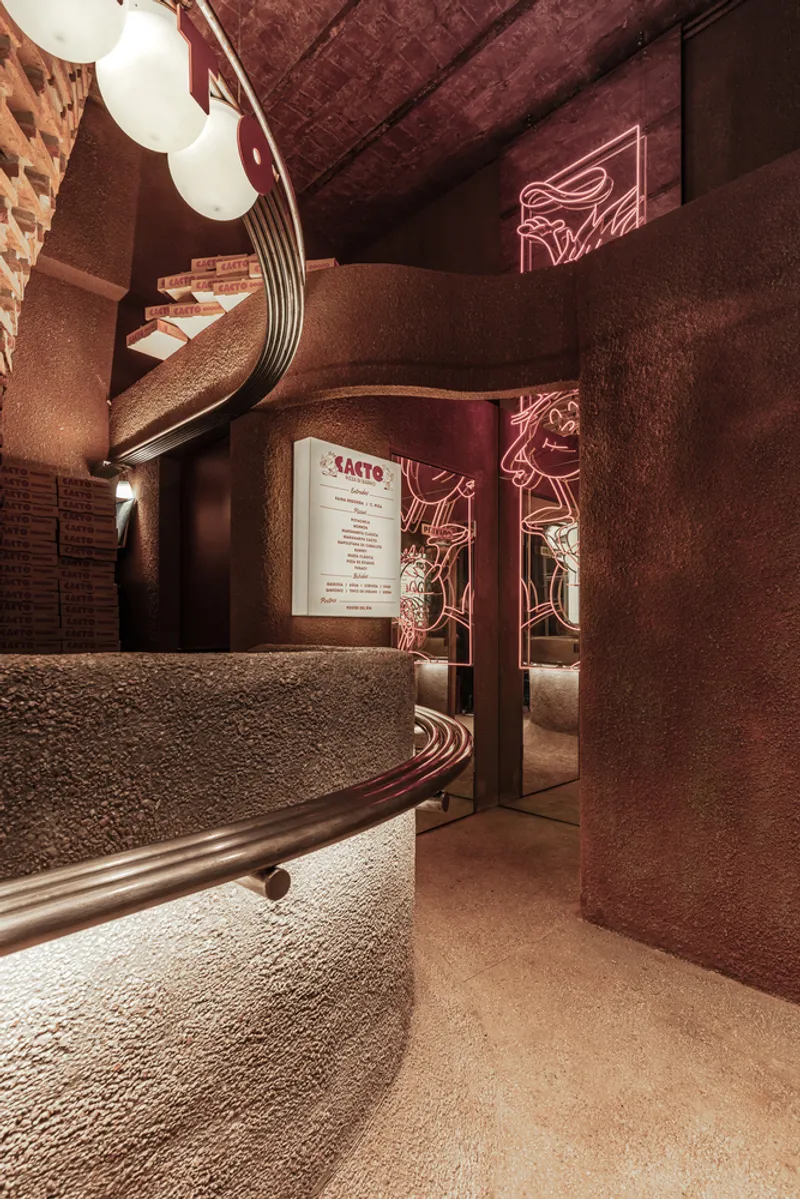
Inside, the architects challenged the conventional by experimenting with brick structures to achieve unique curvatures, reminiscent of the flames in the pizza oven. The vaulted ceiling was restored to add volume and a sense of openness within the small space. This combination of old and new encapsulates the essence of modern pizzeria design.
Furniture and Detailing
Breaking with Tradition
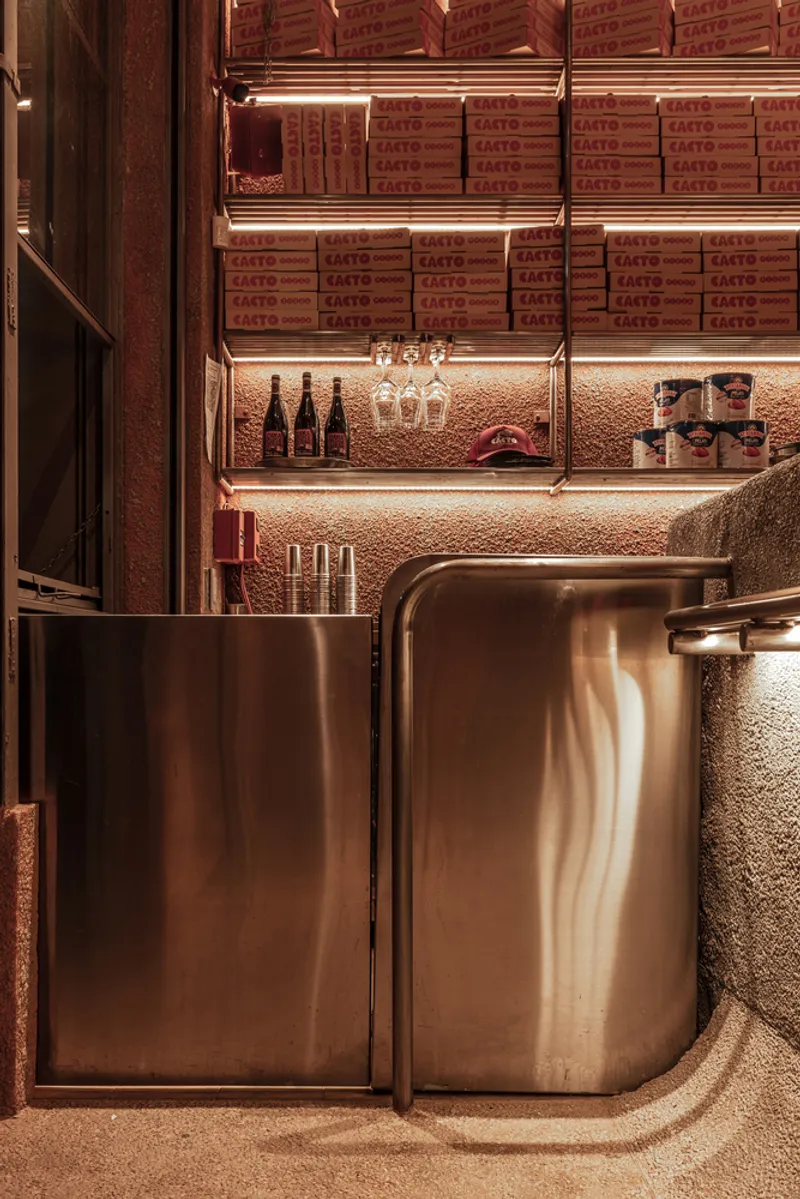
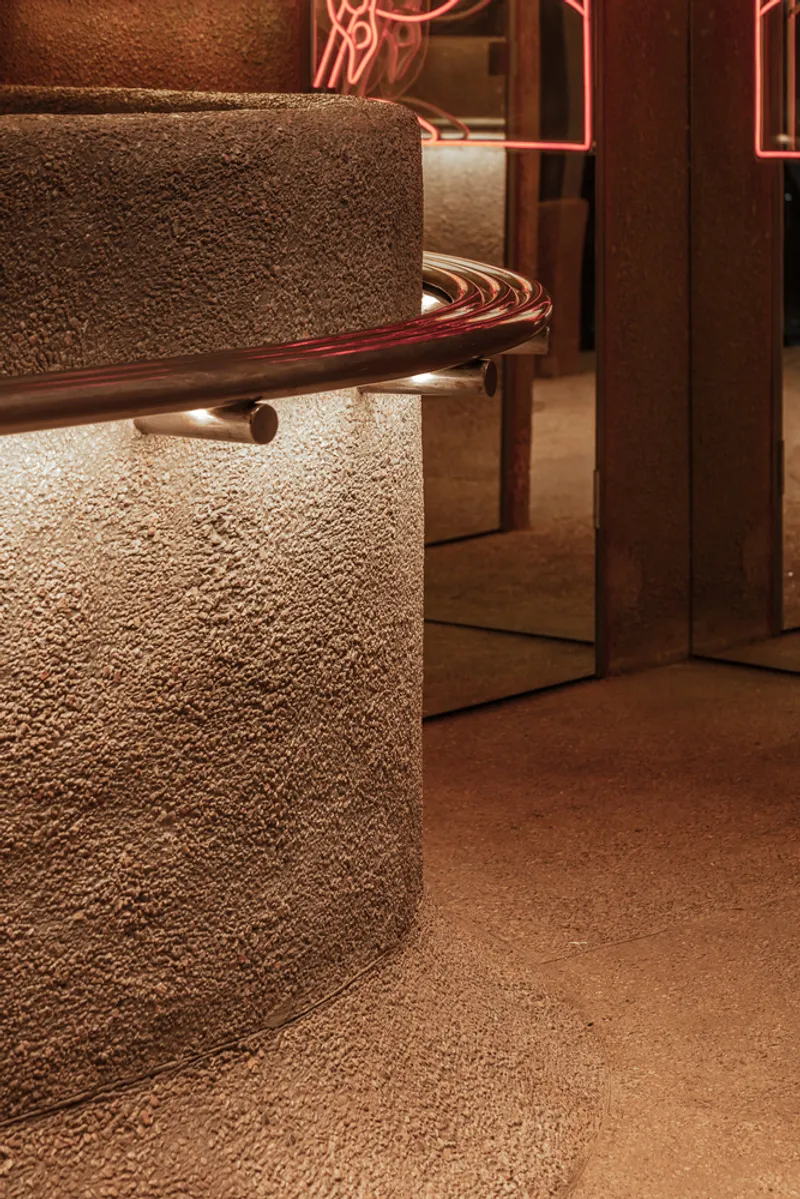
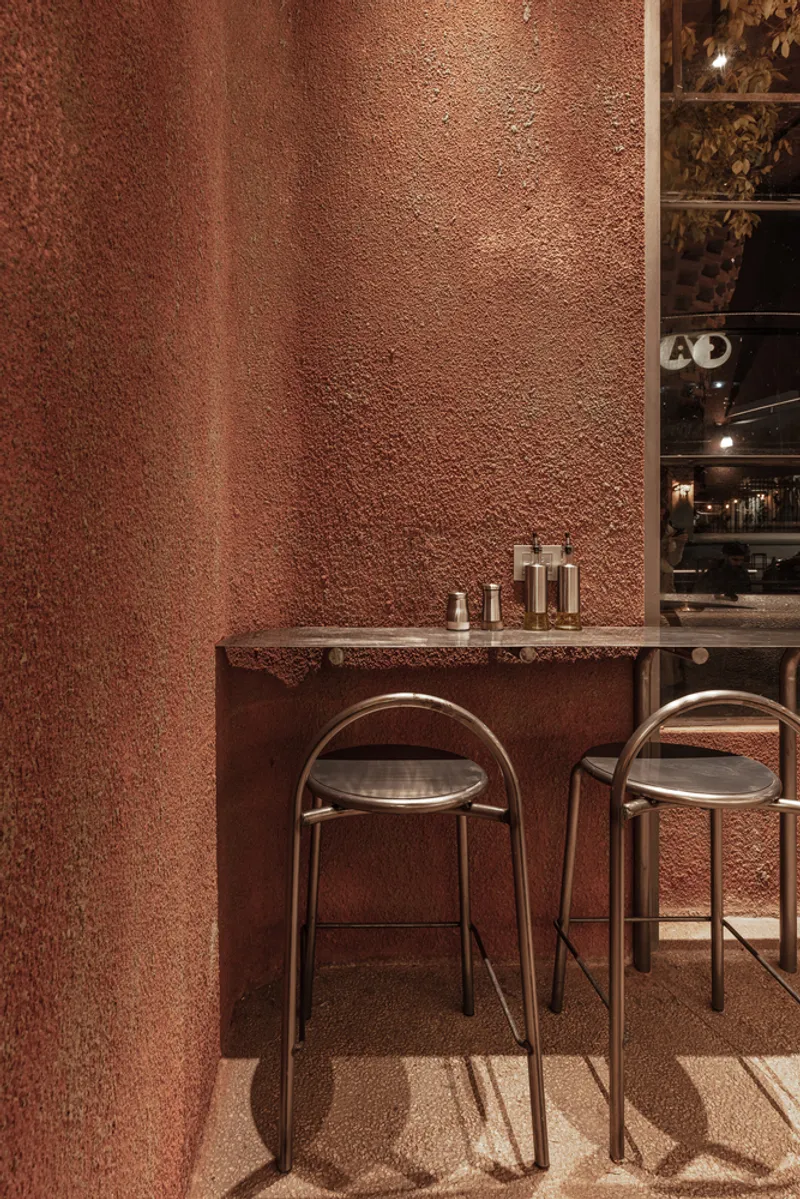
In contrast to the rustic textures of the building's shell, the furniture in Pizzeria Cacto introduces a modern twist. Polished metal sheets treated with polyurethane lacquer for waterproofing are used extensively, reflecting a sleek, contemporary look. This juxtaposition highlights the versatility of modern design in traditional settings.
Spatial Layout
The spatial arrangement of Pizzeria Cacto is carefully crafted to maximize functionality and aesthetic appeal. The furniture layout promotes ease of movement and interaction, while the custom-designed bar and storage areas maintain a clean and uncluttered environment. The use of hydro-washed stones for the flooring connects the indoor and outdoor spaces, enhancing the flow of the design.
Branding and Aesthetic
Visual Identity
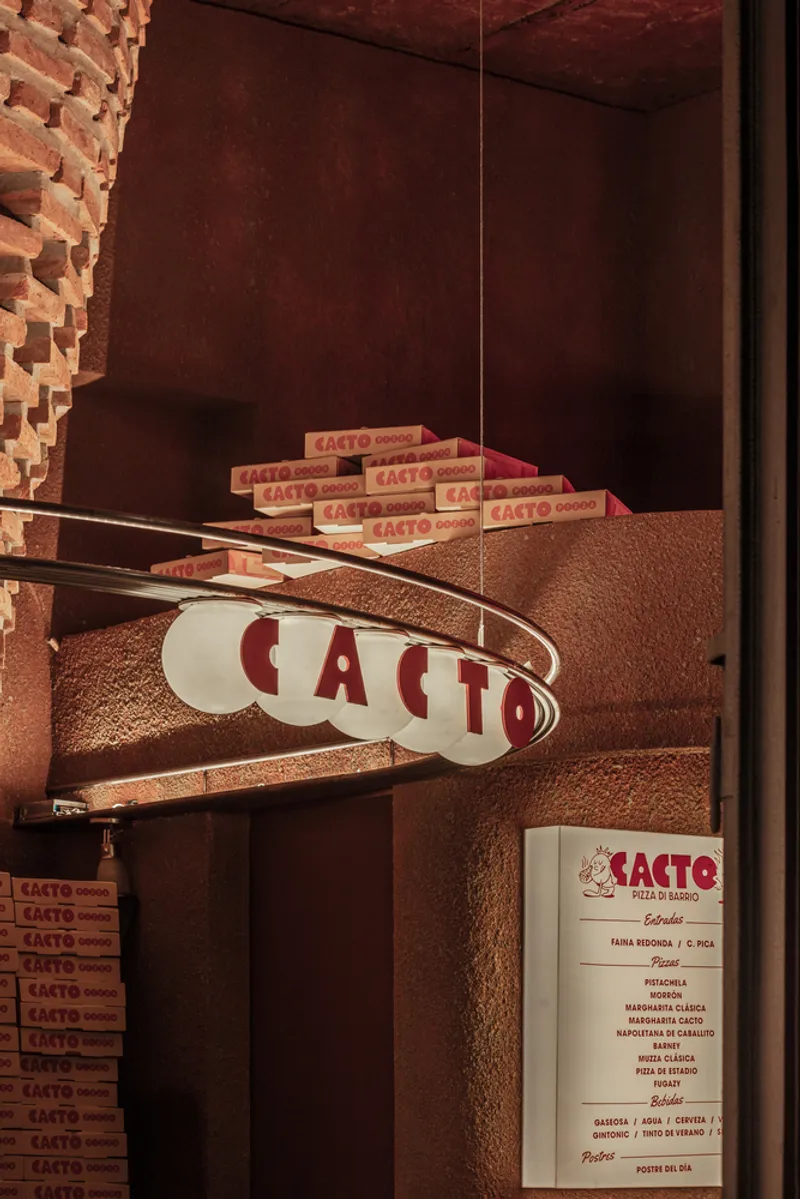
Pizzeria Cacto's branding, developed in collaboration with Turkey Studio, reflects a relaxed yet nostalgic feel, drawing on Argentine advertising graphics from past decades. This branding approach complements the architectural design, creating a cohesive narrative that resonates with customers.
Pizzeria Cacto stands as a prime example of how modern pizzeria design can transform a simple dining space into a remarkable architectural statement. Through the innovative use of materials, thoughtful spatial planning, and cohesive branding, Estudio Grizzo Arquitectos have created not just a restaurant, but a destination that offers a unique visual and culinary experience.
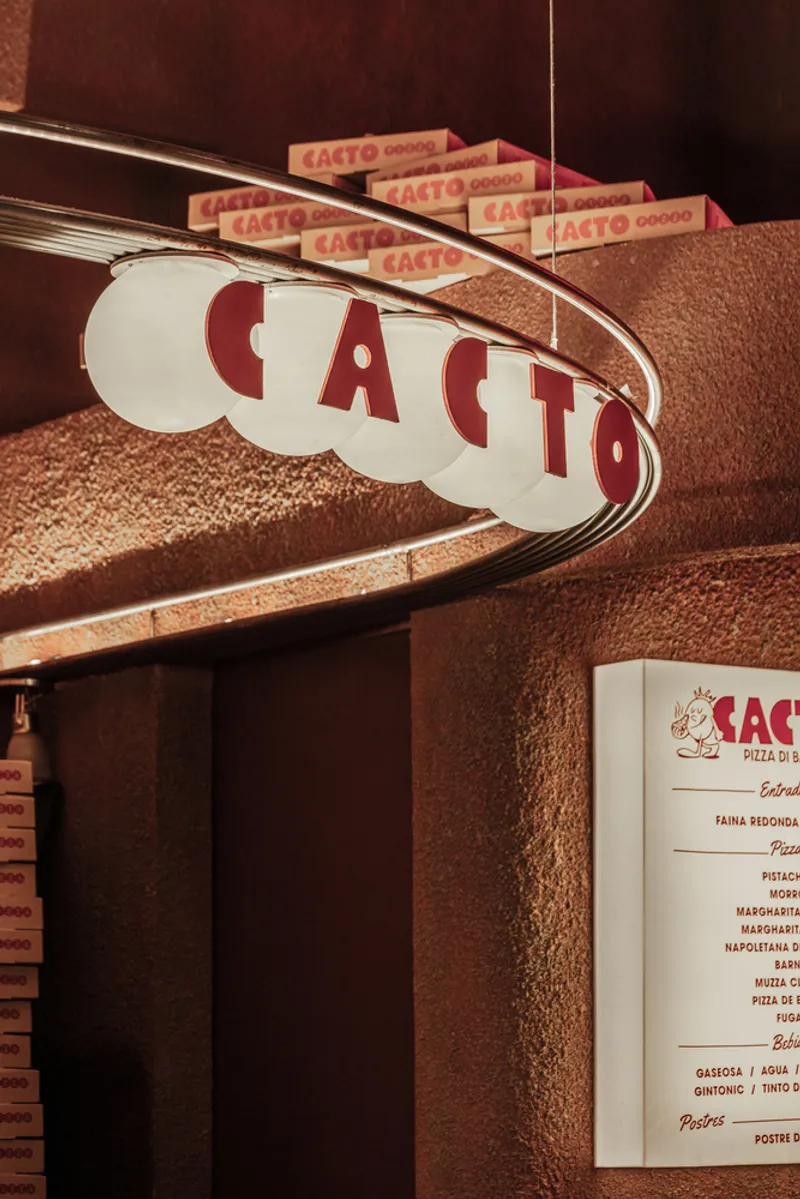
Exploring such innovative designs not only enhances the dining experience but also sets new benchmarks in the field of restaurant architecture. Pizzeria Cacto is a beacon of modern pizzeria design, inspiring architects and designers to explore creative boundaries in their projects.
All photographs are work of Federico Kulekdjian


Popular Articles
Popular articles from the community


Cube Design Draws an Ecological Corridor Between Two Shenzhen Hills with the Nankai Building
Beside Shenzhen's container docks, the Nankai Building pairs stacked balconies with a climbing green screen to connect two hillsides across its height.

longwave studio Reorganizes a 112 m² Tainan Apartment Around the Daily Routines of a Family and Two Cats
In Tainan, Taiwan, birch plywood, rust-red furniture and a freestanding plaster wall link arrival, storage, work and family life in one apartment.

GROUP A Strips a 1969 Rotterdam Harbor Headquarters to Its Frame and Wraps It in Timber Louvers
In Rotterdam's M4H harbor district, Ferro Offices reuses a 1969 frame, adds one timber storey and reaches BREEAM-NL Outstanding.

Juan García Correa, John González and Claudia Rueda Sink a Circular Amphitheater into a Manizales Engineering Building
On the La Nubia campus in Manizales, Colombia, the S1 Building folds labs and offices into a hillside of ramped lawns that double as a campus route.

Similar Reads
You might also enjoy these articles


Hodi-Mandai Geram
Project Function: Preservation and revitalization of the Intangible heritage and socio-spatial identity of the Hodi by Housing, Cultural Memory Center, Sacred Grove, landscape, local tourism economy


Olio Towers: A Mid-Rise for Performers That Fuses Housing, Rehearsal, and Stage
Located blocks from Houston's Theater District, this modular tower stacks living units around a central performance atrium.

Oasis: Modular Green Housing Carved into Dhaka's Urban Fabric
A shortlisted Plugin Housing entry reclaims unauthorized settlements in Dhaka with stepped concrete volumes, green roofs, and ventilation-driven design.

Black Hole: A Floating Megastructure for the Post-Physical Era
Emiliano Mazzarotto envisions a spherical, self-scaling arena where e-sports, digital hotels, and holographic stadiums replace traditional public space.

Explore Architecture Competitions
Discover active competitions in this discipline

Challenge to reimagine the Iron Throne

Photograph architecture without architects

Illustrate the lost glory of Angkor Wat - Render Challenge

Design challenge to reuse E-waste
Comments (0)
Please login or sign up to add comments
No comments yet. Be the first to comment!