

The Future of Architecture: How Sustainable Design is Shaping Modern Skylines
Building a Greener Future: How Sustainable Architecture is Transforming Our Cities


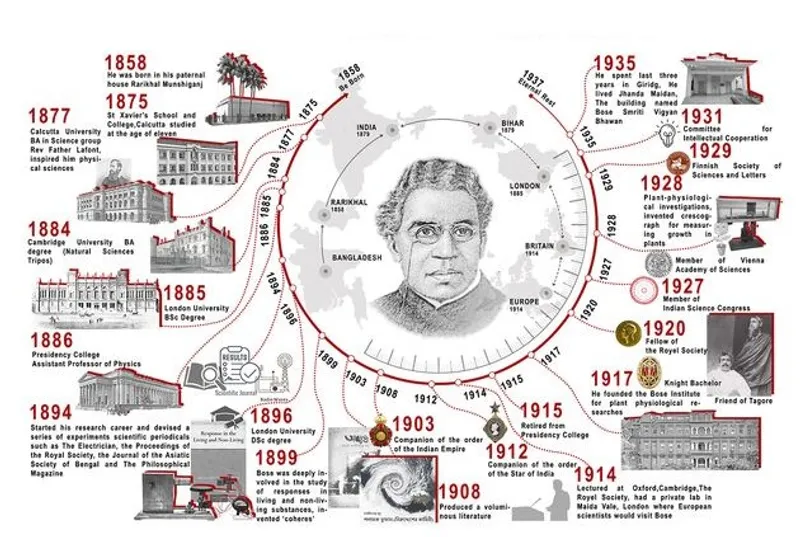
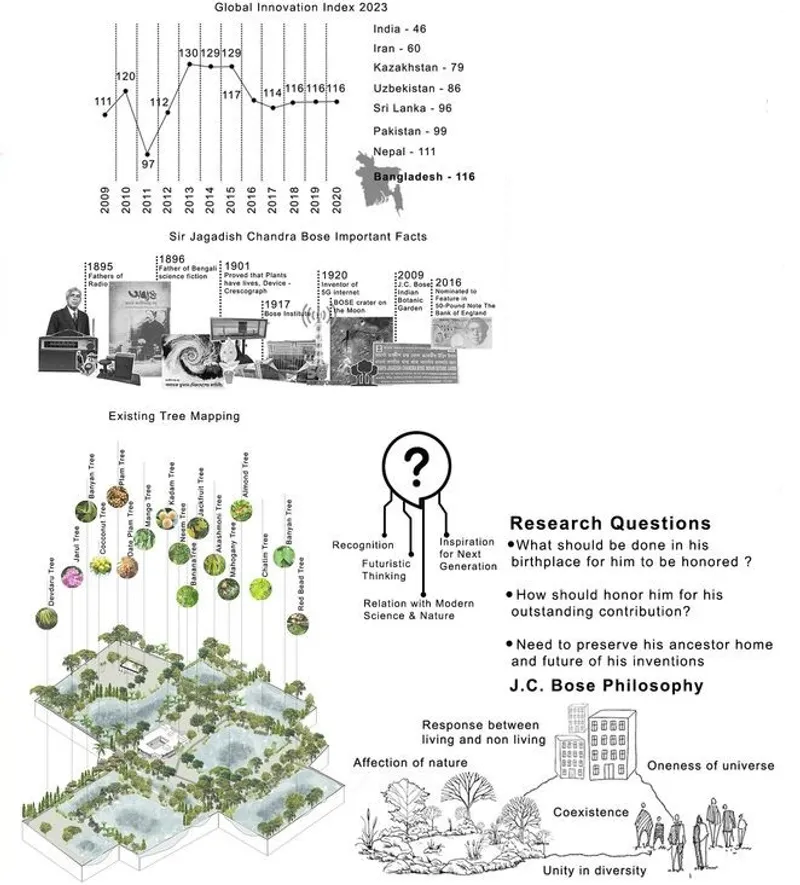
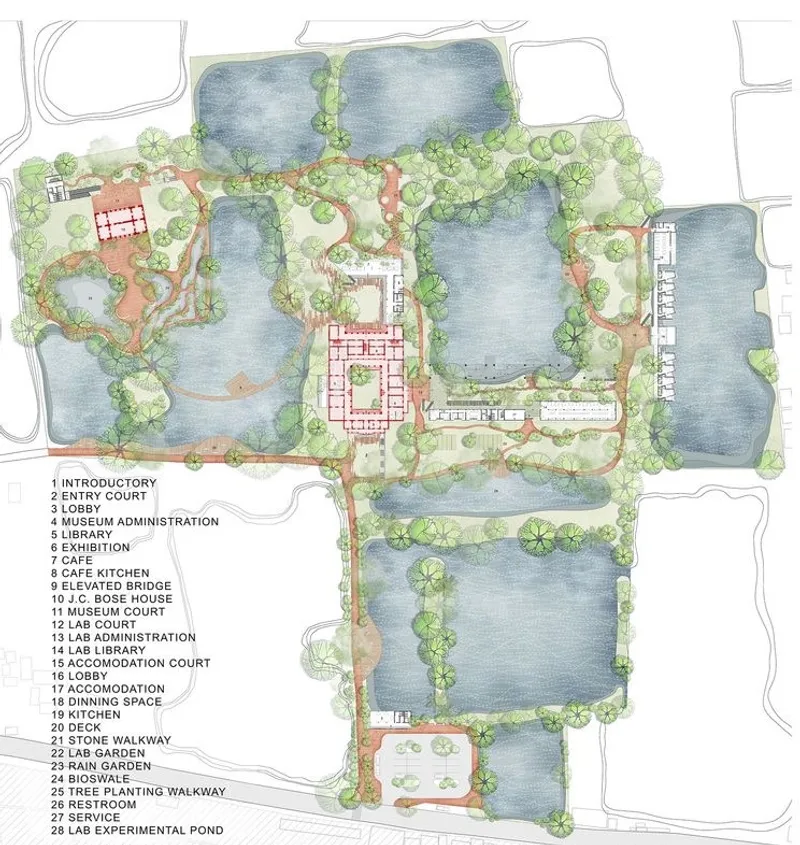
As global cities grow denser and urban populations rise, architecture faces a pivotal challenge: how to balance rapid development with environmental responsibility. SHIKOR created by Badhan Das, Shortlisted entry of UnIATA '24, The future of architecture is increasingly focused on sustainable design—an approach that not only considers aesthetics and functionality but also emphasizes energy efficiency, environmental impact, and resilience to climate change. This article delves into the key principles of sustainable architecture, showcases leading examples, and explores how these innovations are transforming skylines around the world.

Defining Sustainable Architecture
At its core, sustainable architecture is an approach to designing buildings that seek to minimize environmental impact. This is achieved by reducing energy consumption, utilizing renewable materials, and incorporating features that promote a healthier and more eco-friendly lifestyle for occupants. Unlike traditional buildings that often consume a significant amount of resources, sustainable buildings are designed with efficiency and longevity in mind, striving for a minimal ecological footprint.
Key Components of Sustainable Architecture:
Energy Efficiency: Reducing energy use through better insulation, efficient HVAC systems, and passive solar design.
Material Selection: Using materials that are locally sourced, recycled, or renewable, minimizing the need for non-renewable resources.
Waste Reduction: Incorporating designs that facilitate recycling, reduce water waste, and utilize renewable energy sources.
Indoor Environmental Quality: Ensuring that indoor air quality is optimal through ventilation systems, non-toxic materials, and abundant natural light.

The Role of Green Building Certifications
Green building certifications like LEED (Leadership in Energy and Environmental Design) and BREEAM (Building Research Establishment Environmental Assessment Method) have set standards for sustainable architecture. These certifications provide frameworks that guide architects and developers in creating buildings that meet rigorous sustainability criteria. Achieving these certifications has become a point of pride for many projects, and cities worldwide are incentivizing developers to pursue green certifications for new buildings.
Technological Innovations Driving Sustainable Design
Sustainable architecture is not only a matter of design philosophy but also one of technological innovation. Here are some cutting-edge technologies that are driving the future of sustainable architecture:
Smart Glass: Smart glass windows can regulate heat and light, adjusting opacity based on the intensity of sunlight, which reduces the need for artificial lighting and air conditioning.
Solar Panels and Green Roofs: Rooftops are increasingly being utilized for renewable energy generation through solar panels and for green roofs that enhance insulation and biodiversity.
Building Information Modeling (BIM): BIM allows architects and engineers to create digital twins of buildings, enabling them to optimize designs for energy efficiency and sustainability long before construction begins.
3D Printing and Prefabrication: Using prefabricated and 3D-printed materials reduces waste, speeds up construction time, and lowers the carbon footprint of transportation.

Case Studies: Sustainable Architectural Marvels
To better understand how sustainable design is shaping our urban landscapes, let’s look at a few iconic buildings that set new standards in environmental responsibility.
The Edge, Amsterdam
The Edge in Amsterdam, often hailed as the world’s most sustainable office building, exemplifies how technology can drive efficiency. Using IoT sensors, the building continuously monitors energy use, lighting, and temperature, adjusting them in real-time to minimize energy consumption. Solar panels generate most of the building’s power needs, while a rainwater collection system reduces water waste.
One Central Park, Sydney
One Central Park in Sydney integrates green architecture in its design with vertical gardens that provide natural insulation, reduce carbon dioxide, and improve air quality. The building uses an innovative heliostat system to direct sunlight into lower levels, reducing the need for artificial lighting. It’s a prime example of how greenery can be seamlessly incorporated into urban architecture.
Bosco Verticale, Milan
The Bosco Verticale, or “Vertical Forest,” in Milan features two residential towers covered with trees and plants. This design not only contributes to biodiversity but also acts as a natural air filter, absorbing CO₂ and dust particles while producing oxygen. It provides residents with a direct connection to nature, even in a densely urban environment.

The Economic and Social Benefits of Sustainable Design
While sustainable architecture requires an initial investment, it yields long-term savings in energy, water, and maintenance costs. These buildings often have higher occupancy rates, attract tenants more quickly, and command premium rents. Beyond economic advantages, sustainable buildings contribute to the well-being of their occupants by improving air quality, providing natural light, and reducing noise pollution.
Challenges and Opportunities
Despite its benefits, sustainable architecture faces challenges. High upfront costs and limited access to green materials can be prohibitive, especially in developing countries. Additionally, some older buildings may be difficult to retrofit with sustainable features without compromising their structural integrity or aesthetic value.
However, the growing awareness of environmental issues, coupled with technological advances, is creating more opportunities than ever before. Many governments are offering tax incentives for green buildings, and public awareness of sustainability is driving demand for eco-friendly spaces. Architects and developers have a unique opportunity to shape the future by adopting and advocating for sustainable practices.
The Future Outlook: Where Is Sustainable Architecture Headed?
As the global population becomes increasingly urbanized, the demand for sustainable cities will continue to grow. Future trends in sustainable architecture include:
Net-Zero Buildings: Buildings that generate as much energy as they consume are becoming the ultimate goal for sustainable architects. Achieving net-zero status means reducing energy needs through efficient design and meeting remaining demands with renewable energy.
Adaptive Reuse: More architects are opting to repurpose existing structures rather than building anew. This practice saves resources and energy, reducing the carbon footprint associated with demolition and new construction.
Bio-based and Carbon-Negative Materials: Architects are exploring the use of materials that not only reduce emissions but actively remove CO₂ from the atmosphere, such as carbon-sequestering concrete and bio-based materials like mycelium and hemp.
Smart Cities Integration: Future sustainable buildings are expected to integrate into "smart cities" where data from various infrastructures can be used to optimize energy use, waste management, and transportation.
The shift toward sustainable architecture represents one of the most exciting transformations in the built environment. It’s not merely about reducing the carbon footprint; it’s about creating a healthier, more resilient, and more sustainable future for everyone. As architects, developers, and city planners continue to embrace sustainable design, the skylines of tomorrow will look drastically different from those of today—not only as visual icons but as beacons of a more sustainable world.


Popular Articles
Popular articles from the community


Juan García Correa, John González and Claudia Rueda Sink a Circular Amphitheater into a Manizales Engineering Building
On the La Nubia campus in Manizales, Colombia, the S1 Building folds labs and offices into a hillside of ramped lawns that double as a campus route.

U.GA Architects Wraps an Oval Rooftop Pool in Curved Board-Formed Concrete on Busan's Jeollidan-gil
In Busan's Jeonpo-dong, a 454 m² mixed-use block stacks a neighborhood facility, guest rooms and an oval rooftop pool inside spiraling concrete walls.

longwave studio Reorganizes a 112 m² Tainan Apartment Around the Daily Routines of a Family and Two Cats
In Tainan, Taiwan, birch plywood, rust-red furniture and a freestanding plaster wall link arrival, storage, work and family life in one apartment.

David Macias Steps a Doorless Stone and Plaster House Down a Tropical Colombian Hillside
In the humid hills of Colombia, Threshold House replaces the front door with an open void and terraces its 850 m² down the slope instead of fighting it.

Similar Reads
You might also enjoy these articles


Vereda Arquitetos Renovates a 40-Square-Meter Apartment Inside Niemeyer's Copan Building
A compact unit in São Paulo's most iconic residential tower gets a material overhaul that pairs exposed concrete with bold blue Formica.

Shakur's House: Exposed Brick as an Interior Organiser in a 168 m² Mashhad Residence
Brick moves indoors in this Mashhad residence, where masonry walls, glass partitions and teal planes sequence a compact home without closing it off.

Day and Night Park: A Time-Based Urban Newsstand in Beijing
A temporary urban newsstand in Beijing blending travel, light, and reading through poetic colors, compact form, and community-focused design.

Modernist Patio Renovation in El Masnou, Barcelona by Oliver Segura Arquitectura + Cebrià Arquitectura
Modernist patio renovation blending tradition and innovation with a movable pool, leveled floors, and Catalan materials in El Masnou.


Comments (0)
Please login or sign up to add comments
No comments yet. Be the first to comment!