
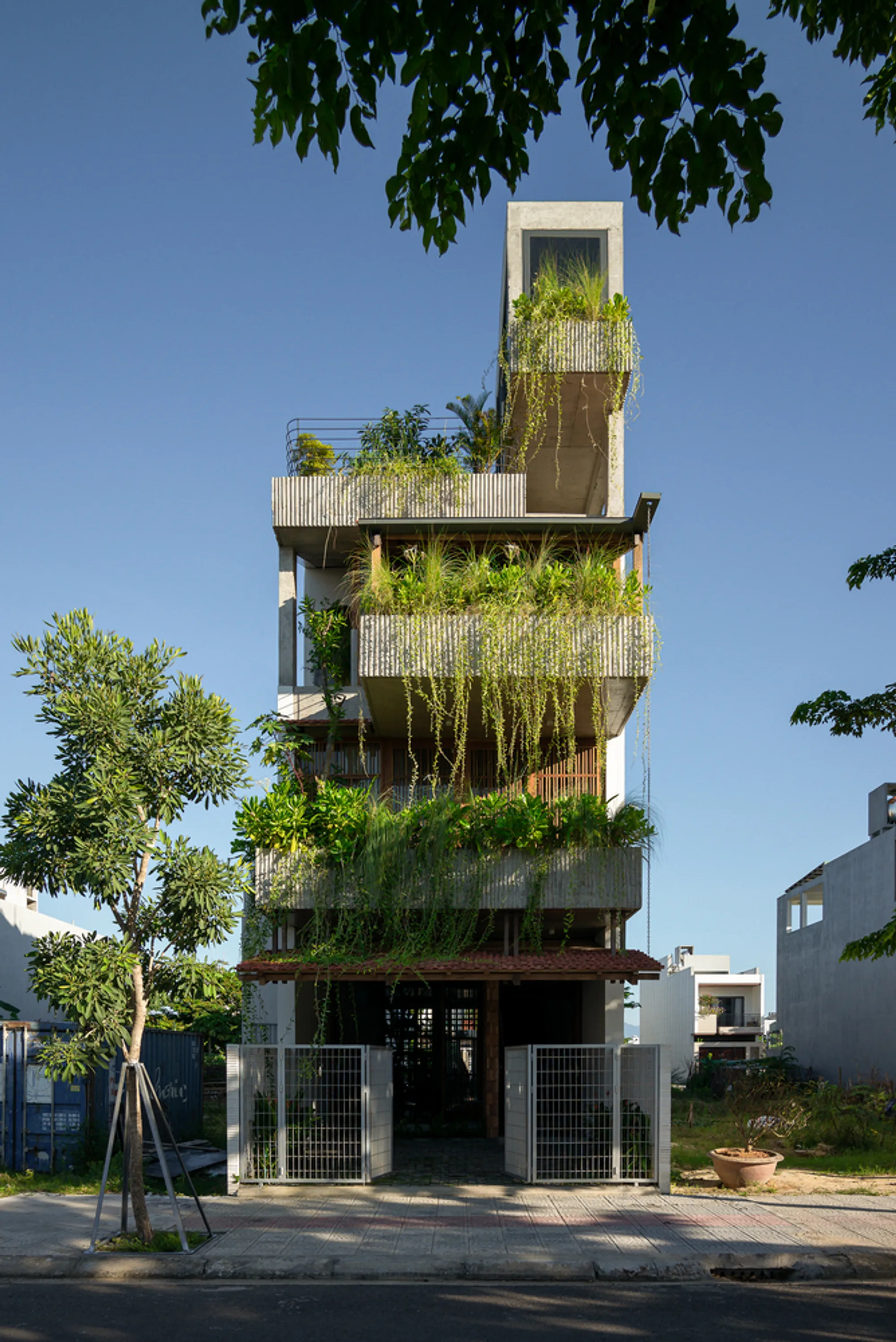
The HIÊN House by Winhouse Architecture: A Modern Vernacular Home Rooted in Tradition and Nature
A sustainable, multi-generational home in Da Nang blending traditional Vietnamese woodworking, green design, and modern vernacular architecture harmoniously.


Located in the rapidly developing suburban landscape of Hòa Quý, a neighborhood in Da Nang City, Vietnam, The HIÊN House by Winhouse Architecture is a masterful blend of tradition, sustainability, and contemporary Vietnamese architecture. Overlooking the scenic Han River, this 350-square-meter residence is designed as a peaceful multi-generational home that thoughtfully bridges the gap between rural memories and urban living.

A Home Crafted from Heritage
Designed for a three-generation family of woodworkers, The HIÊN House draws its identity from the family’s deep-rooted connection to carpentry. Wood was selected as the primary material—not just for its natural warmth and nostalgic value, but also for its economic and emotional significance. Much of the timber used in the home was salvaged from older constructions and manually processed by the family, contributing to sustainable construction practices and cost-effective design.

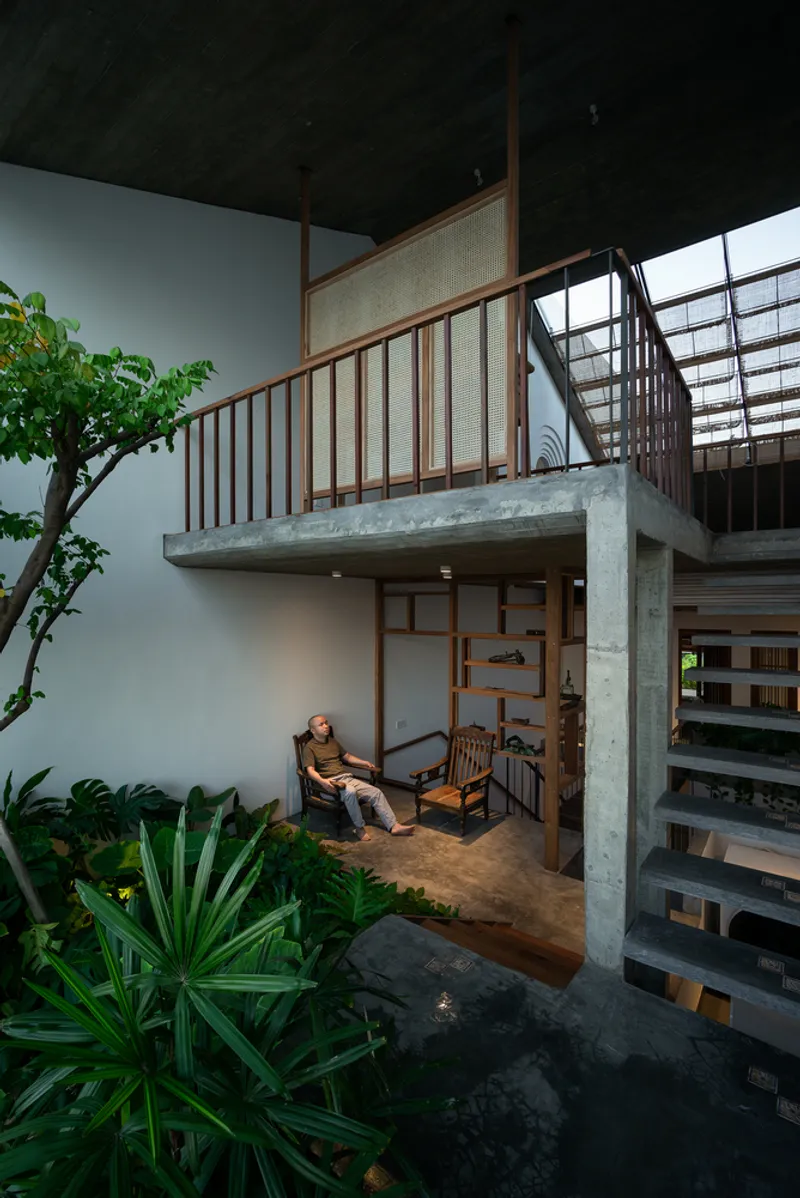
HIÊN: A Veranda Reimagined
The house’s name, “HIÊN,” refers to the traditional Vietnamese veranda—a shaded transitional space that connects the interior with the outdoors. This architectural element plays a central role in the house’s spatial organization and is especially suited to Vietnam’s tropical climate. The veranda functions not only as a climatic buffer but also as a social space, encouraging interaction while offering shelter from the intense Central Vietnamese sun and rain.


Rural Sensibilities in an Urban Context
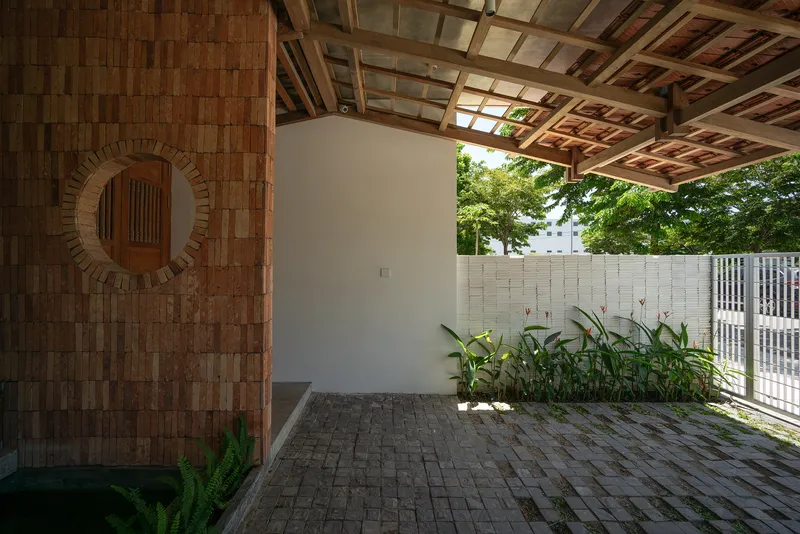
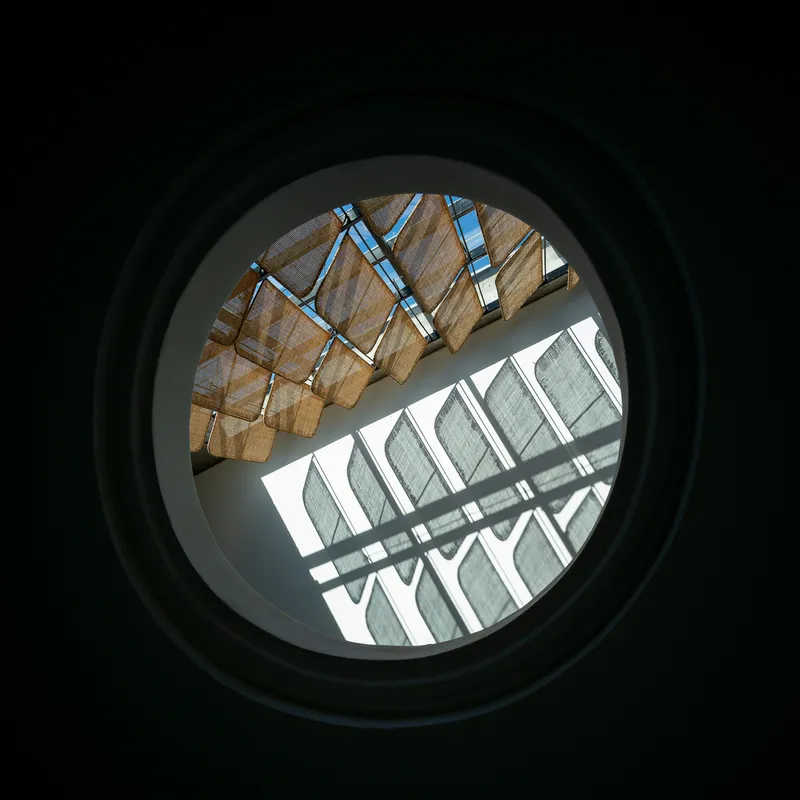
With a strong focus on preserving the familiarity of countryside life, the layout incorporates elements of Vietnamese rural architecture, including a central courtyard, generous overhangs, and a layout informed by habitual domestic rhythms. The designers were careful not to disrupt the family’s ingrained way of life, instead integrating those values into a contemporary structure. This thoughtful transition between village and city is evident in every detail, from the open living spaces to the way light filters through wooden slats.

A House Embracing Nature
The design is centered on the symbiosis between architecture and nature. Lush green pockets are interwoven throughout the home, enhancing the sense of tranquility and improving indoor air quality. Vegetable gardens and fragrant herb beds serve a dual purpose: they offer fresh produce and act as natural pest repellents. These thoughtfully planted spaces encourage biodiversity while keeping the architecture ecologically responsible.


Sustainable Materials and Local Craftsmanship
True to its environmental ethos, The HIÊN House utilizes recycled wood and locally sourced materials, reducing environmental impact while supporting regional artisans. All structural and finishing wood elements are left untreated, celebrating the raw character of each grain and knot. The integration of local labor and traditional building methods further grounds the house in its cultural and environmental context, making it not just a place to live, but a meaningful embodiment of sustainable design.


Space, Simplicity, and Connection
Internally, the home is organized with clear functionality: communal areas are open and fluid, while private zones offer intimacy and retreat. High ceilings, exposed beams, and framed views of the garden lend the space an expansive, almost meditative quality. A minimalist approach to furnishings ensures that light, texture, and spatial flow remain the main focus.
At its core, The HIÊN House is more than a residence—it’s a living tribute to family heritage, a sustainable architectural solution, and a model for how modern Vietnamese homes can evolve without losing their cultural roots.


All the photographs are works of Quang Dam




Popular Articles
Popular articles from the community


The Earth Pod: 3D Printed Homes for Resilient Refugee Communities
The Earth Pod reimagines refugee housing through 3D printed homes made from clay, combining resilience, self-sufficiency, and rapid shelter.

The Ocean Hive: Sustainable Architecture for a Self-Sufficient Civilization at Sea
The Ocean Hive imagines sustainable architecture at sea, where modular habitats, algae, wave power and ocean waste sustain a growing colony.

Co-life: Sustainable Architecture for Age-Friendly Community Living
Co-life reimagines sustainable architecture for seniors through courtyards, rammed earth, shared gardens, and spaces designed for belonging.

Hill & Cross Opera: Sculptural Opera House Architecture Shaped by Tallinn’s Landscape and Identity
Hill & Cross Opera reimagines opera house architecture in Tallinn through its sculptural hill, civic plaza, glass wave and a luminous cross.

Similar Reads
You might also enjoy these articles


Hodi-Mandai Geram
Project Function: Preservation and revitalization of the Intangible heritage and socio-spatial identity of the Hodi by Housing, Cultural Memory Center, Sacred Grove, landscape, local tourism economy


Olio Towers: A Mid-Rise for Performers That Fuses Housing, Rehearsal, and Stage
Located blocks from Houston's Theater District, this modular tower stacks living units around a central performance atrium.

Oasis: Modular Green Housing Carved into Dhaka's Urban Fabric
A shortlisted Plugin Housing entry reclaims unauthorized settlements in Dhaka with stepped concrete volumes, green roofs, and ventilation-driven design.

Black Hole: A Floating Megastructure for the Post-Physical Era
Emiliano Mazzarotto envisions a spherical, self-scaling arena where e-sports, digital hotels, and holographic stadiums replace traditional public space.

Explore Housing Competitions
Discover active competitions in this discipline



Challenge to reimagine the Iron Throne


Photograph architecture without architects


Illustrate the lost glory of Angkor Wat - Render Challenge


Design challenge to reuse E-waste
Comments (0)
Please login or sign up to add comments
No comments yet. Be the first to comment!