
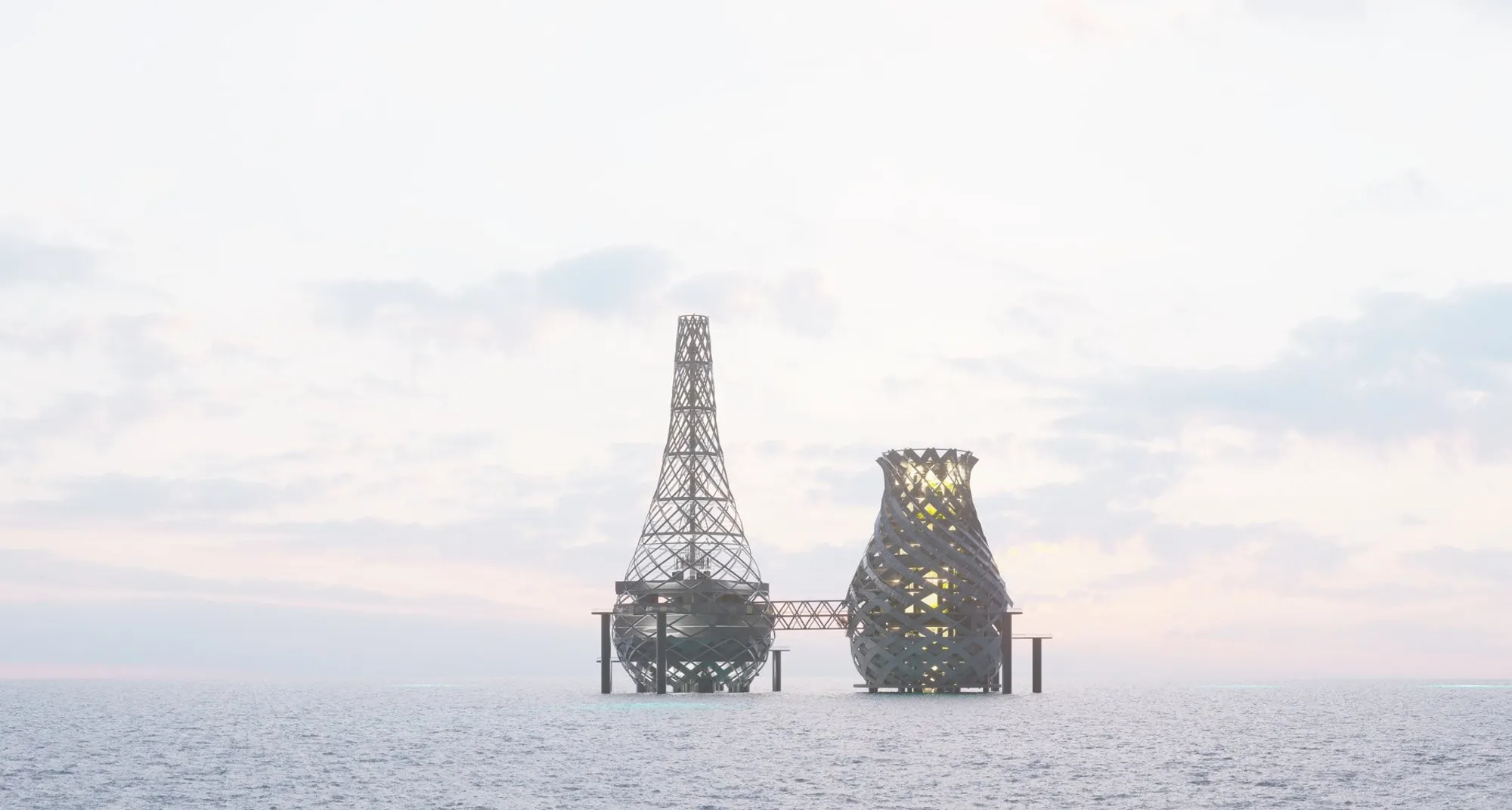
The Hyper Armida: A Visionary Underwater Architecture Project Reimagining Offshore Living
An underwater architecture concept transforming abandoned oil rigs into a futuristic marine art village for creative living.


The First Underwater Art Village
The Hyper Armida Designed by Alena S, The Hyper Armida is a speculative underwater architecture project that reimagines abandoned offshore oil infrastructure as a futuristic marine settlement dedicated to art, research, and human habitation. Recognized as an Honorable Mention entry in the Proximity Island 2019 competition, the proposal explores how adaptive reuse architecture can transform industrial relics into immersive cultural environments floating between sea and sky.
Set within the Adriatic Sea, the project envisions a new typology of sustainable ocean architecture where artists, researchers, and visitors inhabit a network of underwater living spaces, exhibition towers, and marine observation platforms. The concept combines experimental architecture, underwater urbanism, and ecological thinking into a singular architectural narrative.
Reimagining the Oil Rig Through Underwater Architecture
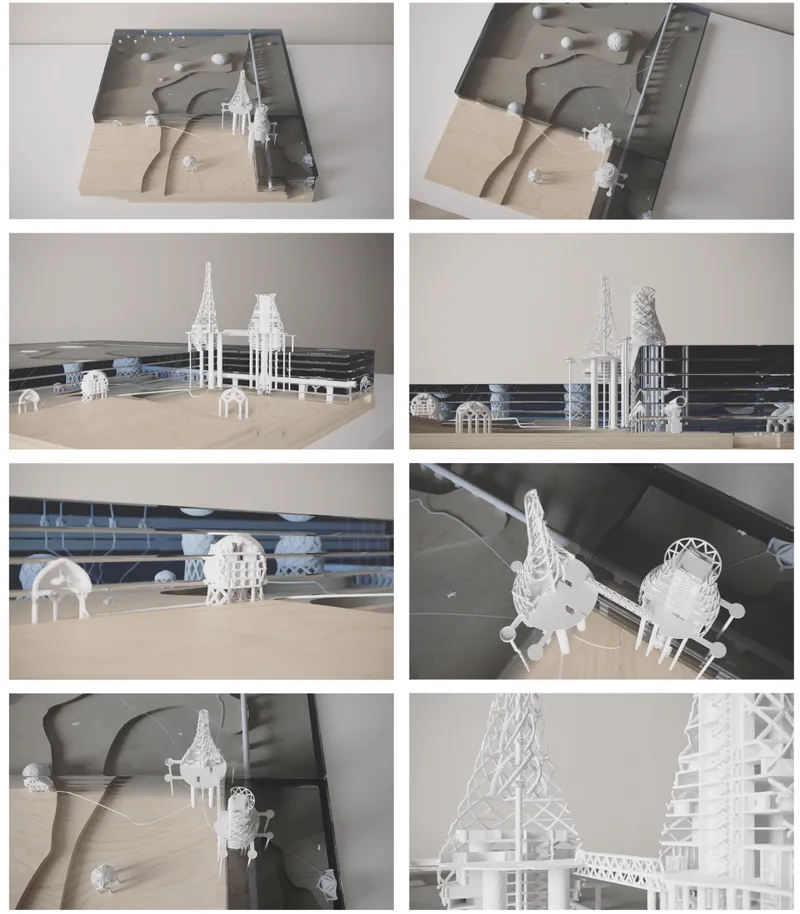
At the center of the proposal lies the adaptive transformation of a former oil rig into a multifunctional underwater art center. Rather than demolishing industrial infrastructure left behind by fossil fuel extraction, The Hyper Armida proposes a future where these structures become catalysts for cultural production and marine coexistence.
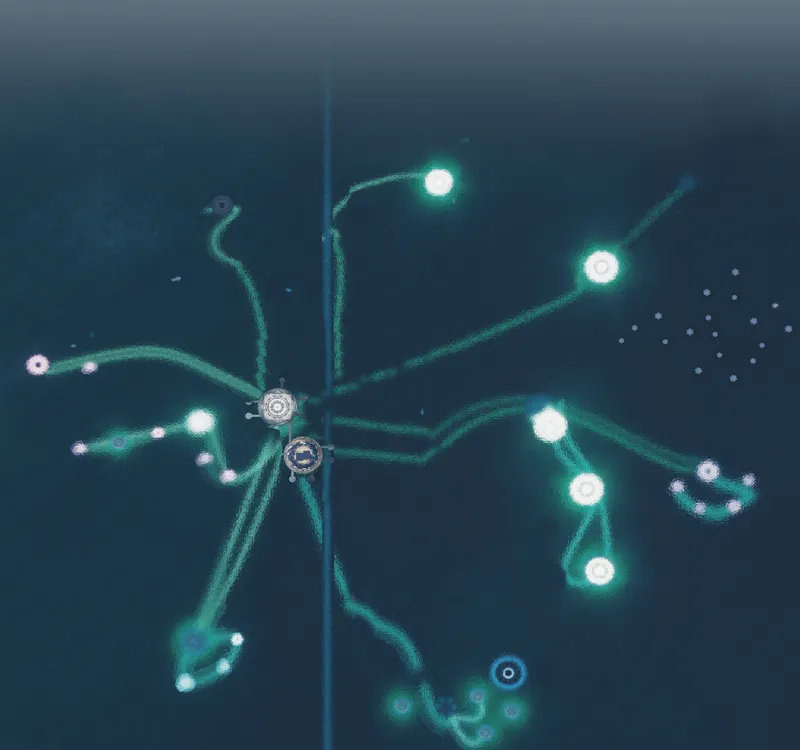
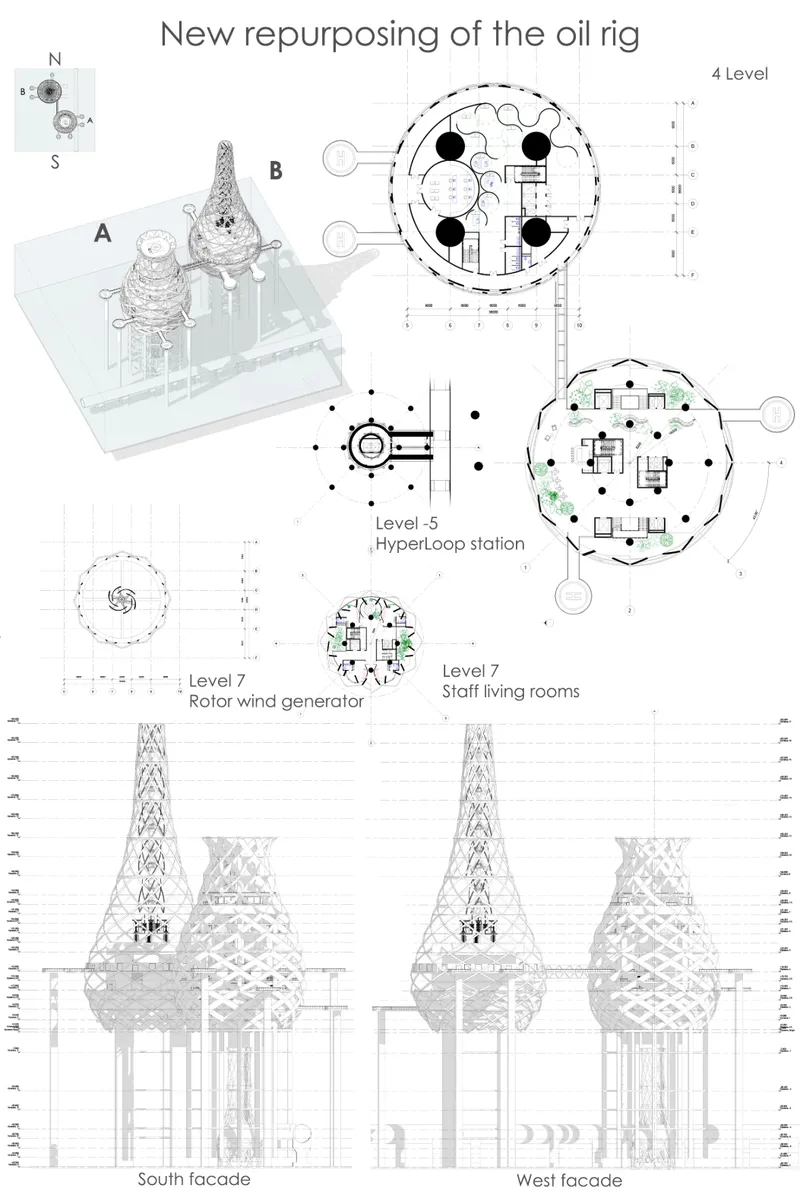
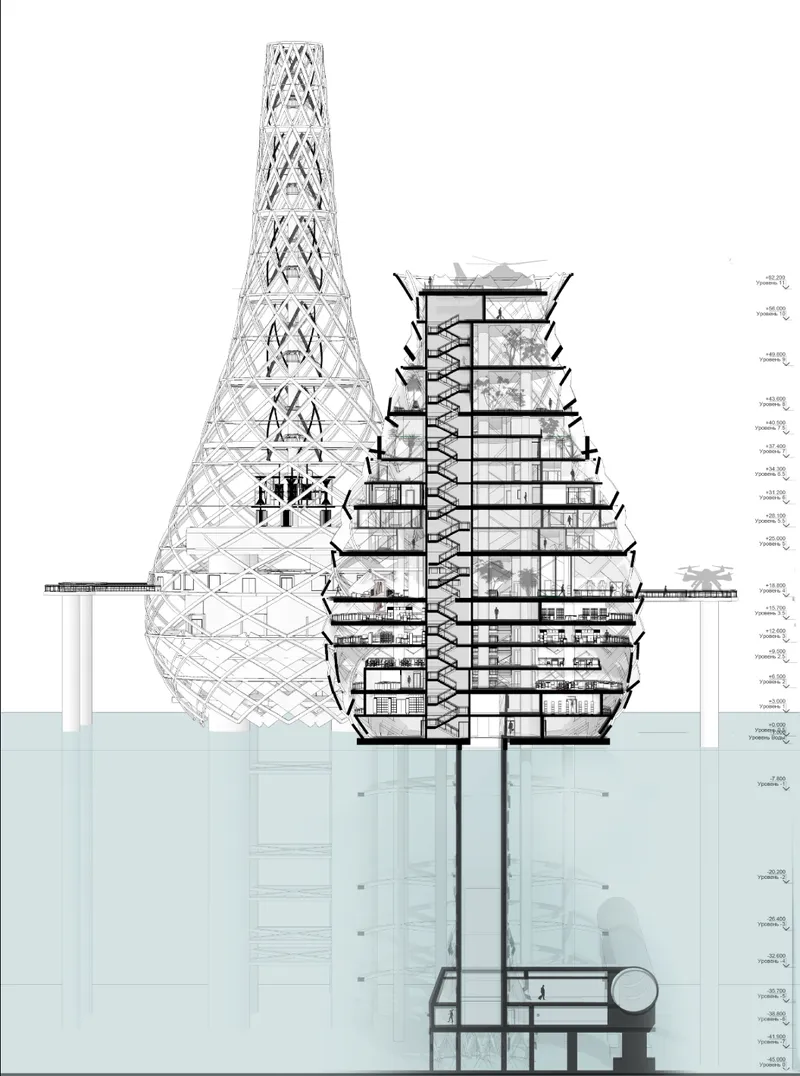
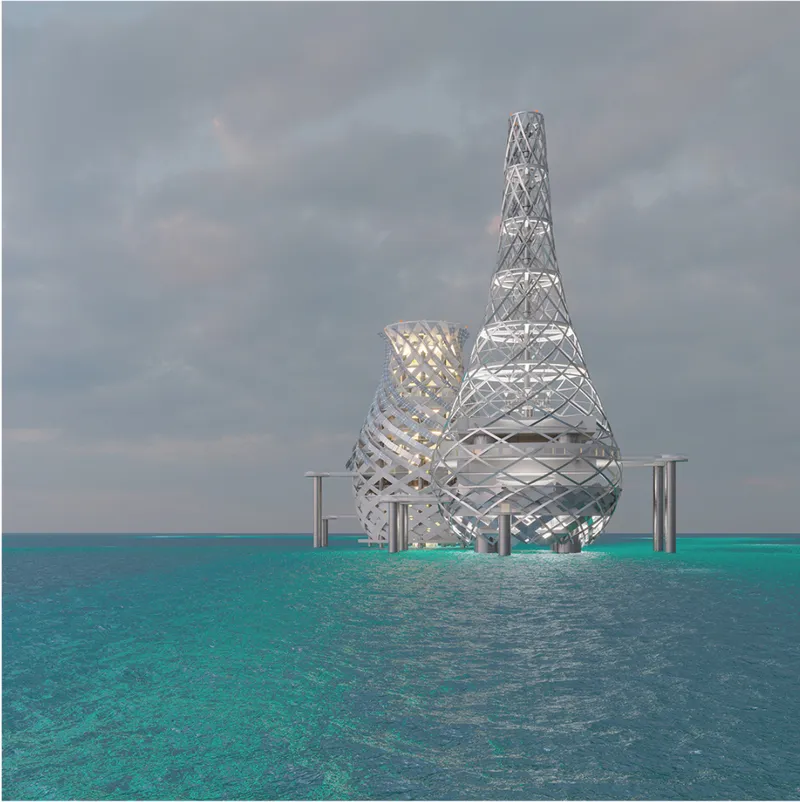
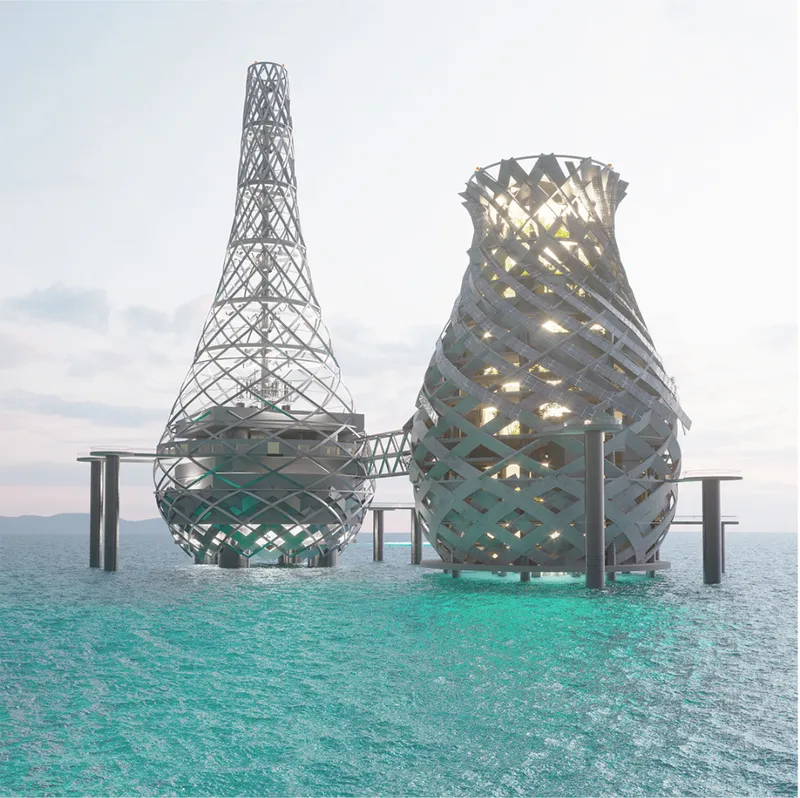
The project introduces two primary architectural volumes rising above sea level. One structure accommodates temporary galleries, public exhibition spaces, and observation platforms, while the second houses operational facilities and residential functions for staff and long-term occupants. Suspended beneath the water surface are immersive underwater living capsules designed for artists and researchers.
The architecture adopts an organic lattice shell system that resembles marine organisms and woven sea structures. The sculptural towers rise vertically from the ocean, creating iconic silhouettes visible from a distance while maintaining structural efficiency.
An Underwater Art Village Beneath the Sea
Inspired by the mythical gardens of Armida, the project imagines an isolated world where individuals disconnect from daily pressures and devote themselves entirely to creativity, reflection, and artistic exploration. The underwater village becomes both sanctuary and laboratory.
Residents inhabit submerged living modules equipped with recreation areas, conference spaces, medical facilities, and workspaces. Transparent viewing portals connect occupants visually with the surrounding marine environment, turning underwater life into a constantly changing spatial experience.
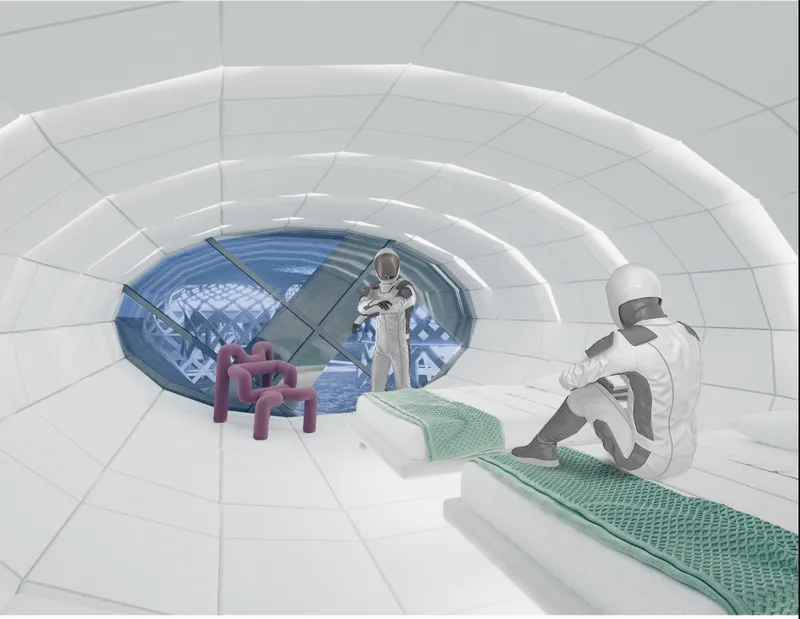
The proposal imagines digital artists and researchers living in pairs within these underwater habitats. Interior environments are minimal, futuristic, and highly controlled, balancing psychological comfort with the technical realities of underwater habitation.
The underwater houses include:
- Recreation zones
- Dining and kitchen facilities
- Medical and emergency rooms
- Workspaces and studios
- Living quarters
- Conference halls
- Security and technical rooms
- Utility and support infrastructure
The project explores how architecture can support emotional wellbeing and social interaction in isolated environments while responding to the extreme conditions of underwater living.
A Futuristic Vision of Sustainable Ocean Architecture
One of the strongest aspects of The Hyper Armida is its integration of sustainable systems into the architectural framework. The proposal introduces renewable energy infrastructure including rotor wind generators positioned within the upper towers.
Transportation systems are equally futuristic. Access to the art village occurs through helicopters and HyperLoop-inspired underwater transit systems connected to submerged stations beneath the sea surface. These transportation networks reinforce the speculative yet technologically ambitious character of the proposal.
The project reflects growing architectural conversations around:
- Offshore adaptive reuse
- Climate-responsive architecture
- Sustainable marine infrastructure
- Floating and underwater habitats
- Experimental residential systems
- Cultural infrastructure in extreme environments
As rising sea levels and ecological crises continue reshaping coastal futures, speculative underwater architecture projects such as The Hyper Armida challenge conventional ideas of habitation and urban expansion.
Architecture Between Isolation and Community
The spatial organization of the project carefully balances privacy with collective interaction. While the underwater capsules provide intimate living spaces, shared public areas encourage collaboration, creativity, and social exchange.
Above the waterline, gallery towers operate as cultural beacons within the ocean landscape. Beneath the sea, interconnected tunnels and circulation systems establish a hidden network of communal life.
This duality between exposure and enclosure becomes one of the defining architectural qualities of the project. The inhabitants remain isolated from traditional cities yet deeply connected through shared artistic and environmental experiences.
The design language further reinforces this narrative. The woven structural skins create filtered light conditions, dynamic shadows, and constantly changing reflections from the sea surface. The architecture feels simultaneously futuristic and organic.
Spatial Experience and Interior Atmosphere
The rendered interiors emphasize calmness, clarity, and sensory immersion. White curved surfaces define the underwater living spaces, while panoramic underwater openings frame views of the ocean environment.
The interior atmosphere prioritizes psychological comfort through:
- Soft lighting systems
- Minimal visual clutter
- Organic geometries
- Controlled circulation
- Immersive underwater views
- Compact yet efficient spatial planning
These qualities transform the underwater habitat into more than a survival mechanism. Instead, the project imagines architecture as an emotional refuge capable of redefining the relationship between humans and the ocean.
Experimental Architecture for Future Oceans
The Hyper Armida belongs to a growing body of visionary architectural concepts exploring future ocean living and offshore urbanism. While speculative in nature, the proposal raises critical questions about the future reuse of industrial marine infrastructure.
Can abandoned oil rigs become cultural destinations? Can underwater architecture support long-term habitation? Can future cities expand vertically into the ocean?
Through its ambitious spatial systems and atmospheric visualizations, the project proposes a compelling answer. Rather than treating the ocean as empty territory, the design imagines it as a new frontier for sustainable architecture, creativity, and collective life.
The Future of Underwater Architecture
As architecture increasingly responds to ecological uncertainty and environmental transformation, underwater architecture projects continue gaining relevance within academic and experimental design discourse. The Hyper Armida demonstrates how speculative thinking can challenge traditional boundaries between infrastructure, habitation, and art.
By transforming an obsolete oil platform into an underwater cultural village, Alena S presents a future where architecture not only adapts to changing environments but actively reshapes humanity’s relationship with the sea.
The project ultimately becomes more than an underwater structure. It becomes a vision of alternative living, creative isolation, and architectural reinvention in an era defined by environmental transition.
Project: The Hyper Armida
Designer: Alena S
Recognition: Honorable Mention, Proximity Island 2019



Popular Articles
Popular articles from the community


The Earth Pod: 3D Printed Homes for Resilient Refugee Communities
The Earth Pod reimagines refugee housing through 3D printed homes made from clay, combining resilience, self-sufficiency, and rapid shelter.

Conexión: Biophilic Design Reimagines High-Rise Living in Hong Kong
Conexión reimagines high-rise living in Hong Kong through biophilic design, green facades, shared spaces, daylight, water and nature within.

The Ocean Hive: Sustainable Architecture for a Self-Sufficient Civilization at Sea
The Ocean Hive imagines sustainable architecture at sea, where modular habitats, algae, wave power and ocean waste sustain a growing colony.

Hill & Cross Opera: Sculptural Opera House Architecture Shaped by Tallinn’s Landscape and Identity
Hill & Cross Opera reimagines opera house architecture in Tallinn through its sculptural hill, civic plaza, glass wave and a luminous cross.


Similar Reads
You might also enjoy these articles

Eco Chapel: A Green Architecture Pavilion Designed in Symbiosis with the Forest
Eco Chapel uses green architecture to weave prayer, learning and reuse into a forest pavilion shaped by modular hexagonal canopies for life.
Kaffeebühnen: Coffee Shop Architecture Designed as a Civic Stage Between Vienna’s City and Park
Kaffeebühnen turns coffee shop architecture into a civic stage, linking Vienna’s park edge, urban life, warm timber yards, and coffee craft.
Healing Façade: Sustainable Architecture for Reforestation, Community, and Sacred Ecology in Ethiopia
Healing Façade reimagines sustainable architecture as a living wall that restores soil, catches water and renews Ethiopia's forest churches.


Urban Forest: A Vertical Ecosystem for 5,000 Workers in Singapore's Changi Business Park
Radially stacked pods and layered green decks turn a 7-acre plot into 47 acres of ecological workspace projected for 2040.

Comments (0)
Please login or sign up to add comments
No comments yet. Be the first to comment!