
The Mountain Church of Julong: A Landmark of Faith and Community in Quanzhou
An architectural marvel, the Mountain Church of Julong in Quanzhou blends spiritual symbolism and community inclusivity, designed by INUCE.

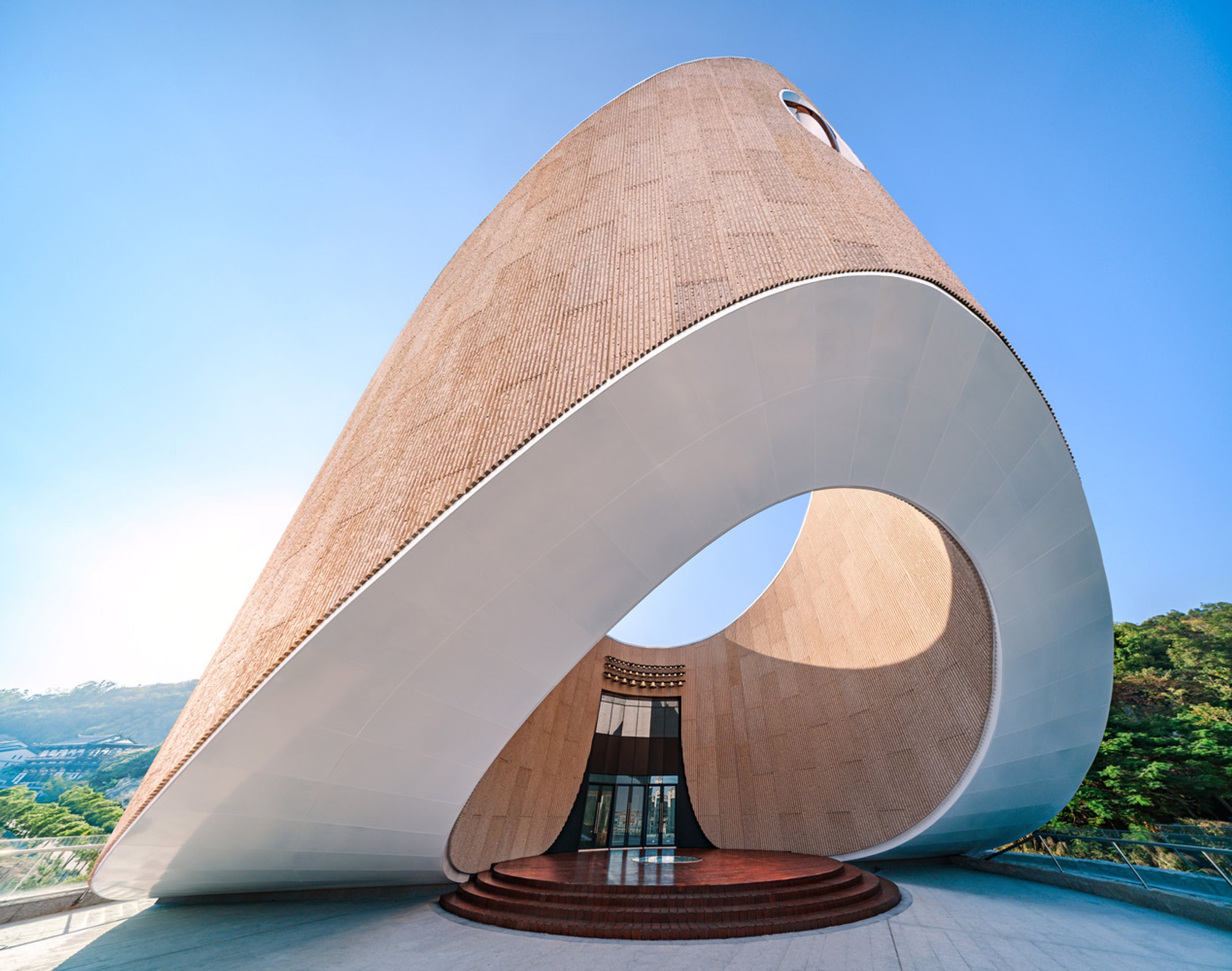
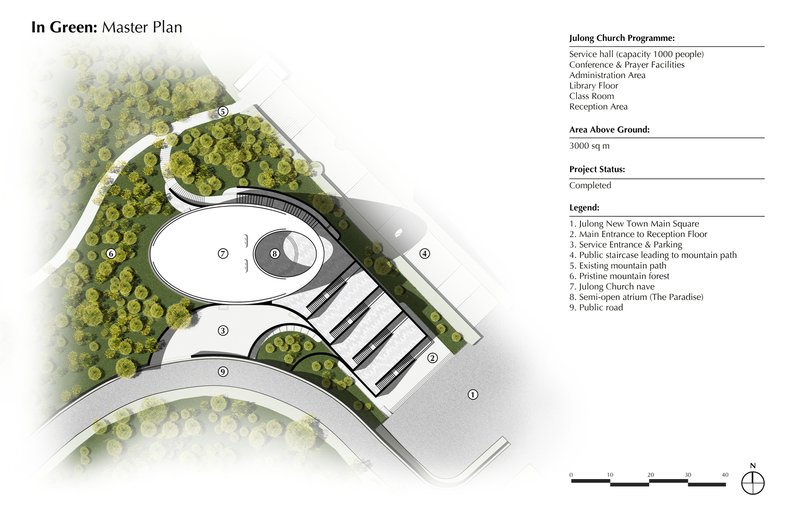
Nestled at the foot of a green mountain in the burgeoning new town of Julong, near the bustling city of Quanzhou, stands the Mountain Church of Julong. Designed by INUCE and led by Dr.-Ing. Dirk U. Moench, this architectural marvel embodies a confluence of spiritual symbolism and community inclusivity. Spanning an area of 3000 m², this church not only caters to a Protestant minority but also serves as a beacon of unity and a landmark for the entire town. This article delves into the architectural nuances, symbolic significance, and community impact of the Mountain Church of Julong.
Background and Vision
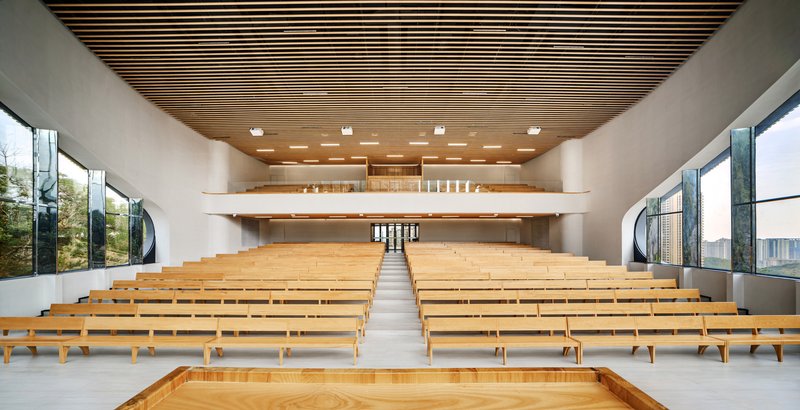
Julong, a relatively new town, has seen rapid population growth, attracting residents from across China. Among its diverse population is a minority of Protestants who previously gathered in a cramped shop front. As their congregation grew, so did the need for a larger space. The decision to build a church that could accommodate 1000 attendees was born out of necessity and a vision to create a spiritual haven at the foot of the mountain. The site chosen for the church not only provides a picturesque backdrop but also allows the structure to become a prominent landmark in Julong.
The congregation, composed of believers from various denominations, sought to bridge liturgical and symbolic gaps through the new sanctuary. They envisioned a space that would foster unity and inclusivity, reflecting the shared experience of establishing new bonds in a new town. The church's design had to cater to both sacred and secular needs, making it a versatile community space.
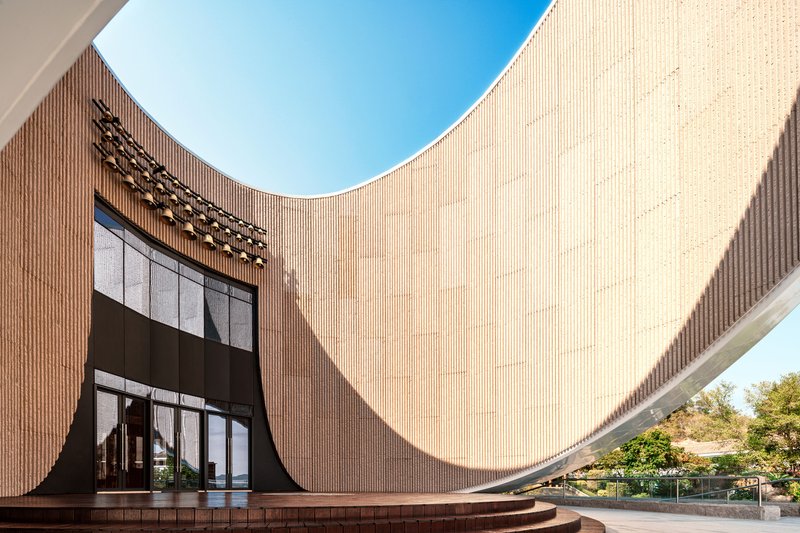
Architectural Design: Symbolism and Functionality
The design of the Mountain Church of Julong draws heavily from archetypal motifs, guided by deep theological and cultural contemplation. An elder's quote, "You are Peter, I will build my church on this rock," along with his wife's sentiment, "In Julong we are all foreign. We wish to be an ark for arrivers, their haven," became the guiding light for the architectural decisions.
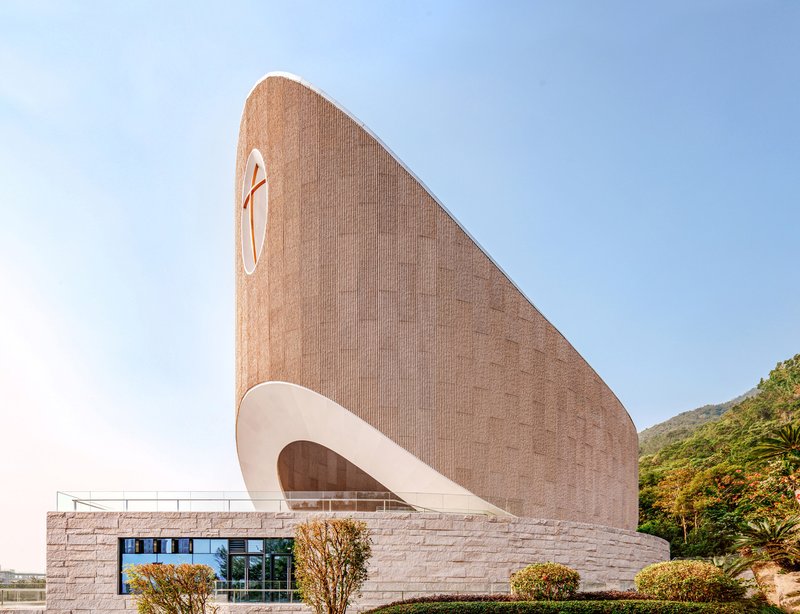
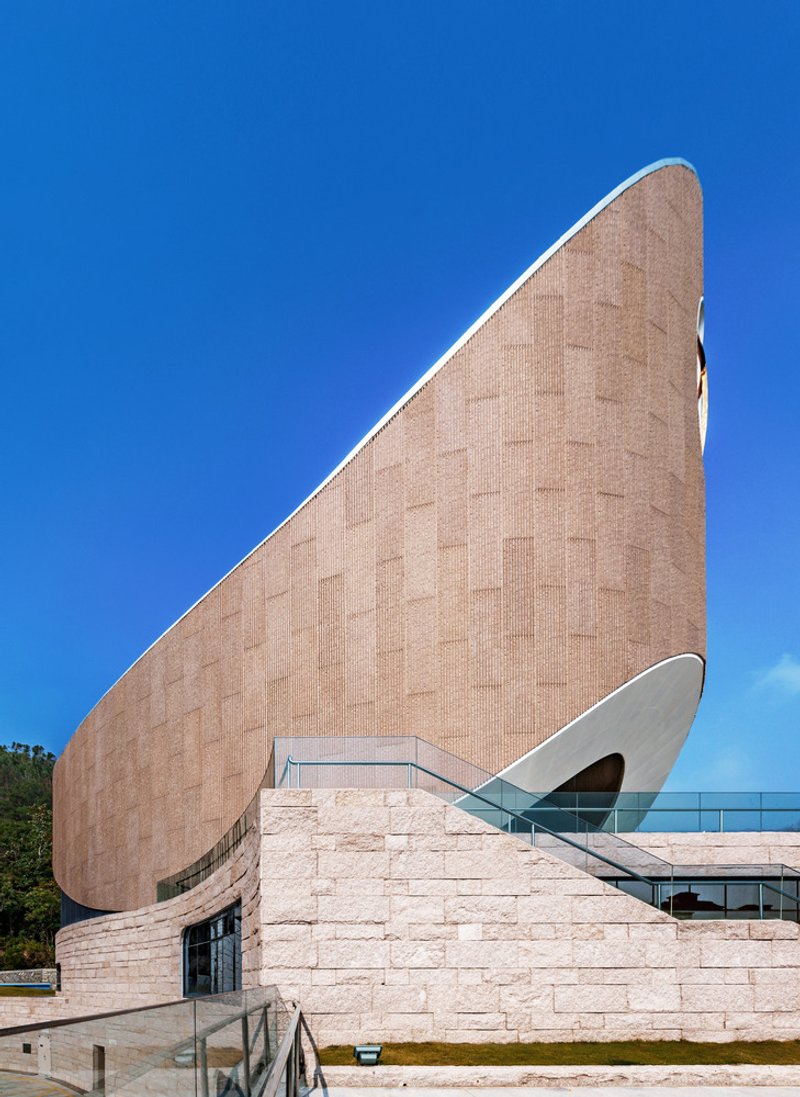
Functionality and Iconicity
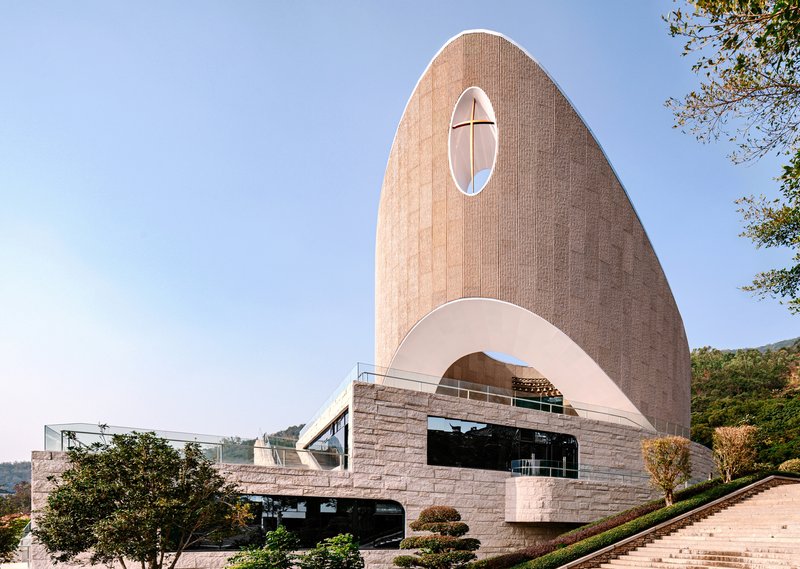
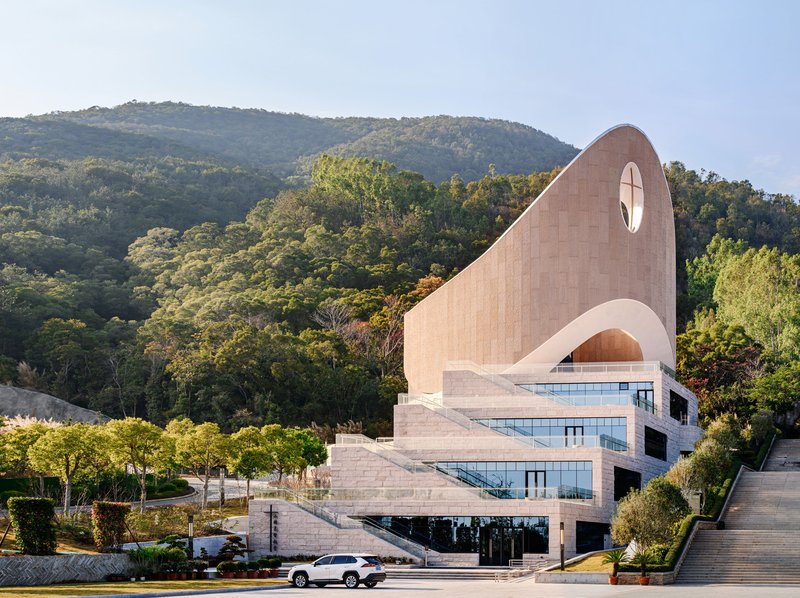
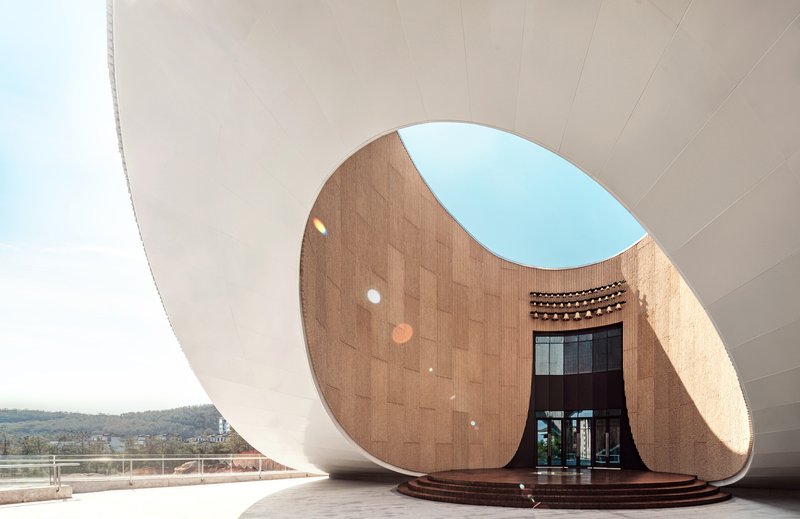
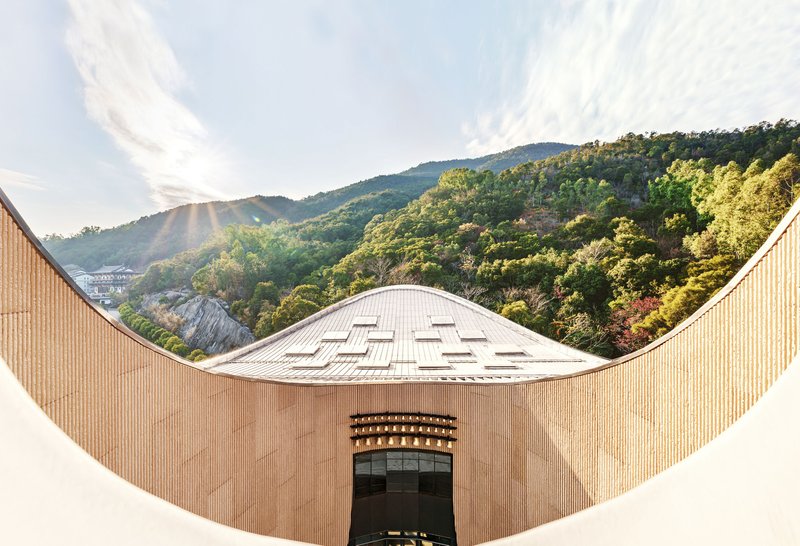
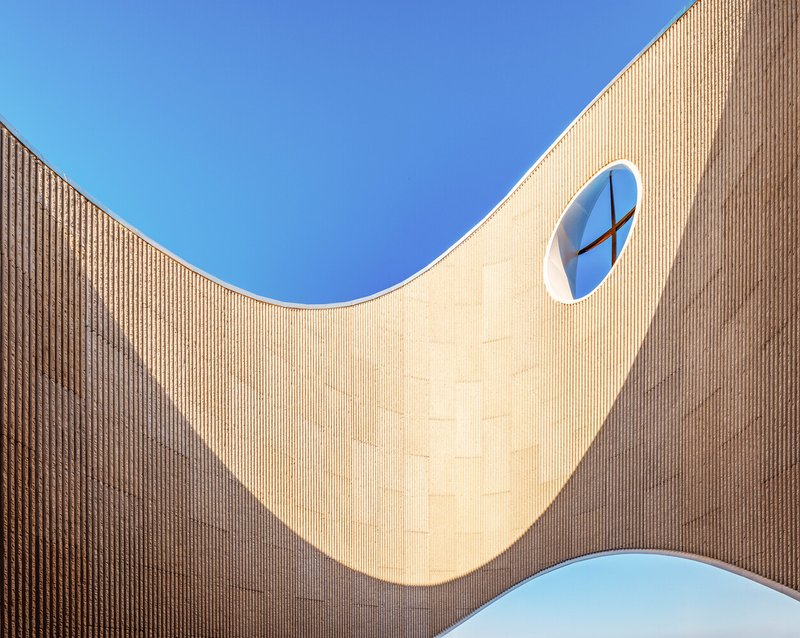
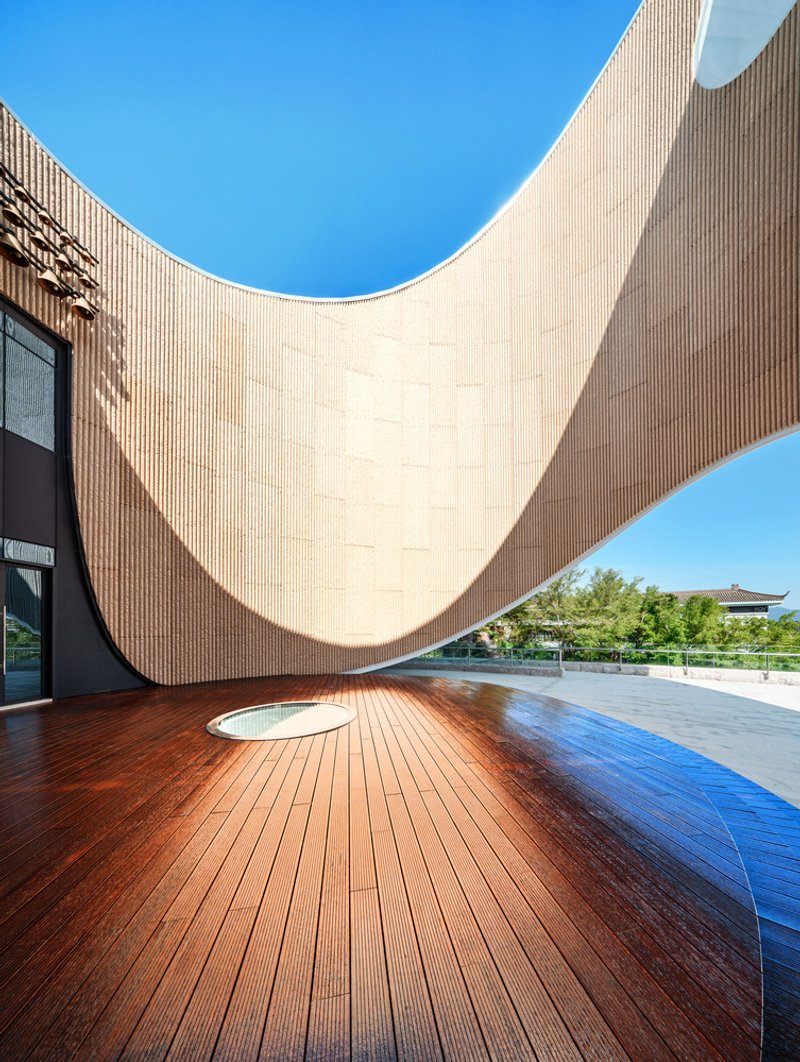
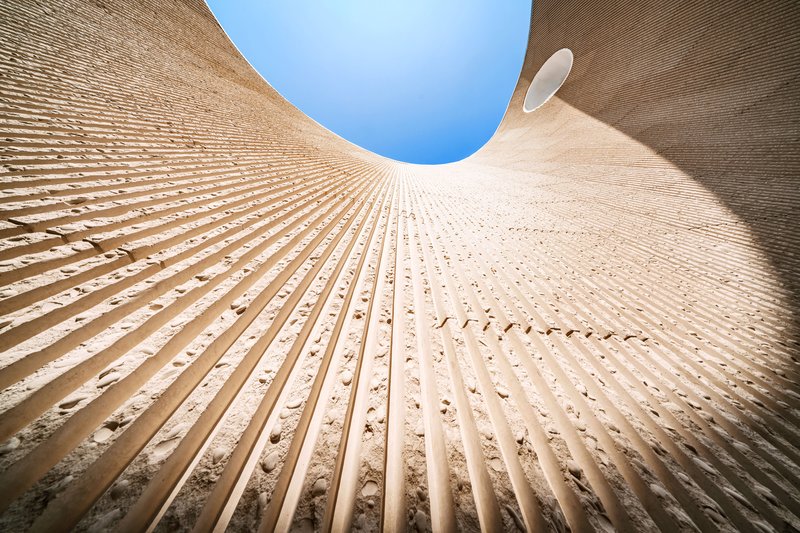
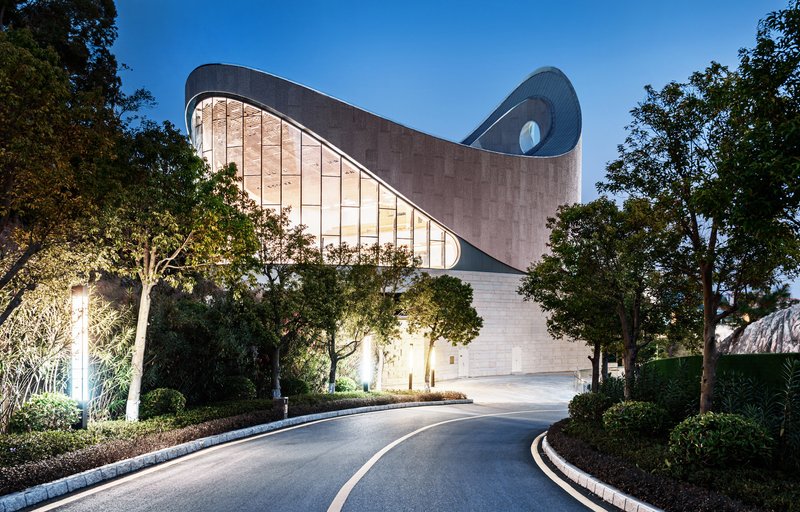
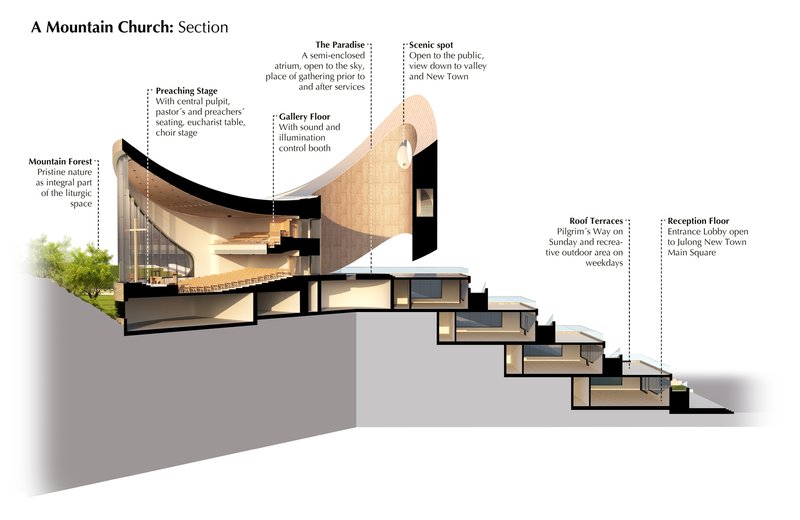
The church's structure is conceptualized as an ark, symbolizing a safe haven for the congregation. The design comprises two main parts: the lower portion, clad in granite, and the upper portion, adorned with Glass Fiber Reinforced Concrete (GRC) panels. The lower section resembles a terraced rock, allowing flexible subdivision to accommodate various community activities. The upper section, with its abstracted ark form, provides a nuanced representation of the narrative without delving into literal interpretations.
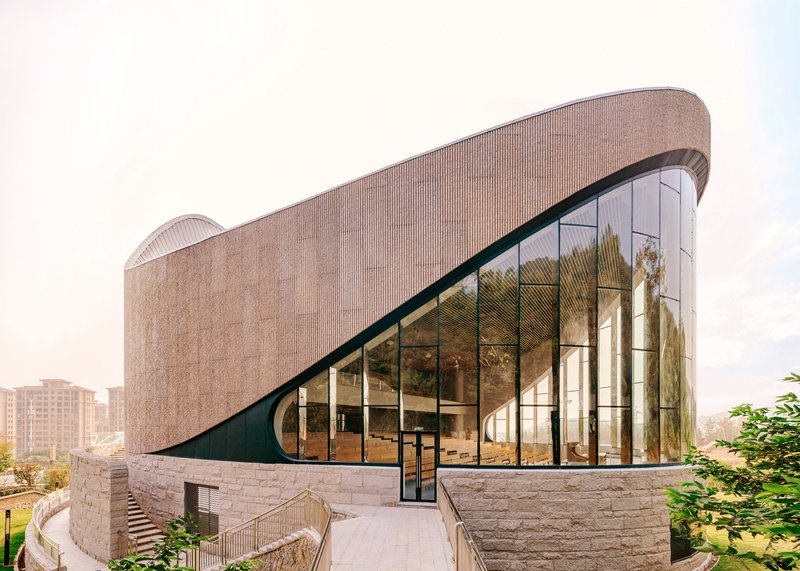
Performativity and Liturgy
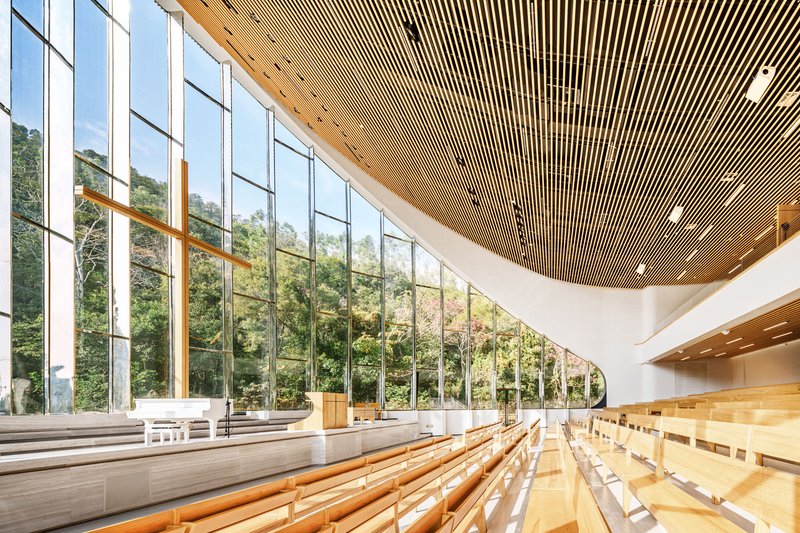
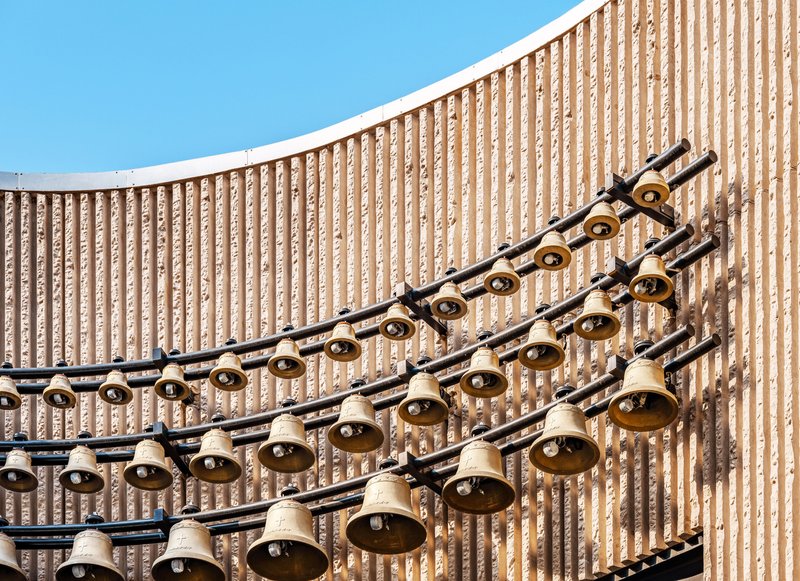
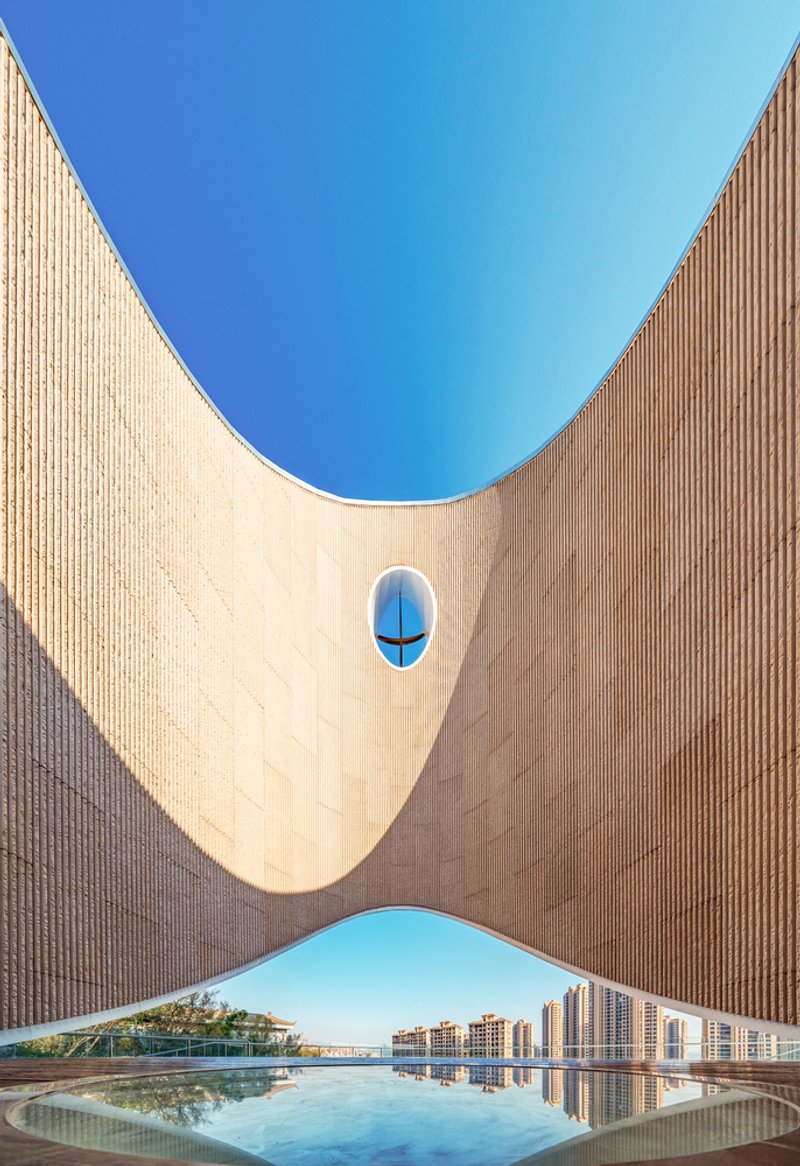
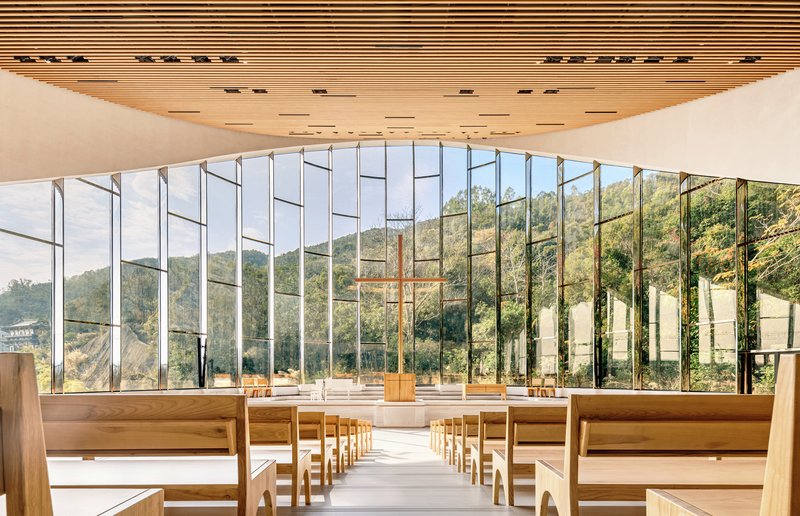
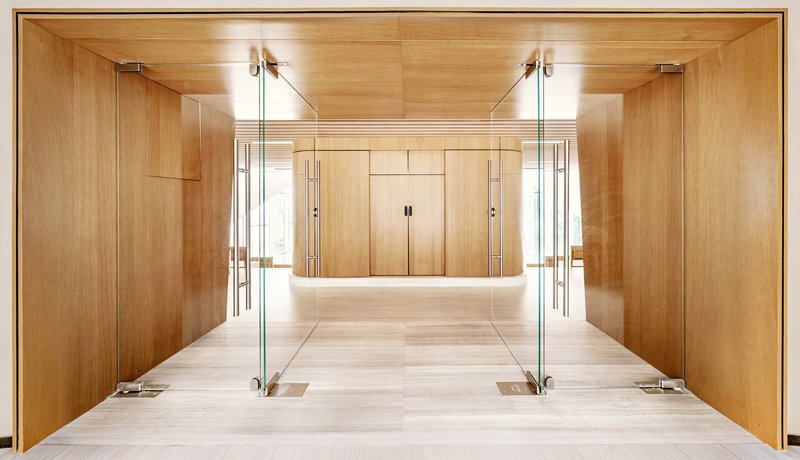
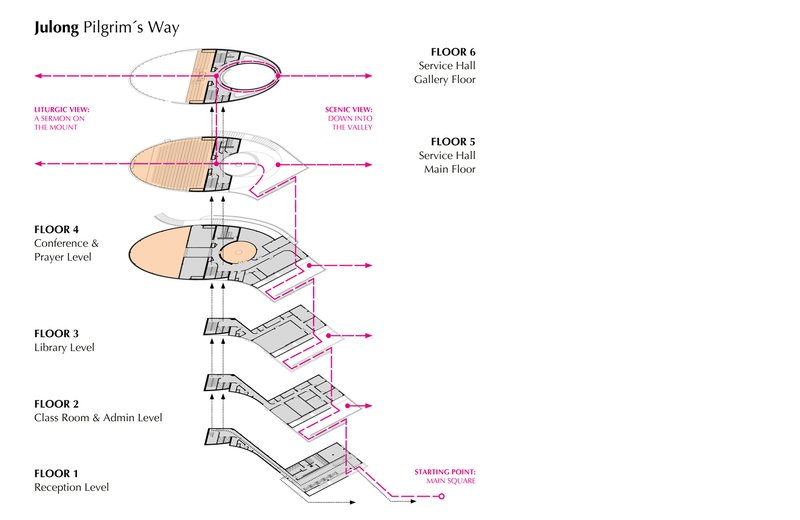
The design of the Mountain Church of Julong encourages both physical and spiritual engagement. The ascent to the sanctuary is likened to a pilgrimage, with believers climbing the terraced structure to reach the nave. At the top, they encounter "Paradise," a medieval element that demarcates the church's asylum and prepares them for entry into the ark's belly. Contrary to its metaphorical suggestion, the sanctuary offers an earthly connection by providing a direct view of the surrounding mountain. This design choice echoes the archetypal scene of Christ's Sermon on the Mount, integrating creation into the liturgical experience.
Community Impact
The Mountain Church of Julong is more than just a place of worship; it is a symbol of unity and a testament to the congregation's resilience. By accommodating both sacred and secular activities, the church fosters a sense of community and inclusivity. Its design, rooted in archetypal symbolism, resonates with the congregation's desire for a spiritual haven that reflects their shared journey in a new town.
The church's prominent location and distinctive architecture make it a landmark in Julong, attracting visitors and serving as a focal point for the town. It stands as a beacon of faith, hope, and unity, embodying the congregation's vision of an inclusive symbol for new beginnings.
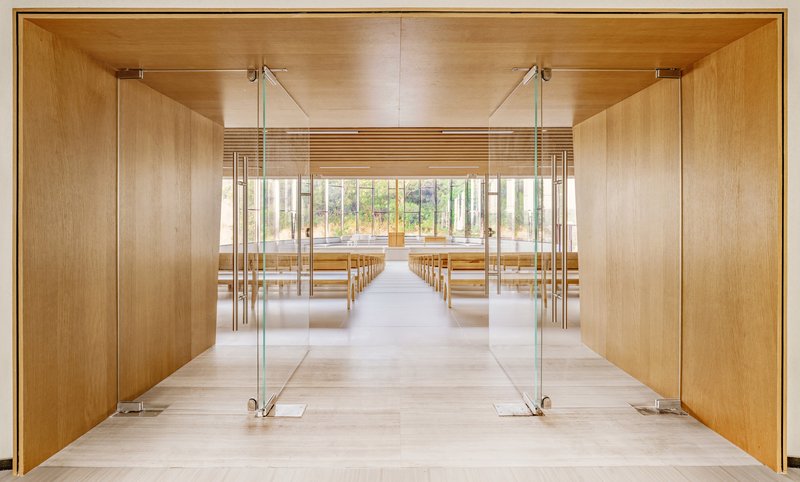
The Mountain Church of Julong, designed by INUCE under the leadership of Dr.-Ing. Dirk U. Moench, is a remarkable architectural achievement. Its design, rooted in deep symbolic meaning and practical functionality, caters to the diverse needs of the congregation and the broader community. As a landmark in Julong, the church not only provides a spiritual haven for its attendees but also stands as a testament to the power of unity and inclusivity in a rapidly growing town. The Mountain Church of Julong is a shining example of how thoughtful architecture can foster community bonds and create spaces that are both sacred and welcoming.



Popular Articles
Popular articles from the community

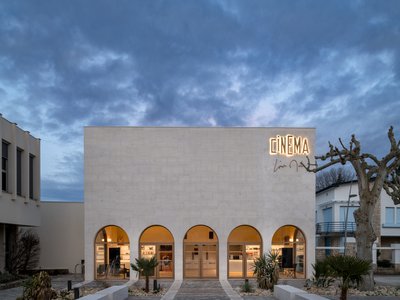
Louis Malle Cinema: A Limestone Cultural Landmark Revitalizing Community Life in Prayssac
Limestone cinema extension with public forecourt, blending heritage and modern design to create flexible cultural spaces and strengthen community interaction.
Solar Steam: A Climate-Responsive Architecture That Redefines the Monument
A climate-responsive memorial architecture that transforms heat, decay, and time into a living system reflecting humanity’s ecological impact.
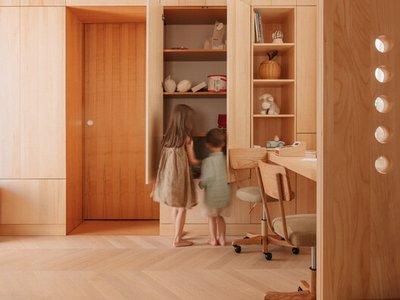
Treehouse Apartment: A Warm Timber Interior Blending Craft, Play, and Contemporary Living
Warm timber apartment with integrated treehouse, combining natural materials, craftsmanship, and playful design to create a flexible, family-oriented living environment.
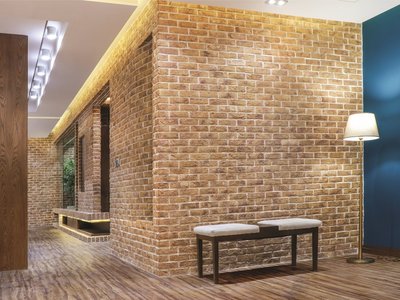
A Contemporary Take on Iranian Residential Architecture
A modern interior design in Mashhad that reinterprets brick, light, and spatial flow to create a warm, contemporary residential architecture.

Similar Reads
You might also enjoy these articles
Scientific and Educational Monitoring Center of the Yenisei, Krasnoyarsk
Architecture as an instrument for ecological research, education, and environmental awareness along Russia’s largest river.
Development of Andretta Artist’s Village, Palampur, Himachal Pradesh, India
Reimagining Andretta as a living cultural landscape where art, architecture, and community converge to shape a global creative village.
The NEON Culture: Experiential Architecture Shaping Contemporary Urban Life
Exploring how experiential architecture responds to accelerated lifestyles through immersive spaces, adaptive programs, and sensory-driven urban design.
Narwall: Autonomous Offshore Architecture for Extreme Environments
A visionary model of sustainable offshore architecture, Narwall redefines public life, energy autonomy, and resilience in extreme Arctic waters.

Explore Religious Building Competitions
Discover active competitions in this discipline




The Global Benchmark for Architecture Dissertation Awards

Design Challenge - Contemporary interpretation of a religious complex
Comments (0)
Please login or sign up to add comments
No comments yet. Be the first to comment!