
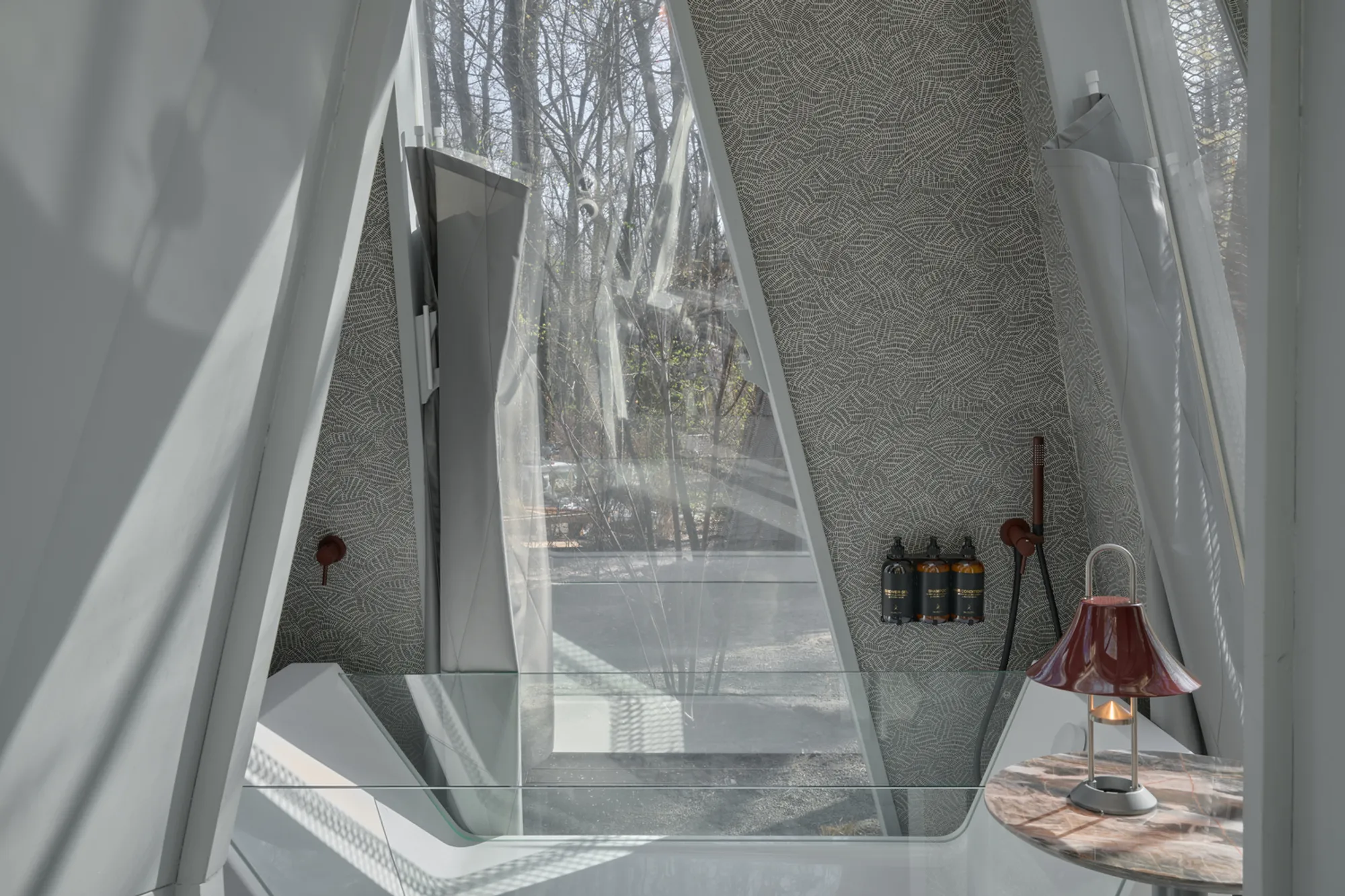
The Namety Cabins: A Visionary Approach to Modular Cabin Architecture in the Forests of Kyiv
Modular forest cabins in Kyiv reimagine childhood tents through artistic design, minimal modules, and transparent transitions blending nature and architecture.


A Modern Reinterpretation of Childhood Tents
Set within the tranquil parkland of Kyiv, The Namety Cabins by Roman & Dmytro Seliuk redefine modular cabin architecture through a poetic connection between memory and modern design. Inspired by the simplicity of childhood tents and shelters made from forest sticks and branches, the cabins present a harmonious fusion of nostalgia and futurism. These structures embody both technical precision and an artistic narrative rooted deeply in the forested landscape of Ukraine.
Concept and Design Philosophy
The foundational idea behind The Namety Cabins was to develop a modular housing system suitable for hospitality settings, particularly those located within natural environments such as forests, gardens, and parks. The name "Namety" references the Ukrainian word for "tents," recalling the designers’ childhood experiences of first holidays spent in simple, handcrafted shelters. These memories form the emotional blueprint for a project that translates personal nostalgia into a highly adaptable architectural system.
Mono-Functional Modules with Flexible Composition
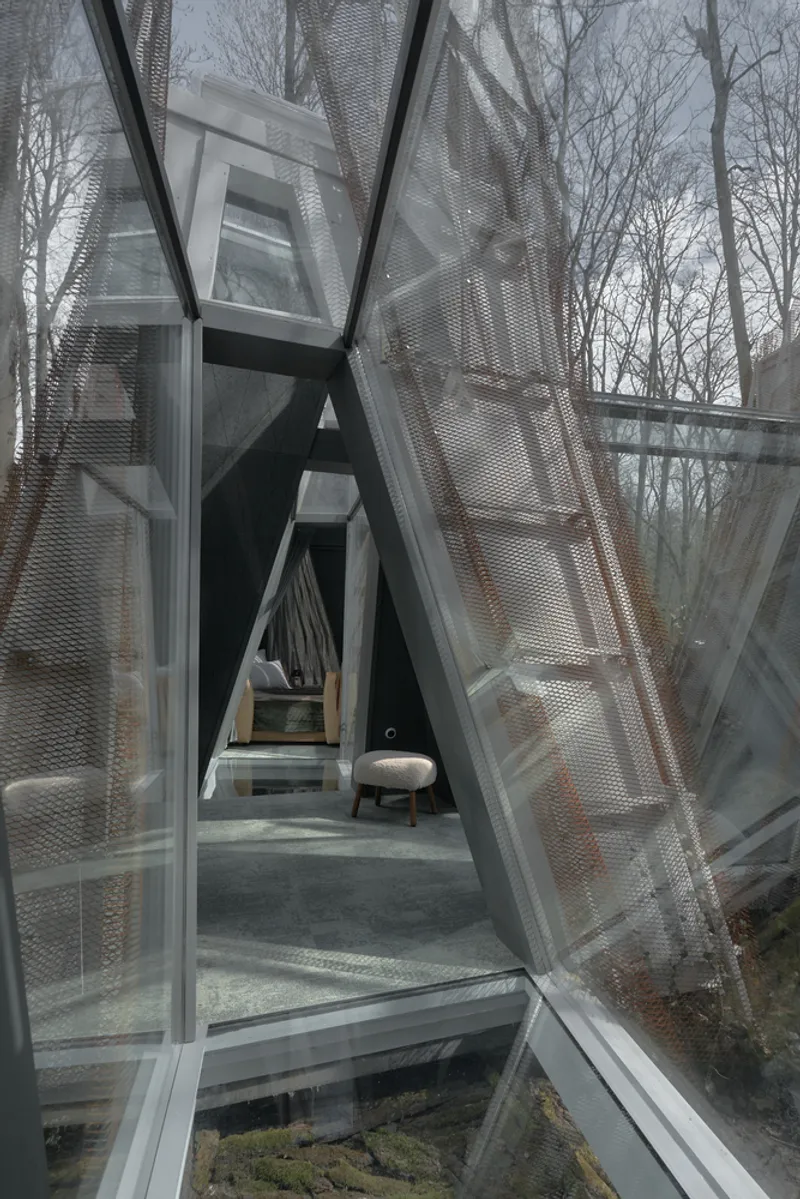
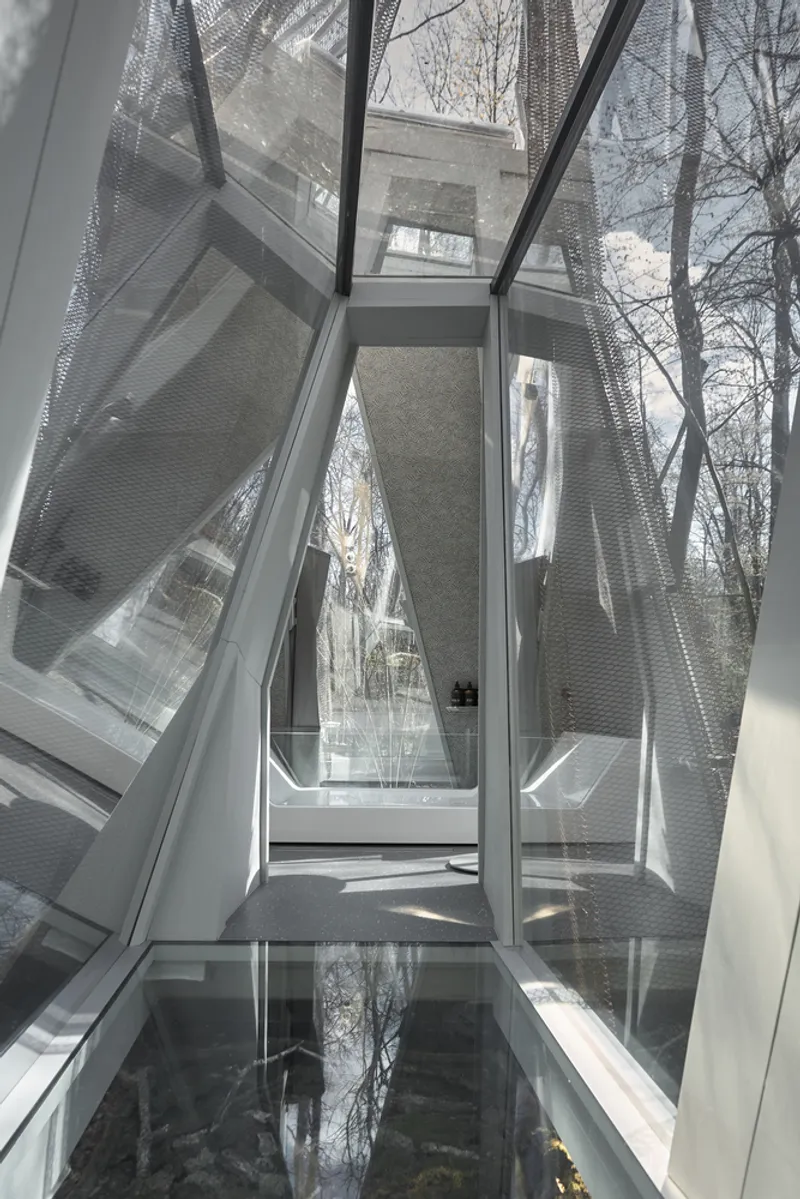
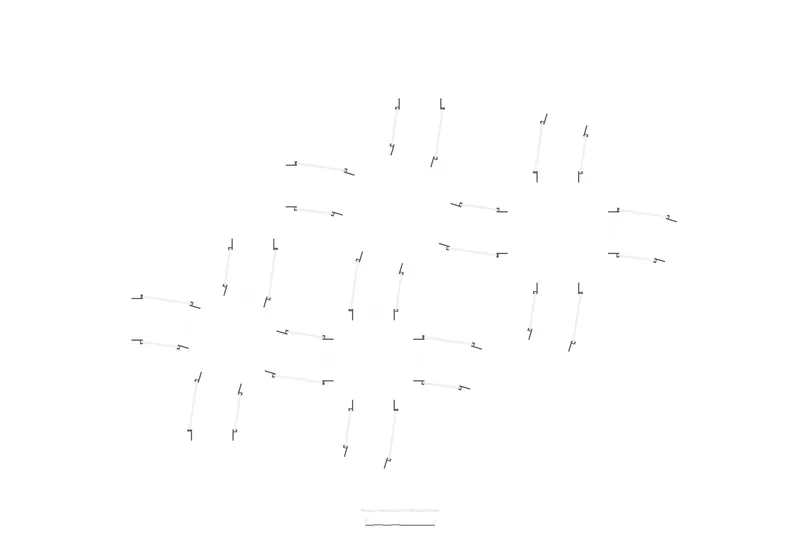
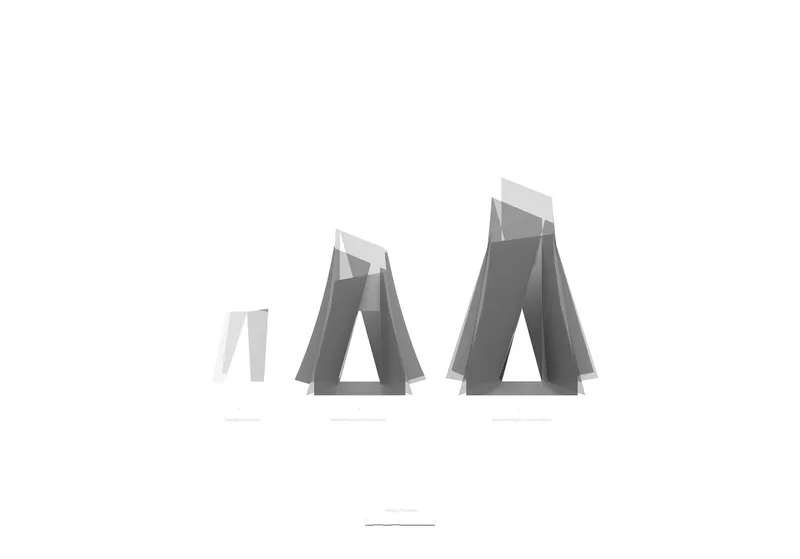
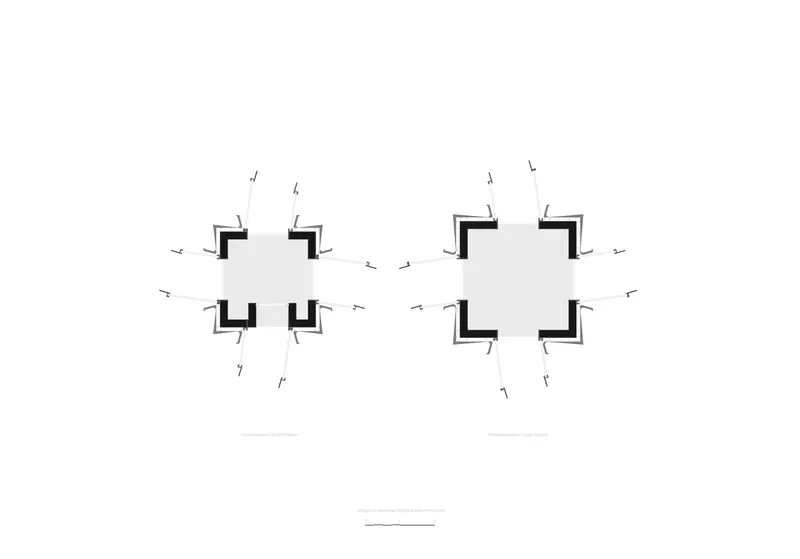
The modular design follows two main principles: mono-function and variation. Each cabin module is dedicated to a single function, from sleeping and living to bathing and cooking, resulting in a minimalist layout optimized for usability. Despite the simplicity of individual units, the system allows endless combinations of modules, making it easy to adapt the structures to different site constraints or programmatic needs. Larger modules handle shared activities, while smaller ones address private uses, making the composition scalable and versatile.
Transparent Transitions and Tent-Inspired Form
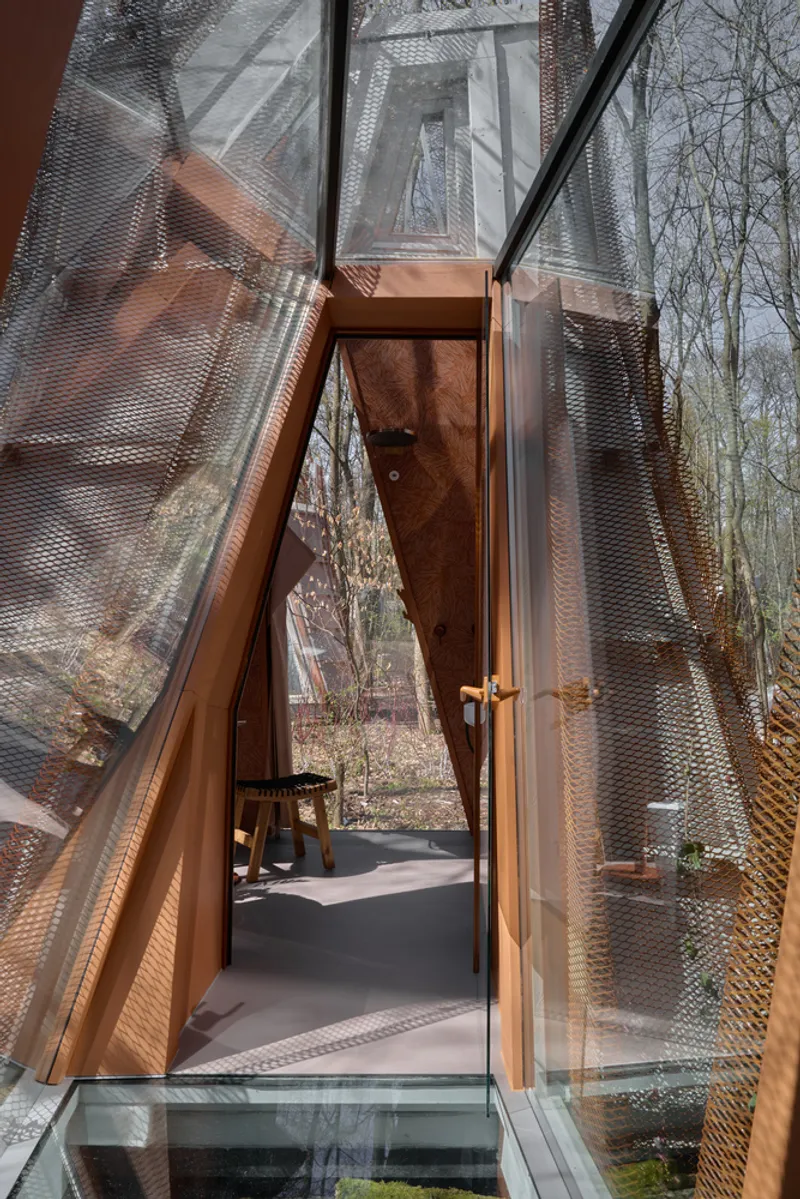
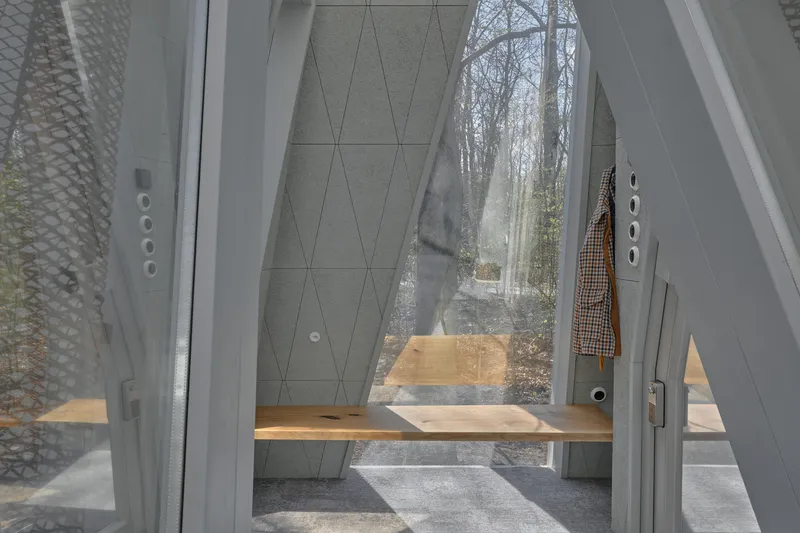
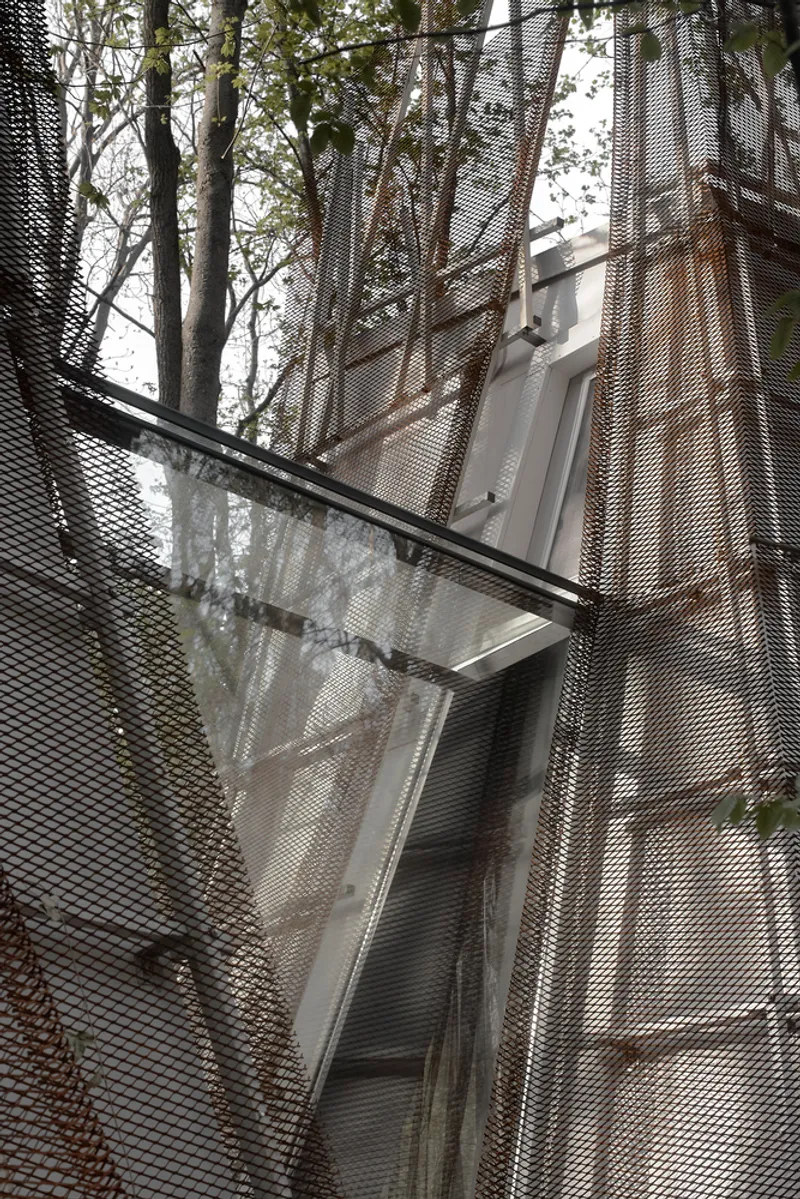
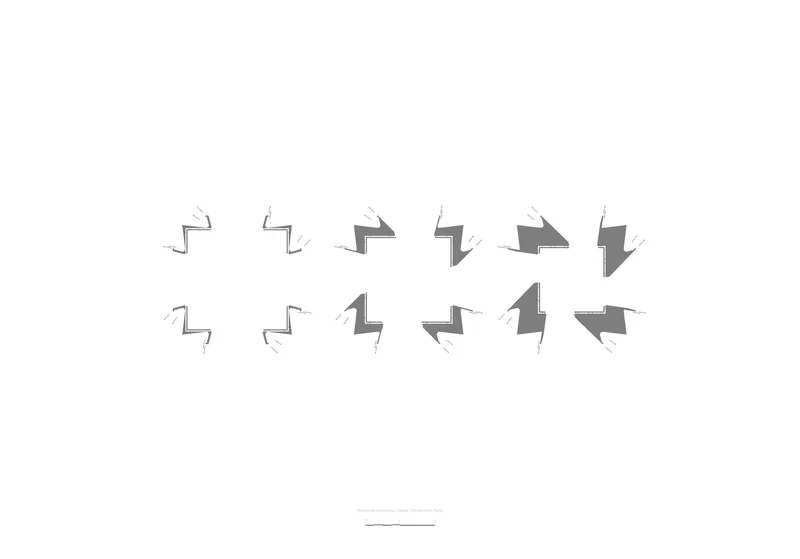
One of the defining characteristics of the project is its treatment of the module transitions. Glass walls, floors, and ceilings connect individual modules, creating visual and physical transparency that dissolves boundaries between indoor and outdoor. These connectors are angled and rotated, evoking the randomness of tents pitched in the wild, contributing to a layered spatial experience that feels organic yet carefully choreographed.
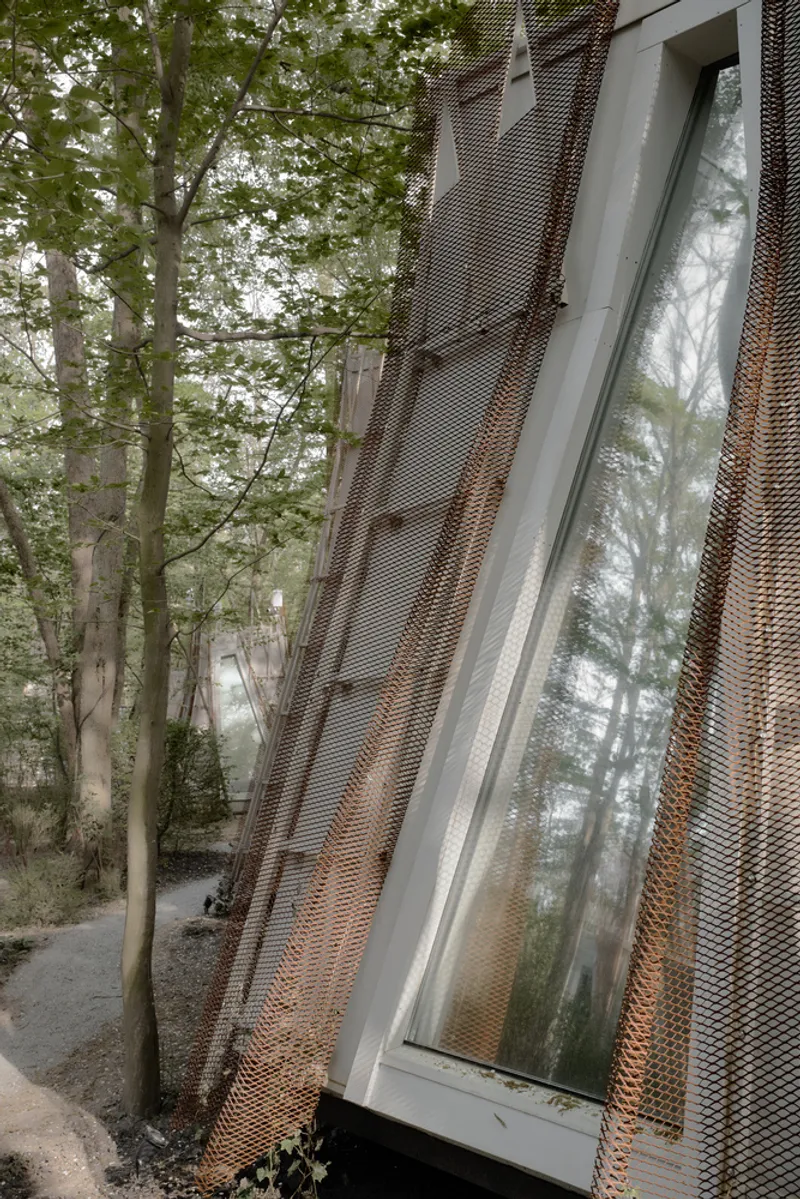
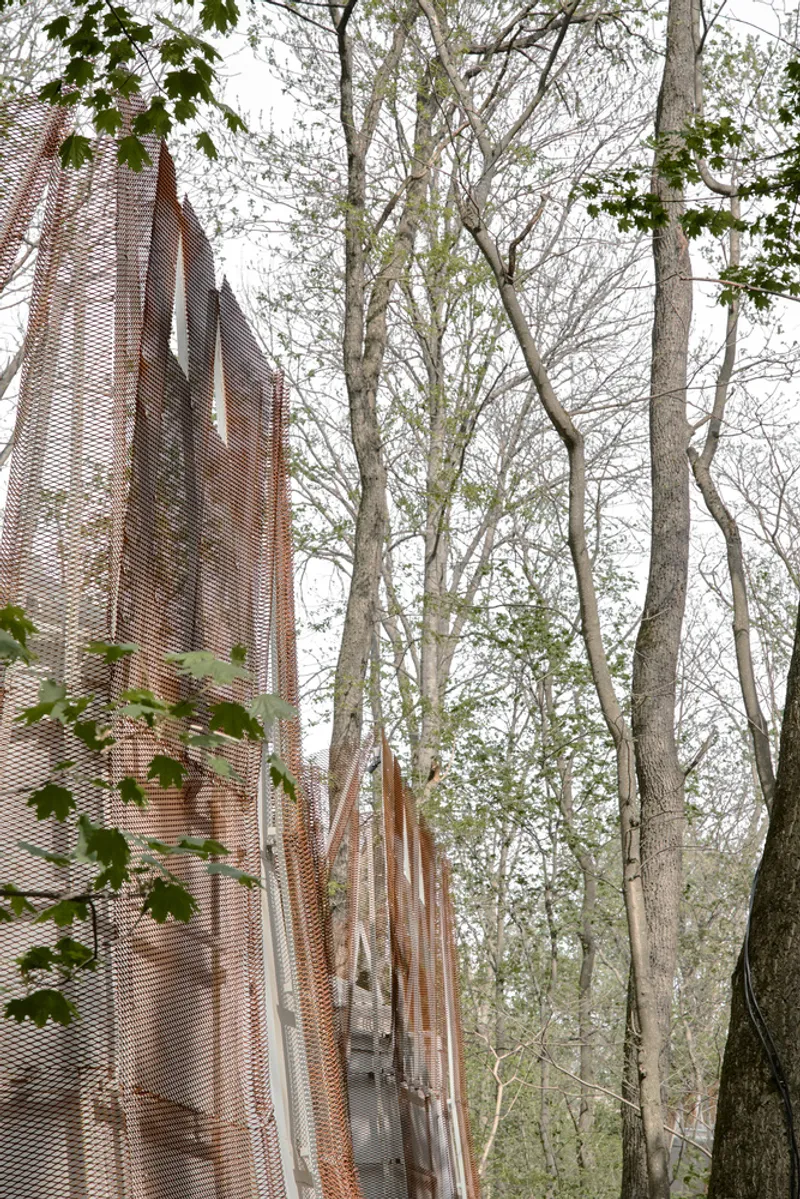
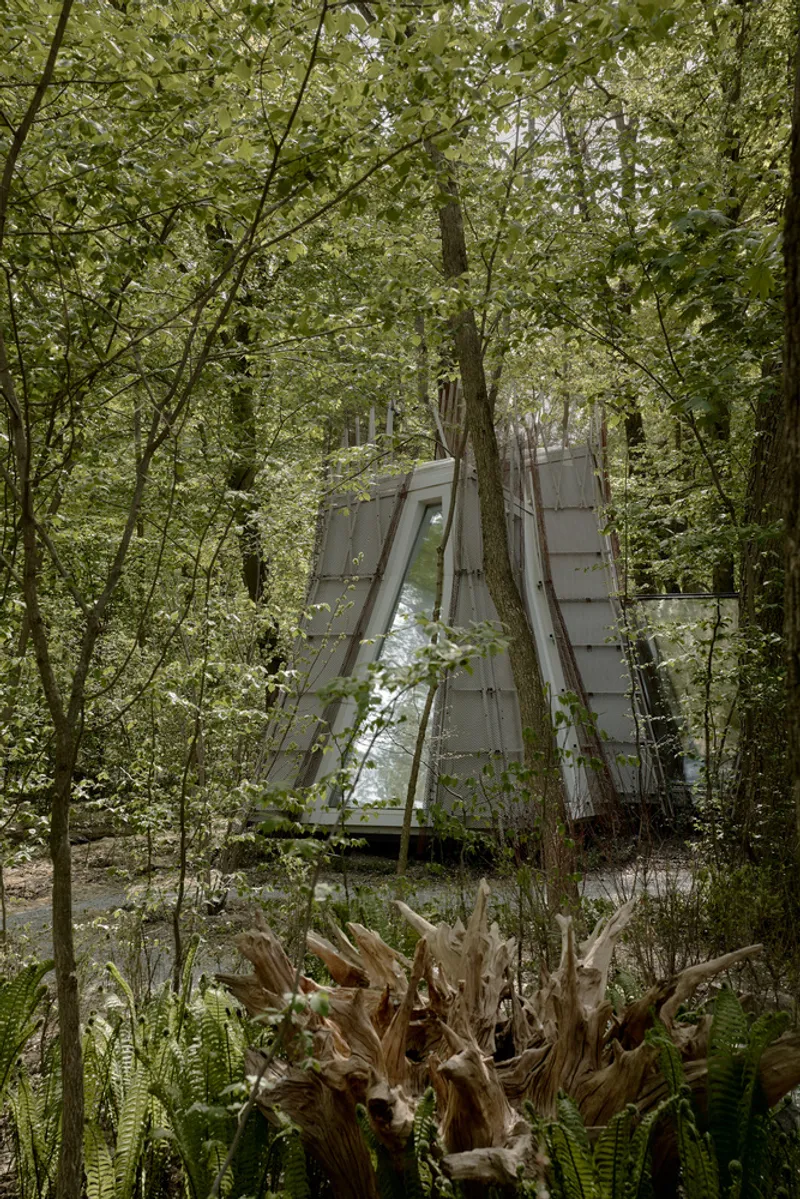
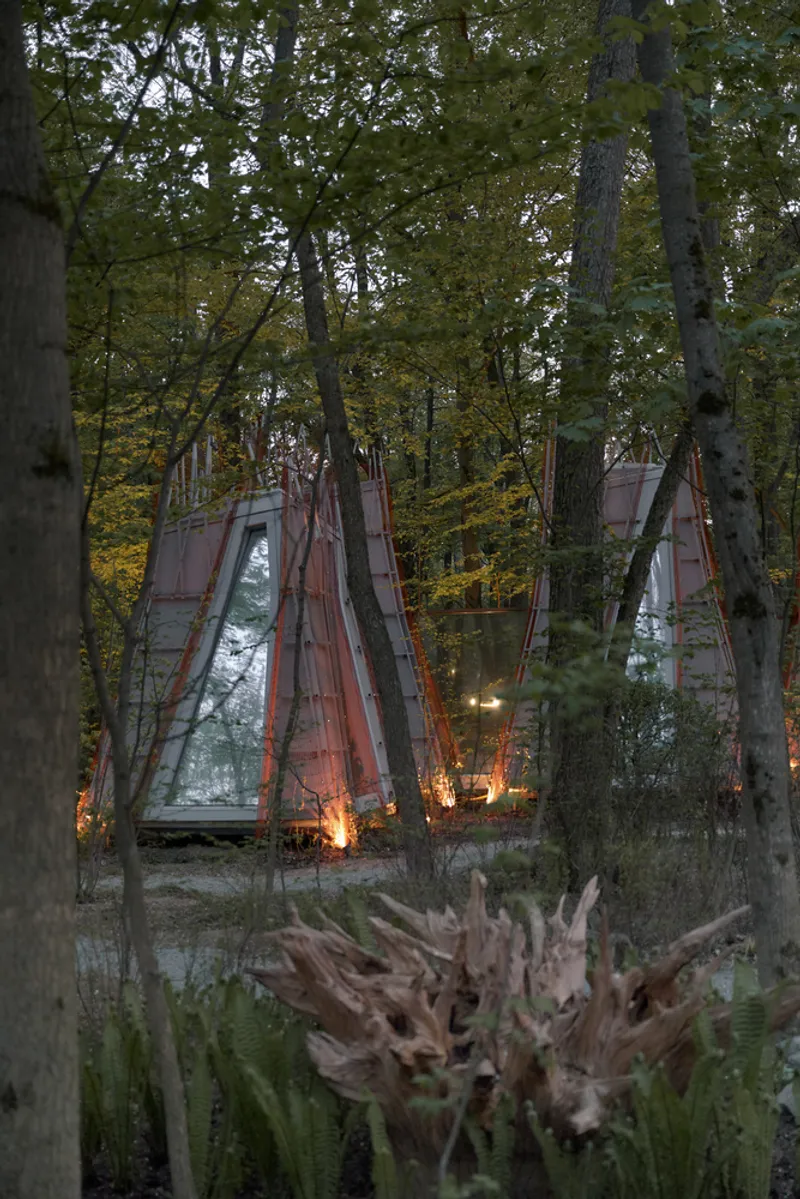
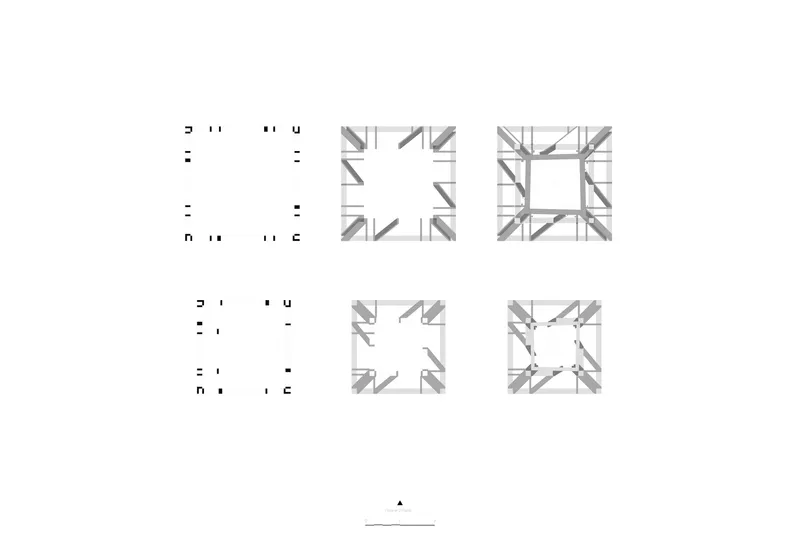
Architecturally, the cabins exhibit a striking duality: they stand out through material contrast, yet merge with their surroundings through color reflections and silhouette transitions. The outer shell, a translucent corten steel mesh, acts like a fabric layer billowing around the structure, creating a tent-like illusion. During the day, this outer grid reflects the forest colors, and at night, it softly glows from within, creating a luminous presence in the landscape.
Material Dialogue with the Landscape
Material choices amplify the conceptual storytelling. The cabins are clad in light-colored wood and corten steel, allowing them to blend in with the forest while also defining their artificial yet ethereal presence. The corten mesh, perched on slender frames reminiscent of twigs, generates a gentle gradient between architecture and wilderness. The trapezoidal windows suggest folds of tent fabric, while skylights in each module enhance the immersive experience of being under a canopy of trees.
Site Integration and Environmental Harmony
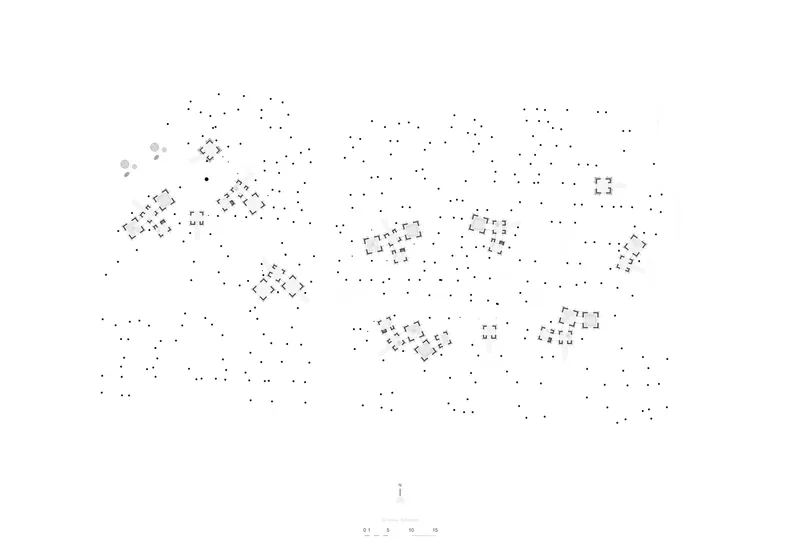
The first completed version of The Namety Cabins stands as a modular park hotel installed within the green grounds of an exhibition complex in Kyiv. With twelve unique combinations of modules forming individual cabins, the project showcases a high level of integration with its natural context. The structures nestle between trees, reinforcing the idea that modularity need not sacrifice environmental sensitivity. Instead, it becomes a tool for precise, lightweight, and flexible land use.
Rethinking Hospitality Through Modular Cabin Architecture
The Namety Cabins illustrate how modular cabin architecture can be emotionally resonant, visually striking, and functionally responsive. Roman & Dmytro Seliuk have not merely created a modular housing system—they have designed a living, breathing narrative of shelter, memory, and place. This project stands as a benchmark for how small-scale architecture can engage deeply with landscape, tradition, and the evolving needs of modern hospitality.
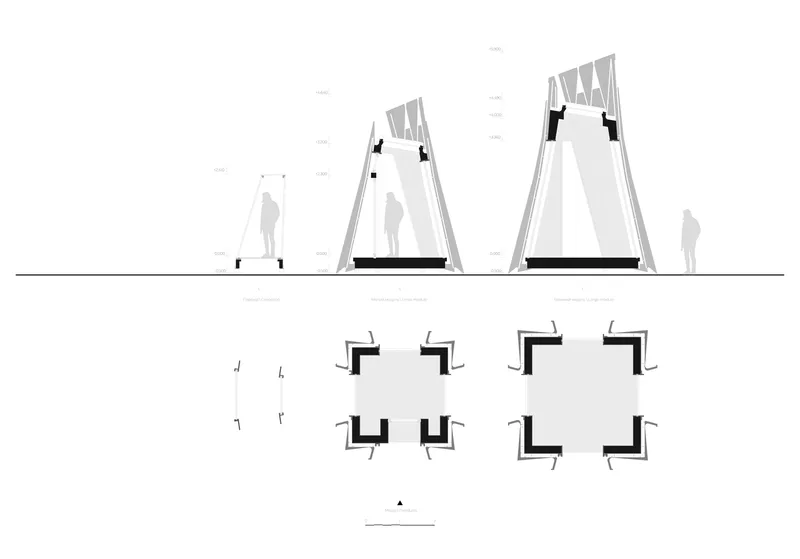
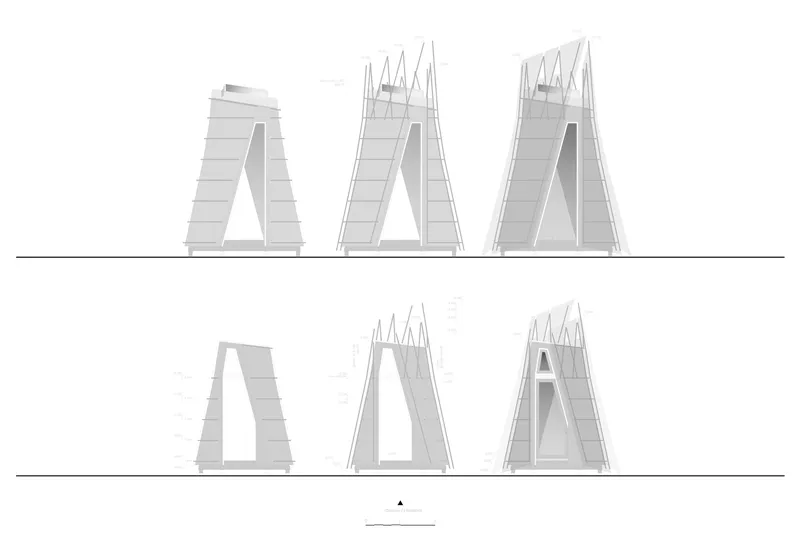
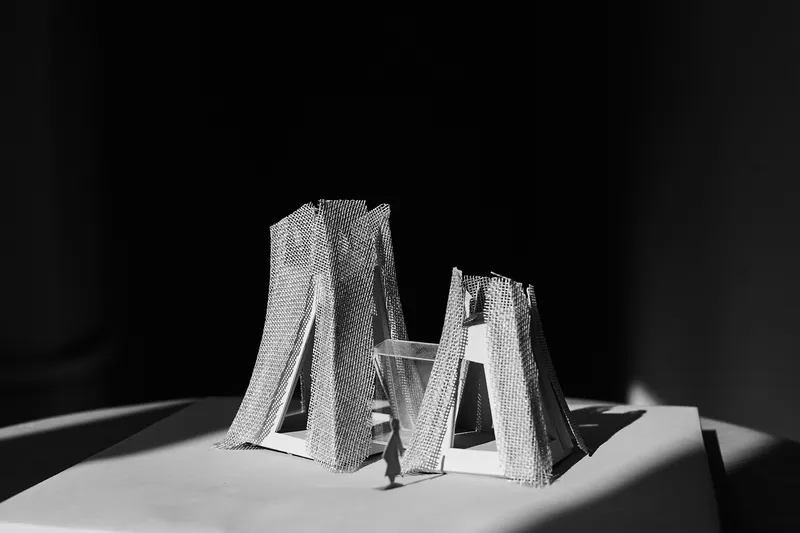
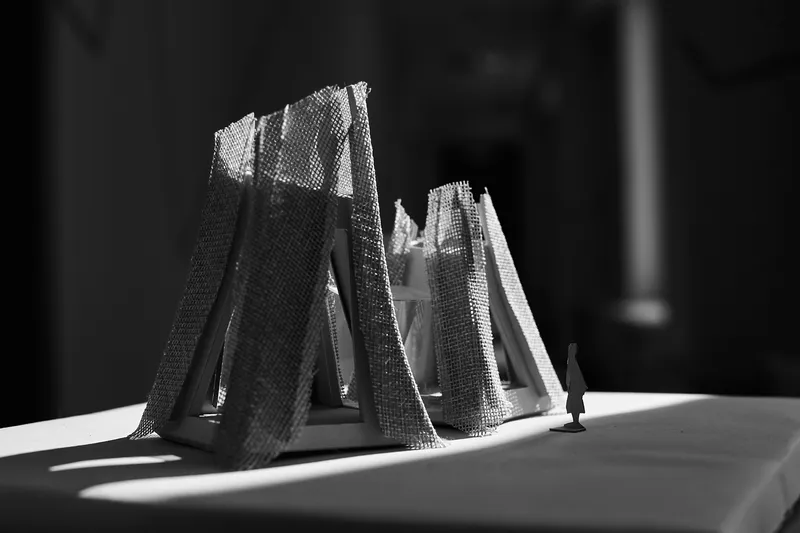
All Photographs are works of Dmytro Seliuk




Popular Articles
Popular articles from the community


The Earth Pod: 3D Printed Homes for Resilient Refugee Communities
The Earth Pod reimagines refugee housing through 3D printed homes made from clay, combining resilience, self-sufficiency, and rapid shelter.

Conexión: Biophilic Design Reimagines High-Rise Living in Hong Kong
Conexión reimagines high-rise living in Hong Kong through biophilic design, green facades, shared spaces, daylight, water and nature within.

The Ocean Hive: Sustainable Architecture for a Self-Sufficient Civilization at Sea
The Ocean Hive imagines sustainable architecture at sea, where modular habitats, algae, wave power and ocean waste sustain a growing colony.

Play: Fragments of Their World
Familiar architecture becomes modular playground design, creating safe spaces where displaced children can learn, connect, imagine and play.


Similar Reads
You might also enjoy these articles

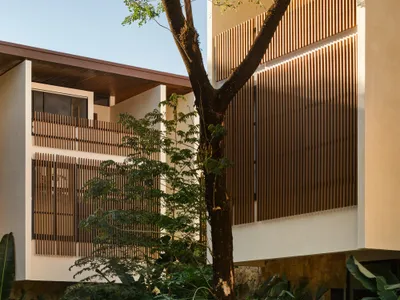
FAMM Arquitectura Organizes Ten Villas Around Courtyards and Jungle in Nosara, Costa Rica
El Molino pairs two elongated volumes with deep overhangs and timber louvers to build a compact coastal community five minutes from the beach.
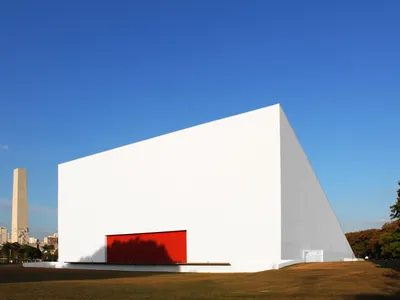
Oscar Niemeyer's Ibirapuera Park Pavilions Define São Paulo's Cultural Identity in Concrete and Curve
A constellation of modernist volumes set within São Paulo's most important urban park, conceived for the city's 400th anniversary in 1954.
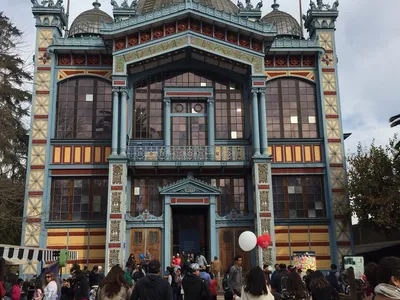
How Henri Picq's 1889 Paris Pavilion Traveled 11,000 Kilometers to Become Santiago's Artequín Museum
A prefabricated iron and glass pavilion built for the Paris Universal Exposition found a second life as a children's art museum in Chile.
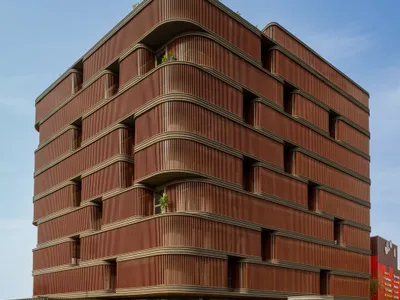
Sanjay Puri Architects Wraps a Jaipur Office Tower in Capsule-Shaped Green Buffers
A nine-level climate-responsive workplace near Jaipur Airport uses stacked planter terraces and aluminium screens to fight 40°C heat.

Explore Architecture Competitions
Discover active competitions in this discipline



Challenge to reimagine the Iron Throne


Photograph architecture without architects


Illustrate the lost glory of Angkor Wat - Render Challenge


Design challenge to reuse E-waste
Comments (0)
Please login or sign up to add comments
No comments yet. Be the first to comment!