

The New Amédée Saint-Germain District by LAN: Bordeaux’s Innovative Mixed-Use Urban Renewal
The New Amédée Saint-Germain District in Bordeaux revitalizes industrial heritage into a vibrant mixed-use neighborhood with housing, retail, parks, and public spaces.


The New Amédée Saint-Germain District by LAN marks a transformative step in Bordeaux’s urban renewal, part of the larger Euratlantique initiative aimed at enhancing the city’s European influence by 2030. Following the arrival of the high-speed rail (LGV) in 2017, the Operation of National Interest (OIN) focuses on creating a vibrant business and residential hub around Gare Saint-Jean, integrating the historic Sacré-Cœur district with a revitalized industrial site.
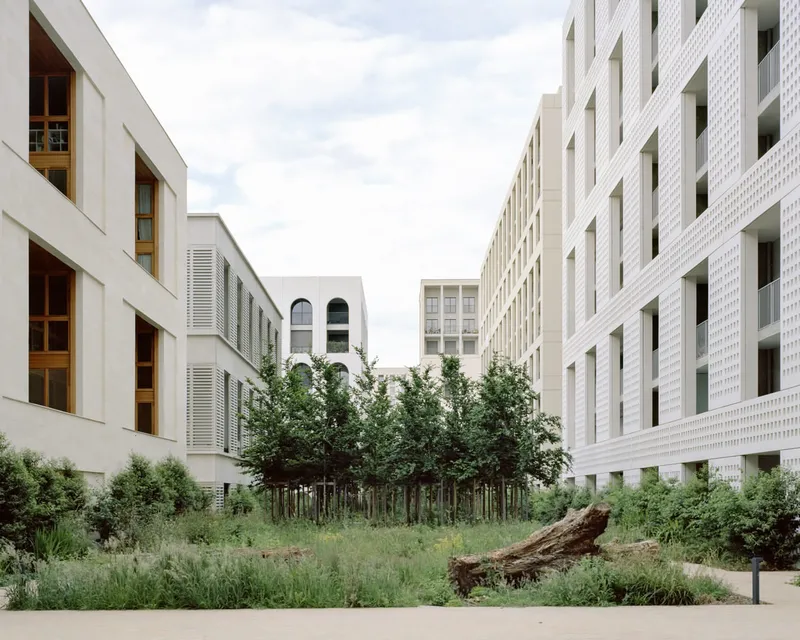
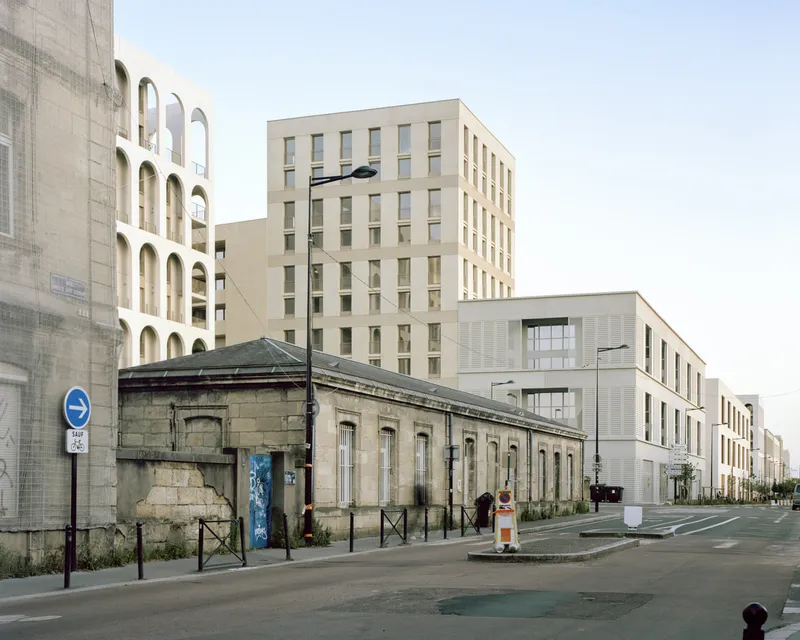
Located south of the historic “stone city,” the former ZAC Amédée-Saint-Germain site is an urban enclave, elevated 4.2 meters above street level due to railway tracks. The area features remnants of its industrial past, including forge workshops, tanks, and the iconic Amédée workshop, with façades characterized by graceful arches.
A New Centrality for Bordeaux
The project’s vision is to establish a new urban centrality, enhancing Bordeaux’s identity and creating a welcoming gateway for travelers. By rehabilitating heritage buildings and introducing visual connections to the railway, LAN integrates diverse architectural morphologies while respecting the city’s urban fabric.
Rather than replicating the existing city center or the dense “stone city” blocks, the project invents a distinct architectural language, harmonizing residential, commercial, and public spaces to maximize the potential of this insular urban site.
Master Planning: Three Distinct Zones
The Amédée Saint-Germain district is structured into three key areas:
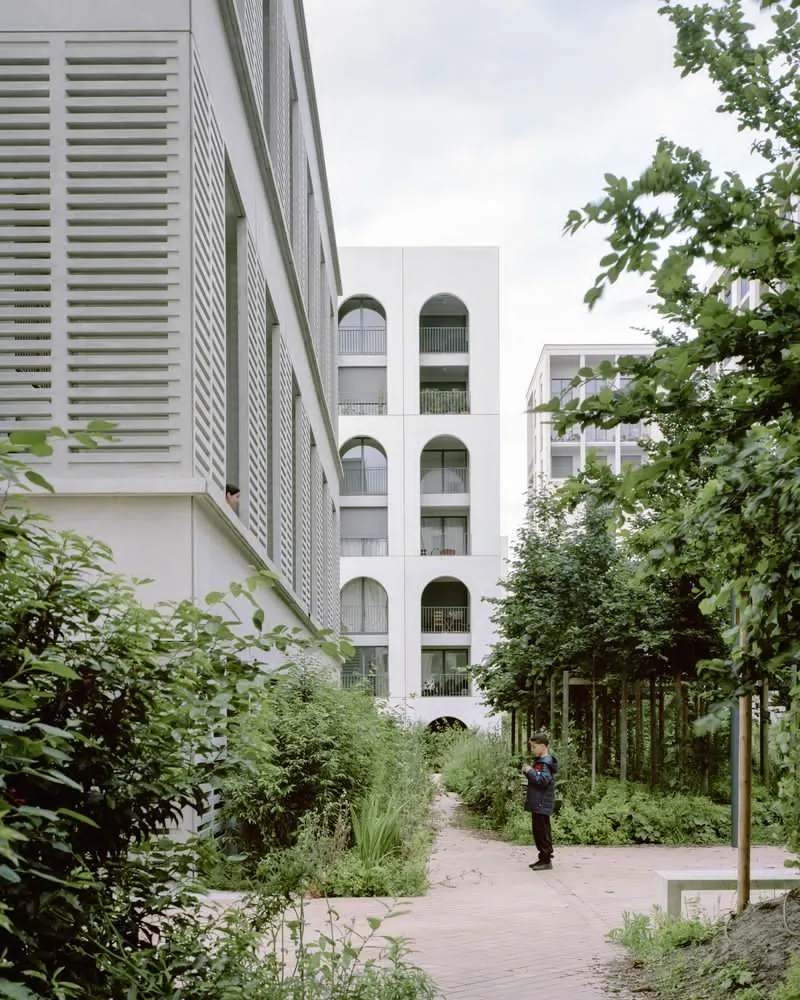
- North-Western Zone (Rue Amédée): A transitional space blending the “stone city” morphology with the smaller-scale Bordeaux échoppes. Buildings here reinterpret local urban patterns while introducing increased density and scale variation.
- Central Axis: The heart of the district, this axis weaves together historic workshops, commercial facilities, and public spaces, fostering a vibrant mixed-use environment. Parks, plazas, and the Amédée Mall anchor social life for residents and visitors.
- South-Eastern Railway-Facing Zone: Serving as the district’s gateway, this area presents abstract, monumental buildings visible from passing trains, signaling Bordeaux’s modern identity while respecting industrial heritage.
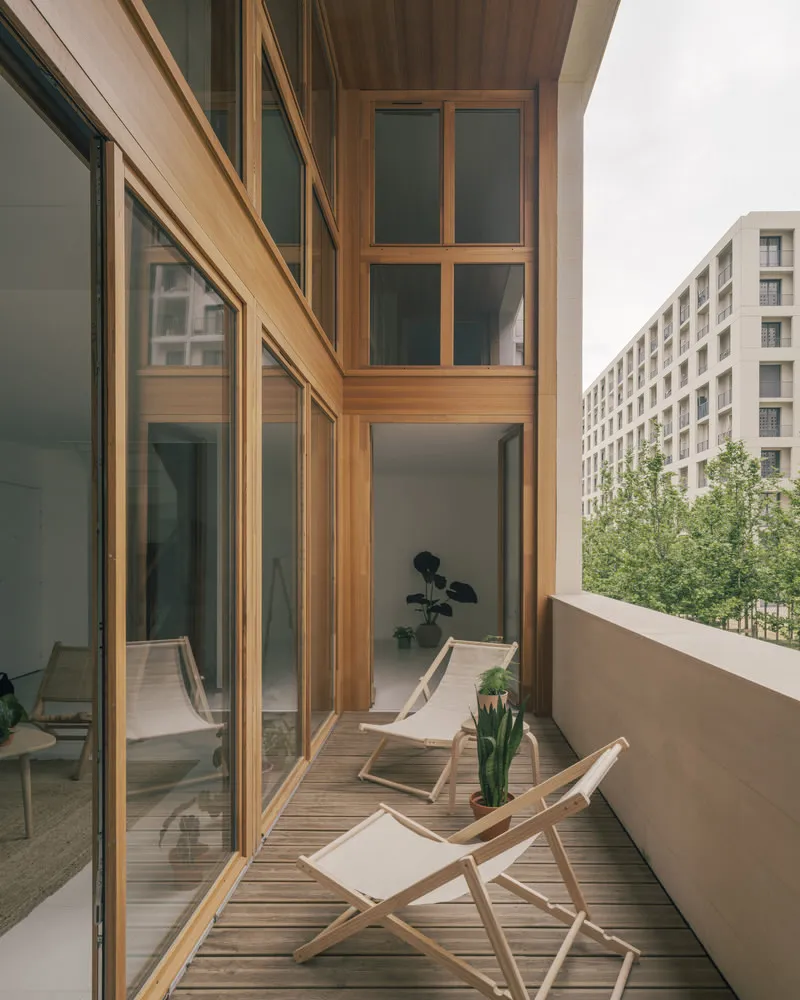
Mixed-Use Functionality: Housing, Offices, and Retail
The district balances residential, commercial, and office spaces, ensuring functional and social diversity:
- Housing: A mix of apartments for rent, sale, and long-term residency accommodates diverse populations, combining privacy, outdoor space, and urban connectivity.
- Retail & Public Spaces: The Amédée Mall, located along Rue Amédée, integrates shops, cafes, and pedestrian plazas. The generous outdoor spaces create vibrant social hubs and enhance neighborhood attractiveness.
- Offices: Strategically placed offices provide employment opportunities while contributing to the mixed-use vibrancy of the district.
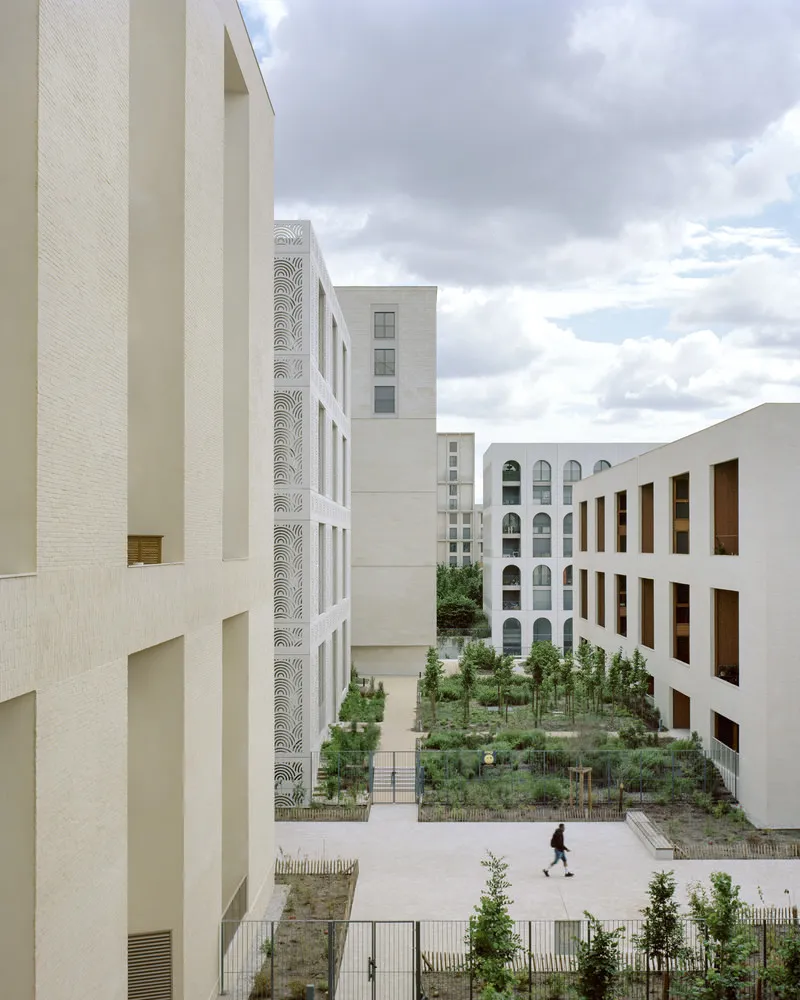
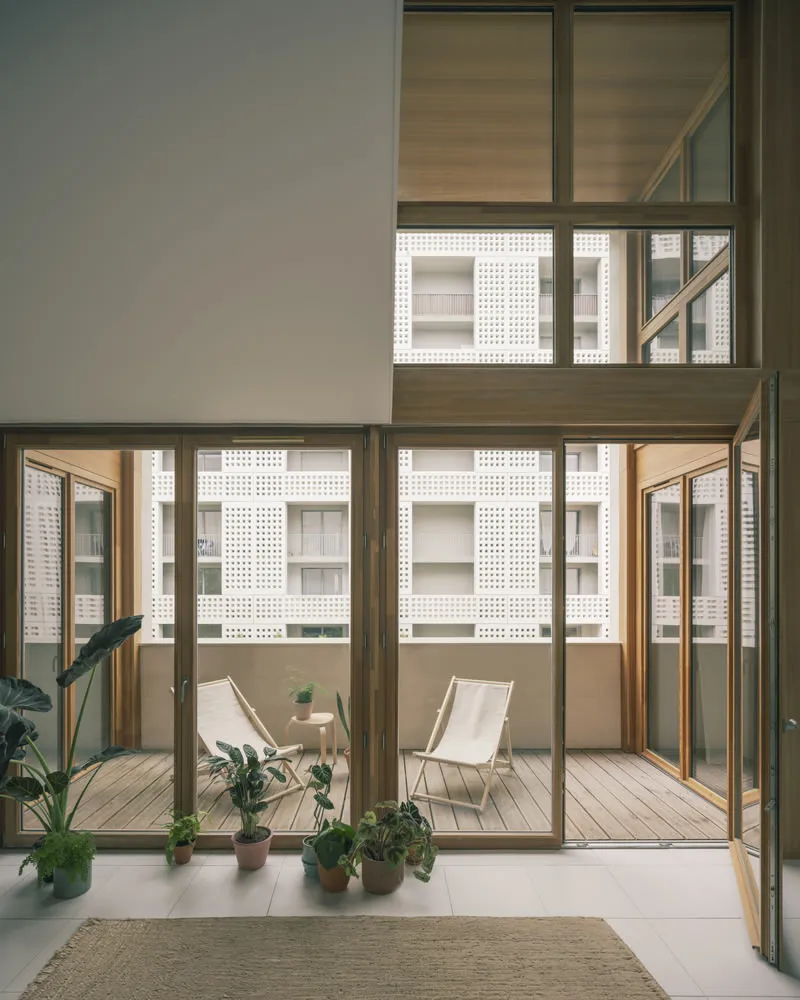
Heritage Enhancement and Industrial Archaeology
Preserving Bordeaux’s industrial heritage is central to the project. The rehabilitation of existing workshops and visual openings to railway lines celebrate the site’s history.
The Amédée Mall retains an industrial warehouse aesthetic with maximum building heights of 14 meters. A 12-meter buffer separates historic hangars from new buildings along Rue Amédée, while a 21-meter setback along the railway generates open space and allows the neighborhood to breathe.
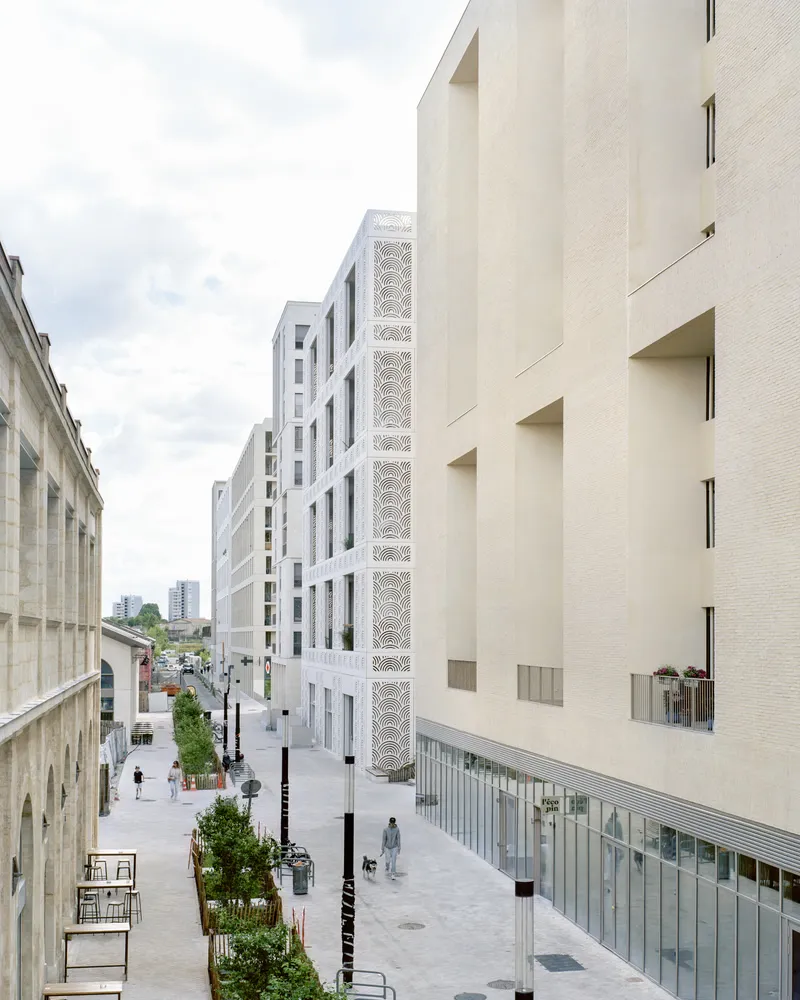
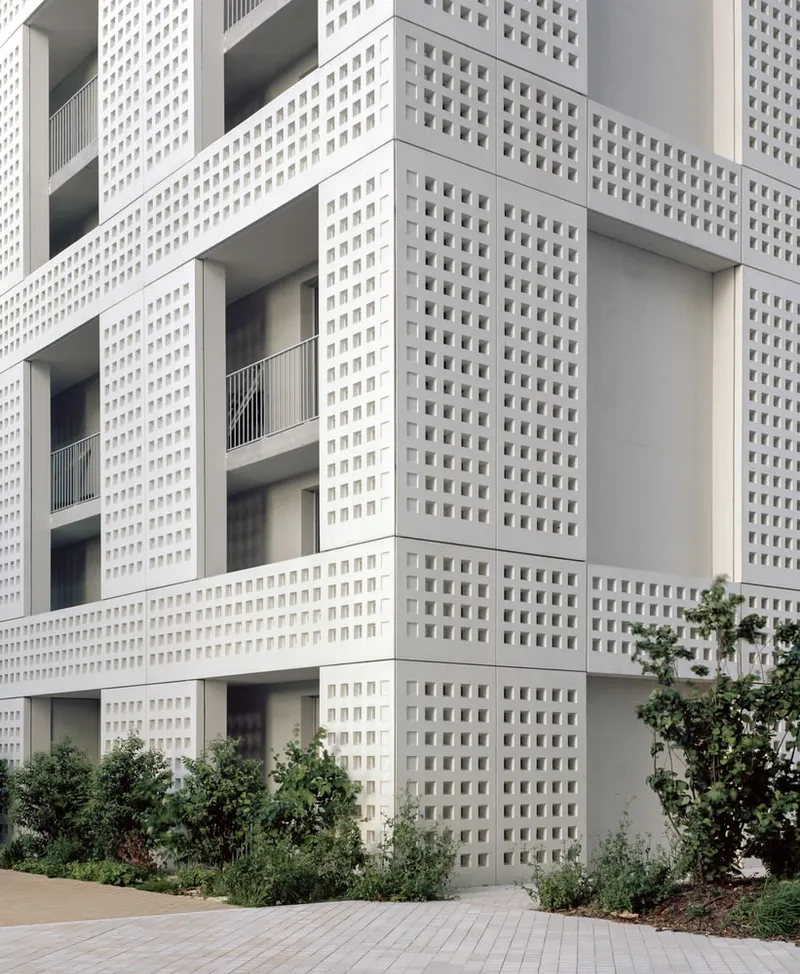
Public Spaces: Squares, Gardens, and Courtyards
LAN prioritizes high-quality public realms:
- Rue Amédée: Buildings rise to R+4 (four stories plus ground), maintaining continuity with traditional Bordeaux façades. The tallest structure (R+6) serves as a landmark from Rue Billaudel.
- Rue des Cisternes: A landscaped corridor integrates heritage elements with pedestrian pathways, connecting old hangars to public spaces.
- Courtyards and Gardens: Elevated gardens, cloister-style green spaces, and hazelnut groves offer biodiversity, relaxation areas, and views, enhancing residents’ quality of life.
Public parking facilities (688 spaces across two levels) are integrated beneath housing blocks, minimizing street-level visual impact while providing functional infrastructure.
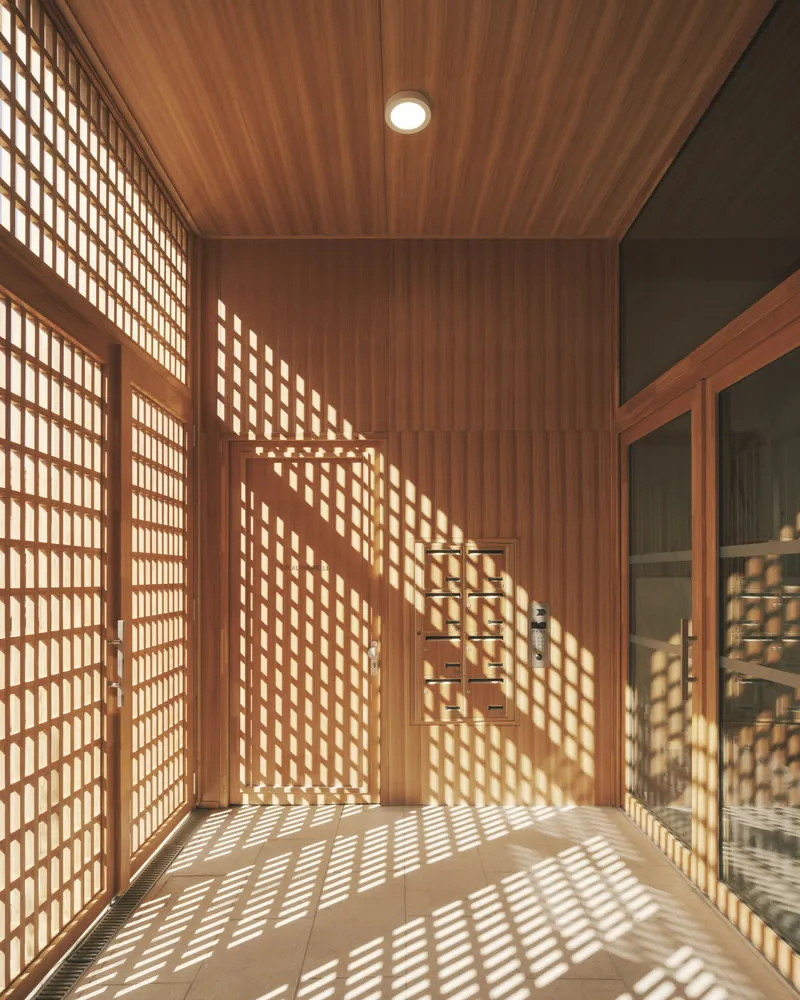
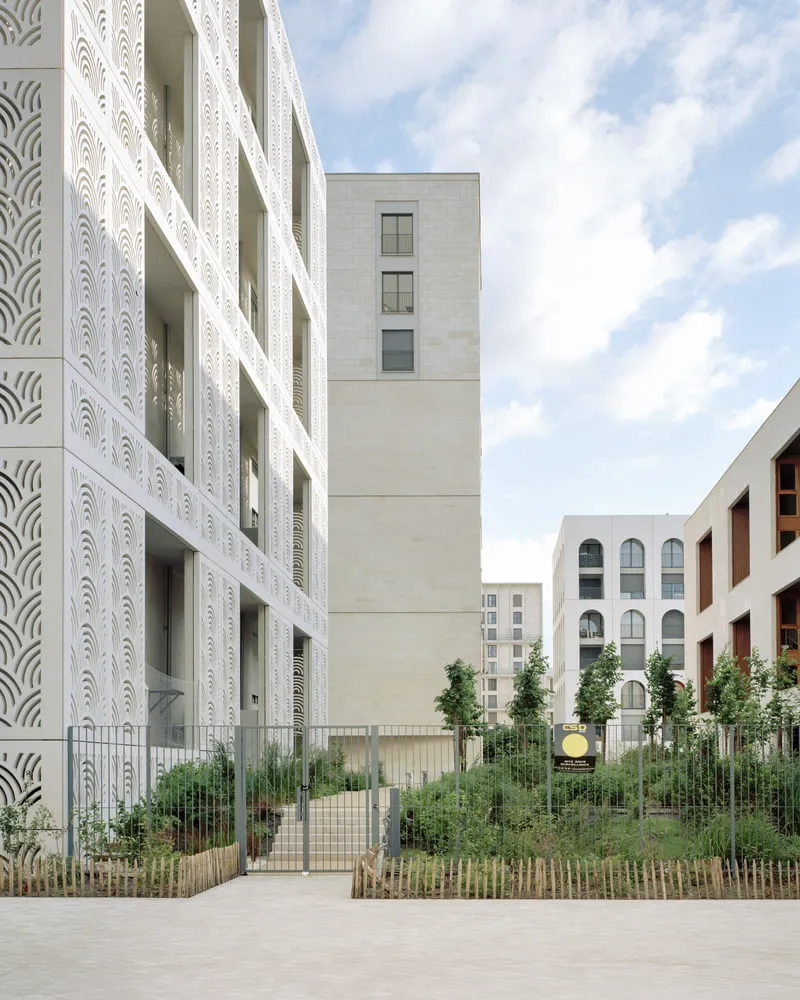
Architectural Language: Transparency, Materiality, and Double Scale
The design vocabulary draws from Bordeaux’s historical motifs and industrial typologies:
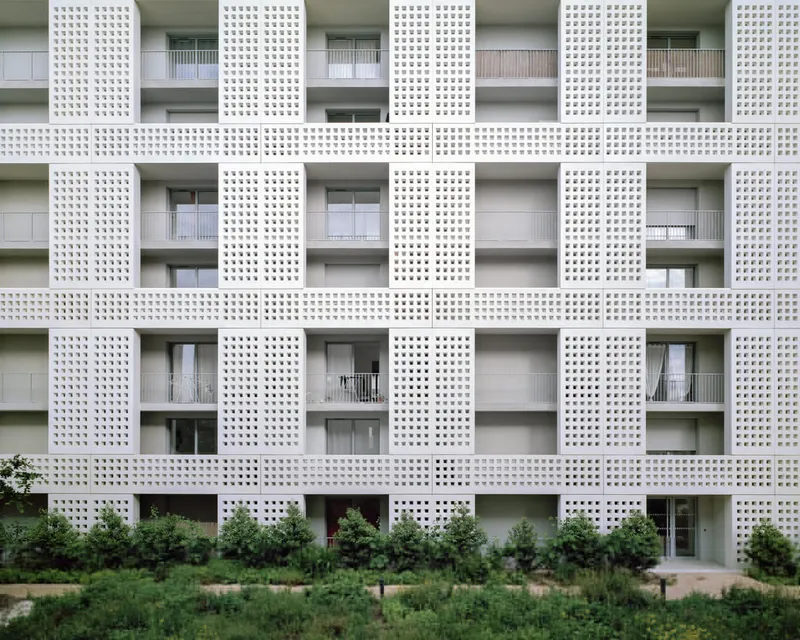
- Transparency: Strategic gaps and outdoor spaces create visual permeability, connecting public and private realms.
- Double Height Typology: Explores proportions and rhythm to unify diverse building typologies across scales.
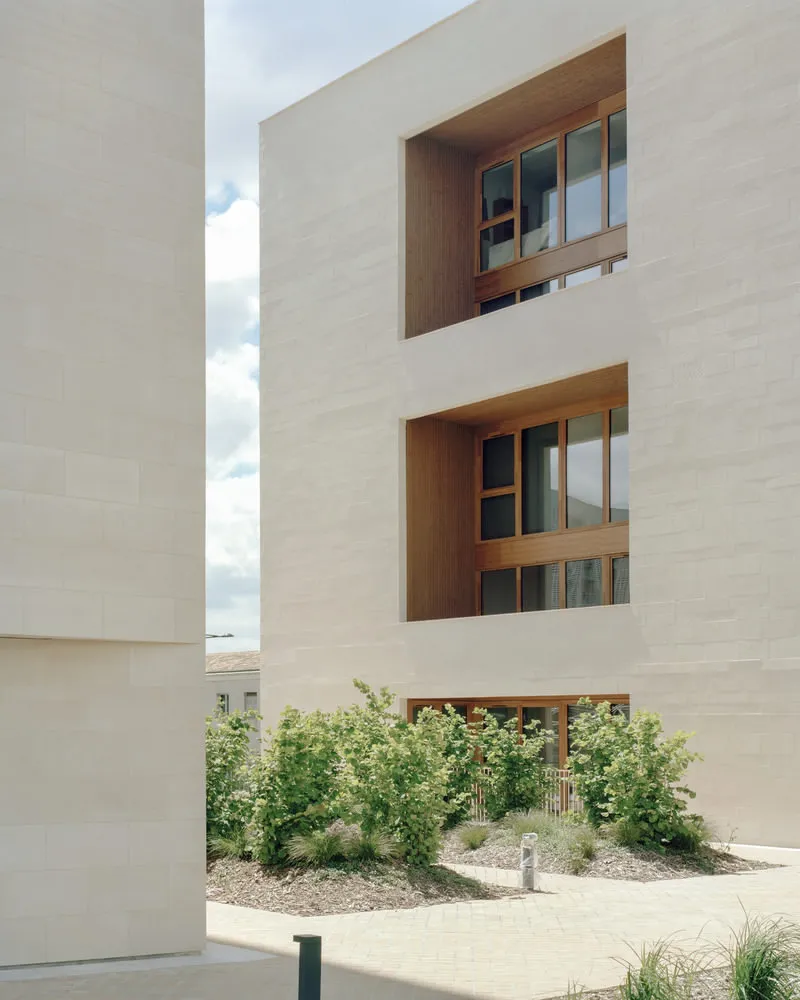
- Materiality: Northern façades reinterpret the traditional Bordeaux échoppe, with stone, brick, and concrete enhancing durability and urban coherence.
- Innovative Typologies: Stacked duplexes, apartments with continuous loggias, and adaptable layouts provide privacy, outdoor space, and diverse lifestyles.
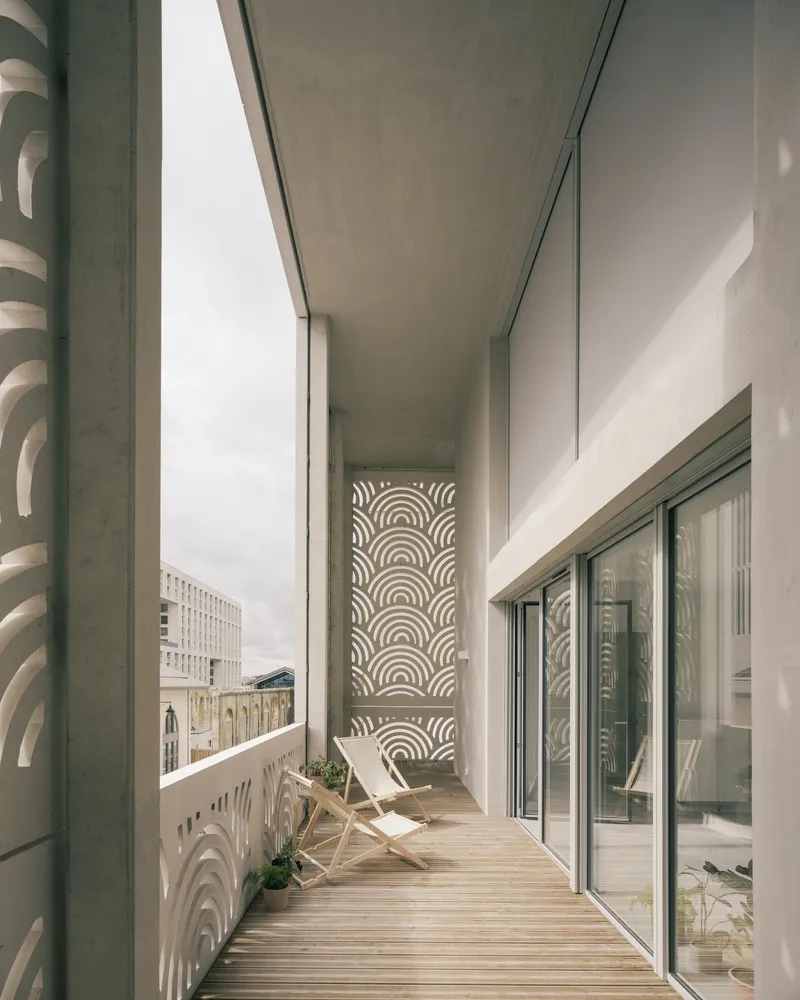
Sustainable and Socially Integrated Urban Design
By combining mixed-use functionality, green spaces, and heritage preservation, the New Amédée Saint-Germain District exemplifies sustainable urban regeneration. Parks, courtyards, and public squares foster social cohesion, while varied housing types encourage a diverse, inclusive community.
This project demonstrates how Bordeaux continues to innovate in urban planning, blending history, contemporary architecture, and high-quality public spaces to create a new city gateway.
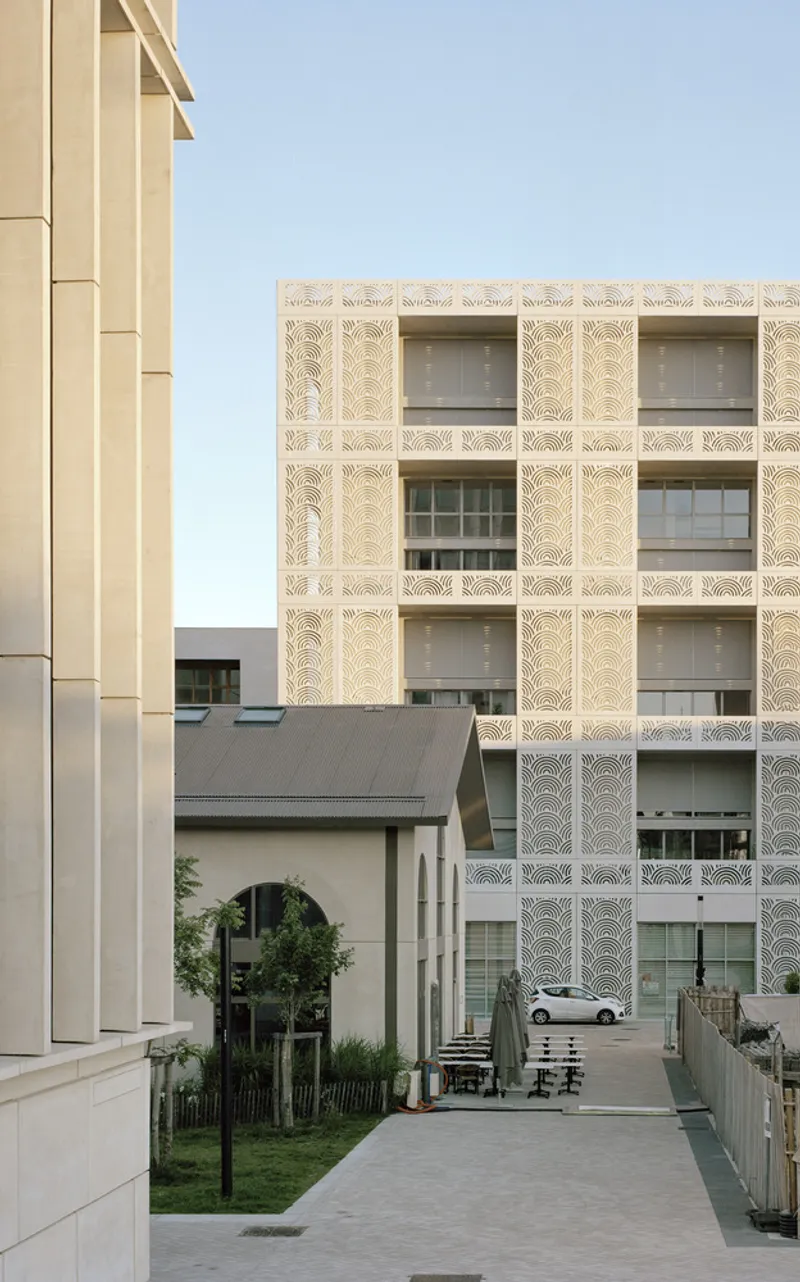
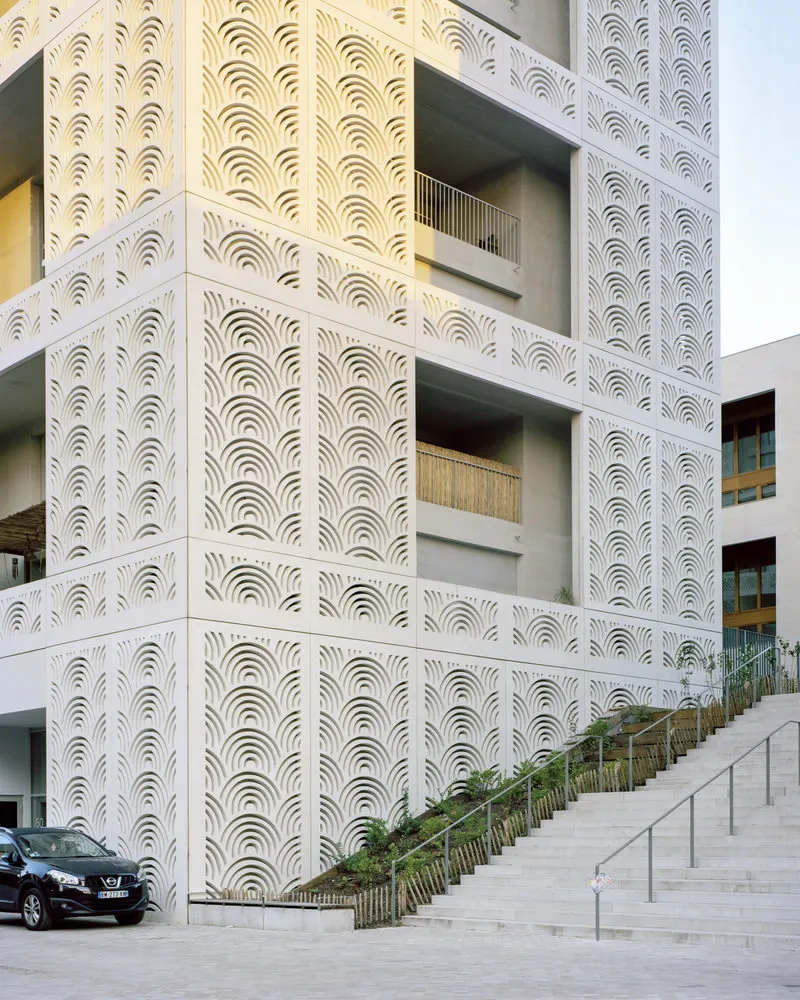
All photographs are works of Maxime Delvaux, Charly Broyez



Popular Articles
Popular articles from the community


The Musturak Paradise: Senior Living Architecture for a Connected Future in Temara, Morocco
The Musturak Paradise reimagines senior living architecture in Temara via private homes, social spaces, culture, community, and shared care.
EW PARK: Sustainable Architecture Reimagines the Future of Urban Parking
EW PARK reimagines city parking as a modular wooden tower combining automation, solar energy, electric mobility, and adaptable urban design.

Hill & Cross Opera: Sculptural Opera House Architecture Shaped by Tallinn’s Landscape and Identity
Hill & Cross Opera reimagines opera house architecture in Tallinn through its sculptural hill, civic plaza, glass wave and a luminous cross.

Riyadh For All: Intergenerational Urban Design for Active Aging in Rabat
Riyadh For All reimagines urban design in Rabat with intergenerational co-living, adaptive courtyards, and Moroccan cultural exchange today.

Similar Reads
You might also enjoy these articles


Hodi-Mandai Geram
Project Function: Preservation and revitalization of the Intangible heritage and socio-spatial identity of the Hodi by Housing, Cultural Memory Center, Sacred Grove, landscape, local tourism economy


Olio Towers: A Mid-Rise for Performers That Fuses Housing, Rehearsal, and Stage
Located blocks from Houston's Theater District, this modular tower stacks living units around a central performance atrium.

Oasis: Modular Green Housing Carved into Dhaka's Urban Fabric
A shortlisted Plugin Housing entry reclaims unauthorized settlements in Dhaka with stepped concrete volumes, green roofs, and ventilation-driven design.

Black Hole: A Floating Megastructure for the Post-Physical Era
Emiliano Mazzarotto envisions a spherical, self-scaling arena where e-sports, digital hotels, and holographic stadiums replace traditional public space.

Explore Architecture Competitions
Discover active competitions in this discipline



Challenge to reimagine the Iron Throne


Photograph architecture without architects


Illustrate the lost glory of Angkor Wat - Render Challenge


Design challenge to reuse E-waste
Comments (0)
Please login or sign up to add comments
No comments yet. Be the first to comment!