
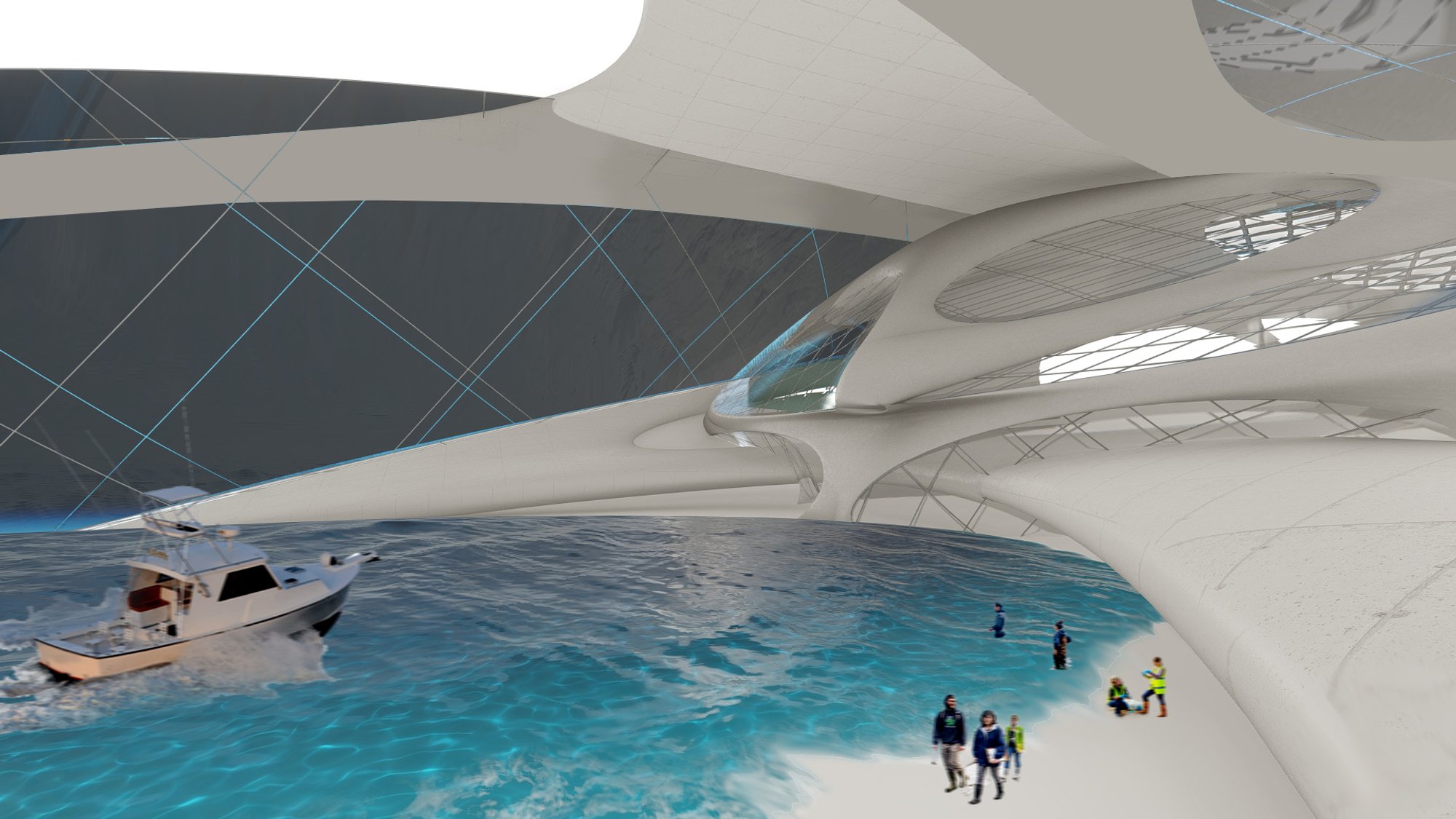
The Nexus Center
The Nexus center for Marine Life approaches the concept of fluidity through variability and connectivity.

These concepts inform our spatial ideas, which are applied to achieve educational concepts. The educational concepts are IMMERSION and OBSERVATION. These two concepts are the basis for the different programmatic typologies in terms of classrooms and research space. The Center has opportunities for hands-on, in-the-water experiences (immersion) through direct access to the river for boats as well as outdoor classrooms and workshops. Observation is achieved both conceptually and literally, with laboratories set up for scientific observation, and the lecture hall set up with a view of the river. Tanks of water embedded into both the existing river and the structure of the Center itself provide a constant connection to the landscape.
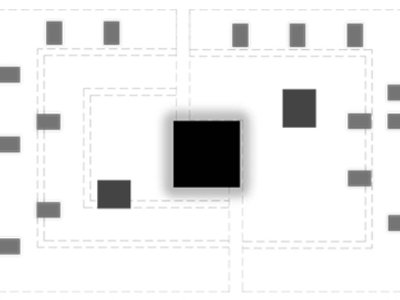
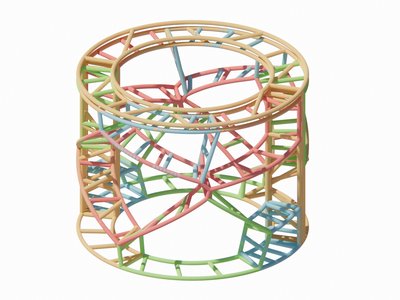
The building concepts continue the ideas of connectivity and variability, with this informing the controlled free form structure. This organizational logic creates an armature that allows for apertures within the space ideal for the people to experience a fluid moment in the labs, lecture halls, and student center
The building concepts deal with variability by allowing for the components and armature of the structure to come down with their own dynamic logic to create connected moments to allow for unique experiences in each part of the site.
The various layering of the structure’s skin strategy creates unique spaces for different programs in the institute.
The Nexus Center uses hydroelectricity to power and generate renewable energy through its structure. Hydropower electricity is produced from generators and turbines that run along with the mouth of the river through the stream flowing into the structure to convert the potential energy into mechanical energy, further into electricity.
The housing is for visiting students and on-site faculty. Housing units exist within the same variable structure as is throughout the campus.

Popular Articles
Popular articles from the community

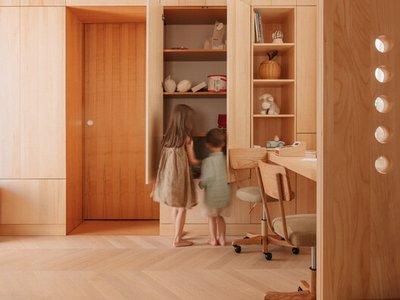
Treehouse Apartment: A Warm Timber Interior Blending Craft, Play, and Contemporary Living
Warm timber apartment with integrated treehouse, combining natural materials, craftsmanship, and playful design to create a flexible, family-oriented living environment.
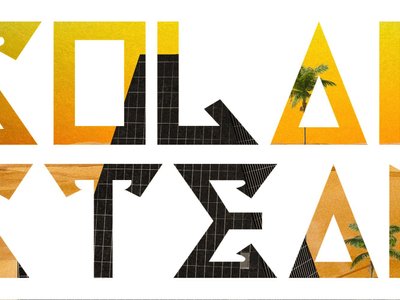
Solar Steam: A Climate-Responsive Architecture That Redefines the Monument
A climate-responsive memorial architecture that transforms heat, decay, and time into a living system reflecting humanity’s ecological impact.
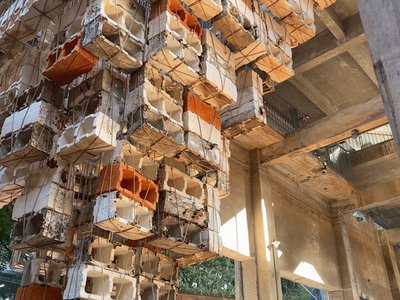
Inverted Architecture Installation by Studio Link-Arc: Exploring the Intersection of Architecture and Living Organisms
Inverted Architecture Installation by Studio Link-Arc blends mycelium, sustainability, inverted design, ecological cycles, and urban adaptive architecture in Shenzhen.
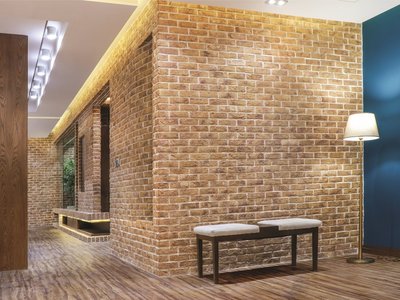
A Contemporary Take on Iranian Residential Architecture
A modern interior design in Mashhad that reinterprets brick, light, and spatial flow to create a warm, contemporary residential architecture.

Similar Reads
You might also enjoy these articles
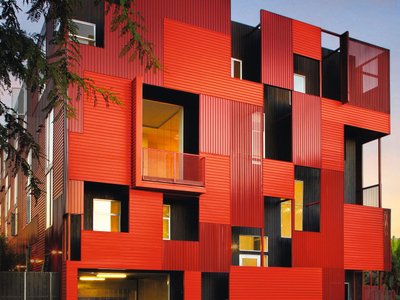
Converge Hub – A Human-Centered and Sustainable Mobility Hub at the Urban Edge
Its open and permeable design promotes sustainable movement through walkable connections, green axes, and integrated public transport
51st Annual KRob - Ken Roberts Memorial Delineation Competition
Join us in celebrating 51 years in excellence in architectural representation! With $2,400 in prize money awarded across 8 categories, this prompt-less competition is accessible to all!



Explore Architecture Competitions
Discover active competitions in this discipline




The International Standard for Design Portfolios


The Global Benchmark for Architecture Dissertation Awards


The Global Benchmark for Graduation Excellence


Challenge to reimagine the Iron Throne
Comments (0)
Please login or sign up to add comments
No comments yet. Be the first to comment!