
The Red Brick Library by G/O Architecture — A New Vision for Community Libraries in Gangdong-gu, South Korea
The Red Brick Library by G/O Architecture redefines community spaces with flexible, integrated shelving and versatile areas for all visitors.

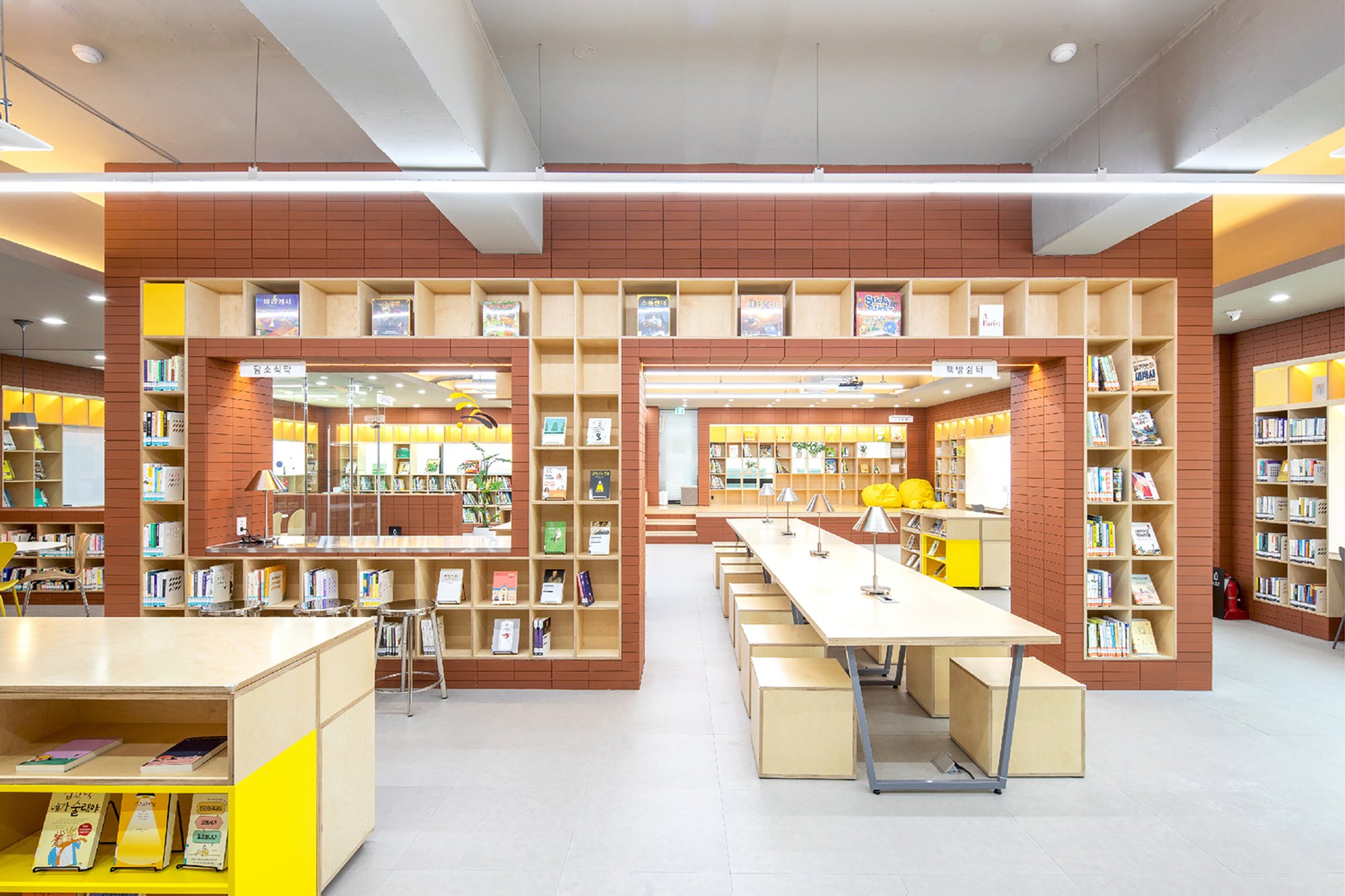
Located in the vibrant district of Gangdong-gu, South Korea, The Red Brick Library, designed by the innovative team at G/O Architecture, redefines the traditional concept of what a library can be. Completed in 2022 and covering an area of approximately 250 square meters, this contemporary cultural hub offers much more than just a place to read books — it embraces flexibility, community, and interaction.
Breaking the Stereotype: A Multi-Functional Library Space
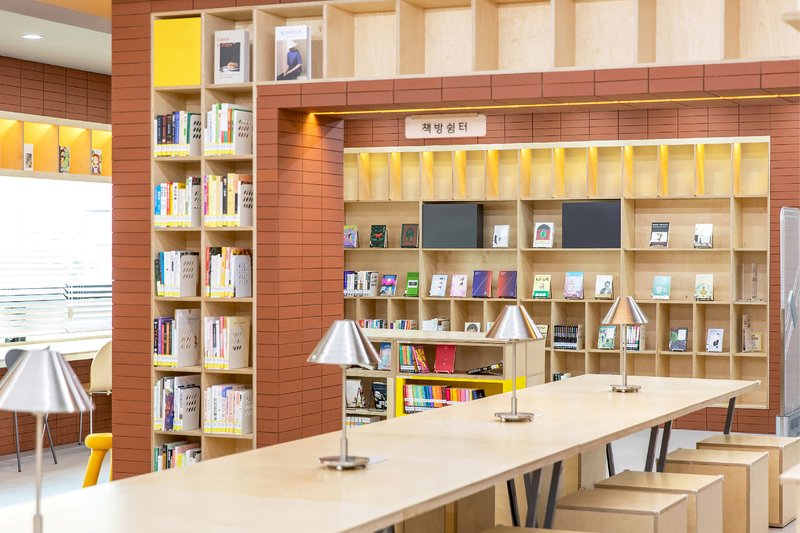
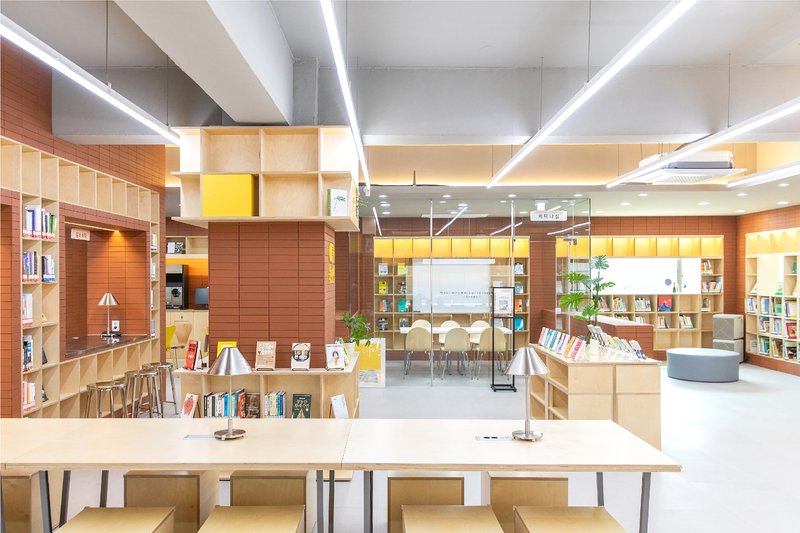
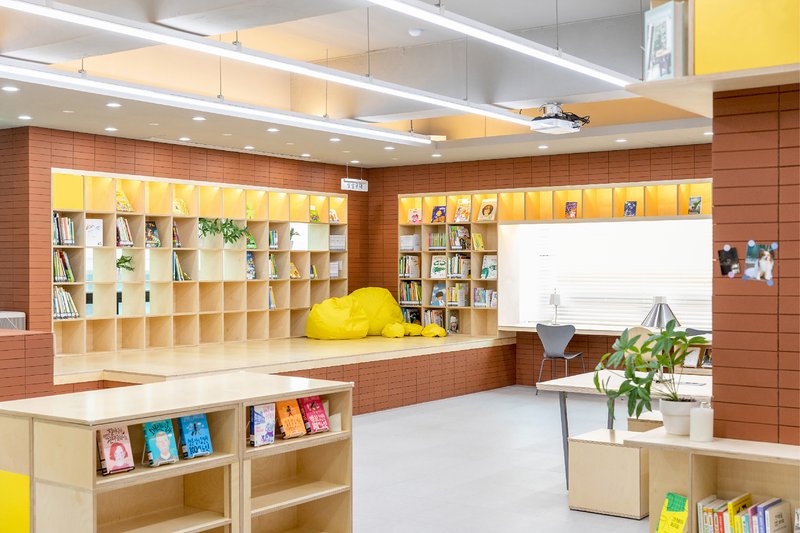
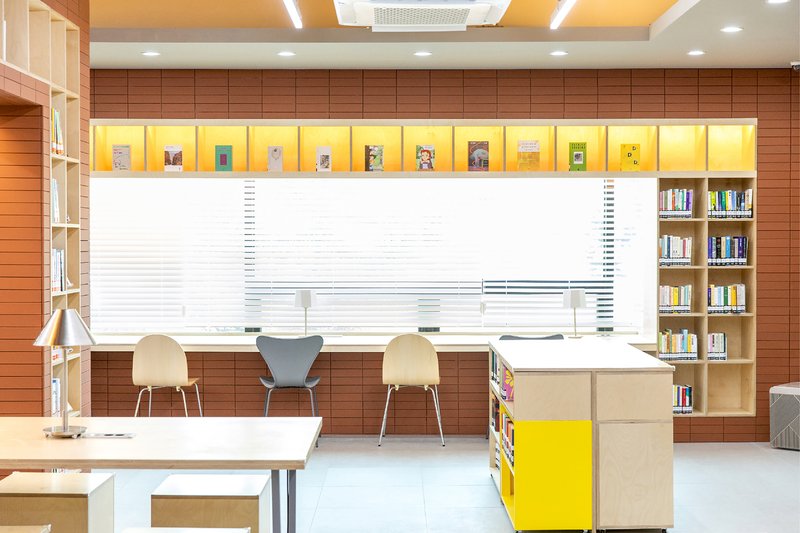
Unlike conventional libraries typically associated only with quiet reading areas, The Red Brick Library encourages a dynamic range of activities. The architects intentionally designed the interior to support diverse uses, featuring various functional zones such as bar-style tables for casual reading or working, seminar rooms for group discussions and workshops, and long communal tables that accommodate both individual study and social gatherings.
This multi-use approach invites visitors to tailor their library experience based on their needs, whether seeking solitude for focused reading or collaboration and social interaction. This adaptability breaks the mold of the traditional library stereotype, making The Red Brick Library a truly inclusive and versatile community space.
A Library Without Boundaries: Welcoming All Residents
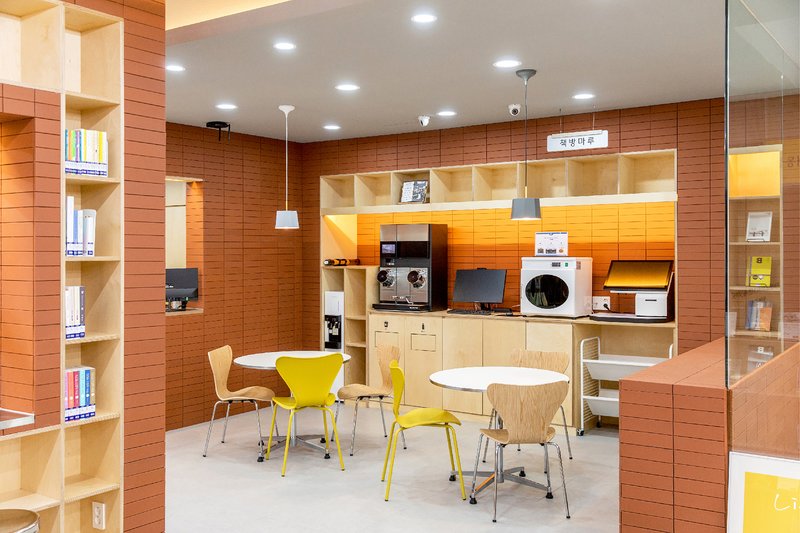
The library's design philosophy extends to its audience as well — it does not limit itself to a particular type of visitor. By welcoming everyone from families and students to professionals and elderly residents, it fosters a vibrant cultural gathering spot. Regular visits by the neighborhood community transform the library into a “village library,” where residents connect through books, conversation, and shared moments over tea.
This community-centric approach promotes a sense of belonging and cultural exchange, turning the library into a cornerstone of local social life.
Innovative Architectural Features: Books as Walls and Hidden Structures
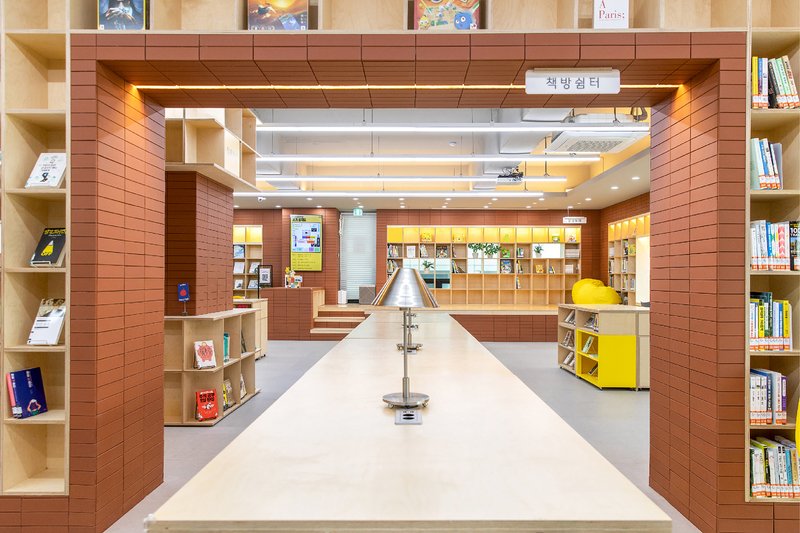
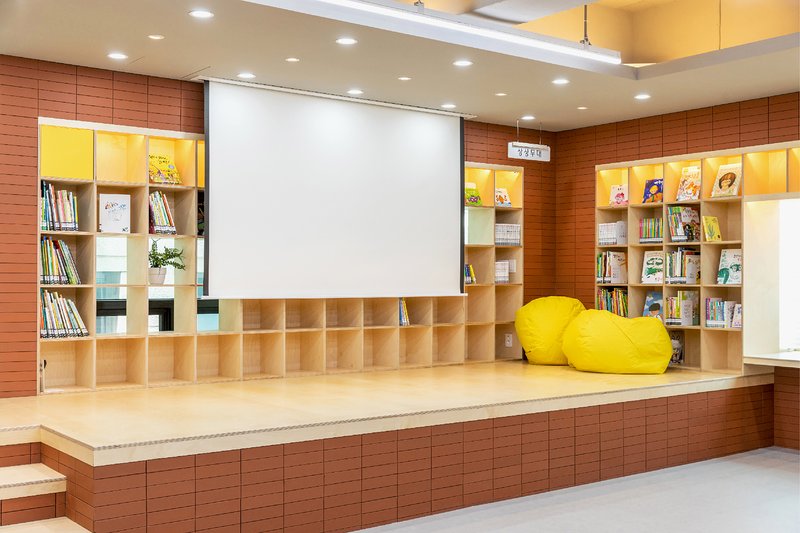
One of the most striking architectural features of The Red Brick Library is its unique bookcase design. Rather than traditional freestanding furniture, the bookcases are integrated directly into the walls, seamlessly merging storage with the architectural structure. This not only maximizes space efficiency but also creates a warm, inviting ambiance where books themselves become part of the building’s fabric.
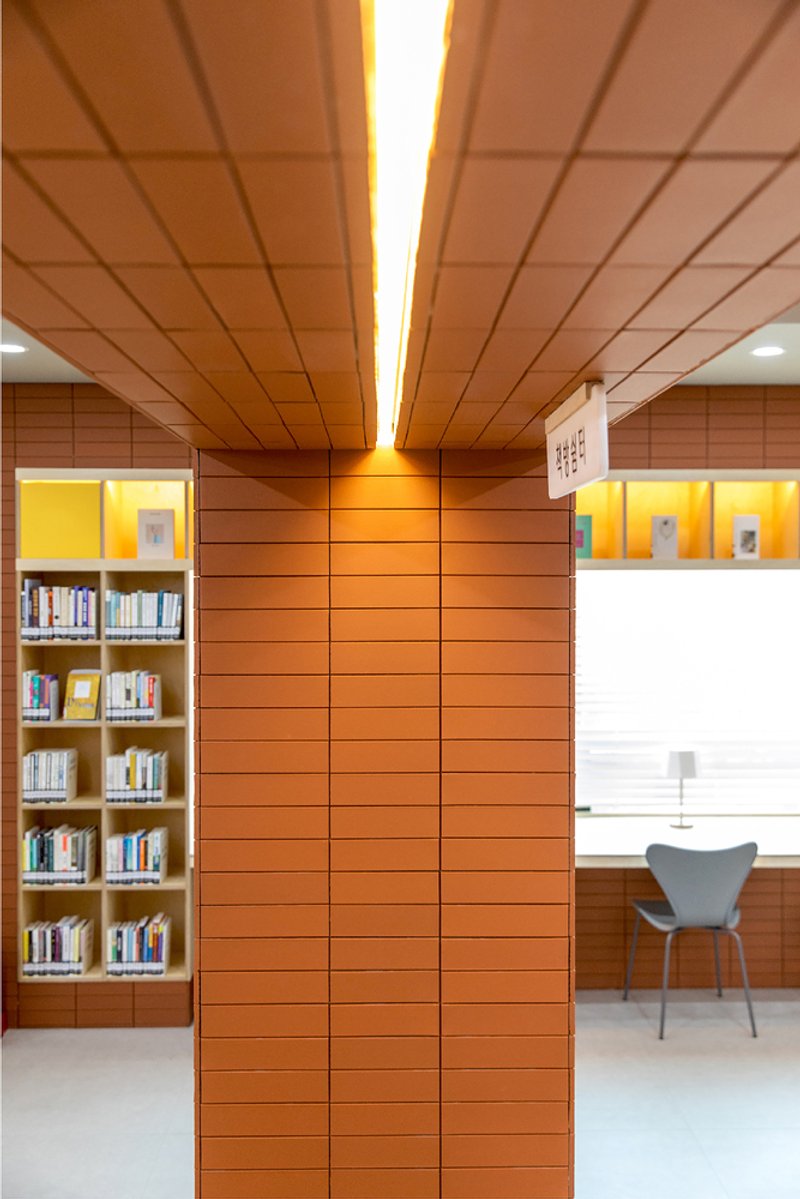
In addition, structural pillars are cleverly concealed behind carefully curated book displays organized by thematic subjects. This design choice minimizes visual clutter and maintains clean, uninterrupted sightlines throughout the interior, enhancing the overall spatial experience.
Spaces Designed for Every Need
The library’s layout is thoughtfully divided to cater to a wide range of user preferences and activities. Whether visitors seek quiet solitude, small group collaboration, or larger community events, The Red Brick Library offers dedicated spaces for each. This approach encourages frequent visits and active engagement, enriching the cultural life of Gangdong-gu’s residents.
By redefining the library as a multifunctional cultural venue, G/O Architecture successfully bridges the gap between traditional public libraries and contemporary community centers.



Popular Articles
Popular articles from the community

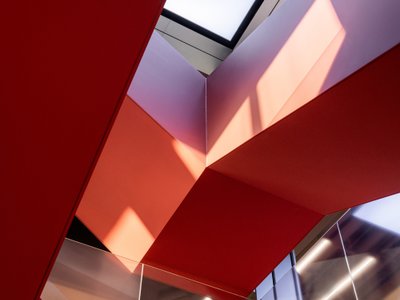
Ippolito Fleitz Group Identity Architects Turn Eight Floors in Shanghai into a Vertical Creative City
Publicis Groupe's new headquarters in Xintiandi reimagines the office as a courtyard-driven urban landscape stacked across eight floors.
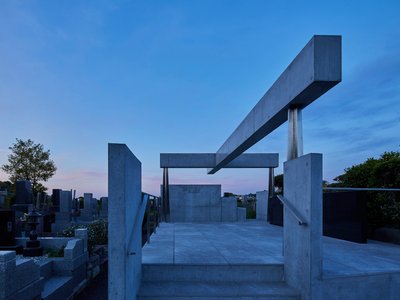
Takeshi Hosaka Architects Suspends a Concrete Cross Above a Yokohama Cemetery
A 28-square-meter burial renovation in Yokohama lifts the symbol of resurrection into the sky so mourners see it against heaven.

20 Most Popular Office Building Projects of 2025
From biophilic workspaces in India to net-positive energy offices in New Delhi, 20 office building projects that defined architecture in 2025.
RDTH architekti Rips Out Nearly Every Wall in a Prague Apartment and Replaces Them with Furniture
A 101-square-meter post-war flat in Prague trades rigid partitions for a single rotated furniture block, curtains, and glass concrete.

Similar Reads
You might also enjoy these articles
Olio Towers: A Mid-Rise for Performers That Fuses Housing, Rehearsal, and Stage
Located blocks from Houston's Theater District, this modular tower stacks living units around a central performance atrium.
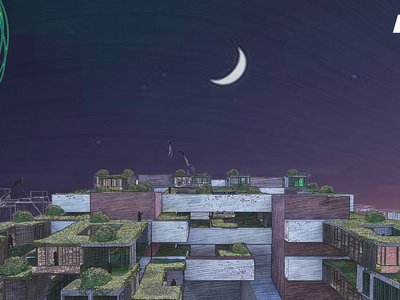
Oasis: Modular Green Housing Carved into Dhaka's Urban Fabric
A shortlisted Plugin Housing entry reclaims unauthorized settlements in Dhaka with stepped concrete volumes, green roofs, and ventilation-driven design.

Black Hole: A Floating Megastructure for the Post-Physical Era
Emiliano Mazzarotto envisions a spherical, self-scaling arena where e-sports, digital hotels, and holographic stadiums replace traditional public space.
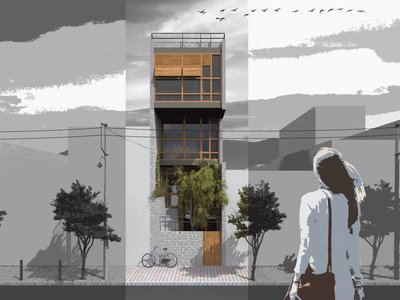
Compact & Sustainable Living in Piraeus: A Four-Level Family Home Built Around Light and Air
A narrow townhouse in one of Greece's densest port cities uses a central atrium and passive strategies to house three generations under one roof.

Explore Architecture Competitions
Discover active competitions in this discipline




The International Standard for Design Portfolios


The Global Benchmark for Architecture Dissertation Awards


The Global Benchmark for Graduation Excellence


Challenge to design public laboratory
Comments (0)
Please login or sign up to add comments
No comments yet. Be the first to comment!