

The Salal Leaf Pavilion
What would it be like to inhabit a salal leaf?

What would it be like to inhabit a salal leaf? To hide under its shade during a hot summer day? Imagine as you look from afar, its edges lightly touch the ground while the center soars up, creating dynamic space to gather underneath. You look closer and see that it is a decaying leaf, with reminiscence of the membrane which now diffuses light into a phenomenological experience. From underneath, the veins of its structure effortlessly hold its transparent skin.
The leaf is your portal to another world where perspectives are skewed. It is nature welcoming you, wrapping around you, and keeping you safe even as it starts to fade away. This leaf, this pavilion, is a haven from the everyday burdens of life. As we step away, we are reminded to dwell in nature as our true architectural fabric. Earth’s landscape was here before us, we learned from it, we created intricate structures with it, we have almost erased it, but still, it stands resilient.
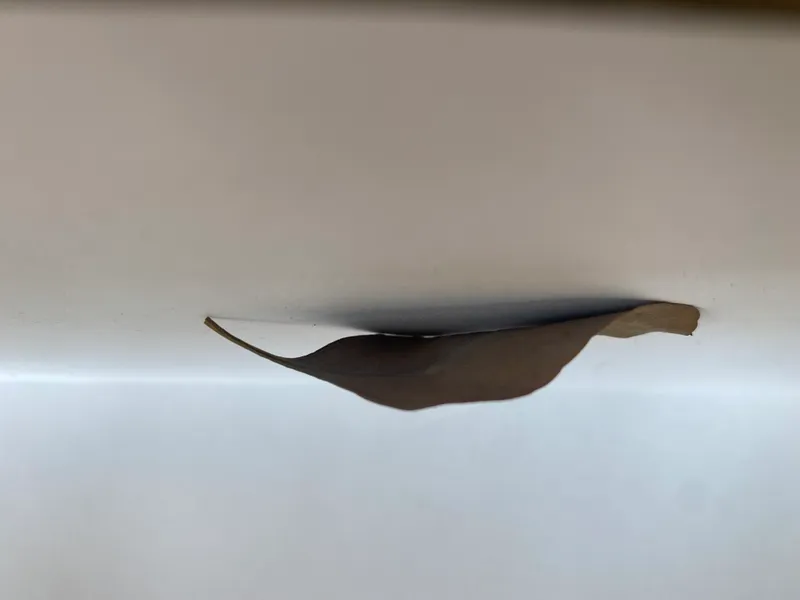
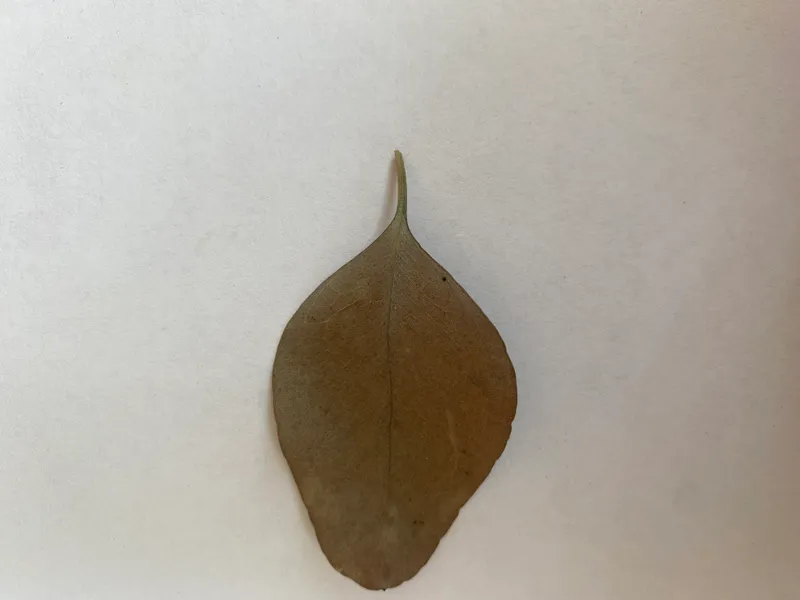
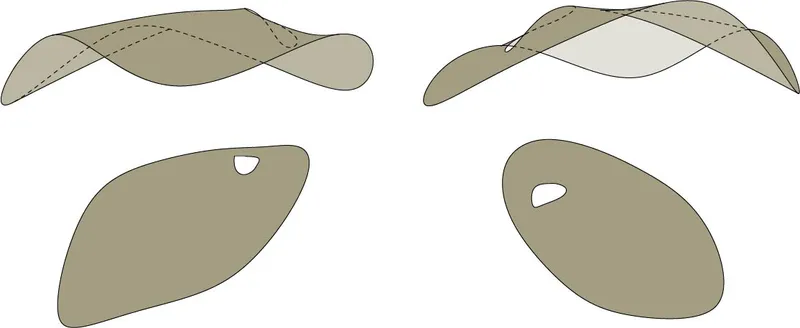
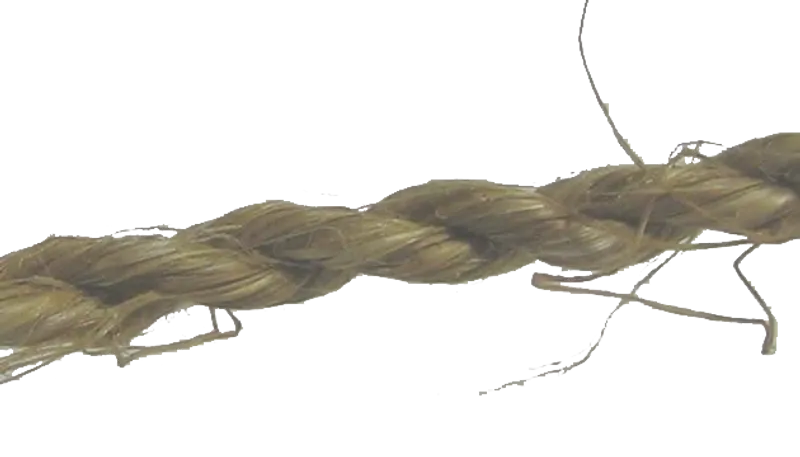
While the form seems foreign in context, embracing a concept that can be recognized everywhere keeps the Salal’s purpose intentional. The pavilion’s veins are formed of corten steel tube members, and midribs are braced between with smaller corten steel tube members. Corten allows the pavilion to enhance the perception of a decaying structure with its rust colored patina. Spanning as the epidermis of the leaf is a woven rope fabric created by spooling together dried grass. A material that was typically used from Incan to African architecture, dried grass has been used in multiple facets from shelter to suspension bridges. Taking concepts from our nomadic ancestors, modernizing dried grass as cordage to weave the large fabric skin to the pavilion connects this mobile structure around the globe.
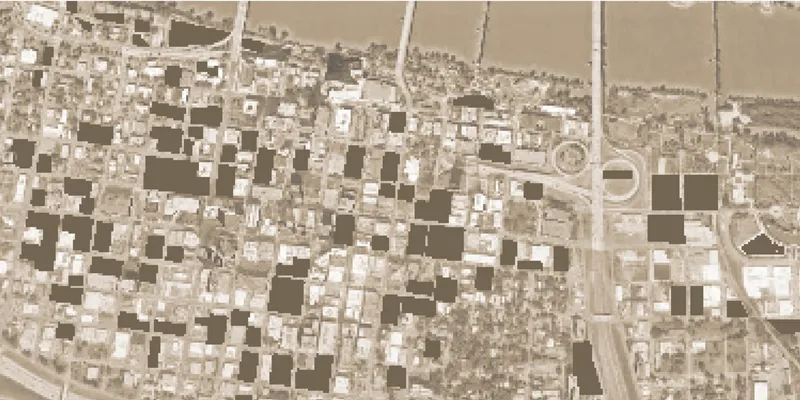
In a rural city that is heavily car dominated, the Salal Leaf can serve purpose in many locations. Here where there are less rooftop terraces, the pavilion can be situated to bring community in areas lacking throughout the city: parking lots. The downtown area is almost 50/50 parking to building infrastructure due to parking requirements by the city zoning and building codes; this parking is not all used.
The Salal Leaf’s goal is to unite downtown by creating a comradery amongst businesses and give space for those to decompress after or during the workday. As a temporary structure, it can be moved around the city to spread awareness that the current unused parking lots can be used for new building structure to enhance city culture.


Popular Articles
Popular articles from the community

Faces of the Soviet Avant-Garde: Turning Moscow's Street Names into an Open-Air Museum
A network of sculptural installations across a Moscow residential district transforms forgotten architect names into spatial encounters with cultural memor

Opera on the Sea: Driftwood Logic Shapes a Timber Opera House on Estonia's Coast
Trevor Orgill's opera house translates the entangled drift of floating timber into a civic building where wood, water, and music converge.
Extended Shell: Retrofitting Kolkata's Balconies as Living Urban Thresholds
A modular retrofit system recovers the social and environmental intelligence of Kolkata's historic verandas for contemporary Park Street residents.

Opera by the Sea Estonia: Three Shells Dissolving Architecture into Tallinn's Coastline
A winning opera house proposal replaces monumental form with interconnected shells that blur the boundary between building, park and Baltic Sea.

Similar Reads
You might also enjoy these articles

The Rhythm of Seasons
A Farmers' Market Connecting Nature and the City

More Than a Building-Designing a Living System
More Than a Building-Designing a Living System
Base Beyond
DESERT COMPOUND ARID: TOURISM OF ABSENCE AND ABUNDANCE


Comments (0)
Please login or sign up to add comments
No comments yet. Be the first to comment!