
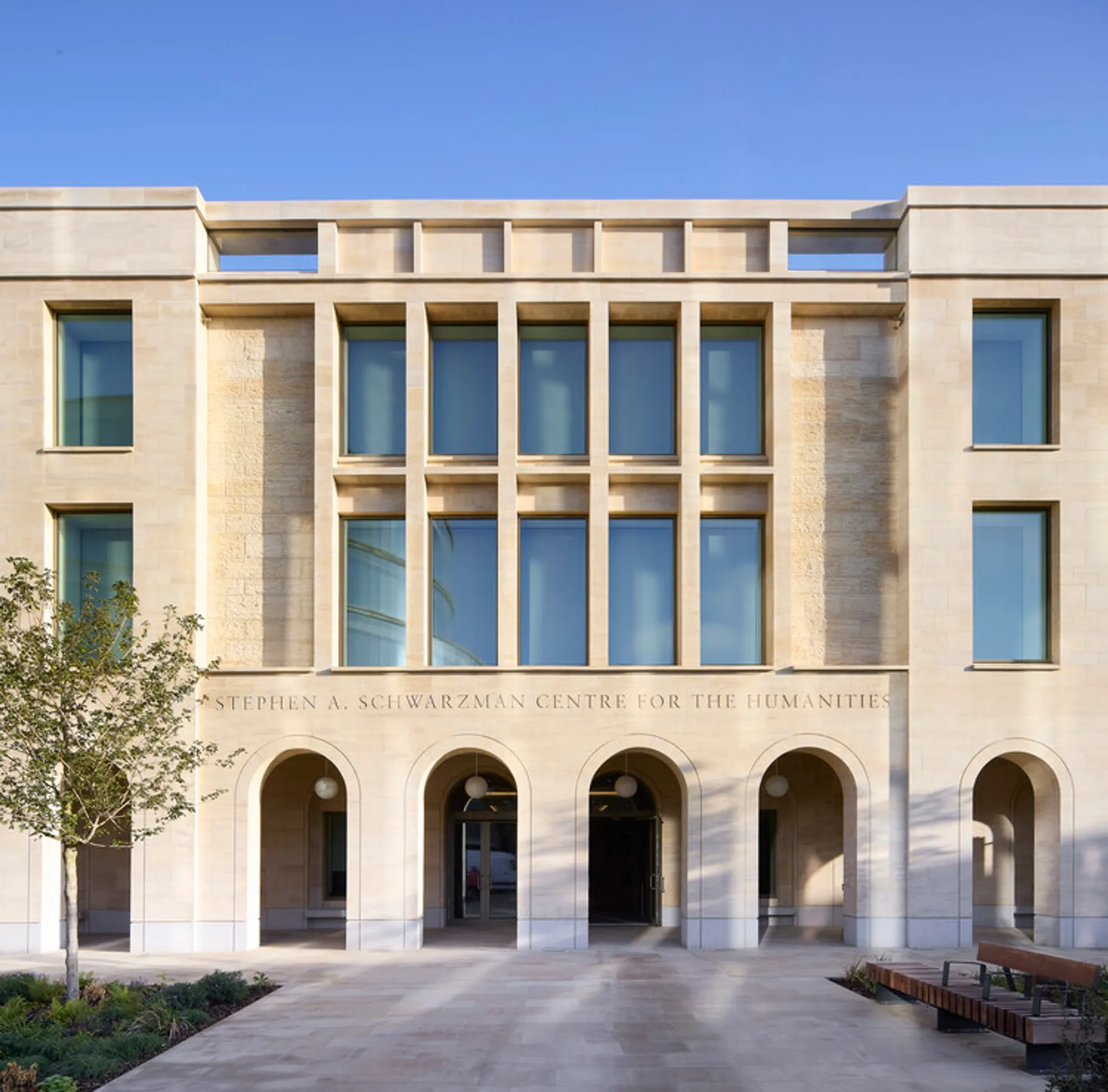
The Schwarzman Center for the Humanities
The Schwarzman Center at Oxford unites Humanities faculties, blending sustainability, Passivhaus design, cultural performance spaces, and public engagement into a landmark hub.


the University of Oxford, designed by Hopkins Architects, is a landmark 25,300 m² academic and cultural hub completed in 2025. Strategically positioned opposite the historic Radcliffe Observatory, the Center consolidates seven Humanities faculties, seven Bodleian libraries, the Oxford Internet Institute, and the new Institute for Ethics in AI, previously dispersed across 26 buildings. This centralization fosters interdisciplinary research, collaboration, and innovation across the Humanities, uniting students, academics, and staff under a single, sustainable, and publicly accessible roof.
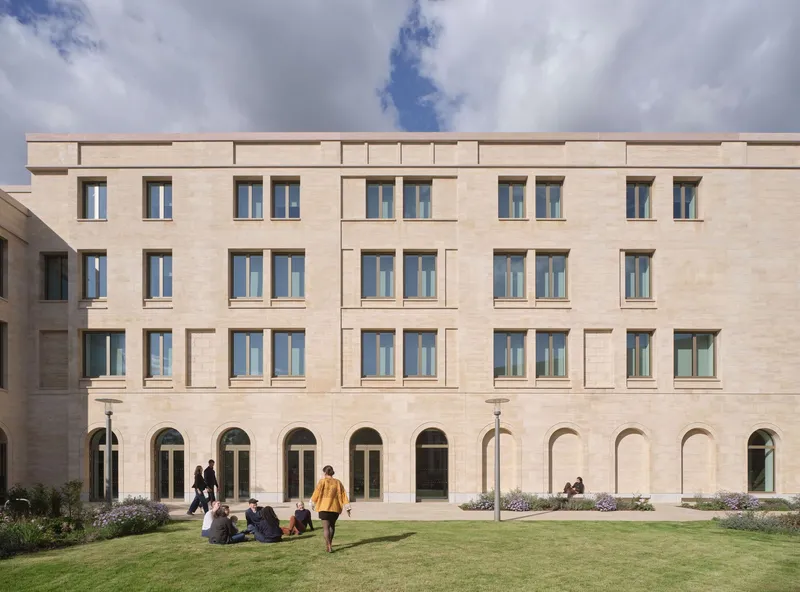
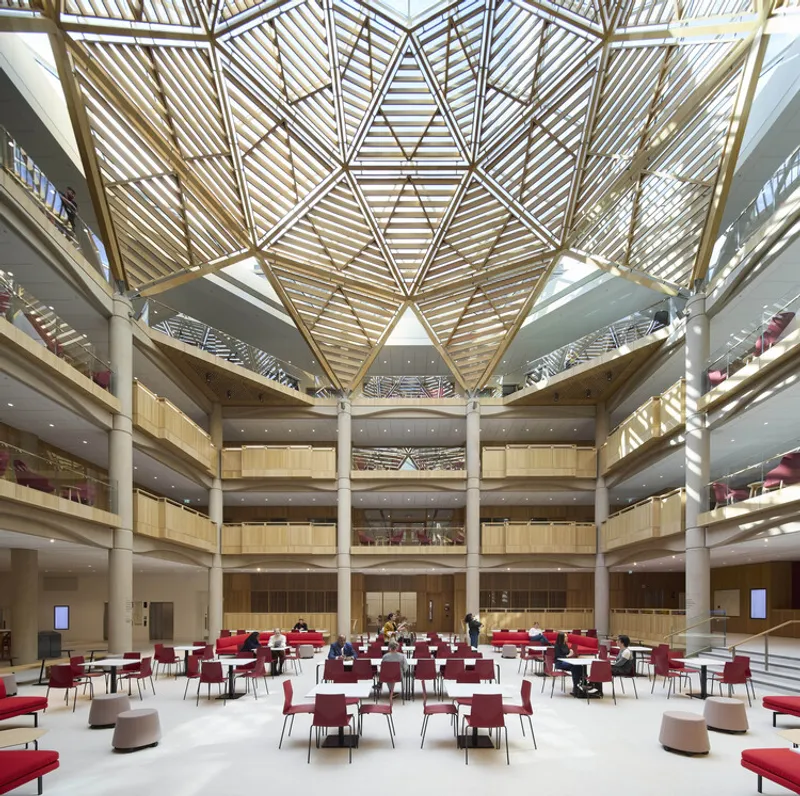
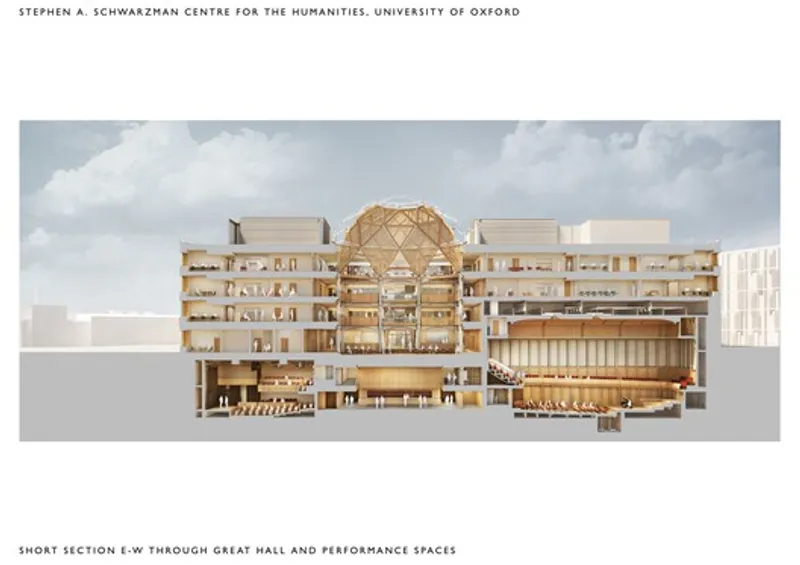
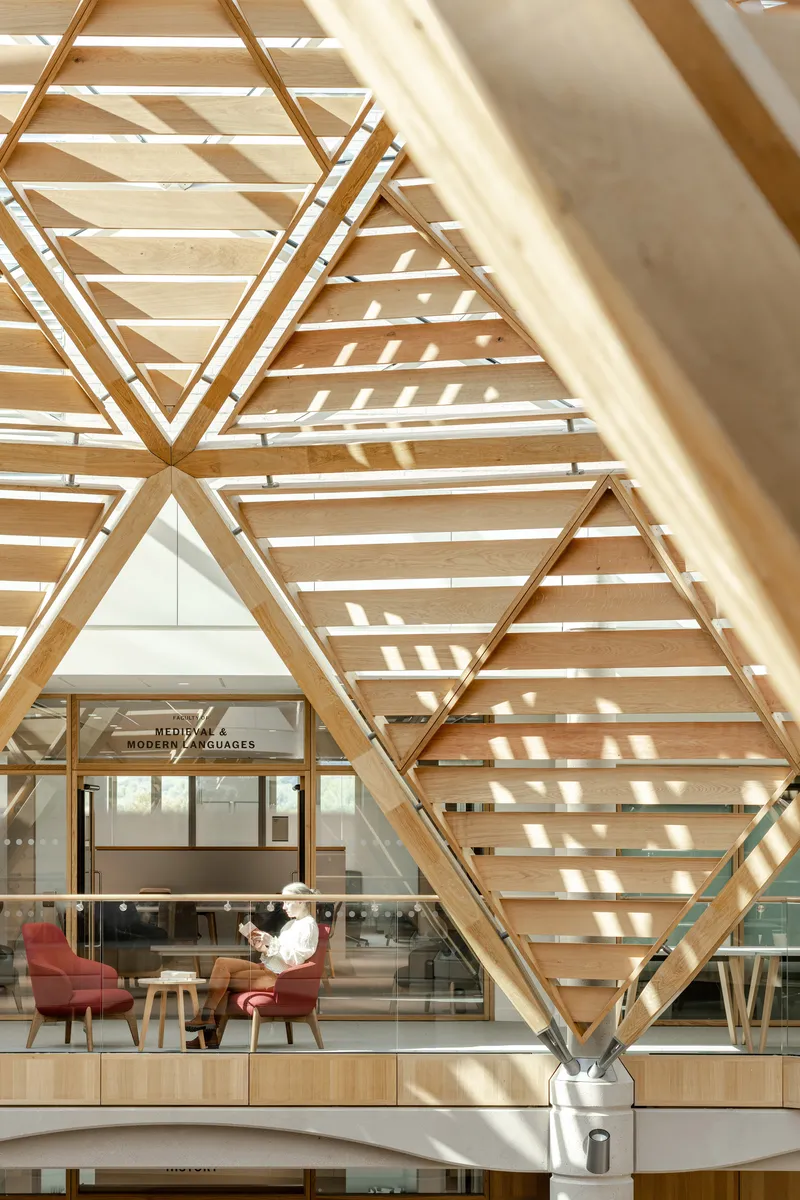
The building integrates Passivhaus principles, becoming the largest Passivhaus-certified project in England and the world’s first Passivhaus concert hall, demonstrating a commitment to energy efficiency, environmental sustainability, and social responsibility. A key design feature is the four-story Great Hall atrium, illuminated by a timber-and-glass domed skylight, which serves as a central meeting and circulation space. Faculty entrances at cardinal points, study carrels, and flexible exhibition and performance areas encourage interaction while blending seamlessly with Oxford’s historic context.
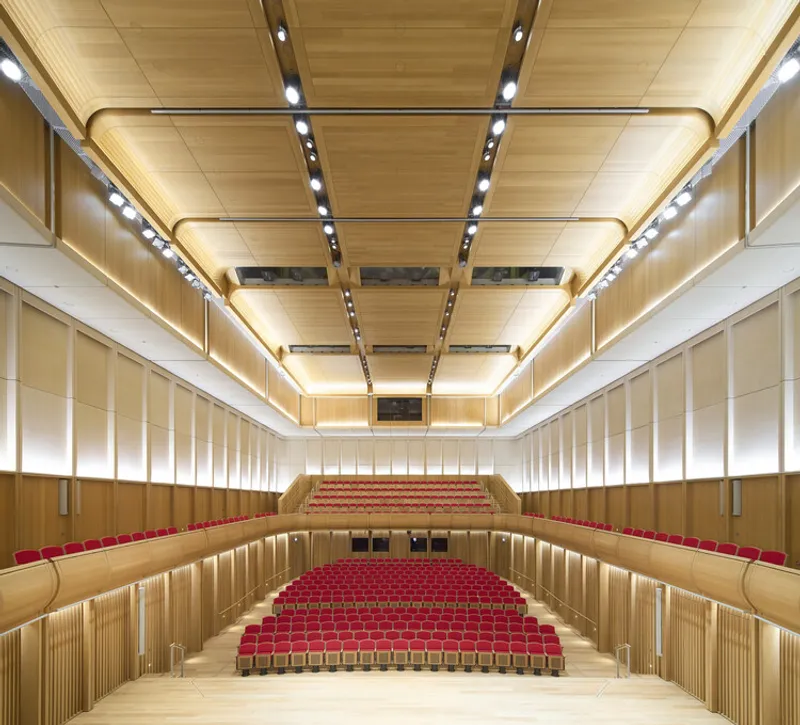
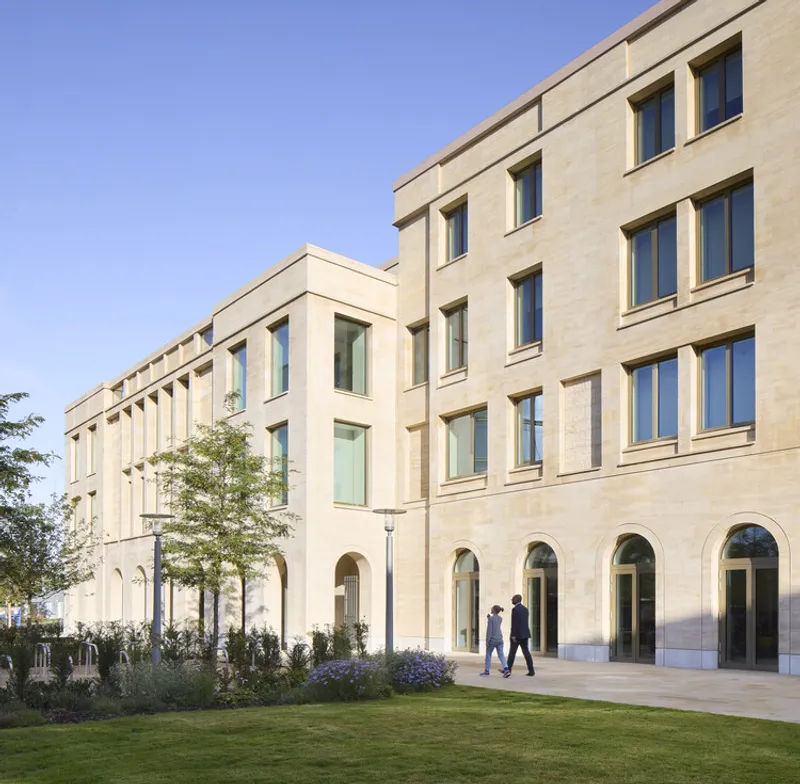
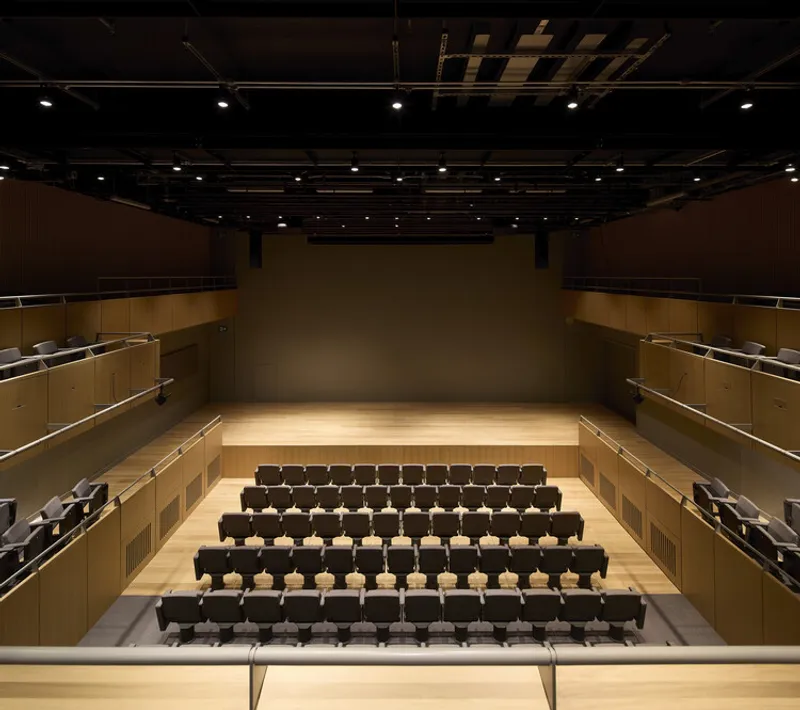
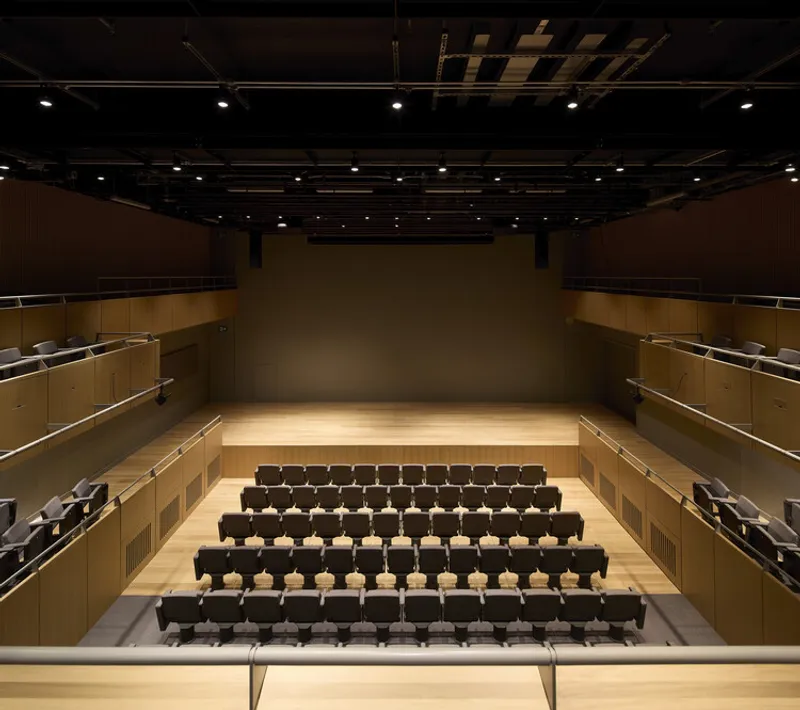
At its core, the Schwarzman Center celebrates cultural engagement. A 500-seat Concert Hall, a 250-seat theatre, a black-box experimental space, rehearsal facilities, and music studios provide versatile performance opportunities. These spaces expand Oxford’s cultural reach, hosting chamber orchestras, opera, electronic music, and interdisciplinary events. Public pathways through the building avoid barriers, creating civic openness, while colonnades, landscaped courtyards, and external "rooms" blur the line between city and campus, strengthening community interaction.
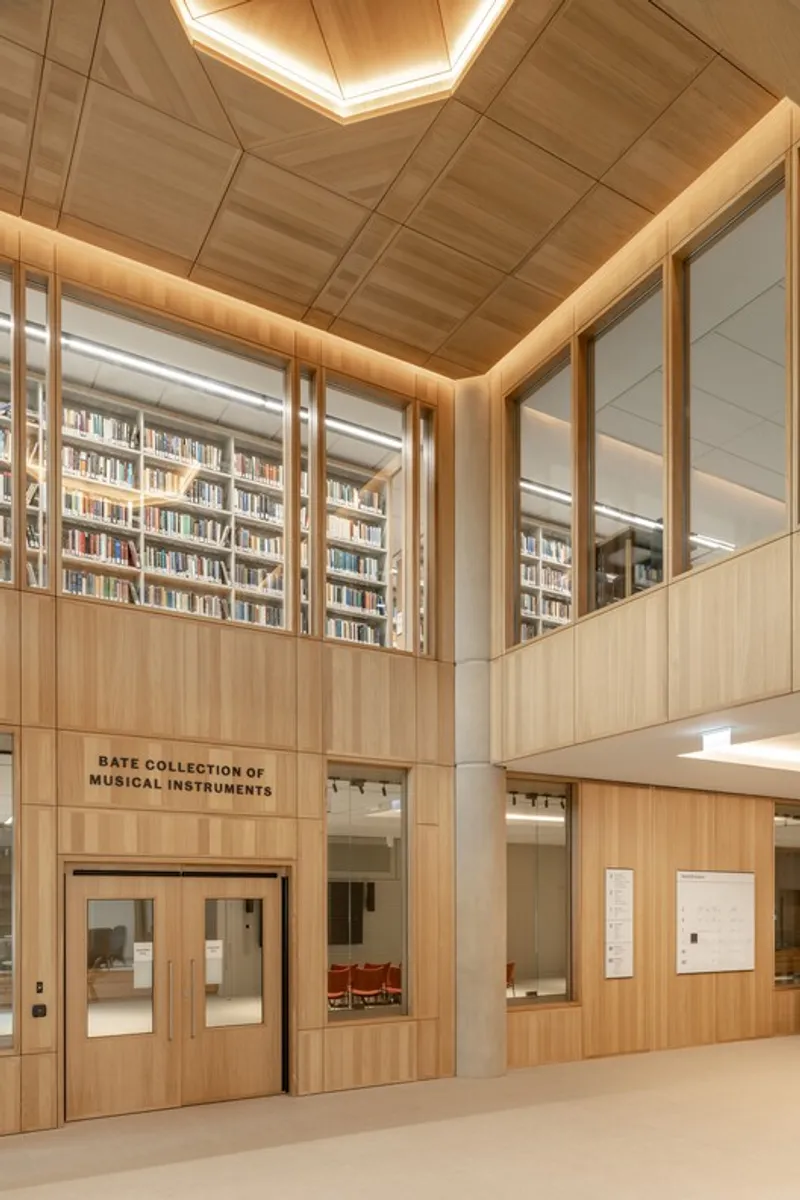
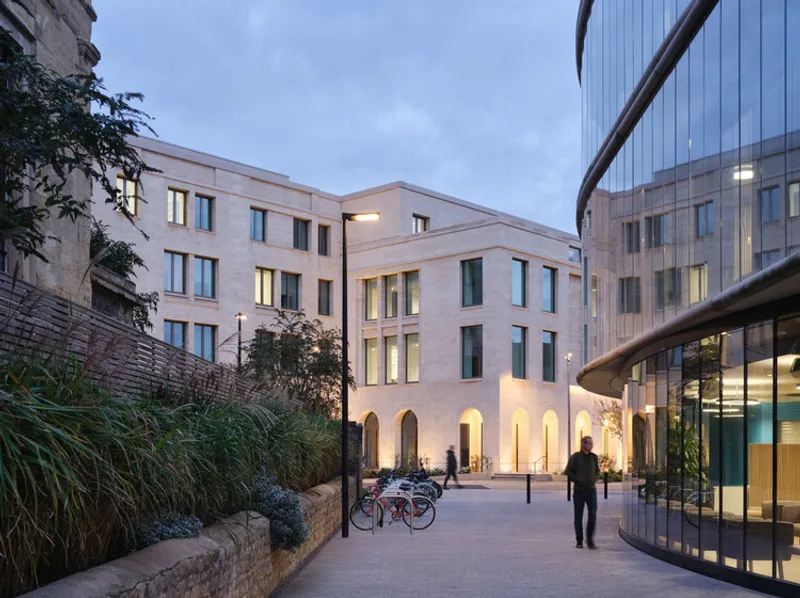
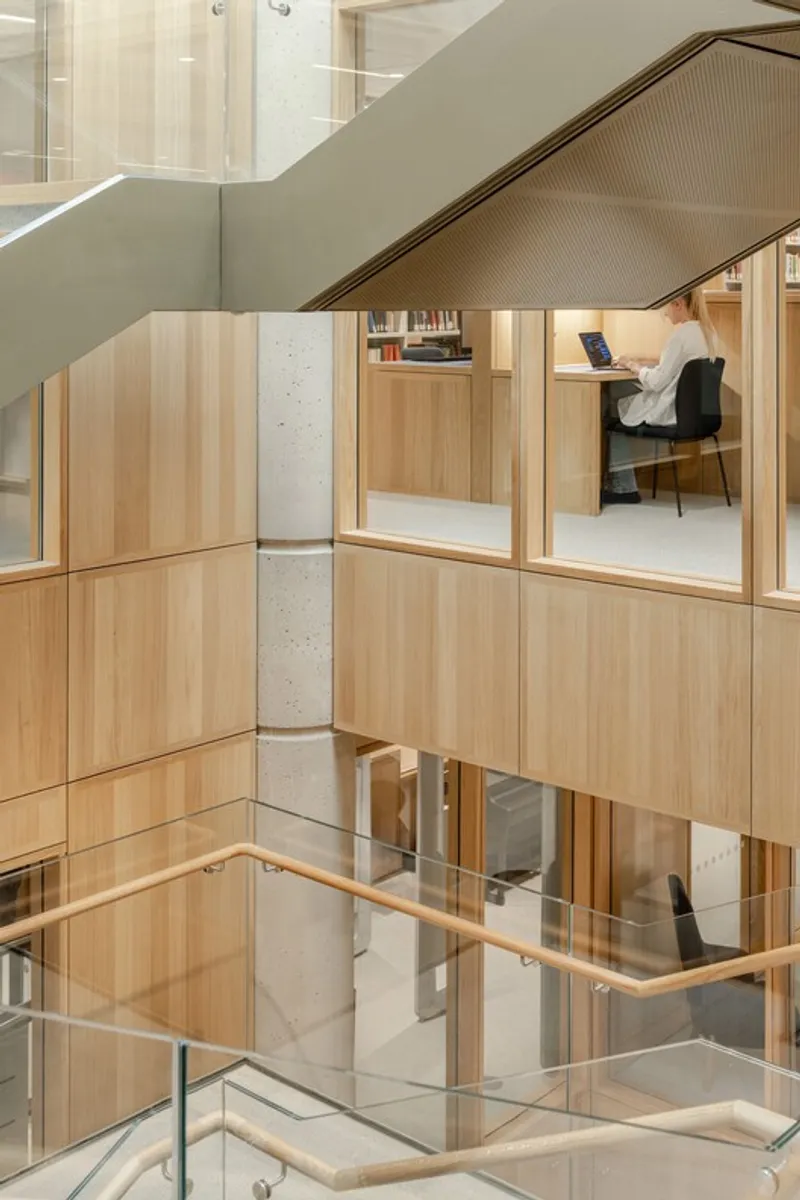
The architecture is articulated through Clipsham stone and brick blocks, scaled to respect the surrounding urban fabric while marking formal entrances. Internally, precise craftsmanship balances modern prefabrication with durable, tactile, and historically resonant materials. Advanced BIM and VR tools were employed to optimize construction accuracy, safety, and sustainability.
The Schwarzman Center exemplifies a 21st-century Humanities campus: open, flexible, culturally vibrant, and environmentally responsible. It serves as an inspiring home for dialogue, research, performance, and public engagement, bridging academic excellence and civic access. By consolidating the Humanities, the building enhances interdisciplinary learning, strengthens Oxford’s global reputation, and creates a new cultural landmark for students, academics, and the wider community alike.
All the photographs are works of
Simon Kennedy, Hufton+Crow, French + Tye




Popular Articles
Popular articles from the community


The Earth Pod: 3D Printed Homes for Resilient Refugee Communities
The Earth Pod reimagines refugee housing through 3D printed homes made from clay, combining resilience, self-sufficiency, and rapid shelter.

Lunar Spiral: Space Architecture Shaped by the Mathematics of the Universe
Lunar Spiral reimagines space architecture through Fibonacci geometry, lunar regolith, levitating habitats, and self-sustaining Moon living.

Co-Life: Senior Housing Design That Reconnects Older Adults With the City
Co-Life reimagines senior housing design through healing gardens, shared streets, workshops, and a sustainable community across generations.

Co-life: Sustainable Architecture for Age-Friendly Community Living
Co-life reimagines sustainable architecture for seniors through courtyards, rammed earth, shared gardens, and spaces designed for belonging.


Similar Reads
You might also enjoy these articles

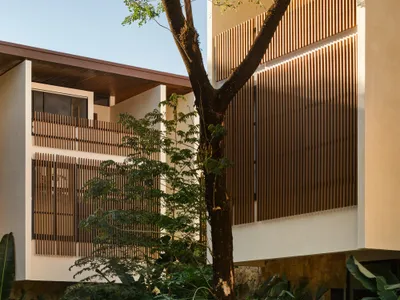
FAMM Arquitectura Organizes Ten Villas Around Courtyards and Jungle in Nosara, Costa Rica
El Molino pairs two elongated volumes with deep overhangs and timber louvers to build a compact coastal community five minutes from the beach.
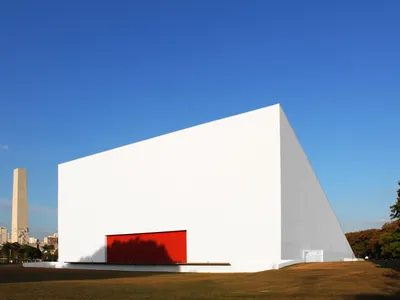
Oscar Niemeyer's Ibirapuera Park Pavilions Define São Paulo's Cultural Identity in Concrete and Curve
A constellation of modernist volumes set within São Paulo's most important urban park, conceived for the city's 400th anniversary in 1954.
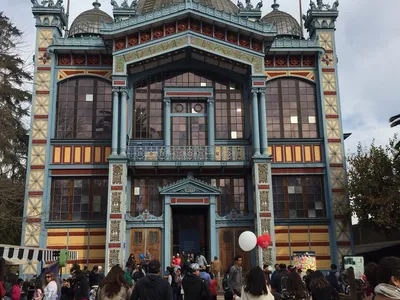
How Henri Picq's 1889 Paris Pavilion Traveled 11,000 Kilometers to Become Santiago's Artequín Museum
A prefabricated iron and glass pavilion built for the Paris Universal Exposition found a second life as a children's art museum in Chile.
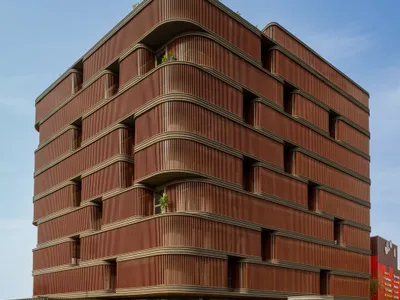
Sanjay Puri Architects Wraps a Jaipur Office Tower in Capsule-Shaped Green Buffers
A nine-level climate-responsive workplace near Jaipur Airport uses stacked planter terraces and aluminium screens to fight 40°C heat.


Explore Architecture Competitions
Discover active competitions in this discipline



Challenge to reimagine the Iron Throne


Photograph architecture without architects


Illustrate the lost glory of Angkor Wat - Render Challenge


Design challenge to reuse E-waste
Comments (0)
Please login or sign up to add comments
No comments yet. Be the first to comment!