

The Smart bin design story
talking about my design process for designing the smart bin. Throughout I show sketches I used to develop my thoughts while I will describe what I was considering through the process.

The first challenge I started tackling was how to incentivize action in a person. For this project, the action was disposing of the trash correctly, but the things that are used to incentivize an act can be quite broadly applied. I cut it down to three things, reward, curiosity, and fear. You can see on the drawing described what each point incentivizes and how.
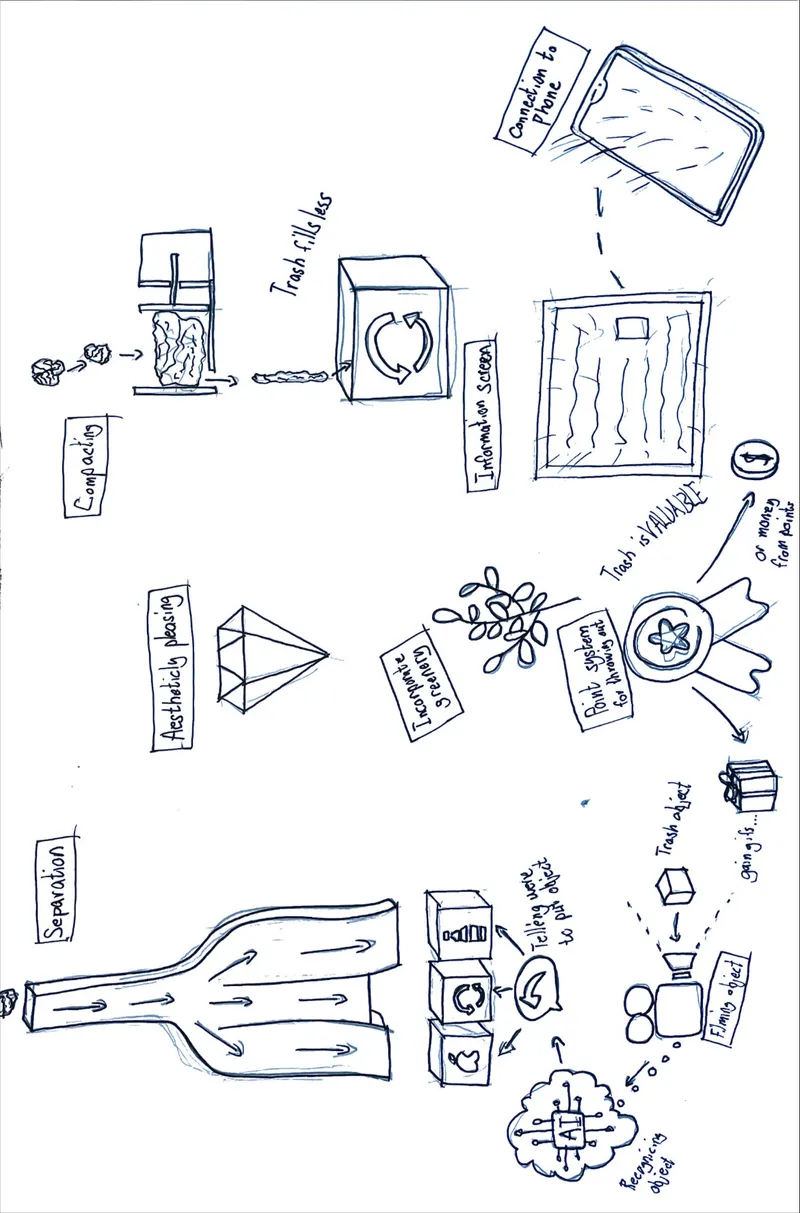
I then took these broad ideas and the initial goals described in the competition and started brainstorming on different attributes I could incorporate into the design. You can see on the drawing all the different ideas I was getting. Some I used, some i didn't.
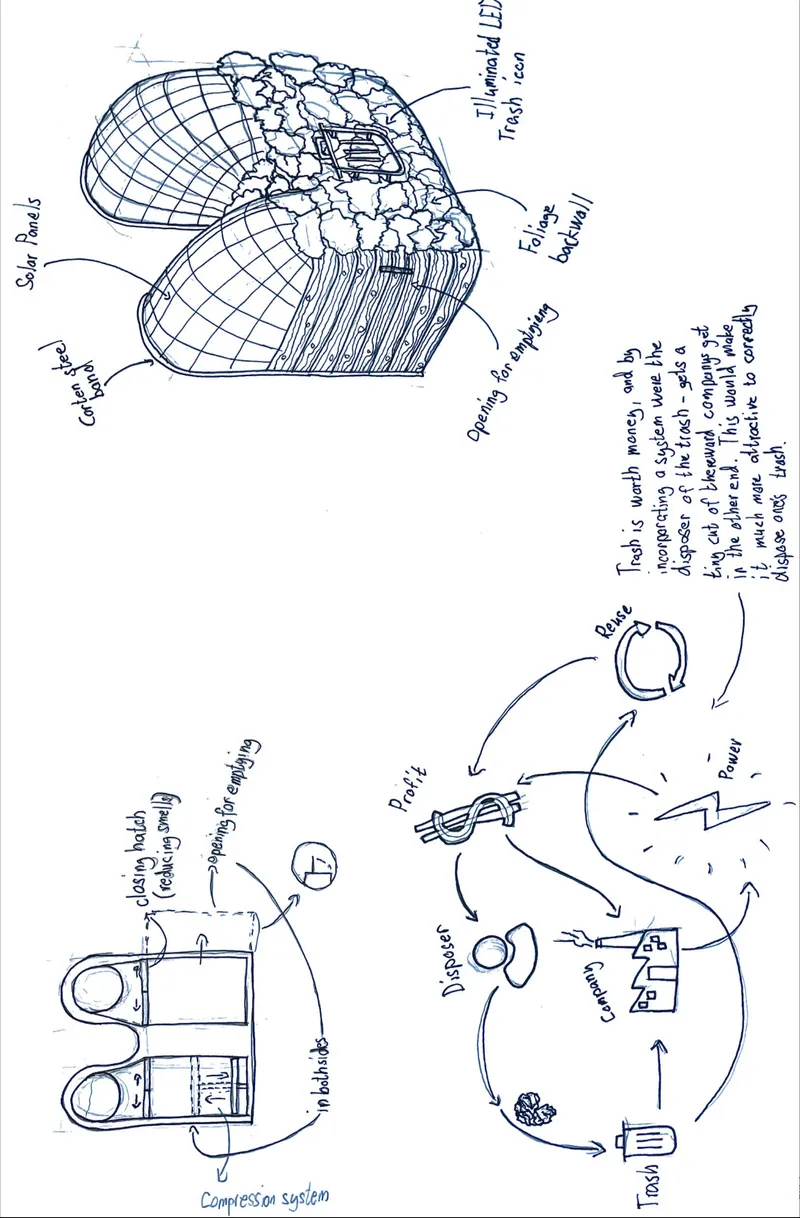
after this, I had gotten a lot of ideas in my head about the general shape of the bin. The shape really births out of the two-section concept, and I just played around with small models and drawings like the above to get to a shape. In the drawing above I also started thinking about the inner functions of the bin and how they should technically be incorporated into the design. I also started getting in on the concept of rewarding the user, pulling all the way back to the first drawing I was talking about: REWARD
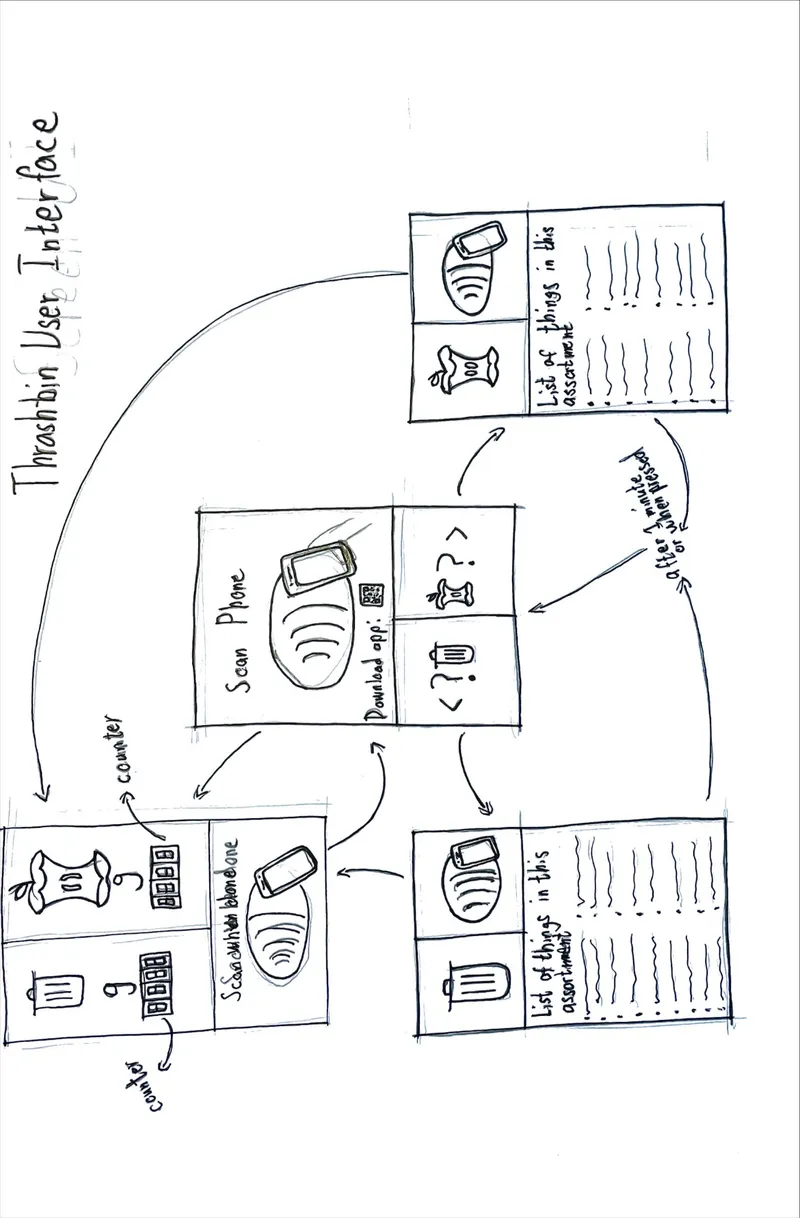
I then started brainstorming on the UI and technics of an app integration system into the bin. How a thing like this would practically work and which functions it should fulfill.

I then got the shape, and materials down and got it down to a pretty well-defined idea. and after all the sketching and drawing I got the dimensions down on paper and started modeling it in SketchUp, here I really started defining how the thing would be built with all the inner functions, technics, and how it all fits together now got together in the 3d space. And had the final 3d model of this which was the end product. With all of these steps every way, it was not only one alteration that was made. Many, shapes, functions, and ideas were tried out and in the end, it boiled down to this.
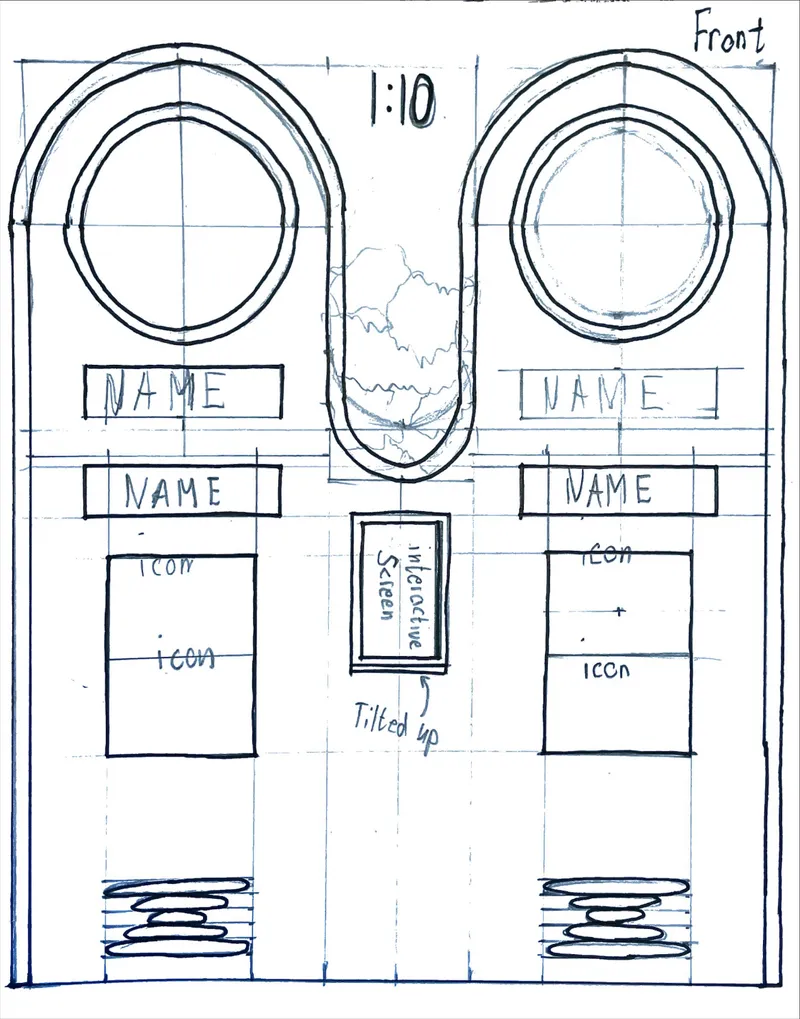
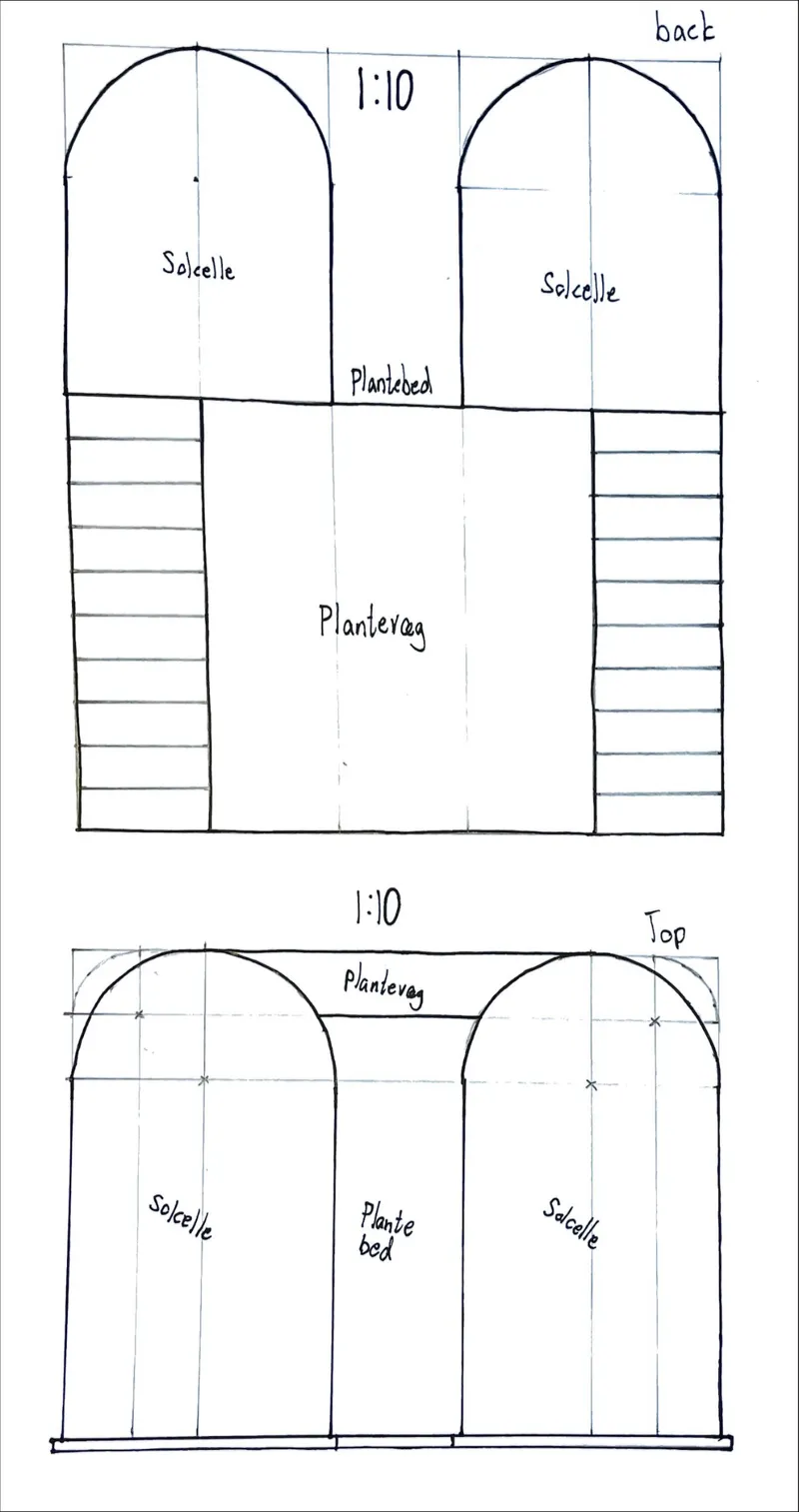
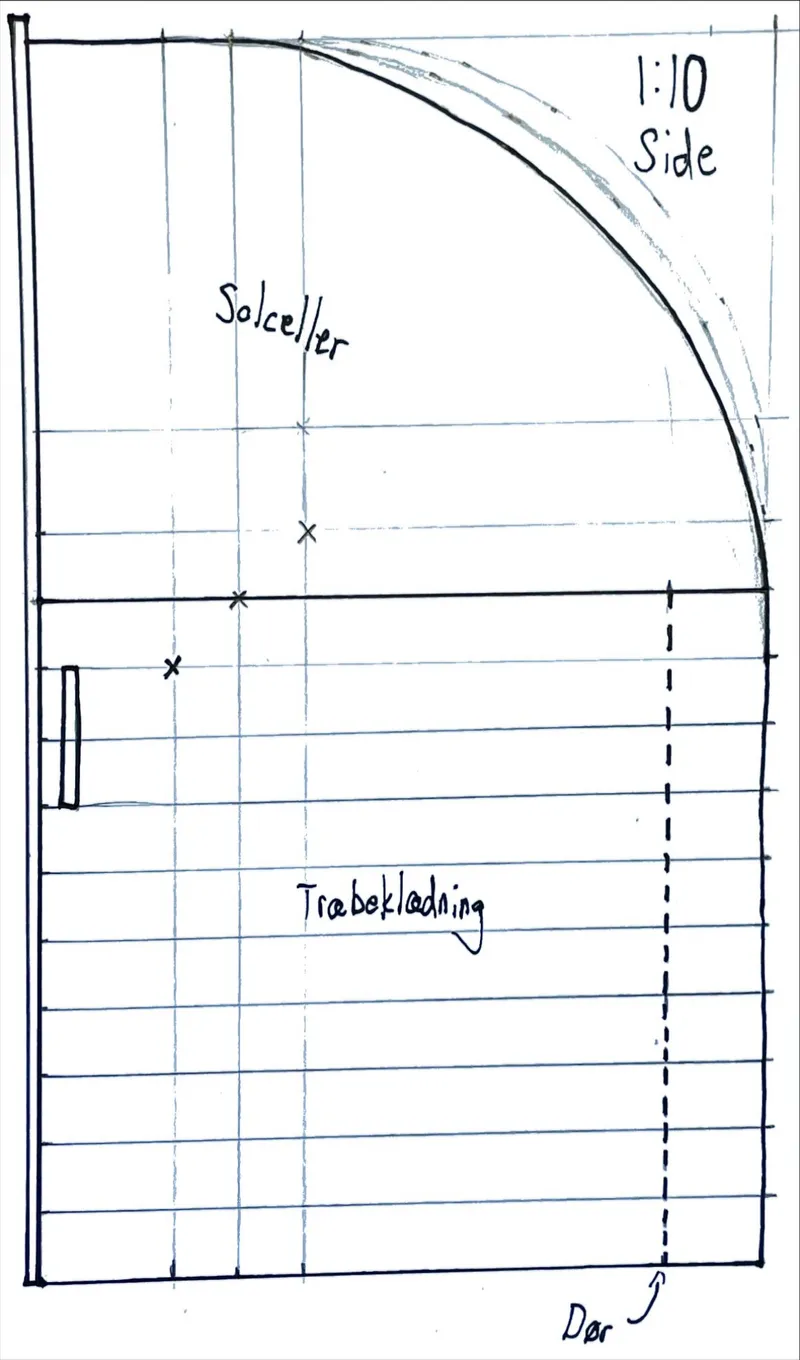
when viewing my product presentation, I highly recommend looking through the drawings, visualizations, and illustrations after reading it all through for the first time, as it all fits together in one. Thank you very much for taking the time to read and view my thoughts and ideas:)

Popular Articles
Popular articles from the community


Singing Woman: An Opera House That Performs Before the Curtain Rises
Ovidiu Cristian Pavel's conceptual opera house translates Estonia's choral identity into a sculpted waterfront landmark facing the Baltic Sea.

Temporary Home for Dogs: A Reversed Zoo Rethinks Animal Shelter Architecture
In Bucharest, a sinuous corridor and freed landscape flip the logic of containment, designing a shelter that works to make itself unnecessary.

Opera on the Sea: Driftwood Logic Shapes a Timber Opera House on Estonia's Coast
Trevor Orgill's opera house translates the entangled drift of floating timber into a civic building where wood, water, and music converge.

The Amber Palace Opera: A Geological Fiction Surfaces on Tallinn's Baltic Waterfront
Pierre Brillard reimagines a Baltic legend as a public landscape, opera house, and waterfront promenade rooted in Tallinn's coastal identity.

Similar Reads
You might also enjoy these articles
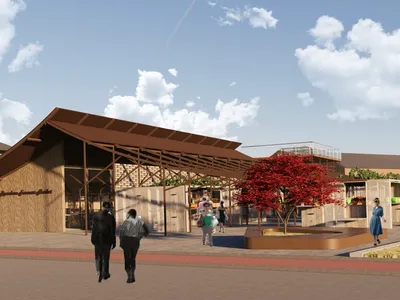
The Rhythm of Seasons
A Farmers' Market Connecting Nature and the City
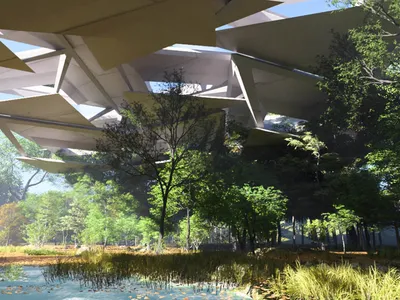

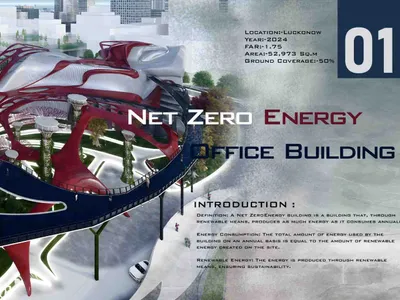
More Than a Building-Designing a Living System
More Than a Building-Designing a Living System
Base Beyond
DESERT COMPOUND ARID: TOURISM OF ABSENCE AND ABUNDANCE

Explore Design Development Competitions
Discover active competitions in this discipline


Design challenge to equip cities with modern furniture

Design challenge to reuse E-waste

Packaging challenge - Design meets sustainability
Comments (0)
Please login or sign up to add comments
No comments yet. Be the first to comment!