
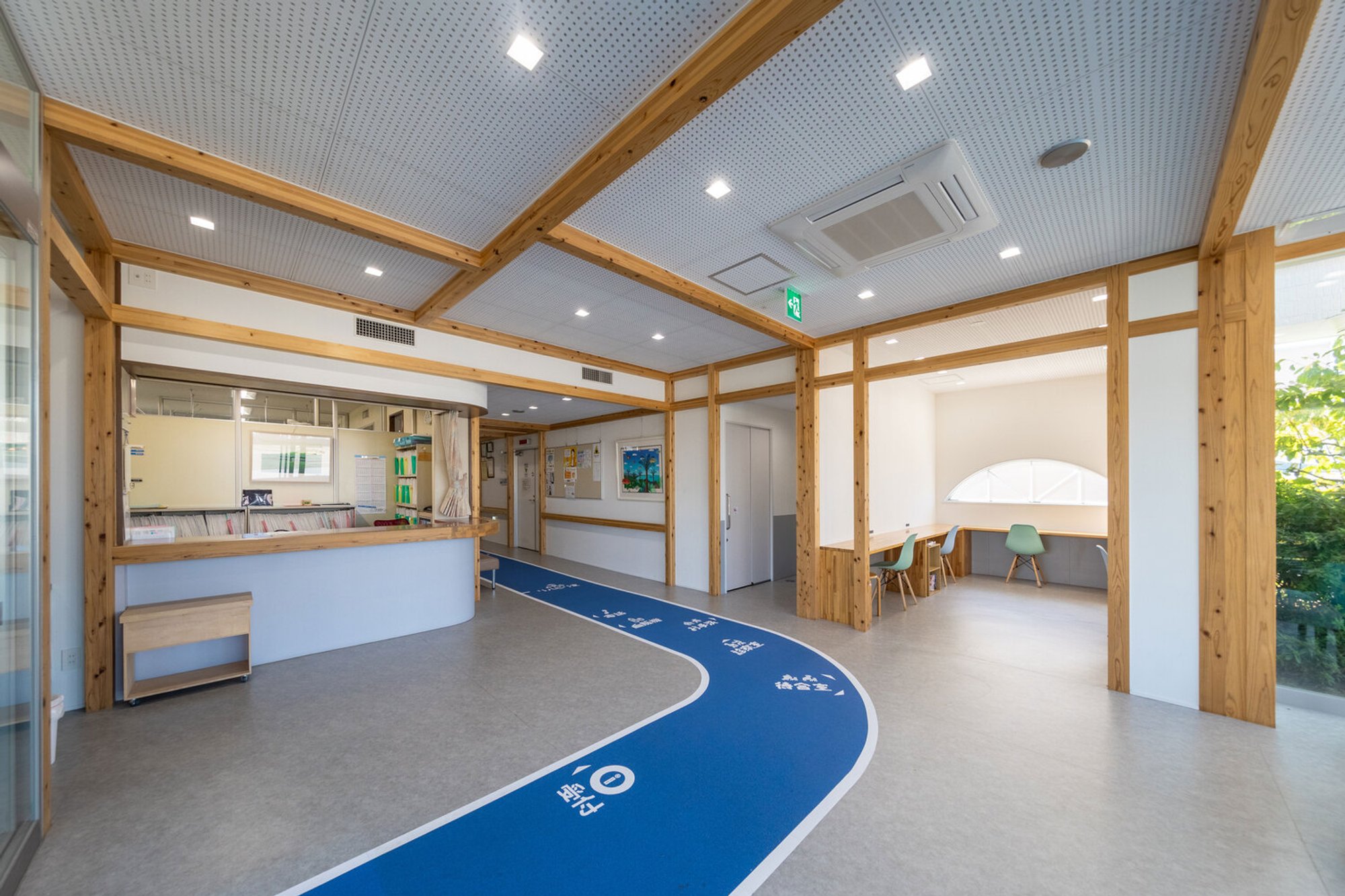
The Unique Design of Space Piercer Orthopedic Clinic Renovation by T2P Architects Office
This article explores the innovative design and community-focused transformation of Space Piercer Orthopedic Clinic by T2P Architects Office.

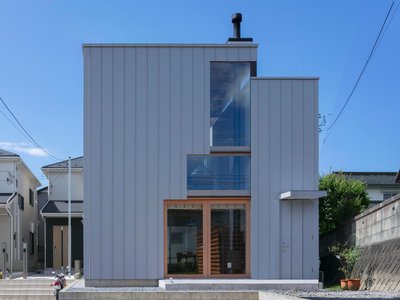
Renovating healthcare spaces presents unique challenges, especially when balancing functionality, aesthetics, and community identity. The Space Piercer Orthopedic Clinic Renovation by T2P Architects Office in Gifu, Japan, is a stunning example of innovative orthopedic clinic renovation architecture. This project blends contemporary design elements with practical needs, creating a welcoming space for patients while reflecting the clinic’s deep connection to sports and community.
The Vision Behind the Renovation
The project centered on revitalizing an existing orthopedic clinic that has long served the community in Seki-shi, Gifu Prefecture. The client, an orthopedic doctor actively involved in supporting the women’s field hockey team at the Tokyo Olympics 2020, sought to take over the clinic from her father. Her goal was to modernize the clinic while maintaining its significance as a vital part of the community.
Key Objectives
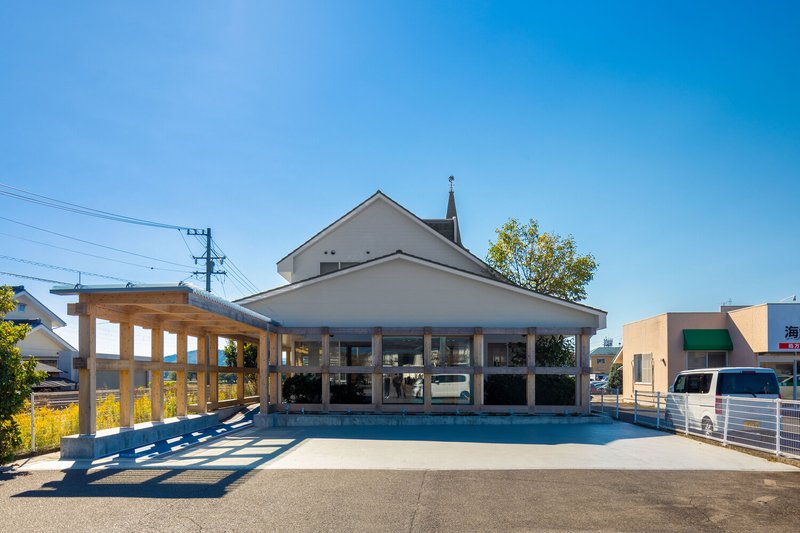
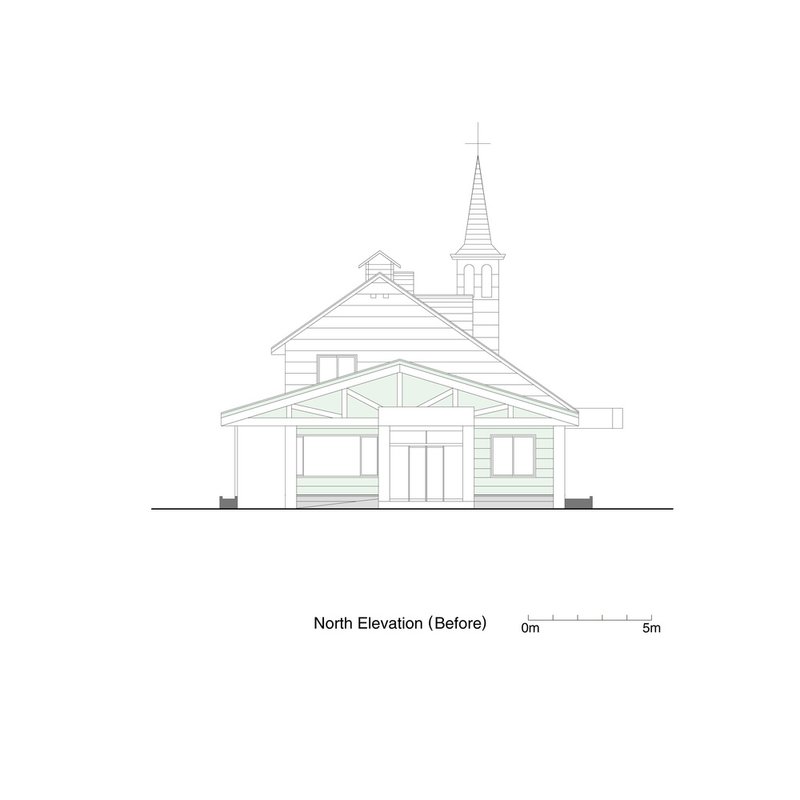
- Preserving the Original StructureInstead of constructing a new building, the client opted to renovate the existing facility to minimize costs and honor its legacy. The architectural team took on the challenge of expressing the client's identity and passion for sports within the limited framework of the existing structure.
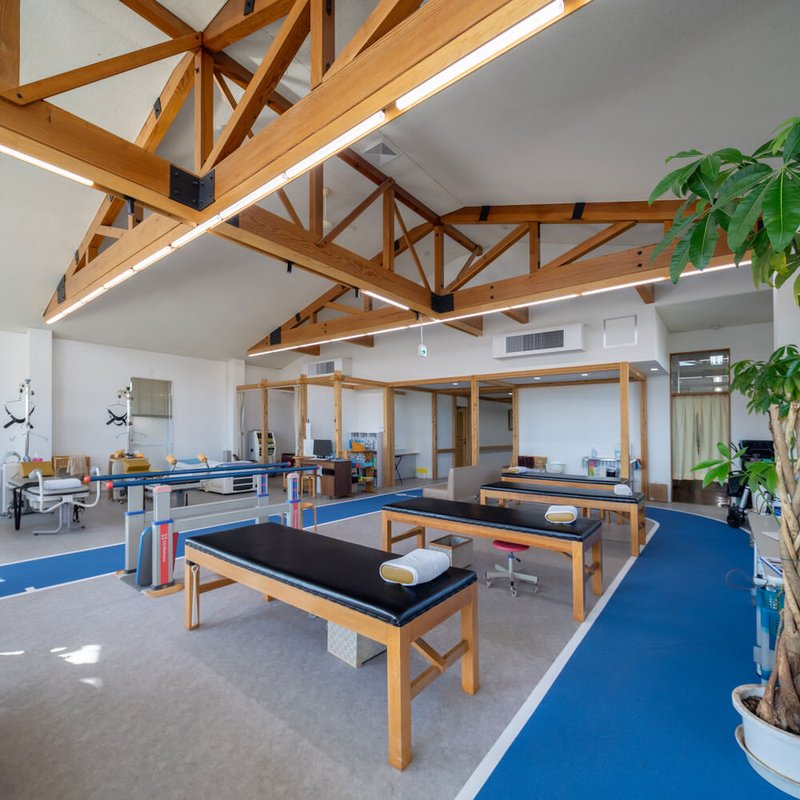
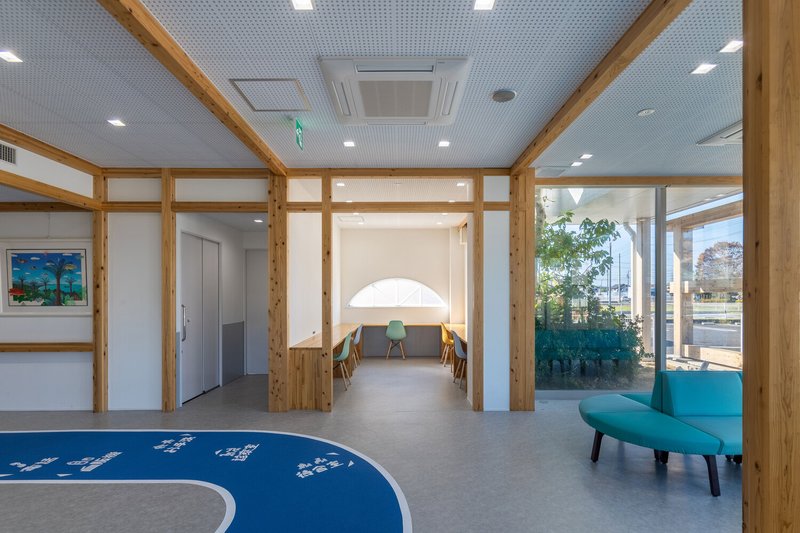
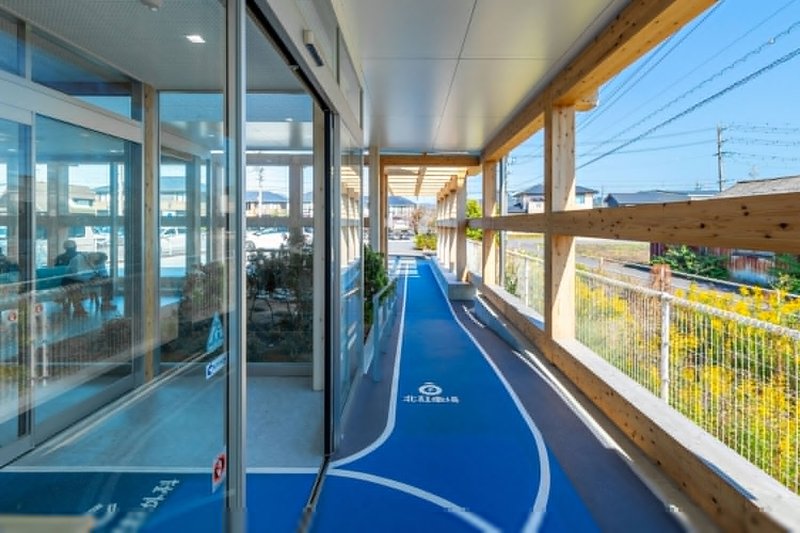
- Creating an Open, Welcoming SpaceOne of the standout features of this renovation is the transformation of the entrance. The removal of the entrance canopy and walls allowed for the creation of an expansive waiting room that conveys openness. This design choice reflects the clinic’s commitment to being accessible and connected to the surrounding town.
Architectural Features That Redefine Healthcare Spaces
The Space Piercer Orthopedic Clinic Renovation showcases several architectural innovations that set a new standard for orthopedic clinic renovation architecture. Here are some of its most remarkable design elements:
1. Integration of Wooden Structures
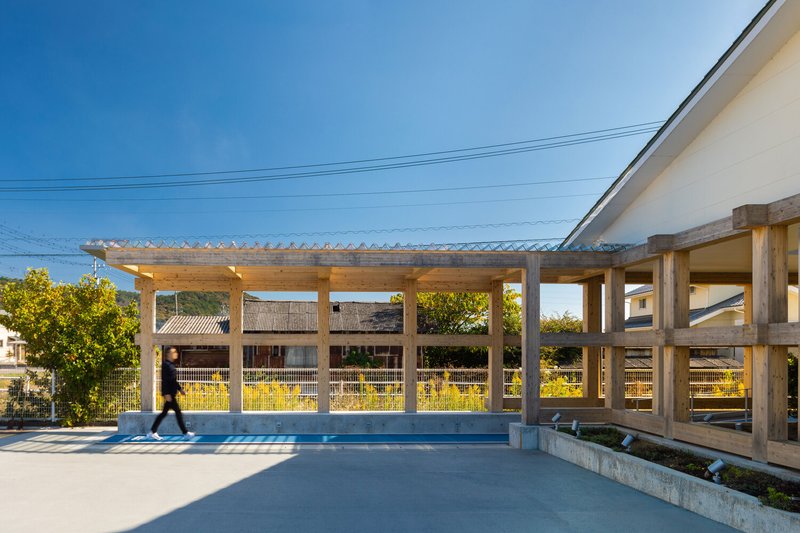
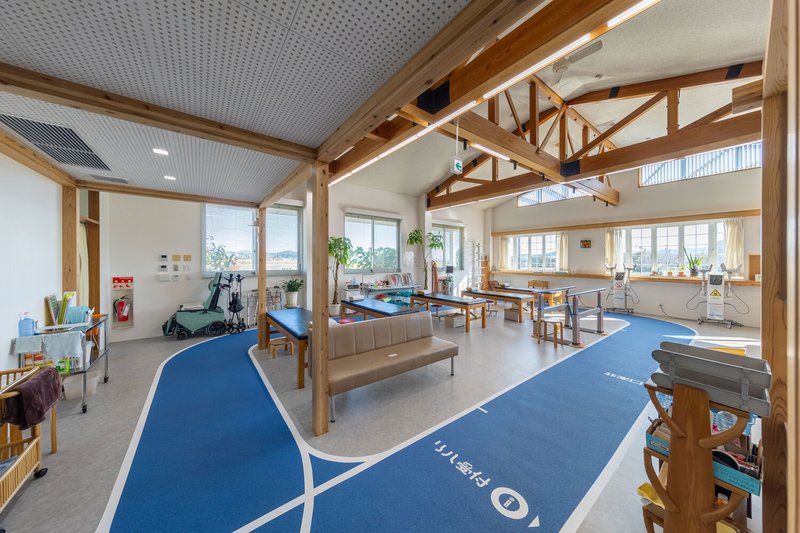
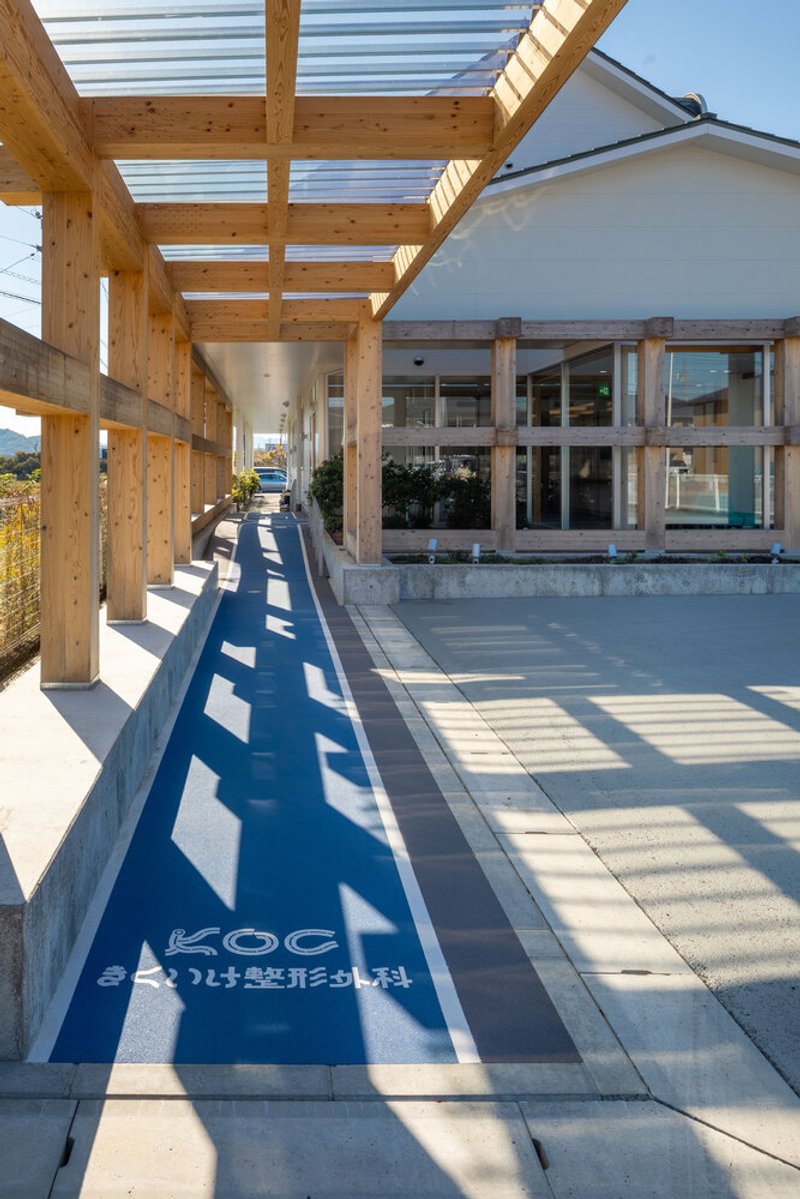
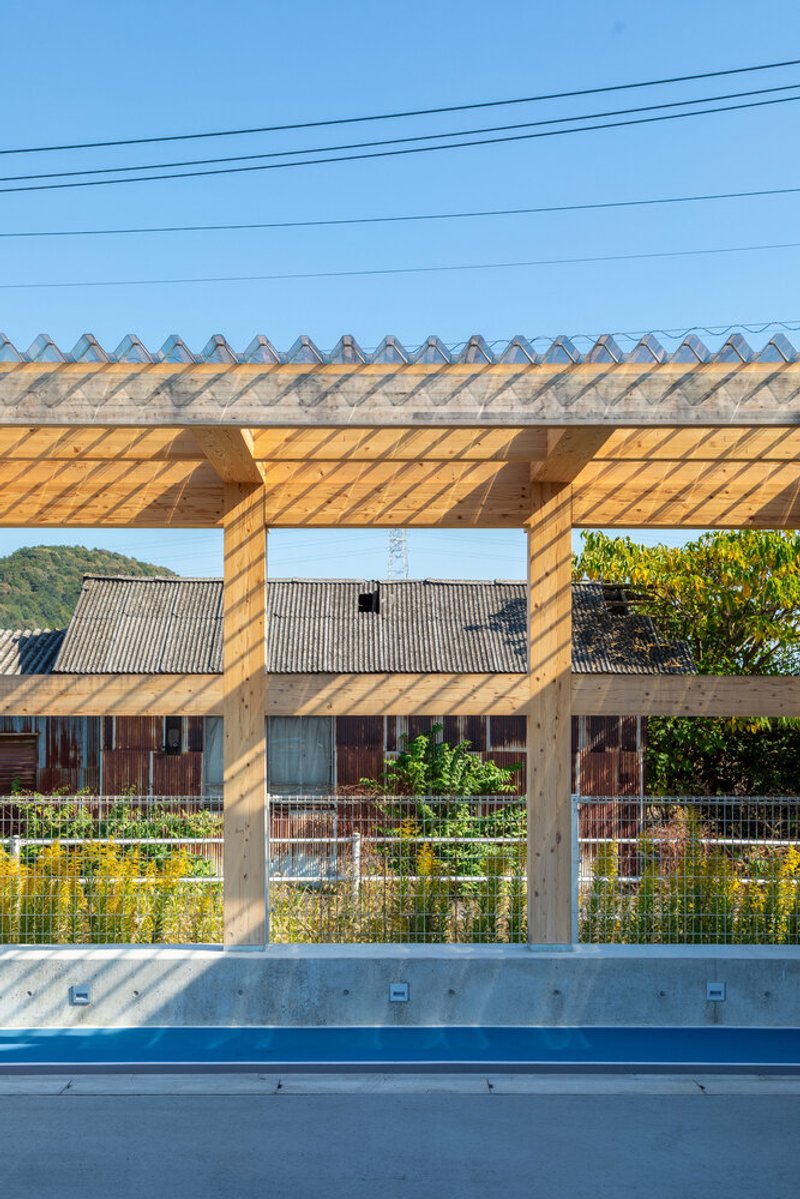
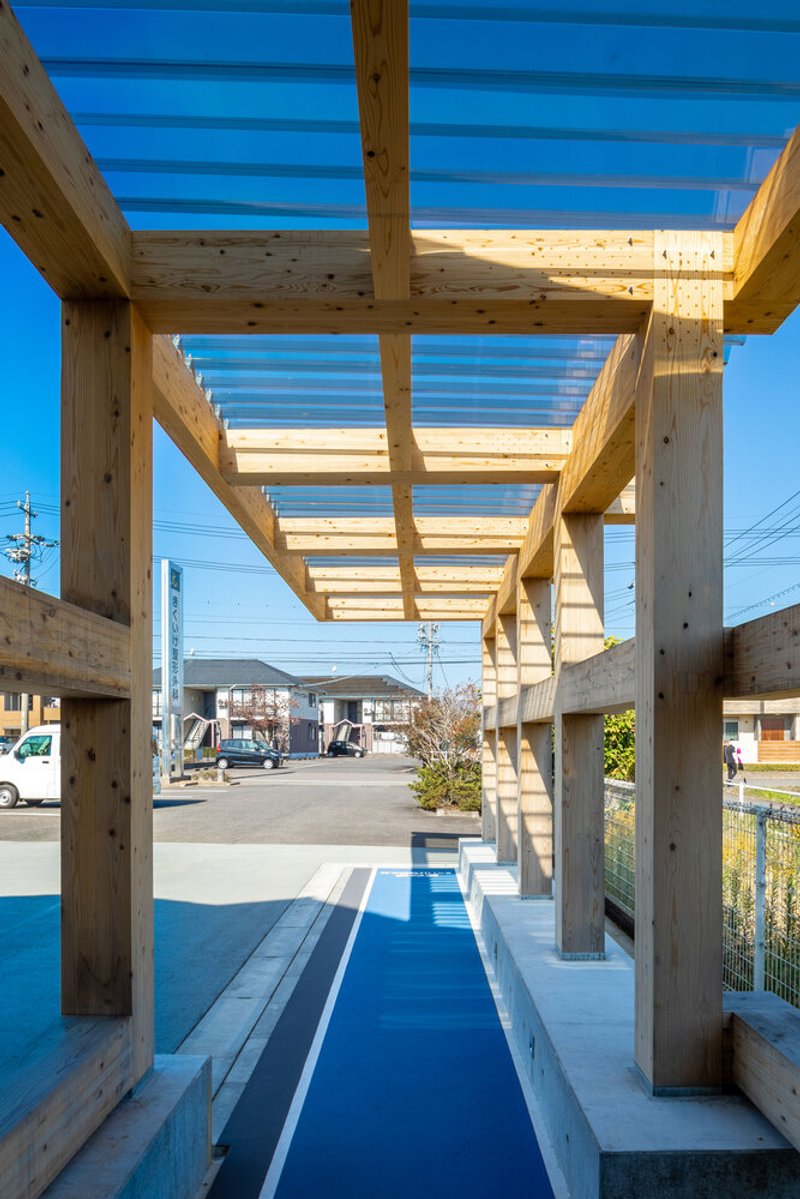
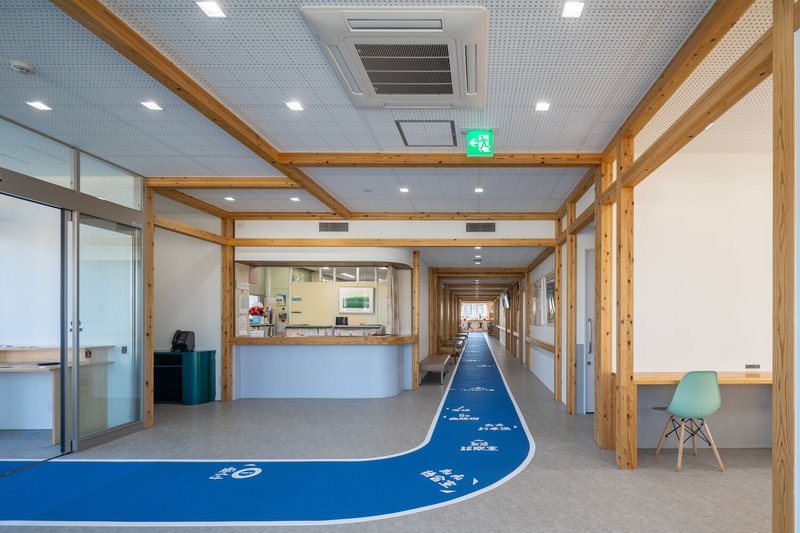
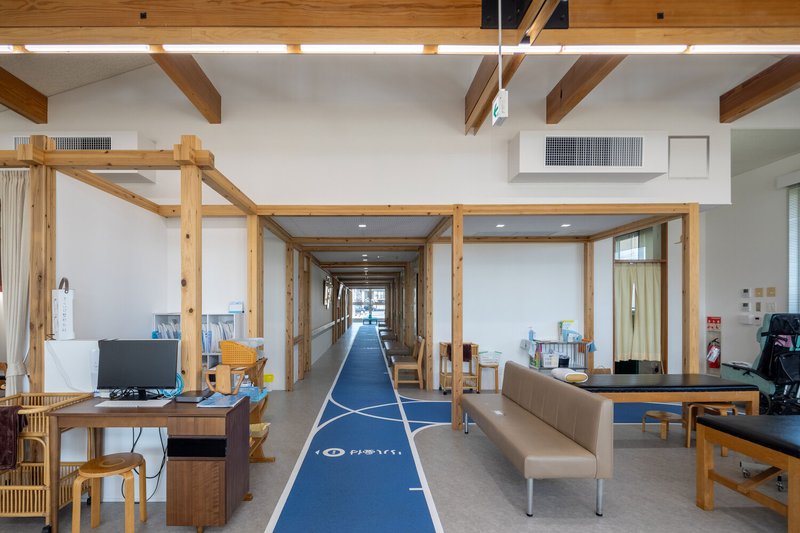
The clinic incorporates a striking wooden structure that runs seamlessly from the interior to the exterior. This unifying feature symbolizes structure and mobility—qualities integral to orthopedic care. Additionally, the natural aesthetic of the wood creates a warm and calming atmosphere, which is essential for patient comfort.
2. Merging of Signage with Design
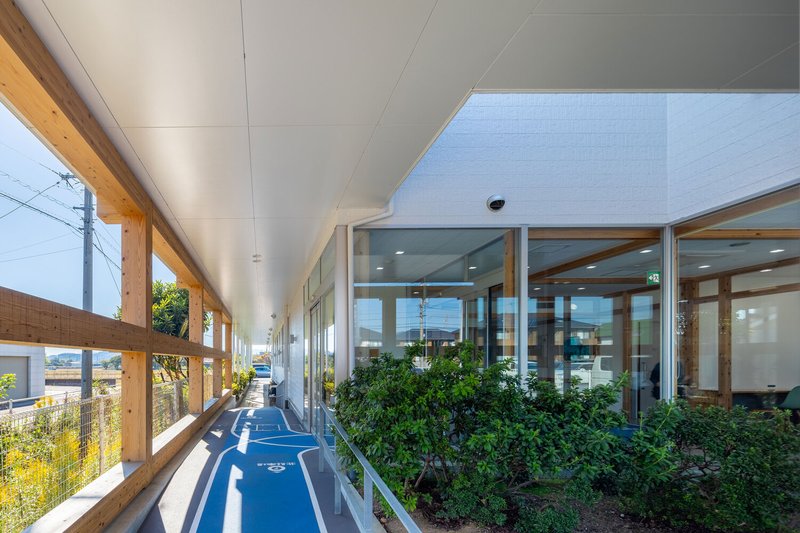
To enhance functionality, all signage objects are subtly integrated into the floor design. This minimalist approach not only improves visibility but also maintains the clean, uncluttered look of the clinic.
3. Connection to the Outdoors
The architects skillfully designed spaces that allow patients and visitors to experience a strong connection with the outdoors. The interplay of large windows, open layouts, and wooden beams frames views of the town, reinforcing the clinic’s identity as a community-centered healthcare facility.
Sustainable and Functional Design Choices
The renovation emphasizes sustainability by repurposing the existing structure rather than opting for new construction. By doing so, the project minimizes environmental impact and reduces waste. Moreover, the choice of materials, such as wood and durable ceramics by Azzurra Ceramica and Toto, ensures longevity while maintaining a sleek, modern aesthetic.
The spatial layout was optimized to accommodate both staff and patients efficiently. The waiting areas are thoughtfully designed to be spacious and inviting, while treatment rooms are private yet easily accessible.
The Role of the Architects
This remarkable transformation was led by the talented team at T2P Architects Office, including Shikwan Yang, Tatsuhito Ono, and Tomonori Miura. The project benefited from the structural expertise of Ascoral Engineering Associates and the precise execution by SEIKYO Construction. Photographer Vincent Hecht’s documentation beautifully captures the essence of the clinic’s design.
Why Space Piercer Stands Out in Orthopedic Clinic Renovation Architecture
The Space Piercer Orthopedic Clinic Renovation is more than just a redesign; it is a testament to how architecture can enhance healthcare experiences. By emphasizing mobility, community connection, and sustainability, the clinic embodies the evolving role of healthcare spaces in urban environments.
This project offers inspiration for architects and healthcare providers looking to innovate within the constraints of existing structures. It proves that thoughtful design can transform even the most traditional spaces into modern hubs of care and connection.
Key Takeaways for Architectural Design in Healthcare
- Adaptive Reuse: Renovating existing buildings preserves history while minimizing costs and environmental impact.
- Open and Accessible Design: Creating open layouts fosters a welcoming atmosphere and strengthens community ties.
- Integration of Identity: Incorporating elements that reflect the client’s identity or mission personalizes the space.
- Sustainability: Thoughtful material choices and repurposing structures contribute to eco-friendly design.
The Space Piercer Orthopedic Clinic Renovation by T2P Architects Office is a masterpiece in orthopedic clinic renovation architecture. It exemplifies how adaptive reuse, creative design, and a focus on community can come together to redefine healthcare spaces. With its unique features and forward-thinking approach, the clinic sets a benchmark for future projects in this domain.
All photographs are work of Vincent Hecht




Popular Articles
Popular articles from the community

Inverted Architecture Installation by Studio Link-Arc: Exploring the Intersection of Architecture and Living Organisms
Inverted Architecture Installation by Studio Link-Arc blends mycelium, sustainability, inverted design, ecological cycles, and urban adaptive architecture in Shenzhen.

Free Architecture Competitions You Can Enter Right Now
No entry fees, real prizes. Here are the best free architecture competitions open for submissions in 2026.

Solar Steam: A Climate-Responsive Architecture That Redefines the Monument
A climate-responsive memorial architecture that transforms heat, decay, and time into a living system reflecting humanity’s ecological impact.
Split House: A Compact Urban Home Blending Privacy, Light, and Flexible Living in Japan
Compact Japanese home featuring DOMA space, flexible café potential, passive lighting, privacy zoning, and sustainable urban living design.


Similar Reads
You might also enjoy these articles


The Ken Roberts Memorial Delineation Competition (Krob)
As the most senior architectural drawing competition currently in operation anywhere in the world, it draws hundreds of entries each year, awarding the very best submissions in a series of medium-based categories.

Waterfront Redevelopment and Urban Revitalization in Mumbai: Forging a New Dawn for Darukhana
A transformative waterfront redevelopment project reimagining Darukhana’s shipbreaking heritage into an inclusive urban future.

OUT-OF-MAP: A Call for Postcards on Feminist Narratives of Public Space
Rhizoma Design and Research Lab invites artists, designers, architects, researchers, and students to reflect on how feminist perspectives can reshape public space. Selected works will be exhibited in Barcelona, October 2026. Submissions open until 15 April 2026.


Documentation Work on Buddhist Wooden Temple
Architectural syncretism and cultural hybridity: A comparative study of the Buddhist temples in Chattogram Hill tracks


Explore Architecture Competitions
Discover active competitions in this discipline




The International Standard for Design Portfolios


The Global Benchmark for Architecture Dissertation Awards


The Global Benchmark for Graduation Excellence


Challenge to design an Ayurvedic Treatment Center
Comments (0)
Please login or sign up to add comments
No comments yet. Be the first to comment!