
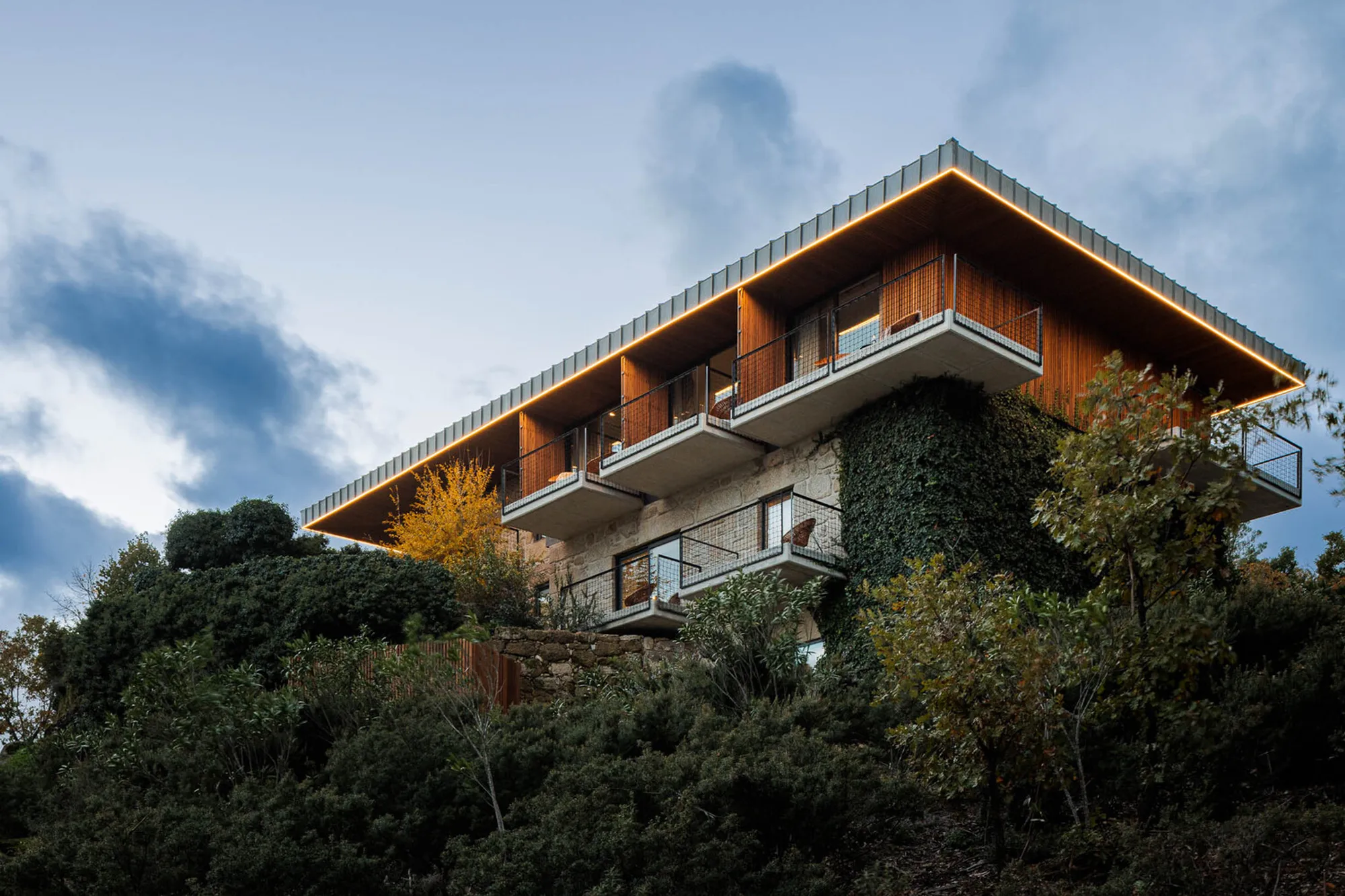
The Vagar Country House by David Bilo + Filipe Pina: A Rural Architectural Gem in Belmonte, Portugal
The Vagar Country House blends historic granite architecture with modern materials, restoring rural heritage while enhancing comfort and nature integration.


Location: Belmonte, Portugal Architects: David Bilo, Filipe Pina Project Area: 425 m² Year: 2022 Photography: Ivo Tavares Studio Manufacturers: Anicolor, Efapel, Ofa, Zolzaima
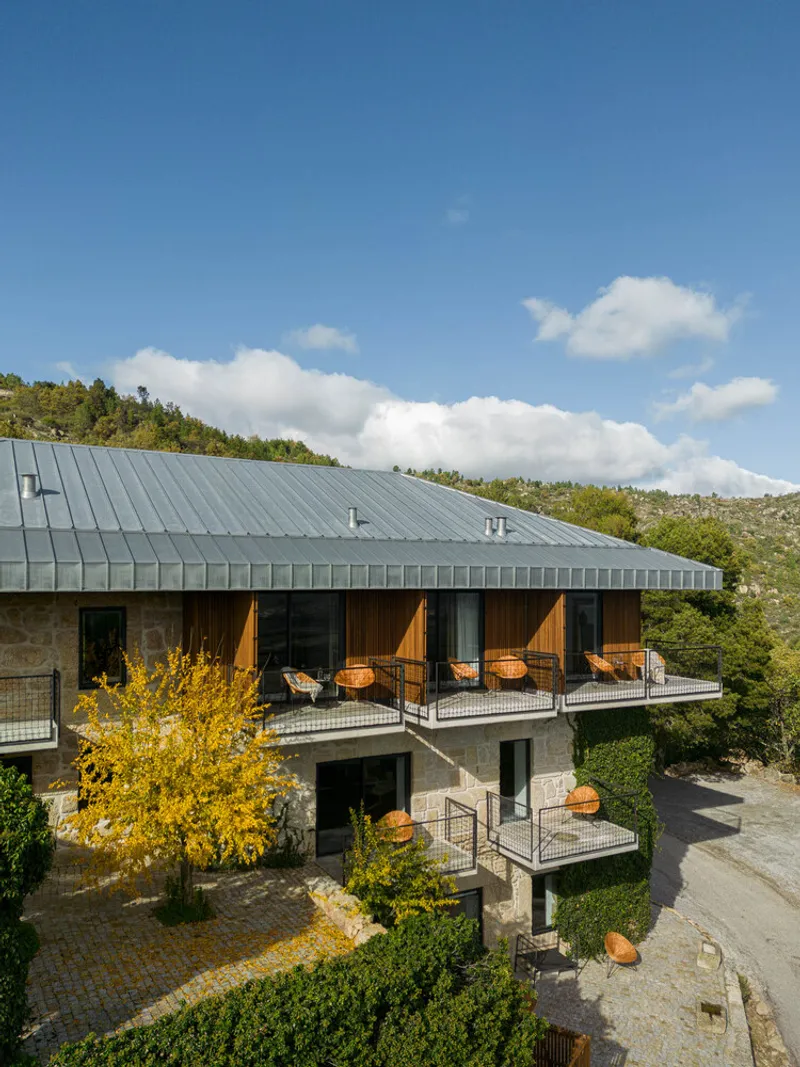
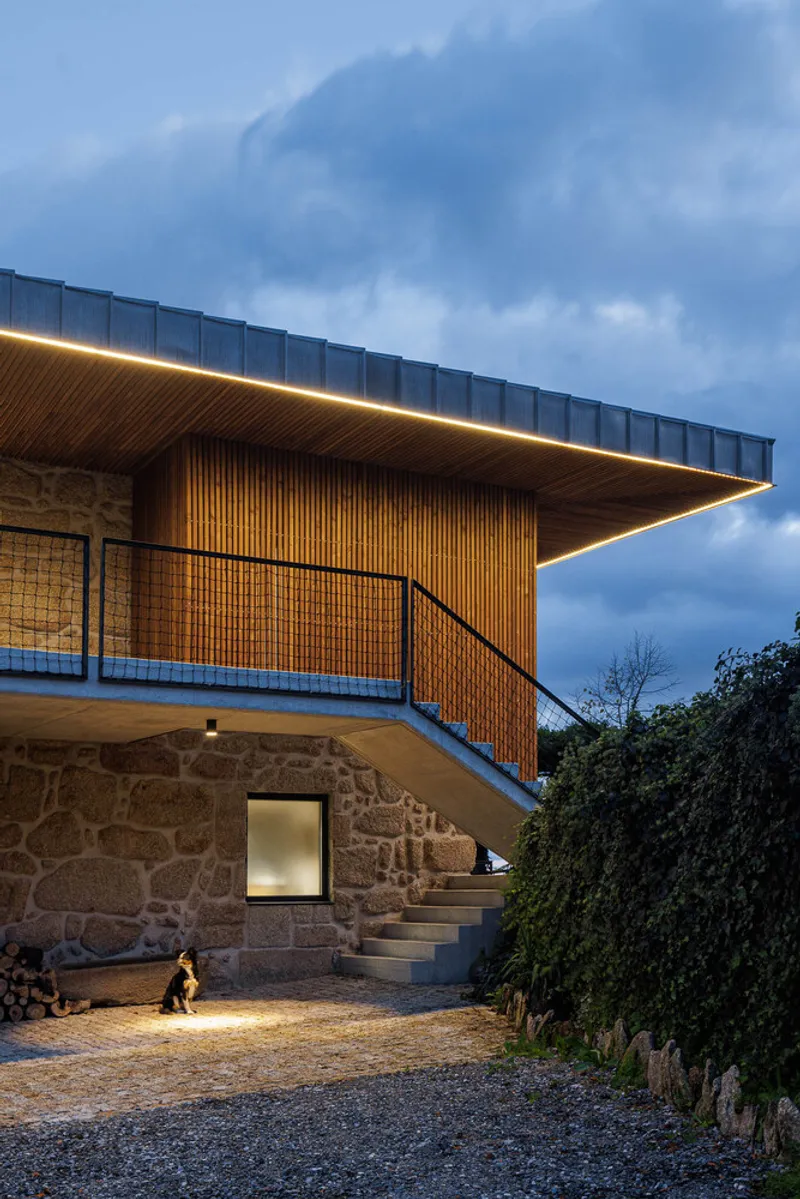
Revitalizing Portugal’s Mountain Heritage: The Vagar Country House
Nestled in the picturesque mountainous region of Cova da Beira in Belmonte, Portugal, the Vagar Country House project by architects David Bilo and Filipe Pina stands as a tribute to the harmonious blend of heritage, nature, and modern comfort. This rural architectural restoration reflects a deep respect for the historical and landscape heritage of the Portuguese countryside while breathing new life into its tourism potential.
The project’s primary goal was to preserve and restore the existing buildings and natural surroundings without compromising the area's vernacular charm. By doing so, the architects successfully created a serene retreat that reconnects visitors to the cultural and environmental richness of the region.
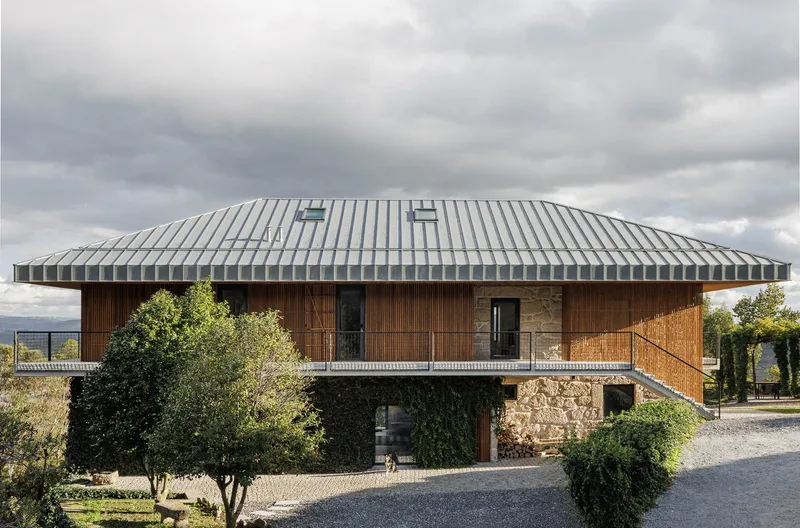
Architectural Philosophy: Preservation Meets Contemporary Design
The core of the project revolves around the rehabilitation of the former Casa da Chandeirinha and the adjacent old buildings, transforming them into a cohesive rural tourism complex. This revitalization focused on enhancing habitability, comfort, and well-being while ensuring the spatial layout facilitates privacy and communal experiences simultaneously.
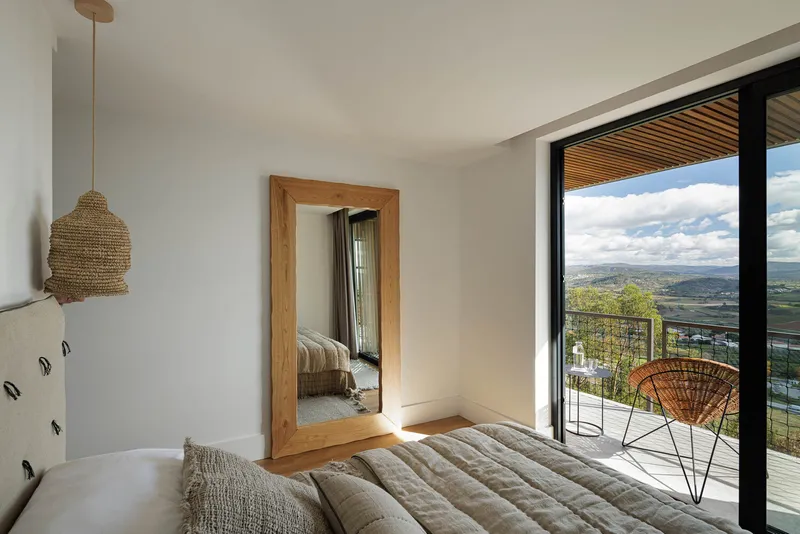
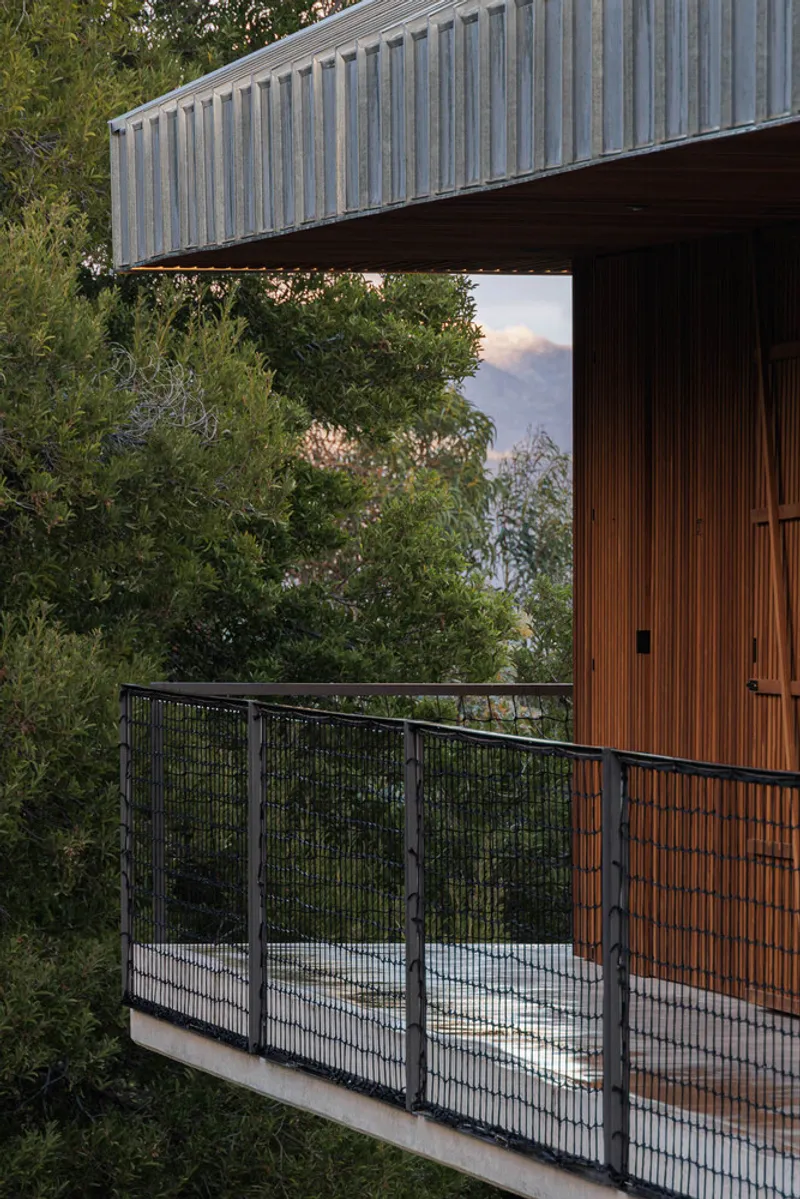
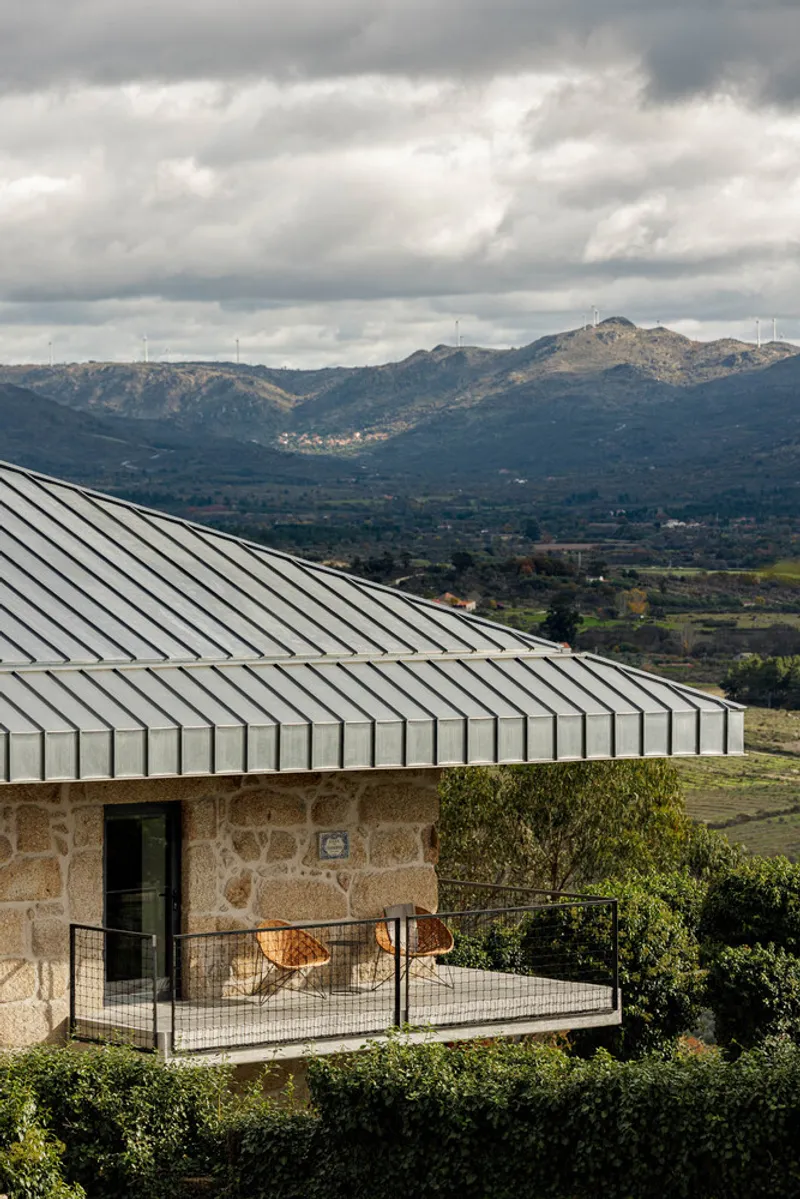
Maintaining the original structural elements was key: the granite masonry walls, building height, and site implantation were carefully preserved. Notable interventions include the reconfiguration of the fragmented roof, removal of degraded plaster and cement, and subtle integration of contemporary materials such as exposed concrete, thermo-treated wood, and natural zinc cladding. This respectful yet modern approach honors the vernacular architecture while enhancing durability and aesthetics.
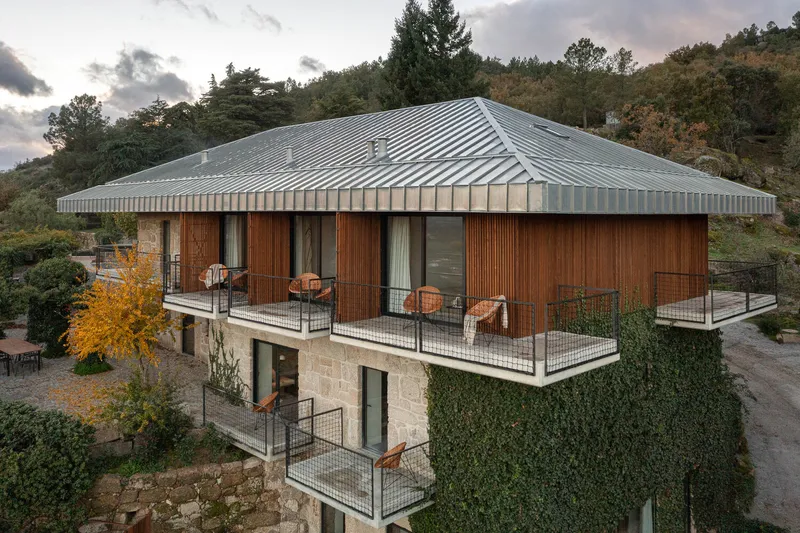
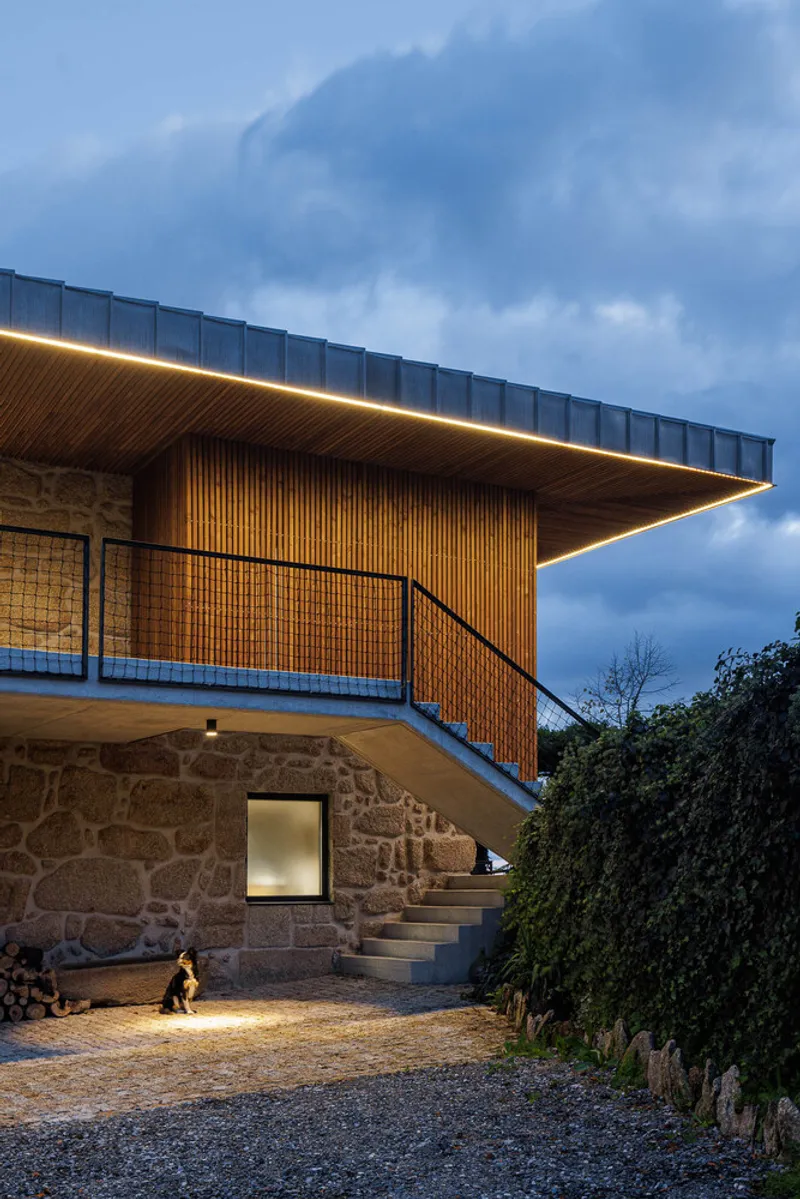
Integration with Nature and Local Landscape
Surrounding vegetation was carefully conserved, blending the built environment seamlessly with the natural landscape. This strategic preservation fosters a tranquil atmosphere that invites guests to immerse themselves in the rural beauty and mountainous panoramas of Cova da Beira.
The result is a space that feels both timeless and fresh—a rural retreat that pays homage to its past while offering a sanctuary for nature lovers and tourists seeking authentic Portuguese countryside experiences.
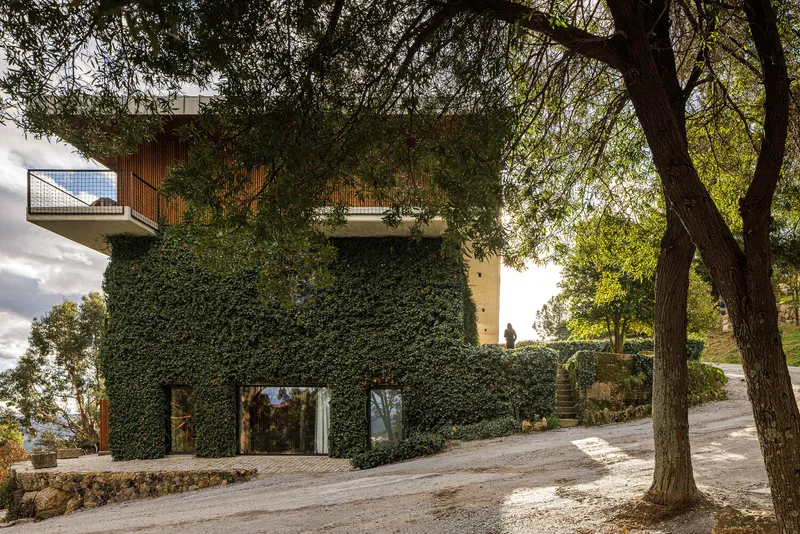
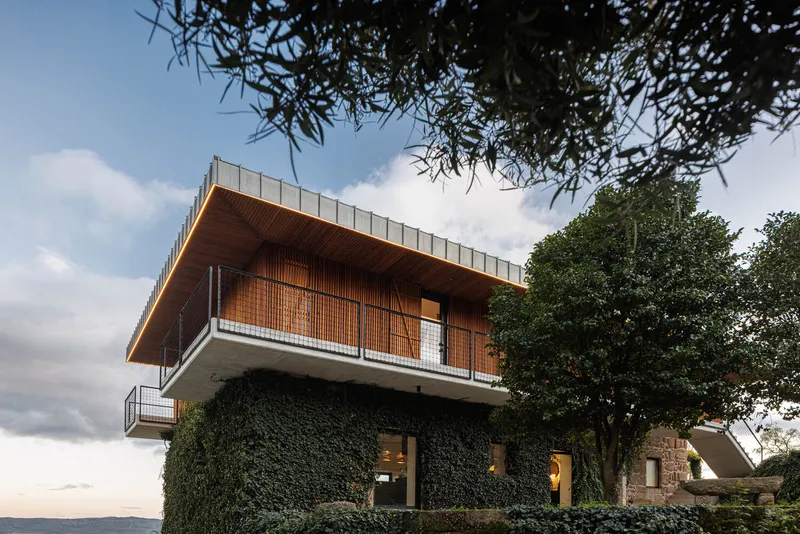
Functional and Aesthetic Highlights
- Historical Preservation: Granite masonry walls and original building heights preserved to maintain architectural authenticity.
- Modern Materials: Introduction of exposed concrete, thermally treated wood, and natural zinc for contemporary accents.
- Sustainable Design: Vegetation retention and natural materials contribute to environmental sustainability.
- Tourism Focus: Rehabilitated buildings transformed into comfortable accommodations with independent private spaces and shared communal areas.
- Visual Connectivity: Thoughtful spatial planning ensures connection to the surrounding landscape both physically and visually.
A Model for Rural Tourism Architecture
The Vagar Country House epitomizes how architectural restoration can foster sustainable rural tourism by valuing historical identity and integrating natural landscapes. David Bilo and Filipe Pina’s project not only revives an old country house but creates a tourism destination that respects its heritage and promotes well-being through nature.
This project serves as a blueprint for future rural architecture renovations aimed at enriching local culture, supporting tourism, and preserving the environment.



Popular Articles
Popular articles from the community


Co-life: Sustainable Architecture for Age-Friendly Community Living
Co-life reimagines sustainable architecture for seniors through courtyards, rammed earth, shared gardens, and spaces designed for belonging.

Riyadh For All: Intergenerational Urban Design for Active Aging in Rabat
Riyadh For All reimagines urban design in Rabat with intergenerational co-living, adaptive courtyards, and Moroccan cultural exchange today.

Lunar Spiral: Space Architecture Shaped by the Mathematics of the Universe
Lunar Spiral reimagines space architecture through Fibonacci geometry, lunar regolith, levitating habitats, and self-sustaining Moon living.

The Musturak Paradise: Senior Living Architecture for a Connected Future in Temara, Morocco
The Musturak Paradise reimagines senior living architecture in Temara via private homes, social spaces, culture, community, and shared care.


Similar Reads
You might also enjoy these articles


Hodi-Mandai Geram
Project Function: Preservation and revitalization of the Intangible heritage and socio-spatial identity of the Hodi by Housing, Cultural Memory Center, Sacred Grove, landscape, local tourism economy


Olio Towers: A Mid-Rise for Performers That Fuses Housing, Rehearsal, and Stage
Located blocks from Houston's Theater District, this modular tower stacks living units around a central performance atrium.

Oasis: Modular Green Housing Carved into Dhaka's Urban Fabric
A shortlisted Plugin Housing entry reclaims unauthorized settlements in Dhaka with stepped concrete volumes, green roofs, and ventilation-driven design.

Black Hole: A Floating Megastructure for the Post-Physical Era
Emiliano Mazzarotto envisions a spherical, self-scaling arena where e-sports, digital hotels, and holographic stadiums replace traditional public space.


Explore Architecture Competitions
Discover active competitions in this discipline



Challenge to reimagine the Iron Throne


Photograph architecture without architects


Illustrate the lost glory of Angkor Wat - Render Challenge


Design challenge to reuse E-waste
Comments (0)
Please login or sign up to add comments
No comments yet. Be the first to comment!