The Wahah Cultural Center
The OasisCultural Center

The Cultural Center project is located in a climate that faces various climatic challenges. On the other hand, by looking to the future and using the culture and customs of our predecessors, we must use and improve their experiences.
This design is based on vernacular architecture and the cultural context of the region , with the aim of maximum elimination of the adverse climatic factors by using sustainable local elements in design .
In designing the components and elements of the project, according to the primitive design concepts, it was decided to control the intense sunlight and the resulting heat, as the most important adverse climatic element, by using the shadows of the elements so that they make shade on top of each other . Some corridors also put shade on semi-open spaces and external walls .
Spaces are located based on different topographic levels according to the dunctions and spatial needs of the project
We have studied 4 alternative design methods during the design process and finally we've decided to take vernacular approach toward this project .
An alternative was chosen that could provide the best possible answers to the current cultural and climatic conditions of morocco .
The materials of this project are based on vernacular materials and the past experiences of the native people . according to the climate of the region, which requires materials with high thermal capacity, materials are usually made out of soil, such as brick. As well as locally available materials such as wood and for the building surfaces from cement mortars that are made in the local area.
In order to achieve the goals set in the project, we first reviewed the vernacular architecture of morocco and the requirements and needs of the project to make changes and try different methods to respond so that the inconveniences in the project could be minimized and obstacles would be eliminated.
This building has the ability to develop along the axes defined in the project .
The concept implemented in the project is fixed, but the methods of its implementation and the technologies implemented in it can become more advanced and optimized over time.




Popular Articles
Popular articles from the community

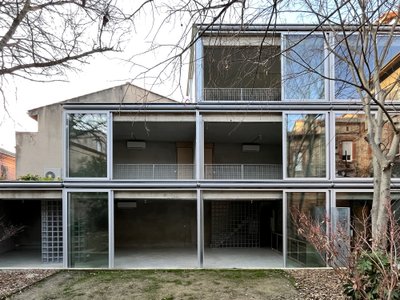
BAST Slots a Four-Story Glass House into a Narrow Gap Between Toulouse Townhouses
In the dense Bonnefoy district, a stepped infill building merges home and office while preserving a majestic hackberry tree.
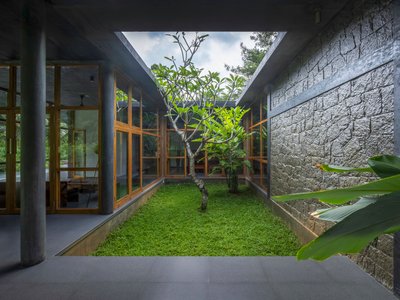
3dor Concepts Wraps a Kerala Home in Mirrored Concrete Arcs Around a Courtyard Tree
In the Western Ghats foothills of Thamarassery, a 270 m² single-story house uses two curved volumes to frame nature as its center.
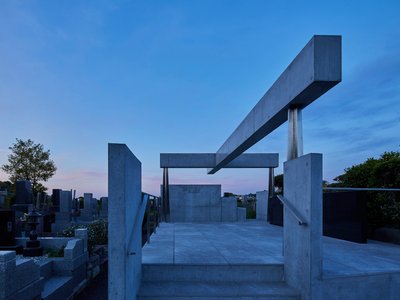
Takeshi Hosaka Architects Suspends a Concrete Cross Above a Yokohama Cemetery
A 28-square-meter burial renovation in Yokohama lifts the symbol of resurrection into the sky so mourners see it against heaven.
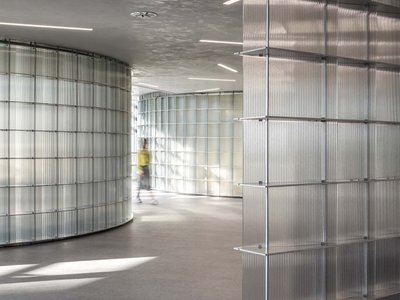
HCCH Studio Wraps a Shanghai High-Rise Office in Curved Walls of Translucent Glass
A 1,000 square meter fit-out in Lujiazui replaces the typical tech-office palette with layered glass, micro-cement, and quiet rigor.

Similar Reads
You might also enjoy these articles

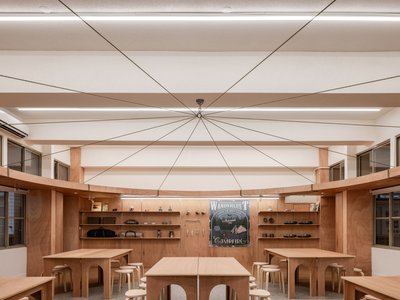
317studio Turns an 87 m² Classroom into a Forest Clearing for Scouts in New Taipei City
A rope canopy, student-made specimens, and campfire geometry replace rows of desks in this Scouting classroom in Xizhi District.
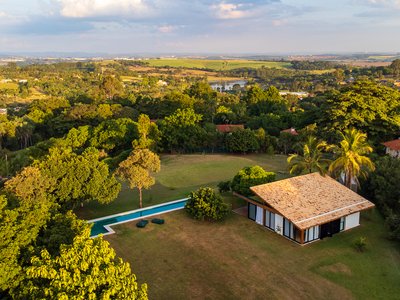
24 7 Arquitetura Builds a Timber Pavilion as a Family's First Act on a 5,000 m² Brazilian Plot
In Jaguariúna, a prefabricated glulam house nestles among mature trees as the opening move of a larger residential masterplan.
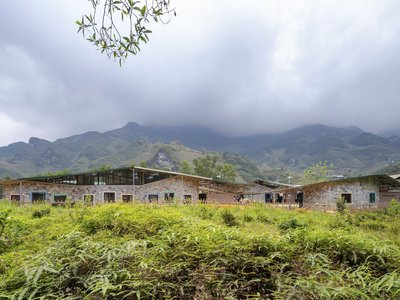
1+1>2 Architects Build a School from 900 Blocks of Hmong Stone on Vietnam's Rocky Plateau
On a barren valley in Ha Giang province, a community quarried its own stone to raise a kindergarten and primary school rooted in Hmong identity.
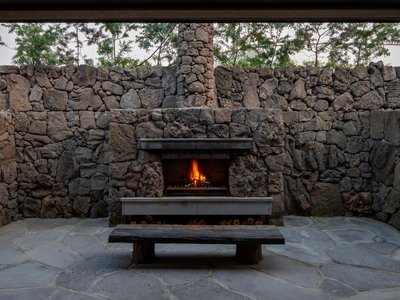
100A Associates Builds a Volcanic Stone Retreat on Jeju Island Rooted in Ritual and Restraint
Watarstay [Wa:Tar] in Bongseong-ri channels Jeju's basalt, reed, and hemp into a 150 m² hospitality space shaped by contemplation.

Explore Architecture Competitions
Discover active competitions in this discipline




The International Standard for Design Portfolios


The Global Benchmark for Architecture Dissertation Awards


The Global Benchmark for Graduation Excellence


Challenge to design an urban locus of culture and heritage
Comments (0)
Please login or sign up to add comments
No comments yet. Be the first to comment!