
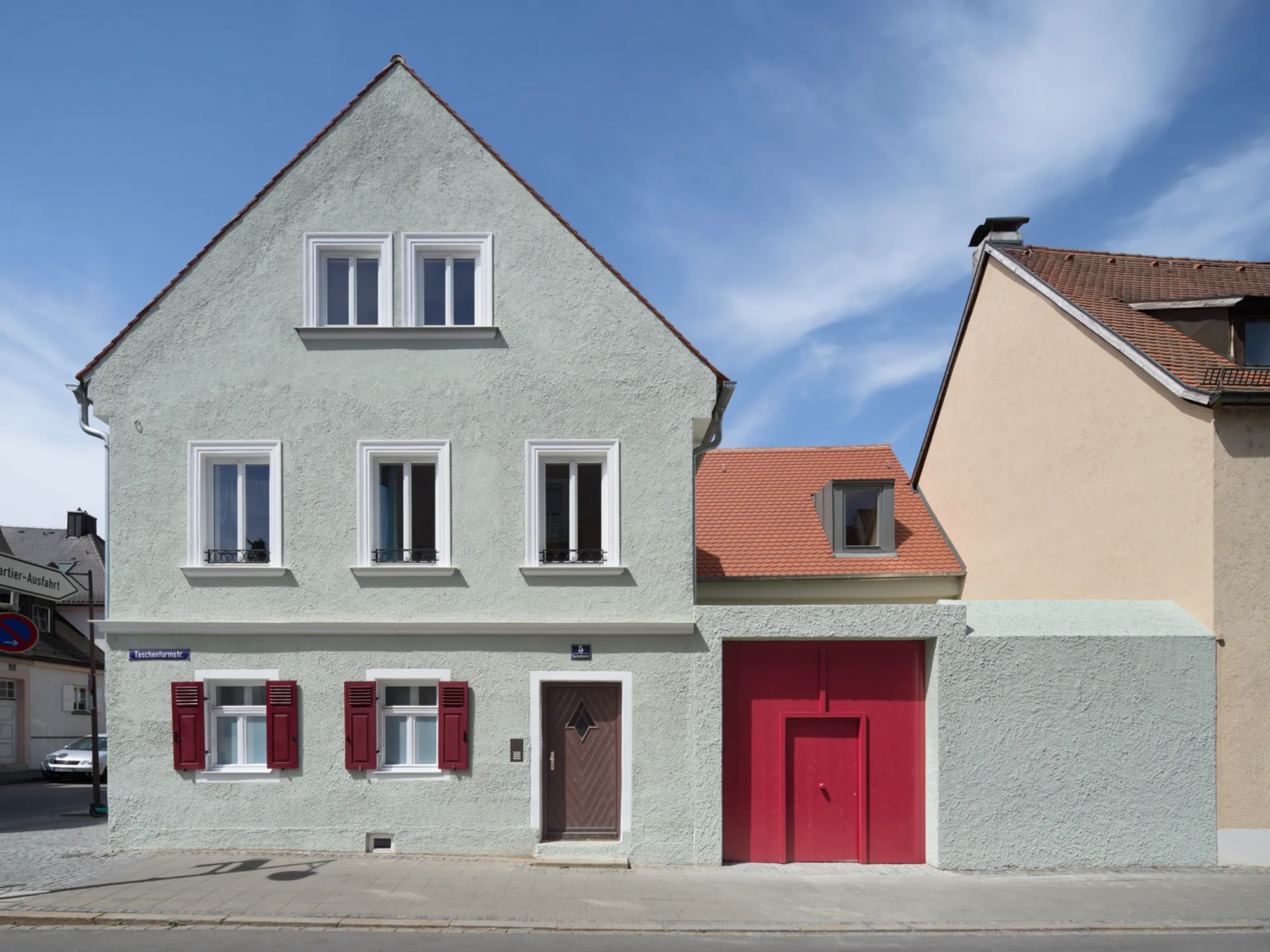
Thürwachterhaus by Büro Mühlbauer: A Historic Farmstead Transformed into Modern Living Spaces
Thürwachterhaus by Büro Mühlbauer transforms a historic farmstead into modern residences, blending heritage preservation with contemporary, sustainable architecture in Ingolstadt.


The Thürwachterhaus by Büro Mühlbauer is a remarkable example of adaptive reuse architecture, seamlessly blending historic preservation with contemporary living. Located in Ingolstadt, Germany, this former 16th-century town farm has been meticulously restored and reimagined to accommodate modern residences while preserving its historical significance.
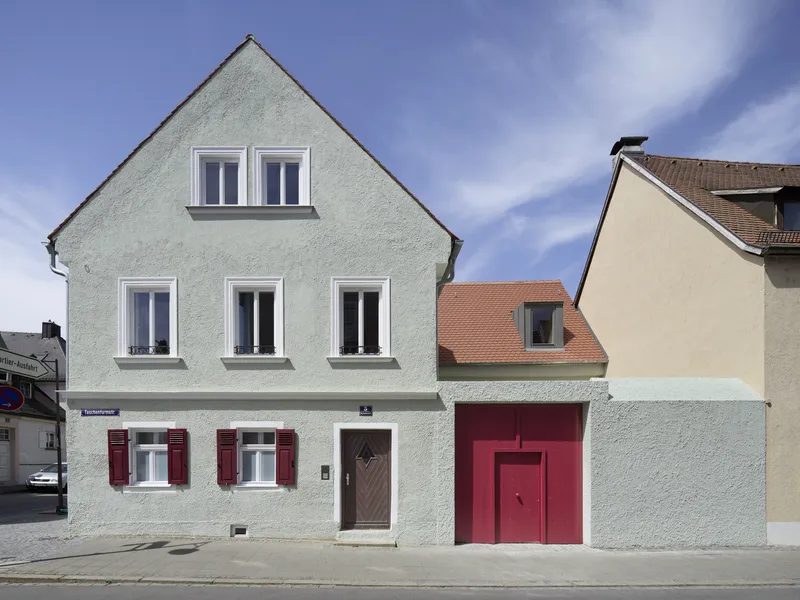
Situated at a prominent corner near the Taschentorturm, a medieval tower built during Ingolstadt’s 14th-century city expansion, the Thürwachterhaus plays a vital role in the urban fabric. Abandoned for decades, the property has now been revitalized through a careful collaboration between private investors and architects, with financial support from public funds. The result is a harmonious dialogue between past and present, where historic architecture meets modern sustainability.
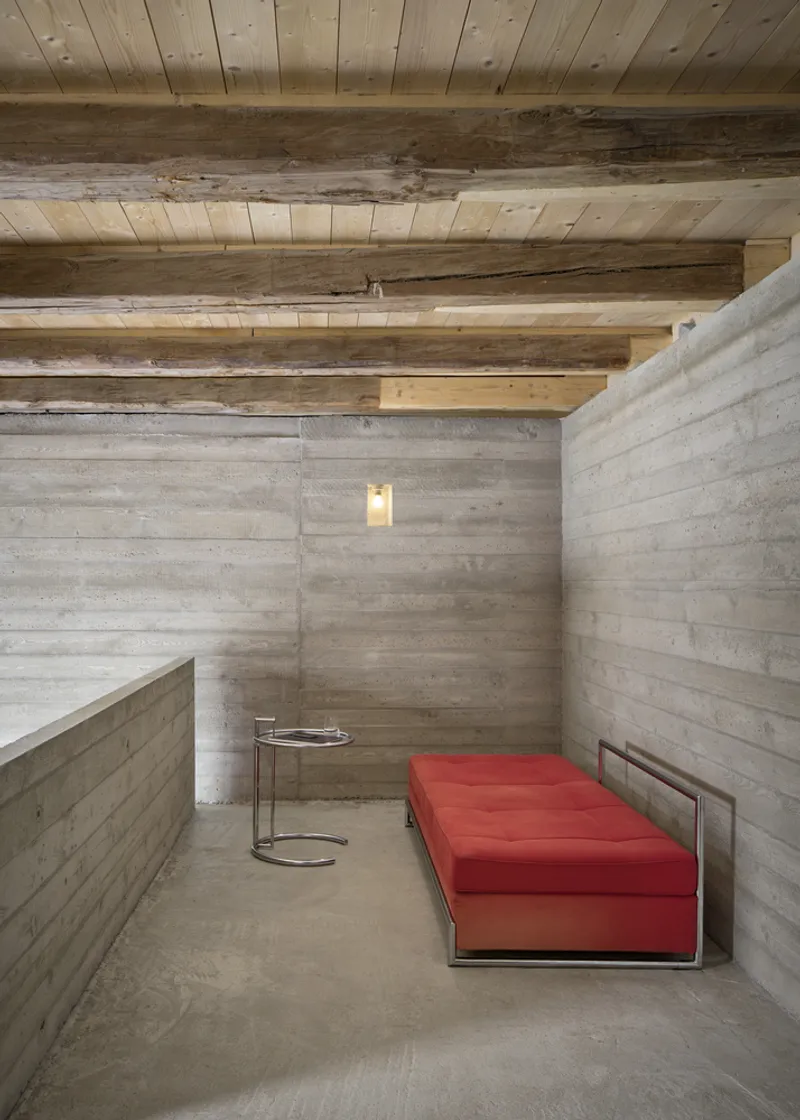
A Historic Structure Reborn
The Thürwachterhaus is part of a heritage-listed ensemble that holds cultural and architectural significance in Ingolstadt’s urban landscape. The transformation of this former town farm involved a delicate balance between restoration and innovation, ensuring that its historical essence was preserved while adapting the spaces to contemporary living standards.
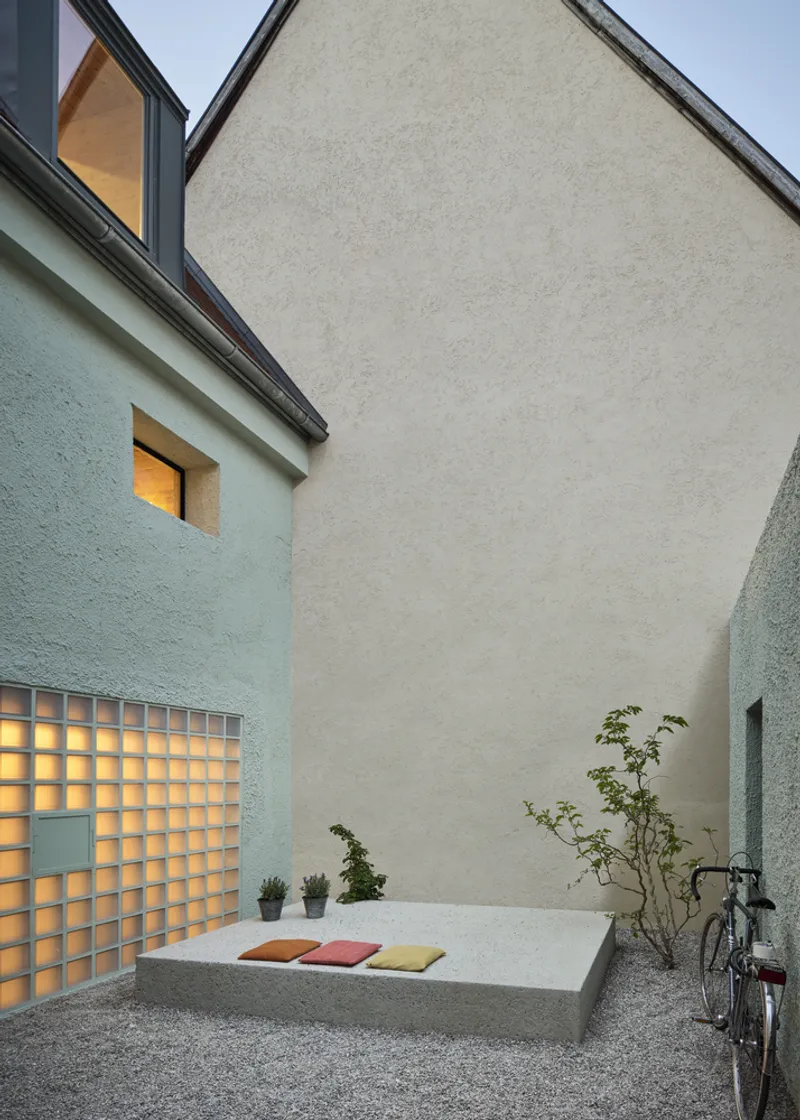
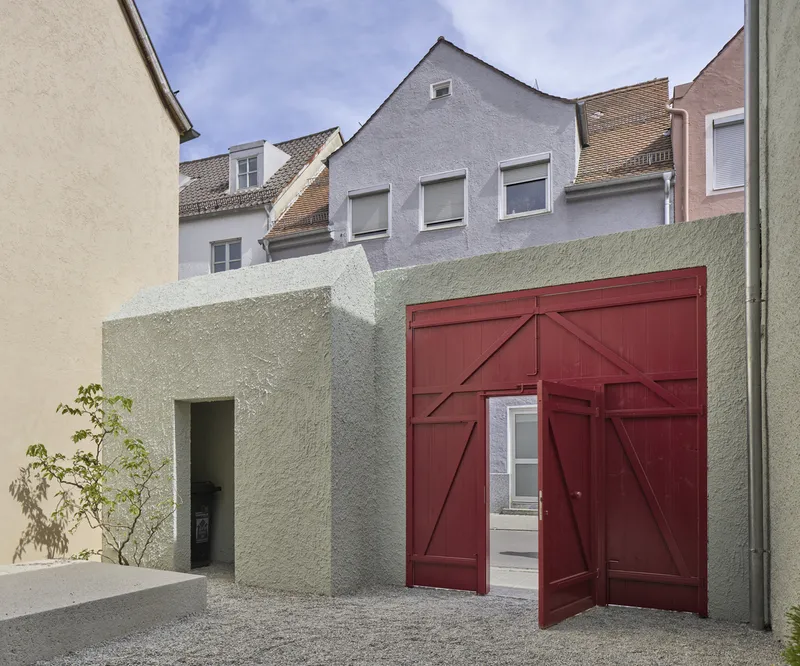
Originally, the property served as a working farm, but by the mid-20th century, it transitioned into a residential space. Over time, it fell into disuse, leaving behind a structure that required careful intervention. Büro Mühlbauer’s approach focused on sensitive restoration techniques, maintaining the character of the existing structures while integrating modern materials and energy-efficient systems.
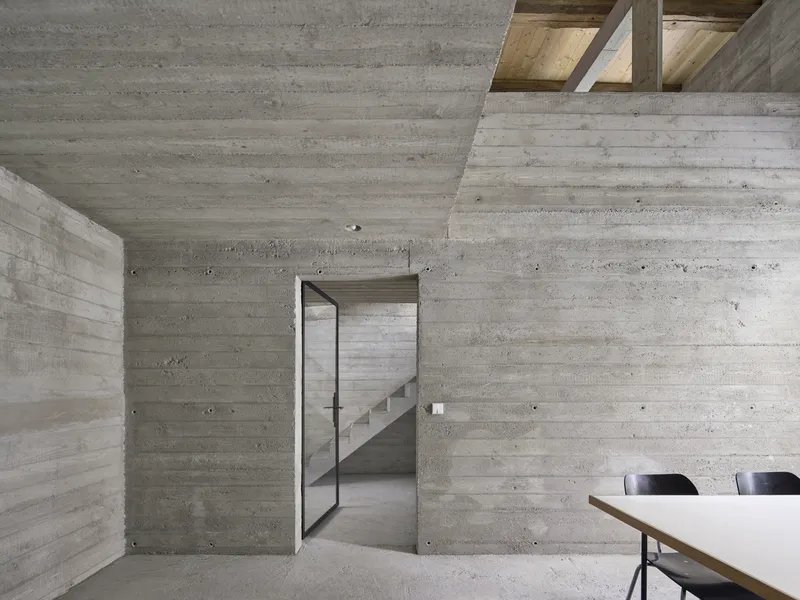
Sustainable and Functional Living Spaces
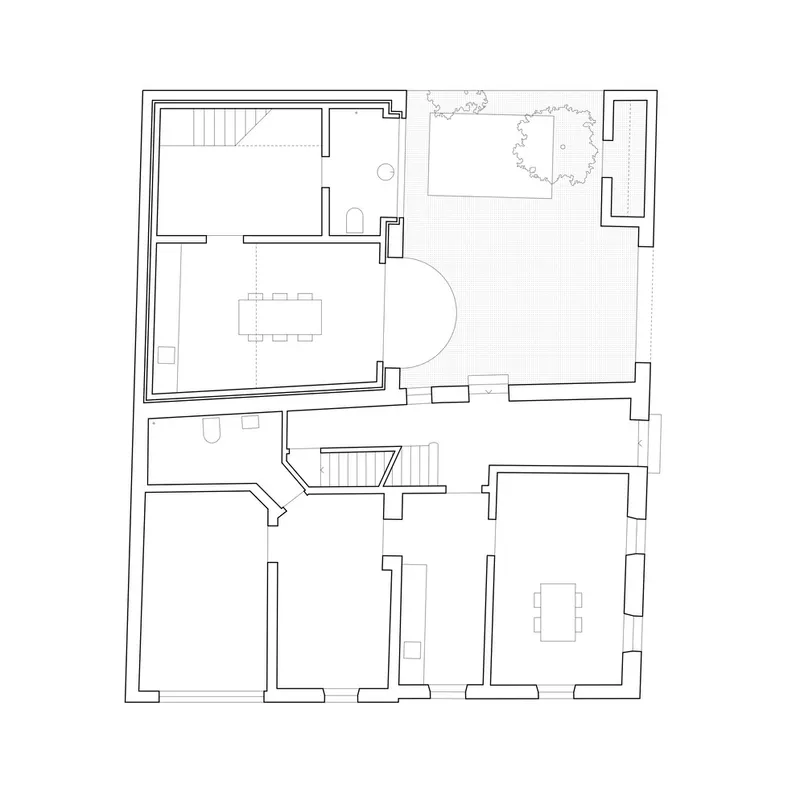
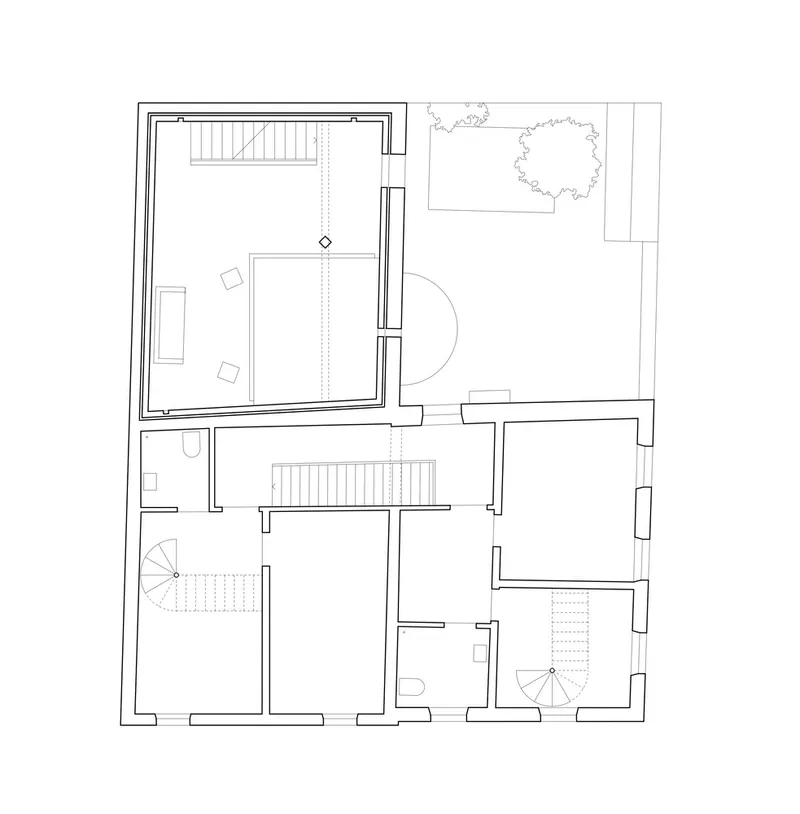
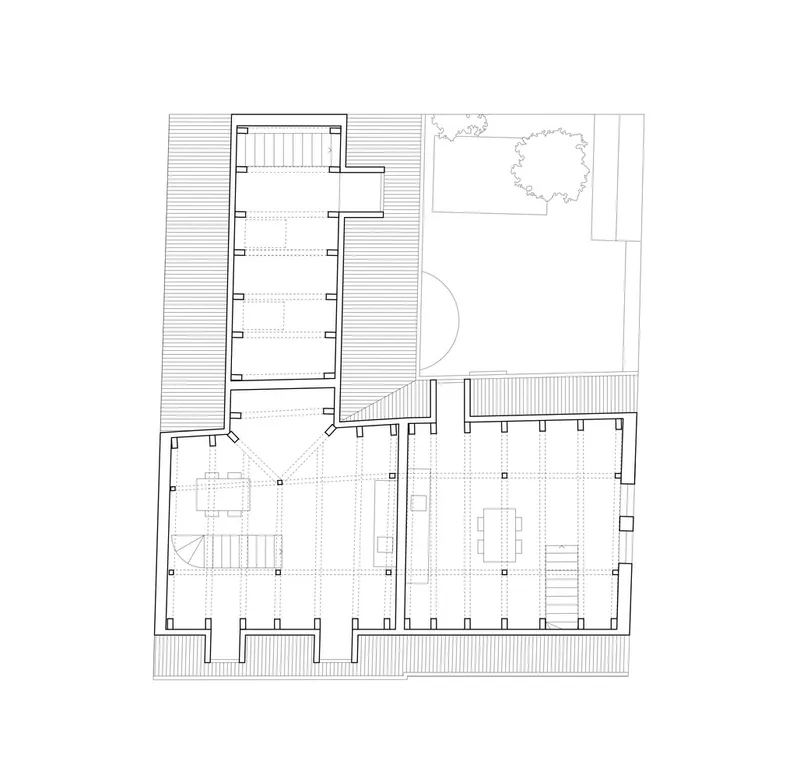
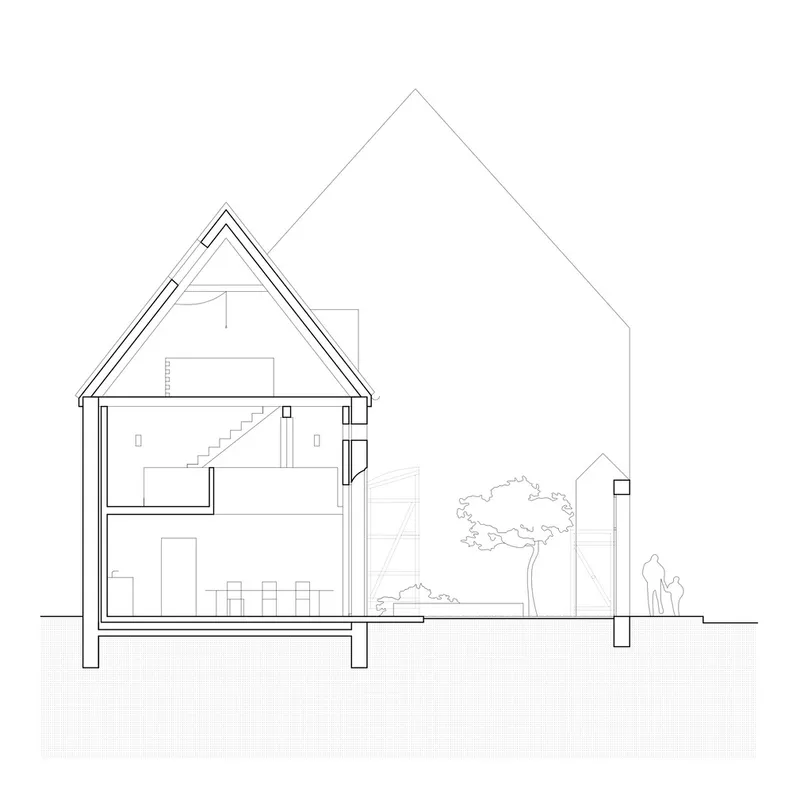
Following the renovation, the Thürwachterhaus by Büro Mühlbauer now houses three modern apartments within the former residential building, totaling 180 square meters. Additionally, the converted farm building, which originally functioned as a barn and stables, has been transformed into a three-story apartment spanning 90 square meters.
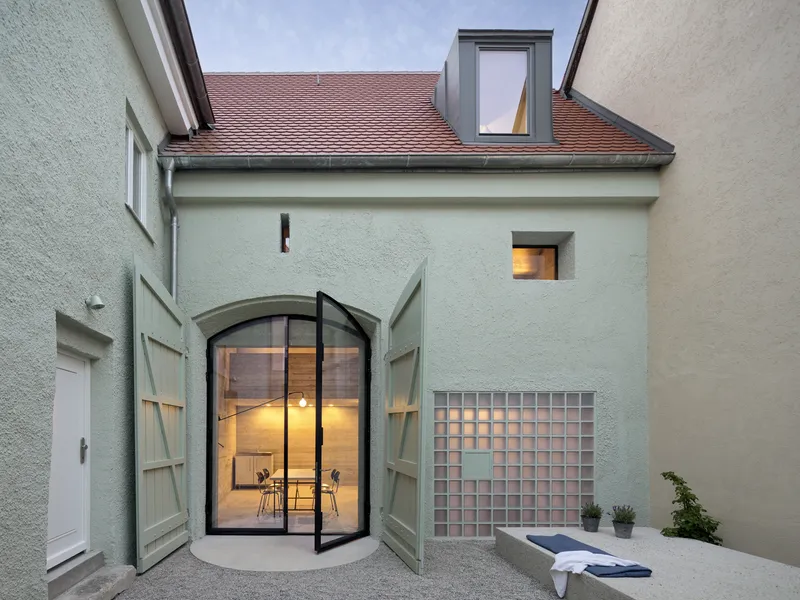
The small enclosed courtyard, once a functional farmyard, has been reimagined as a tranquil outdoor space for residents. This shared area preserves the intimacy and privacy of the original design while offering a peaceful retreat in the heart of the city.
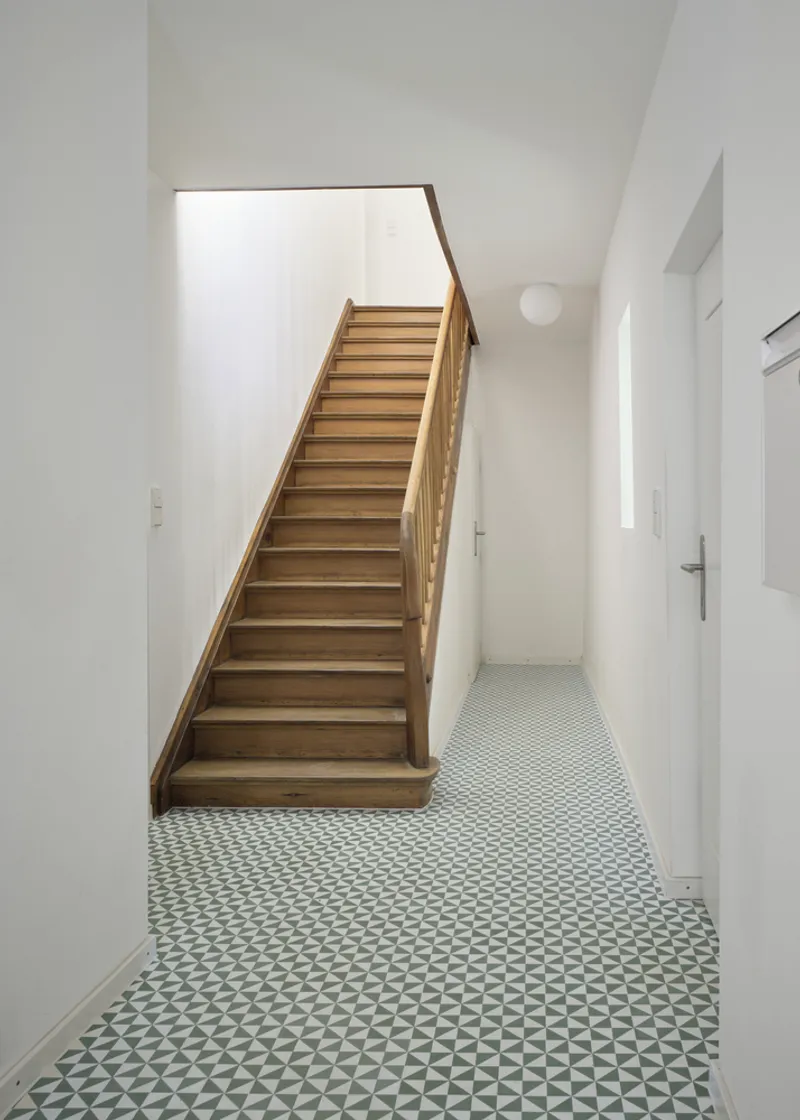
One of the project’s key sustainability features is its district heating system, which provides an energy-efficient solution for modern residential use. The use of locally sourced materials and passive design strategies further enhances the environmental responsibility of the renovation, demonstrating how historic structures can be adapted for the future without compromising their architectural integrity.
A Blend of Traditional and Contemporary Materials
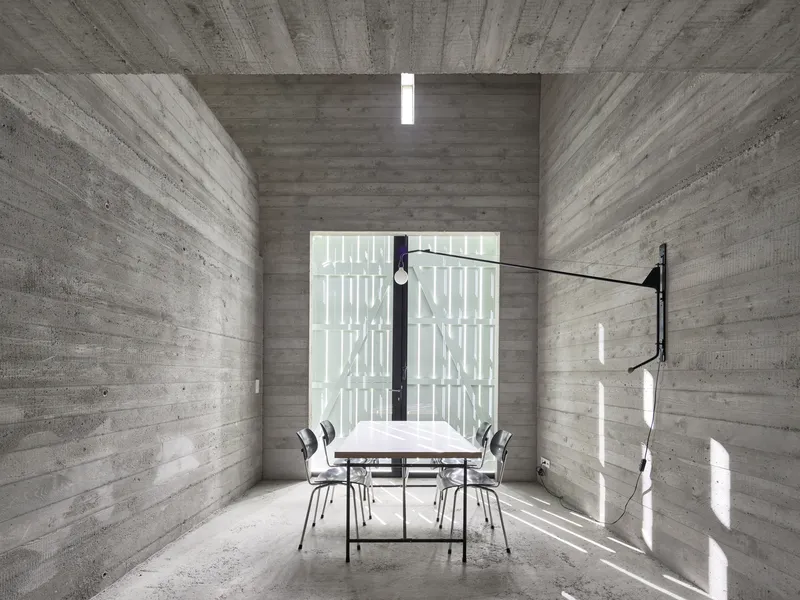
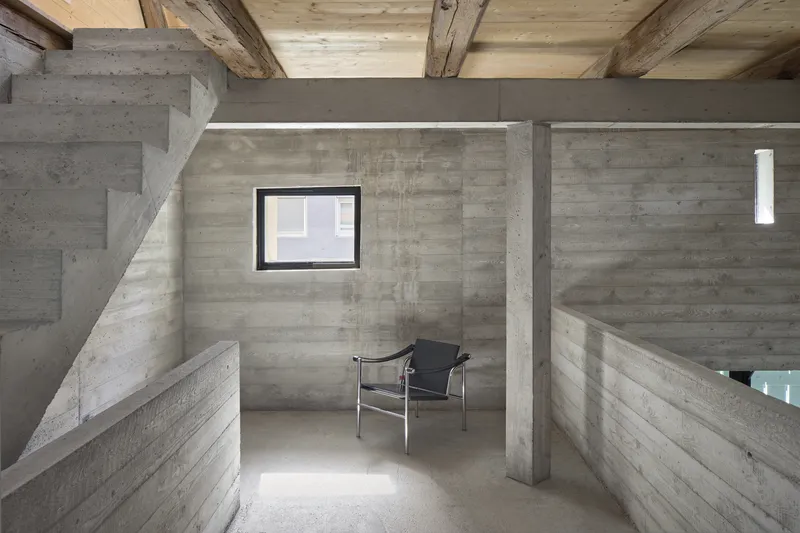
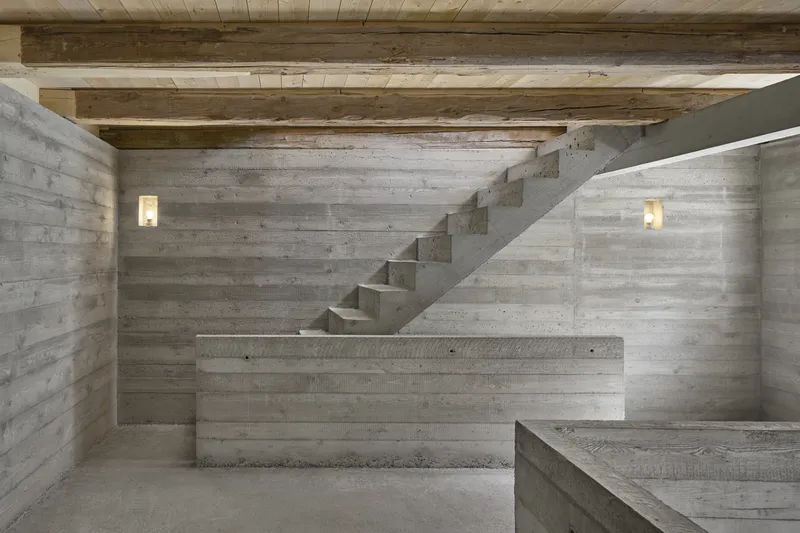
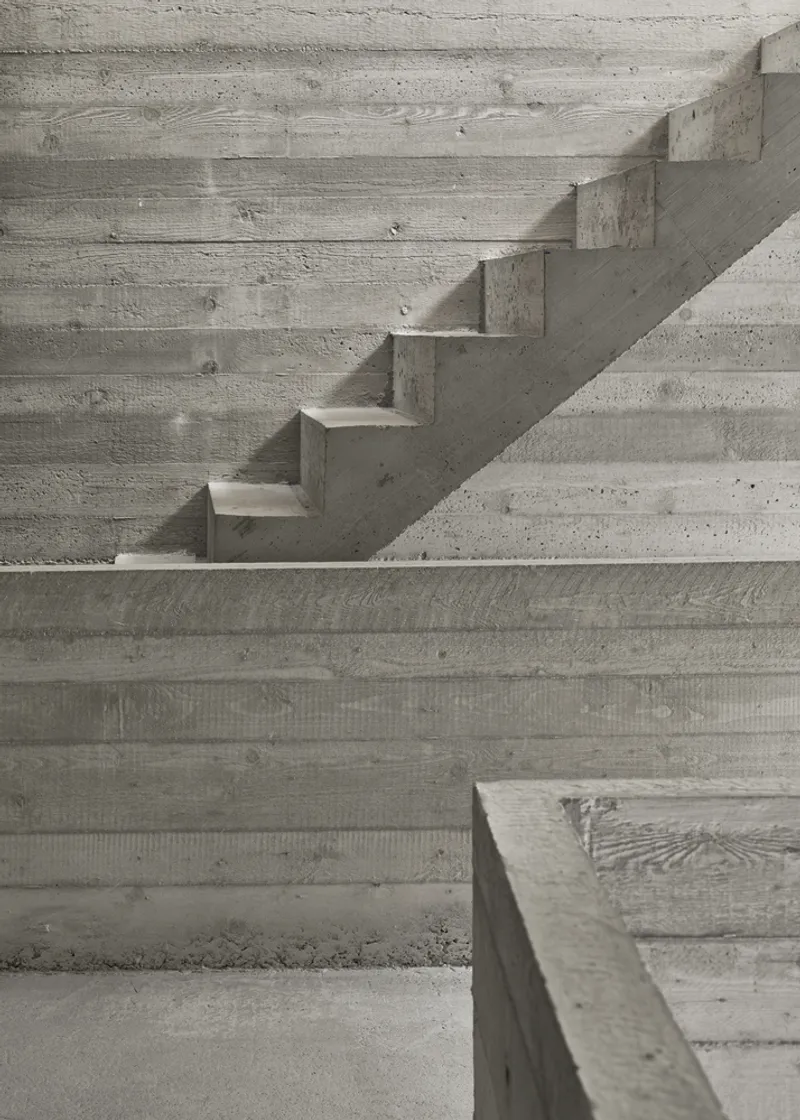
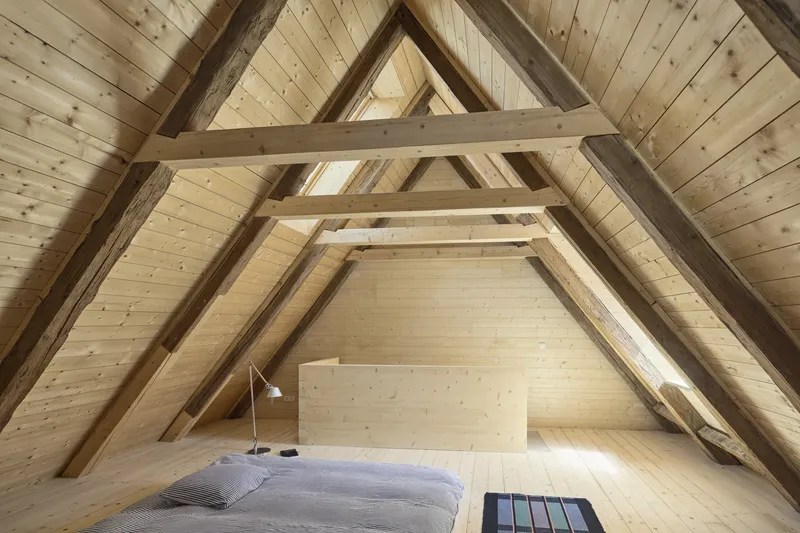
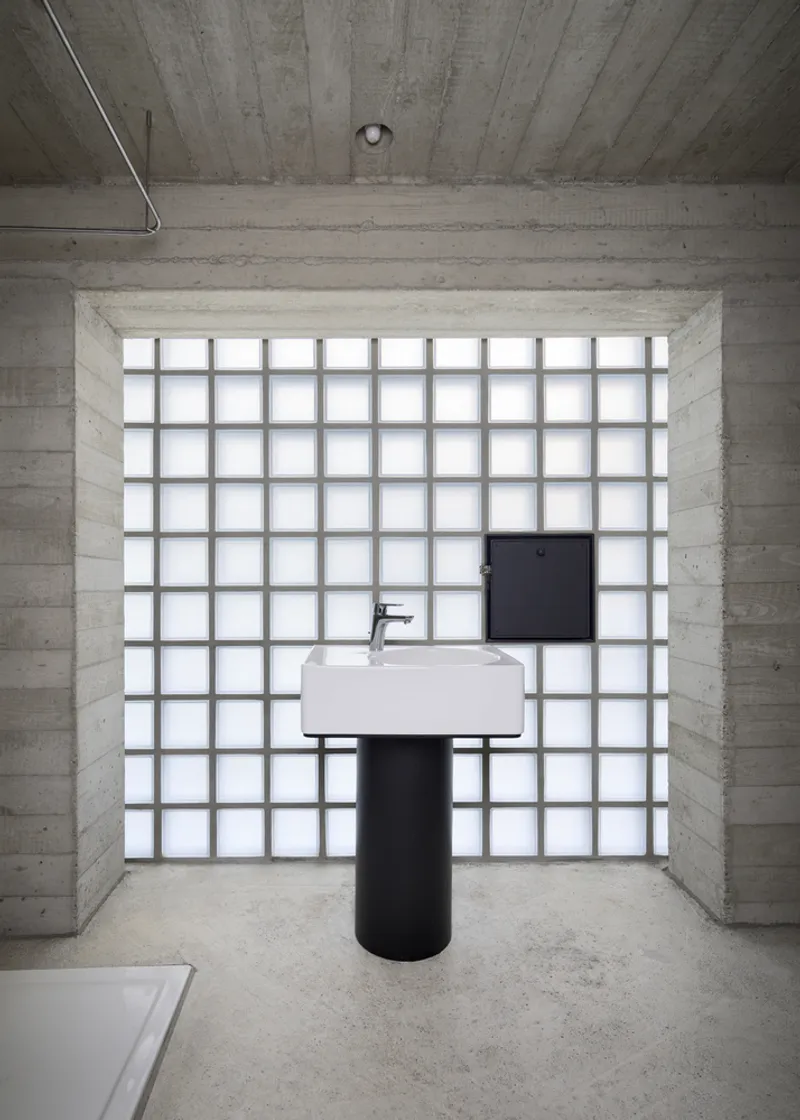
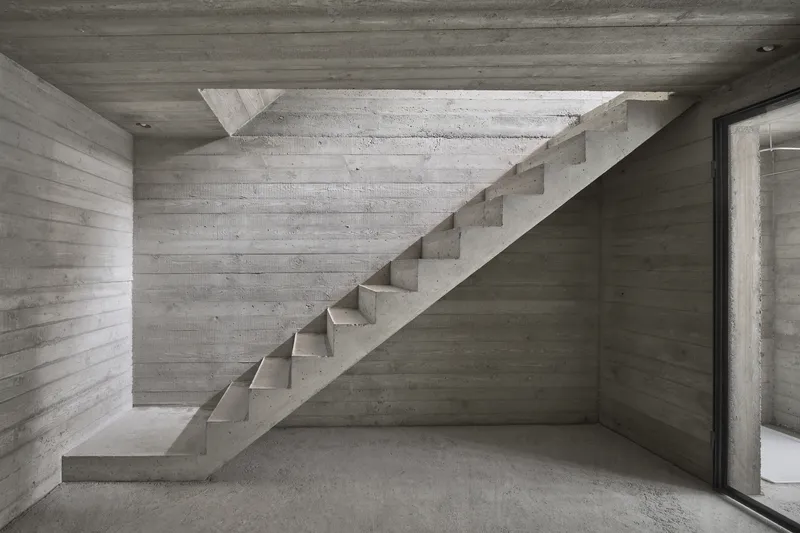
A defining characteristic of the Thürwachterhaus renovation is its thoughtful material selection. Büro Mühlbauer combined traditional materials such as exposed wooden beams and brick elements with modern materials like concrete and steel, creating a contrast between old and new.
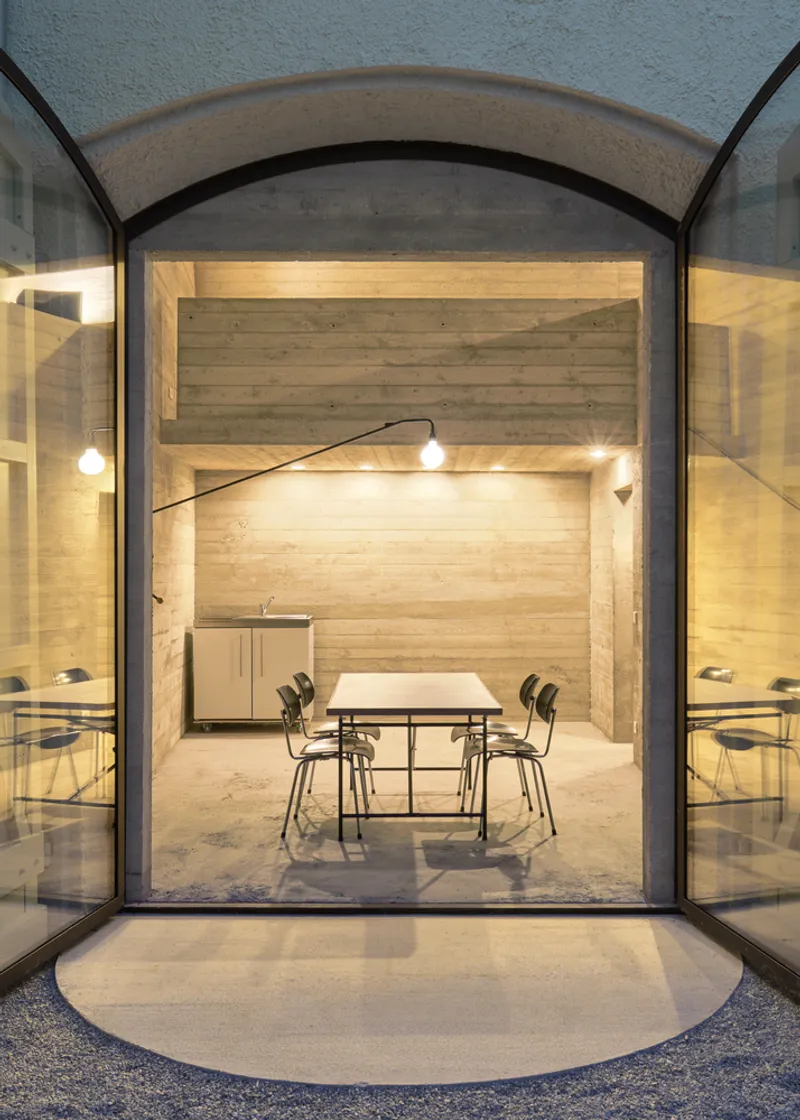
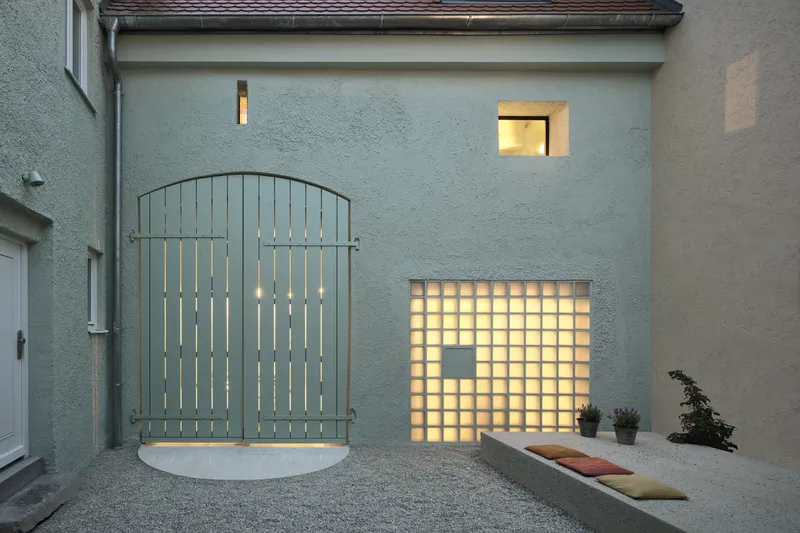
The interiors reflect a minimalist yet warm aesthetic, emphasizing natural light, open spaces, and tactile materials. The use of large windows and skylights enhances the connection between interior and exterior, allowing the historic structure to breathe while providing contemporary comfort.
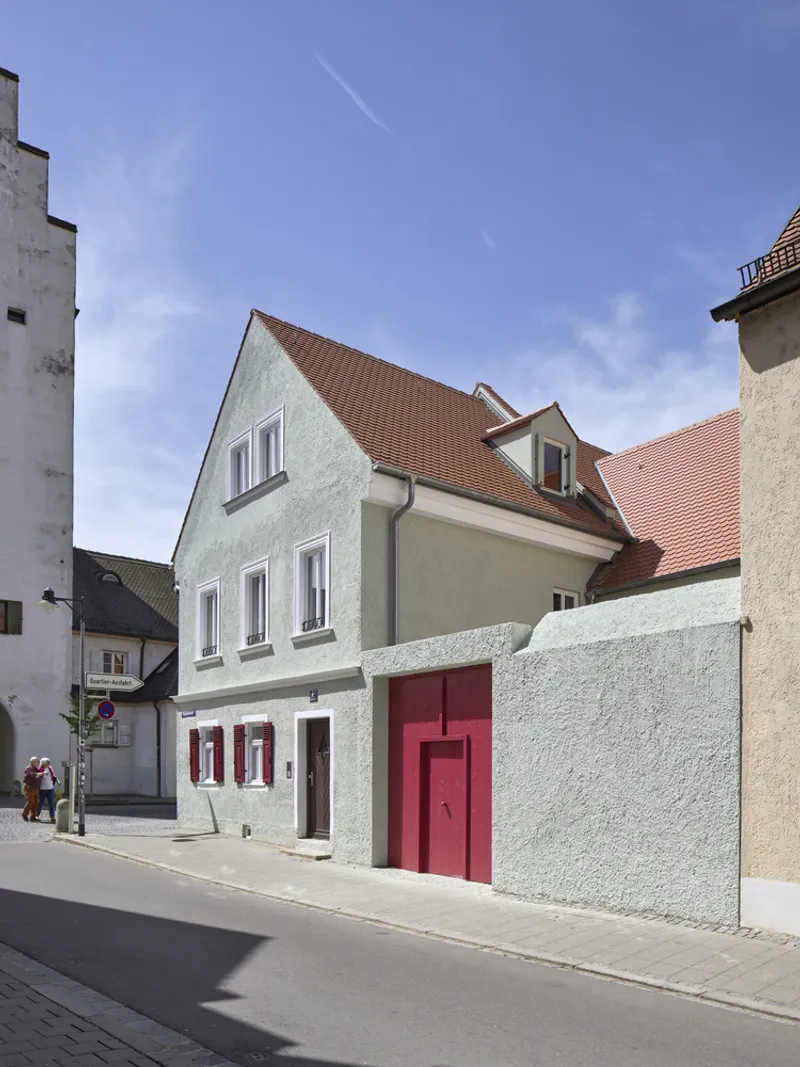
Preserving History Through Architectural Innovation
The Thürwachterhaus by Büro Mühlbauer exemplifies how heritage buildings can be thoughtfully revitalized to meet modern living demands while maintaining their cultural and architectural essence. This project highlights the potential of adaptive reuse in urban environments, where historic structures are given new life through careful restoration and sustainable design.
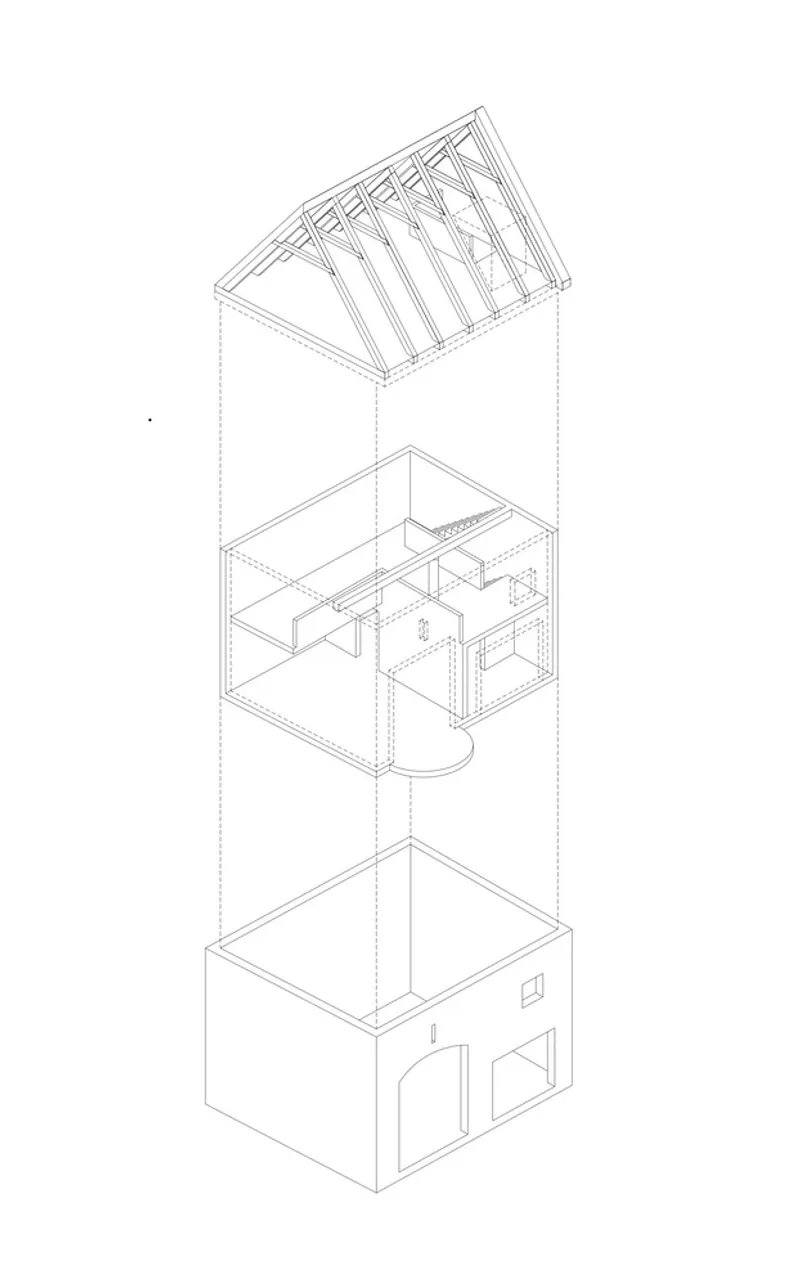
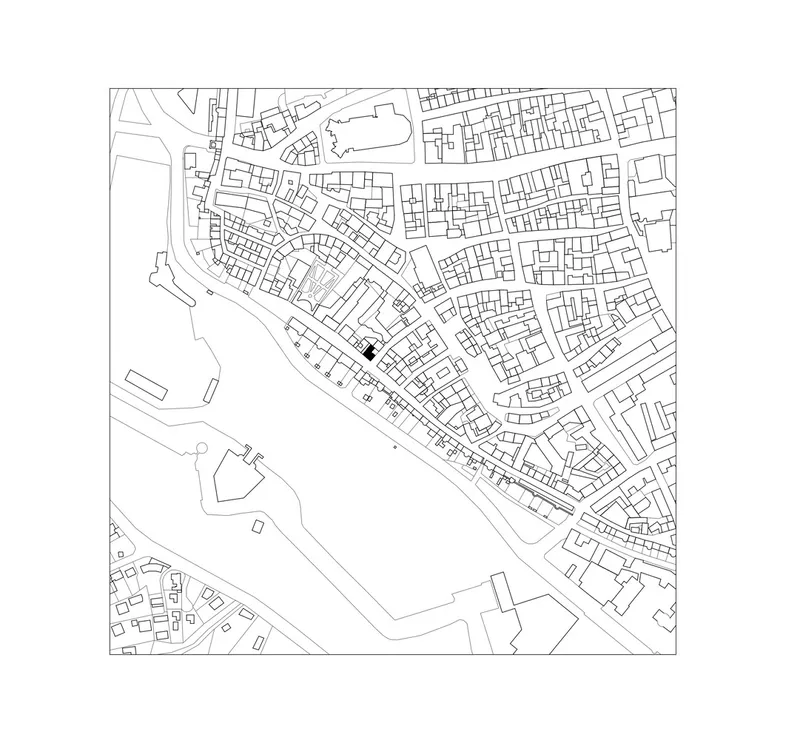
By honoring the past while embracing the future, this renovation stands as a benchmark for architectural preservation, proving that historical spaces can evolve without losing their identity. The Thürwachterhaus is not just a residence—it is a testament to the power of architecture to bridge history and modernity, creating timeless spaces that continue to serve their communities.
All Photographs are works of Ralph Feiner


Popular Articles
Popular articles from the community


Play: Fragments of Their World
Familiar architecture becomes modular playground design, creating safe spaces where displaced children can learn, connect, imagine and play.

The Musturak Paradise: Senior Living Architecture for a Connected Future in Temara, Morocco
The Musturak Paradise reimagines senior living architecture in Temara via private homes, social spaces, culture, community, and shared care.

Lunar Spiral: Space Architecture Shaped by the Mathematics of the Universe
Lunar Spiral reimagines space architecture through Fibonacci geometry, lunar regolith, levitating habitats, and self-sustaining Moon living.

Hill & Cross Opera: Sculptural Opera House Architecture Shaped by Tallinn’s Landscape and Identity
Hill & Cross Opera reimagines opera house architecture in Tallinn through its sculptural hill, civic plaza, glass wave and a luminous cross.

Similar Reads
You might also enjoy these articles

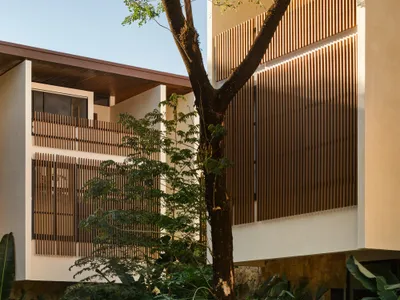
FAMM Arquitectura Organizes Ten Villas Around Courtyards and Jungle in Nosara, Costa Rica
El Molino pairs two elongated volumes with deep overhangs and timber louvers to build a compact coastal community five minutes from the beach.
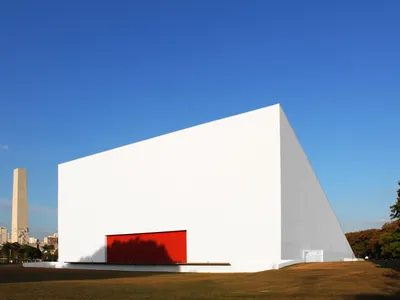
Oscar Niemeyer's Ibirapuera Park Pavilions Define São Paulo's Cultural Identity in Concrete and Curve
A constellation of modernist volumes set within São Paulo's most important urban park, conceived for the city's 400th anniversary in 1954.
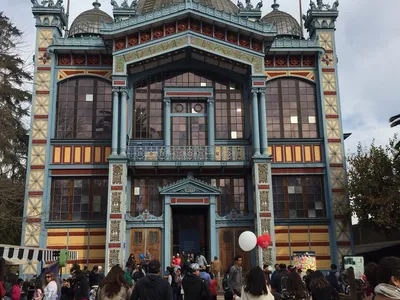
How Henri Picq's 1889 Paris Pavilion Traveled 11,000 Kilometers to Become Santiago's Artequín Museum
A prefabricated iron and glass pavilion built for the Paris Universal Exposition found a second life as a children's art museum in Chile.
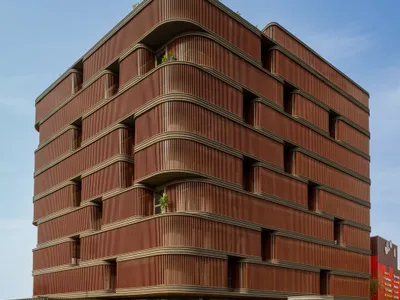
Sanjay Puri Architects Wraps a Jaipur Office Tower in Capsule-Shaped Green Buffers
A nine-level climate-responsive workplace near Jaipur Airport uses stacked planter terraces and aluminium screens to fight 40°C heat.


Explore B19 Architekten Bda – Weimar Competitions
Discover active competitions in this discipline



Challenge to reimagine the Iron Throne


Photograph architecture without architects


Illustrate the lost glory of Angkor Wat - Render Challenge


Design challenge to reuse E-waste
Comments (0)
Please login or sign up to add comments
No comments yet. Be the first to comment!