
Topography-Driven Architecture: The Bosque House by FGMF
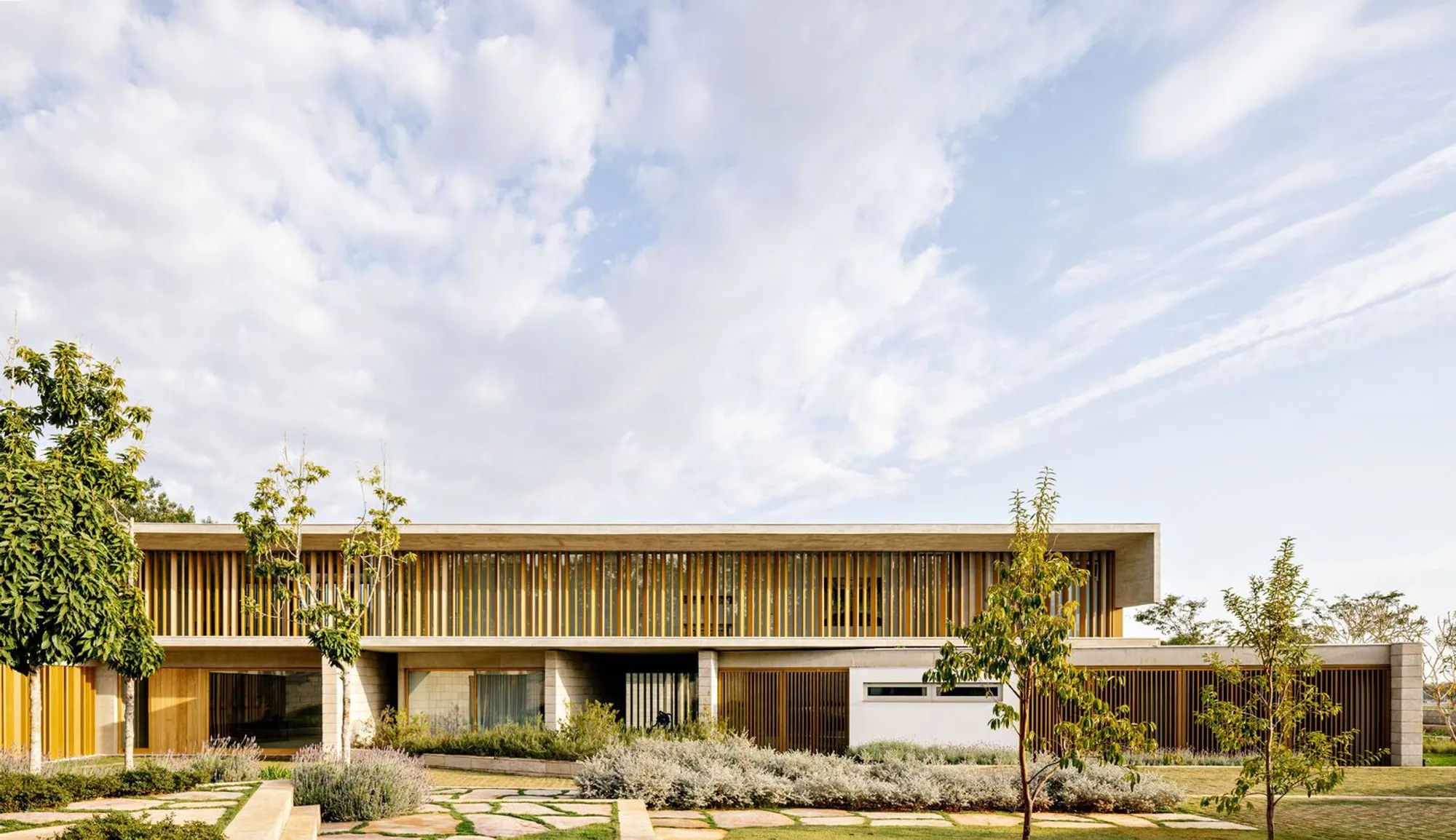
Bosque House by FGMF blends concrete, stone, and wood, embracing topography to create harmonious indoor-outdoor living in Porto Feliz, Brazil.


In the heart of Porto Feliz, Brazil, nestled within the Fazenda Boa Vista condominium, lies the Bosque House—a testament to topography-driven architecture. Designed by FGMF Arquitetos, this residence harmoniously blends with its natural surroundings, creating a seamless connection between the built environment and the landscape.
Embracing the Terrain
Site Analysis and Design Philosophy
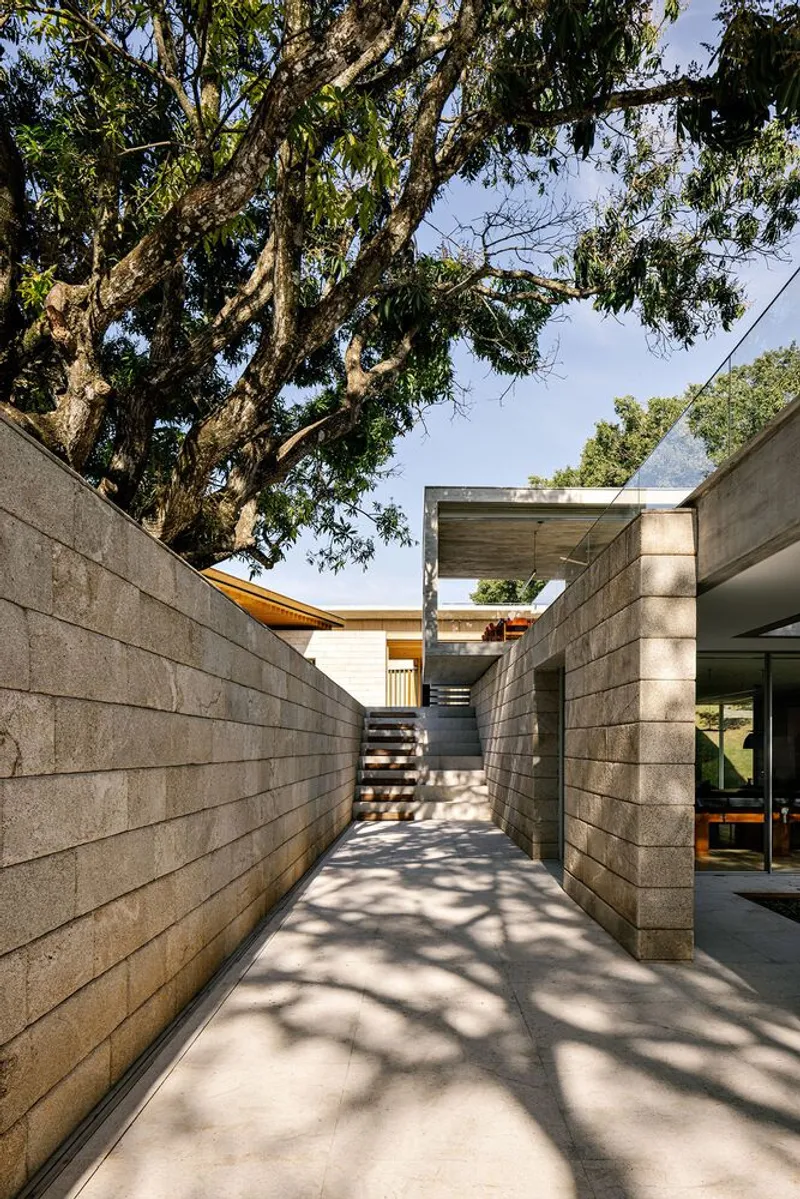
The Bosque House occupies a 14,000 m² plot characterized by sculptural trees and varying topography. The architects at FGMF leveraged these natural elements to inform the design, ensuring that the house not only fits within the landscape but also enhances it. The strategic placement of the residence allows for diverse pathways and vistas, inviting occupants to experience the site from multiple perspectives.
Architectural Integration
The design employs straight lines that traverse the terrain, delineating a central park area. Stone gables, inspired by the site's slope, add volume and support pavilions that are integral to the structure. These elements not only reveal the topography but also provide continuity to the landscape design, creating a cohesive flow between the indoor and outdoor spaces.
Material Palette: Concrete, Stone, and Wood
Concrete and Stone
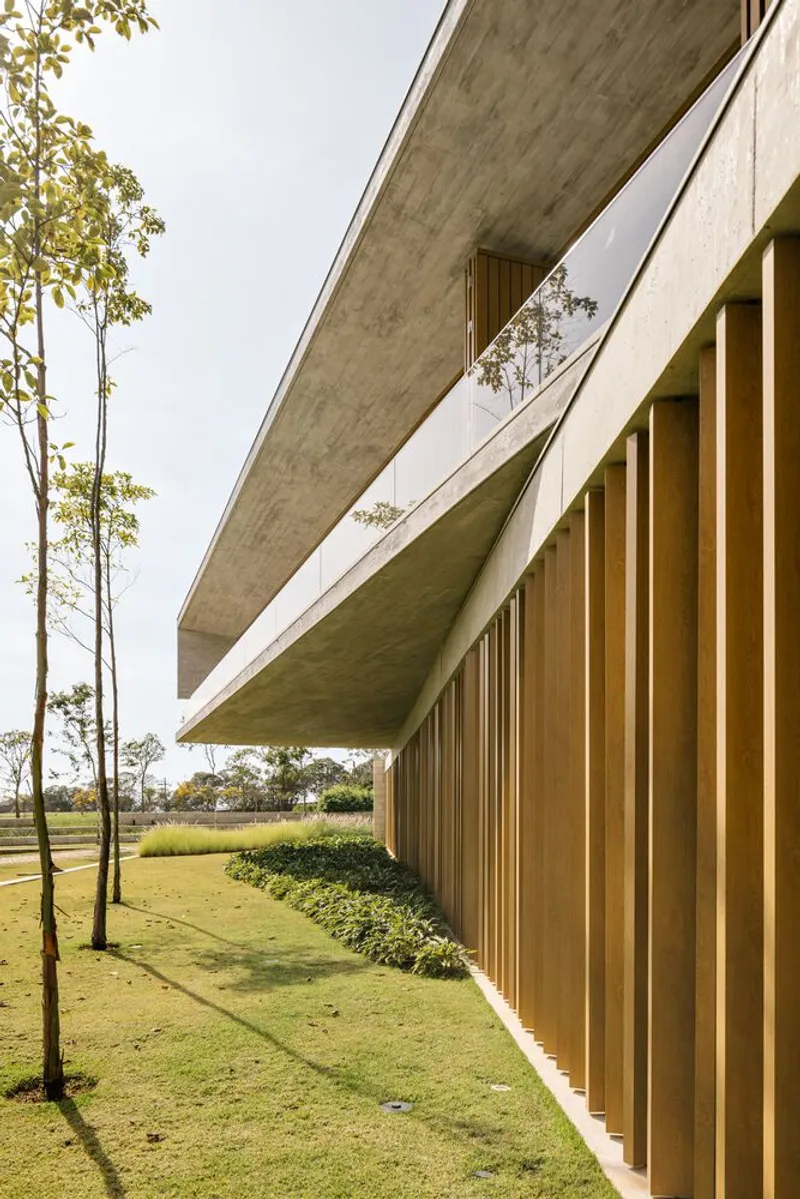
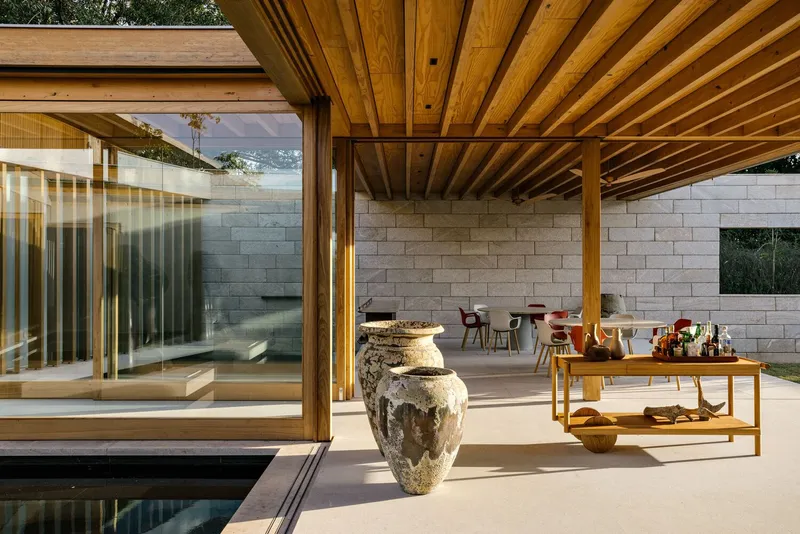
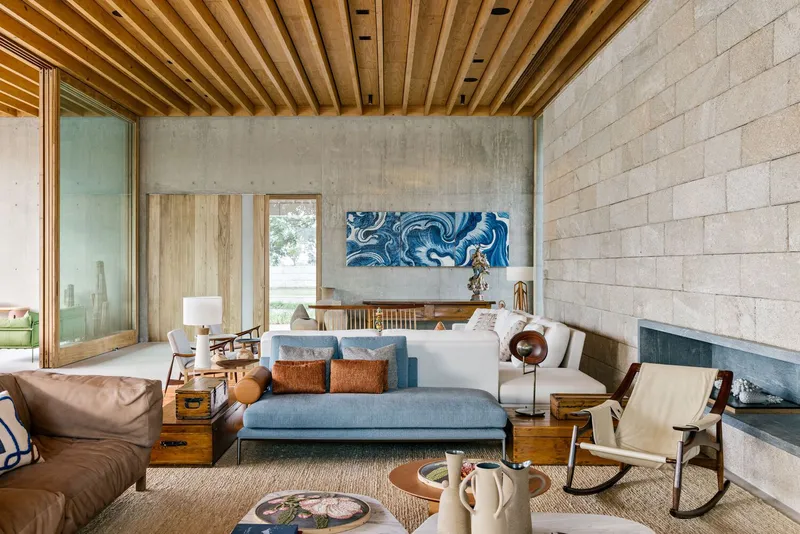
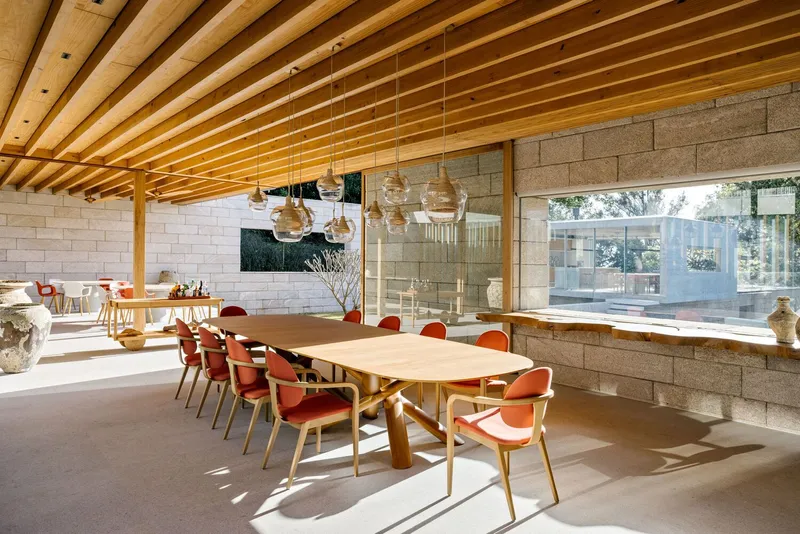
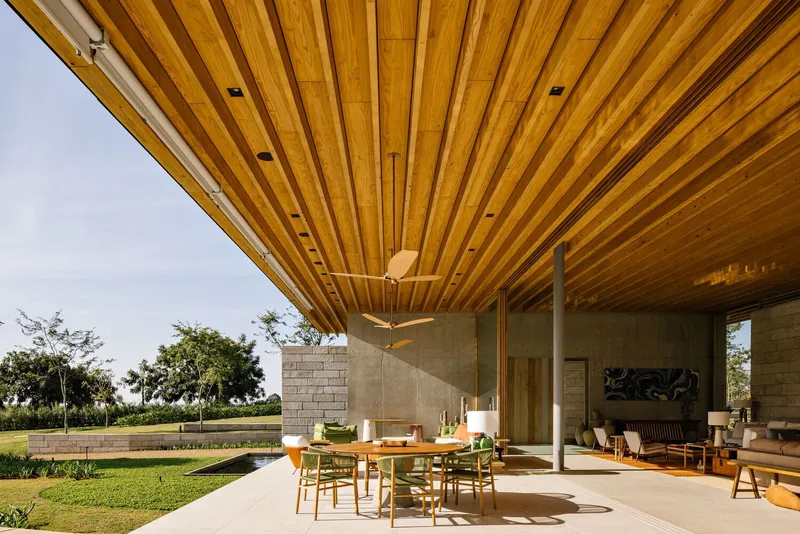
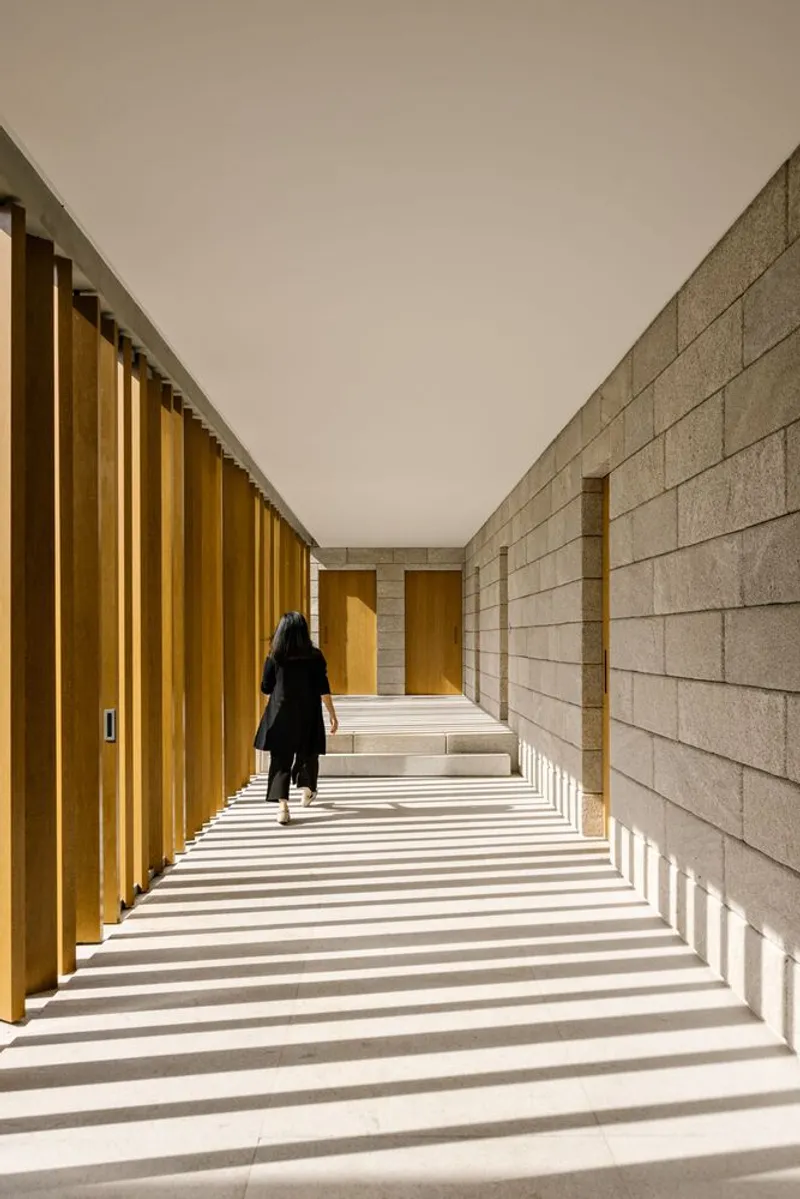
The use of exposed concrete and stone in the construction reinforces the connection to the earth. These materials are carefully arranged to create planes that organize the space and landscape, allowing for natural transitions between different areas of the house.
Wood as a Covering Element
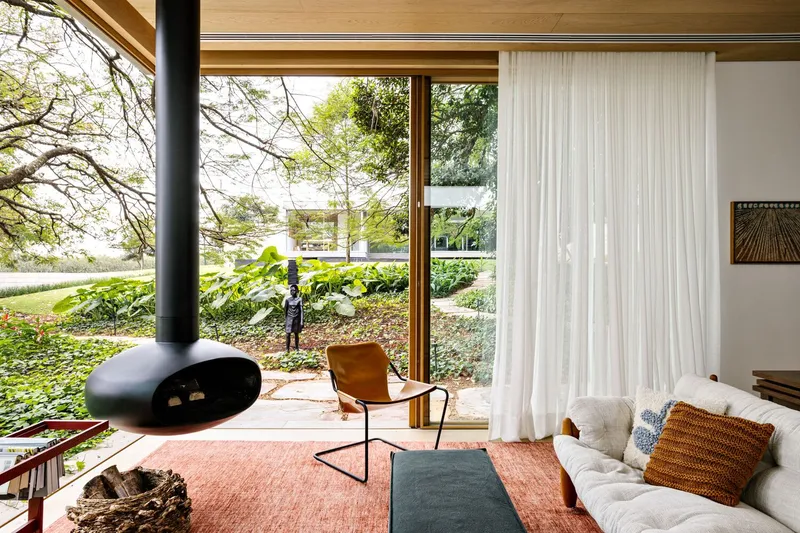
Wood serves as a unifying covering plan, gently separating the concrete and stone elements. This material choice adds warmth and texture to the design, enhancing the tactile experience of the space and further integrating the architecture with its natural context.
Spatial Organization and Functionality
Pavilion Layout
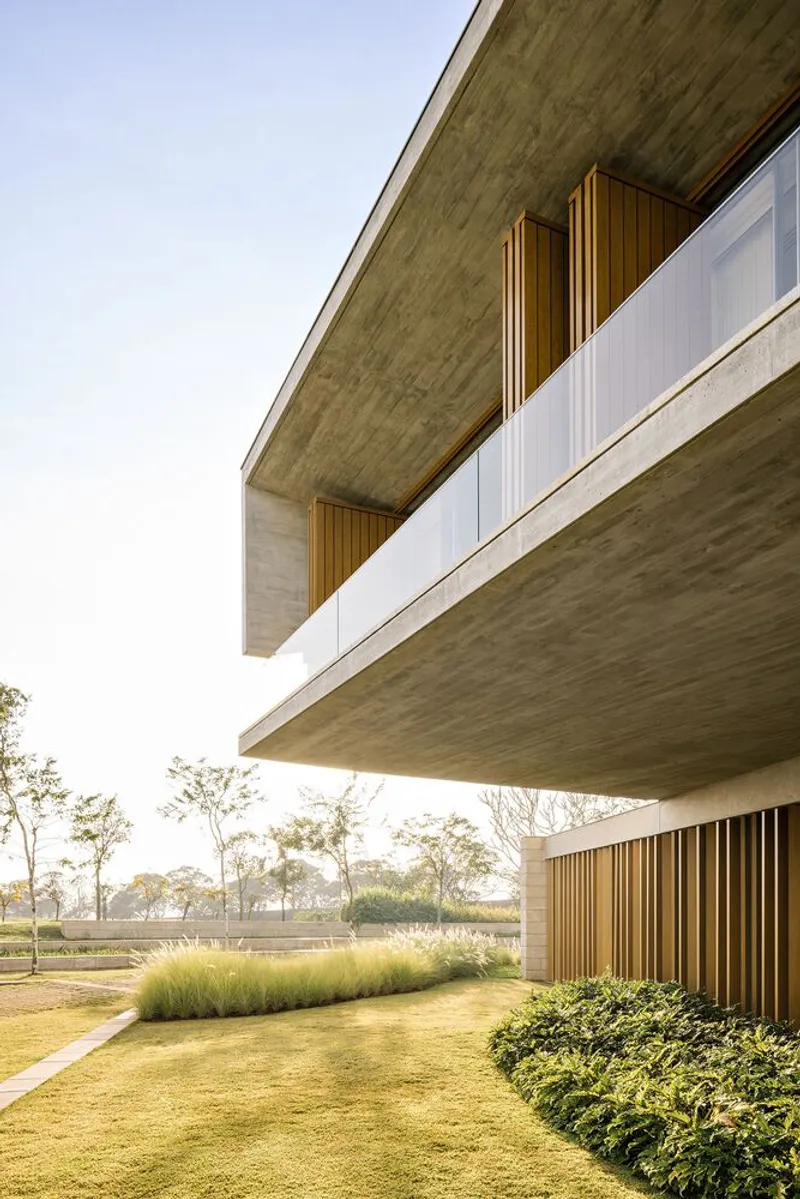
The Bosque House features a series of pavilions distributed across the site. Smaller structures are positioned adjacent to the stone gables, while a larger pavilion perches above the main block, defining the upper floor with private rooms. This orthogonal arrangement, guided by the geometry of the gables, forms an expressive overhang in the central courtyard, creating a dynamic interplay of volumes.
Indoor-Outdoor Continuity
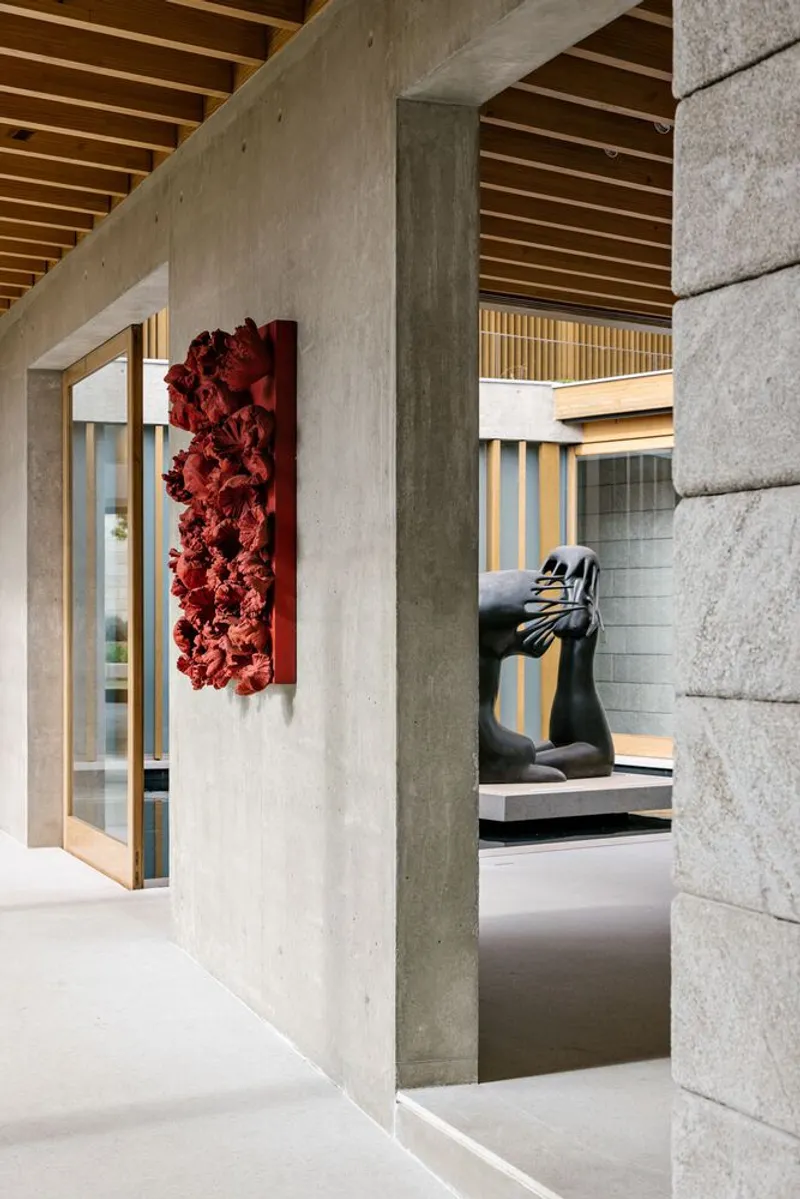
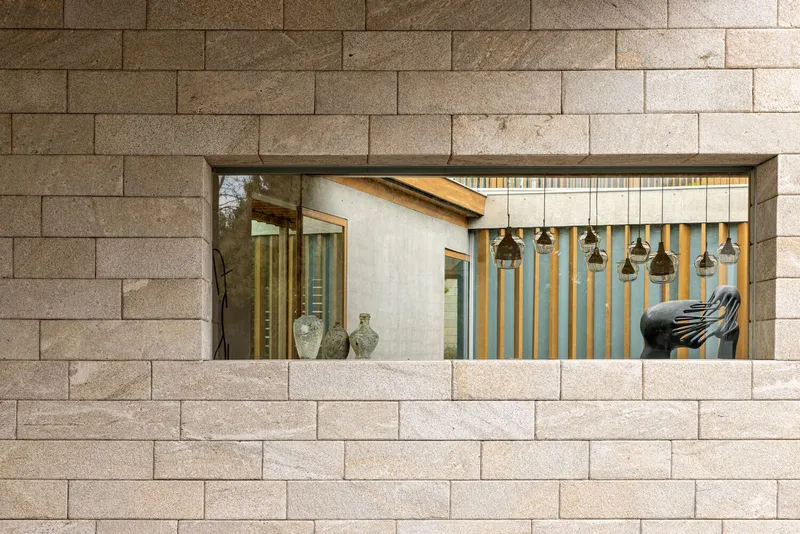
The design emphasizes the continuity between internal and external spaces. Various planes organize the structure and landscape, reinforcing the presence of patios of different sizes. These outdoor areas are adorned with large sculptures, reflecting the client's appreciation for Brazilian art and further blurring the boundaries between the built environment and nature.
The Bosque House exemplifies topography-driven architecture, where the natural landscape dictates the form and function of the built environment. Through thoughtful design and material selection, FGMF Arquitetos has created a residence that not only responds to its site but also celebrates it, offering a harmonious living experience that is deeply connected to the land.
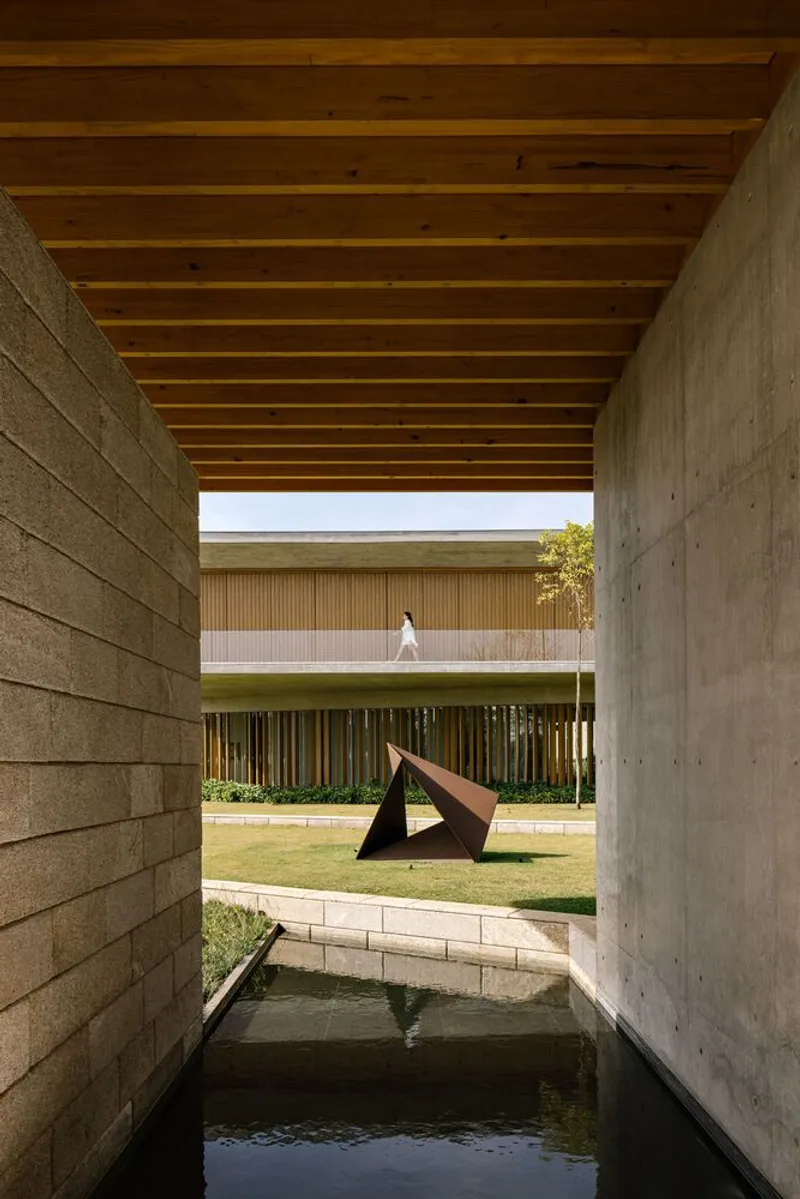
All Photographs are works of Fran Parente




Popular Articles
Popular articles from the community


Play: Fragments of Their World
Familiar architecture becomes modular playground design, creating safe spaces where displaced children can learn, connect, imagine and play.

The Earth Pod: 3D Printed Homes for Resilient Refugee Communities
The Earth Pod reimagines refugee housing through 3D printed homes made from clay, combining resilience, self-sufficiency, and rapid shelter.

The Ocean Hive: Sustainable Architecture for a Self-Sufficient Civilization at Sea
The Ocean Hive imagines sustainable architecture at sea, where modular habitats, algae, wave power and ocean waste sustain a growing colony.

Conexión: Biophilic Design Reimagines High-Rise Living in Hong Kong
Conexión reimagines high-rise living in Hong Kong through biophilic design, green facades, shared spaces, daylight, water and nature within.


Similar Reads
You might also enjoy these articles


Hodi-Mandai Geram
Project Function: Preservation and revitalization of the Intangible heritage and socio-spatial identity of the Hodi by Housing, Cultural Memory Center, Sacred Grove, landscape, local tourism economy


Olio Towers: A Mid-Rise for Performers That Fuses Housing, Rehearsal, and Stage
Located blocks from Houston's Theater District, this modular tower stacks living units around a central performance atrium.

Oasis: Modular Green Housing Carved into Dhaka's Urban Fabric
A shortlisted Plugin Housing entry reclaims unauthorized settlements in Dhaka with stepped concrete volumes, green roofs, and ventilation-driven design.

Black Hole: A Floating Megastructure for the Post-Physical Era
Emiliano Mazzarotto envisions a spherical, self-scaling arena where e-sports, digital hotels, and holographic stadiums replace traditional public space.


Explore Architecture Competitions
Discover active competitions in this discipline



Challenge to reimagine the Iron Throne


Photograph architecture without architects


Illustrate the lost glory of Angkor Wat - Render Challenge


Design challenge to reuse E-waste
Comments (0)
Please login or sign up to add comments
No comments yet. Be the first to comment!