
Tototo & Soymilk Café by Tenhachi Architect & Interior Design: A Fusion of Craftsmanship and Natural Elements in Kichijoji
Tototo & Soymilk Café blends artisanal soymilk with natural design, featuring birch plywood and a transparent soymilk machine.


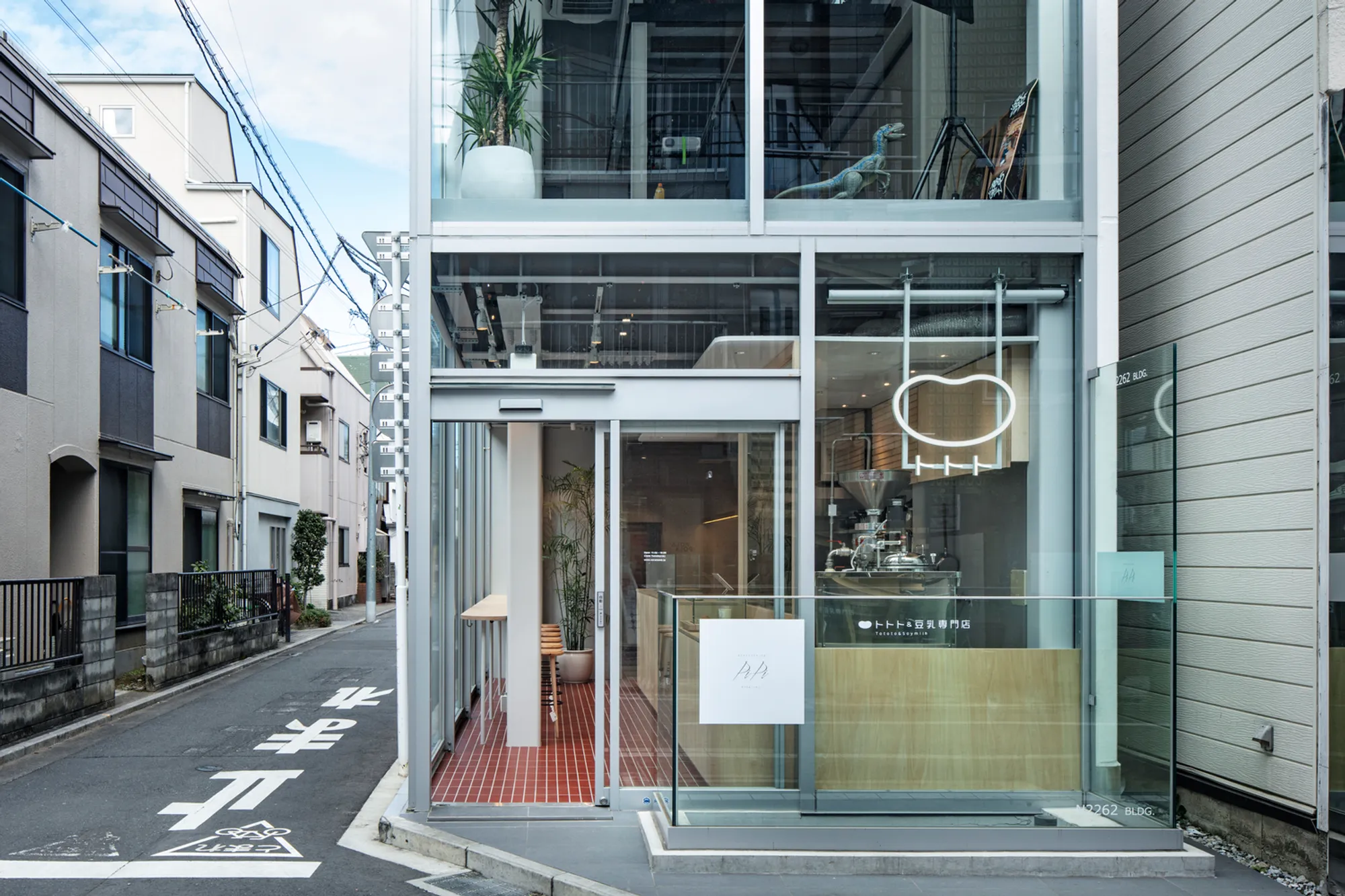
Located in the heart of Kichijoji, along the bustling Nakamachi Street, Tototo & Soymilk Café is an inviting space that brings together the art of soymilk production and architectural design. Designed by Tenhachi Architect & Interior Design, this café stands as the first branch of the soymilk specialty store. This contemporary yet rustic café introduces a fresh and innovative approach to serving soymilk, a product crafted with passion and dedication by the owners.
A Journey of Soymilk Crafting
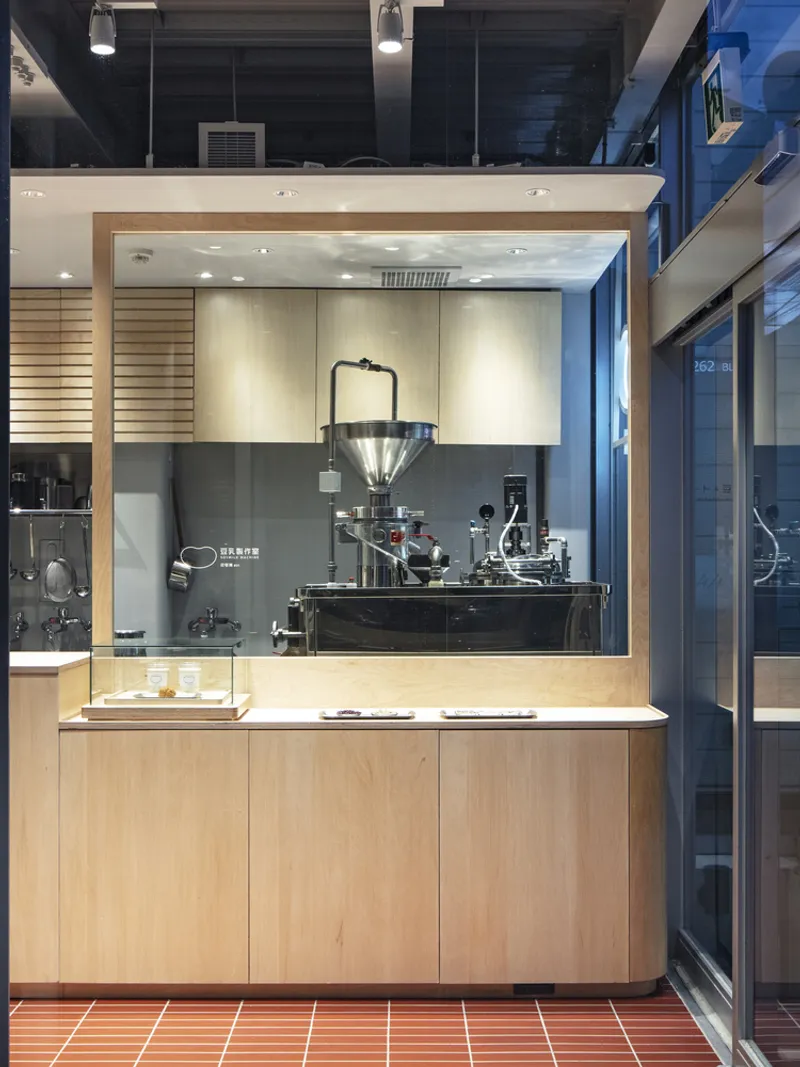
Tototo & Soymilk Café was born out of a deep commitment to delivering high-quality, smooth, and delicious soymilks. The client embarked on a comprehensive research and investigation process to perfect the soymilk production technique. Their quest was to preserve the original taste of soybeans while ensuring the final product was rich and smooth. The store uses a large soymilk squeezer machine that produces fresh soymilk each morning, ensuring customers get the purest experience possible.
Tototo’s menu is rich and diverse, offering variations of soymilk made from different soybeans. From the delicate flavor of White Soybeans in their "White" soymilk to the unique taste of Red Soybeans in the "Sakura" variety, the café provides a variety of flavors, each representing a different side of soymilk's potential.
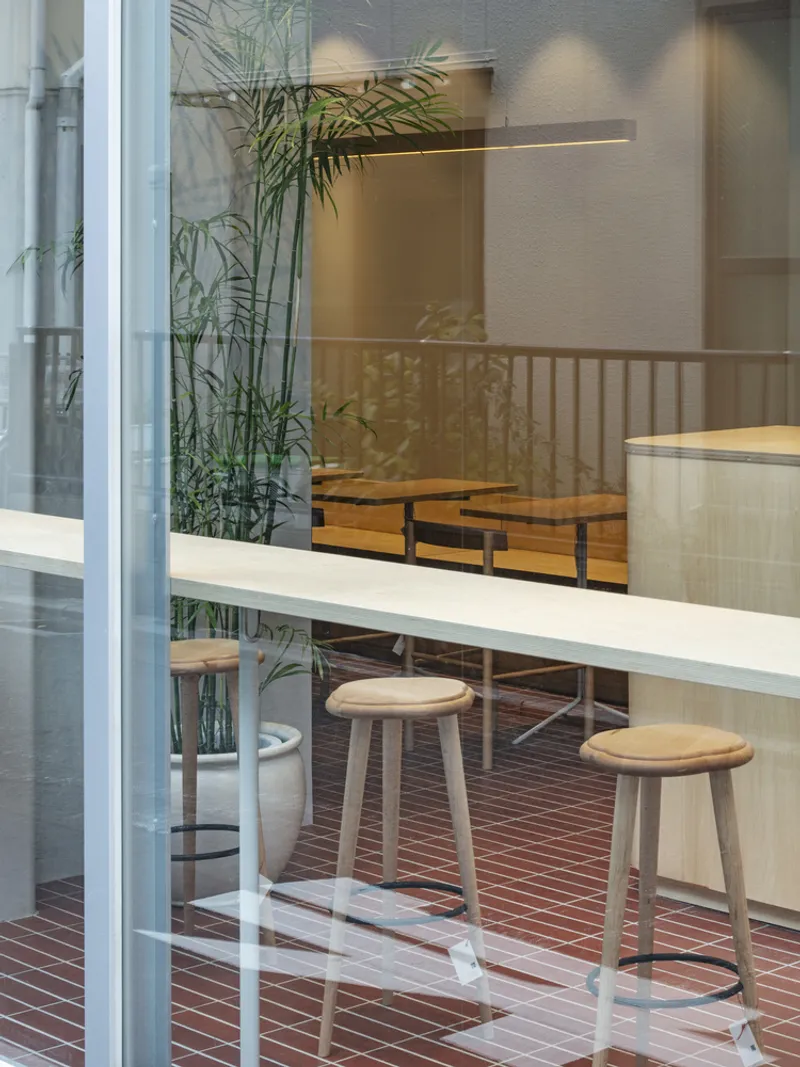
Design Focus: Natural Materials and the Client's Vision
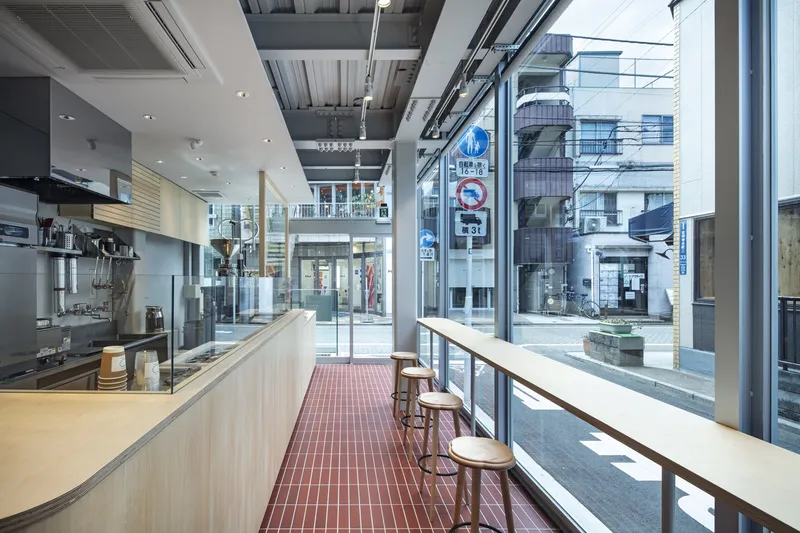
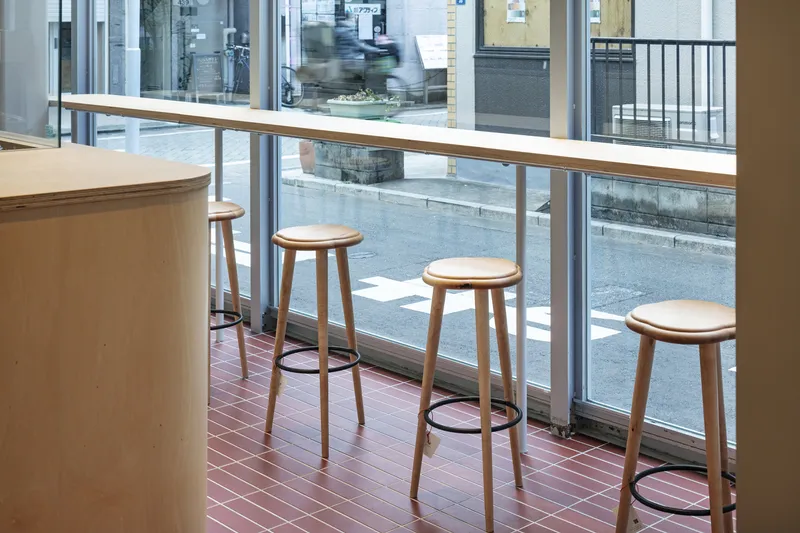
The architectural design of the café focuses on bringing the client’s philosophy of natural, additive-free soymilk to life. By incorporating natural textures like birch plywood for the furniture and porcelain red brick tiles for the flooring, the space resonates with the authentic and pure qualities of the soymilk. The colors and textures in the café mimic the hues of the soybeans used to create the drinks, creating a cohesive and immersive environment.
In addition to the natural materials, the large soymilk machine is prominently displayed behind a glass window, serving as the centerpiece of the café. This stainless steel machine, which looks almost like a laboratory apparatus, not only emphasizes the café’s commitment to handmade, artisanal products but also draws the attention of passersby. The machine's presence invites curiosity, making the space more than just a café but a destination that celebrates craftsmanship.
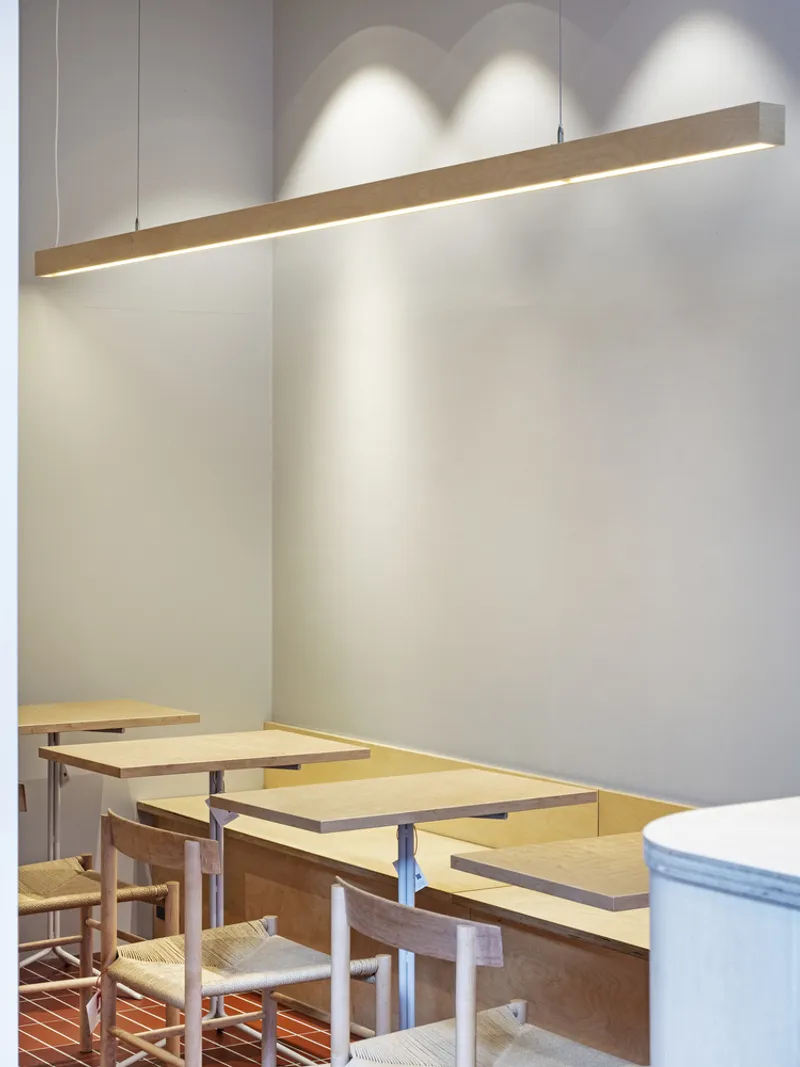
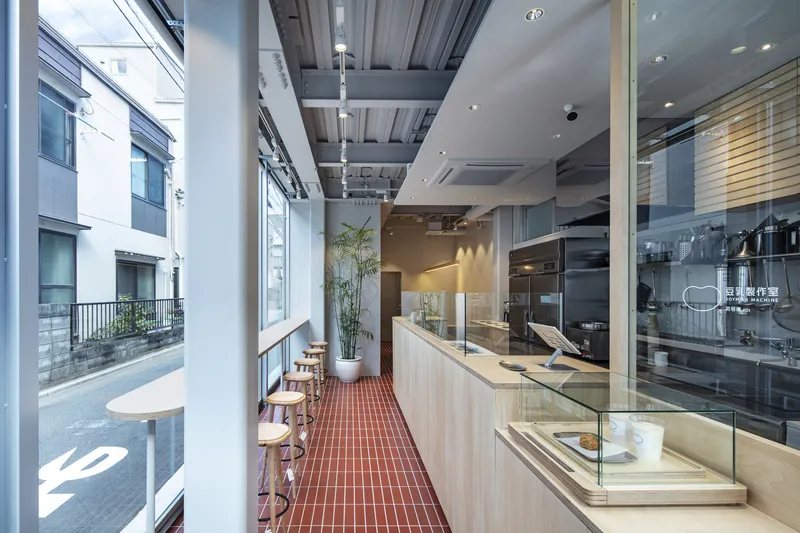
Open, Inviting, and Integrated with the City
The design of Tototo & Soymilk Café aims to blend seamlessly with its urban environment. The café features a counter and high tables that open up towards the street, offering a public space that encourages interaction with the surrounding community. The large glass windows allow the café to integrate with the city, while the open design invites people to stop by and enjoy the view of the bustling shopping district. The design hopes to create a sense of openness, blurring the boundaries between the café and the vibrant urban landscape of Kichijoji.
This unique blend of artisan craftsmanship and thoughtful design creates a welcoming environment where customers can experience soymilk in a space that reflects the purity and dedication of the product itself.
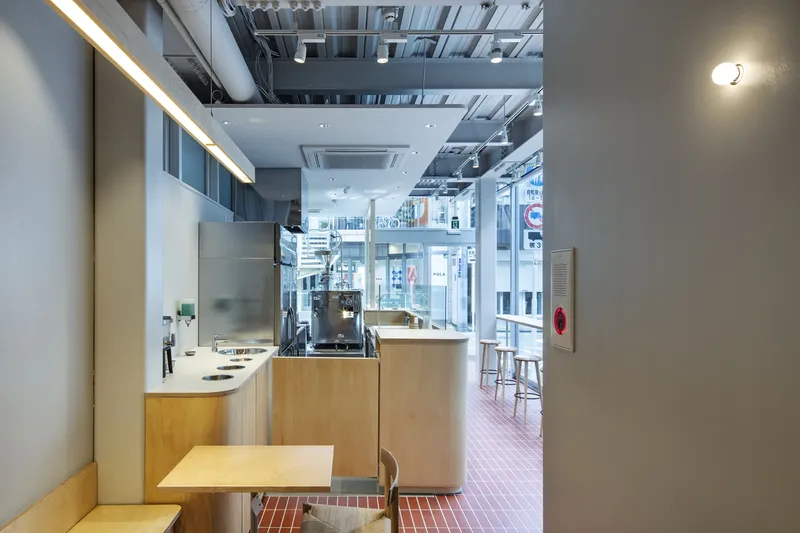
All Photographs are works of Kenta Hasegawa



Popular Articles
Popular articles from the community


The Ocean Hive: Sustainable Architecture for a Self-Sufficient Civilization at Sea
The Ocean Hive imagines sustainable architecture at sea, where modular habitats, algae, wave power and ocean waste sustain a growing colony.

Lunar Spiral: Space Architecture Shaped by the Mathematics of the Universe
Lunar Spiral reimagines space architecture through Fibonacci geometry, lunar regolith, levitating habitats, and self-sustaining Moon living.

Conexión: Biophilic Design Reimagines High-Rise Living in Hong Kong
Conexión reimagines high-rise living in Hong Kong through biophilic design, green facades, shared spaces, daylight, water and nature within.

Riyadh For All: Intergenerational Urban Design for Active Aging in Rabat
Riyadh For All reimagines urban design in Rabat with intergenerational co-living, adaptive courtyards, and Moroccan cultural exchange today.

Similar Reads
You might also enjoy these articles


Hodi-Mandai Geram
Project Function: Preservation and revitalization of the Intangible heritage and socio-spatial identity of the Hodi by Housing, Cultural Memory Center, Sacred Grove, landscape, local tourism economy


Olio Towers: A Mid-Rise for Performers That Fuses Housing, Rehearsal, and Stage
Located blocks from Houston's Theater District, this modular tower stacks living units around a central performance atrium.

Oasis: Modular Green Housing Carved into Dhaka's Urban Fabric
A shortlisted Plugin Housing entry reclaims unauthorized settlements in Dhaka with stepped concrete volumes, green roofs, and ventilation-driven design.

Black Hole: A Floating Megastructure for the Post-Physical Era
Emiliano Mazzarotto envisions a spherical, self-scaling arena where e-sports, digital hotels, and holographic stadiums replace traditional public space.


Explore Hospitality Building Competitions
Discover active competitions in this discipline



Challenge to reimagine the Iron Throne


Photograph architecture without architects


Illustrate the lost glory of Angkor Wat - Render Challenge


Design challenge to reuse E-waste
Comments (0)
Please login or sign up to add comments
No comments yet. Be the first to comment!