
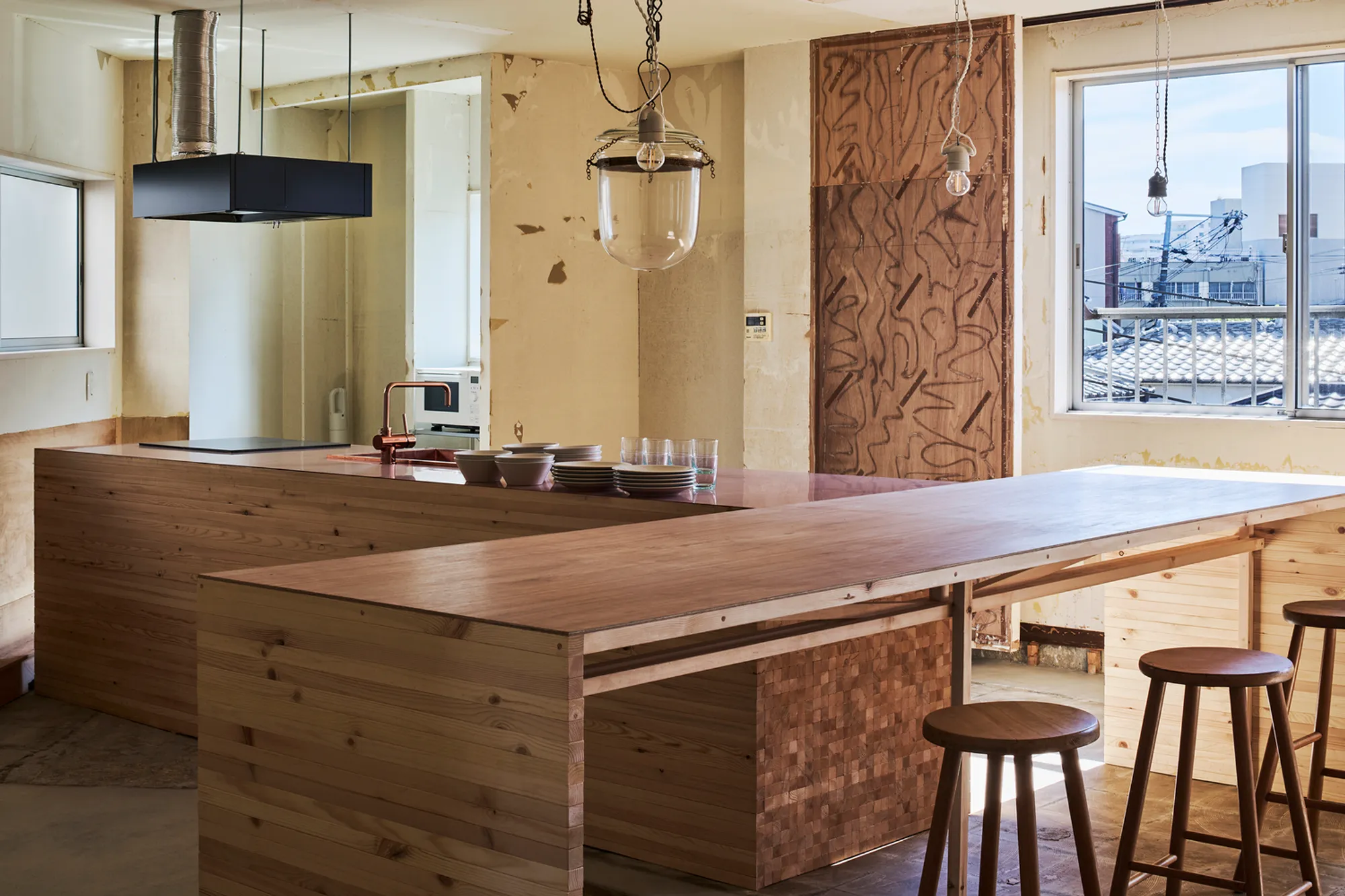
TOU Transient Hotel: Innovative Hospitality Design in Osaka by Hitotomori Architects and arinco architects
TOU Transient Hotel in Osaka blends home-like comfort with modern hospitality, balancing individuality, natural light, textures, and adaptive reuse design principles.


Located on the third floor of the renowned hair salon the hinc in Osaka, Japan, the TOU Transient Hotel represents a fresh approach to contemporary hospitality design. Completed in 2024 by Hitotomori Architects in collaboration with arinco architects, this 111 m² accommodation facility embodies a modern interpretation of “Wa” (和), or harmony—not in the traditional Japanese sense, but as a delicate balance of individuality, materiality, and spatial experience.
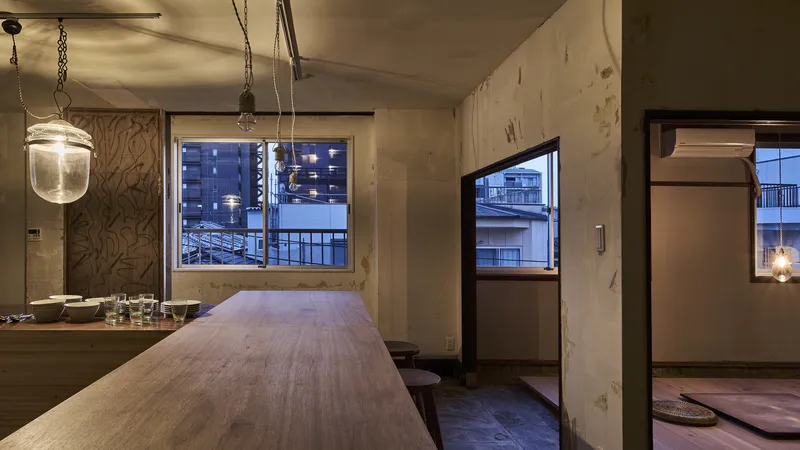
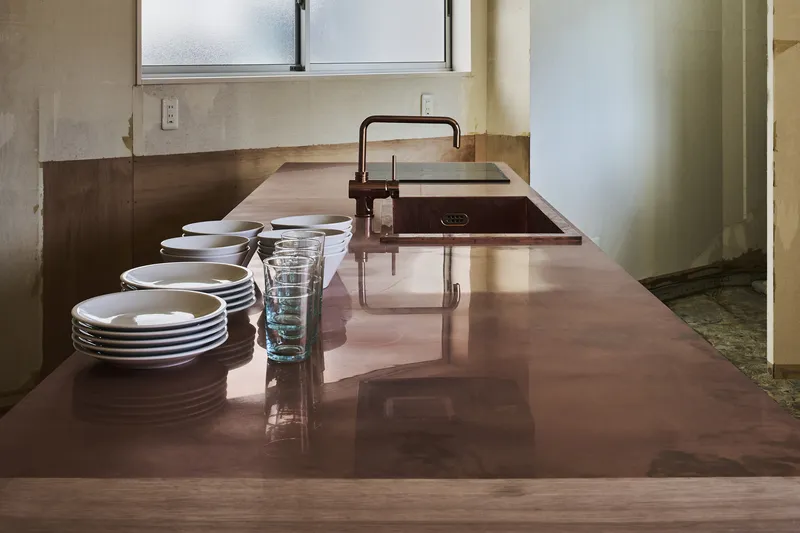
The design concept prioritizes the preservation of intrinsic elements while introducing innovative interventions to transform an existing building into a hybrid space that merges the comfort of home with the functionality of a hotel. By carefully analyzing and evaluating the building’s original potential, the architects curated a thoughtful dialogue between natural light, textures, and surrounding architectural features. Even details like the texture of the neighboring building’s wall were considered part of this harmonious composition.
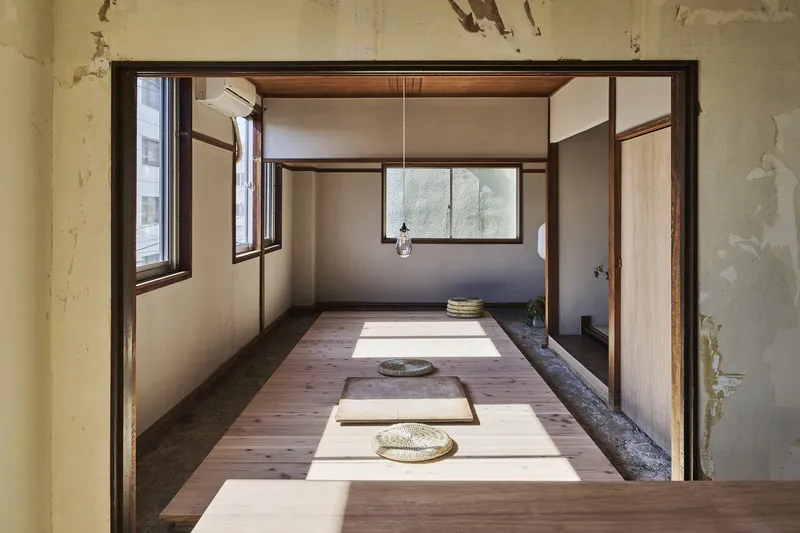

Instead of altering the original layout, the design team stripped back finishes and reimagined the space to provide new functional purposes. The interiors showcase a curated mix of furniture, lighting, and artistic elements that maintain the individuality of each component while contributing to a cohesive spatial experience. The result is a unique accommodation that feels both intimate and dynamic—a modern transient hotel that redefines urban hospitality in Osaka.
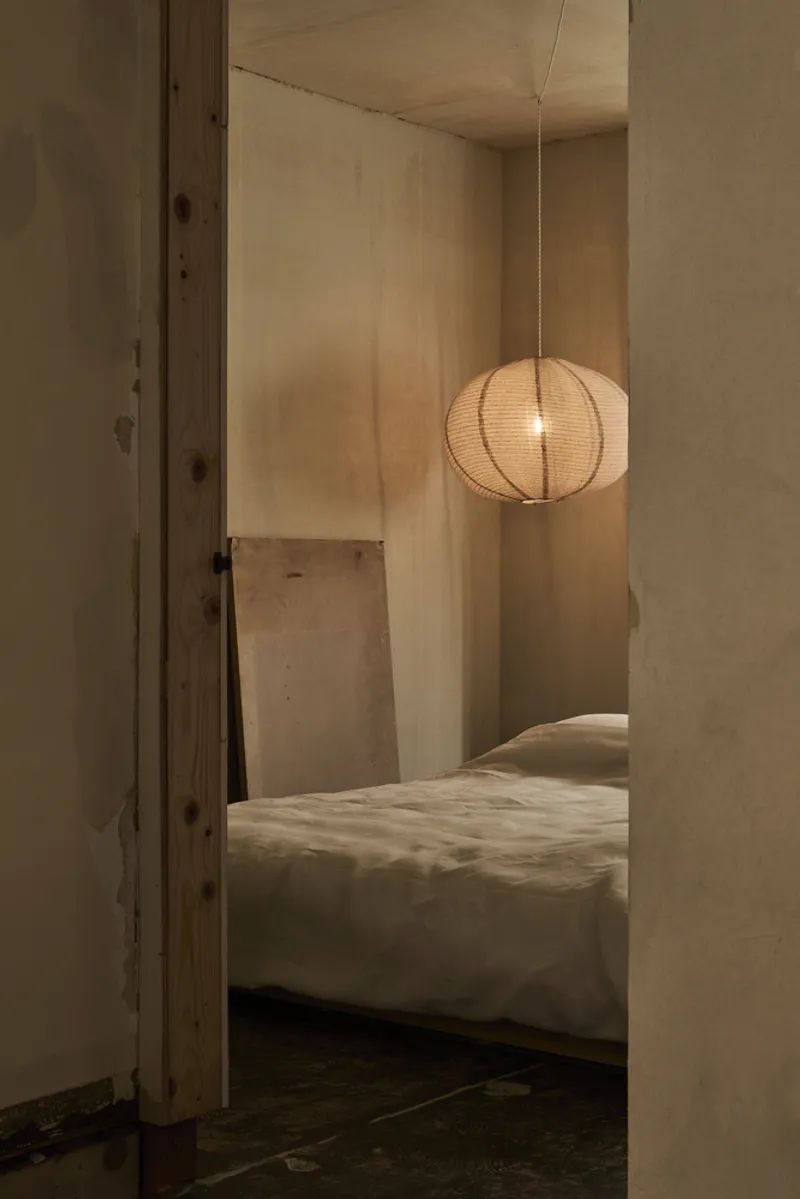
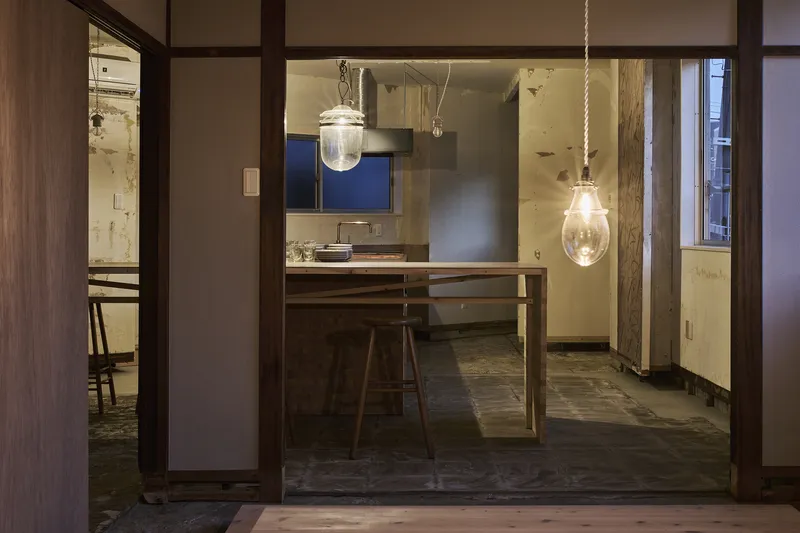
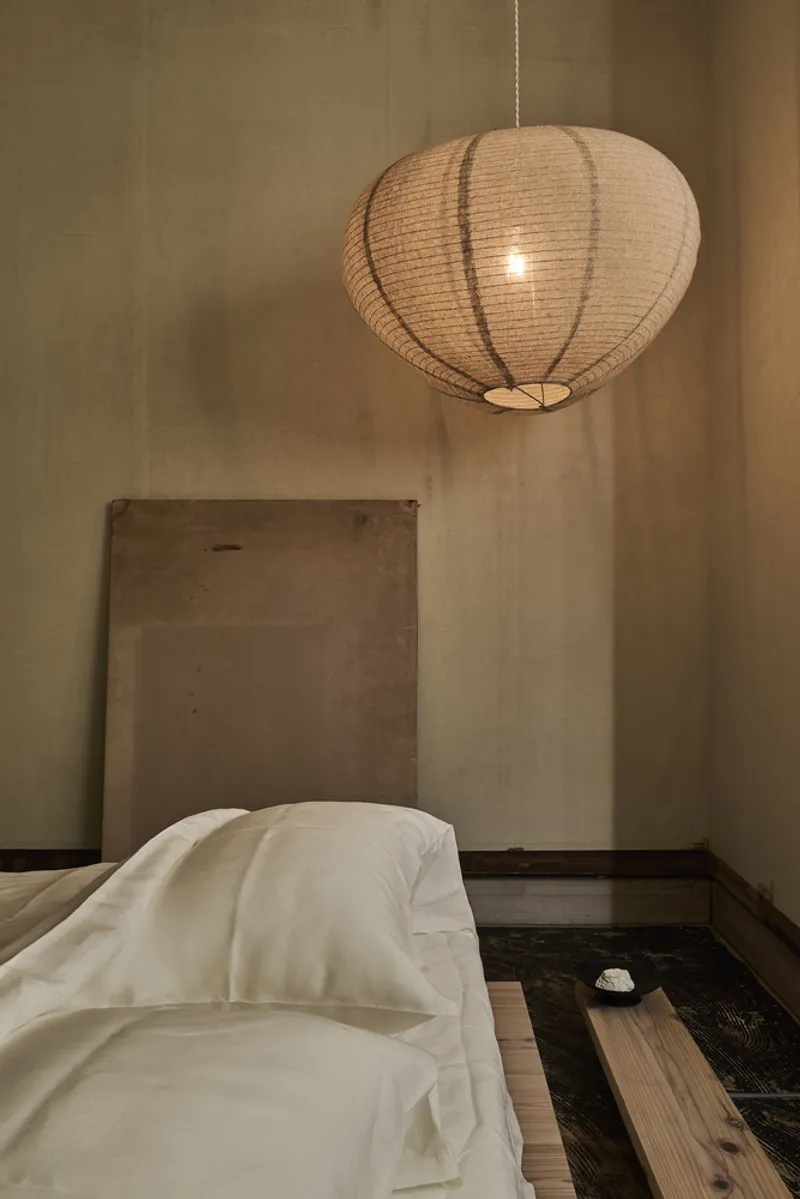
Key features of TOU Transient Hotel include thoughtfully designed bedrooms, kitchen areas, and communal spaces, emphasizing natural light, material authenticity, and functional simplicity. The collaboration between Hitotomori Architects and arinco architects demonstrates how adaptive reuse can create accommodations that are environmentally conscious, culturally sensitive, and aesthetically compelling.
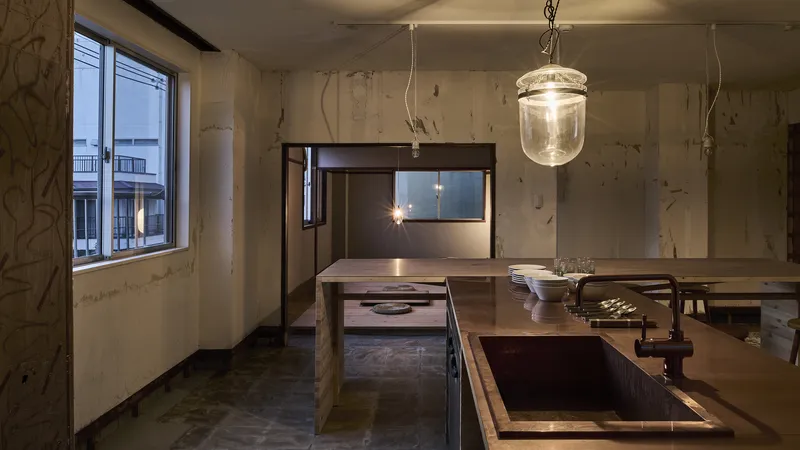
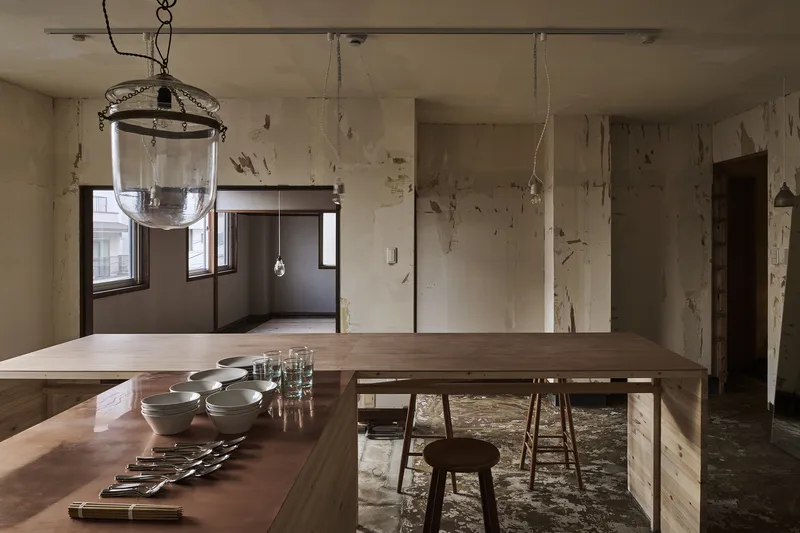
Photography by Hiroki Kawata captures the warmth and detail of the interiors, highlighting the harmonious blend of textures, beams, windows, and furniture that define this contemporary Osaka hotel. The construction was executed by LOOWE, ensuring precision in bringing this innovative vision to life.
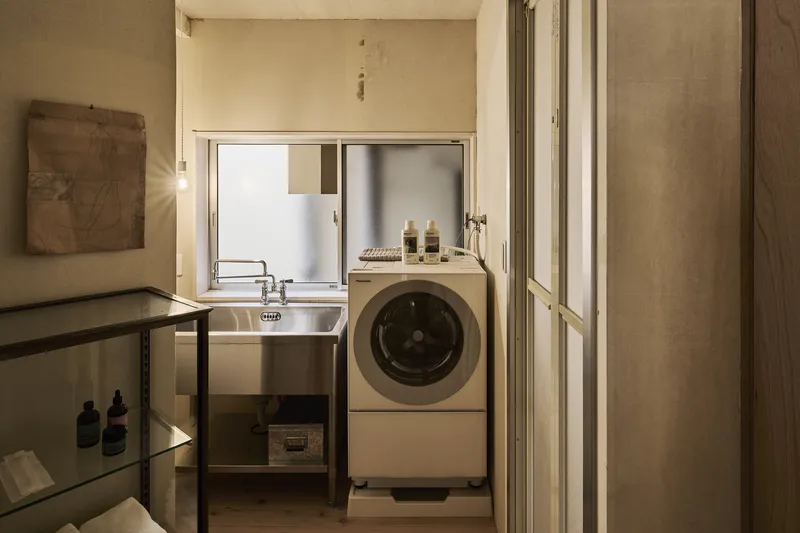
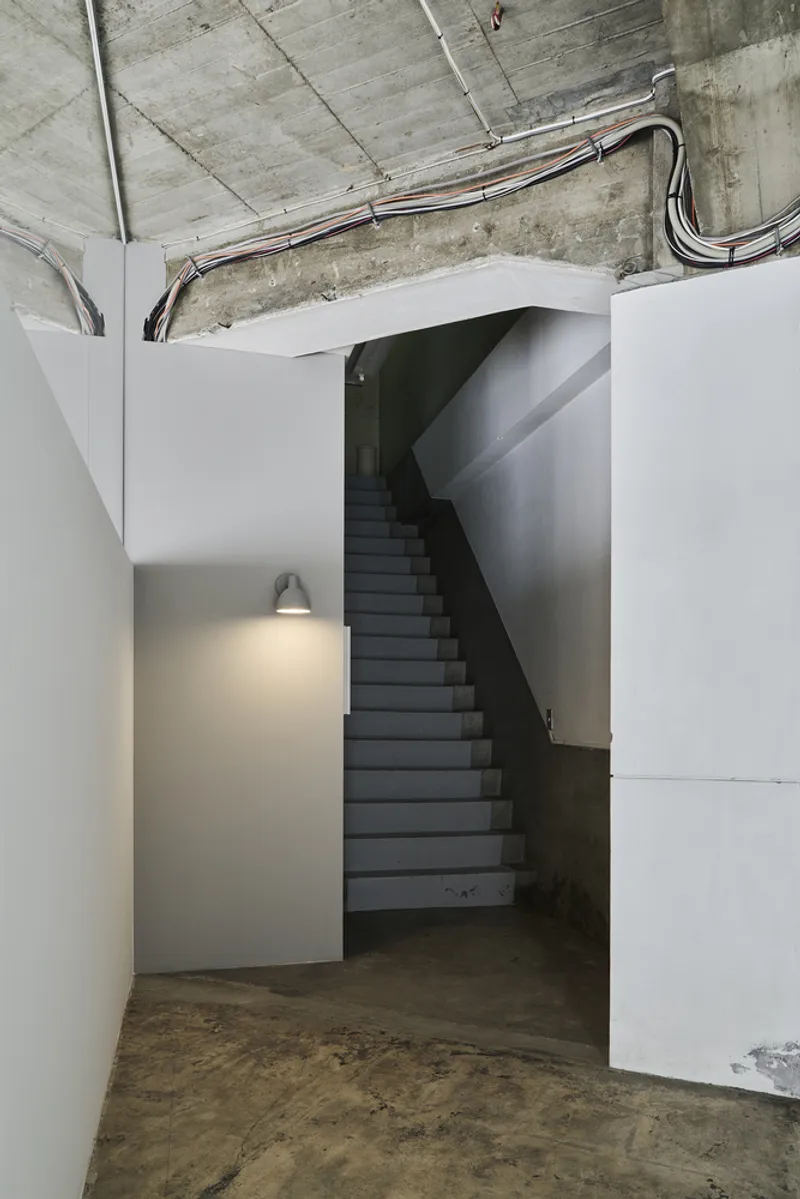
All photographs are works of Hiroki Kawata




Popular Articles
Popular articles from the community


Play: Fragments of Their World
Familiar architecture becomes modular playground design, creating safe spaces where displaced children can learn, connect, imagine and play.

Conexión: Biophilic Design Reimagines High-Rise Living in Hong Kong
Conexión reimagines high-rise living in Hong Kong through biophilic design, green facades, shared spaces, daylight, water and nature within.

Hill & Cross Opera: Sculptural Opera House Architecture Shaped by Tallinn’s Landscape and Identity
Hill & Cross Opera reimagines opera house architecture in Tallinn through its sculptural hill, civic plaza, glass wave and a luminous cross.

The Earth Pod: 3D Printed Homes for Resilient Refugee Communities
The Earth Pod reimagines refugee housing through 3D printed homes made from clay, combining resilience, self-sufficiency, and rapid shelter.


Similar Reads
You might also enjoy these articles


Hodi-Mandai Geram
Project Function: Preservation and revitalization of the Intangible heritage and socio-spatial identity of the Hodi by Housing, Cultural Memory Center, Sacred Grove, landscape, local tourism economy


Olio Towers: A Mid-Rise for Performers That Fuses Housing, Rehearsal, and Stage
Located blocks from Houston's Theater District, this modular tower stacks living units around a central performance atrium.

Oasis: Modular Green Housing Carved into Dhaka's Urban Fabric
A shortlisted Plugin Housing entry reclaims unauthorized settlements in Dhaka with stepped concrete volumes, green roofs, and ventilation-driven design.

Black Hole: A Floating Megastructure for the Post-Physical Era
Emiliano Mazzarotto envisions a spherical, self-scaling arena where e-sports, digital hotels, and holographic stadiums replace traditional public space.


Explore Tetsuo Kobori Architects Competitions
Discover active competitions in this discipline



Challenge to reimagine the Iron Throne


Photograph architecture without architects


Illustrate the lost glory of Angkor Wat - Render Challenge


Design challenge to reuse E-waste
Comments (0)
Please login or sign up to add comments
No comments yet. Be the first to comment!