
TRACES Installation at SHIFT: Chicago Architecture Biennial 2025 — Reframing Memory Through Impermanent Architecture
A dry-stacked brick installation in Jackson Park tracing the 1893 World’s Fair footprint, rethinking permanence, memory, and contemporary architectural values.

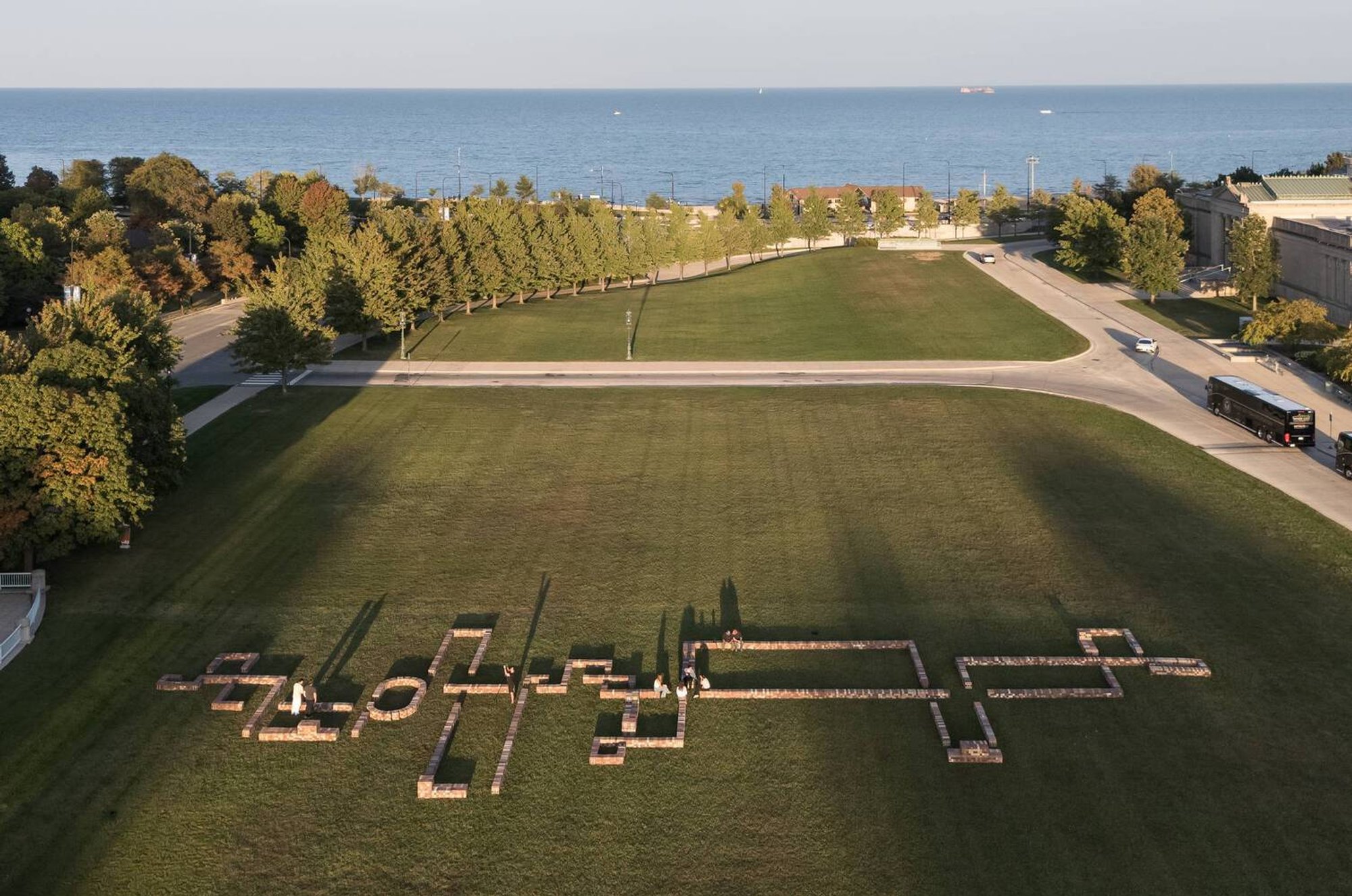
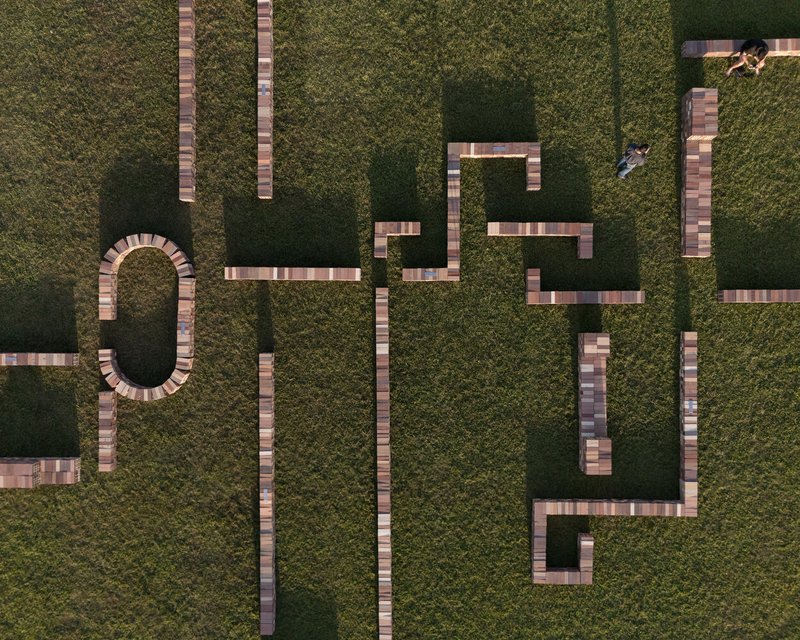
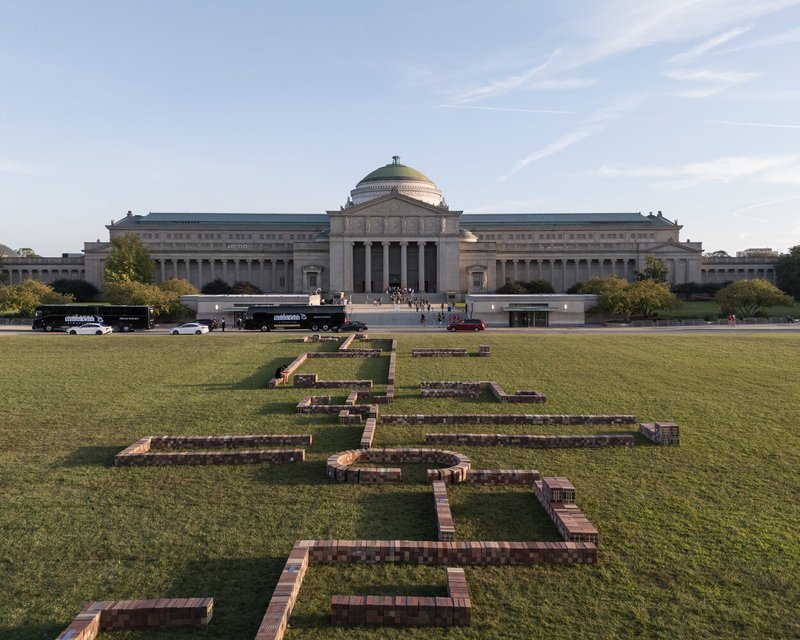
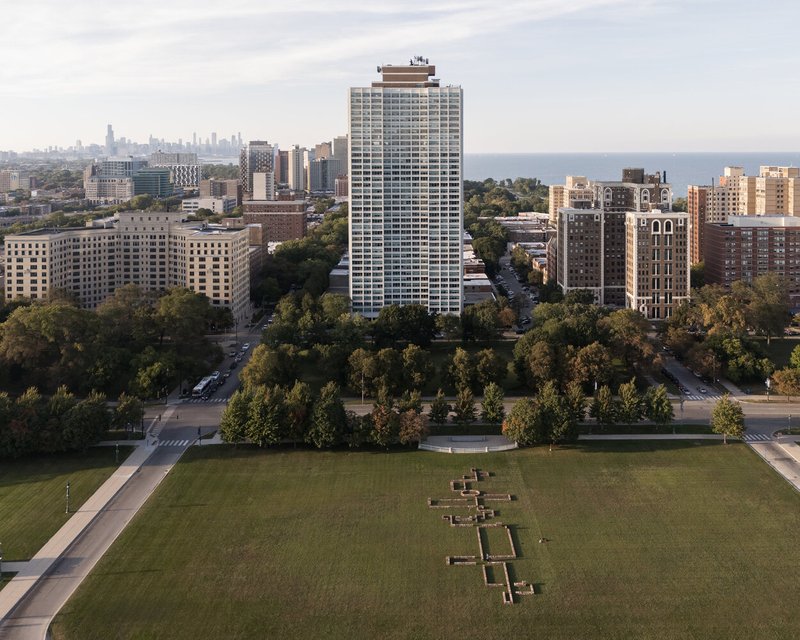
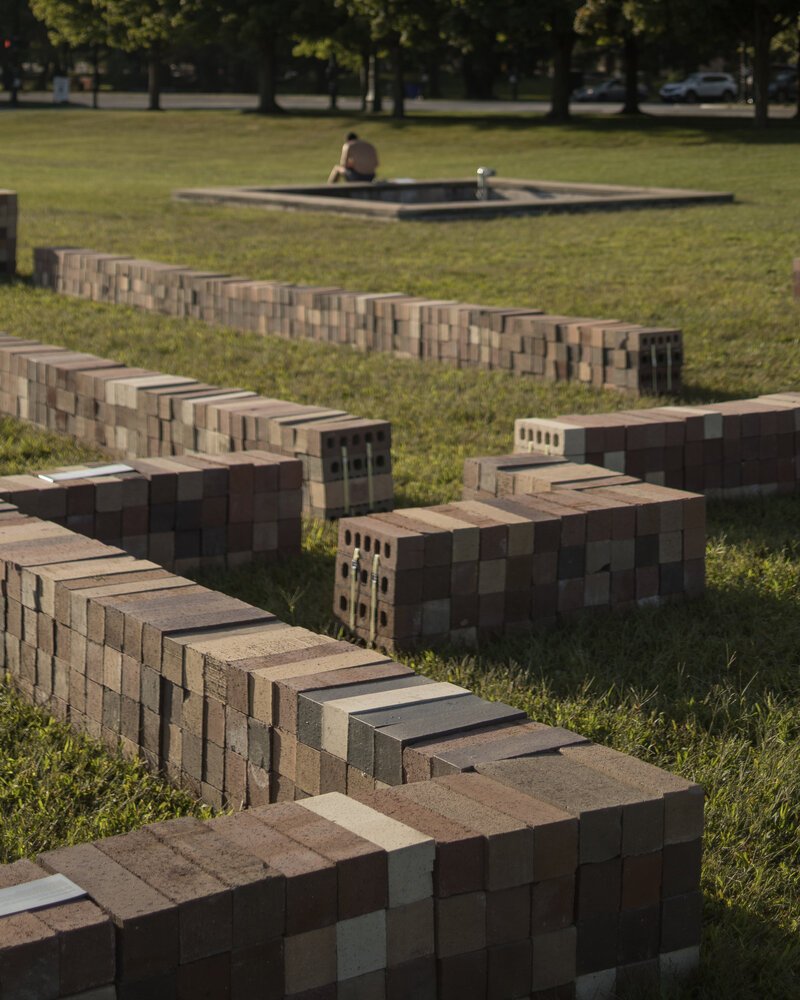
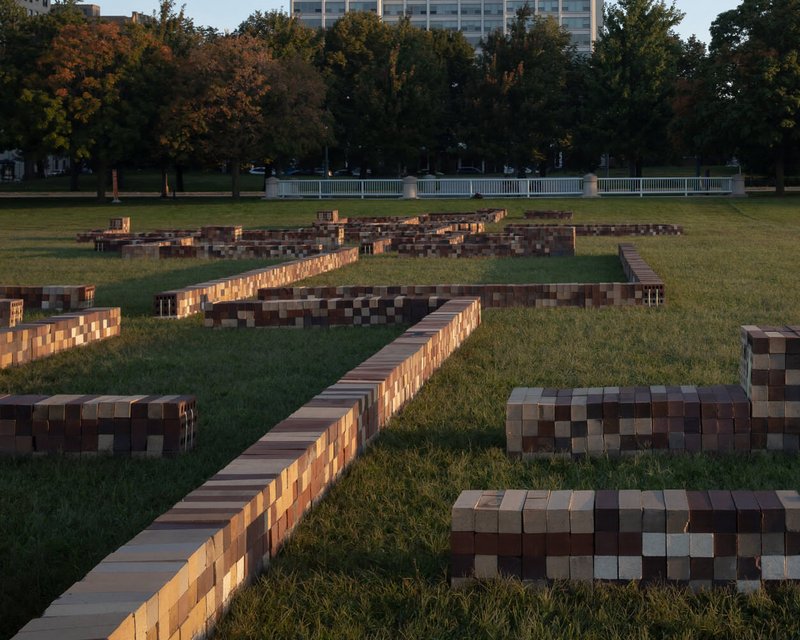
Traces, designed by Balsa Crosetto Piazzi in collaboration with Giorgis Ortiz, is a temporary installation for the SHIFT: Chicago Architecture Biennial 2025, curated by Valentina Díaz. Located within Chicago’s Jackson Park, the project transforms 10,000 dry-stacked bricks into a contemplative public space that questions how architecture remembers, reconstructs, and reframes historical narratives.
Revisiting the Legacy of the 1893 Chicago World’s Fair
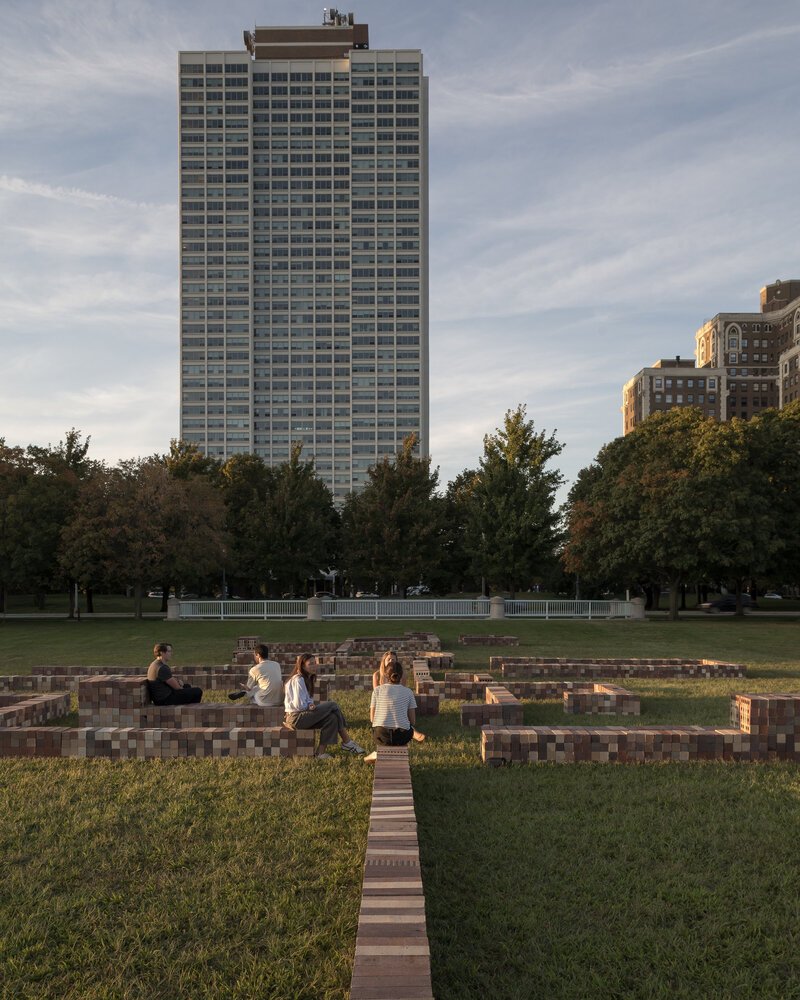
Set on the grounds of the 1893 Chicago World’s Fair, the installation invites visitors to reflect on the monumental scale and theatricality of the historic exposition. Many original buildings at the fair were celebrated as iconic neoclassical architecture, yet they were never intended to last. They were temporary structures, dressed with white spray paint and plaster to imitate stone and permanence.
Traces uses this history as both anchor and critique, revealing the contrast between the fair’s grand illusions and the ephemeral realities behind them. The installation asks: What does permanence mean when architectural significance outlives the materials themselves?
Dry-Stacked Brick as a Tool for Collective Memory
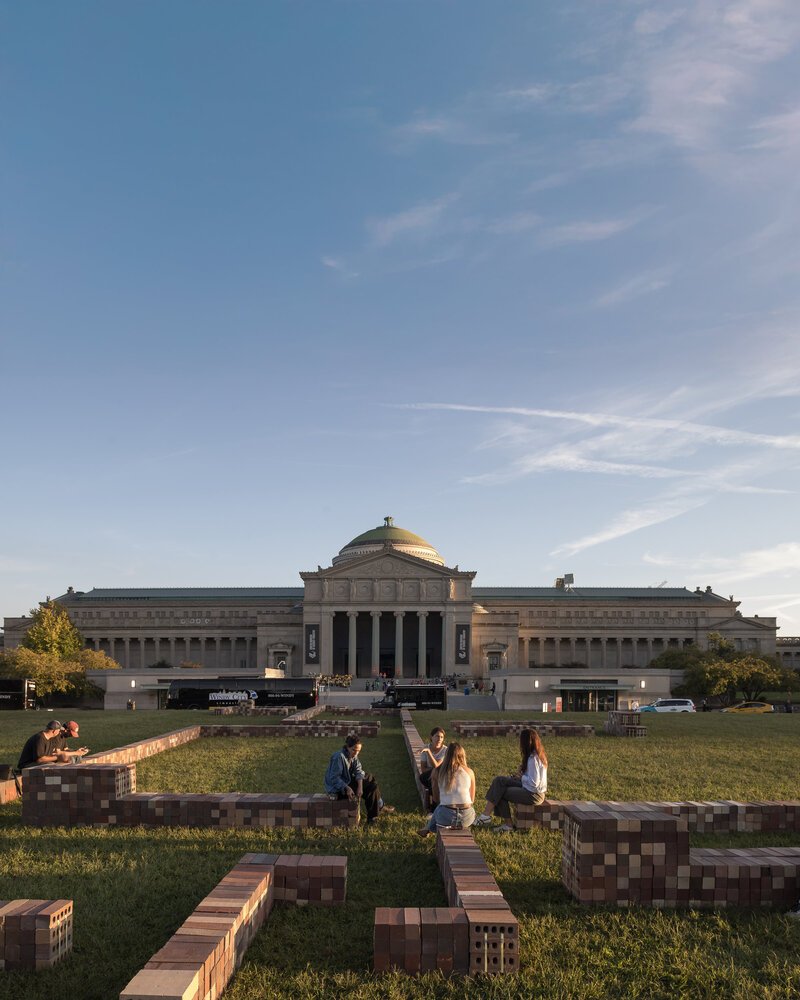
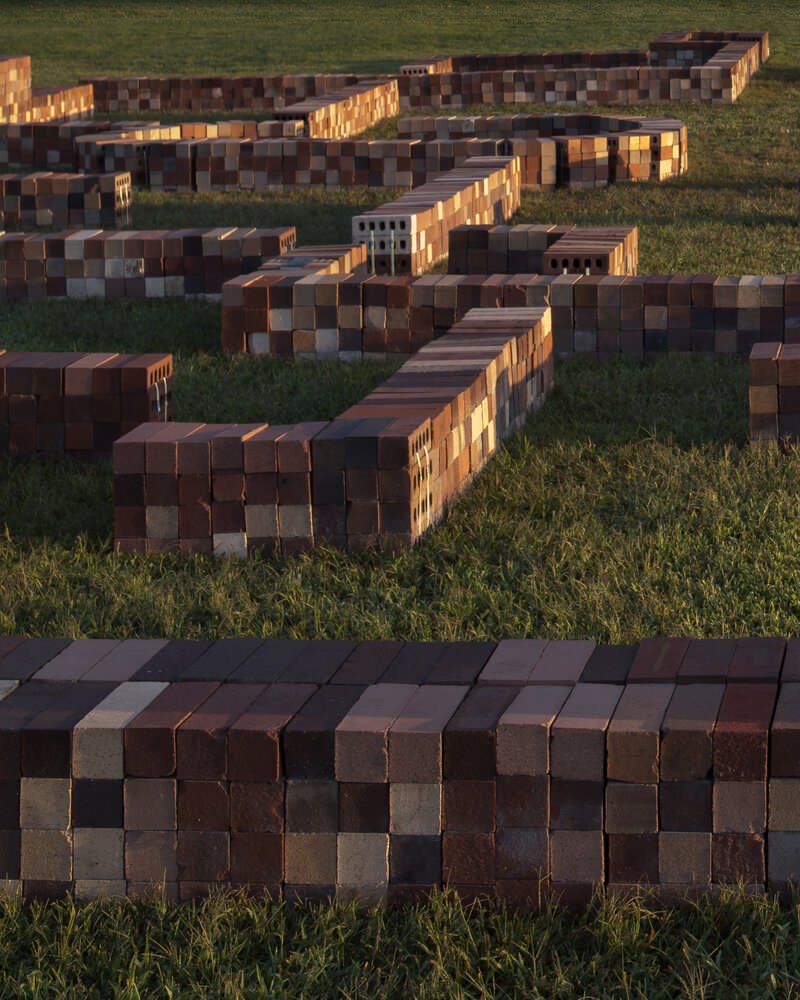
Constructed entirely from 10,000 unbound, dry-stacked bricks, Traces becomes a new form of collective public space—both grounded and temporary. The technique reinforces a conceptual shift in contemporary architecture: a move away from monumental permanence and toward circularity, reuse, adaptability, and material honesty.
By choosing a material traditionally associated with longevity yet arranging it without mortar, the designers create a deliberate tension. Brick becomes a medium for impermanence, allowing the installation to be assembled, adapted, or deconstructed without waste. This approach echoes broader movements in sustainable and regenerative design, aligning with the Biennial’s focus on ecological responsibility and alternative construction methods.
A Physical Line that Redraws Lost Architecture
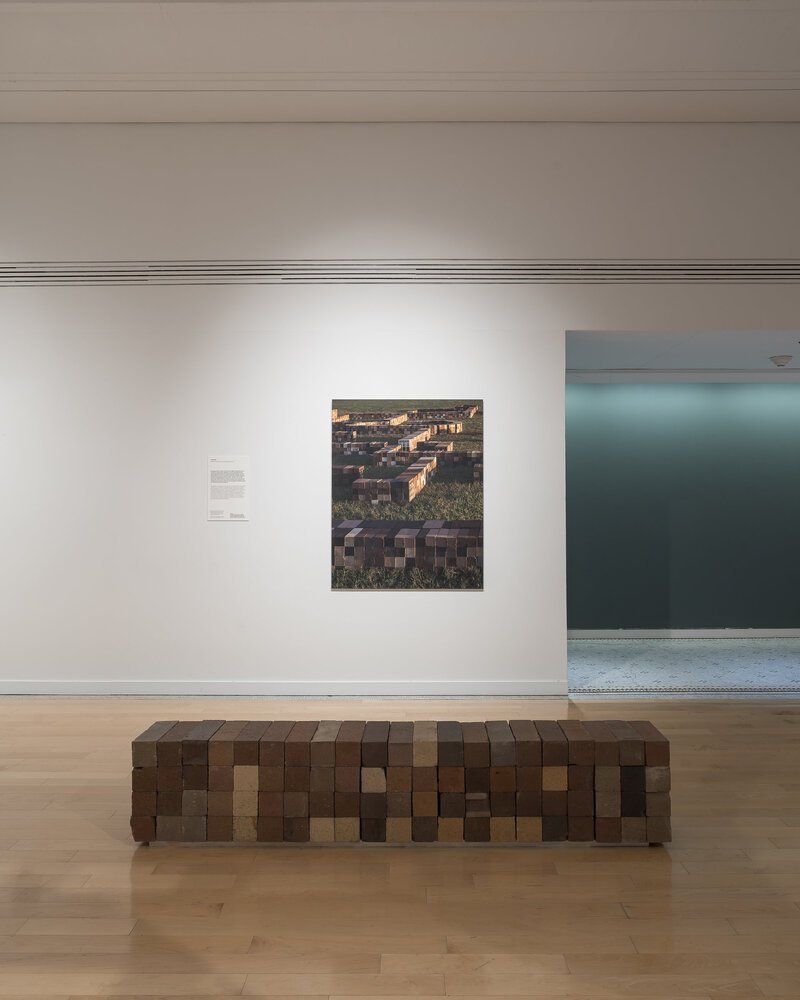
The installation forms a long, shallow brick outline—an architectural trace—mapping the original Great Buildings that once stood at the core of the 1893 exposition. This minimalist gesture transforms absence into presence, giving form to places that have vanished while resisting the impulse to nostalgically reconstruct them.
Instead, Traces acts as:
- A curated reconstruction that honors the past without replicating it
- A conceptual framework for future public use and interpretation
- A flexible gathering space shaped by community presence rather than historical spectacle
The spatial experience encourages movement, pause, and reflection, transforming the brick line into a participatory landscape within Jackson Park.
From Spectacle to Substance: A Contemporary Architectural Critique
Through its material approach and quiet spatial language, Traces offers a pointed critique of architectural values—past and present. The project reframes the fair’s original ambitions, shifting focus from grandeur and illusion to:
- Material transparency
- Adaptable construction methods
- Collective engagement with public space
- Architecture as process rather than performance
This transformation embodies a shift from permanence as visual effect to impermanence as intentional, meaningful design strategy.
A Living Installation Activated by the Chicago Architecture Biennial
As part of the 2025 Chicago Architecture Biennial, Traces becomes a platform for interaction, dialogue, and community engagement. Rather than serving as a static exhibit, the installation evolves as visitors use, reinterpret, and activate the space. It stands as both a memory of what was lost and a prompt for future possibilities in the ongoing narrative of Jackson Park.




Popular Articles
Popular articles from the community

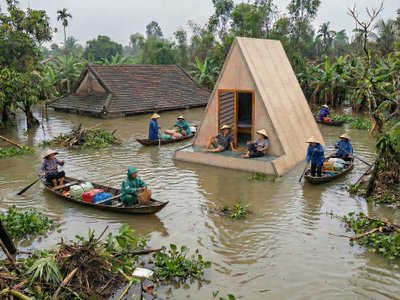
CTA | Creative Architects Designs Triangular Floating Shelters for Vietnam's Flood-Ravaged Communities
A timber-louvered triangular shelter rises on concrete pontoons to keep Vietnamese families safe and together when floodwaters come.
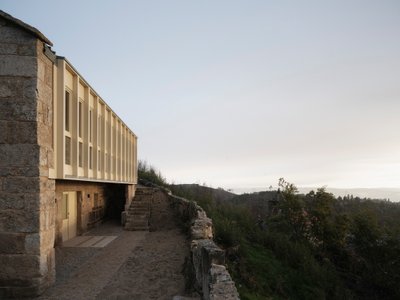
Three Architects Stitch a Social Center into a Crumbling Galician Hamlet
In Muimenta, Spain, timber and plywood volumes graft onto granite ruins to anchor a rural revitalization effort.
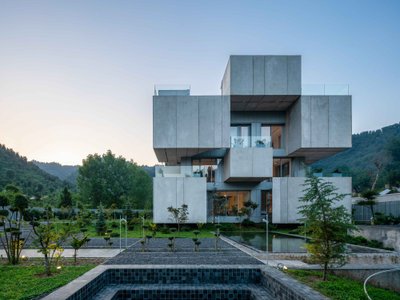
Bood Design Bureau Splits a Gilan Residence in Two to Let the Forest In
Double Side House negotiates privacy and openness through interlocking concrete volumes and planted courtyards in northern Iran's humid Caspian lowlands.
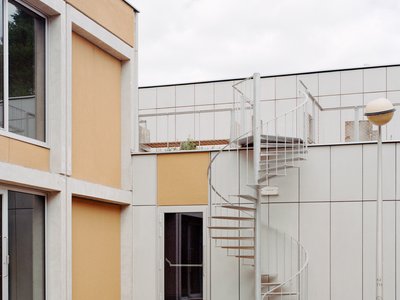
MAKER architecten Rewire a 1972 Brutalist Dormitory on the VUB Campus as a Living Lab
A modular renovation strategy in Belgium breathes new life into Willy Van Der Meeren's modernist student housing without erasing its concrete bones.


Similar Reads
You might also enjoy these articles

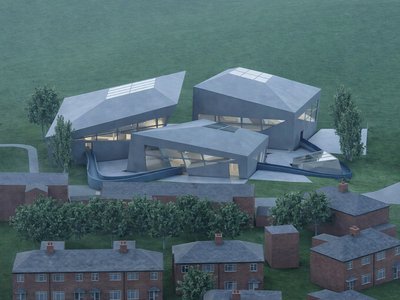
Filtering Space: A Gradual Spatial Experience
From urban intensity to spatial calm.


The Ken Roberts Memorial Delineation Competition (Krob)
As the most senior architectural drawing competition currently in operation anywhere in the world, it draws hundreds of entries each year, awarding the very best submissions in a series of medium-based categories.

Waterfront Redevelopment and Urban Revitalization in Mumbai: Forging a New Dawn for Darukhana
A transformative waterfront redevelopment project reimagining Darukhana’s shipbreaking heritage into an inclusive urban future.

OUT-OF-MAP: A Call for Postcards on Feminist Narratives of Public Space
Rhizoma Design and Research Lab invites artists, designers, architects, researchers, and students to reflect on how feminist perspectives can reshape public space. Selected works will be exhibited in Barcelona, October 2026. Submissions open until 15 April 2026.


Explore Architecture Competitions
Discover active competitions in this discipline




The International Standard for Design Portfolios


The Global Benchmark for Architecture Dissertation Awards


The Global Benchmark for Graduation Excellence


Challenge to reimagine the Iron Throne
Comments (0)
Please login or sign up to add comments
No comments yet. Be the first to comment!