
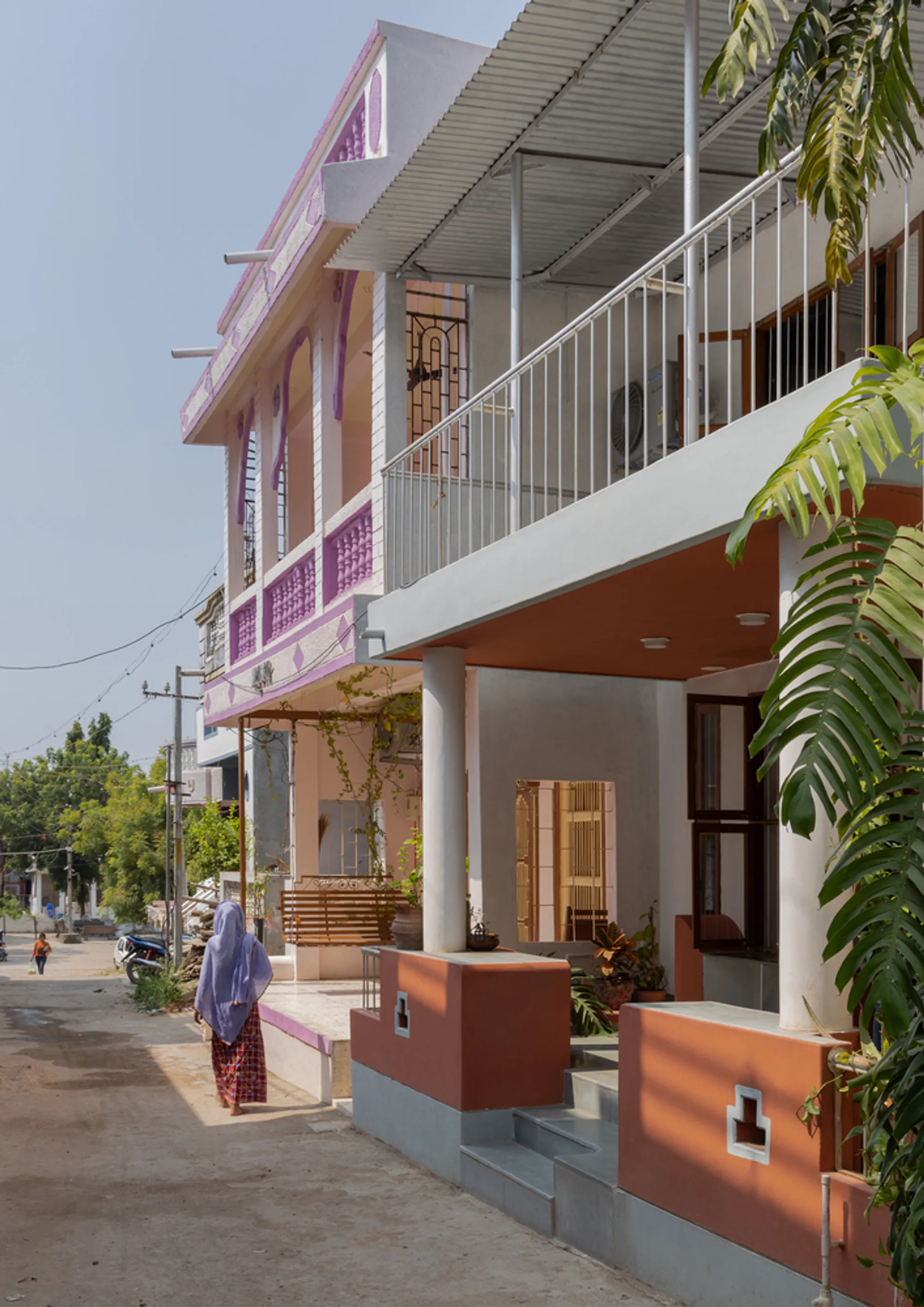
Traditional Indian Village House Design: Embracing Heritage and Modernity
Explore the architectural marvel of Continuum House in Kurali, India, as Project Terra seamlessly preserves heritage while embracing innovative design solutions.


Discover the architectural masterpiece known as the Continuum House in Kurali, India, designed by Project Terra. This residence, spanning 2500 ft² and completed in 2023, stands as a testament to the seamless fusion of tradition and modernity. Lead architects Jay Patel and Rutvi Patel, along with the Project Terra team, have artfully crafted a dwelling that pays homage to ancestral heritage while adapting to contemporary necessities.
Embracing Heritage and Evolution
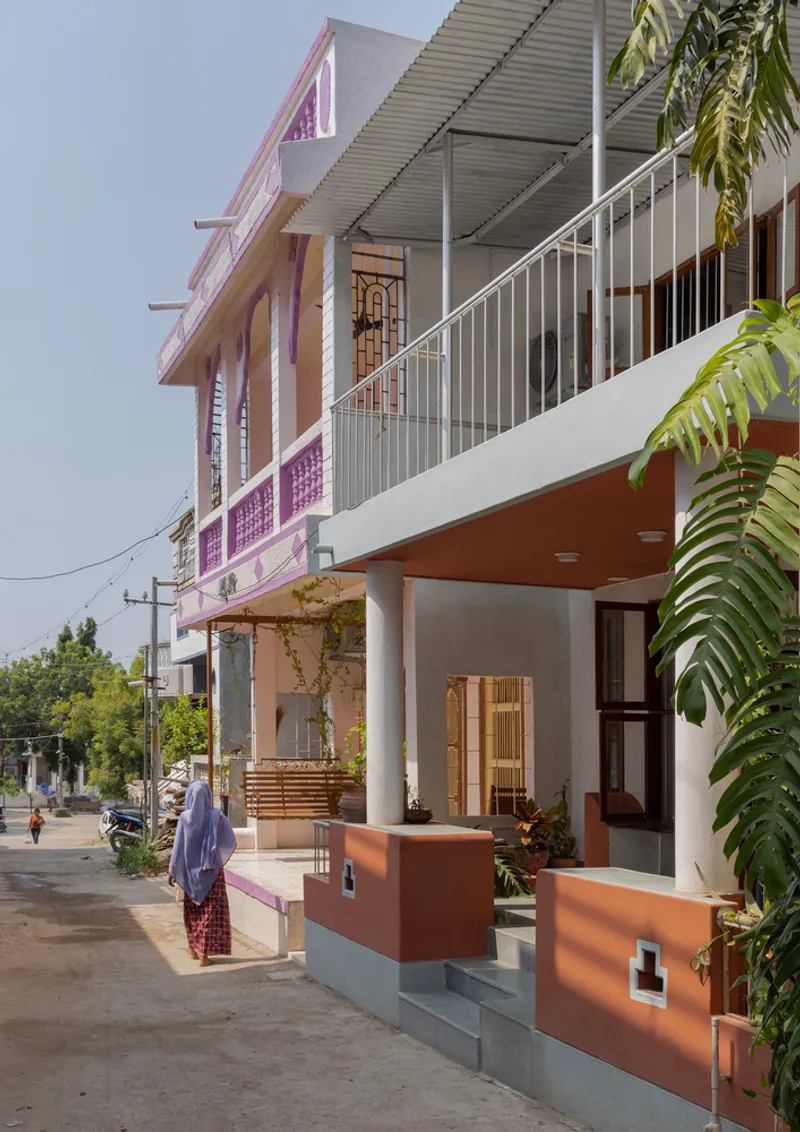
The Continuum House embodies a narrative steeped in legacy preservation and contemporary integration. Its design ethos revolves around revering ancestral heritage and threading a seamless fusion of tradition and modernity. Nestled amidst village environs, the linear plan signifies a deliberate homage to historical context, harmonizing past and present in an architectural masterpiece that champions conservation.

Challenges and Preservation Efforts
The project encountered challenges in preserving adobe brick foundations, requiring a delicate balance between retaining existing foundations and erecting new walls. Salvaging intricately carved elements and wood for future use became a cornerstone of the preservation efforts. Linear plot dimensions demanded meticulous attention, prompting innovative solutions to ensure structural integrity and optimal living conditions within the confined space.
Ingenuity in Construction
The construction of the Continuum House showcased ingenuity and considered design, blending simplicity, local expertise, and a commitment to lasting quality. To address the absence of skilled RCC workers, a structural innovation emerged: a steel framework with I and T sections complemented by Kota stone slabs, ensuring resilience and adaptability for the future. Lime plaster, chosen for its harmonious integration with the original walls, promised cohesion and a lifespan exceeding a century.
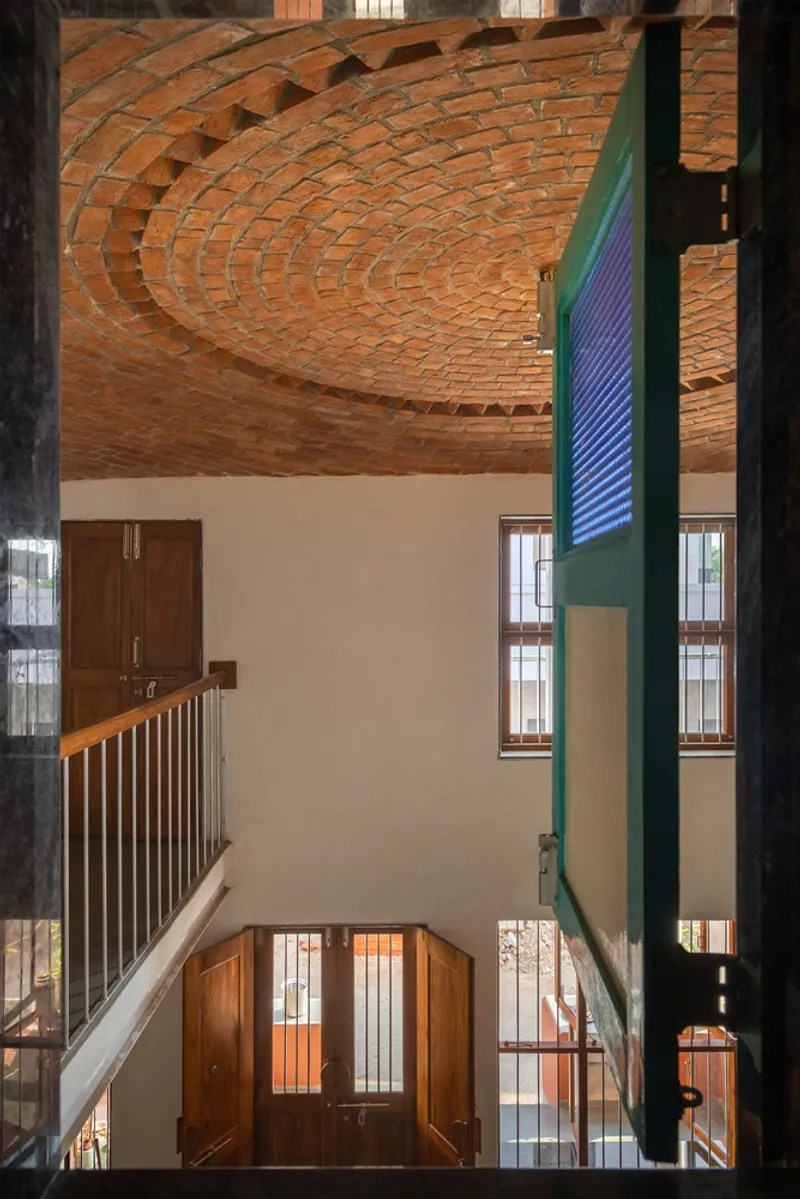
Shallow Brick Dome Technique
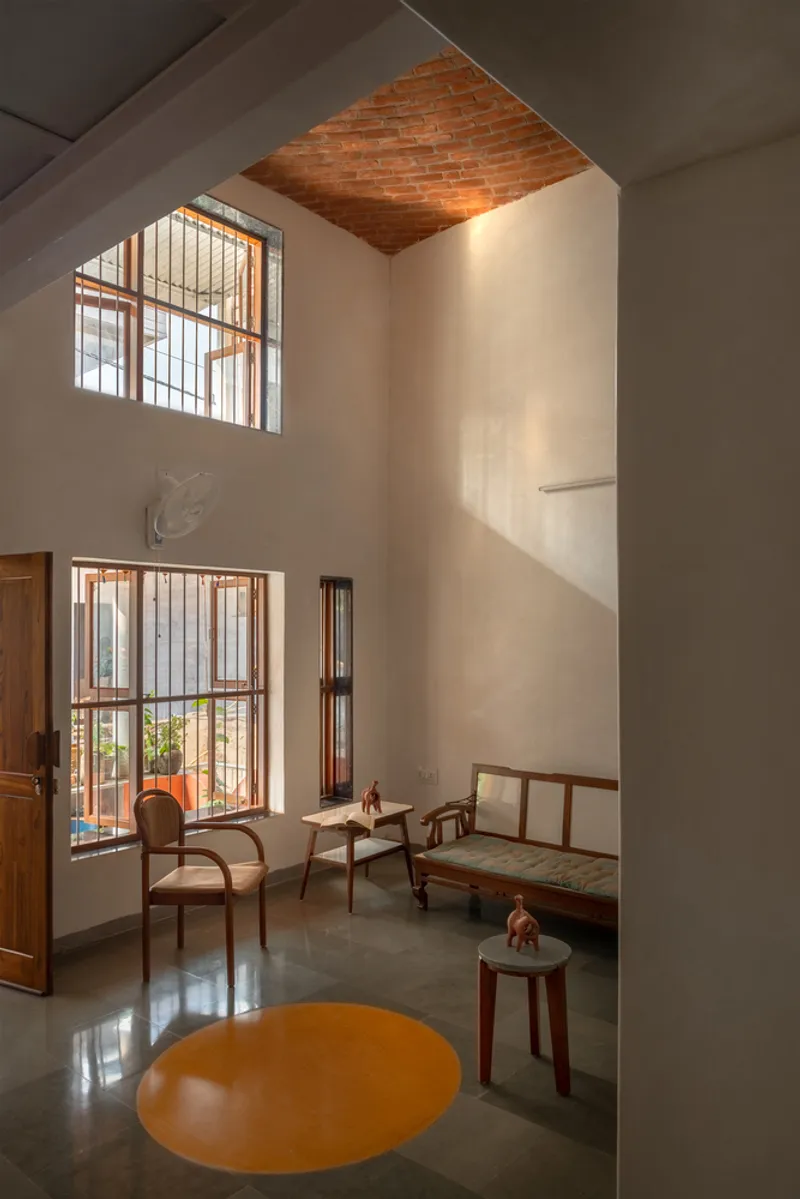
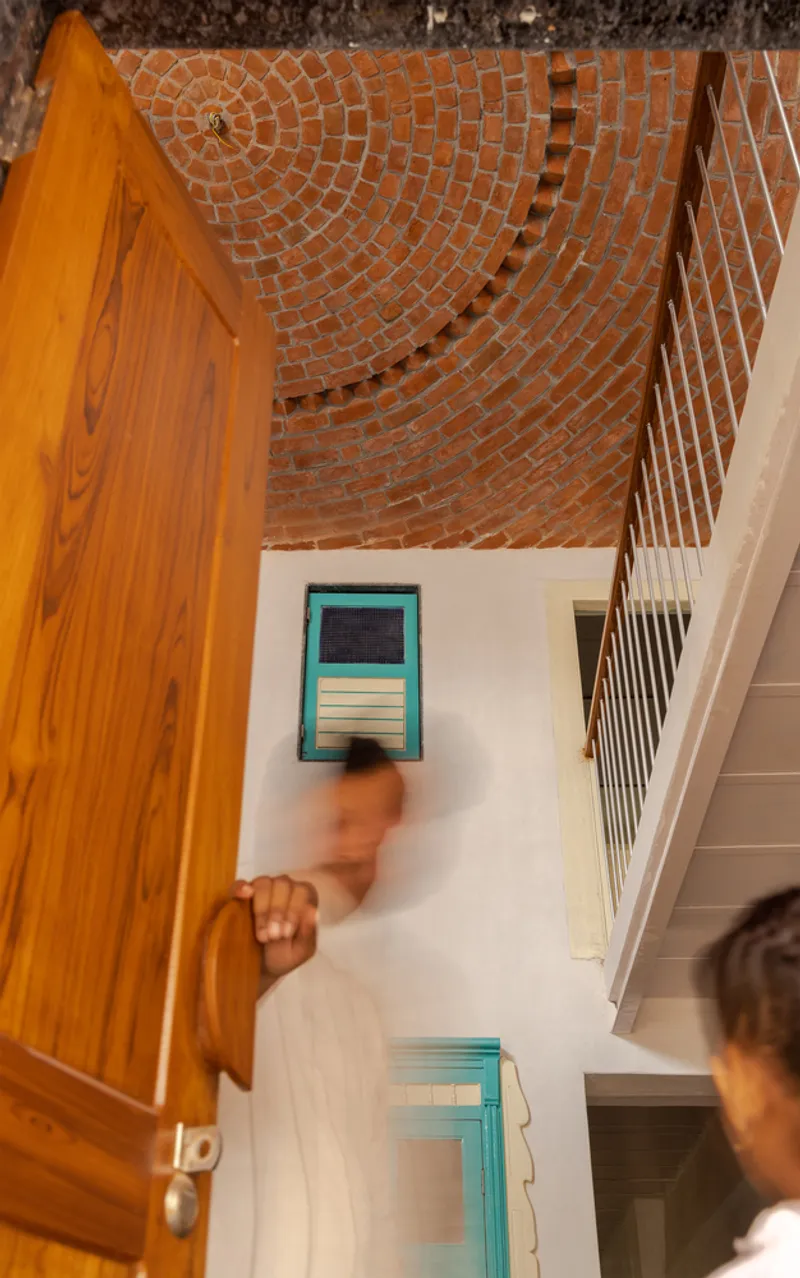
Introducing the shallow brick dome technique, inspired by fading craftsmanship from Rohtak, became a surprising revelation during construction. This innovative approach drew in the entire village and architecture enthusiasts, becoming a beacon of inspiration for visitors and future generations alike. The amalgamation of local craftsmanship and forward-thinking practices not only honored tradition but also contributed to the sustainability of the structure.
Design Features and Community Integration
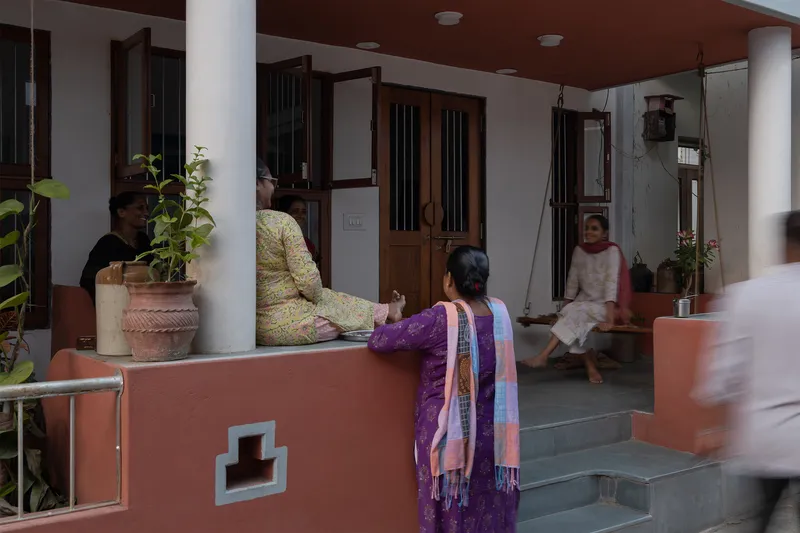
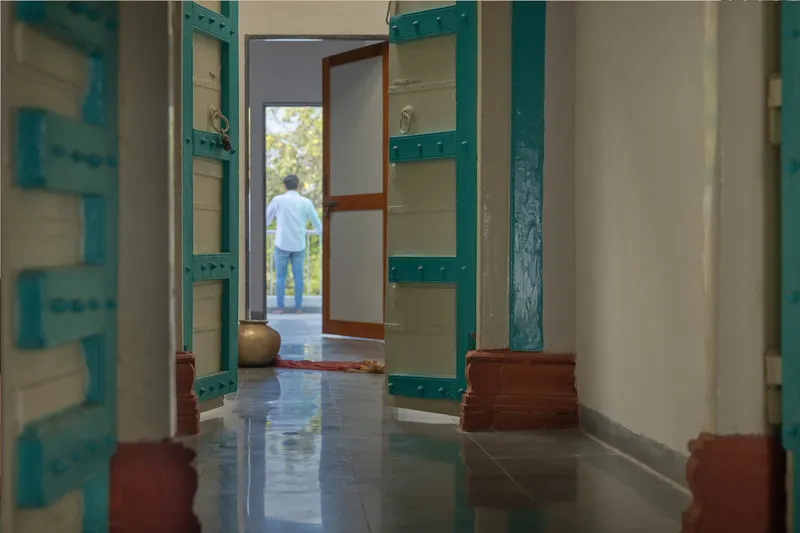
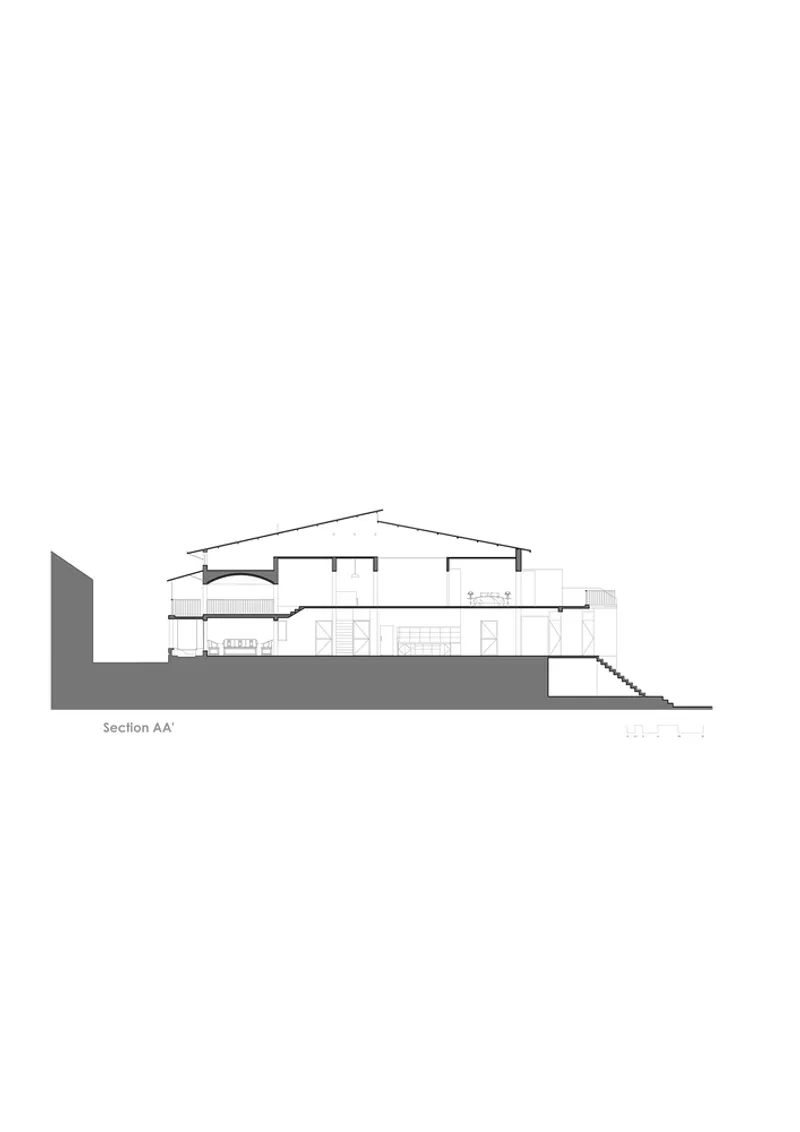
The 90-foot linear house with a 17-foot width is intricately planned to suit the dynamics of a village lifestyle. Shared walls foster a strong sense of community, with the otla serving as a communal gathering spot. A grand yet cozy living room adorned with a 15-foot high ceiling and a shallow dome radiates a welcoming atmosphere. Abundant south-facing openings invite natural light, creating a warm ambiance. The strategic placement of the otla promotes interaction among villagers.

Practicality Meets Tradition
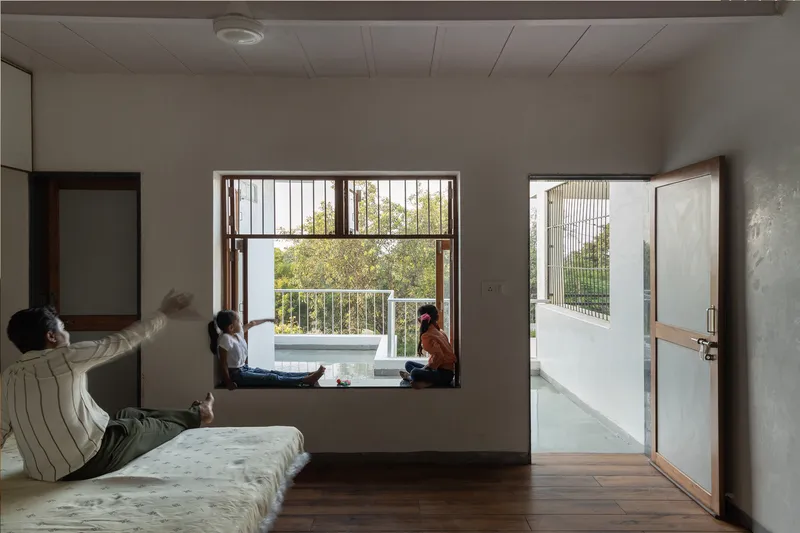
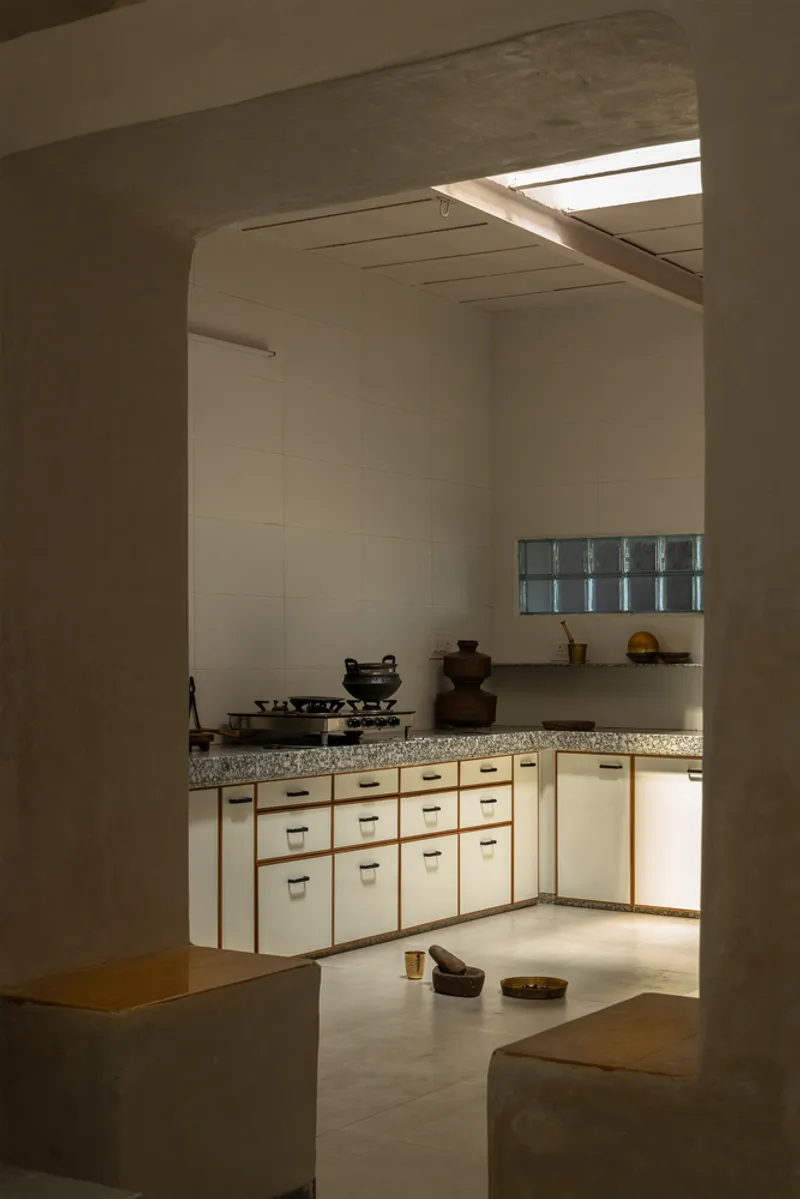
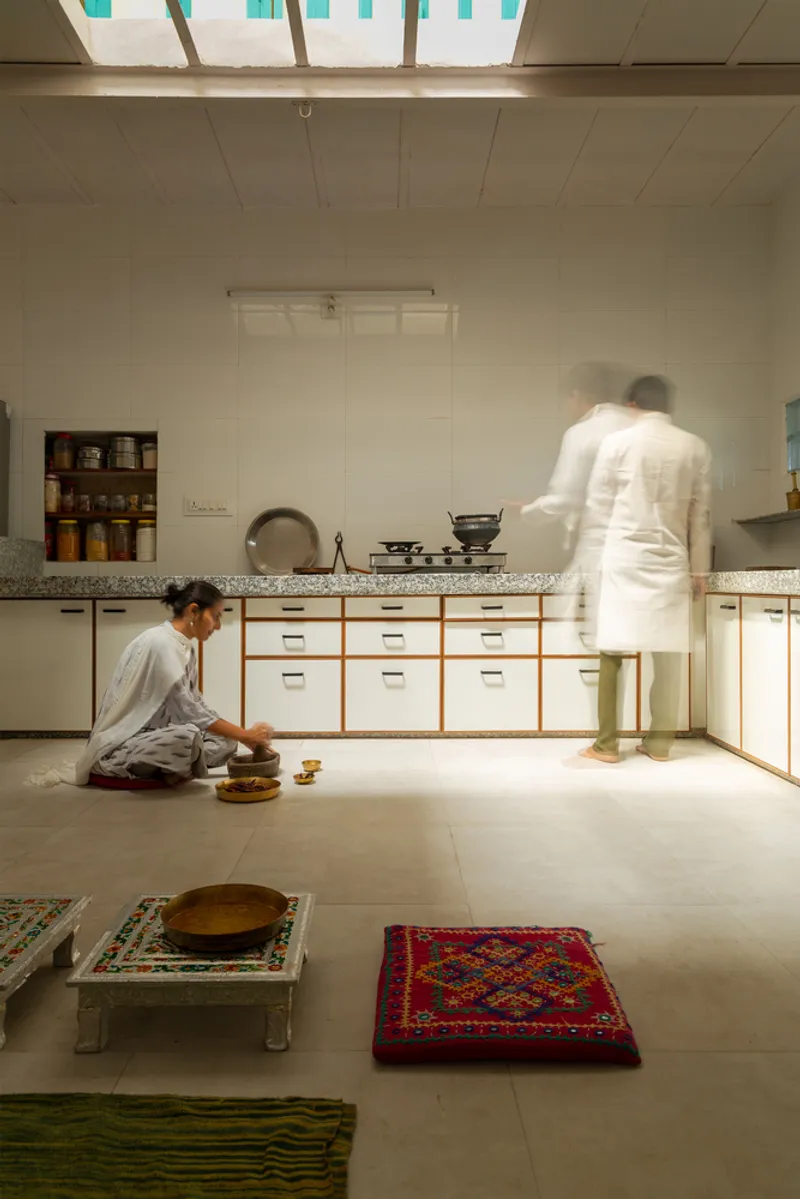
Practicality meets tradition in the design, featuring dedicated spaces for daytime resting, a spacious kitchen with floor seating for communal activities, and an elders' room offering serene views of the greens outside. The thoughtful layout harmonizes functionality with the rich tapestry of village life, integrating communal spaces with cultural significance and practical necessities.

In conclusion, the Continuum House by Project Terra stands as an exemplary model of traditional Indian village house design. From preservation efforts to innovative construction techniques, this residence seamlessly blends heritage with modernity, creating a timeless narrative within its walls. The integration of local craftsmanship and thoughtful design elements ensures its place as a beacon of inspiration for generations to come.
All photographs are the work of the space tracing company




Popular Articles
Popular articles from the community

AL-JANNAH: Sustainable Architecture and Permaculture for Afghan Widows
AL-JANNAH uses sustainable architecture and permaculture to create resilient oasis of housing, learning, work and renewal for Afghan widows.

Hill & Cross Opera: Sculptural Opera House Architecture Shaped by Tallinn’s Landscape and Identity
Hill & Cross Opera reimagines opera house architecture in Tallinn through its sculptural hill, civic plaza, glass wave and a luminous cross.

The Earth Pod: 3D Printed Homes for Resilient Refugee Communities
The Earth Pod reimagines refugee housing through 3D printed homes made from clay, combining resilience, self-sufficiency, and rapid shelter.

Co-Life: Senior Housing Design That Reconnects Older Adults With the City
Co-Life reimagines senior housing design through healing gardens, shared streets, workshops, and a sustainable community across generations.

Similar Reads
You might also enjoy these articles

FAMM Arquitectura Organizes Ten Villas Around Courtyards and Jungle in Nosara, Costa Rica
El Molino pairs two elongated volumes with deep overhangs and timber louvers to build a compact coastal community five minutes from the beach.
Oscar Niemeyer's Ibirapuera Park Pavilions Define São Paulo's Cultural Identity in Concrete and Curve
A constellation of modernist volumes set within São Paulo's most important urban park, conceived for the city's 400th anniversary in 1954.
How Henri Picq's 1889 Paris Pavilion Traveled 11,000 Kilometers to Become Santiago's Artequín Museum
A prefabricated iron and glass pavilion built for the Paris Universal Exposition found a second life as a children's art museum in Chile.
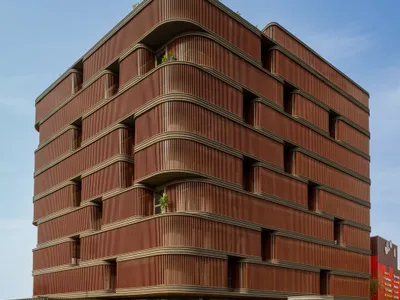
Sanjay Puri Architects Wraps a Jaipur Office Tower in Capsule-Shaped Green Buffers
A nine-level climate-responsive workplace near Jaipur Airport uses stacked planter terraces and aluminium screens to fight 40°C heat.



Comments (0)
Please login or sign up to add comments
No comments yet. Be the first to comment!