

Tree House by Incidental Architecture — A Harmonious Fusion of Architecture and Nature in Sydney’s Northern Beaches
Tree House by Incidental Architecture blends durable Corten steel and natural timber, creating a resilient, eco-friendly home in Sydney bushland.


Located within the secluded bushland of Sydney’s Northern Beaches, the Tree House by Incidental Architecture is an exquisite example of sustainable residential architecture that deeply respects and integrates with its natural surroundings. Designed by lead architects Matt Elkan and Daina Cunningham in 2018, this 205-square-meter residence stands as a resilient, thoughtful response to the complex intersection of built and natural environments. Built by Avalon Constructions with landscape design by Lindy Hulton Larson, this home epitomizes a delicate balance between modern living and ecological preservation.
Site and Context
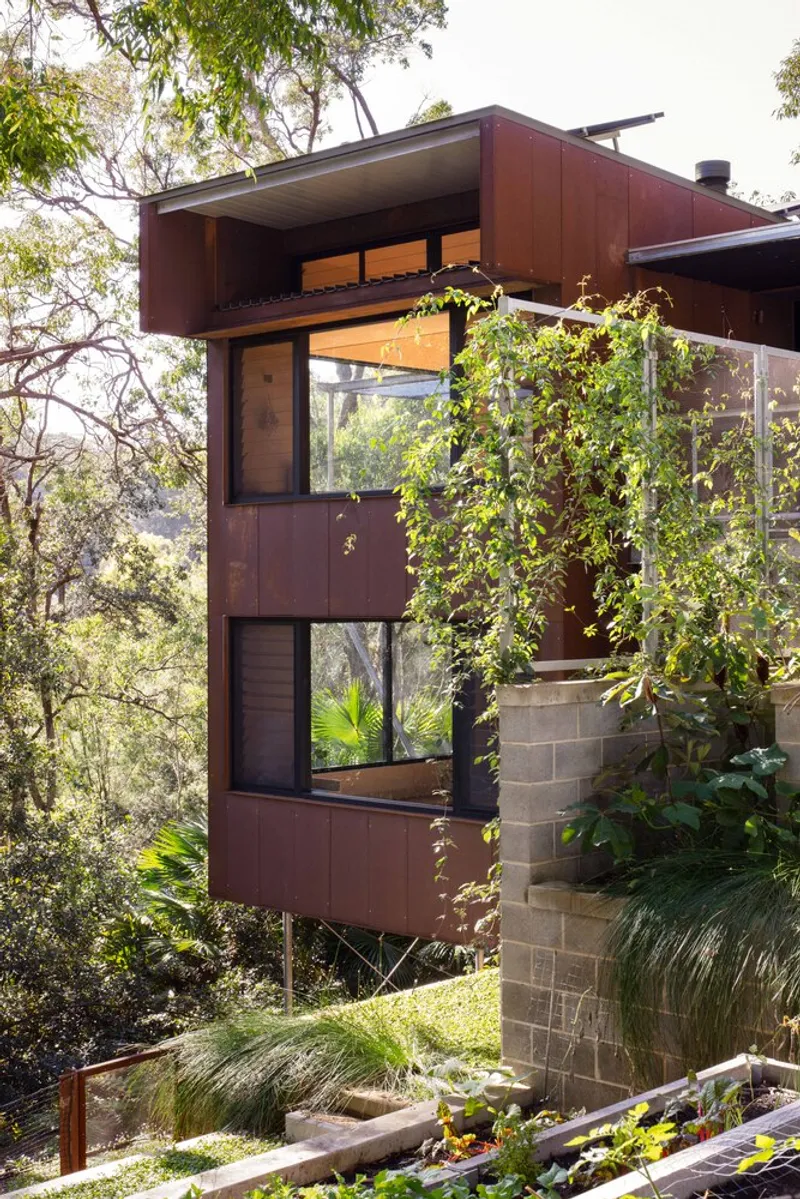
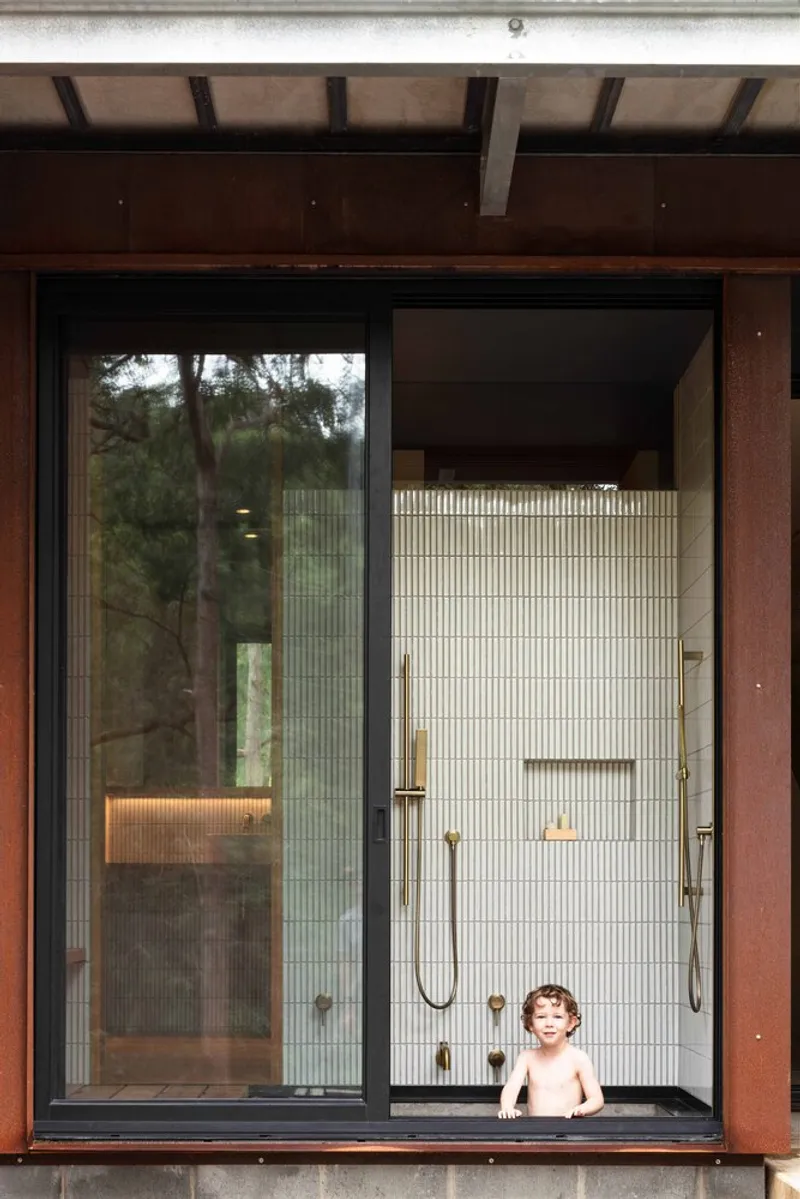
The site presents a unique combination of steep topography, intact native bushland, rich biodiversity, and exceptional privacy—elements that set a demanding yet inspiring challenge for architectural intervention. The clients embraced these natural constraints, commissioning a house that would not merely exist on the land but live in symbiosis with it. The goal was to design a home that supports plant, animal, and human life, honoring the environment while minimizing resource use both in construction and operation.
Design Philosophy and Sustainability
At its core, the Tree House embodies an architectural philosophy grounded in sustainability, resilience, and material honesty. Externally, the home is clad in durable 3mm sheet Corten steel, providing robust protection against the area's high bushfire risk (categorized as BAL FZ for all facades). This rugged exterior is complemented by suspended galvanized steel grated walkways and decks, which elevate the structure lightly above the ground, reducing ecological disturbance.
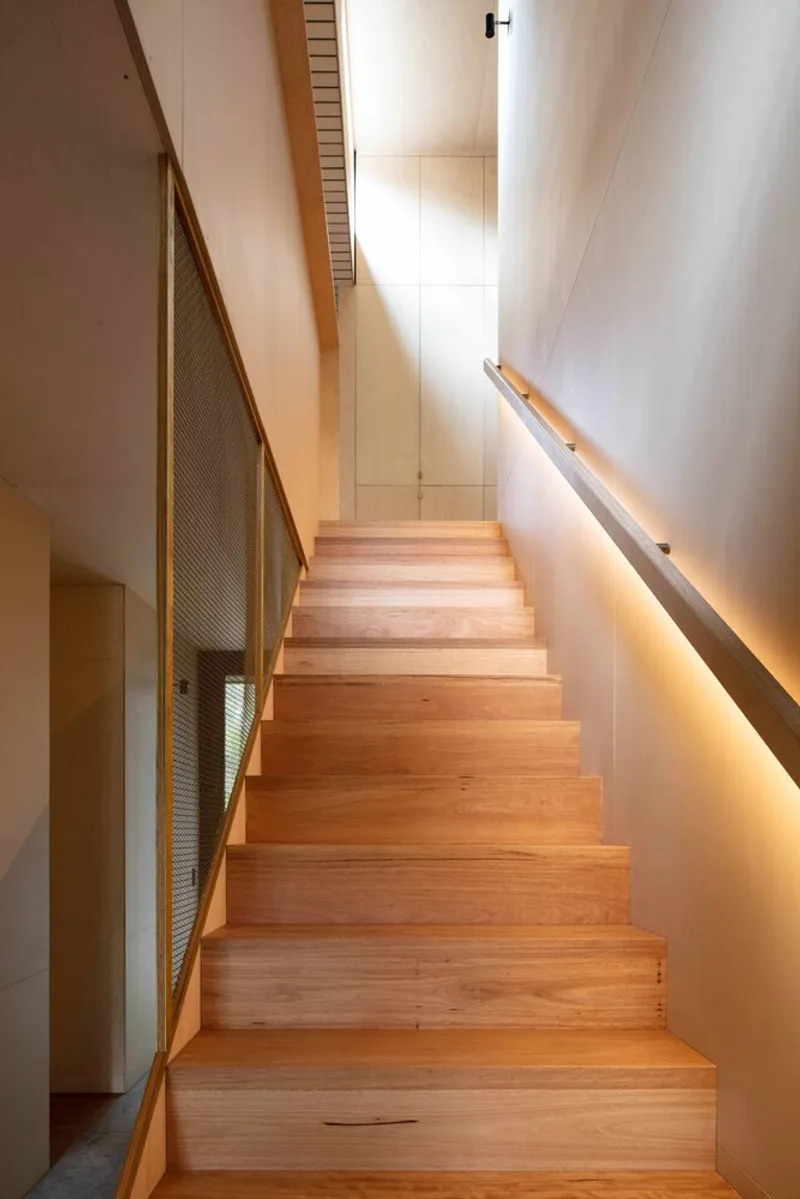
Inside, the atmosphere transforms into warmth and comfort with natural timber finishes. Birch plywood and blackbutt line the interiors, coated only with plant-based oils and waxes—completely avoiding synthetic paints and harsh chemical coatings. This commitment to natural, minimally processed materials creates a snug, inviting interior that contrasts with the house’s stern external presence.
Environmental Integration
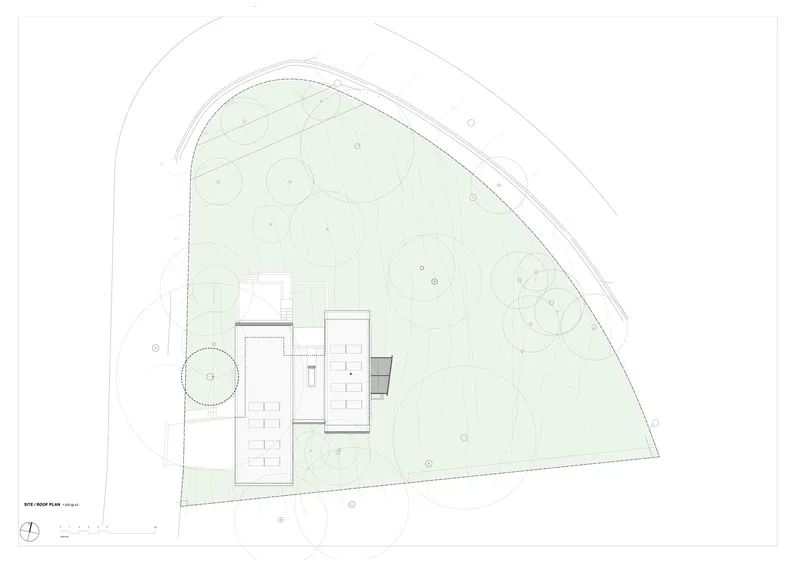
The house’s siting and materiality work together to minimize environmental impact. Walkways and landscape walls are left unpainted to age gracefully within the bushland, reinforcing a seamless visual and ecological connection. The design respects the surrounding flora and fauna, ensuring the structure complements rather than competes with the existing ecosystem.
In the broader architectural discourse, Tree House raises critical questions about how Australian homes can thoughtfully respond to natural threats like bushfires, climate change, and biodiversity loss. It aligns with increasing regulatory frameworks that govern building safety and environmental stewardship in vulnerable landscapes.
Tree House is not just a residence; it is a model of how contemporary architecture can forge enduring value—both for its inhabitants and the wider community—by harmonizing with nature rather than disrupting it. Its strategic use of resilient materials, minimal intervention, and ecological sensitivity sets a new benchmark for sustainable bushland living in Australia.
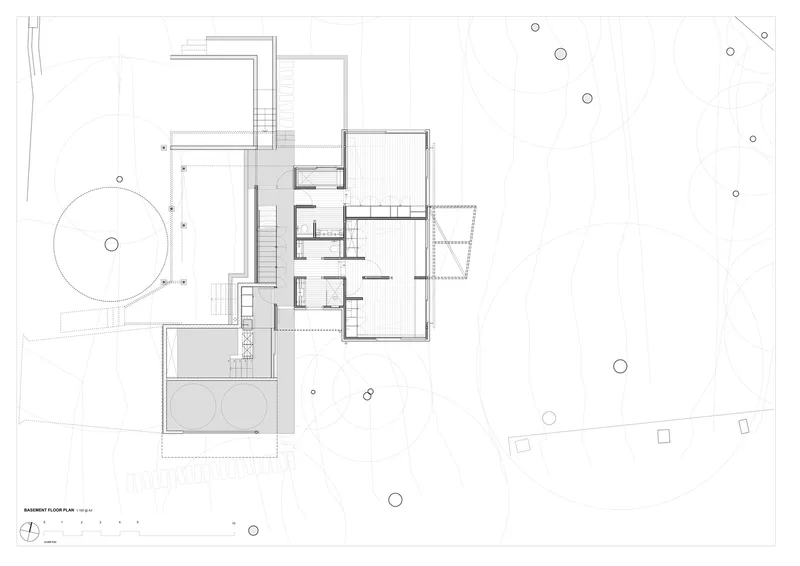
All Photographs are works of Clinton Weaver




Popular Articles
Popular articles from the community


Hill & Cross Opera: Sculptural Opera House Architecture Shaped by Tallinn’s Landscape and Identity
Hill & Cross Opera reimagines opera house architecture in Tallinn through its sculptural hill, civic plaza, glass wave and a luminous cross.

The Musturak Paradise: Senior Living Architecture for a Connected Future in Temara, Morocco
The Musturak Paradise reimagines senior living architecture in Temara via private homes, social spaces, culture, community, and shared care.

Conexión: Biophilic Design Reimagines High-Rise Living in Hong Kong
Conexión reimagines high-rise living in Hong Kong through biophilic design, green facades, shared spaces, daylight, water and nature within.

Play: Fragments of Their World
Familiar architecture becomes modular playground design, creating safe spaces where displaced children can learn, connect, imagine and play.

Similar Reads
You might also enjoy these articles


Hodi-Mandai Geram
Project Function: Preservation and revitalization of the Intangible heritage and socio-spatial identity of the Hodi by Housing, Cultural Memory Center, Sacred Grove, landscape, local tourism economy


Olio Towers: A Mid-Rise for Performers That Fuses Housing, Rehearsal, and Stage
Located blocks from Houston's Theater District, this modular tower stacks living units around a central performance atrium.

Oasis: Modular Green Housing Carved into Dhaka's Urban Fabric
A shortlisted Plugin Housing entry reclaims unauthorized settlements in Dhaka with stepped concrete volumes, green roofs, and ventilation-driven design.

Black Hole: A Floating Megastructure for the Post-Physical Era
Emiliano Mazzarotto envisions a spherical, self-scaling arena where e-sports, digital hotels, and holographic stadiums replace traditional public space.


Explore Tree House Competitions
Discover active competitions in this discipline



Challenge to reimagine the Iron Throne


Photograph architecture without architects


Illustrate the lost glory of Angkor Wat - Render Challenge


Design challenge to reuse E-waste
Comments (0)
Please login or sign up to add comments
No comments yet. Be the first to comment!