
Trestle Pavilion by STUDIO TERRATECTS: A Modular Wooden Pavilion Celebrating Sustainable and Adaptive Architecture
Modular wooden pavilion in Kakkanad using Savukku logs, tensile roof, and adaptable seating, showcasing sustainable design, structural ingenuity, and collaborative architecture.

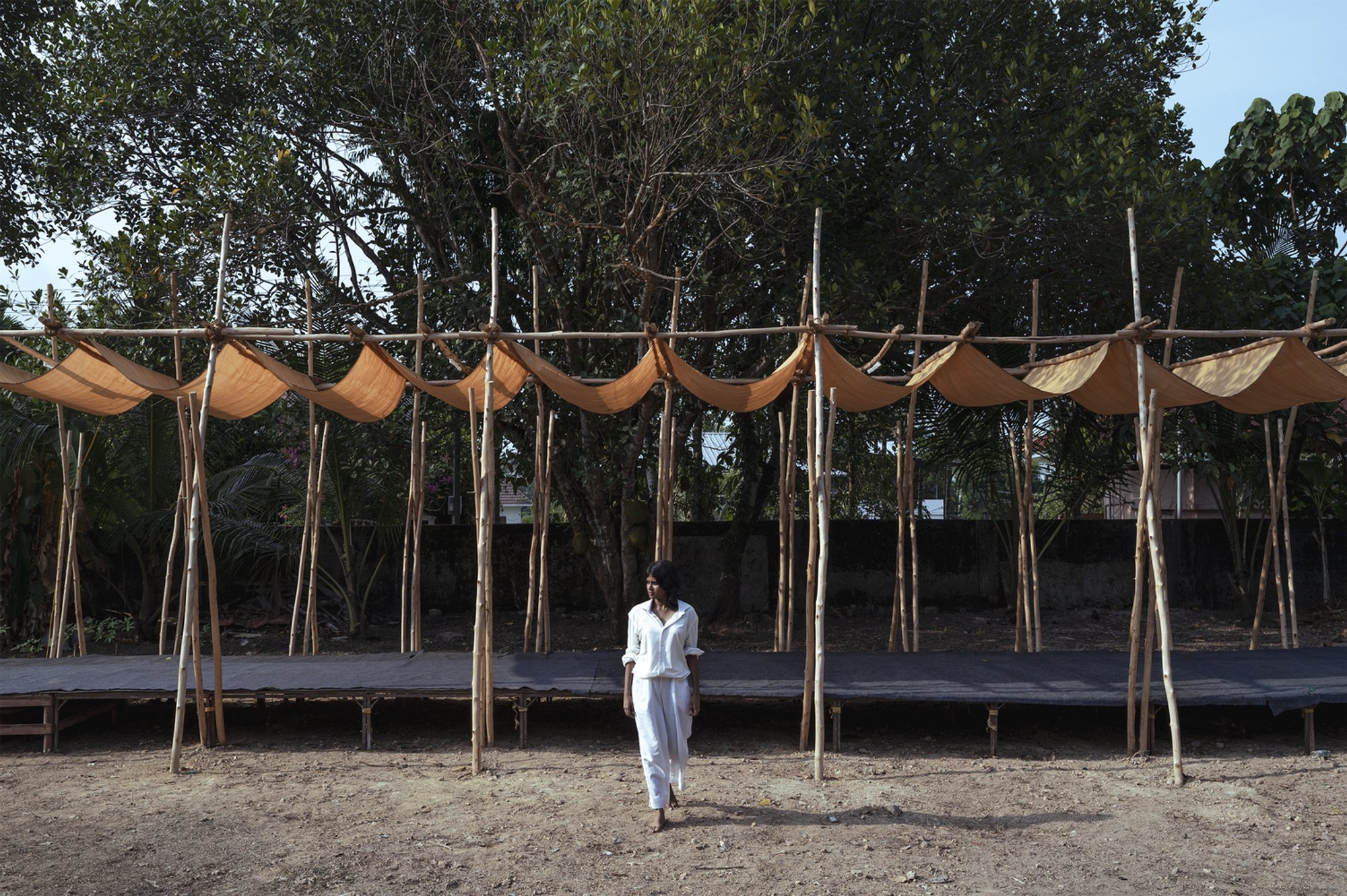
The Trestle Pavilion, designed by STUDIO TERRATECTS in Kakkanad, India, is a compelling example of experimental architecture that merges modularity, sustainability, and collaborative design. Completed in 2024, the compact pavilion spans 384 square feet and was developed through a collaborative workshop involving professional architects and student architects. Led by Ar. Roshith Shibu and Ar. Girish Ravikumar, the project reflects a shared exploration of innovative construction techniques, material honesty, and flexible spatial design.
This lightweight and deployable pavilion demonstrates how architecture can be both functional and expressive, offering adaptable spatial configurations while maintaining a strong connection to natural materials and environmental consciousness.
A Collaborative Architectural Experiment
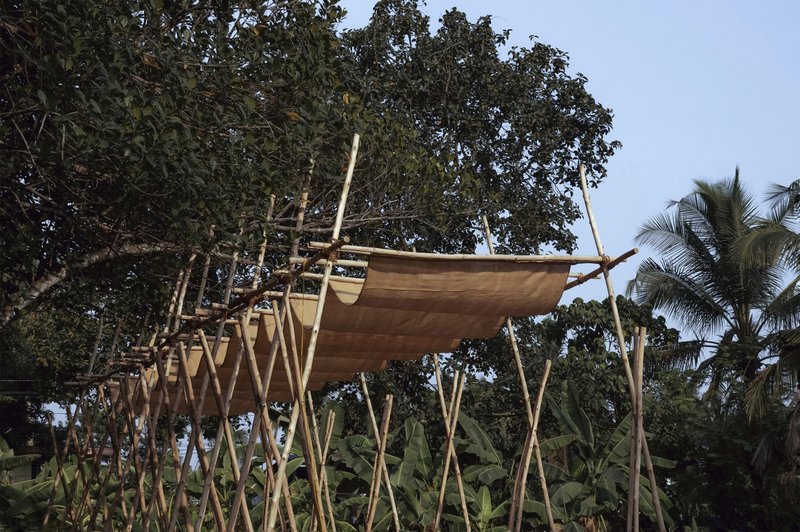
The Trestle Pavilion emerged from a hands-on workshop environment where architects and students worked together to test ideas related to temporary structures, modular construction, and sustainable materials. The result is an architectural installation that balances design experimentation with practical usability.
Rather than being conceived as a static structure, the pavilion was designed as a dynamic and flexible architectural element capable of adapting to different contexts. Its modular design allows the structure to function independently as a standalone unit or be reconfigured for different spatial purposes.
This collaborative approach not only encourages architectural innovation but also promotes educational engagement, giving emerging architects the opportunity to participate directly in the design and construction process.
Modular Wooden Construction and Structural Logic
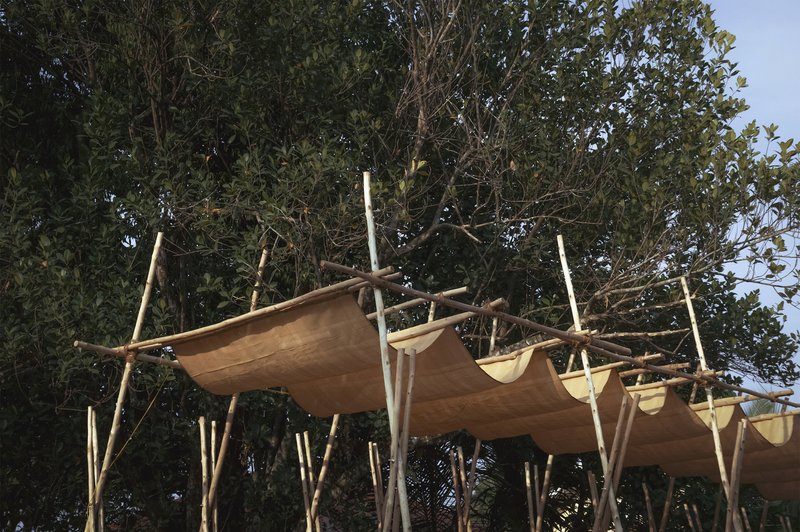
At the core of the pavilion’s design is a carefully considered modular structural system constructed from locally sourced wood known as Savukku. This durable and resilient timber forms the backbone of the pavilion, highlighting the importance of local materials in sustainable architecture.
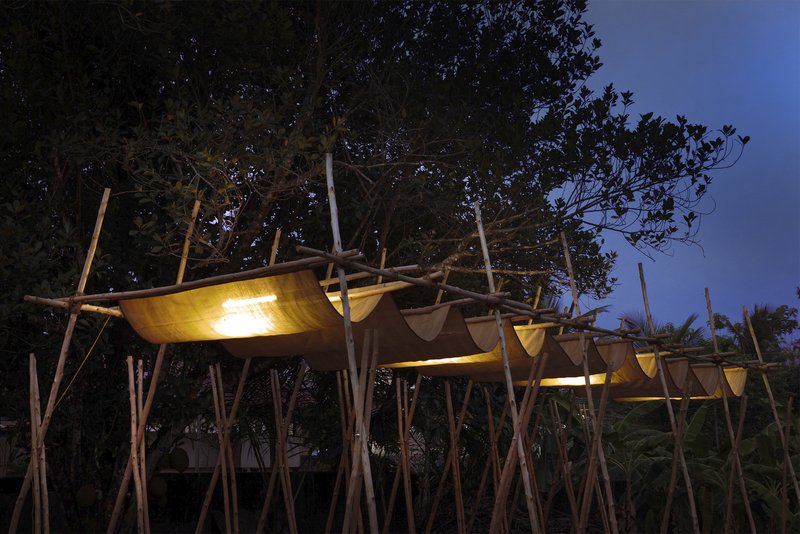
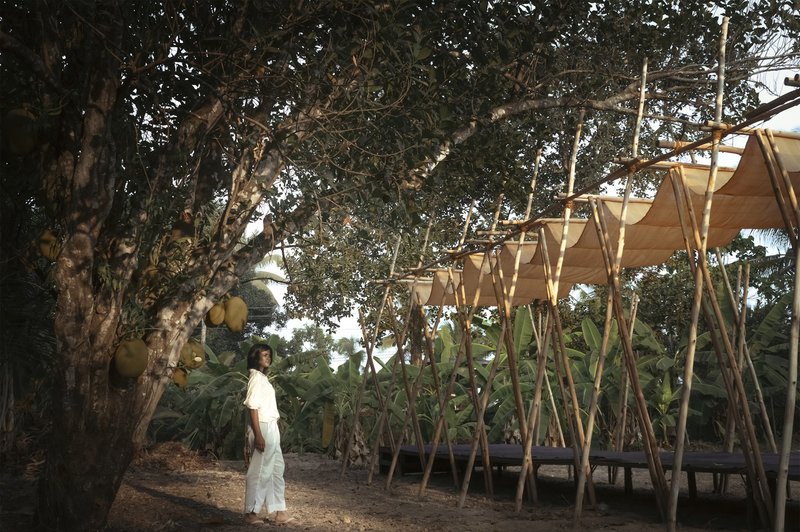
The pavilion consists of eleven modular units, each built using a simple yet effective structural logic. Every module contains three wooden logs, where one log is intentionally longer than the other two. These elements are bolted together and placed directly on the ground, with the elongated log extending beyond the shorter ones.
This strategic use of varied log lengths creates several architectural advantages:
The extended log improves structural stability, ensuring the pavilion maintains balance despite its lightweight construction.
The asymmetrical configuration introduces visual dynamism, making the pavilion visually engaging from multiple perspectives.
The exposed structural elements allow observers to understand the construction logic, reinforcing the project’s educational and experimental intent.
The result is a structure that is both structurally efficient and aesthetically distinctive, emphasizing the beauty of raw materials and honest construction.
Flexible Design and Adaptive Spatial Use
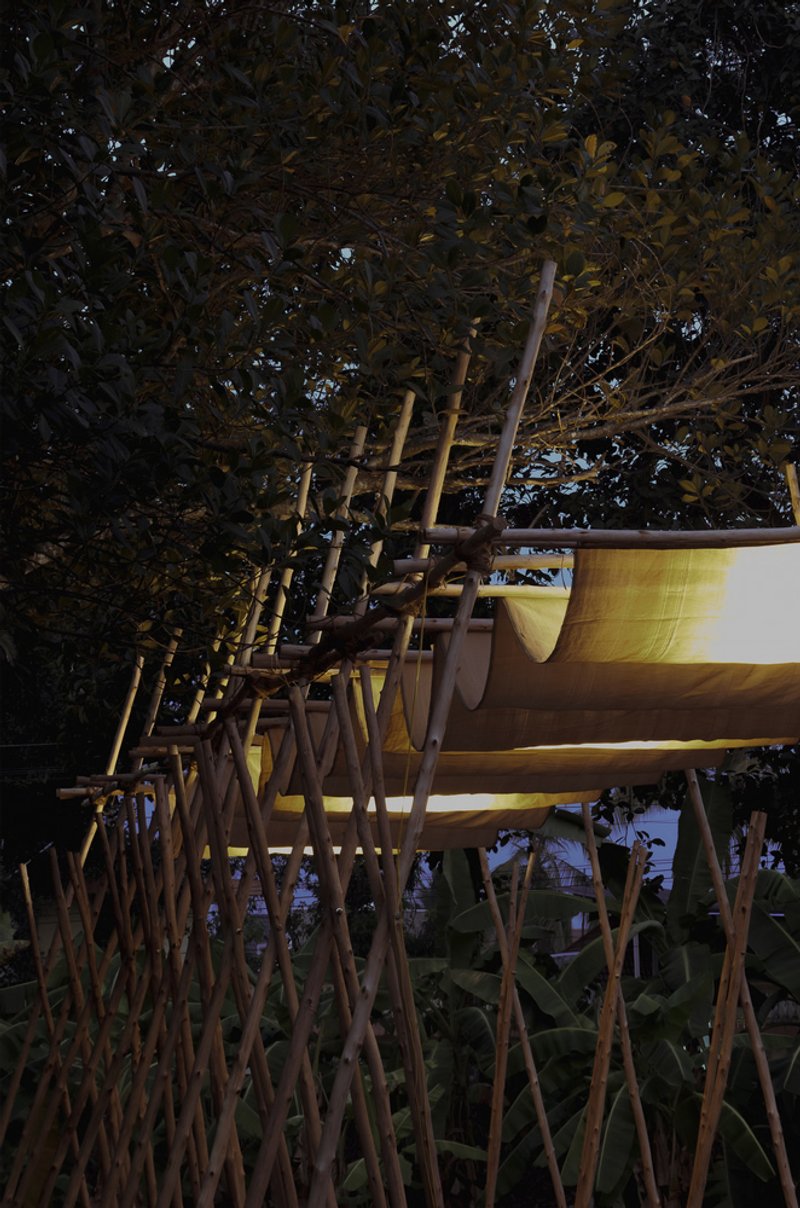
One of the most defining characteristics of the Trestle Pavilion is its adaptability. The modular system allows the structure to evolve according to different spatial requirements and event types.
The pavilion can function in multiple ways, including:
A standalone shaded pavilion for outdoor gatherings A temporary installation for cultural or architectural events A public seating structure for informal social interactions An experimental pavilion for educational workshops
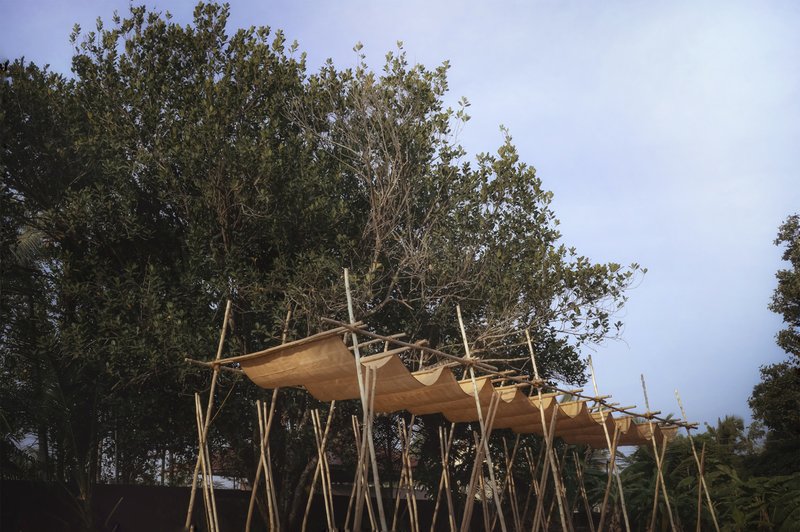
The roof structure features tensile fabric, chosen for its combination of durability, lightness, and ease of installation. This material provides shade while maintaining the pavilion’s overall lightweight character, ensuring the structure remains easily deployable and adaptable.
In addition to the roofing system, the pavilion incorporates an adjustable horizontal unit attached to the rear modules. This element introduces further flexibility by allowing customizable seating arrangements. Users can configure the seating to suit different needs, ranging from low-seating arrangements for casual gatherings to higher table-like configurations for more formal interactions.
Through this flexible design strategy, the pavilion becomes a transformative architectural element, capable of responding to diverse social and environmental contexts.
Celebrating Imperfection and Material Authenticity
A defining aesthetic feature of the Trestle Pavilion is its embrace of natural imperfections in wood. Instead of concealing knots, grain variations, or surface irregularities, the design intentionally highlights these characteristics.
This approach reflects a philosophy rooted in material authenticity and sustainable design, where natural textures and imperfections are celebrated rather than hidden. The raw wood finish reinforces the pavilion’s connection to nature and emphasizes the inherent beauty of locally sourced materials.
Another distinctive design gesture involves extending the wooden logs beyond the structural grid lines, echoing the visual language of architectural drawings. These extensions create a subtle reference to drafting techniques while simultaneously enhancing the pavilion’s sense of continuity and rhythm.
This interplay between conceptual design and physical construction adds an additional layer of meaning to the project, bridging architectural theory and built reality.
Environmental Responsibility and Sustainable Architecture
Sustainability plays a central role in the pavilion’s design philosophy. By using locally sourced timber, minimizing construction waste, and employing a modular assembly system, the project significantly reduces its environmental footprint.
Key sustainable strategies include:
The use of renewable natural materials, particularly Savukku wood A modular construction approach that allows easy assembly, disassembly, and reuse Lightweight structural systems that reduce material consumption Design strategies that emphasize durability and adaptability
These choices demonstrate how small-scale architectural installations can contribute to broader discussions about environmentally responsible architecture.
By showcasing the beauty of natural materials and highlighting the value of resource-efficient construction, the pavilion encourages architects and designers to reconsider how structures interact with the environment.
A Pavilion that Blends Innovation, Education, and Sustainability
The Trestle Pavilion stands as a powerful example of how architecture can operate simultaneously as a design experiment, educational platform, and sustainable structure. Its modular wooden system, adaptable spatial configurations, and emphasis on material authenticity make it both visually striking and functionally versatile.
Through its collaborative design process and commitment to responsible construction, the project reflects a forward-thinking approach to contemporary architecture. The pavilion not only provides a flexible gathering space but also inspires dialogue about sustainable materials, modular design, and the future of adaptable architecture.
In doing so, the Trestle Pavilion demonstrates how thoughtful design, no matter the scale, can shape meaningful and environmentally conscious architectural experiences.
All photographs are works of
Studio IKSHA




Popular Articles
Popular articles from the community

The Flow: Coffee Shop Interior Design Where Time, People, and Process Intertwine
The Flow reimagines Viennese coffee culture through arched forms, warm interiors, music, reading, work, and social gathering.

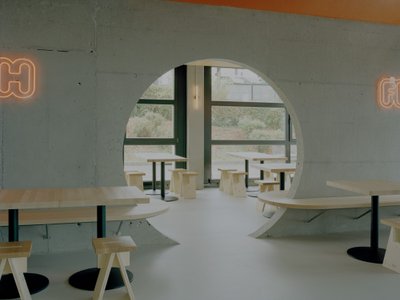
Noue Studio Organizes a Swiss Restaurant Around a Single Concrete Wall
In Granges-Paccot, Switzerland, a 216-square-meter renovation turns raw materials and a central spine into a legible dining experience.
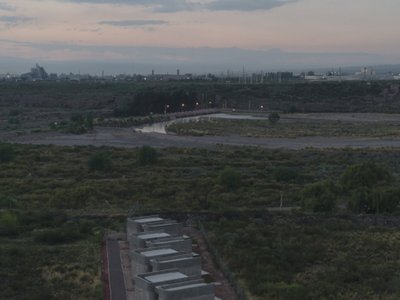
ONA Threads Four Board-Formed Concrete Cabins Along a 260-Meter-Deep Site in Mendoza
At the edge of Argentina's wine country, a set of curved concrete lodges negotiate a razor-thin parcel between city and mountain.
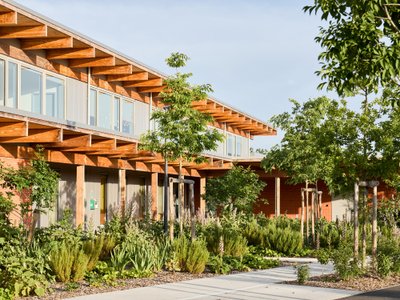
GGR Architectes Anchors a New Neighborhood in Frouzins with a Brick and Timber School Complex
A cruciform plan of terracotta brick and exposed wood frames four courtyards for 140 students outside Toulouse, France.


Similar Reads
You might also enjoy these articles
Noue Studio Organizes a Swiss Restaurant Around a Single Concrete Wall
In Granges-Paccot, Switzerland, a 216-square-meter renovation turns raw materials and a central spine into a legible dining experience.
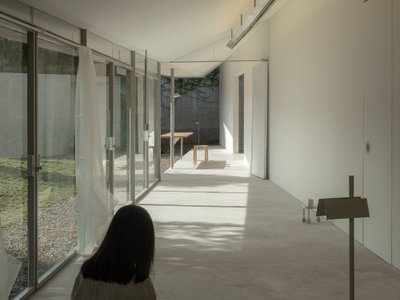
dua studio Stretches a 3.6-Meter-Wide House Across 24 Meters of Indonesian Garden
In Pesanggrahan, a single diagonal wall organizes an entire domestic program into two slender bands flanked by courtyards and trees.
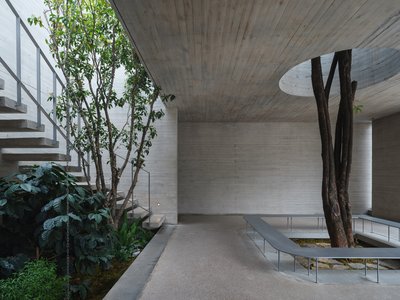
No10-Architects Builds a Multi-Sensory Coffee Lab Around Preserved Trees in Yunnan
Voiceless Coffee in Baoshan wraps board-formed concrete, timber pavilions, and courtyards around a full-chain coffee experience in 260 square meters.
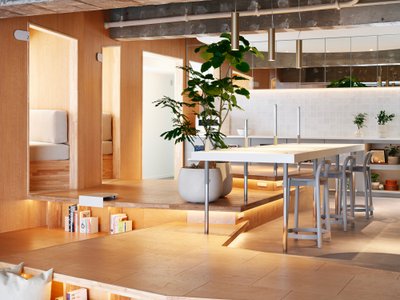
R/URBAN DESIGN OFFICE Carves a Communal Living Room from a Tokyo Corporate Dormitory
In Shinagawa's Oi district, a 35-year-old reinforced concrete tower becomes a 49-unit rental residence with shared spaces that redefine cohabitation.


Explore Architecture Competitions
Discover active competitions in this discipline




The International Standard for Design Portfolios


The Global Benchmark for Architecture Dissertation Awards


The Global Benchmark for Graduation Excellence


Challenge to reimagine the Iron Throne
Comments (0)
Please login or sign up to add comments
No comments yet. Be the first to comment!