

Triangle House in Paros by React Architects: A Bioclimatic Cycladic Residence Shaped by Geometry
Triangle House in Paros blends Cycladic tradition, triangular geometry, and bioclimatic design, creating a sustainable residence seamlessly integrated into landscape.


The Triangle House by React Architects is a striking example of contemporary residential architecture rooted in the traditions of the Cyclades. Located in Isterni, Paros, this 274 m² private residence, completed in 2019, reinterprets vernacular design through a modern architectural lens. Designed by lead architects Natasha Deliyianni and Yiorgos Spiridonos, the project explores geometry, landscape integration, and sustainable living.
Site Context and Historical Significance
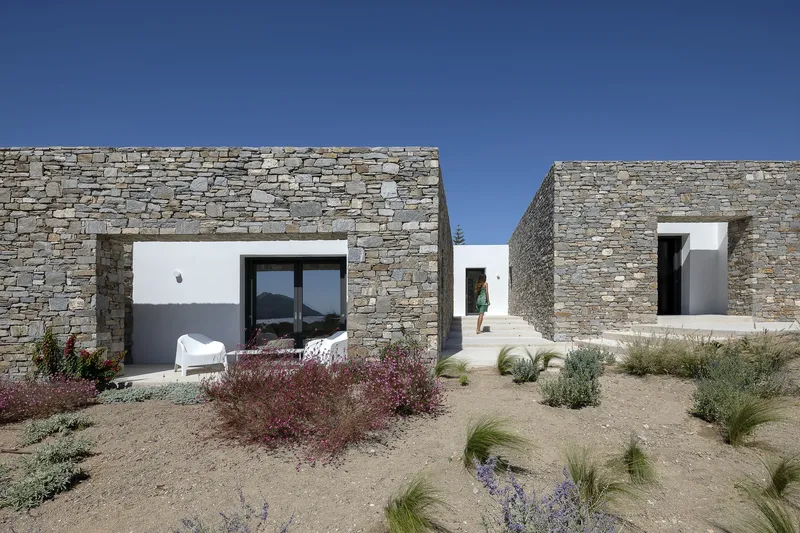
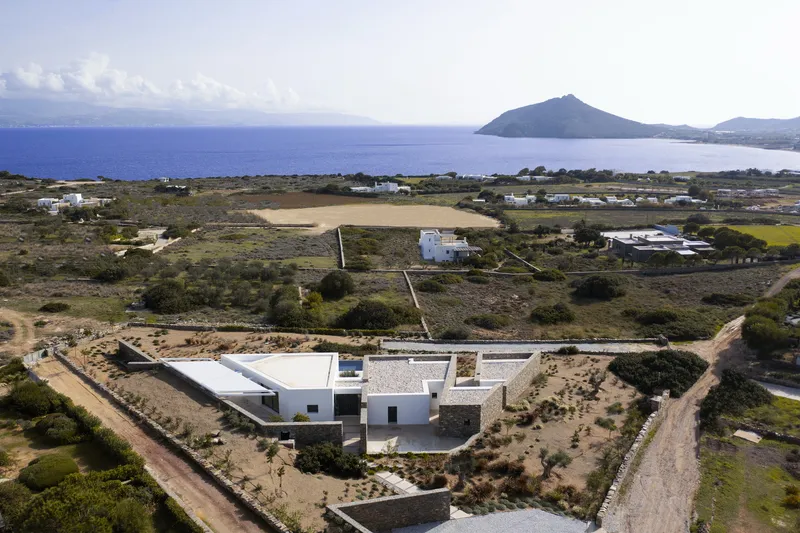
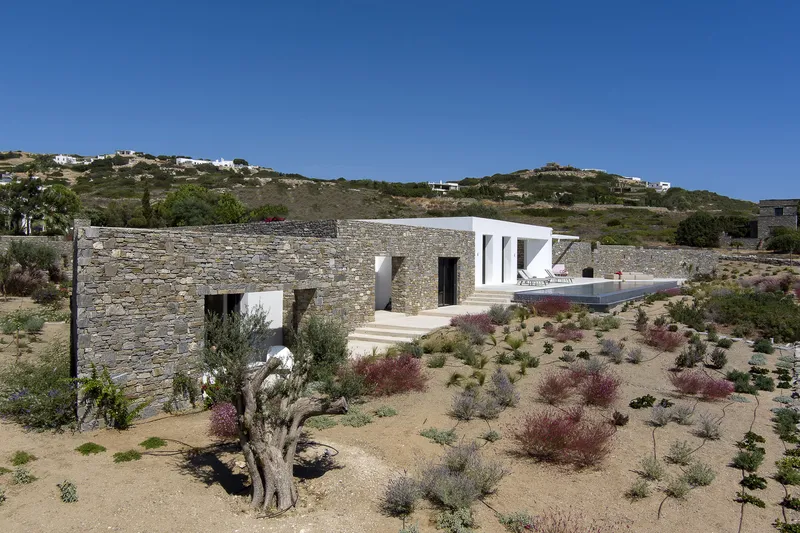
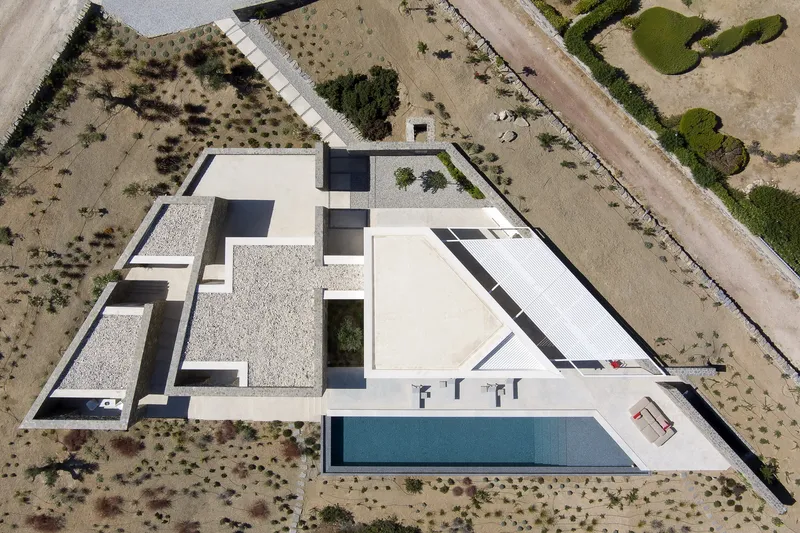
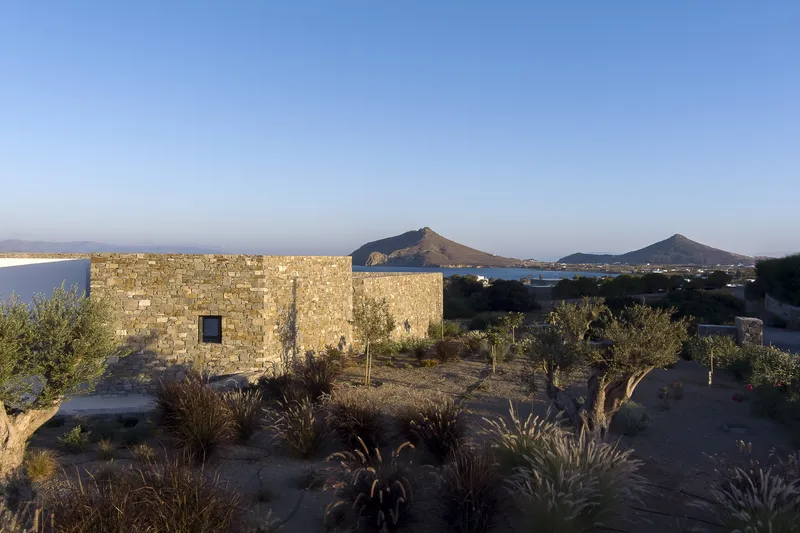
Set on a hill in Ysterni, the house occupies a triangular plot overlooking the Aegean Sea. The site holds historical relevance due to its proximity to the ancient Vigla phryktoria, part of a Mycenaean communication network. This cultural context informed the placement and orientation of the residence, aligning it southeast to maximize natural light while shielding against strong northern winds typical of the Cycladic climate.
Triangular Geometry as a Design Strategy
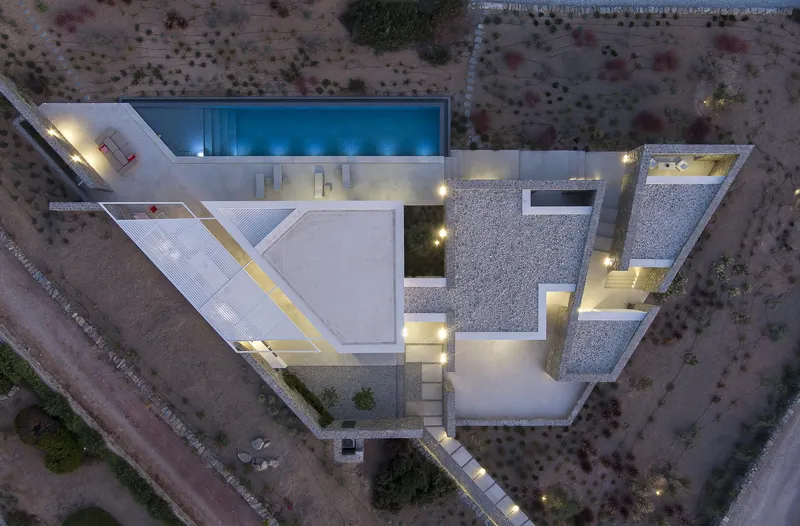
The triangular site, often considered restrictive in residential planning, becomes the defining feature of the project. Instead of resisting the geometry, the architects embraced it, transforming constraints into opportunities. The free-flowing floor plan dissolves rigid spatial boundaries, allowing the architecture to adapt fluidly within the angular site.
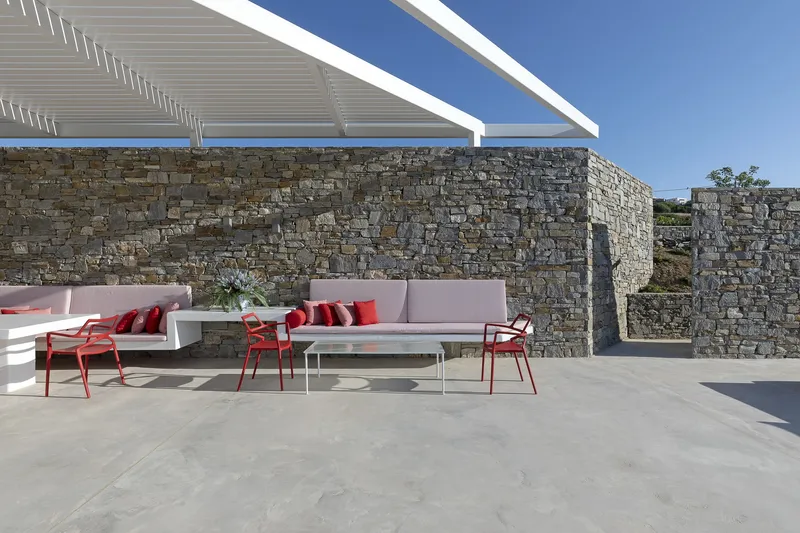
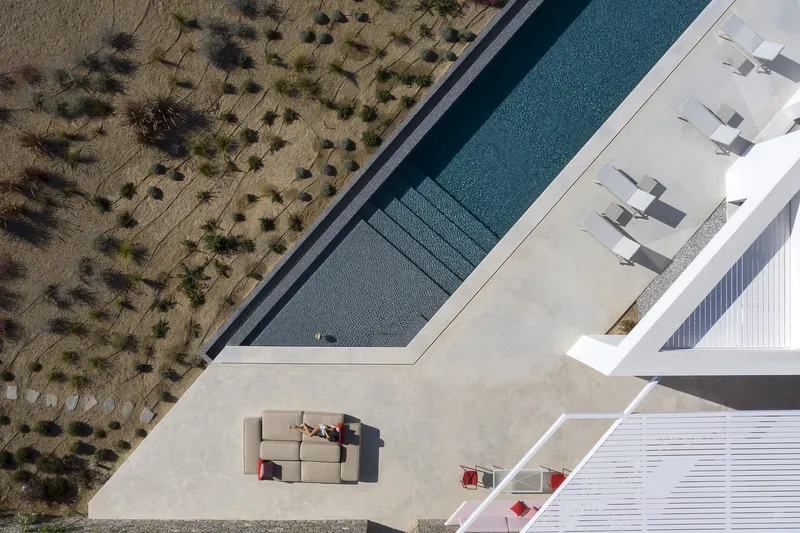
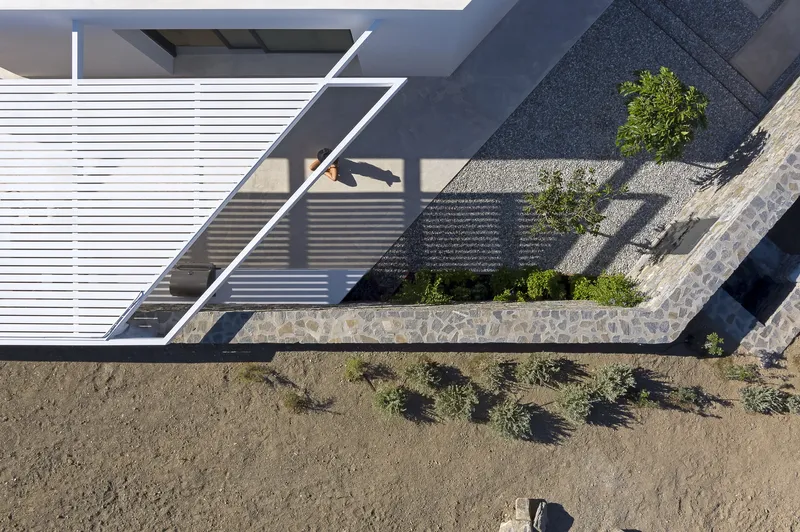
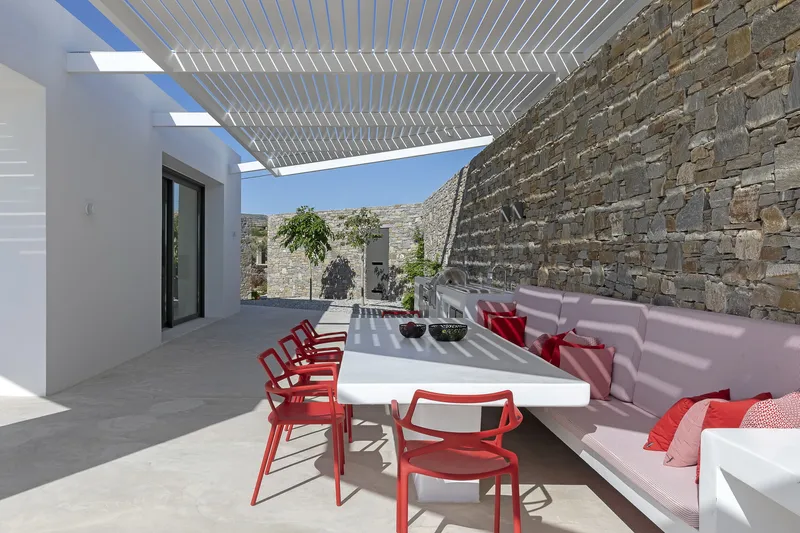
This innovative approach results in a spatial configuration that feels open and expansive, counteracting the potential confinement of sharp angles. The triangular concept extends beyond the plan, influencing architectural elements such as pergolas and outdoor spaces, reinforcing a cohesive design language.
Bioclimatic Architecture and Sustainability
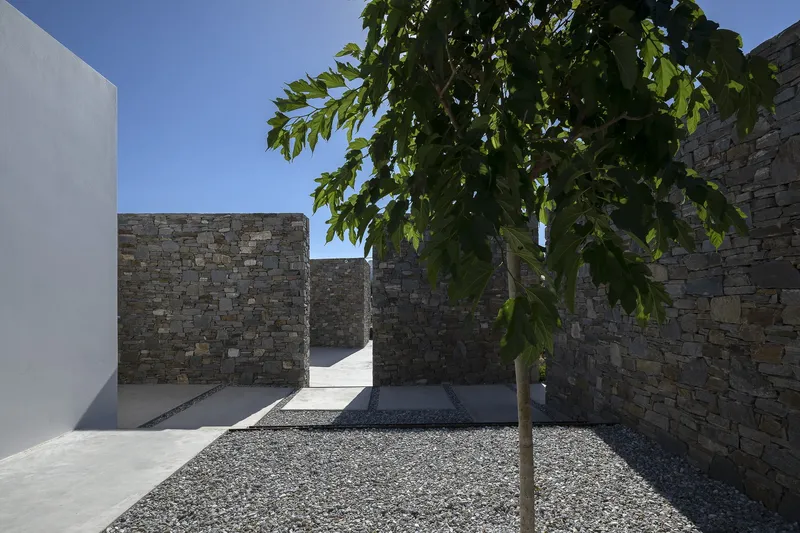
A key aspect of the Triangle House is its adherence to bioclimatic design principles. The structure minimizes environmental impact through passive strategies such as orientation, natural ventilation, and material selection. Traditional Cycladic materials like stone and wood are used extensively, enhancing thermal performance while maintaining a strong connection to local craftsmanship.
Vegetation plays a crucial role in the landscape design, covering portions of the building and preserving the natural character of the site. This integration reduces the visual footprint and supports ecological balance, aligning with sustainable architecture practices.
Spatial Organization and Functional Layout
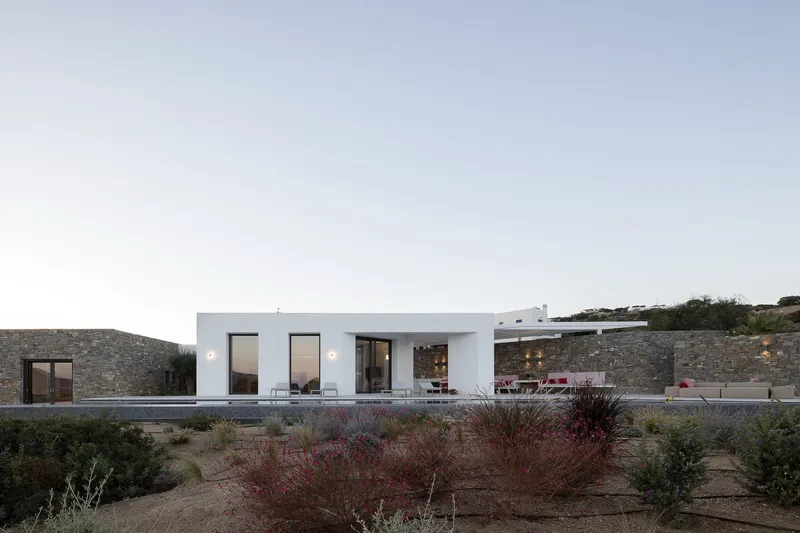
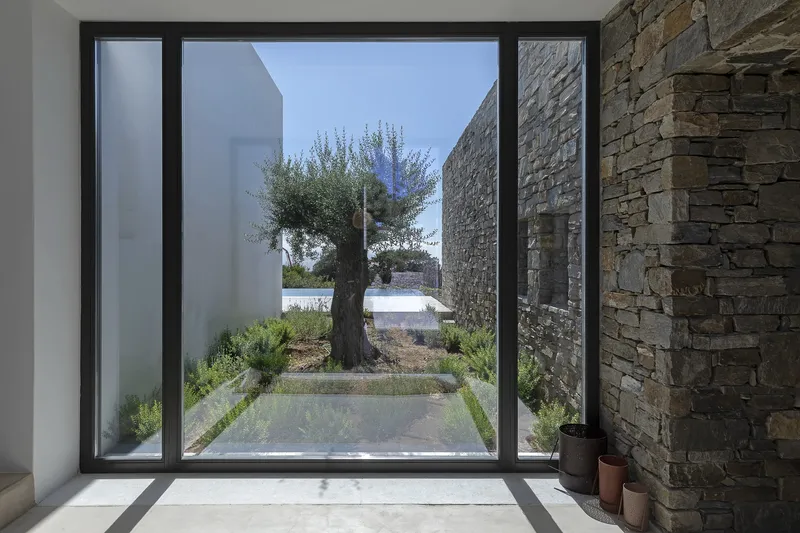
Inspired by the typology of Cycladic monasteries, the house is composed of smaller volumes rather than a single monolithic structure. These volumes are arranged around a central courtyard, creating a harmonious relationship between interior and exterior spaces.
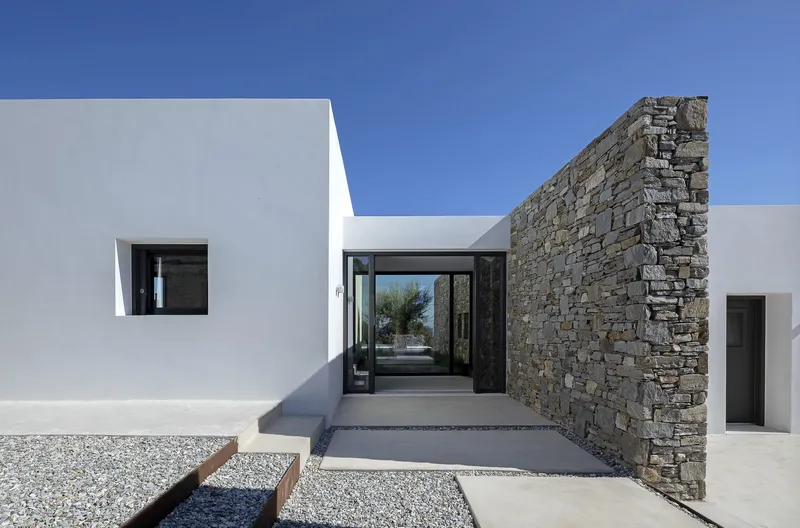
The entrance, located on the northwest side, is defined by a sequence of fragmented steps and an olive tree, establishing a central axis. Public and private zones are clearly organized along this axis. Communal areas such as the living room and kitchen occupy one side in an open-plan layout, while private spaces are distributed in smaller, more intimate volumes on the opposite side.
Architectural Elements and Material Expression
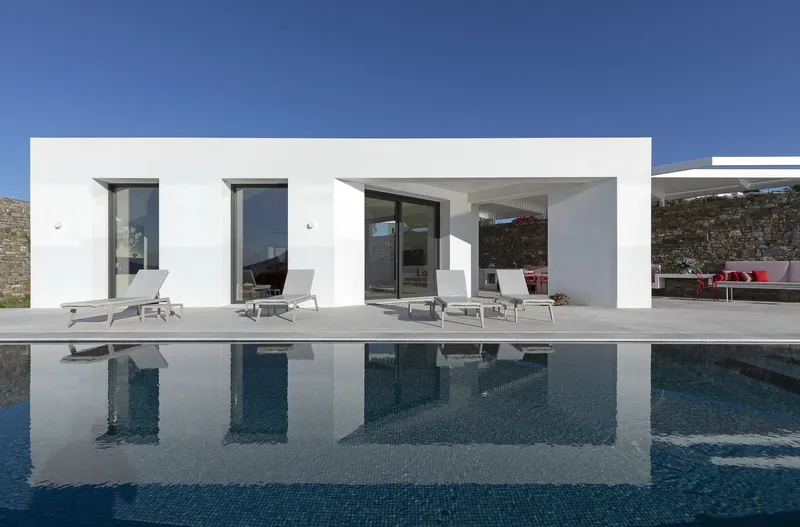
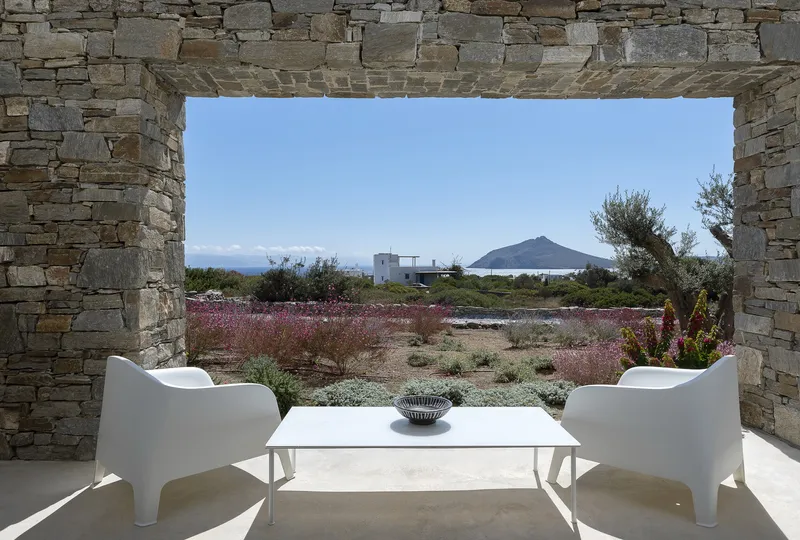
Attention to detail is evident in every morphological component of the house. The repetition and standardization of openings create a rhythmic façade that enhances visual coherence. Large windows frame panoramic views while allowing natural light to penetrate deep into the interiors.
Outdoor living is emphasized through carefully designed features like the pergola-covered BBQ area, which echoes the triangular geometry of the building. The restrained use of hard surfaces, combined with natural materials, reinforces the house’s connection to its surroundings.
Landscape Integration and Environmental Harmony
The landscape strategy prioritizes minimal intervention, preserving the original vegetation across most of the plot. By embedding the architecture within its natural context, the project achieves a seamless dialogue between built form and environment.
The result is a residence that not only responds to its site but enhances it, embodying principles of sustainable design, cultural continuity, and spatial innovation.
A Contemporary Interpretation of Cycladic Living
The Triangle House in Paros stands as a compelling example of how geometry, tradition, and sustainability can converge in modern residential architecture. Through its thoughtful design, the project redefines the potential of challenging sites while maintaining a deep respect for local heritage and environmental context.
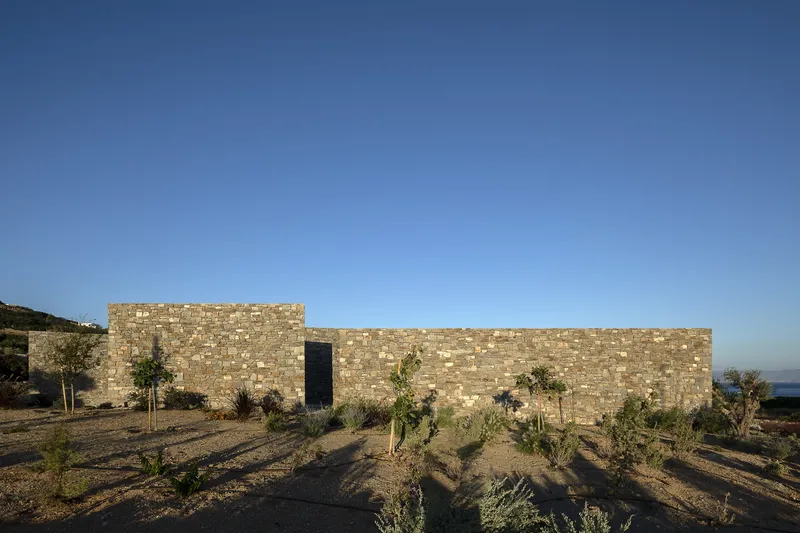
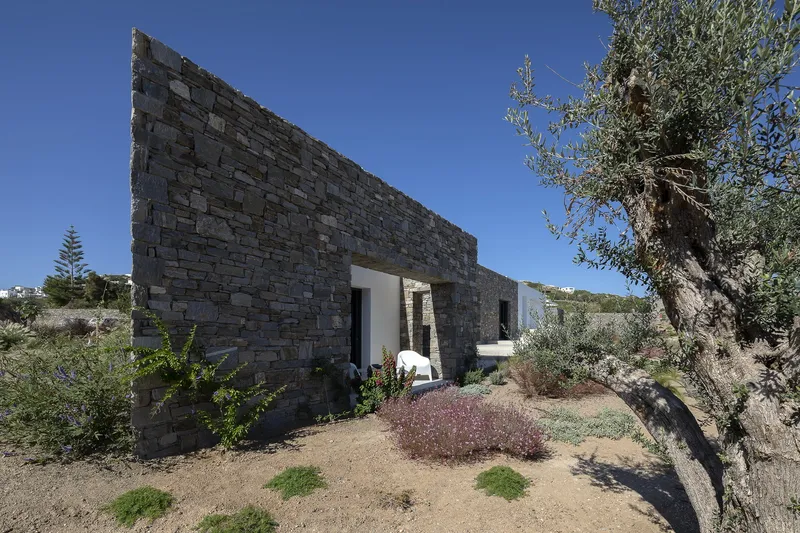
All photographs are works of
Panagiotis Voumvakis


Popular Articles
Popular articles from the community


Tsunami Convergenics: Turning Catastrophic Ocean Forces into Underwater Housing Infrastructure
A speculative underwater settlement off the coast of Onagawa, Japan, treats tsunamis and typhoons as energy sources rather than threats.

The Amber Palace Opera: A Geological Fiction Surfaces on Tallinn's Baltic Waterfront
Pierre Brillard reimagines a Baltic legend as a public landscape, opera house, and waterfront promenade rooted in Tallinn's coastal identity.

Temporary Home for Dogs: A Reversed Zoo Rethinks Animal Shelter Architecture
In Bucharest, a sinuous corridor and freed landscape flip the logic of containment, designing a shelter that works to make itself unnecessary.

Opera on the Sea: Driftwood Logic Shapes a Timber Opera House on Estonia's Coast
Trevor Orgill's opera house translates the entangled drift of floating timber into a civic building where wood, water, and music converge.

Similar Reads
You might also enjoy these articles

FAMM Arquitectura Organizes Ten Villas Around Courtyards and Jungle in Nosara, Costa Rica
El Molino pairs two elongated volumes with deep overhangs and timber louvers to build a compact coastal community five minutes from the beach.
Oscar Niemeyer's Ibirapuera Park Pavilions Define São Paulo's Cultural Identity in Concrete and Curve
A constellation of modernist volumes set within São Paulo's most important urban park, conceived for the city's 400th anniversary in 1954.
Sanjay Puri Architects Wraps a Jaipur Office Tower in Capsule-Shaped Green Buffers
A nine-level climate-responsive workplace near Jaipur Airport uses stacked planter terraces and aluminium screens to fight 40°C heat.
RHO Converts a Berlin Spree-Side Industrial Courtyard into Enkime's 1,000 m² Agency Headquarters
A social media agency's new home in Charlottenburg trades glossy branding for concrete waffle ceilings, glazed tile, and sheer curtains.

Explore Architecture Competitions
Discover active competitions in this discipline

Challenge to reimagine the Iron Throne

Photograph architecture without architects

Illustrate the lost glory of Angkor Wat - Render Challenge

Design challenge to reuse E-waste
Comments (0)
Please login or sign up to add comments
No comments yet. Be the first to comment!