

Tropical House Architecture: VJC Iporanga House by David Bastos and Marina Salles
Explore the VJC Iporanga House, a stunning example of tropical house architecture blending nature, modern design, and sustainability.


Tropical House Architecture
Tropical house architecture combines modern design with natural elements to create spaces that are both luxurious and connected to the environment. One prime example of this style is the VJC Iporanga House, a stunning summer retreat located in Guarujá, Brazil. Designed by architects David Bastos and Marina Salles, the VJC Iporanga House showcases the best aspects of tropical house architecture, blending seamlessly with the surrounding Atlantic Forest and offering an immersive connection to nature.

The Challenges of Designing a Tropical House in a Steep Landscape
Steep Terrain and the Importance of Integration with Nature
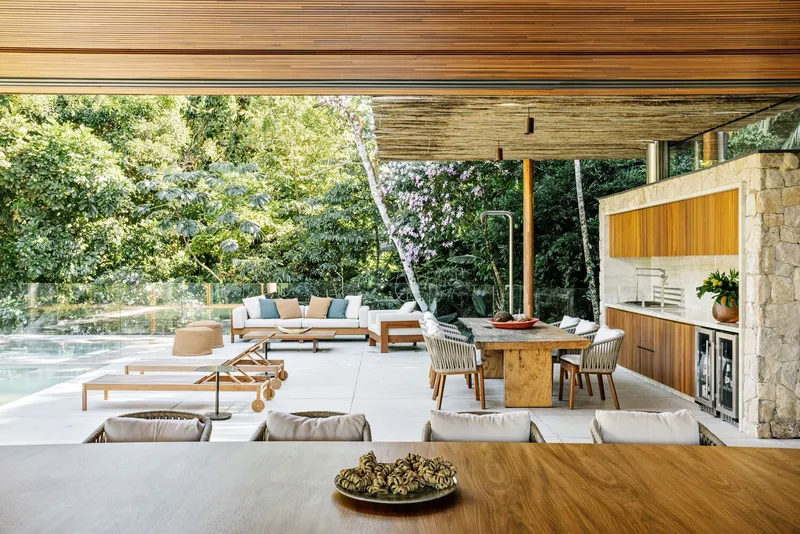
One of the significant challenges of designing a tropical house is ensuring that the structure blends into its natural surroundings. The VJC Iporanga House was built on a steeply sloping terrain, a common feature in tropical landscapes. David Bastos, the architect behind the design, overcame this challenge by integrating the house into the landscape through the use of five overlapping floors. This layout ensures that the house feels like it is part of the environment, with each level offering different views of the dense forest and coastal landscape.

Respecting the Natural Landscape with Sustainable Design
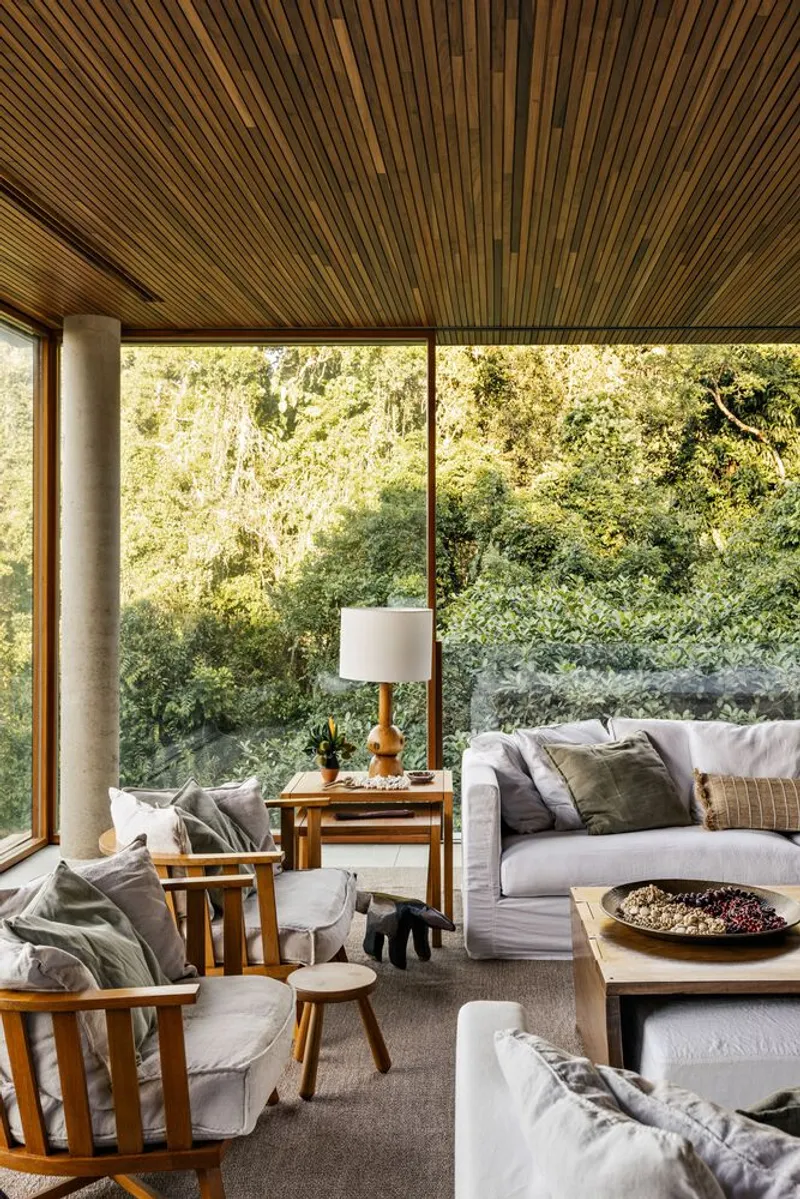
Tropical house architecture emphasizes sustainability and harmony with nature. In the case of the VJC Iporanga House, this principle is evident in the choice of materials and design elements. The house is made from natural raw materials such as wood and granite, which not only provide a local aesthetic but also ensure durability against the coastal climate. The use of Cumaru wood, granite slabs, and wooden slats for the façade and interiors reflects the architects' commitment to sustainable and nature-friendly design.
Key Features of Tropical House Architecture in the VJC Iporanga House
Layered Spaces and Open Layouts
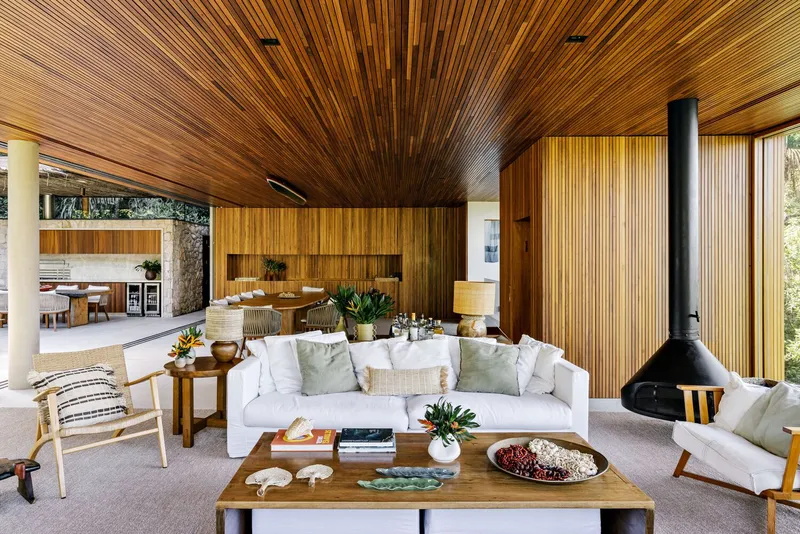
A core feature of tropical house architecture is the use of open, airy spaces that invite natural light and allow for easy flow between indoor and outdoor areas. The VJC Iporanga House embraces this philosophy through its multi-level structure, which maximizes the tropical climate’s advantages. The upper levels of the house are dedicated to social and leisure spaces such as living rooms, a dining area, and a kitchen. These spaces seamlessly connect to outdoor terraces, a solarium, and a swimming pool, offering stunning views of the surrounding forest and coast.
The lower levels of the house, on the other hand, are more intimate and private, housing the bedrooms and areas for rest. These spaces are nestled beneath the trees, creating a tranquil atmosphere that allows the residents to feel cocooned in nature. The inversion of the traditional house layout — with social spaces above and private spaces below — is a unique approach in tropical house architecture, perfectly adapted to the terrain.


Natural Materials and Color Palette
In tropical house architecture, natural materials are essential for creating a sense of warmth and lightness. The VJC Iporanga House makes extensive use of wood, granite, linen, and ceramics. The materials are chosen not only for their aesthetic appeal but also for their ability to endure in the tropical climate. The floors are covered in polished granite, while wooden panels line the walls, adding texture and warmth to the interiors.
The color palette of the house complements its natural materials. Earthy tones of raw, green, and blue reflect the colors of the surrounding landscape, while soft natural fabrics like linen and straw contribute to the relaxed, coastal vibe of the home. This careful selection of materials and colors is a hallmark of tropical house architecture, ensuring the home feels connected to its environment.

The Role of Nature in Tropical House Architecture
Framing Views and Enhancing Natural Light
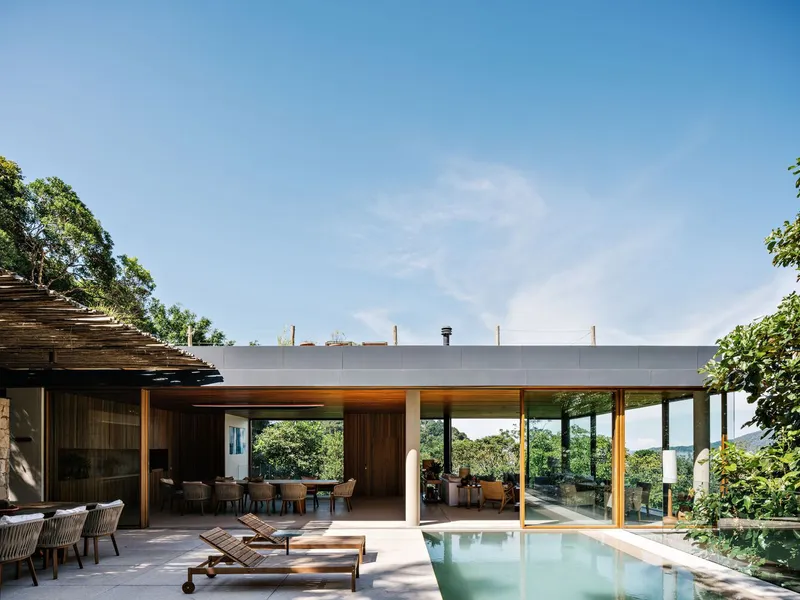
Tropical house architecture seeks to enhance the relationship between indoor and outdoor spaces. The VJC Iporanga House achieves this through its large glass panels that frame panoramic views of the forest and the ocean. These expansive windows invite abundant natural light into the house and create a continuous dialogue between the interior and the surrounding landscape.
The house's terraces and open spaces are strategically placed to offer the best views. The roof terrace, for example, serves as a viewing platform where residents can experience breathtaking vistas of the coastline and treetops. This connection with nature is essential in tropical house architecture, as it brings a sense of tranquility and harmony to the home.


Outdoor Living Spaces Designed for Comfort and Relaxation
Tropical house architecture emphasizes creating spaces where residents can enjoy outdoor living in comfort. At the VJC Iporanga House, the outdoor areas are designed to support relaxation and socialization. The gourmet balcony is an extension of the indoor dining room, where family and friends can gather while enjoying views of the tropical landscape. Furniture, such as Sunbrella fabric sofas and wooden coffee tables, are weather-resistant, ensuring that these outdoor living spaces are durable and comfortable year-round.
The swimming pool and solarium areas also serve as peaceful retreats where residents can unwind and take in the beauty of the surrounding environment.

The Impact of Tropical House Architecture on Lifestyle
Embracing a Slow Living Lifestyle
One of the most significant aspects of tropical house architecture is its ability to promote a slower, more relaxed lifestyle. The VJC Iporanga House encourages this lifestyle by providing ample opportunities for contemplation and leisure. The house’s design promotes ease of movement and flexibility, allowing residents to rearrange the furniture and adapt the spaces to their needs. This flexibility is essential in creating a home that feels organic and ever-changing, much like the tropical environment in which it resides.

Creating an Oasis of Serenity
The VJC Iporanga House serves as an oasis, providing a retreat from the fast-paced urban life. The design integrates the natural surroundings, creating a peaceful sanctuary that prioritizes comfort, relaxation, and connection to nature. In doing so, it exemplifies the best qualities of tropical house architecture, where design, nature, and lifestyle are in perfect harmony.


The Future of Tropical House Architecture
The VJC Iporanga House stands as a prime example of how tropical house architecture can create beautiful, sustainable, and harmonious living spaces that are fully integrated into the natural world. By blending modern design with the principles of sustainability and comfort, this residence offers a glimpse into the future of tropical house architecture. As more people seek refuge in nature and embrace slower, more mindful living, the principles demonstrated in the VJC Iporanga House will continue to influence future tropical house designs.





Popular Articles
Popular articles from the community


The Earth Pod: 3D Printed Homes for Resilient Refugee Communities
The Earth Pod reimagines refugee housing through 3D printed homes made from clay, combining resilience, self-sufficiency, and rapid shelter.
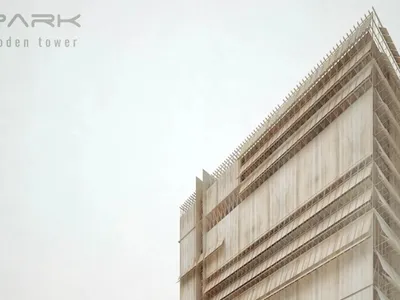
EW PARK: Sustainable Architecture Reimagines the Future of Urban Parking
EW PARK reimagines city parking as a modular wooden tower combining automation, solar energy, electric mobility, and adaptable urban design.

Co-Life: Senior Housing Design That Reconnects Older Adults With the City
Co-Life reimagines senior housing design through healing gardens, shared streets, workshops, and a sustainable community across generations.
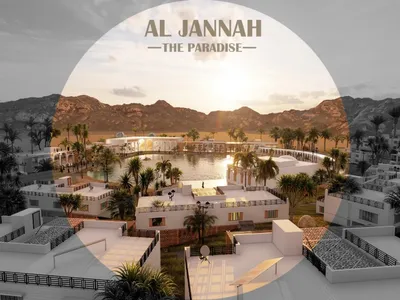
AL-JANNAH: Sustainable Architecture and Permaculture for Afghan Widows
AL-JANNAH uses sustainable architecture and permaculture to create resilient oasis of housing, learning, work and renewal for Afghan widows.
Similar Reads
You might also enjoy these articles


Hodi-Mandai Geram
Project Function: Preservation and revitalization of the Intangible heritage and socio-spatial identity of the Hodi by Housing, Cultural Memory Center, Sacred Grove, landscape, local tourism economy


Olio Towers: A Mid-Rise for Performers That Fuses Housing, Rehearsal, and Stage
Located blocks from Houston's Theater District, this modular tower stacks living units around a central performance atrium.

Oasis: Modular Green Housing Carved into Dhaka's Urban Fabric
A shortlisted Plugin Housing entry reclaims unauthorized settlements in Dhaka with stepped concrete volumes, green roofs, and ventilation-driven design.

Black Hole: A Floating Megastructure for the Post-Physical Era
Emiliano Mazzarotto envisions a spherical, self-scaling arena where e-sports, digital hotels, and holographic stadiums replace traditional public space.


Explore Brazilian Architecture Competitions
Discover active competitions in this discipline



Challenge to reimagine the Iron Throne


Photograph architecture without architects


Illustrate the lost glory of Angkor Wat - Render Challenge


Design challenge to reuse E-waste
Comments (0)
Please login or sign up to add comments
No comments yet. Be the first to comment!