
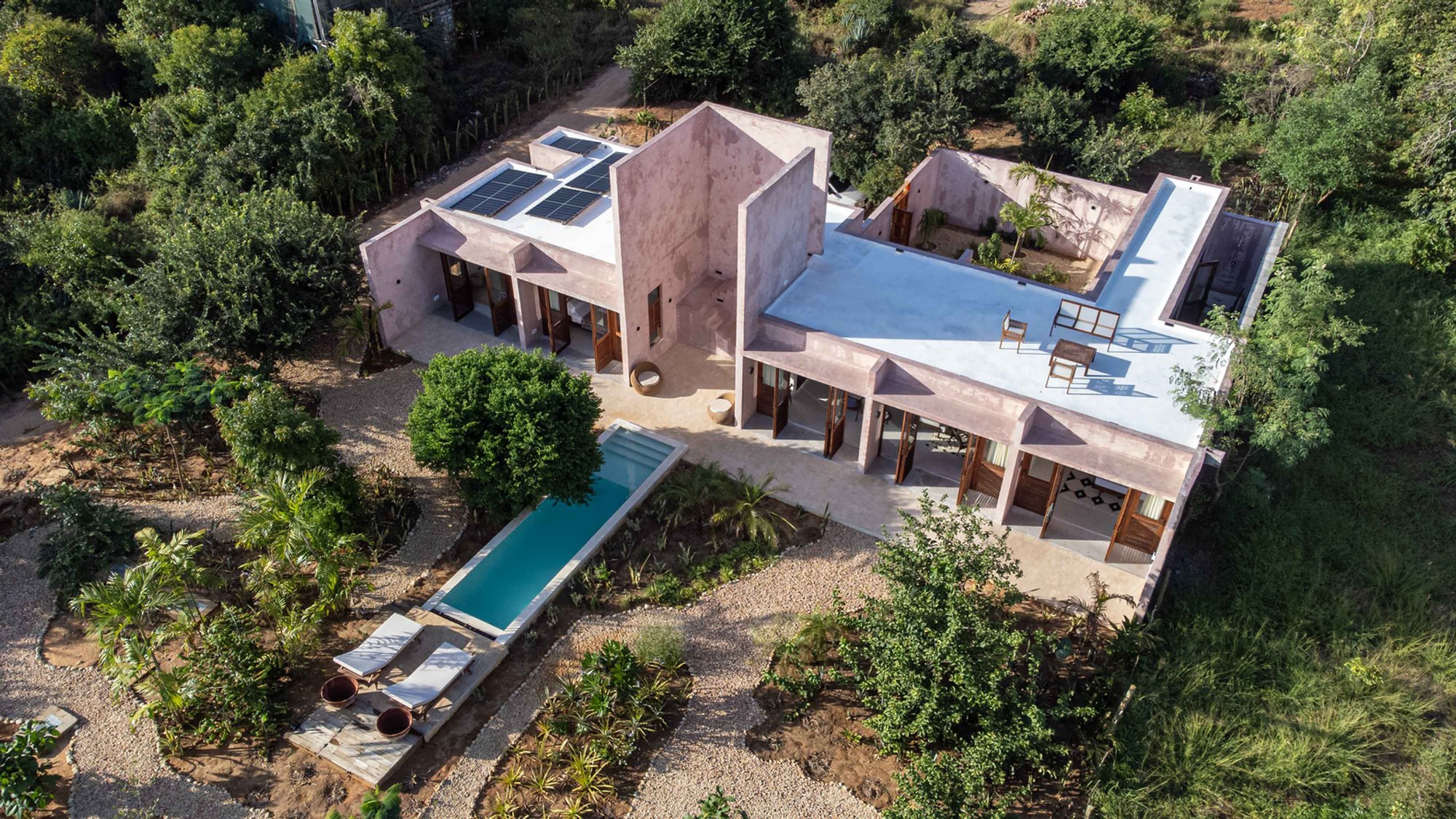
UA House by Studio Mehta Architecture: Sustainable Coastal Living in Kilifi, Kenya
UA House by Studio Mehta Architecture in Kilifi, Kenya blends Omani heritage, sustainable limestone design, courtyards, climate-responsive features, and indigenous landscaping.

Nestled along the tranquil Takaungu Creek, the UA House by Studio Mehta Architecture is a masterful blend of contemporary design and historical influence. This 155 m² limestone villa, completed in 2022, exemplifies sustainable architecture inspired by the rich Omani heritage that has shaped Coastal Kenya. Through thoughtful planning, innovative materials, and climate-responsive design, UA House delivers a serene retreat that harmonizes with its coastal environment.UA House by Studio Mehta Architecture in Kilifi, Kenya blends Omani heritage, sustainable limestone design, courtyards, climate-responsive features, and indigenous landscaping.
Harmonious Indoor-Outdoor Flow through Courtyards
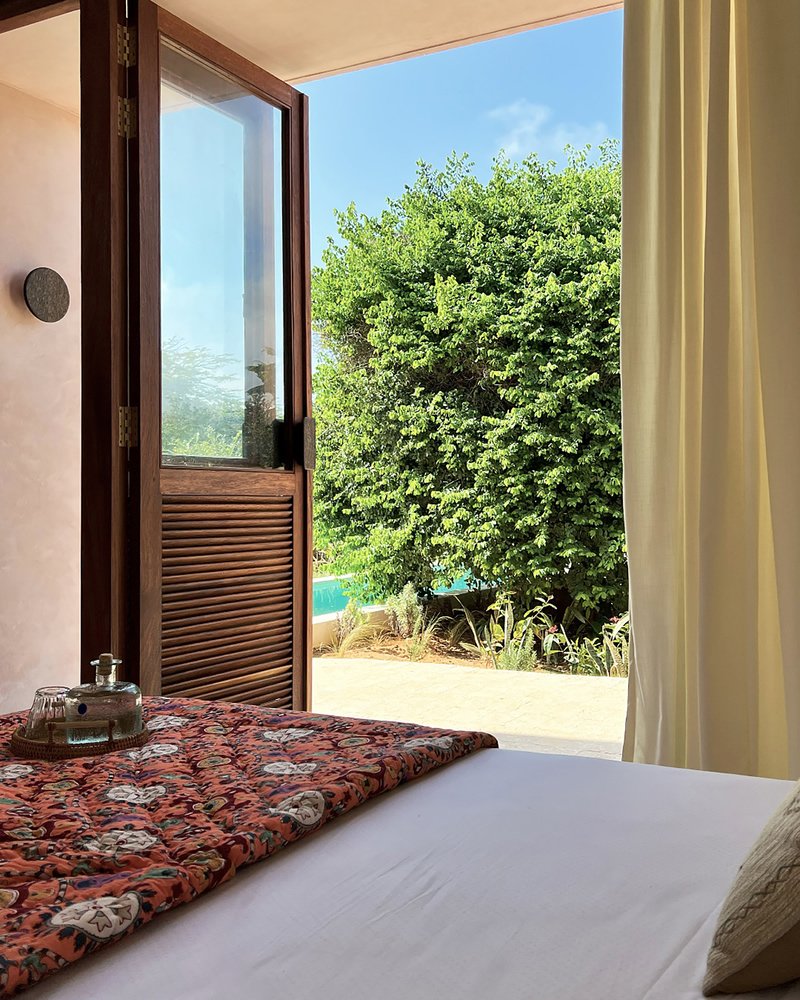
At the heart of UA House’s design is a series of landscaped courtyards that create a seamless connection between indoor and outdoor spaces. These courtyards are more than aesthetic features: they serve functional purposes such as natural ventilation, controlled sunlight, and serene private retreats. By designing the villa around these open-air spaces, Studio Mehta Architecture ensures an organic, flowing experience where residents can enjoy the tropical climate without compromising comfort.
Climate-Responsive Architectural Design
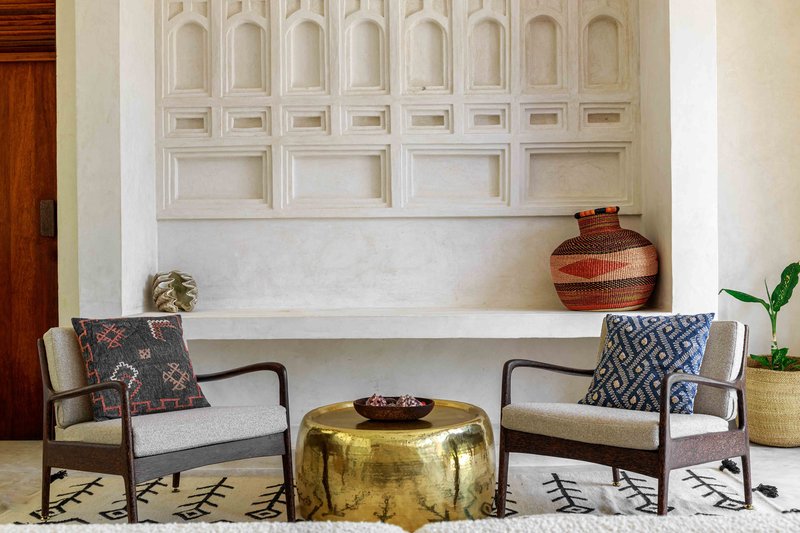
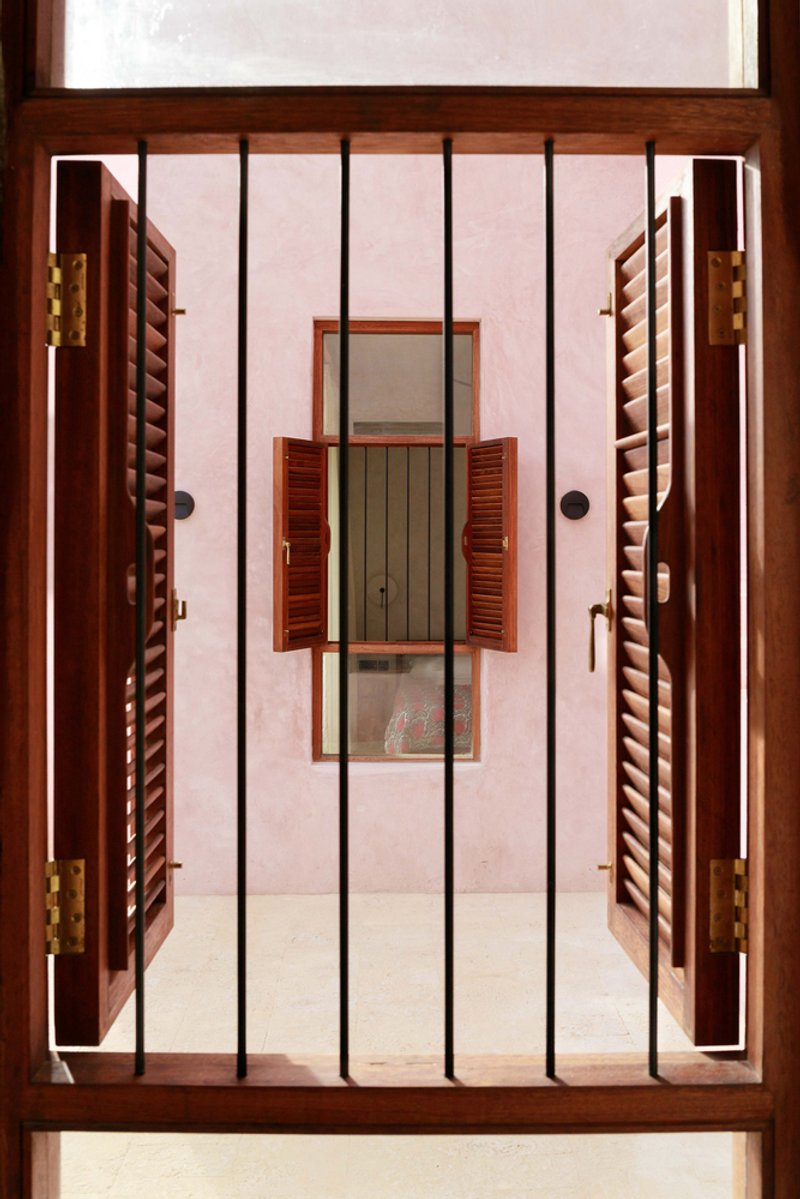
UA House is meticulously designed to respond to Kilifi’s hot and humid coastal climate. Strategically positioned openings enable continuous airflow, providing year-round ventilation while regulating sunlight and heat. By controlling the penetration of natural light, the interiors remain cool, reducing reliance on artificial cooling systems. This climate-sensitive approach not only enhances comfort but also aligns with eco-friendly living principles.
Vibrant and Resilient Exterior Materials
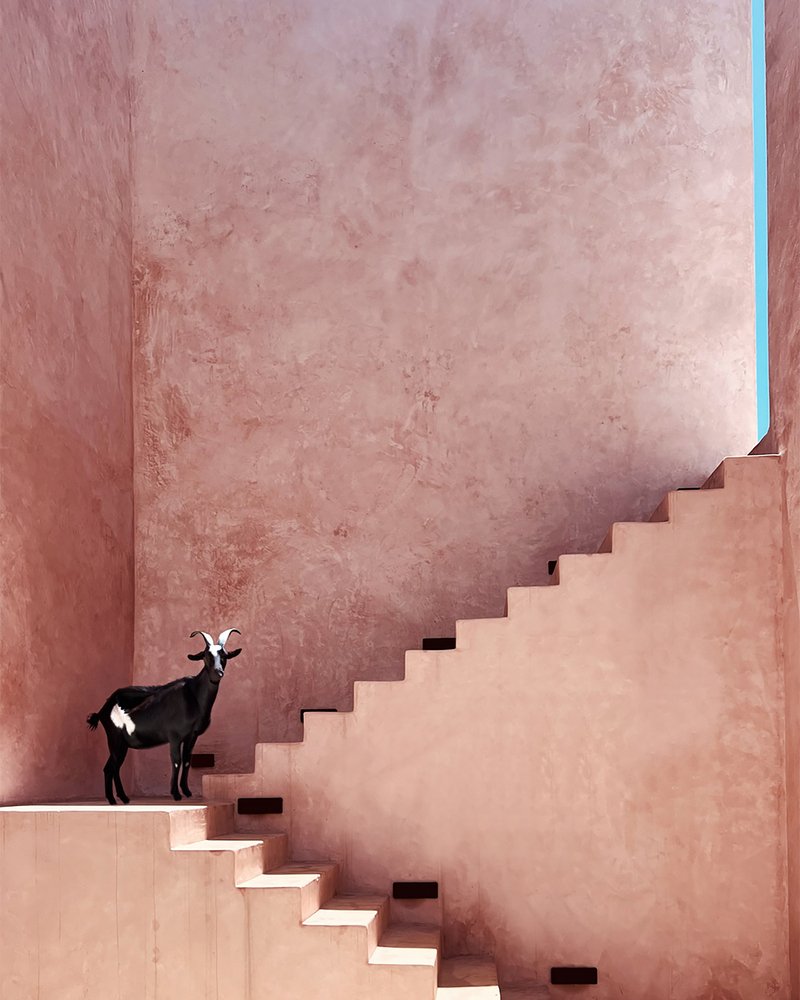
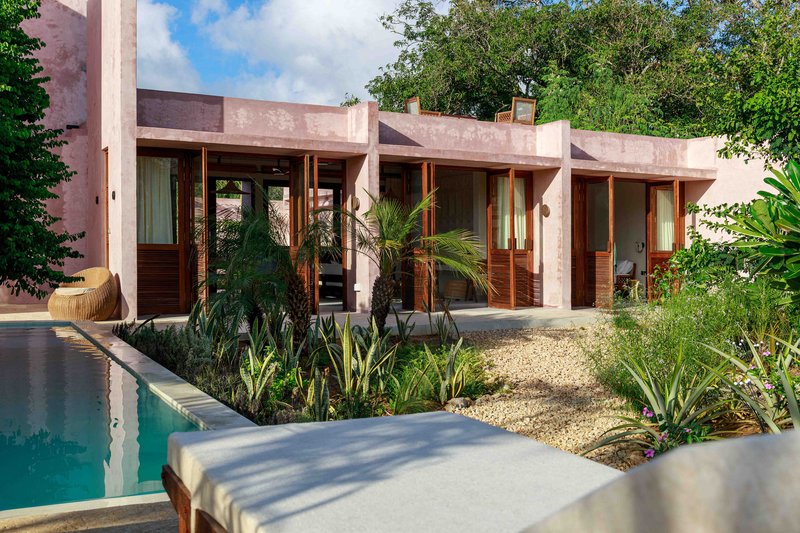
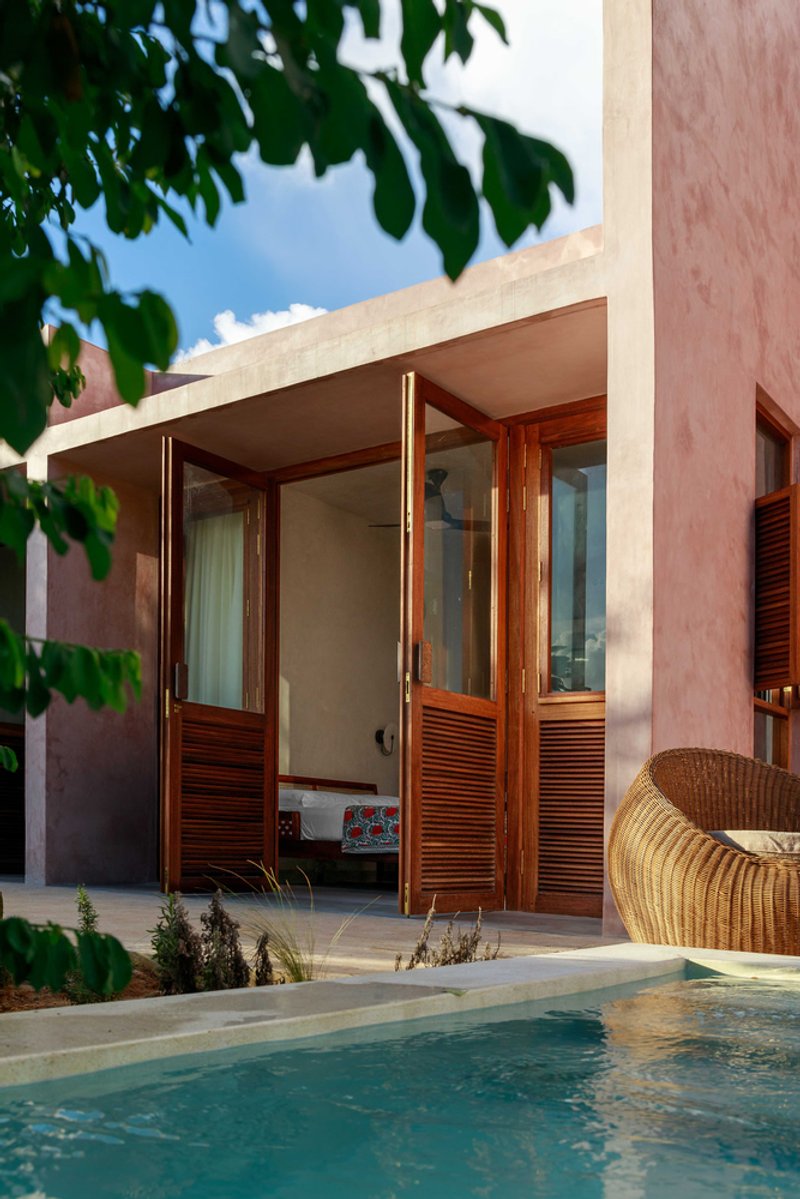
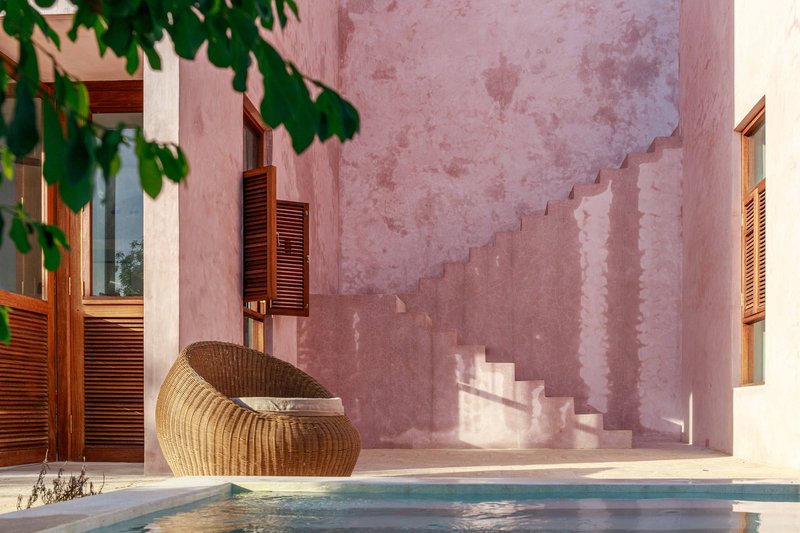
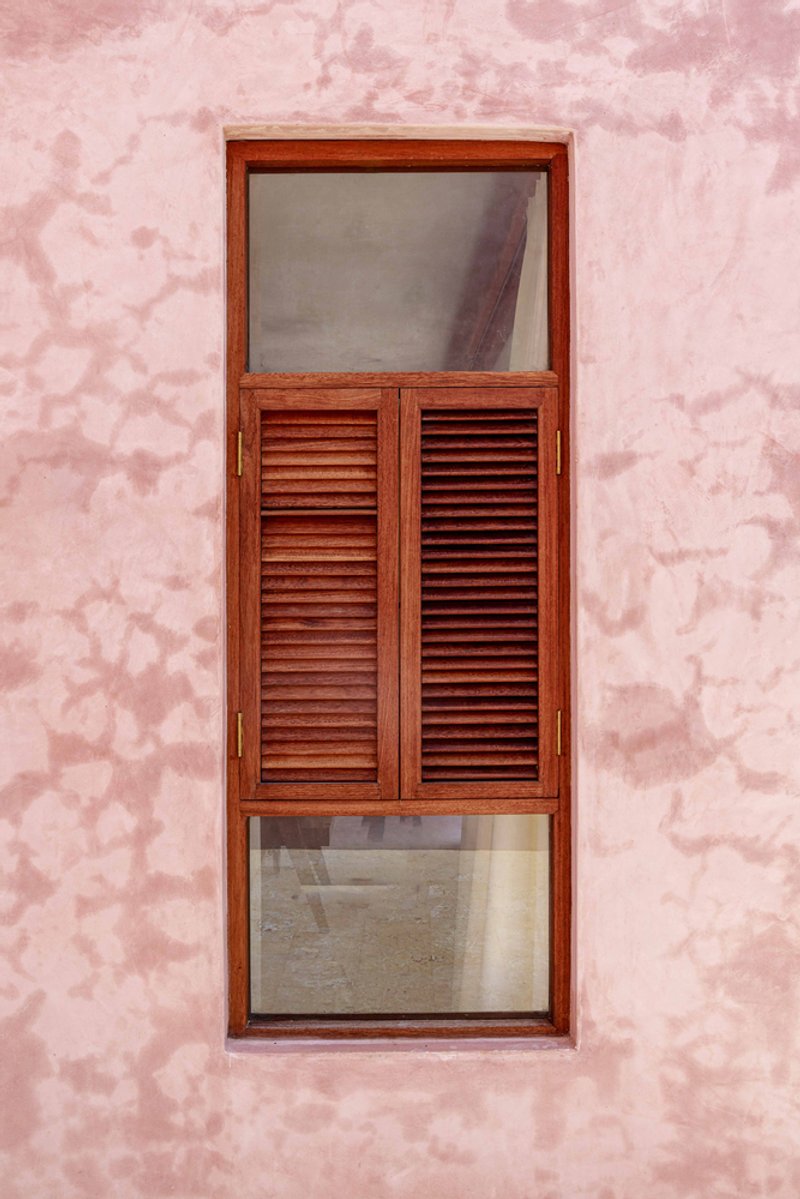
One of UA House’s most striking features is its pink-hued lime exterior, finished using the traditional “neeru” plastering technique. Crafted from locally sourced quarry waste, this ancient method allows the walls to breathe, self-heal, and resist the harsh coastal environment. The vibrant pink façade provides a bold yet harmonious contrast to the surrounding arid landscape, establishing a strong sense of place while celebrating local craftsmanship.
Shading and Energy Efficiency
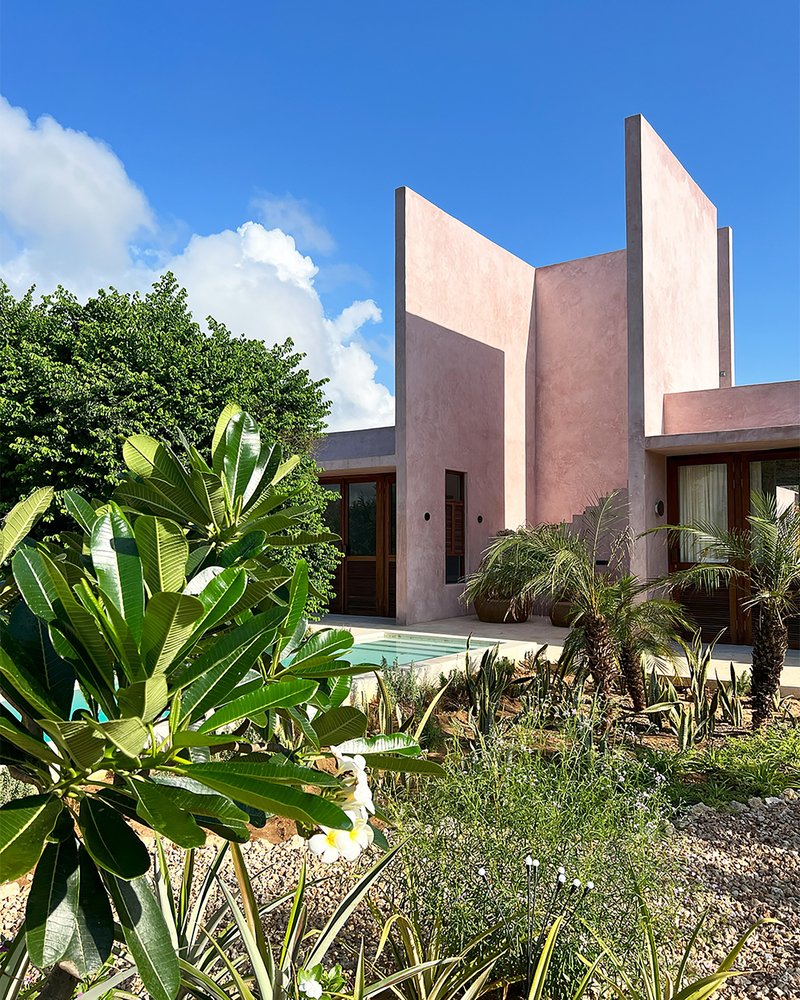
A distinctive extrusion integrated into the villa’s structure serves as a sun-shading device, protecting the flat slab and the sundowner deck. These shaded areas remain cool throughout the day, enhancing outdoor comfort and contributing to the villa’s energy efficiency. Coupled with deep eaves and folding walls that blur the boundaries between indoors and outdoors, the home adapts seamlessly to changing weather conditions while minimizing heat gain.
Integrating Indigenous Landscapes for Sustainability
UA House exemplifies holistic landscaping, incorporating indigenous plants and water-smart strategies to enhance the microclimate. By preserving and enhancing the local ecosystem, the villa creates a sustainable oasis that mitigates the challenges of its arid coastal setting. The integration of native flora not only beautifies the property but also strengthens its environmental resilience, reflecting a deep commitment to eco-conscious design.
Locally Sourced and Salvaged Materials
Sustainability is a cornerstone of UA House. Approximately 85% of construction materials were salvaged locally within a 45-kilometer radius, including regionally abundant limestone. This approach reduces the carbon footprint, supports the local economy, and emphasizes the villa’s connection to its geographic and cultural context. By combining reclaimed materials with modern construction techniques, UA House demonstrates how luxury and sustainability can coexist.
A Contemporary Homage to Omani Heritage
UA House is more than a residence; it is a contemporary tribute to the Omani architectural influence on Coastal Kenya. By blending traditional techniques like “neeru” plaster with modern design strategies, Studio Mehta Architecture has created a home that respects the past, embraces the present, and anticipates a sustainable future. The result is a tranquil, stylish, and environmentally responsive retreat on the shores of Takaungu Creek.

Key Features of UA House:
- Climate-responsive design for year-round comfort
- Series of landscaped courtyards enhancing natural ventilation
- Vibrant pink-hued lime exterior using ancient plastering techniques
- Energy-efficient sun-shading devices and deep eaves
- Integration of indigenous landscapes and water-smart strategies
- Construction using 85% locally sourced and salvaged materials
UA House stands as a benchmark for sustainable coastal living, where cultural heritage, environmental responsibility, and contemporary aesthetics converge. Studio Mehta Architecture has crafted a residence that is not only visually stunning but also environmentally attuned, creating a timeless coastal retreat for generations to come.
All photographs are works of
Iain Olivier




Popular Articles
Popular articles from the community

Stanton Architects Sculpts a Curving Family Home into Sydney's Inner West Fabric
Five Dock House uses cantilevers, curved concrete, and layered courtyards to carve out privacy on a tight suburban lot in Sydney.
PLATAFORMArq Folds a Concrete Roof Over the Portuguese Mountains in House #474
A 220-square-meter residence in Teixoso, Portugal, wraps board-formed concrete into an angular canopy that frames the Serra da Estrela foothills.

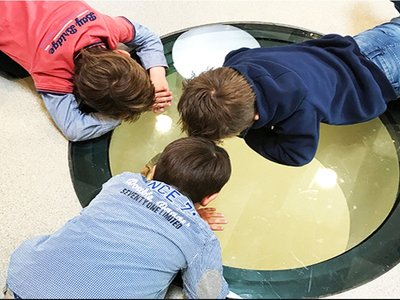
IKC de Geluksvogel: Sustainable School Architecture Designed for Free Movement and Digital Learning
IKC de Geluksvogel turns sustainable school architecture into a flexible Maastricht campus for digital learning, nature, and free movement.
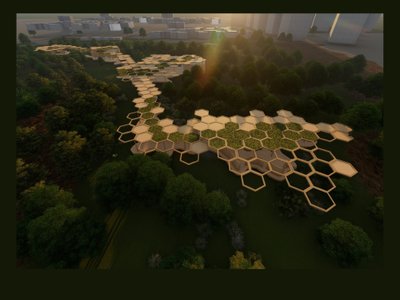
Eco Chapel: A Green Architecture Pavilion Designed in Symbiosis with the Forest
Eco Chapel uses green architecture to weave prayer, learning and reuse into a forest pavilion shaped by modular hexagonal canopies for life.


Similar Reads
You might also enjoy these articles
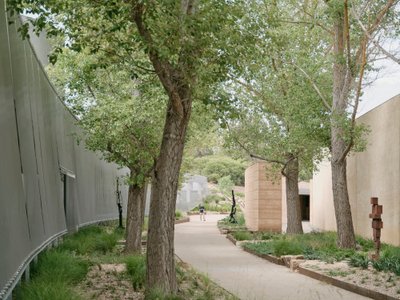
Kerstin Thompson Architects Buries a Cultural Center Beneath Its Own Car Park in the Yarra Valley
The Eva and Marc Besen Centre at TarraWarra hides 2,375 square metres of gallery and archive space under a reinstated landscape in Healesville, Australia.
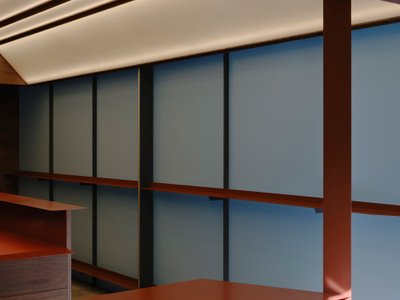
Kerry Kounnapis Packs 800 Daily Coffees into a 43-Square-Metre Melbourne Laneway Bar
Palace Coffee channels Pellegrini's and European standing bars through oxide-red steel and spotted gum timber in a Ridgway Place sliver.
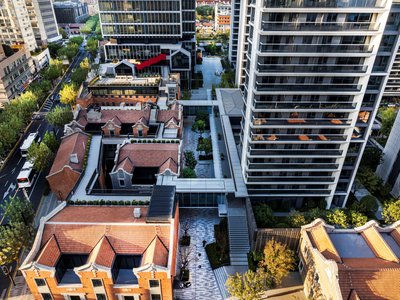
Nikken Sekkei Stacks a Three-Dimensional Lilong Atop Shanghai's Historic Alleyways
A 180-meter tower and restored heritage houses on Nanjing West Road reimagine communal lane life as a vertical mixed-use district.
PLATAFORMArq Folds a Concrete Roof Over the Portuguese Mountains in House #474
A 220-square-meter residence in Teixoso, Portugal, wraps board-formed concrete into an angular canopy that frames the Serra da Estrela foothills.


Explore Housing Competitions
Discover active competitions in this discipline




The International Standard for Design Portfolios


The Global Benchmark for Architecture Dissertation Awards


The Global Benchmark for Graduation Excellence


Challenge to reimagine the Iron Throne
Comments (0)
Please login or sign up to add comments
No comments yet. Be the first to comment!