
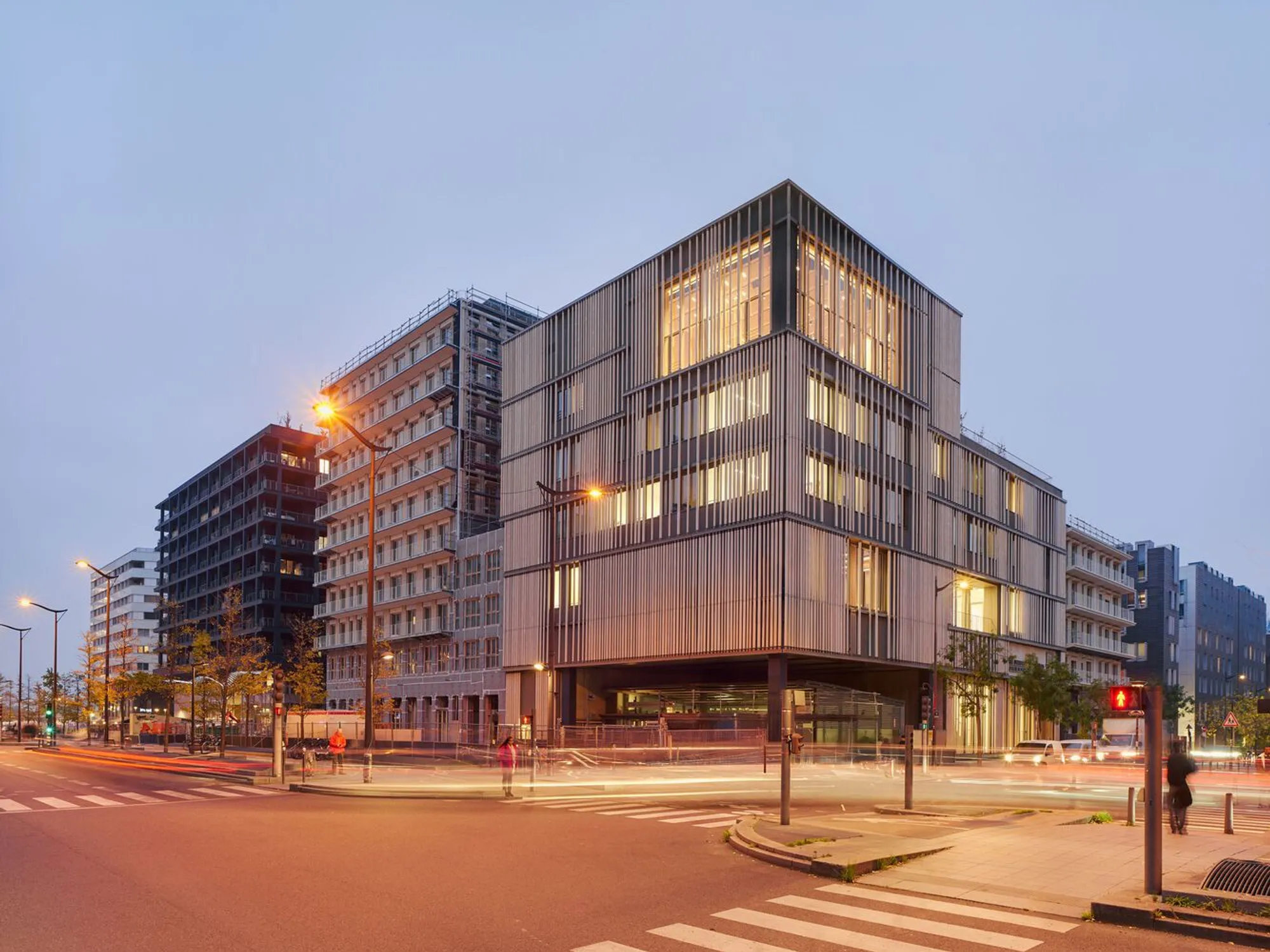
University of Chicago John W. Boyer Center Paris: A Modern Educational Hub by Studio Gang
The University of Chicago John W. Boyer Center in Paris by Studio Gang combines modern design with sustainability, fostering academic exchange.


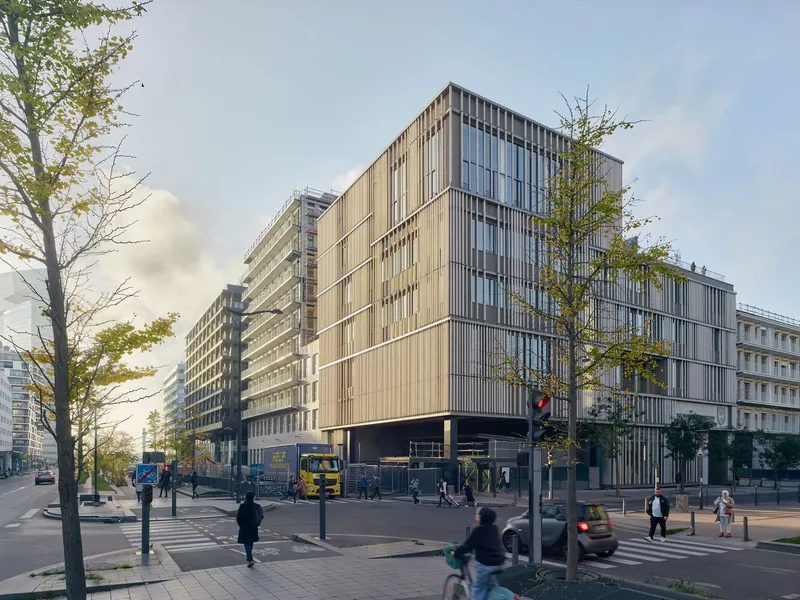
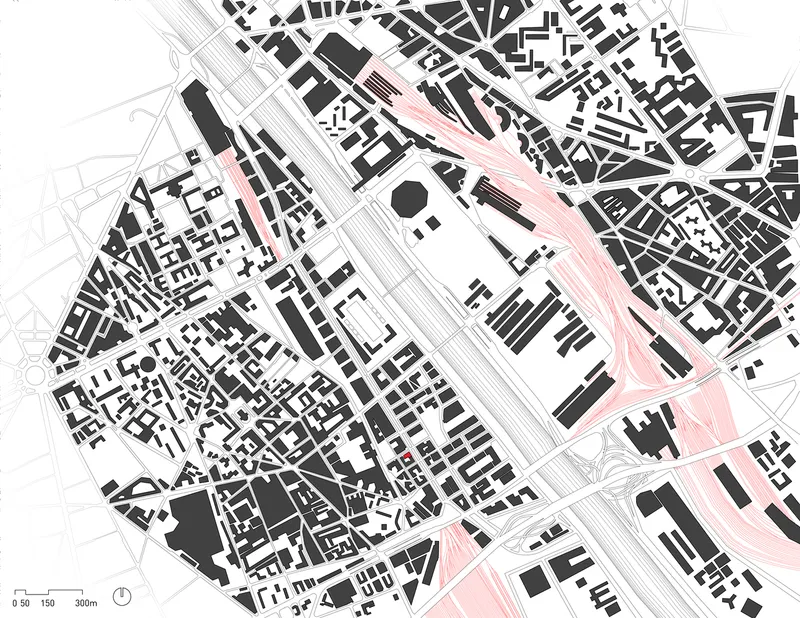
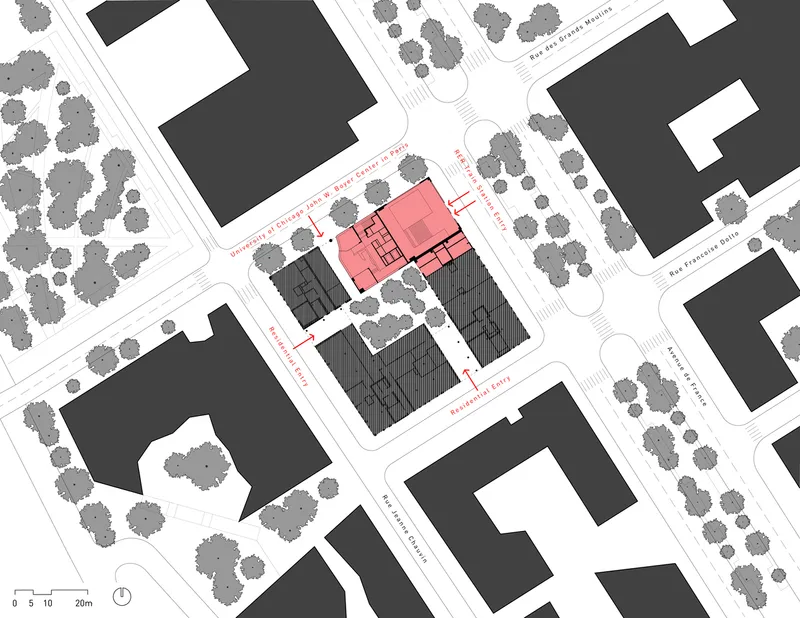
Studio Gang’s University of Chicago John W. Boyer Center Paris marks the firm’s first project in France, blending academic excellence with architectural innovation. Located in the 13th arrondissement of Paris, this new academic center functions as a vibrant hub for research and scholarship. The design elevates the surrounding neighborhood and creates a lasting connection between the University and the city. Through its vertical campus and commitment to sustainable architecture, the building fosters intellectual exchange, enhances social interactions, and seamlessly integrates into the urban fabric of Paris.
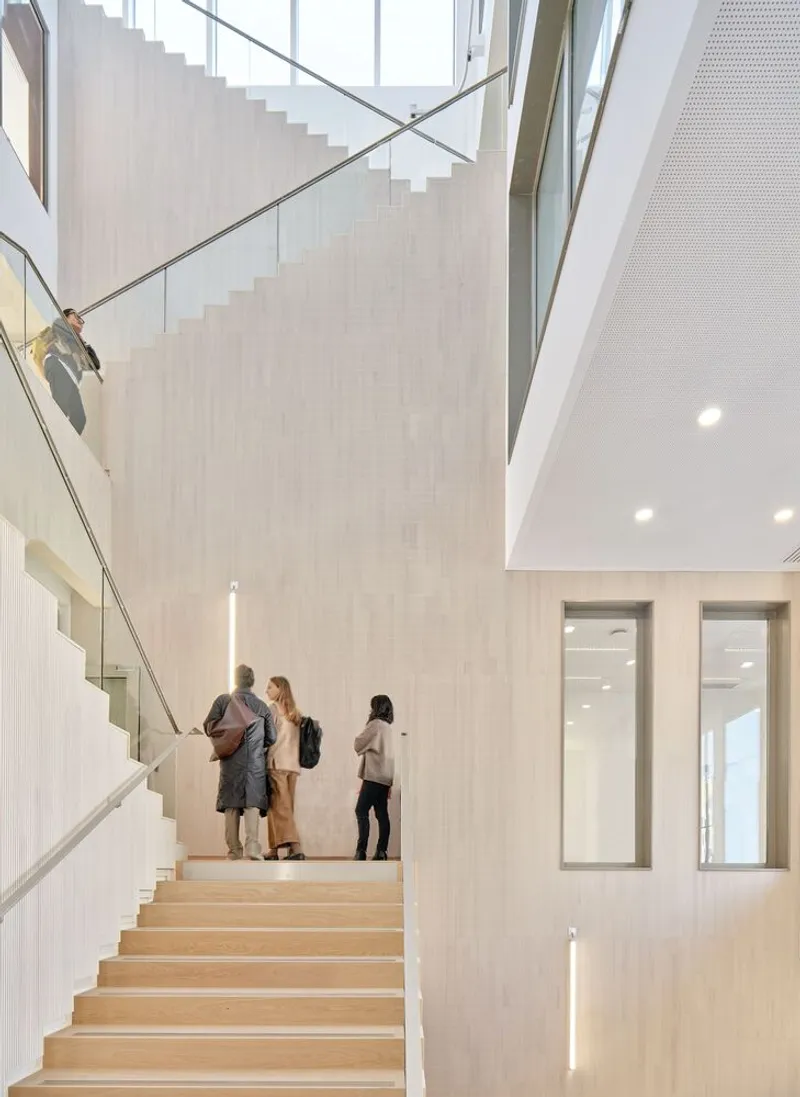
Introduction: A Hub for Learning and Collaboration
The University of Chicago John W. Boyer Center Paris stands as a beacon of modern educational architecture. Designed by Studio Gang, the center provides a European base for the University’s academic and research activities. With a focus on social collaboration, scholarly exchange, and cultural engagement, the center is not just an academic building, but a dynamic space where students, faculty, and the public come together. This architectural marvel is designed to amplify interactions between the University and the city, weaving intellectual pursuits into the heart of Paris.
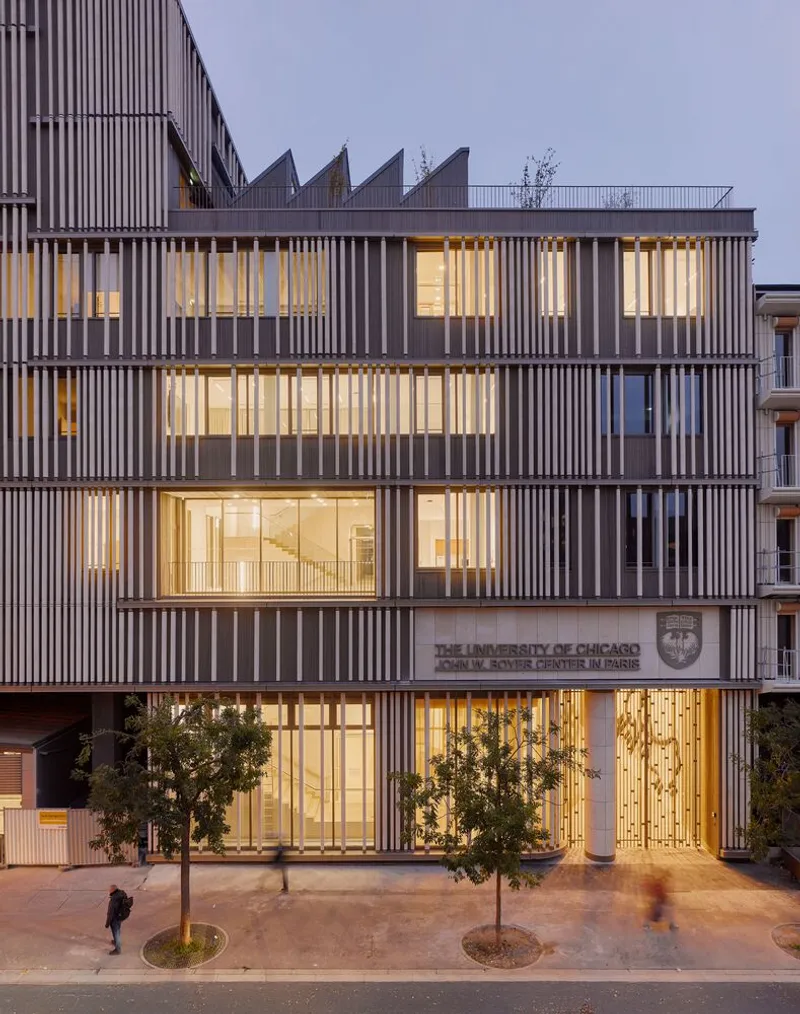
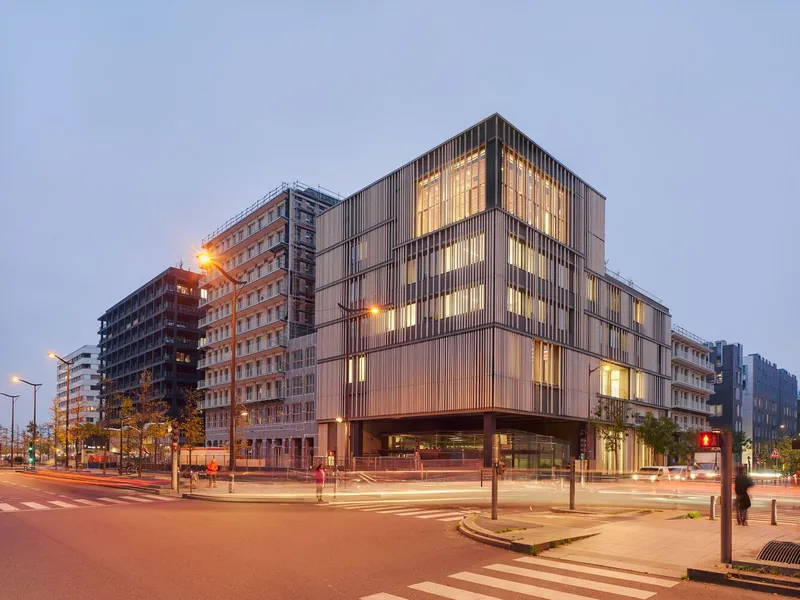
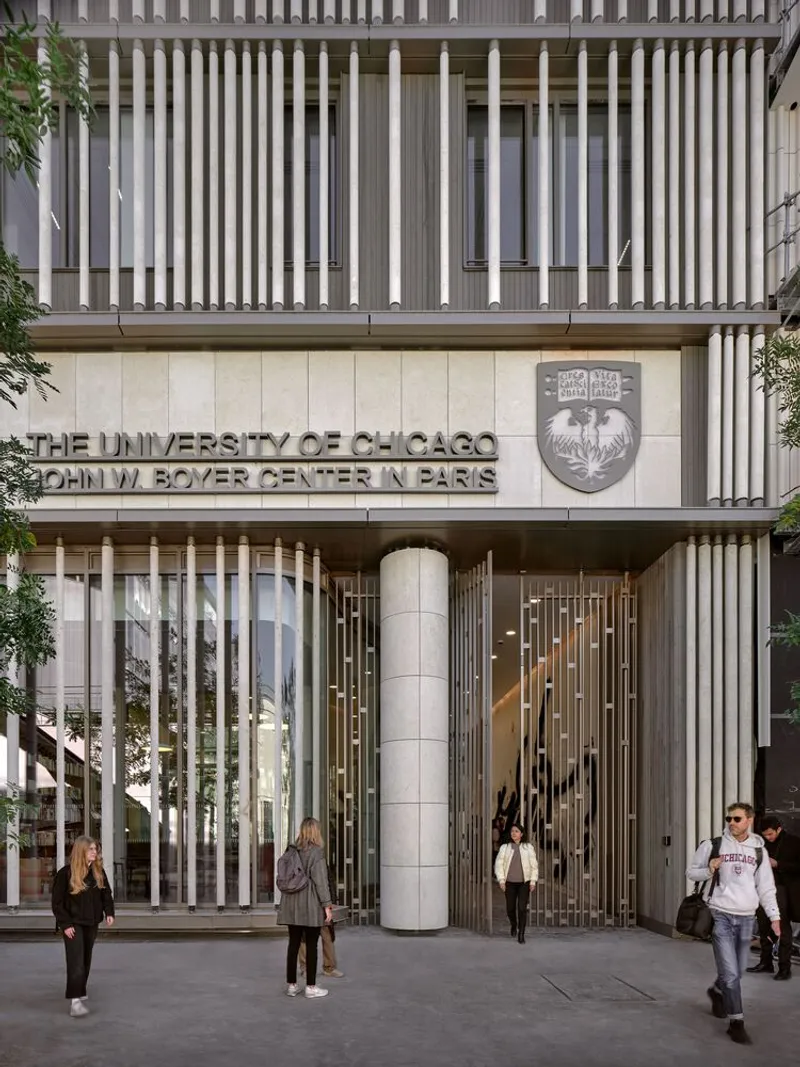
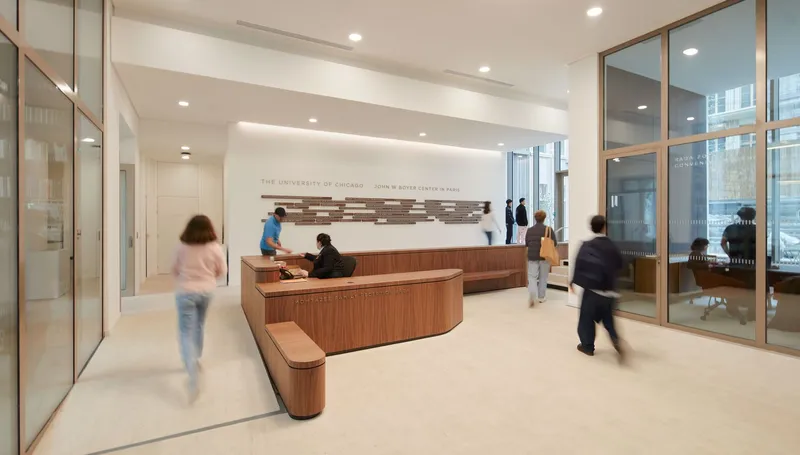
Design Philosophy: Vertical Campus and Social Connectivity
Creating a Vertical Campus
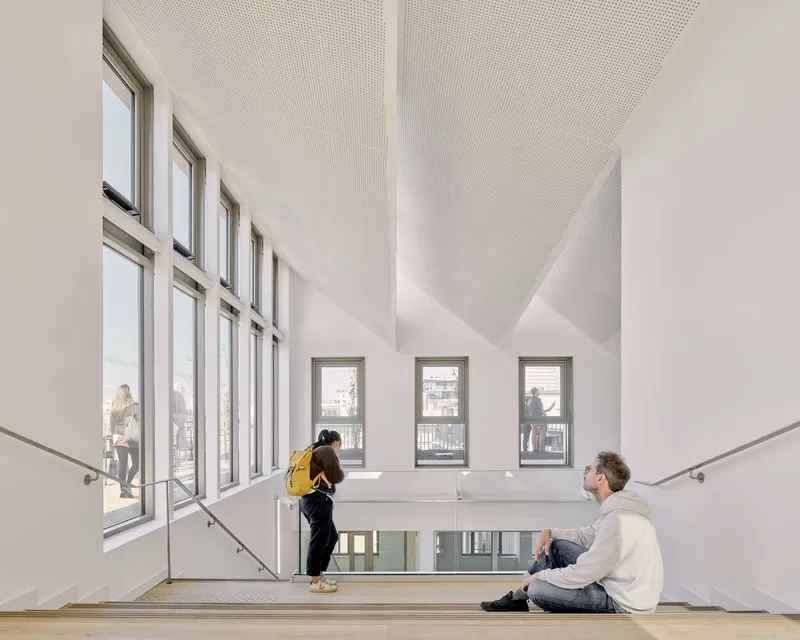
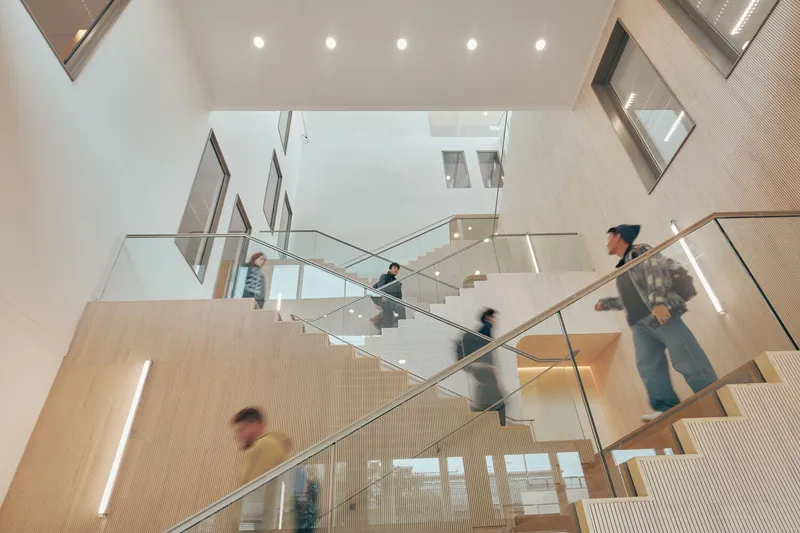
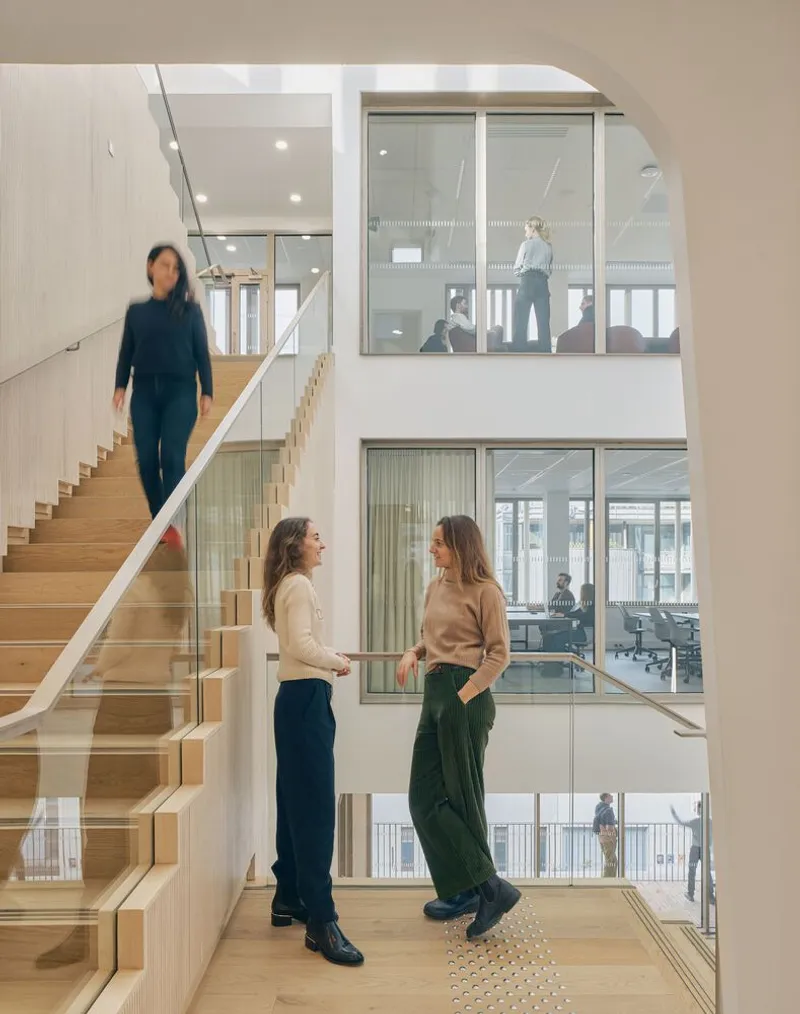
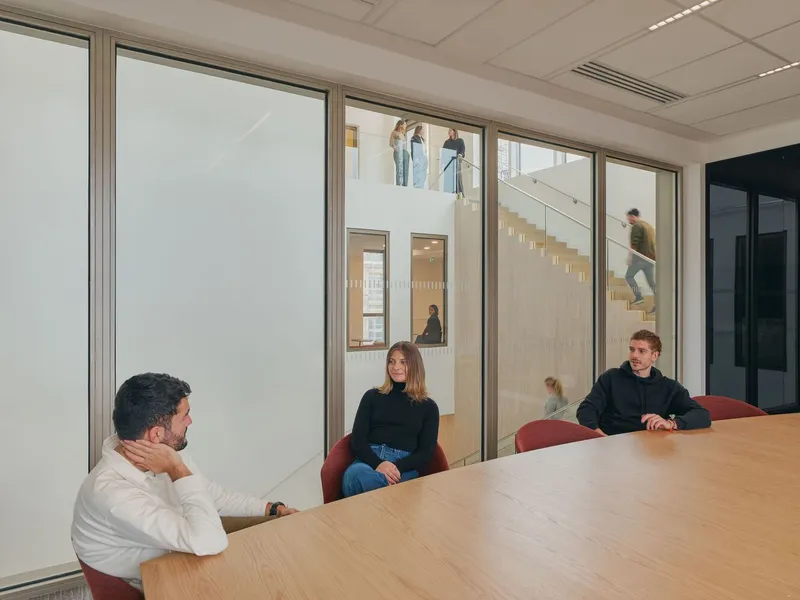
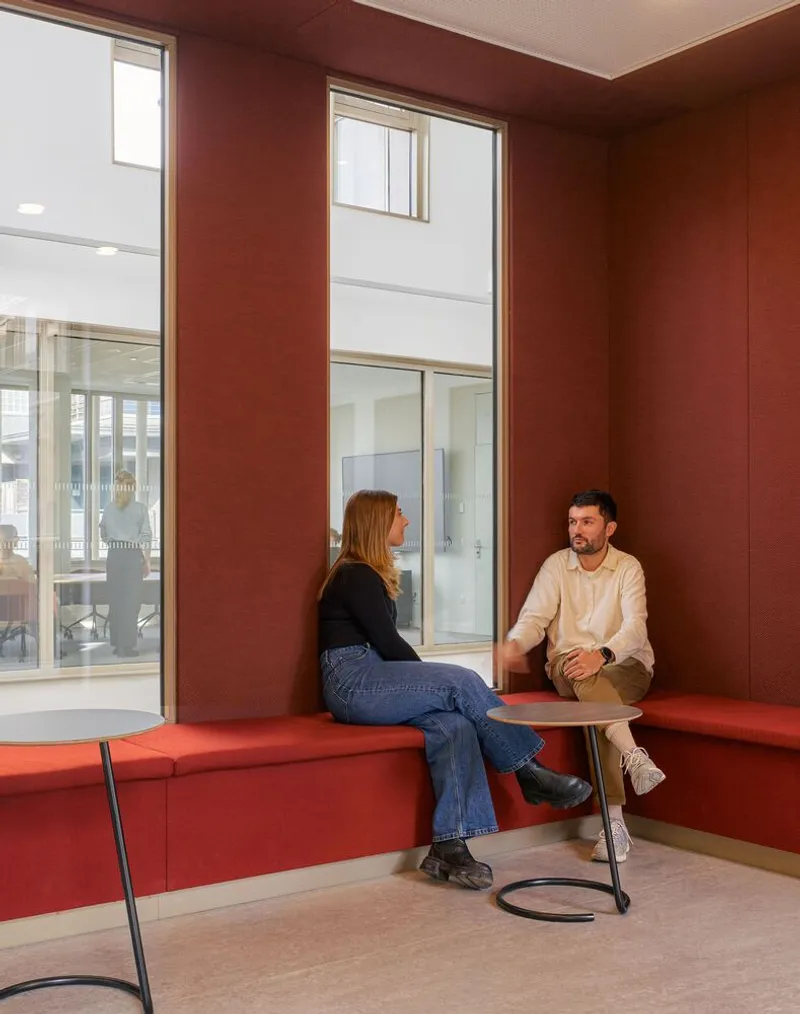
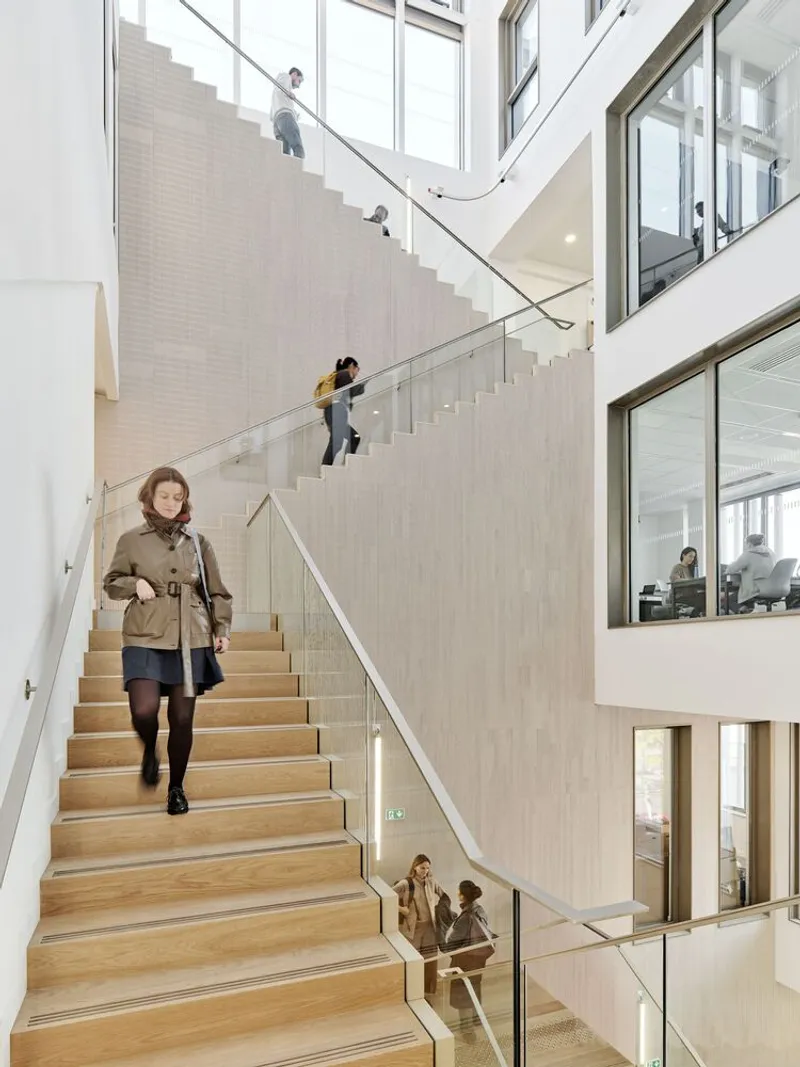
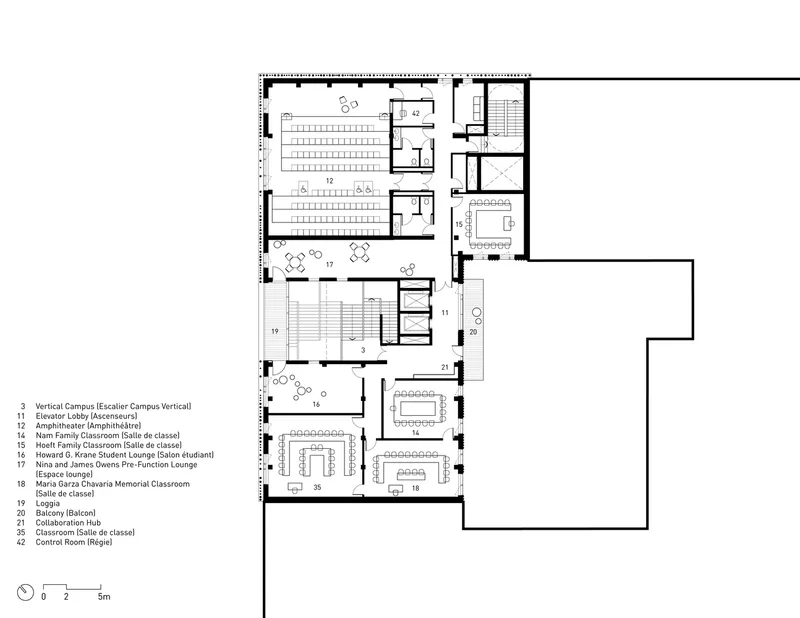
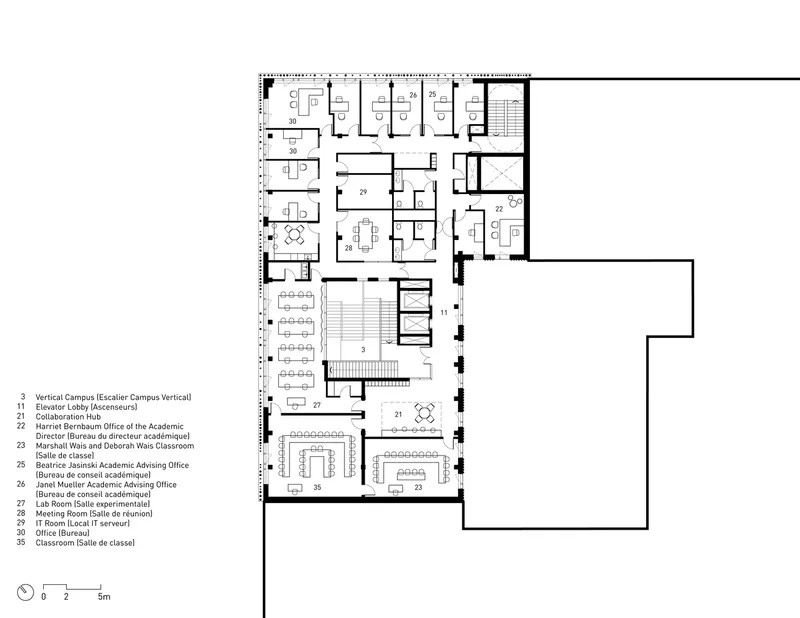
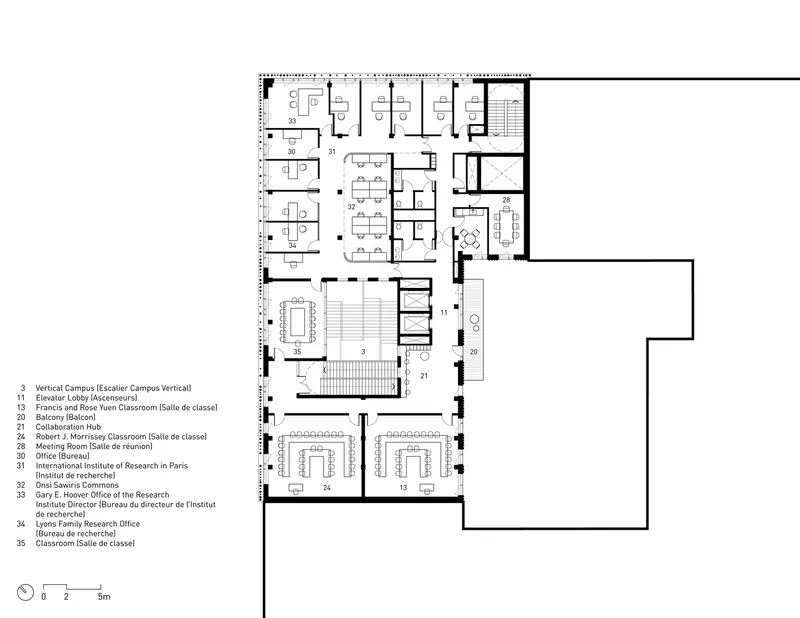
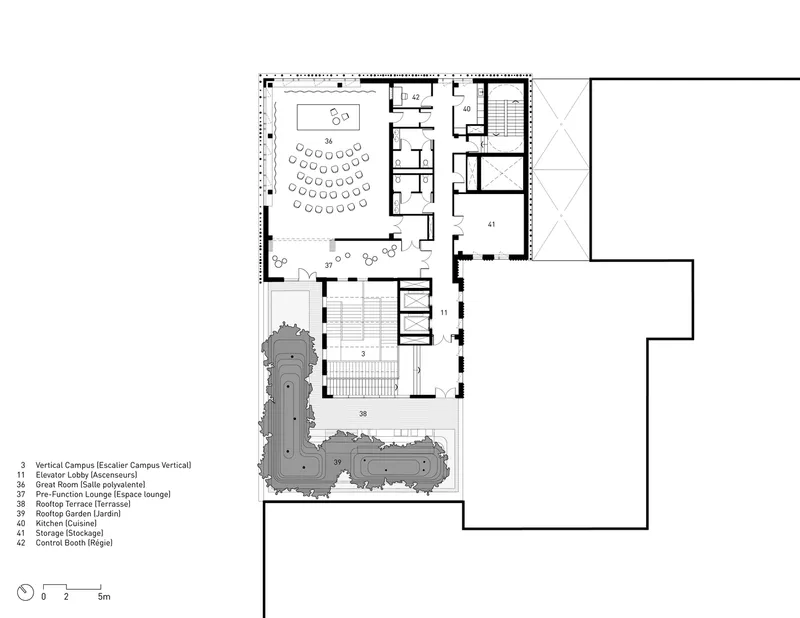
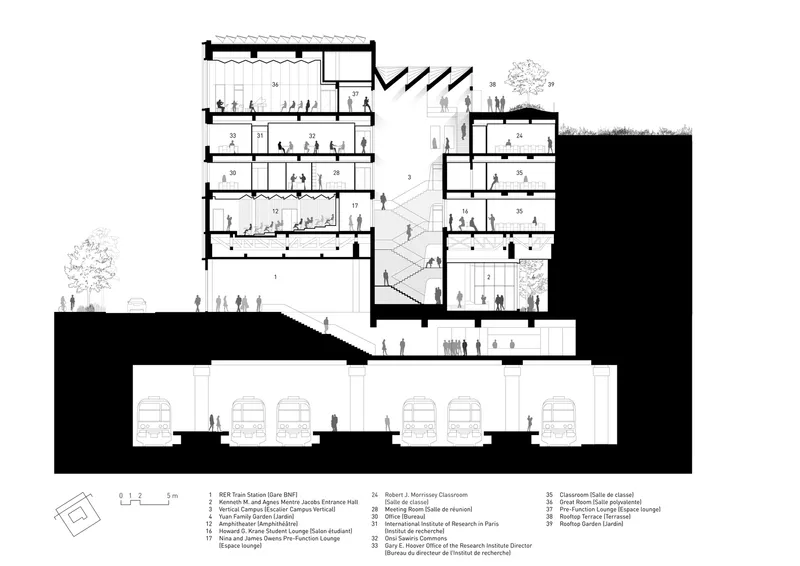
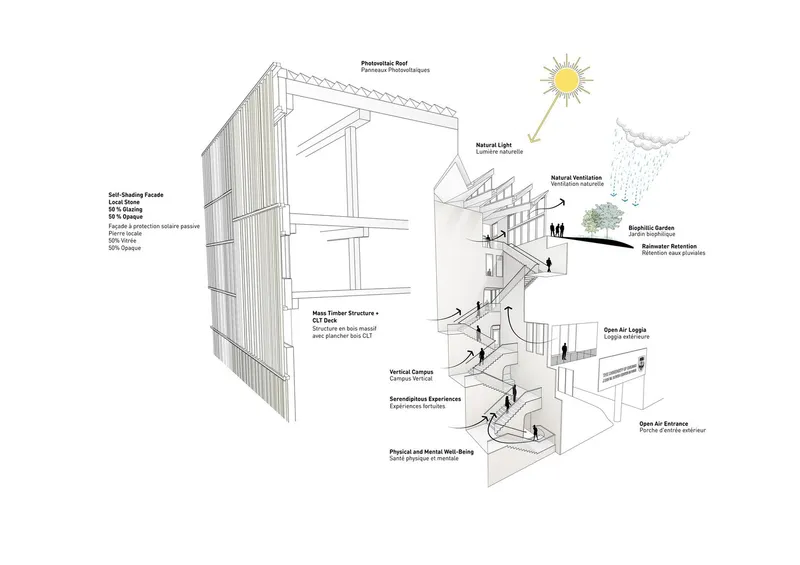
One of the key elements of the University of Chicago John W. Boyer Center is its innovative vertical design. The building’s core is a multilevel atrium that connects learning and research spaces while flooding the interior with natural light. The atrium offers visual connectivity, allowing different programs to be intertwined and creating an open, airy environment that encourages collaboration. The structure also features numerous outdoor spaces such as courtyards, loggias, and terraces, providing students and faculty areas for relaxation, study, and socialization.
Sculptural Façade with Brise Soleil
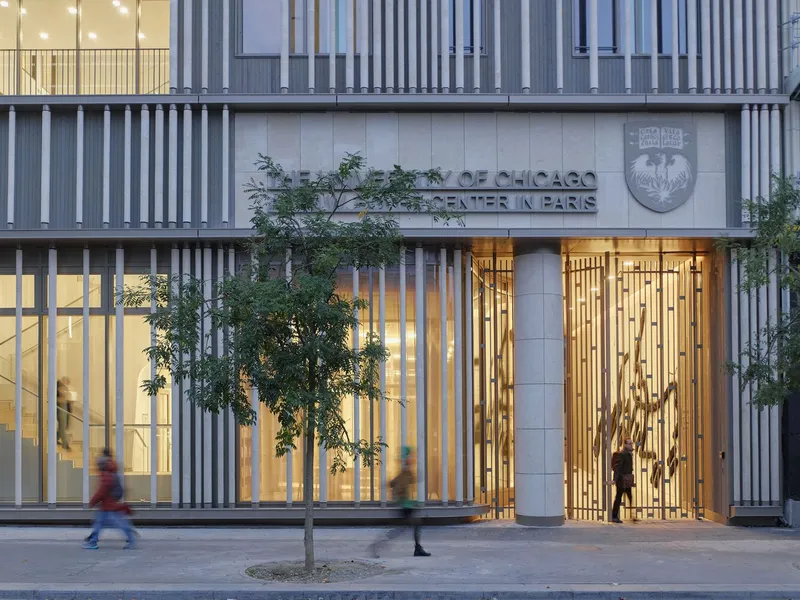
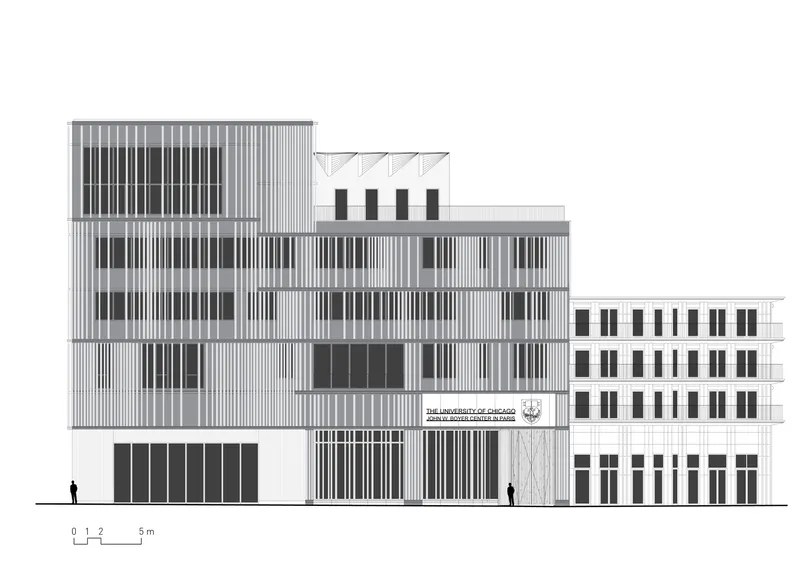
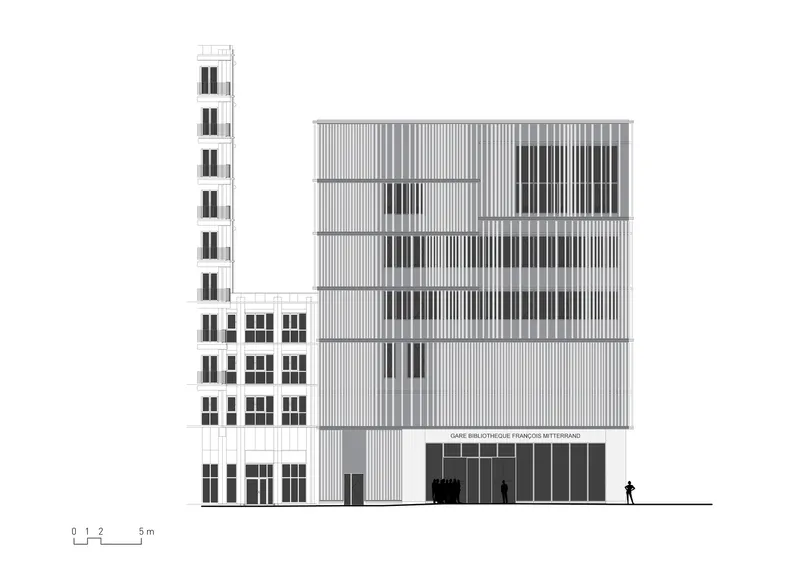
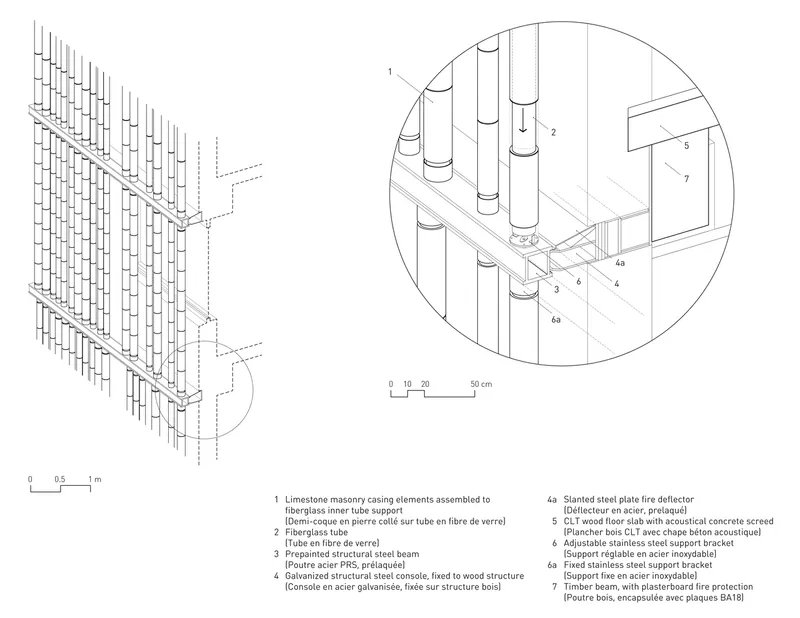
The center’s façade is defined by approximately 900 cylindrical Lutetian limestone batons, which act as a brise soleil. These batons filter light, with denser arrangements around private spaces and more open designs around public areas. The façade serves both an aesthetic and functional role, controlling solar heat while enhancing the building’s interaction with the environment. The choice of Lutetian limestone ties the building to the historic context of Paris and the University of Chicago’s own architectural identity, where limestone also plays a prominent role.
Sustainability and Energy Efficiency
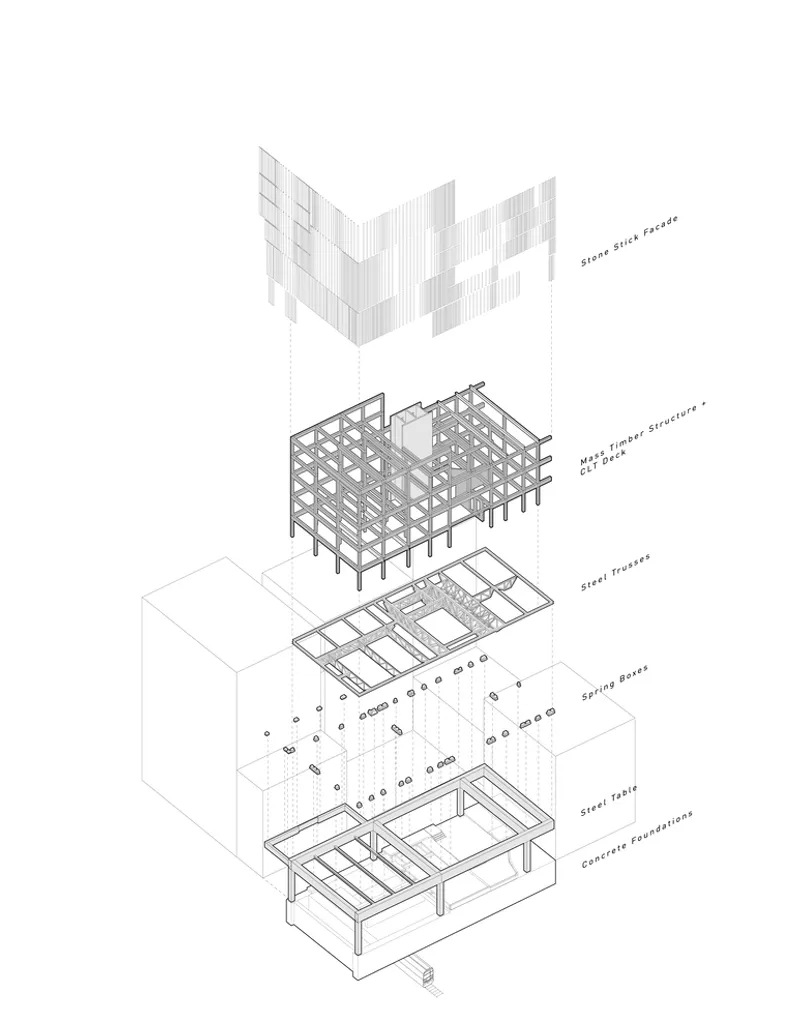
Studio Gang’s design for the University of Chicago John W. Boyer Center prioritizes sustainability and energy efficiency. The building’s massing is shaped to optimize natural daylight and ventilation, and a hybrid mass timber structure is combined with a masonry façade sourced from local quarries just 25 miles away. Photovoltaic panels on the roof generate clean energy, while the building’s connection to the district’s heating and cooling services improves energy efficiency. The center’s commitment to green architecture also extends to its biodiverse rooftop garden and regionally specific plantings that foster biodiversity.
Carbon Footprint Minimization
In alignment with Paris’ stringent environmental standards, the building minimizes its carbon footprint. The design incorporates increased air circulation and natural ventilation, facilitated by the vertical layout and abundant outdoor spaces. The building’s materials, including sustainably sourced wood and limestone, contribute to its eco-friendly design while enhancing the center’s connection to the natural world.
Space for Intellectual Exchange and Social Interaction
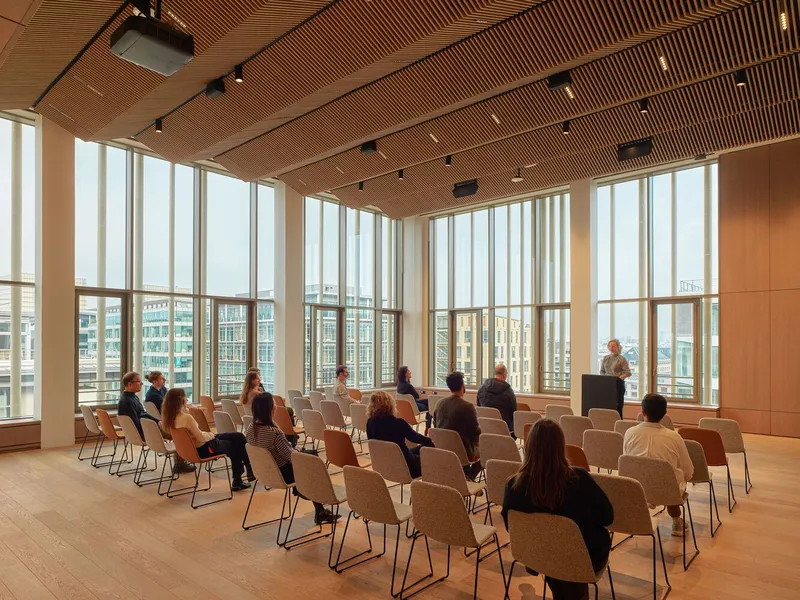
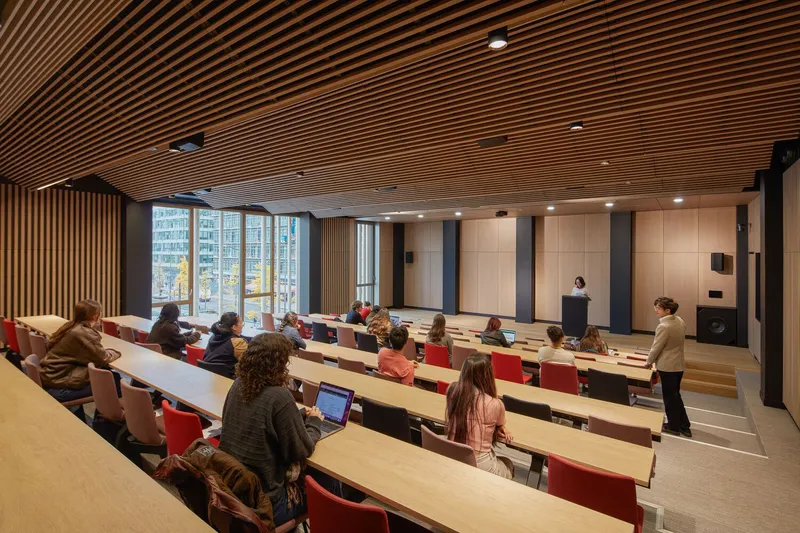
The University of Chicago John W. Boyer Center serves as more than just a functional academic building; it is designed as a place for intellectual exchange and cultural engagement. A double-height event space on the top floor, with sweeping views of the city, hosts conferences, lectures, and social gatherings. An amphitheater space can be adapted for large classes or public events, enhancing the center’s role as a forum for academic and cultural dialogue.
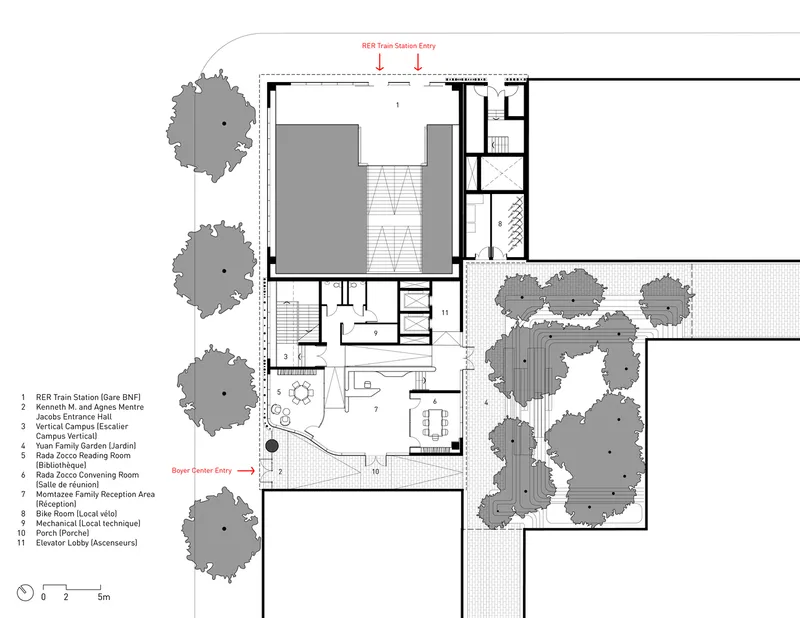
Moreover, the building fosters interaction between students and the public. The ground level includes a regional train station connection and an art installation by Tony Lewis, which activates the streetscape and further integrates the center into the city’s life.
A Future-Oriented Educational Landmark
The University of Chicago John W. Boyer Center Paris is a landmark project that successfully combines innovative architectural design with sustainable practices. By creating a vertical campus and a vibrant space for intellectual exchange, Studio Gang has crafted a building that embodies the principles of collaboration, cultural connection, and environmental stewardship. This center not only enriches the University’s presence in Paris but also contributes to the broader urban landscape, offering a model for modern academic architecture in a global city.
All Photographs are work of Fabrice Fouillet, Corentin Lespagnol




Popular Articles
Popular articles from the community


The Ocean Hive: Sustainable Architecture for a Self-Sufficient Civilization at Sea
The Ocean Hive imagines sustainable architecture at sea, where modular habitats, algae, wave power and ocean waste sustain a growing colony.

Lunar Spiral: Space Architecture Shaped by the Mathematics of the Universe
Lunar Spiral reimagines space architecture through Fibonacci geometry, lunar regolith, levitating habitats, and self-sustaining Moon living.

The Musturak Paradise: Senior Living Architecture for a Connected Future in Temara, Morocco
The Musturak Paradise reimagines senior living architecture in Temara via private homes, social spaces, culture, community, and shared care.

Co-life: Sustainable Architecture for Age-Friendly Community Living
Co-life reimagines sustainable architecture for seniors through courtyards, rammed earth, shared gardens, and spaces designed for belonging.


Similar Reads
You might also enjoy these articles


Hodi-Mandai Geram
Project Function: Preservation and revitalization of the Intangible heritage and socio-spatial identity of the Hodi by Housing, Cultural Memory Center, Sacred Grove, landscape, local tourism economy


Olio Towers: A Mid-Rise for Performers That Fuses Housing, Rehearsal, and Stage
Located blocks from Houston's Theater District, this modular tower stacks living units around a central performance atrium.

Oasis: Modular Green Housing Carved into Dhaka's Urban Fabric
A shortlisted Plugin Housing entry reclaims unauthorized settlements in Dhaka with stepped concrete volumes, green roofs, and ventilation-driven design.

Black Hole: A Floating Megastructure for the Post-Physical Era
Emiliano Mazzarotto envisions a spherical, self-scaling arena where e-sports, digital hotels, and holographic stadiums replace traditional public space.


Explore Architecture Competitions
Discover active competitions in this discipline



Challenge to reimagine the Iron Throne


Photograph architecture without architects


Illustrate the lost glory of Angkor Wat - Render Challenge


Design challenge to reuse E-waste
Comments (0)
Please login or sign up to add comments
No comments yet. Be the first to comment!