

Unleash Your Inner Scientist and Explore the Thriving Metropolis of Mitosis!
Discover the Fascinating World of Cell Division and Witness the Miracle of Life!


Welcome to Mitosis, a modular building system created by Amsterdam-based architecture practice, GG-loop, with the vision to bring regenerative collective habitation to all scales of development. In partnership with ARUP, Mitosis follows biophilic and user-centric design principles, creating a flexible co-living organism where each residential unit coexists in symbiosis with all the others and its environment.
In today's world, the need for healthy homes has never been more apparent. The current efforts to reduce the negative impacts of buildings are inadequate, and Mitosis seeks to create a benchmark for the real estate and urban development sector. The name Mitosis represents the modularity and long-term adaptation of the system and serves as a metaphor for a flexible and sustainable way of living.

Mitosis is the follow-up of GG-loop's multi-awarded pilot project, Freebooter, which included a pair of prefabricated CLT (Cross Laminated Timber) apartments in Amsterdam. This innovative building was created using biophilic principles, connecting architecture with nature to improve the life quality of the people who use the building. With Mitosis, GG-loop's ambition is to bring these qualities to multiple scales, creating a healthy, emotional, and productive habitat for rest, work, and living at 360° with nature.
The "Biophilia Hypothesis" by Edward O. Wilson reveals why humans have an intrinsic need to connect with nature and other living systems. Mitosis adopts the 14 principles of biophilic design, articulating the relationships between nature, human biology, and the design of the built environment. Mitosis creates an ecosystem where dwellers experience a unique way of living and fulfil their innate desire to reconnect with nature.

Mitosis generates urban clusters using prefabricated timber and bio-based modules that are cost-efficient and flexible in their construction. By consciously choosing materials that capture carbon and using resources more efficiently, Mitosis constructs a net-positive built environment that produces more energy than it consumes and circularly uses resources. With green shared areas, tiny forests, and gardens that cascade up and down the entire building, dwellers benefit from the direct and indirect connection with nature, fostering health and well-being.
Giacomo Garziano, GG-loop's founder, said, "Our vision goes further than the integration of just green systems, but rather creates a built environment that restores and nurtures its surroundings and serves as a catalyst for positive change." Mitosis creates regenerative ecosystems with a positive ecological footprint, balancing the technical benefits of an environmentally conscious construction with the qualities of an organic and healthy environment in which its residents coexist harmoniously.
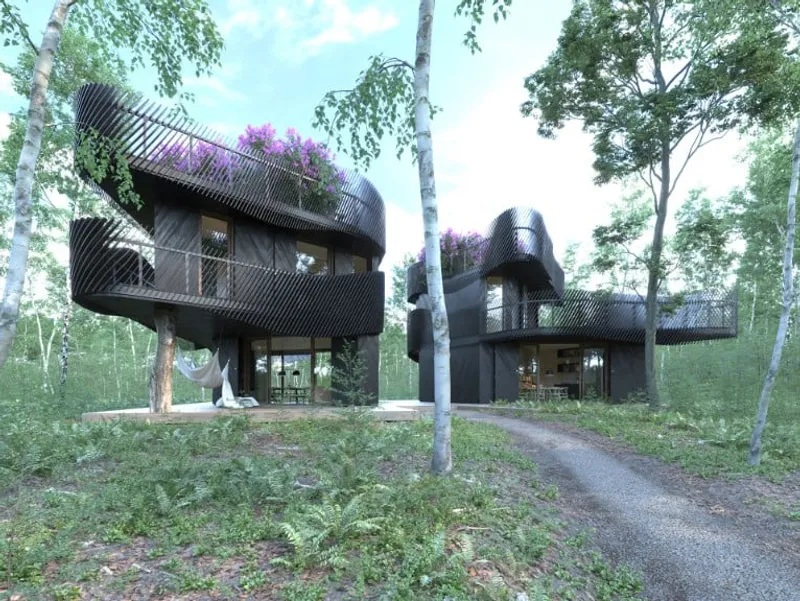
In conclusion, Mitosis is a groundbreaking building system that serves as a response to the current climate condition. Mitosis is an architectural solution that "gives back" to the planet, deepening the understanding of its relationship with nature and raising awareness regarding the importance of biophilic architecture. Mitosis is a perfect example of how a building can create a positive impact on society and the environment, showing how the future of architecture can be sustainable, flexible, and in harmony with nature.
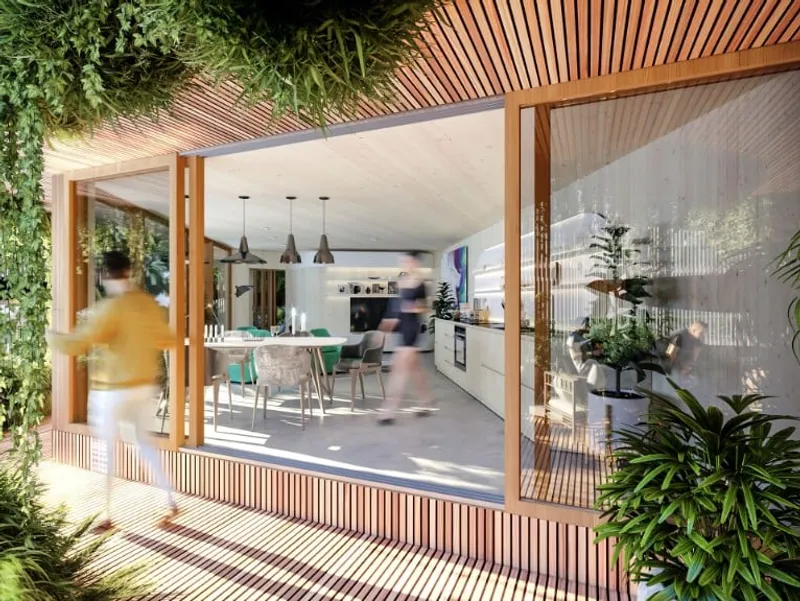
Imagine a city where buildings are not just concrete blocks, but living organisms that blend in with the natural surroundings. A city where residents are not just living in harmony with nature, but actively participating in the conservation and improvement of local biodiversity. Welcome to Mitosis, a revolutionary urban design concept that integrates plant and animal life throughout the buildings, creating a truly sustainable and harmonious living environment.
The genius behind Mitosis is Giacomo Garziano, an Italian architect who has long been fascinated with the coexistence of humans and nature. He believes that we have lost touch with our natural environment and that it is time to reconnect. Mitosis is his answer to this problem, a modular design system that allows for the creation of buildings that are not just functional but also beautiful and environmentally conscious.
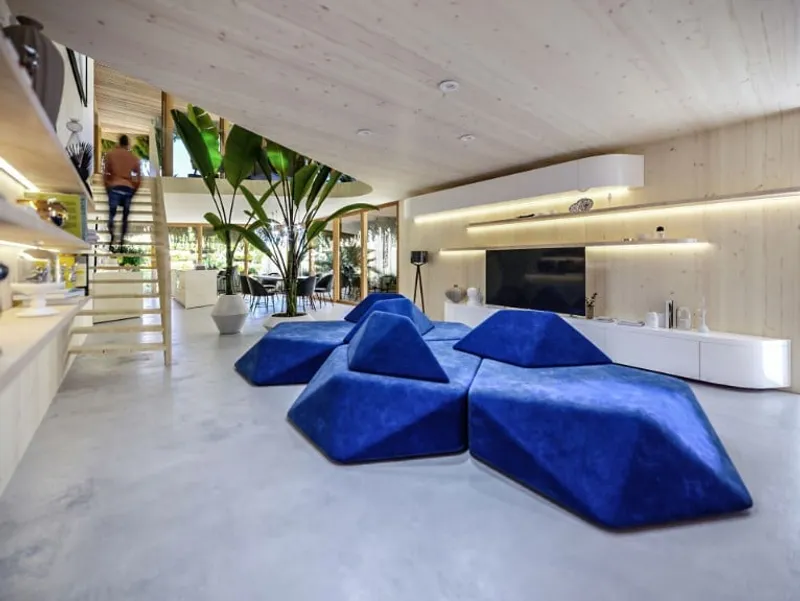
At the heart of Mitosis is the concept of biodiversity enhancement. By integrating local flora and fauna into the buildings, Mitosis creates a thriving ecosystem that is both self-sustaining and beneficial to the quality of life of its residents. This means that you can enjoy the beauty and tranquillity of nature without having to leave the city. And with a growing body of research showing that contact with nature can improve physical and mental health, Mitosis offers a way to live a happier and healthier life.
But Mitosis is not just about aesthetics and well-being. It is also a highly functional and flexible design system that can be adapted to a wide range of needs and scales. From off-grid single-family homes to high-density mixed-use urban clusters, Mitosis can accommodate a variety of typologies and performance levels. And with its organic and flexible construction, Mitosis allows for the creation of large areas of urban and vertical farming, greenhouses, and wildlife corridors, fostering a sense of community and shared responsibility for the environment.

Perhaps most importantly, Mitosis is a design concept that goes beyond the traditional notions of sustainability. It is a net-positive design system that generates more energy than it consumes, produces zero waste, and improves the local environment. By integrating renewable resources and shared facilities and infrastructures, Mitosis encourages residents to engage in pro-environmental practices and to share their expectations of sustainability. This not only creates a healthier environment but also improves social interaction and community building.
In conclusion, Mitosis is not just a new way of building cities, it is a new way of living. It offers a vision of a future where humans and nature coexist in harmony, where buildings are not just functional but also beautiful and environmentally conscious. And with its flexible and modular design system, Mitosis offers a way to create sustainable and thriving communities at any scale. So why not join the movement and become a part of the City of Mitosis?
Cover images: Photo credit © GG-loop with Hexa Pixel


Popular Articles
Popular articles from the community

Extended Shell: Retrofitting Kolkata's Balconies as Living Urban Thresholds
A modular retrofit system recovers the social and environmental intelligence of Kolkata's historic verandas for contemporary Park Street residents.
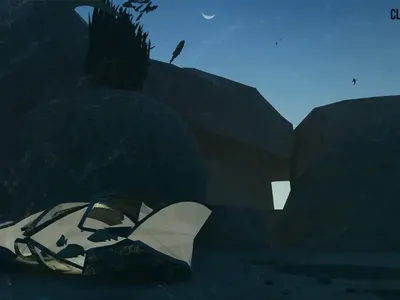
Cloaked Colonization: A Mobile Underwater Habitat That Moves Like a Fish
Micah Abaya's shortlisted EHC Pacific entry reimagines ocean settlement as a dispersed network of self-sustaining architectural organisms.

Singing Woman: An Opera House That Performs Before the Curtain Rises
Ovidiu Cristian Pavel's conceptual opera house translates Estonia's choral identity into a sculpted waterfront landmark facing the Baltic Sea.

Manzana Morphosis: Stretching Barcelona's Grid into a Living Landscape for 2050
A radical reworking of the Eixample manzana turns density into a tool for generous public space, vertical ecology, and environmental performance.

Similar Reads
You might also enjoy these articles
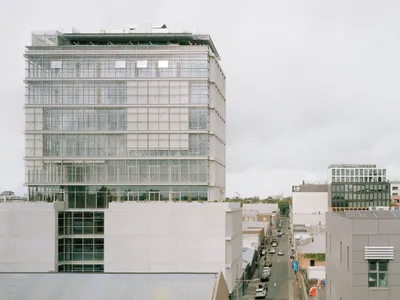
116 Rokeby Building, Collingwood
Sustainable Collingwood office building featuring double-skin façade, natural ventilation, rooftop amenities, and carbon-neutral design focused on wellbeing and longevity.
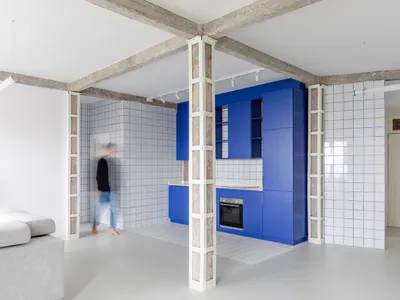
Contemporary Apartment Renovation in Spain: RV House by BIAN Opens Up to the Sea
A minimalist 1930s apartment in Santander is transformed into a flexible, sea-facing home through contemporary Spanish renovation.
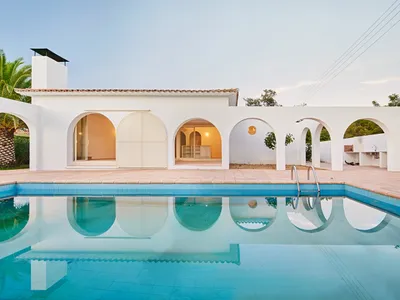
3 Marías House: A Contemporary Mediterranean Courtyard Retreat by Bajet Giramé + Burckhardt
Mediterranean courtyard home blending traditional architecture with modern design, terracotta flooring, flexible interiors, sustainable climate strategies, and garden integration.
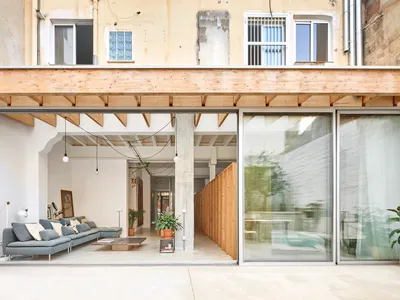
NZ10 Apartment by auba studio: Adaptive Reuse in Palma de Mallorca
Adaptive reuse apartment transforms bakery into light-filled home with patios, privacy layers, and wood interiors enhancing urban living experience.

Explore Sustainable Design Competitions
Discover active competitions in this discipline


Challenge to reimagine the Iron Throne

Photograph architecture without architects

Illustrate the lost glory of Angkor Wat - Render Challenge

Design challenge to reuse E-waste
Comments (0)
Please login or sign up to add comments
No comments yet. Be the first to comment!