

Unlocking the Future: Transforming an Old Locksmith Shop into a Modern Haven
From Keys to Creativity: Can an Old Locksmith Shop Embrace a New Identity?


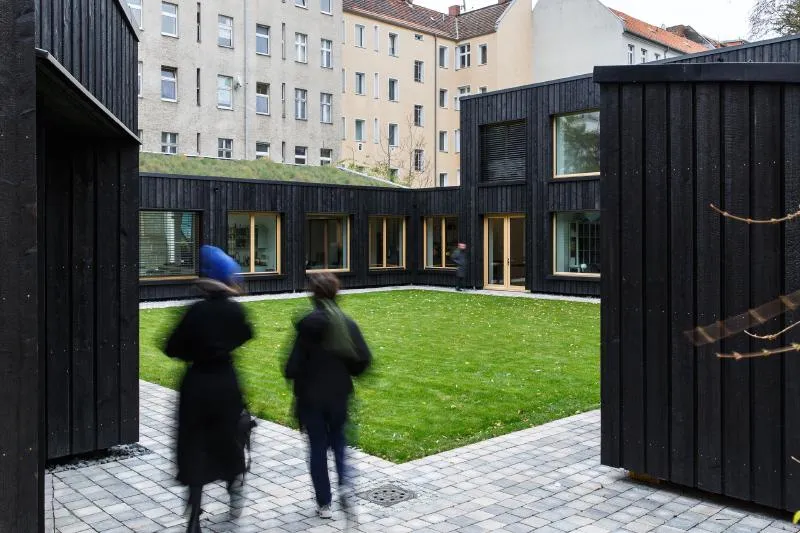
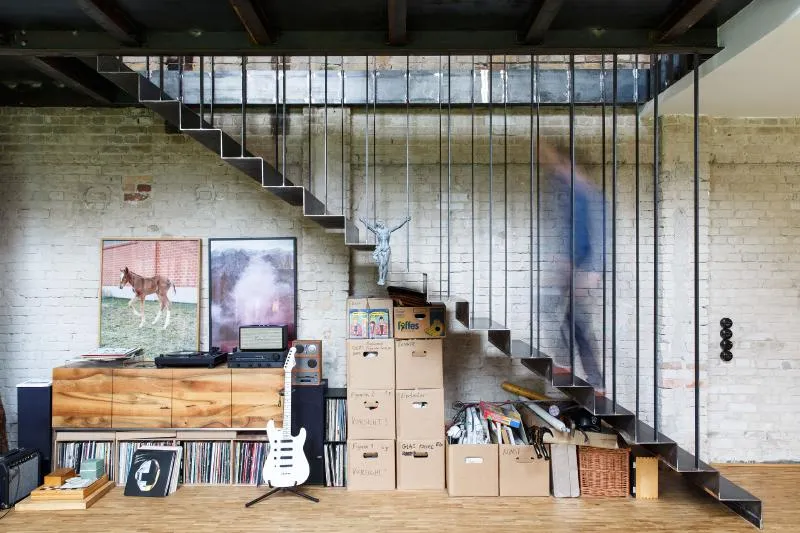
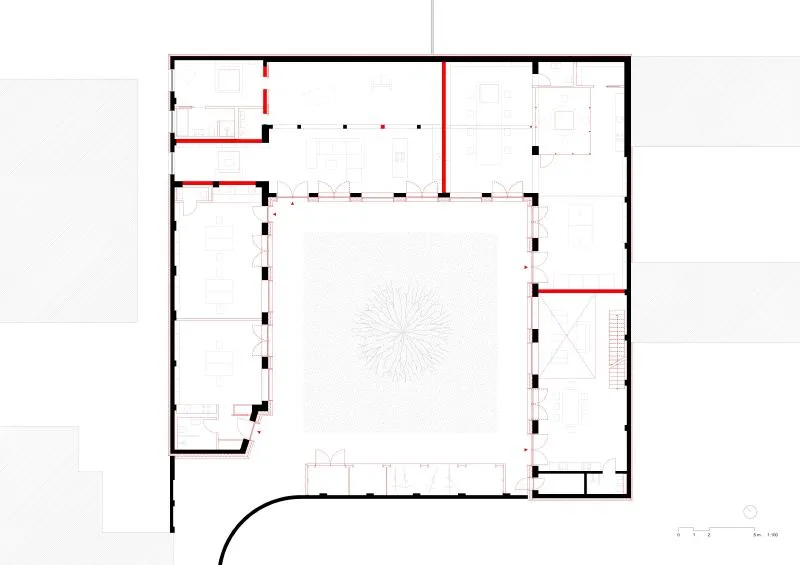
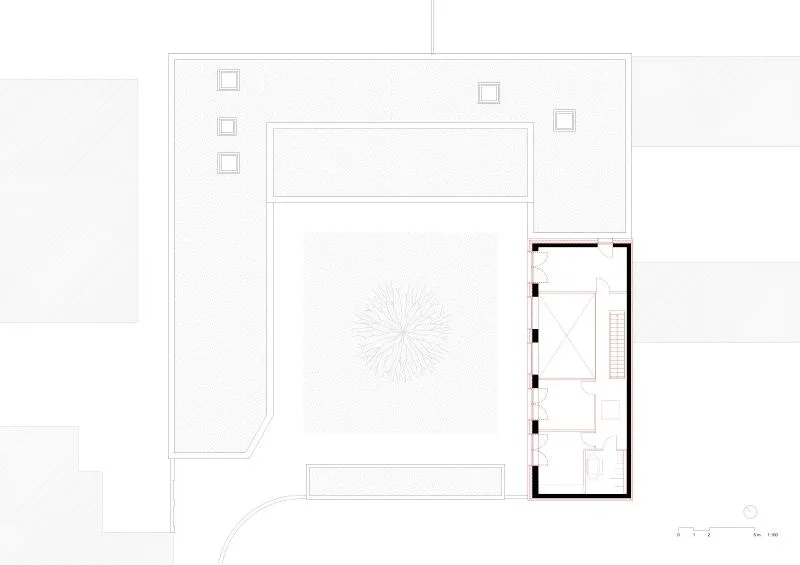
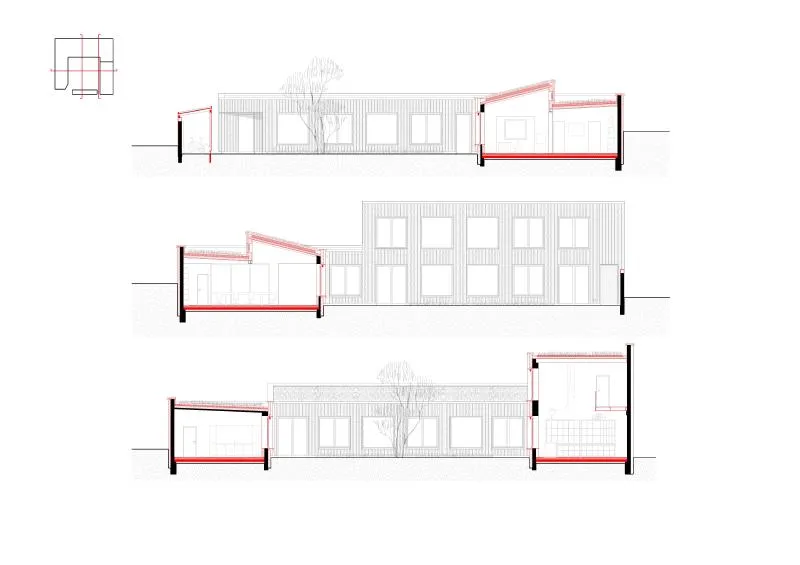
This 1931 building located in the Berliner neighbourhood of Neukölln has undergone a series of transformations since its inception. Initially built as a set of garages, it then became an art warehouse and exhibition hall, followed by a locksmith shop, and eventually fell into disuse until a small group of artists and creatives acquired it in 2018. The U-shaped construction around a central patio, reminiscent of a traditional "Dreiseitenhof" farm, is located inside a larger urban block. Its east and north wings have a single floor, while its west wing has two, with the offices of the old garages located on its upper floor. The initial construction consisted of two lateral wings erected on masonry walls and “Steineisendecke” type reinforced ceramic vault floors, supported by a series of metal beams.
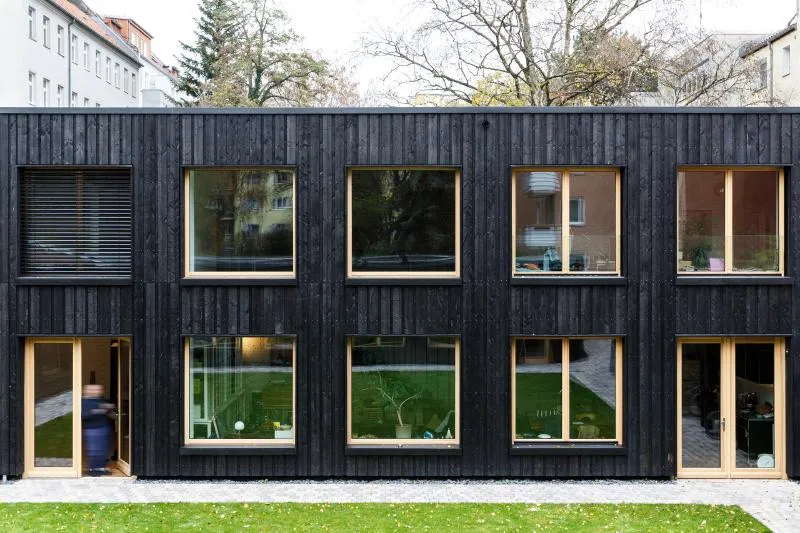
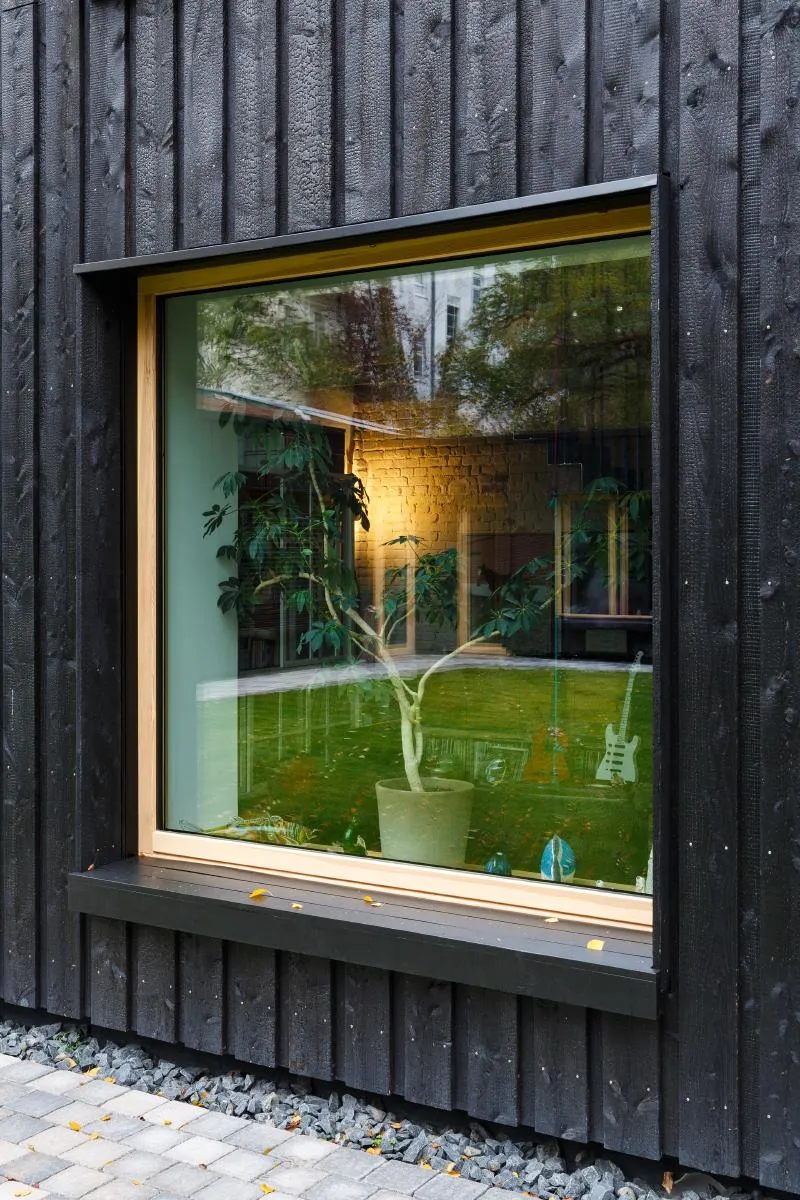
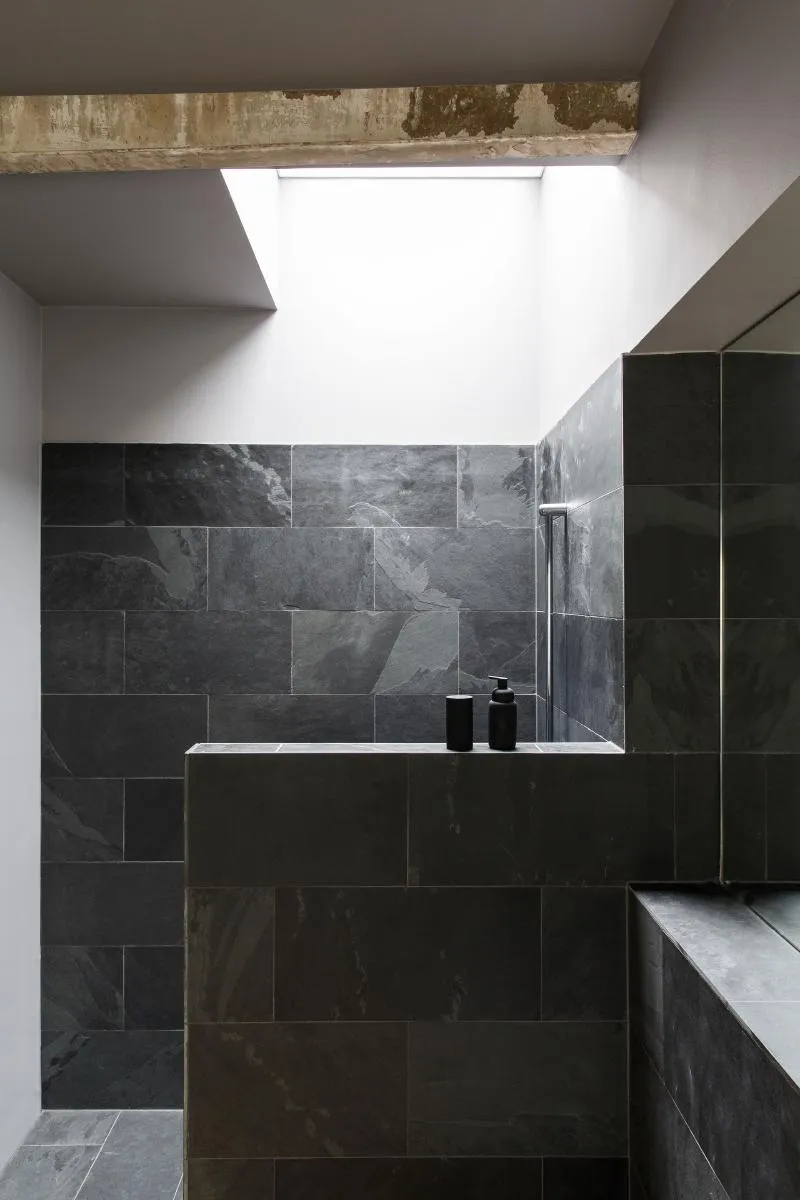
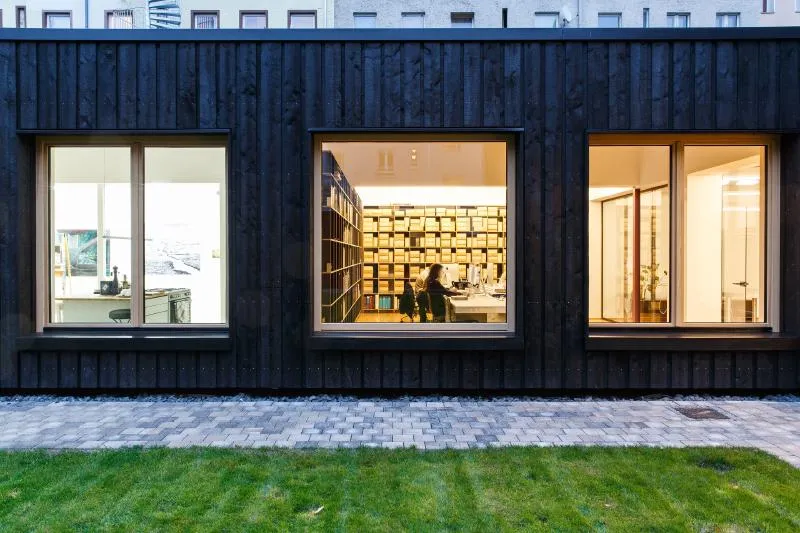
The post-war extension of the U closed off its north wing with a pragmatic construction of concrete walls and a shed-type wooden roof with a longitudinal skylight. To maintain the building's original masonry façade, 20cm wood fibre panels were thermally insulated and sealed with charred pine wood formwork, using the traditional Japanese technique of Shou Sugi Ban. This method, which dates back to the Edo era of the 17th century, carbonizes the outer layer of the wood to provide a protective patina against weather and insects. The wooden planks used in this project were sourced from the Usedom region of the Baltic Sea, where a local carpenter recovered and reinterpreted the technique using pine from local forests. The window was also given a place in this project.
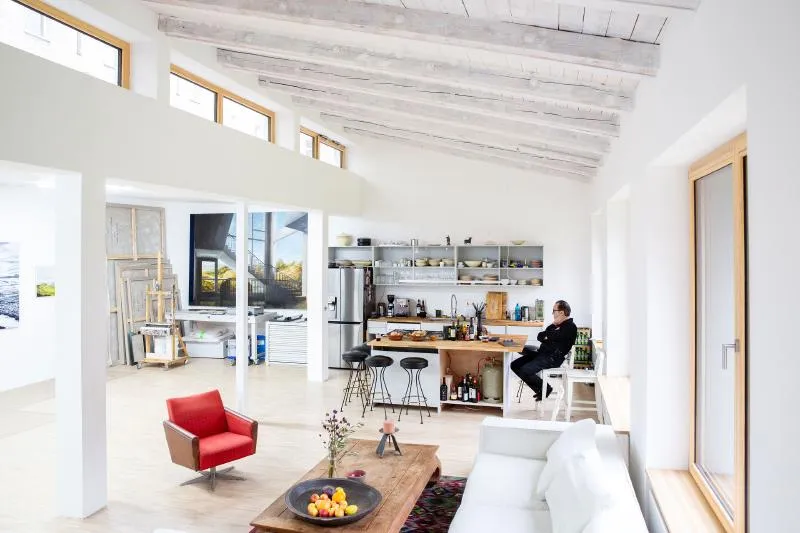
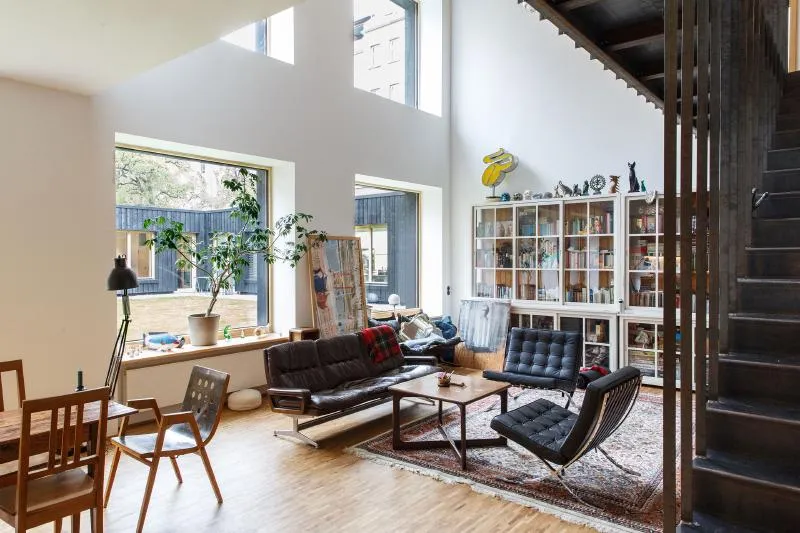
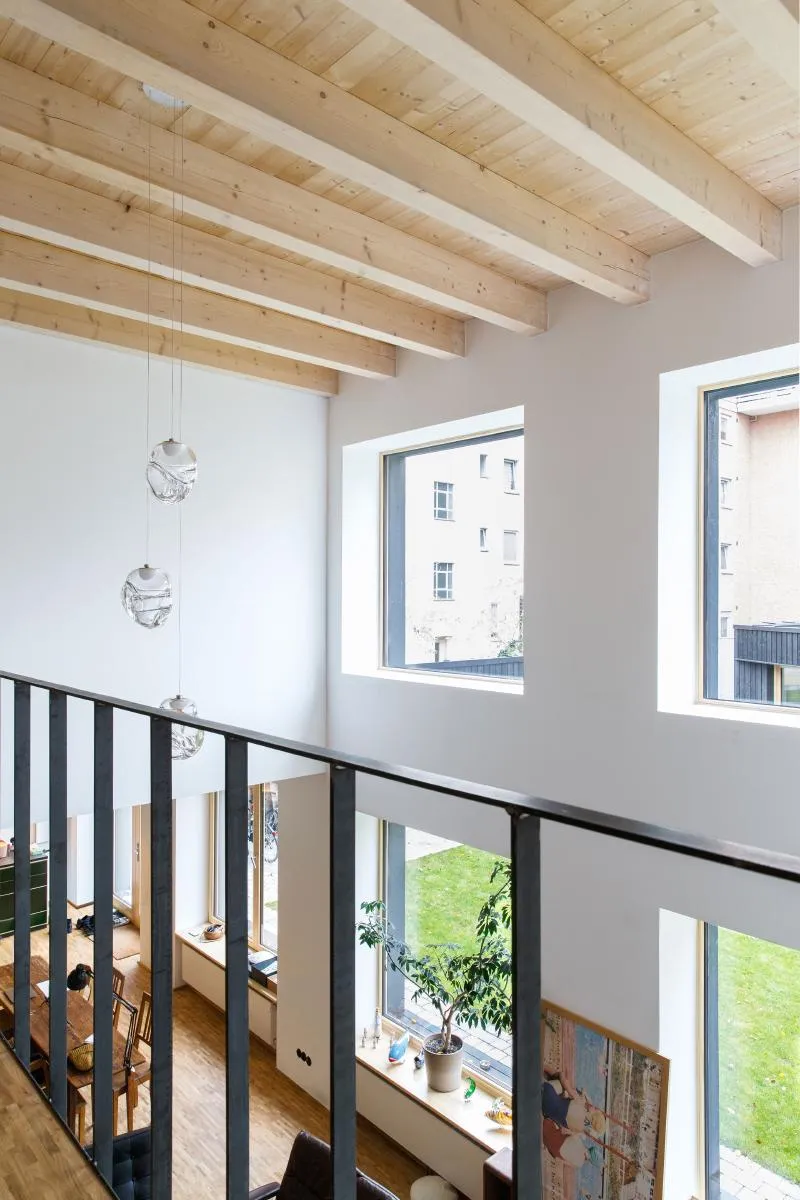
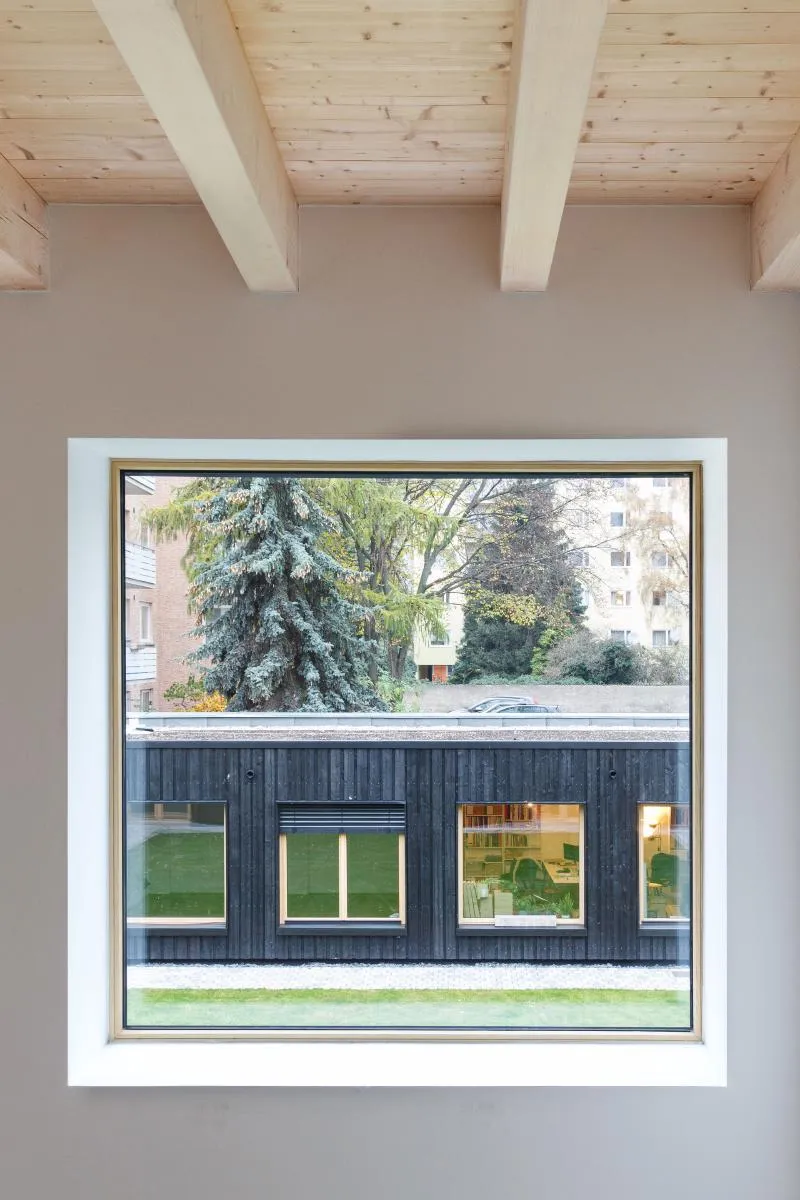
The shape and proportion of the windows have been adjusted, featuring lower parapets and wooden sills that serve as seating and resting areas both inside and outside the building. The roofs have been reinforced or replaced as needed, and insulated and covered with a vegetative layer. The central patio has been closed to vehicles and "renatured" by removing the asphalt layer and replacing it with topsoil and grass, with a walnut tree planted in the centre. Inside the building, a series of precise interventions such as new openings, insertions and partitions have been conducted with the goal of making the "smallest possible intervention”.
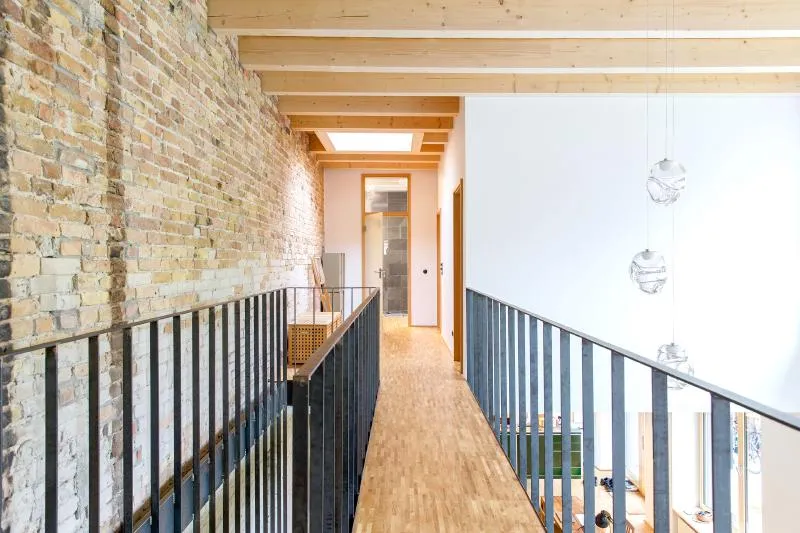
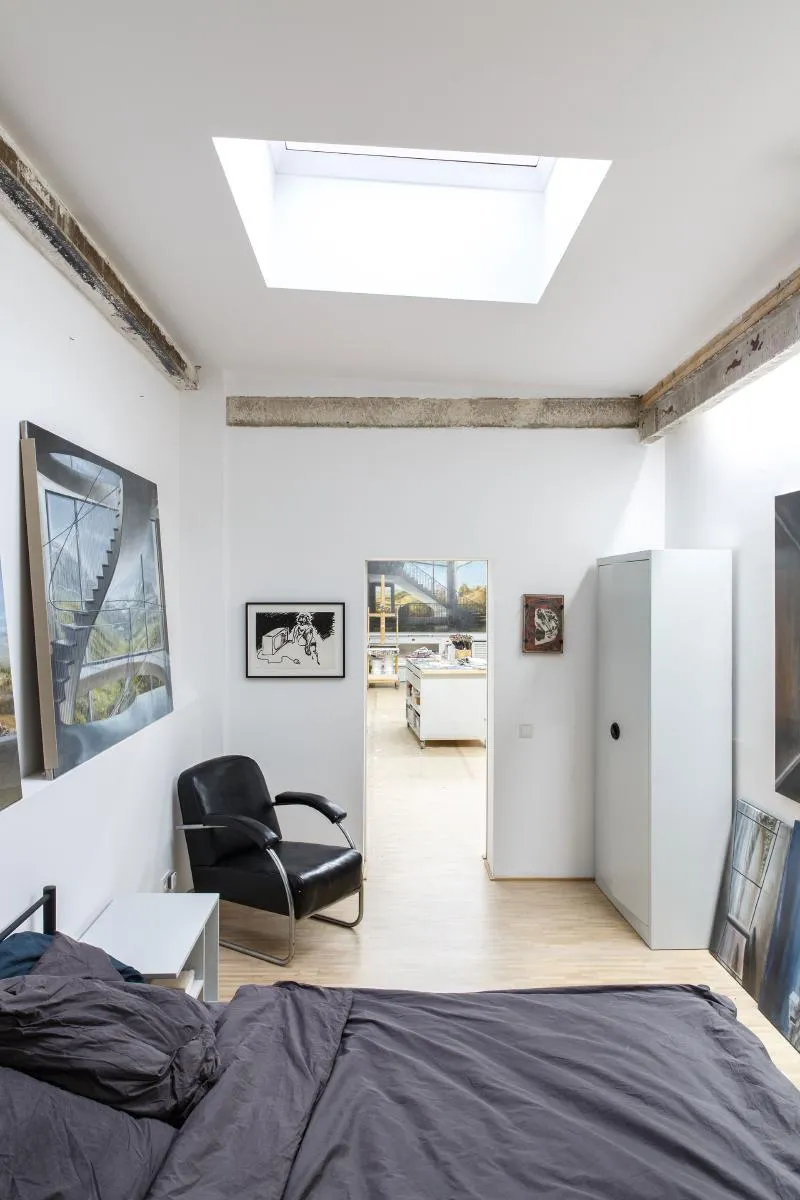
The goal is to make the building lighter and more open while still respecting its history. To do this, some walls have been sandblasted and left as-is to show their original texture. In other areas, a semi-transparent glaze has been applied to unify the space while still showing the material of the original building.








Popular Articles
Popular articles from the community


FCC Arquitectura Expands a Portuguese Granite House with a Board-Marked Concrete Wing
In Portugal, JV House pairs a cleaned-up whitewashed and granite dwelling with a timber-shuttered concrete extension, courtyards and a garden pool.


Aquadapt: An Underwater Habitat That Rewrites Its Rooms by the Hour
Curved modules ring the seabed while one shell shifts from breakfast room to cinema, farm and football pitch as residents' needs change.

The Amber Palace Opera: A Geological Fiction Surfaces on Tallinn's Baltic Waterfront
Pierre Brillard reimagines a Baltic legend as a public landscape, opera house, and waterfront promenade rooted in Tallinn's coastal identity.

Juan García Correa, John González and Claudia Rueda Sink a Circular Amphitheater into a Manizales Engineering Building
On the La Nubia campus in Manizales, Colombia, the S1 Building folds labs and offices into a hillside of ramped lawns that double as a campus route.

Similar Reads
You might also enjoy these articles

Vereda Arquitetos Renovates a 40-Square-Meter Apartment Inside Niemeyer's Copan Building
A compact unit in São Paulo's most iconic residential tower gets a material overhaul that pairs exposed concrete with bold blue Formica.

Shakur's House: Exposed Brick as an Interior Organiser in a 168 m² Mashhad Residence
Brick moves indoors in this Mashhad residence, where masonry walls, glass partitions and teal planes sequence a compact home without closing it off.

Day and Night Park: A Time-Based Urban Newsstand in Beijing
A temporary urban newsstand in Beijing blending travel, light, and reading through poetic colors, compact form, and community-focused design.

Modernist Patio Renovation in El Masnou, Barcelona by Oliver Segura Arquitectura + Cebrià Arquitectura
Modernist patio renovation blending tradition and innovation with a movable pool, leveled floors, and Catalan materials in El Masnou.

Explore Architecture Competitions
Discover active competitions in this discipline

Challenge to reimagine the Iron Throne

Photograph architecture without architects

Illustrate the lost glory of Angkor Wat - Render Challenge

Design challenge to reuse E-waste
Comments (0)
Please login or sign up to add comments
No comments yet. Be the first to comment!