
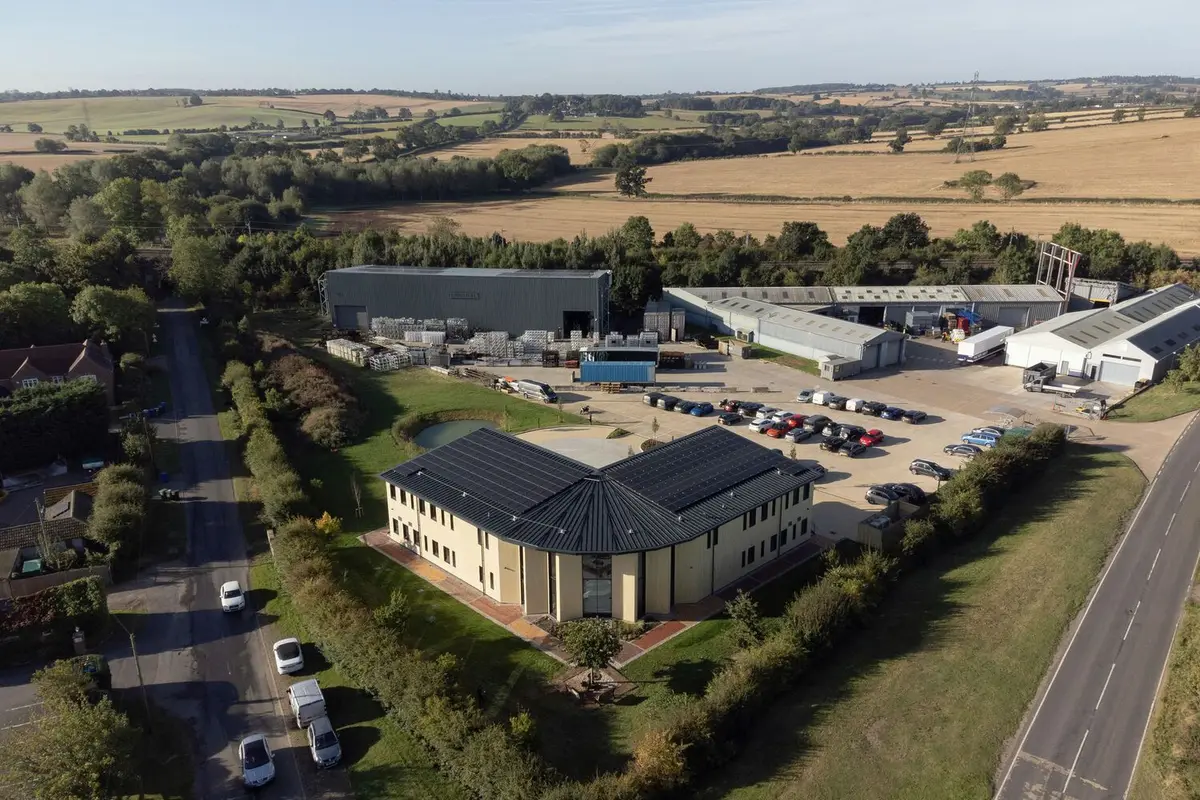
Unusual HQ by Corstorphine & Wright: A Bold Leap in Circular Economy Architecture
Unusual HQ by Corstorphine & Wright redefines sustainable design with circular economy architecture that balances innovation, energy efficiency, and reuse.


Redefining Sustainable Office Design in the UK
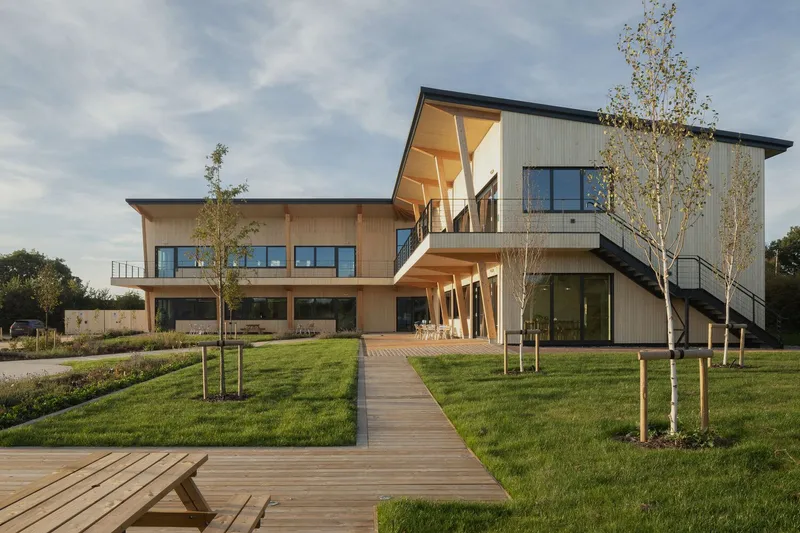
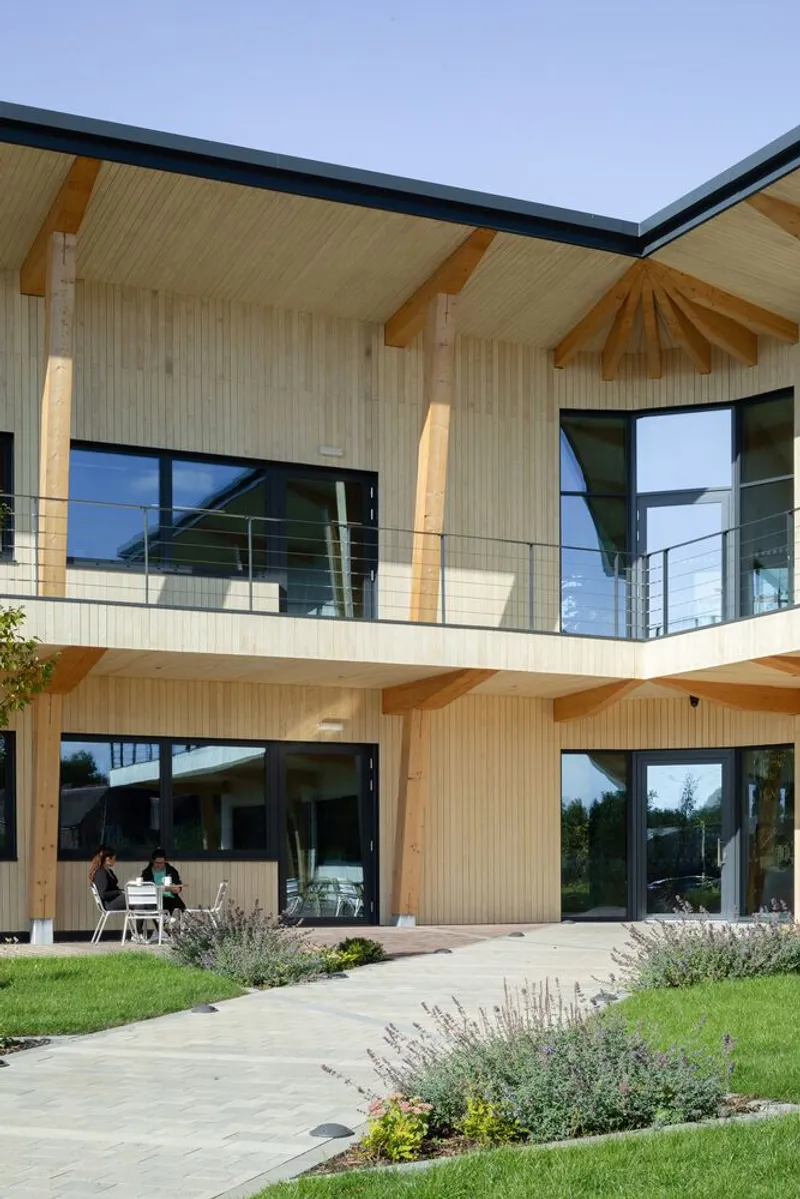
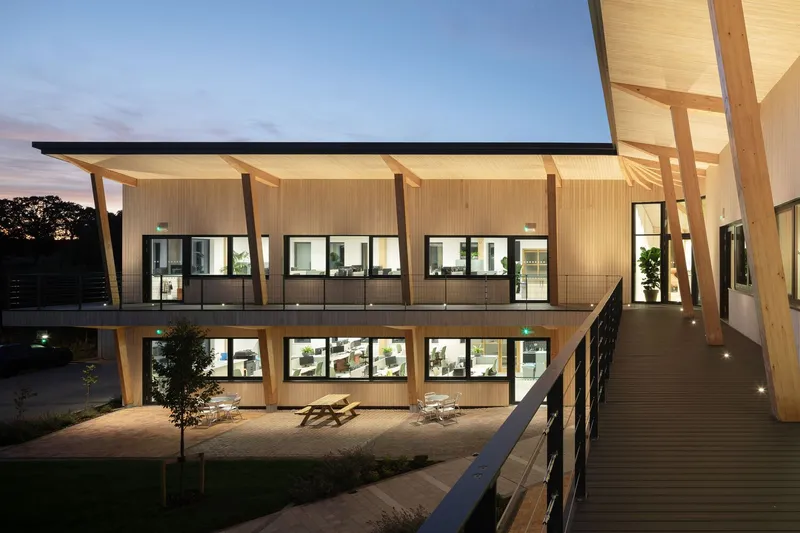
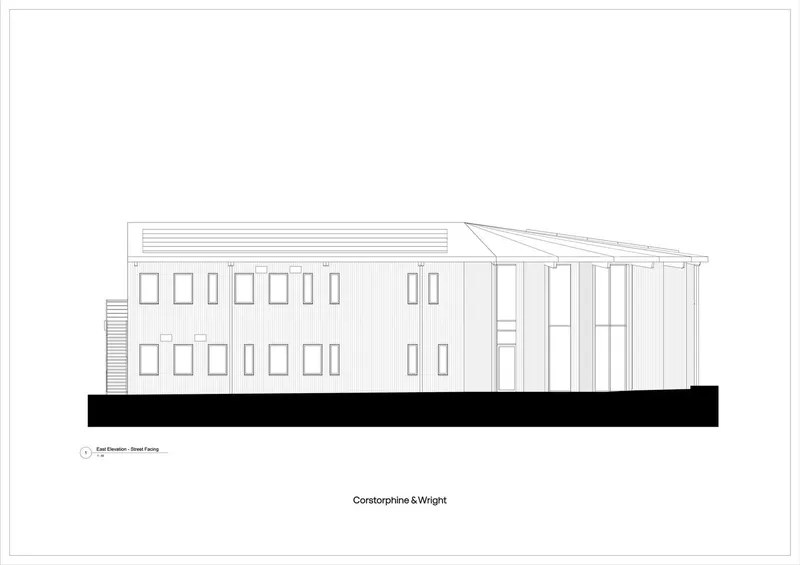
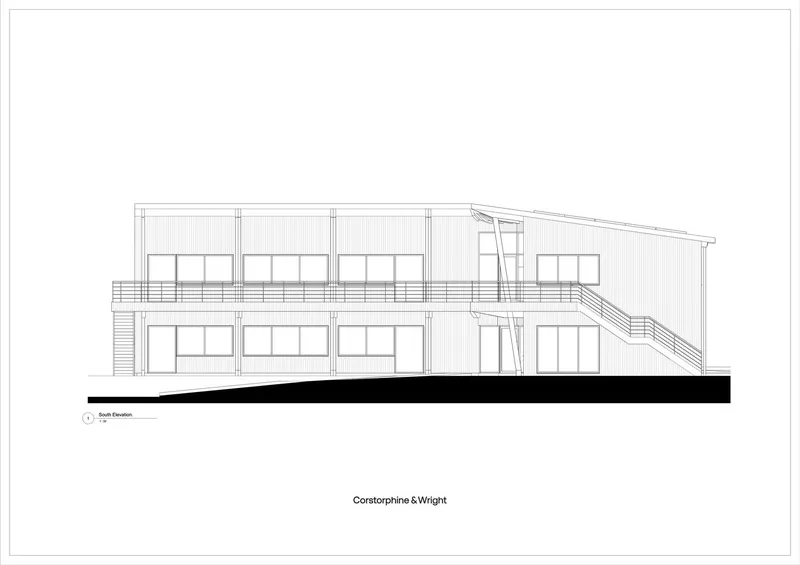
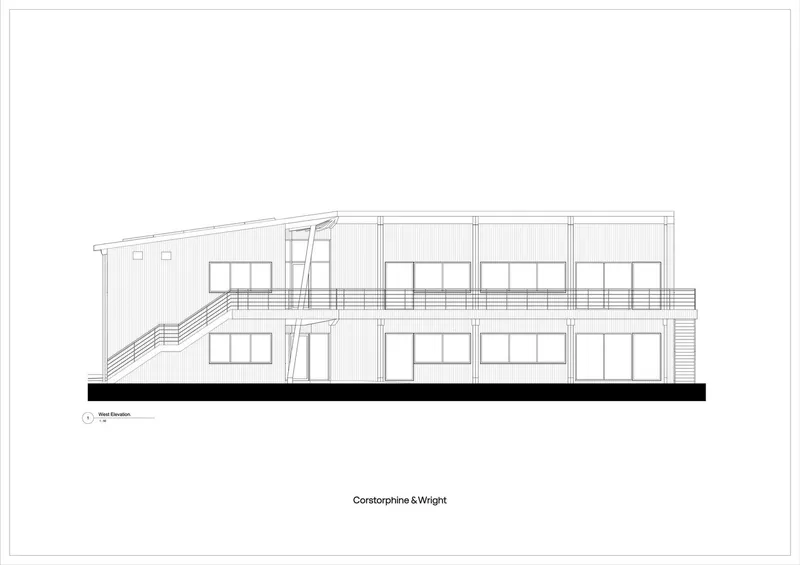
Set within the green expanse of Bugbrooke, Northamptonshire, Unusual HQ by Corstorphine & Wright sets a new benchmark for circular economy architecture. Designed for Unusual Rigging, this two-storey headquarters is more than a workplace—it's a pioneering model of how future architecture can balance sustainability, innovation, and high performance.
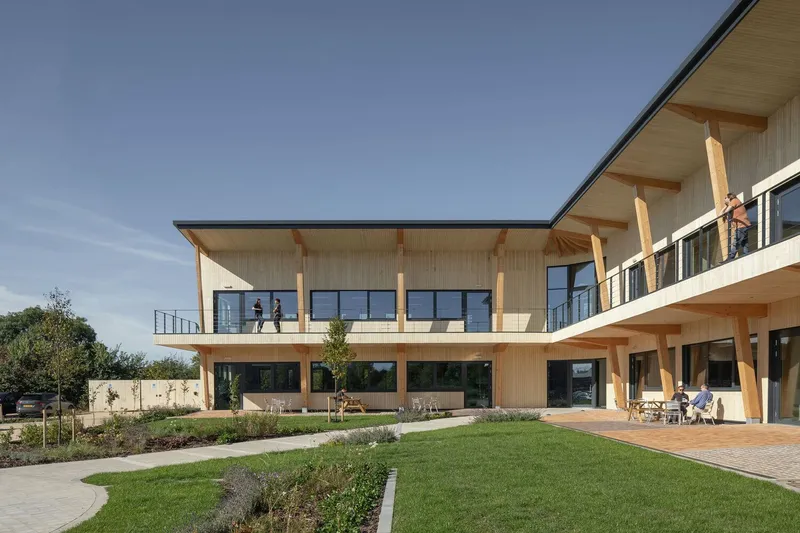
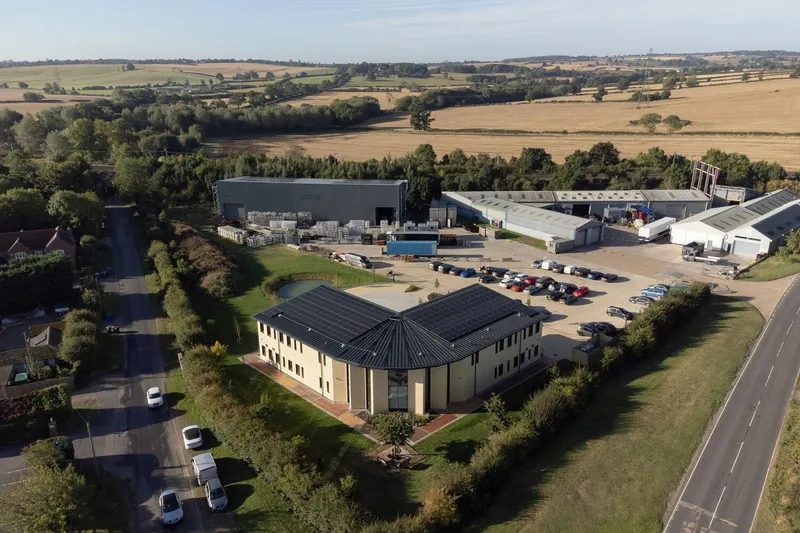
This new build is among the first of its kind in the UK, demonstrating how circular design thinking can be embedded from the ground up. With a glulam timber frame and biogenic materials, the building achieves an EPC A+ rating, producing more energy than it consumes, and standing as a symbol of environmental responsibility.
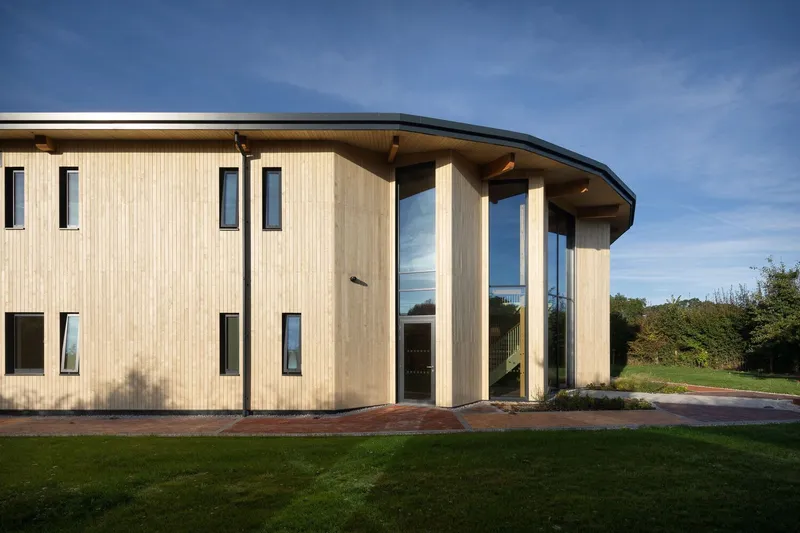
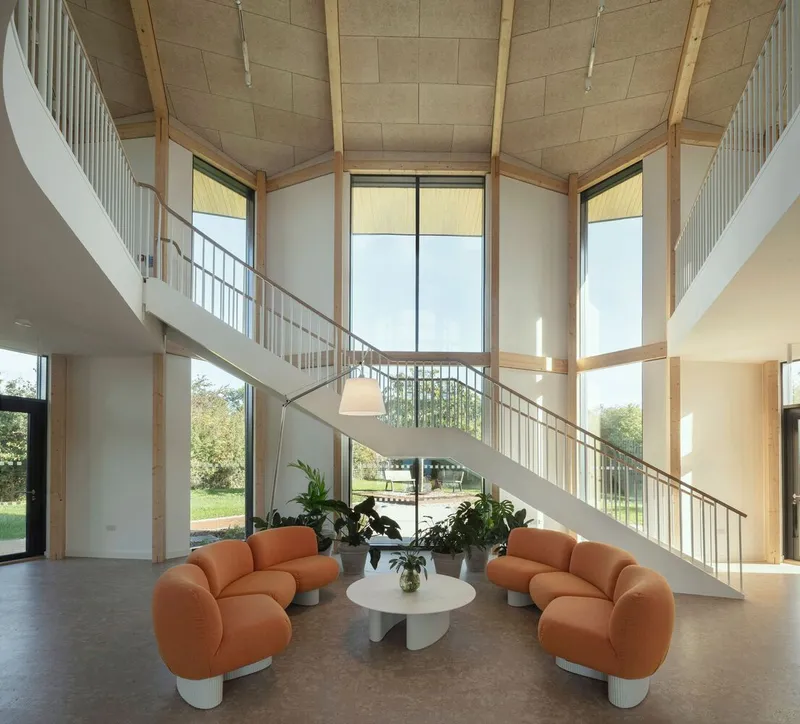
An Atrium That Connects, Energizes, and Inspires
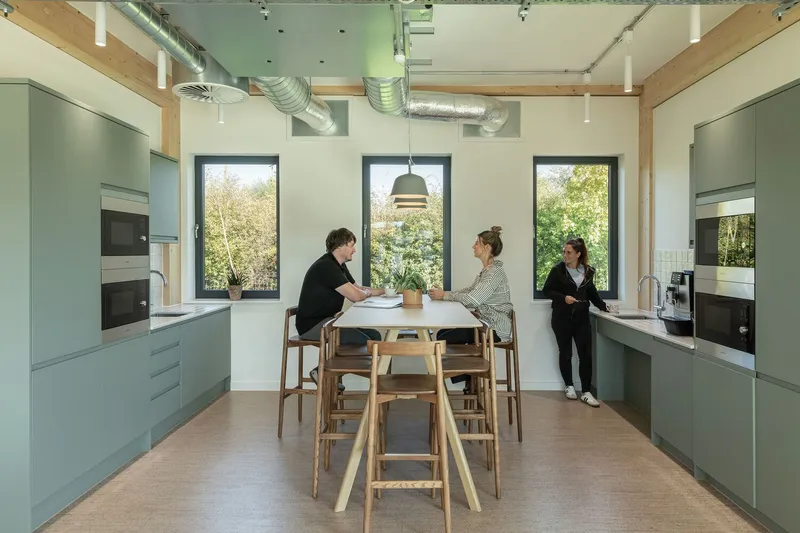
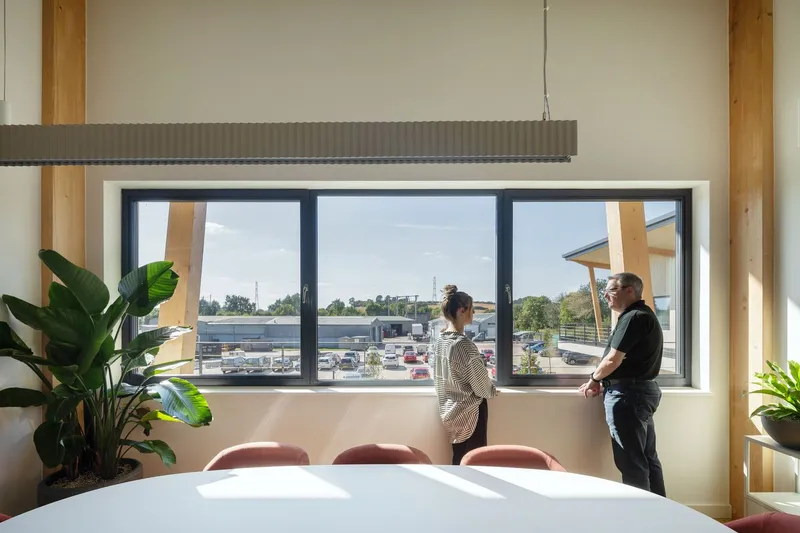
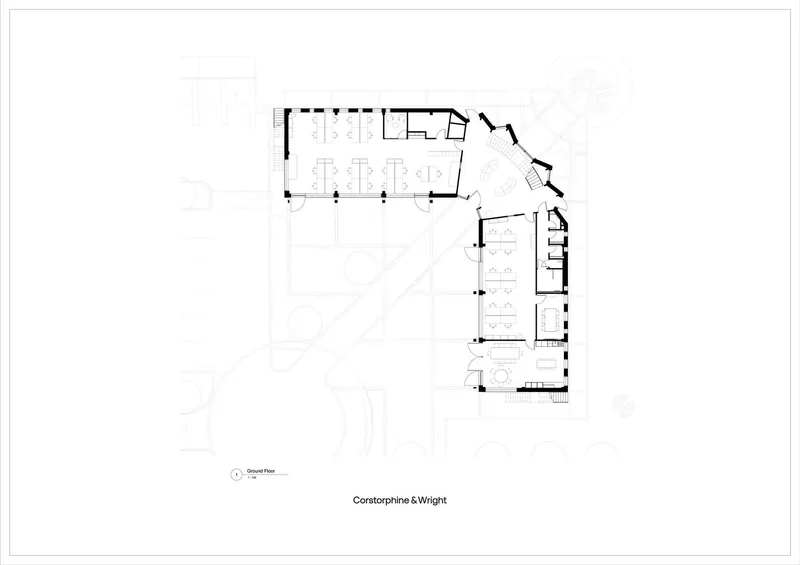
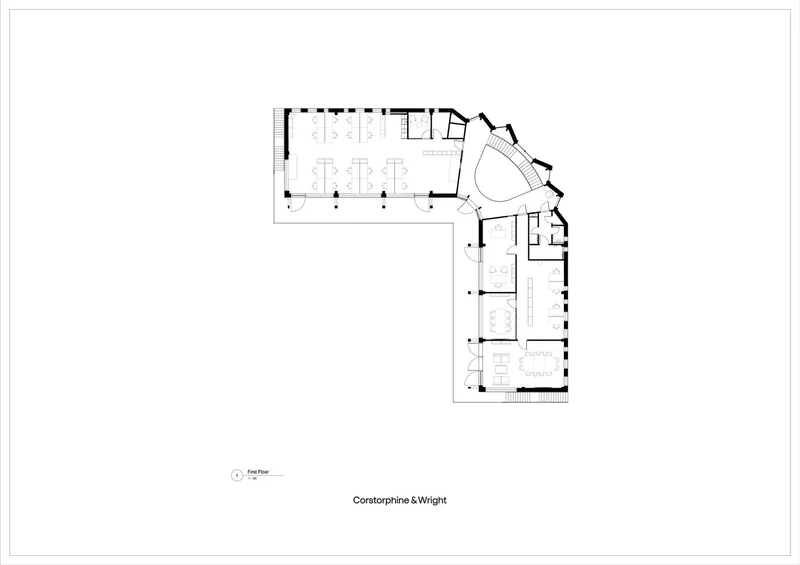
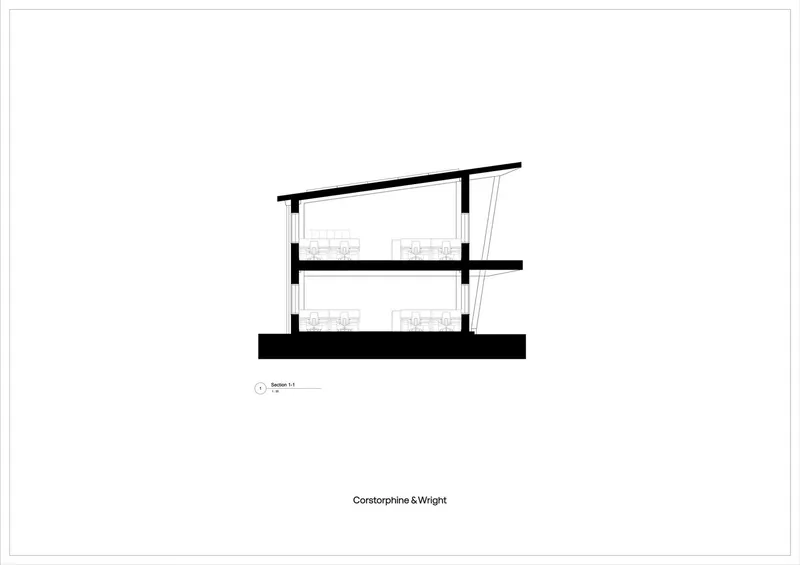
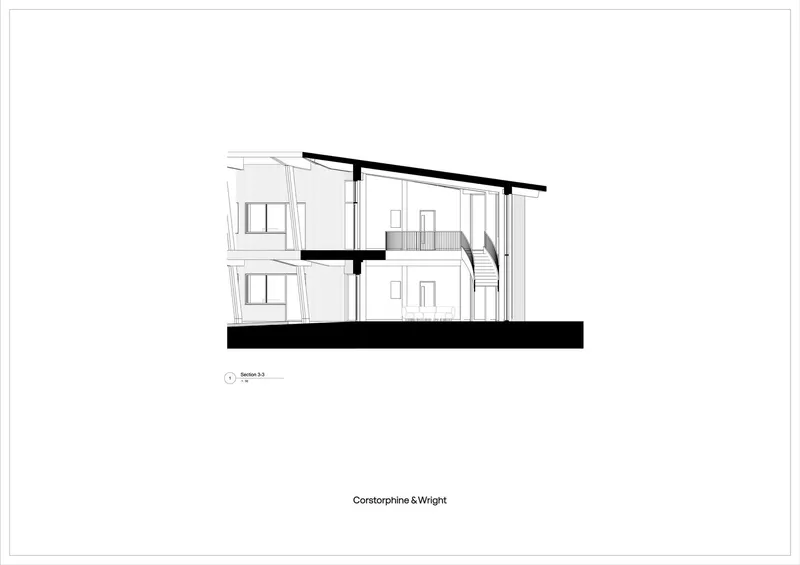
At the heart of Unusual HQ is a dramatic central atrium that connects two symmetrical wings. This double-height space frames a landscaped courtyard and acts as both a social hub and an orientation device. The interior layout balances openness and intimacy, with areas for collaborative work, focused meetings, and relaxation. Whether it's a breakout zone or a private meeting room, every element is crafted to be adaptable and human-centric.
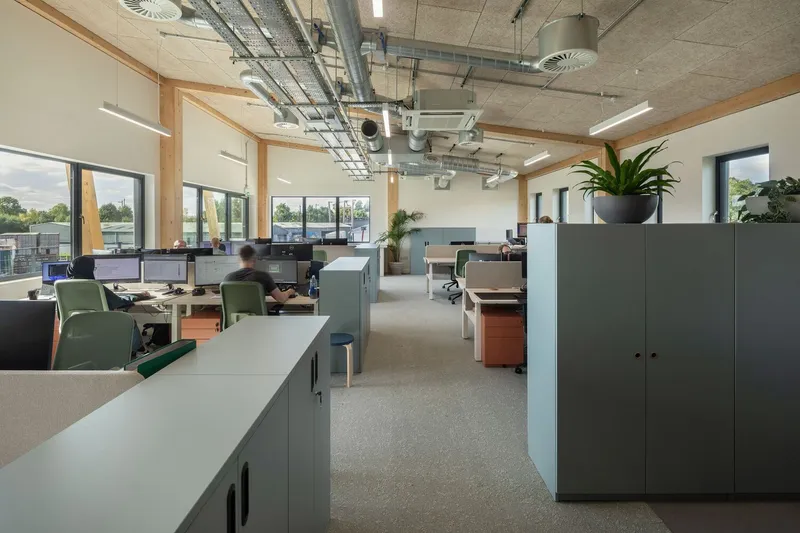
The design embraces Passive House standards and a fabric-first approach to achieve exceptional energy efficiency. Natural light, cross ventilation, and biophilic features such as internal planting and organic forms contribute to the wellbeing and productivity of users, aligning with the values of circular economy architecture.
Future-Proof Materials and Low-Carbon Design Thinking
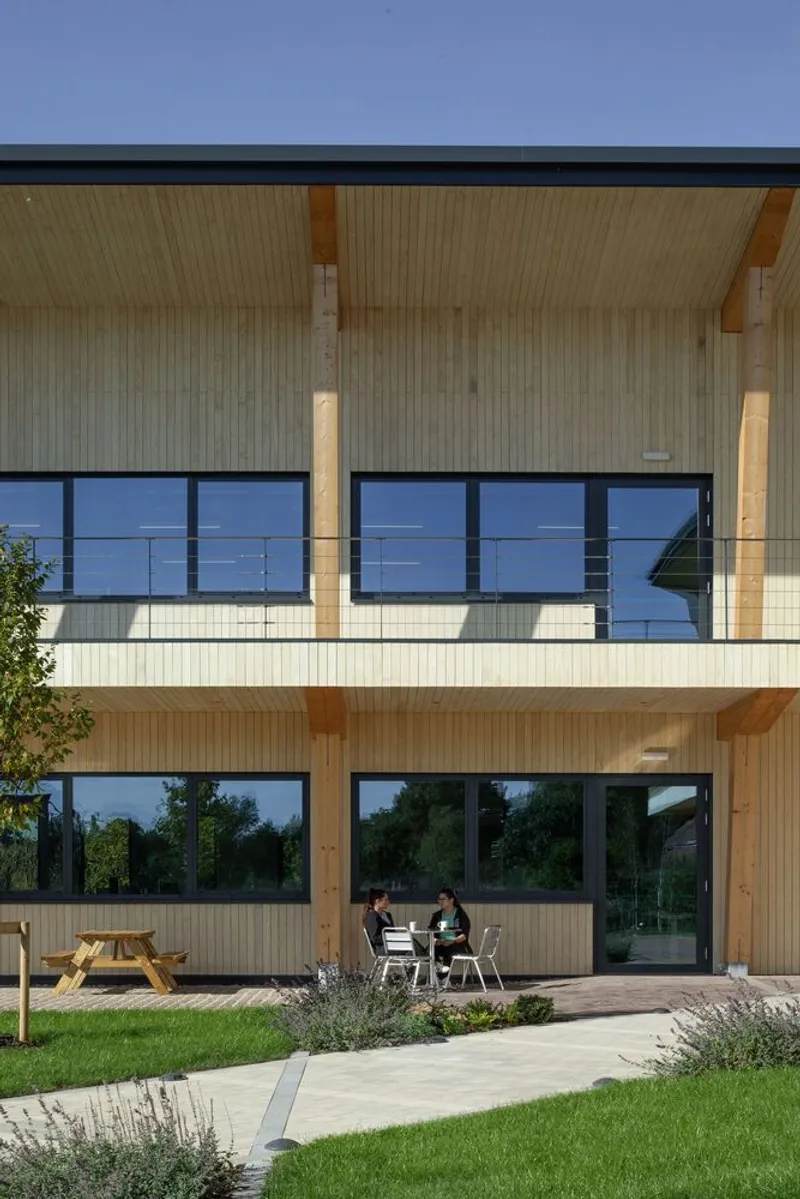
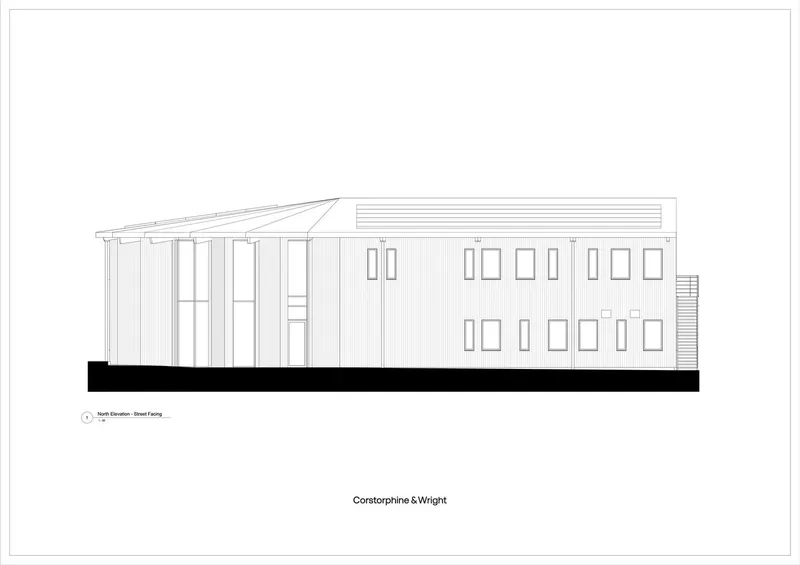
Unusual HQ’s structure and finishes reflect a deep commitment to sustainable material sourcing and circular thinking. From cork flooring and recyclable carpet tiles to breathable natural paints and Accoya timber cladding, each choice minimizes embodied carbon and maximizes future reuse.
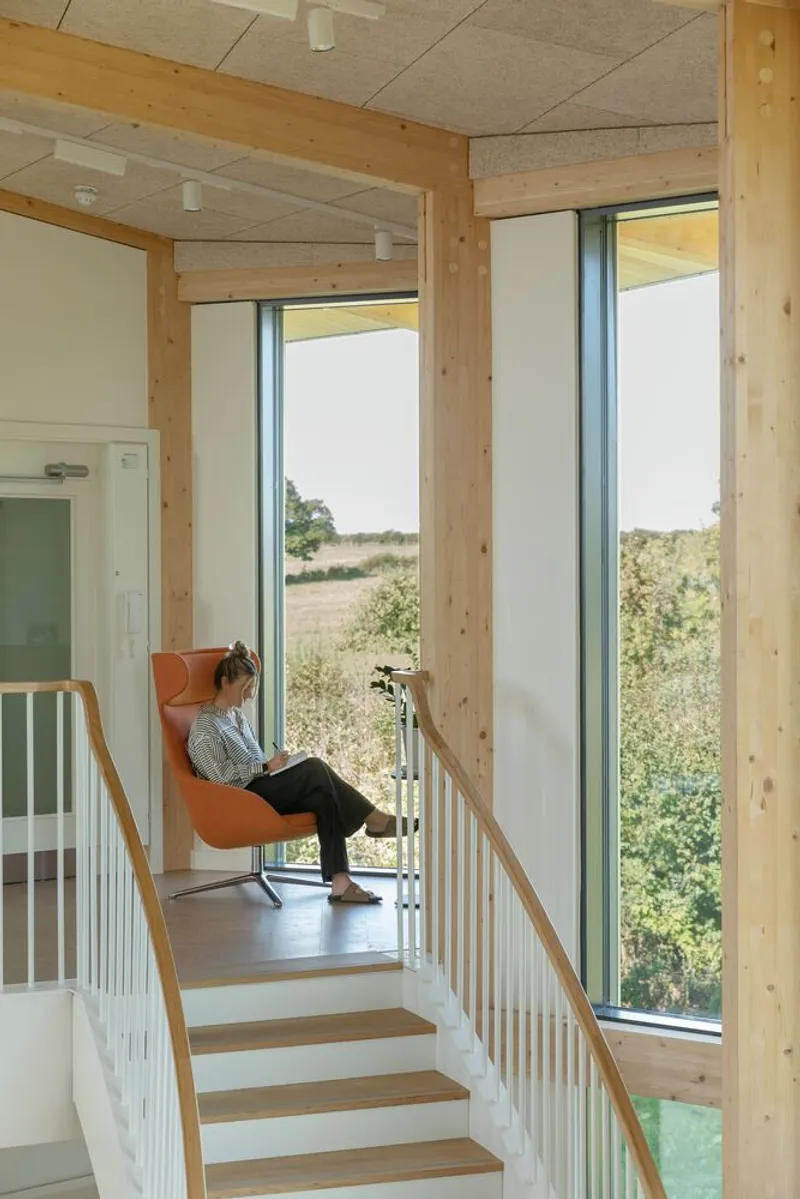
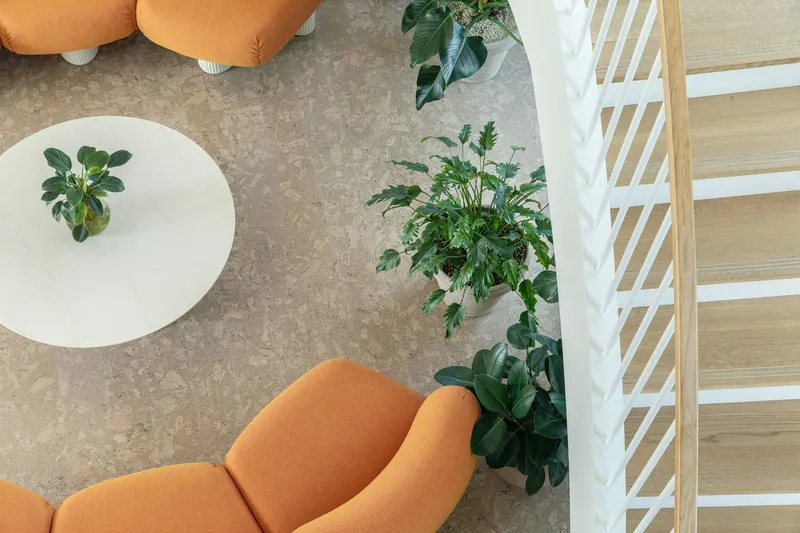
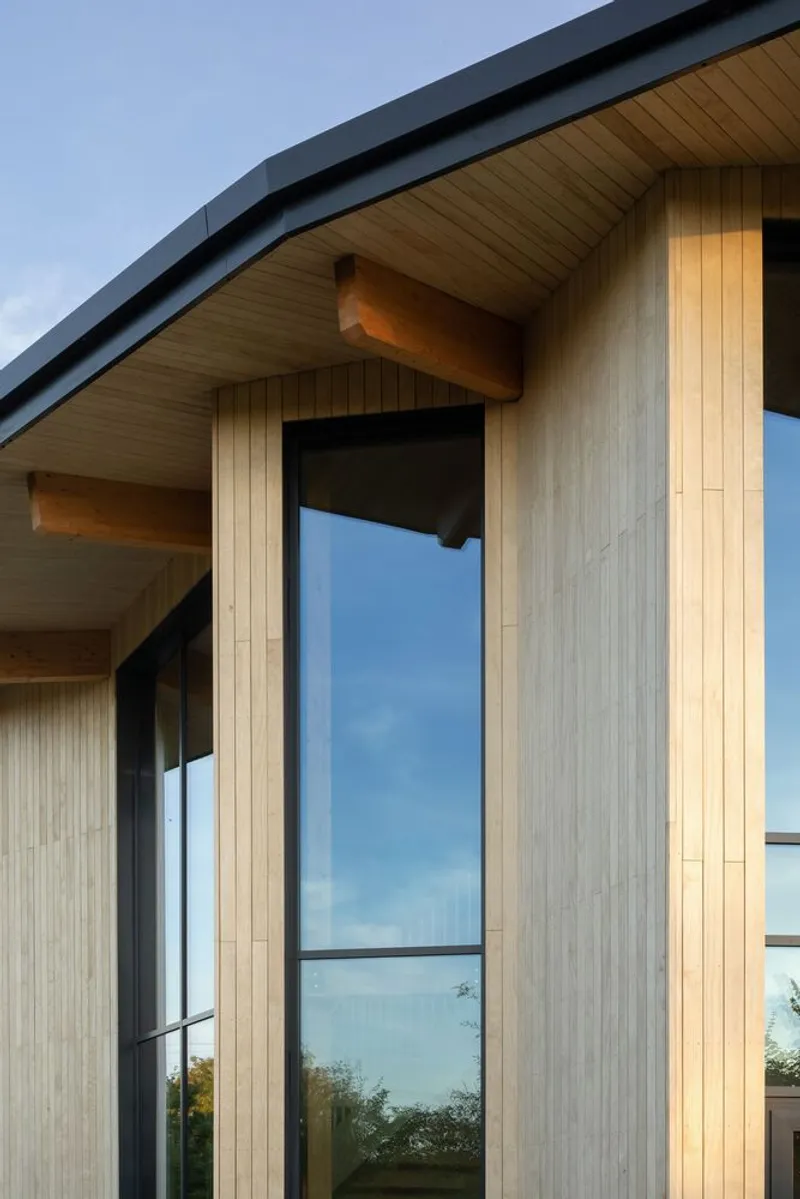
Innovative materials such as Breathaboard—a biodegradable alternative to plasterboard—showcase the building’s role as a testbed for new sustainable technologies. The use of Cradle to Cradle certified materials ensures that interior components can be disassembled and reconfigured without generating waste, offering flexibility for future needs.
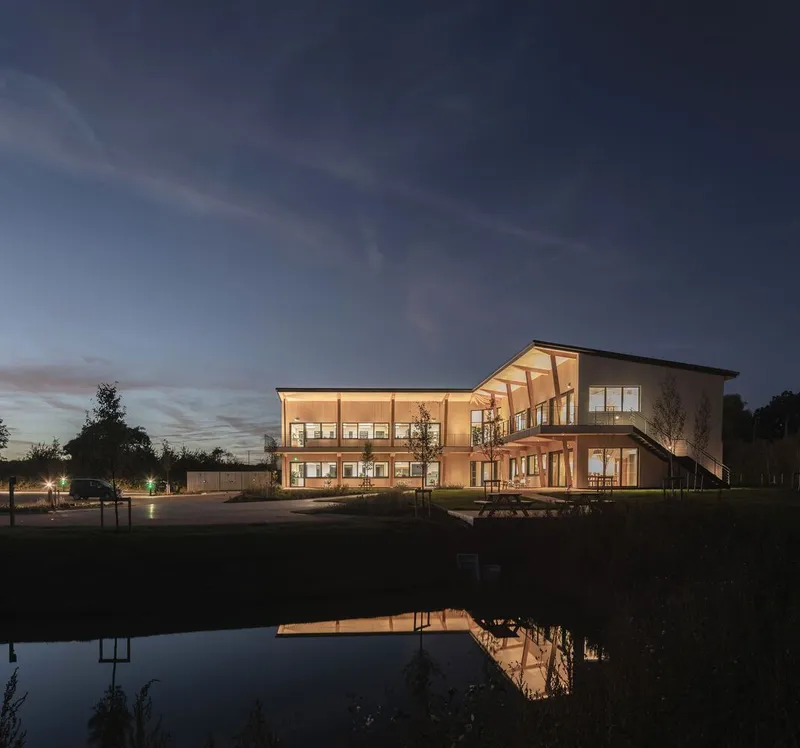
Energy-Positive Performance and Renewable Integration
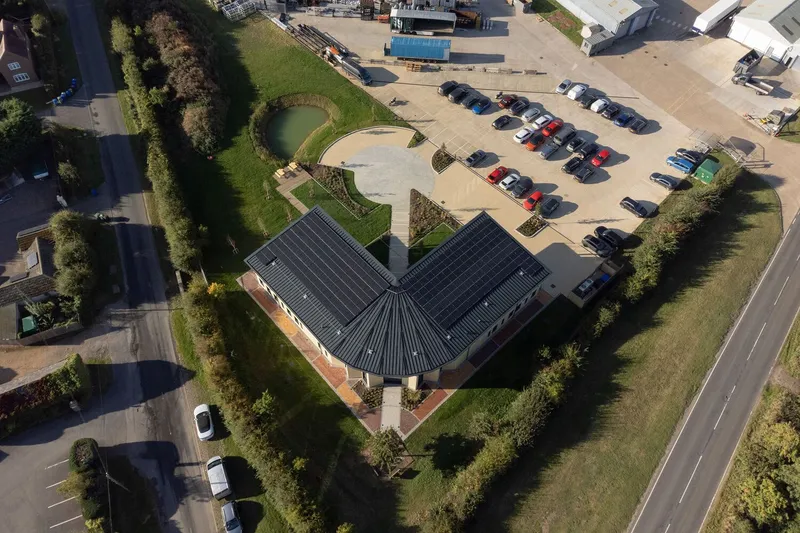
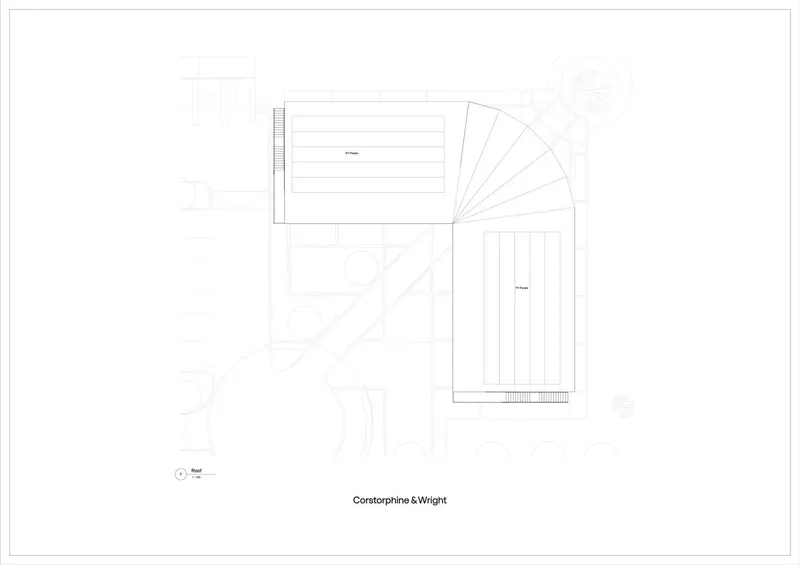
Renewable energy is central to the building's performance. Rooftop photovoltaic panels and an air-source heat pump allow the building to operate with a net-positive energy profile. This energy-conscious strategy extends to the interior design, where mechanical systems are minimized in favor of natural solutions wherever possible.
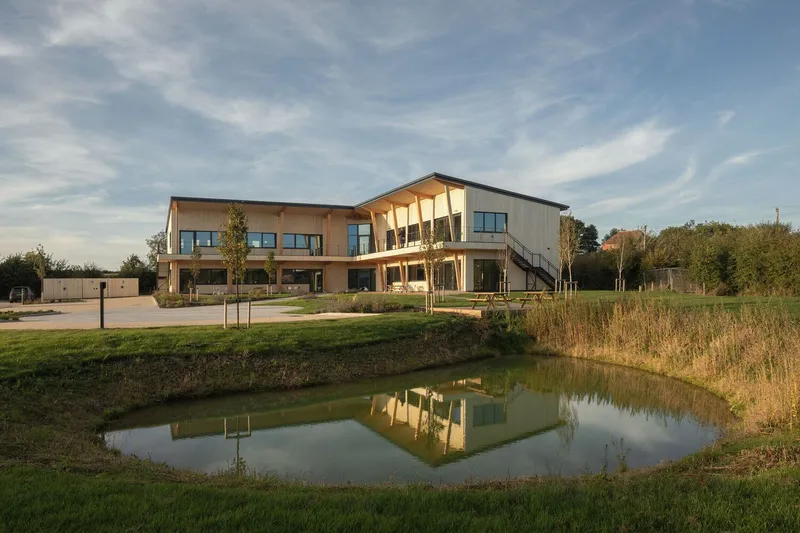
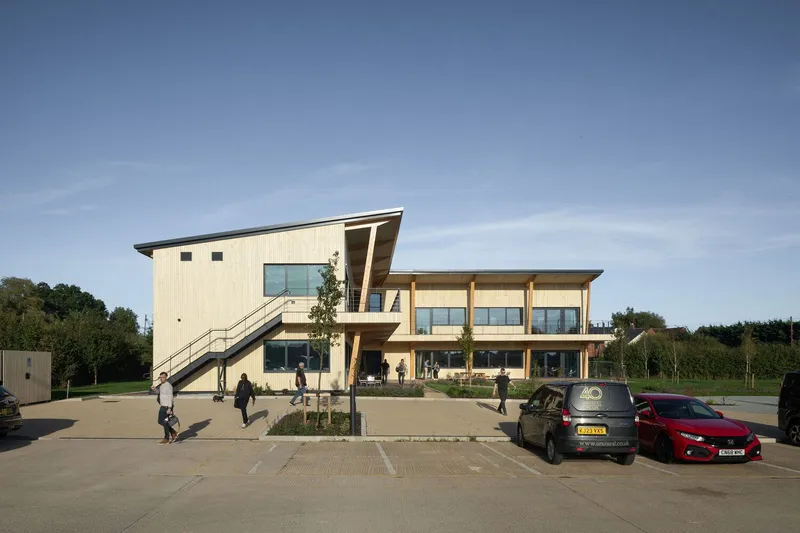
These efforts highlight how energy generation and conservation can go hand in hand in circular economy architecture, ensuring the long-term viability and self-sufficiency of commercial spaces.
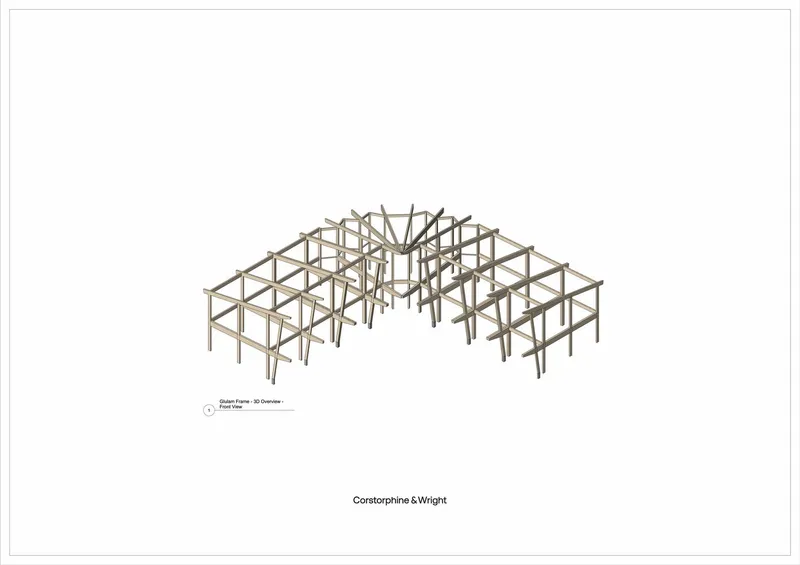
Landscape That Echoes Circular Values
The exterior landscape is equally mindful of the circular ethos. Reclaimed cobblestones from the demolished Northampton Market Square add texture and history to the hard landscaping. Meanwhile, a biodiversity-rich softscape, including a pond that supports rainwater attenuation and animal habitats, enhances the ecological integration of the site.
This holistic landscape design fosters a connection between the building and nature, reinforcing environmental stewardship while improving stormwater management and local biodiversity.
A Living Example of Architectural Responsibility
Unusual HQ is not just a building—it is a manifesto for how architecture can support regenerative and restorative practices. Rather than retrofitting reuse into an existing structure, the building was designed from inception for disassembly and material recovery. Every fixture, surface, and structure is intended to be reused, reimagined, or repurposed at the end of its lifecycle.
In doing so, the project challenges the traditional architectural narrative, advocating instead for lifecycle thinking that evaluates the true cost of materials—including their environmental and social impacts.
A Partnership Rooted in Purpose
The collaboration between Unusual Rigging and Corstorphine & Wright exemplifies what’s possible when ambitious clients and forward-thinking architects come together. Their shared vision brought to life a building that questions convention and inspires a new generation of sustainable workplace design.
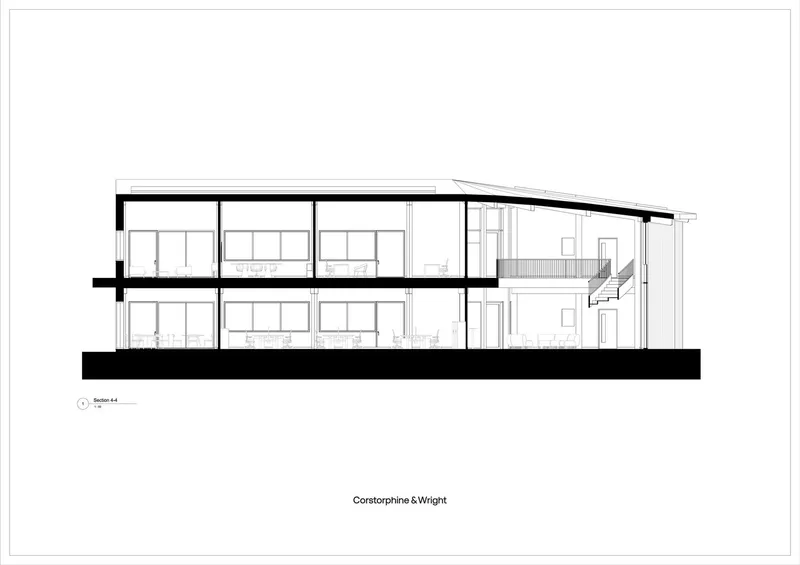
More than a commercial headquarters, Unusual HQ is a landmark in circular economy architecture, offering insights into how the built environment can embrace resilience, adaptability, and ecological harmony in a time of global transformation.
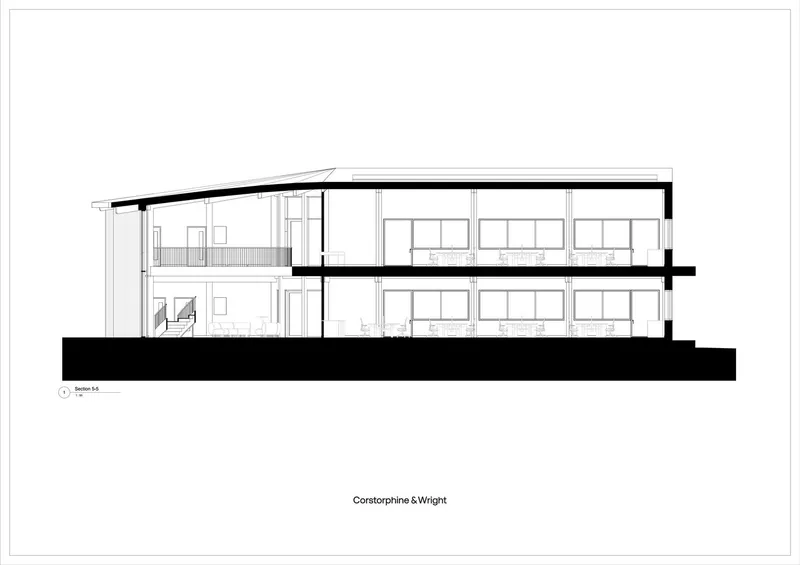
All Photographs are works of Rachel Ferriman


Popular Articles
Popular articles from the community


Lunar Spiral: Space Architecture Shaped by the Mathematics of the Universe
Lunar Spiral reimagines space architecture through Fibonacci geometry, lunar regolith, levitating habitats, and self-sustaining Moon living.

The Musturak Paradise: Senior Living Architecture for a Connected Future in Temara, Morocco
The Musturak Paradise reimagines senior living architecture in Temara via private homes, social spaces, culture, community, and shared care.

The Ocean Hive: Sustainable Architecture for a Self-Sufficient Civilization at Sea
The Ocean Hive imagines sustainable architecture at sea, where modular habitats, algae, wave power and ocean waste sustain a growing colony.

Co-life: Sustainable Architecture for Age-Friendly Community Living
Co-life reimagines sustainable architecture for seniors through courtyards, rammed earth, shared gardens, and spaces designed for belonging.

Similar Reads
You might also enjoy these articles

FAMM Arquitectura Organizes Ten Villas Around Courtyards and Jungle in Nosara, Costa Rica
El Molino pairs two elongated volumes with deep overhangs and timber louvers to build a compact coastal community five minutes from the beach.
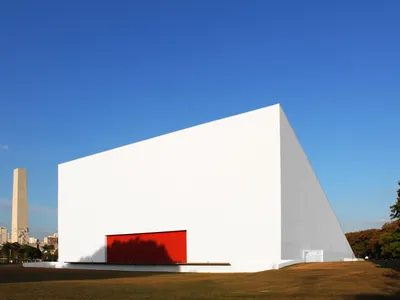
Oscar Niemeyer's Ibirapuera Park Pavilions Define São Paulo's Cultural Identity in Concrete and Curve
A constellation of modernist volumes set within São Paulo's most important urban park, conceived for the city's 400th anniversary in 1954.
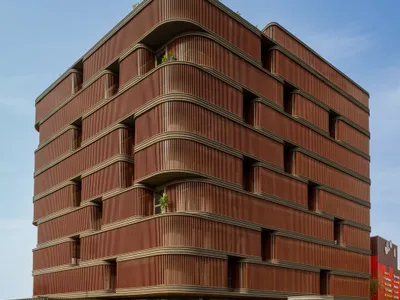
Sanjay Puri Architects Wraps a Jaipur Office Tower in Capsule-Shaped Green Buffers
A nine-level climate-responsive workplace near Jaipur Airport uses stacked planter terraces and aluminium screens to fight 40°C heat.
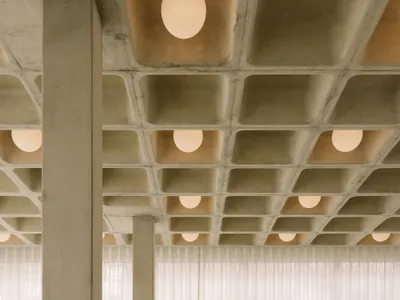
RHO Converts a Berlin Spree-Side Industrial Courtyard into Enkime's 1,000 m² Agency Headquarters
A social media agency's new home in Charlottenburg trades glossy branding for concrete waffle ceilings, glazed tile, and sheer curtains.

Explore Architecture Competitions
Discover active competitions in this discipline

Challenge to reimagine the Iron Throne

Photograph architecture without architects

Illustrate the lost glory of Angkor Wat - Render Challenge

Design challenge to reuse E-waste
Comments (0)
Please login or sign up to add comments
No comments yet. Be the first to comment!