
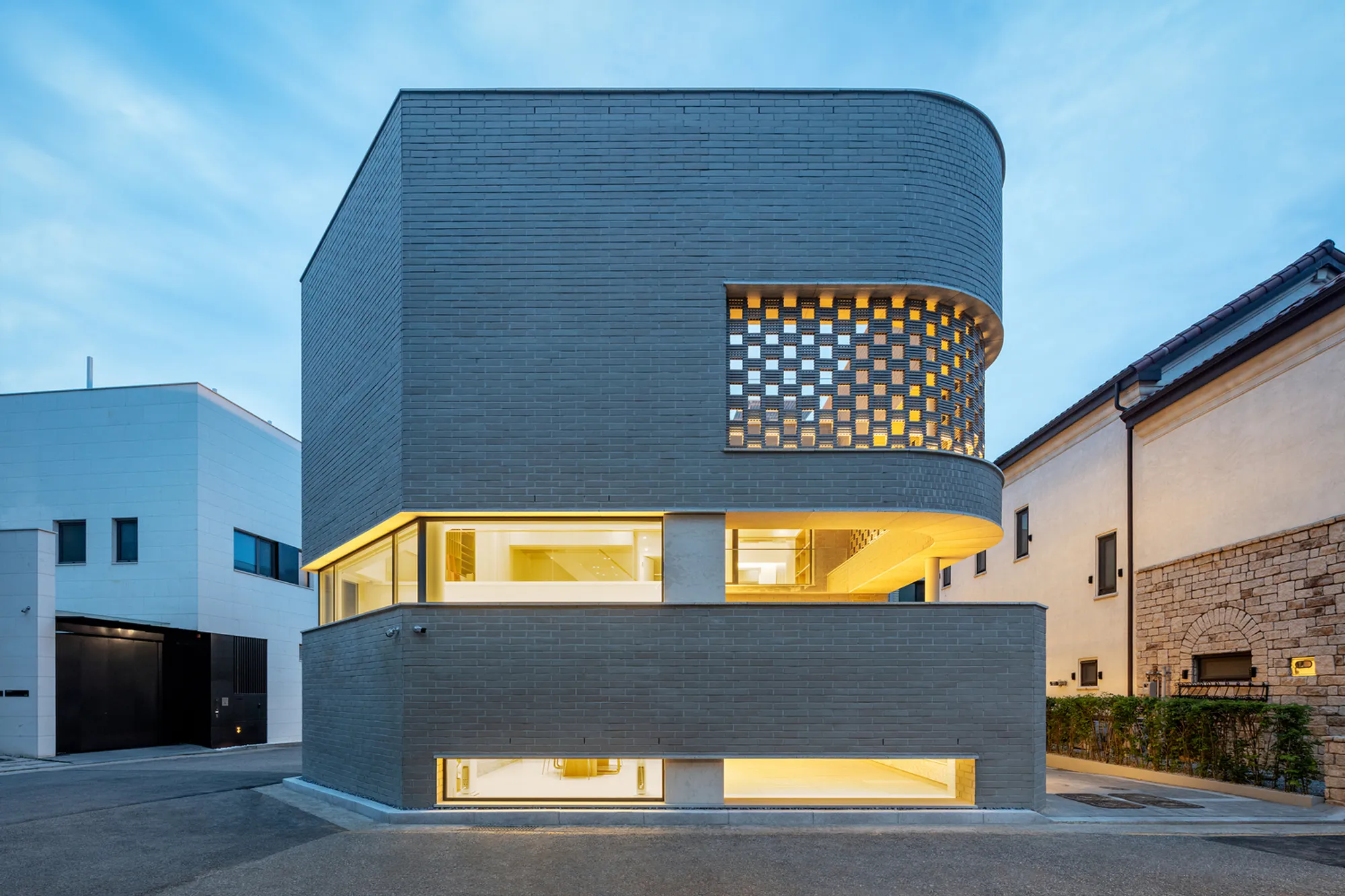
Urban Courtyard Houses in South Korea: Exploring Pangyo Two Courtyards House by June Architects
Exploring Pangyo Two Courtyards House in South Korea, a unique urban home blending indoor-outdoor living with privacy and nature by June Architects.


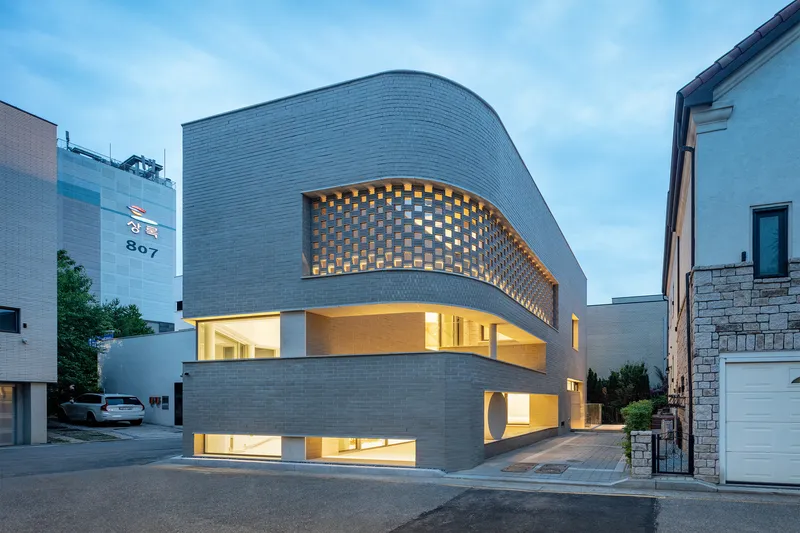
In the bustling urban landscape of Seongnam-si, South Korea, the Pangyo Two Courtyards House emerges as a beacon of architectural innovation and natural integration. Designed by June Architects, this 297 square meter home redefines the concept of urban living by blending privacy with nature. This article dives into the design philosophy, architectural nuances, and the unique aspects of the Pangyo Two Courtyards House.

Balancing Nature and Privacy
The Concept of Half-Open Courtyards
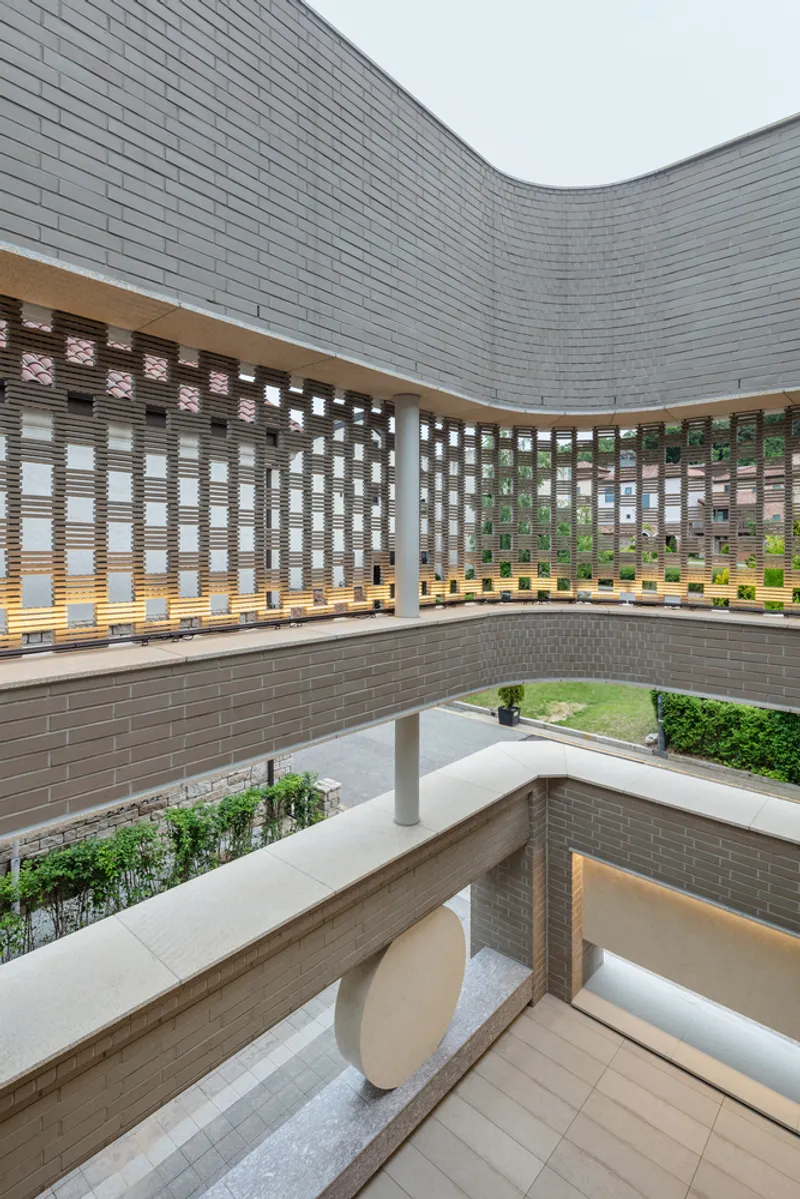
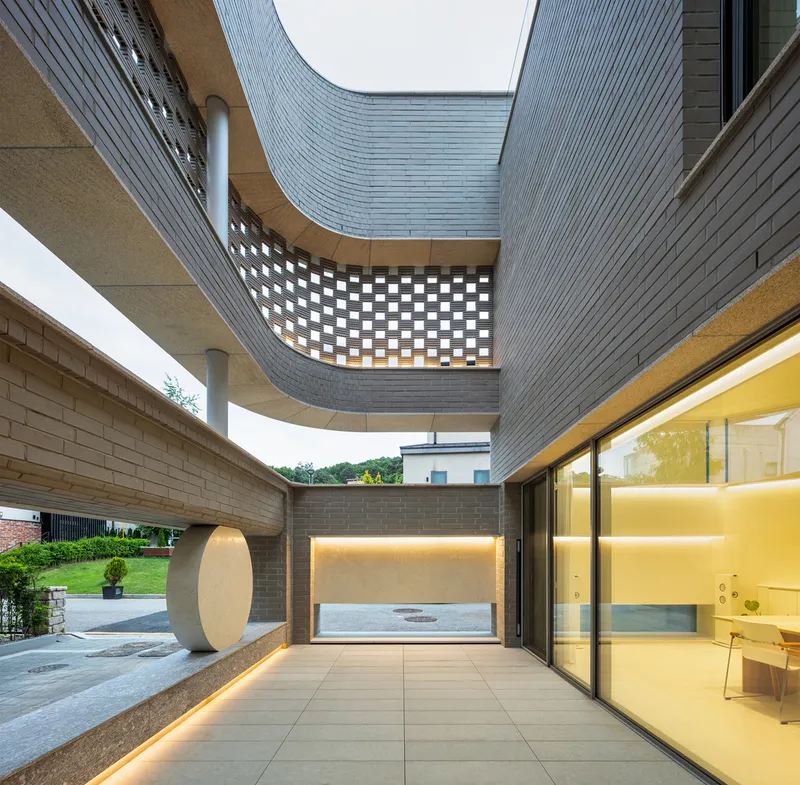
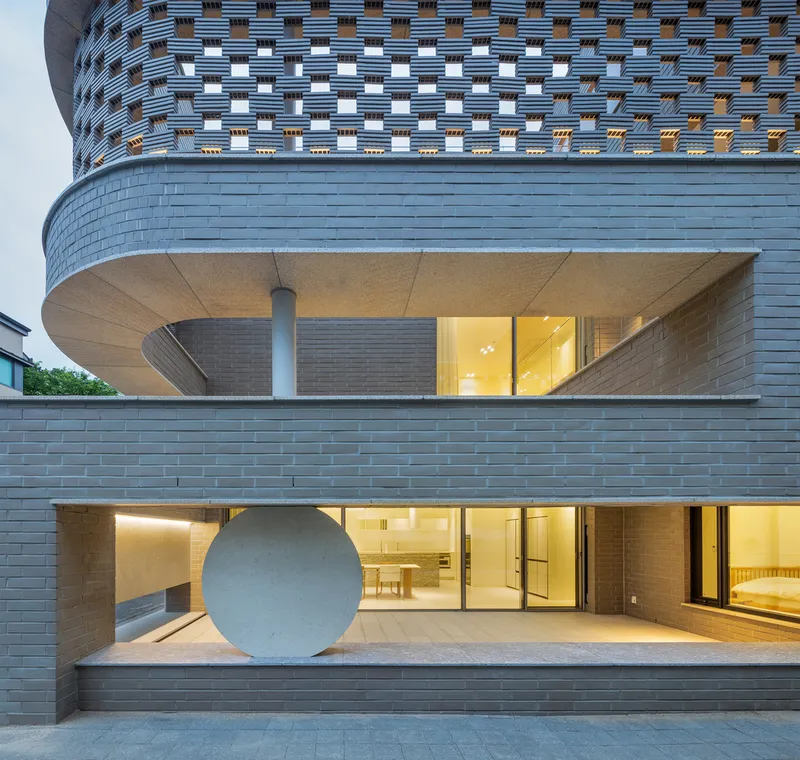
One of the main challenges in urban house design is maintaining a connection with nature while ensuring privacy. The Pangyo Two Courtyards House addresses this issue with its innovative half-open courtyard design. This approach allows the residence to embrace the outdoors, offering views of the sky and sunlight, while strategically shielding the interior from the public eye. The use of brick-mesh on the upper parts of the courtyard walls creates an elegant interplay of light and shadow, enhancing the connection with the natural world.

A Private Oasis in the City
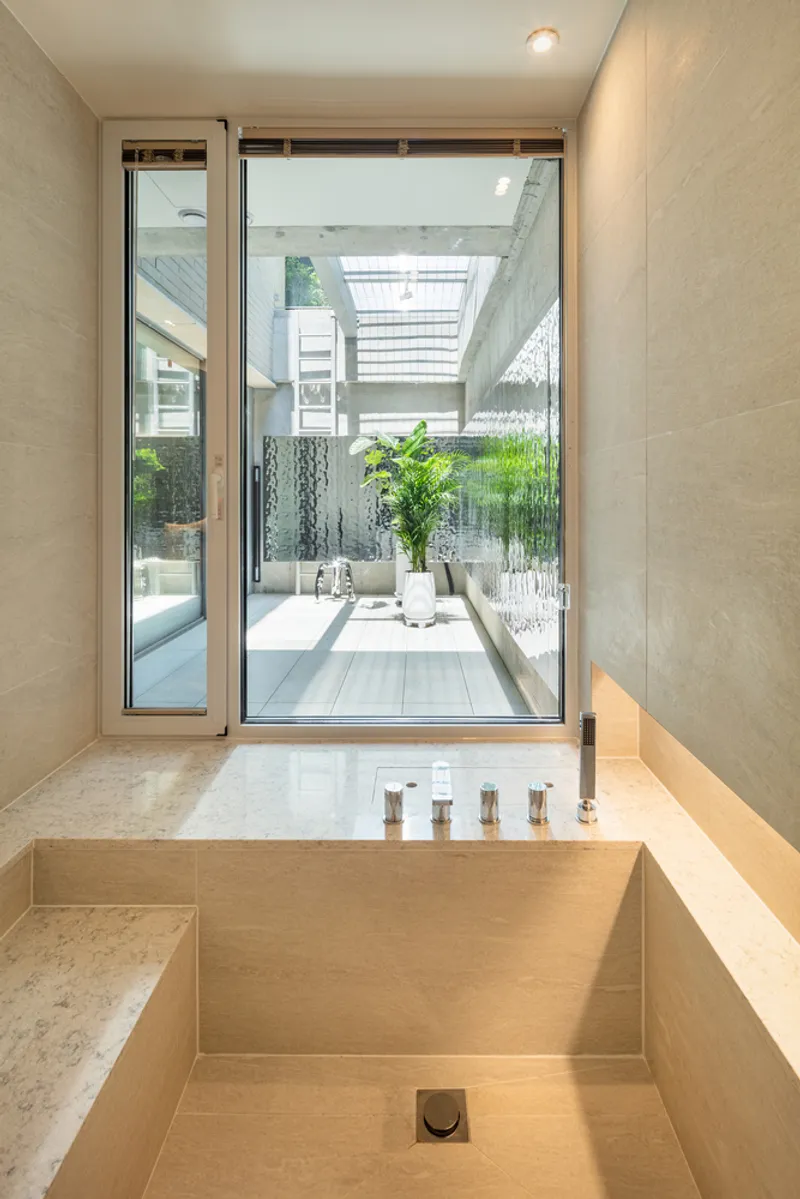
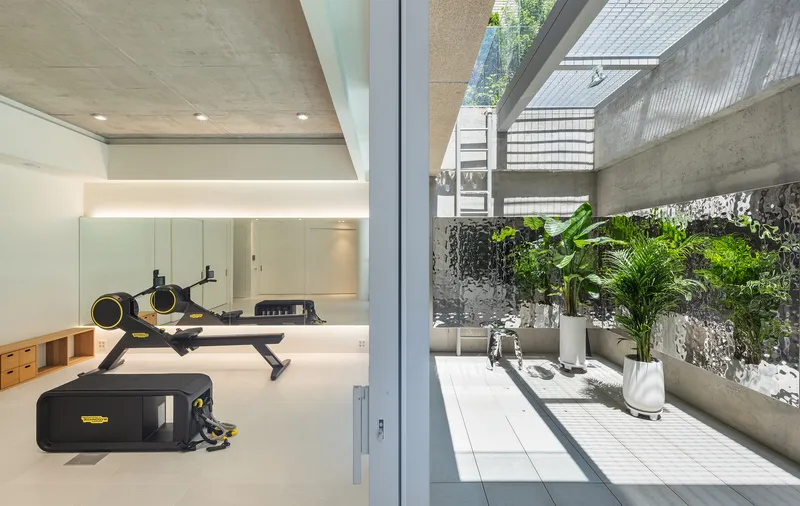
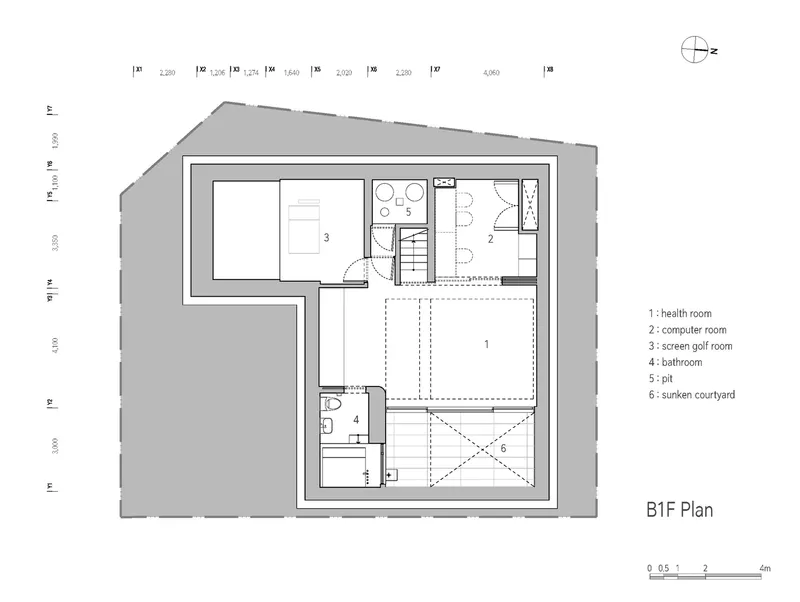
The design includes a sunken courtyard that is completely secluded, providing a sanctuary where residents can enjoy the sky and sunlight in total privacy. This space serves as a private retreat from the urban environment, offering a rare sense of openness and freedom within the city.

Architectural Design and Space Utilization
The Unity of Indoor and Outdoor Spaces
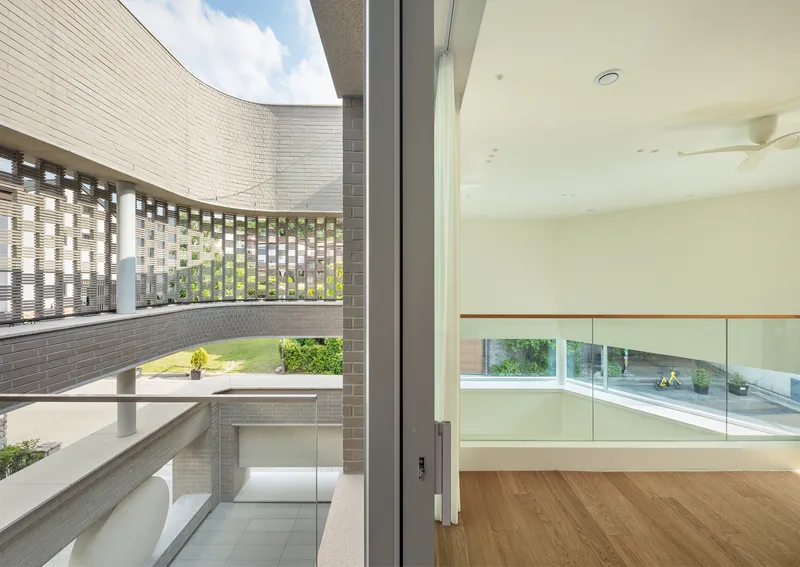
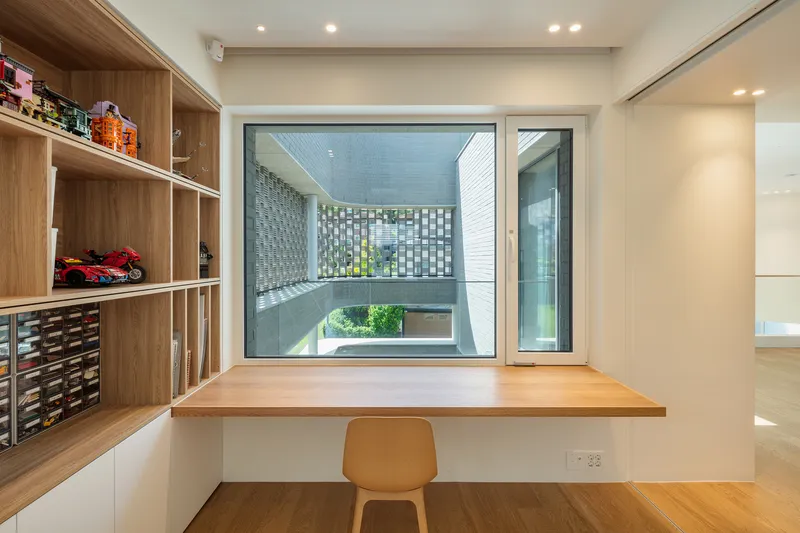
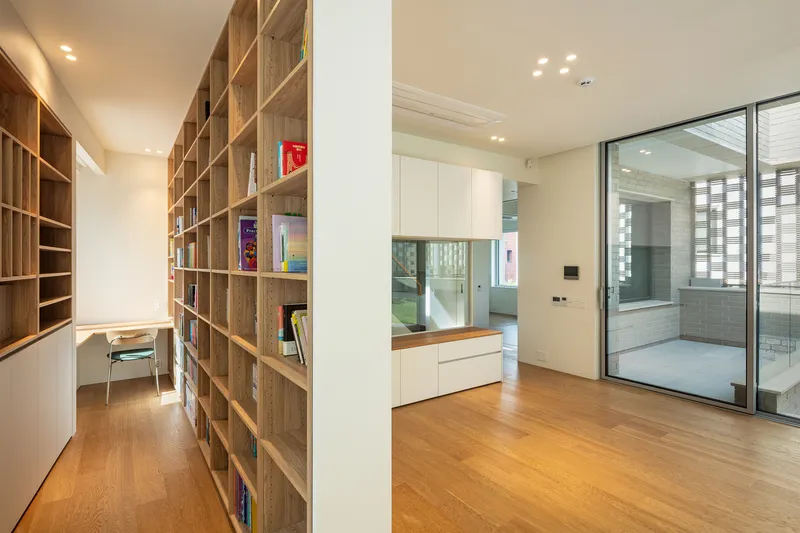
The courtyard on the first floor, with its 8.5-meter-high walls, introduces a dramatic sense of space that extends the living areas outdoors. This design not only unites the main rooms across both floors but also fosters family interaction in a shared, yet open environment. The seamless flow between indoor and outdoor areas enhances the living experience, making the home feel larger and more connected to nature.


Sculptural Elements and Order
June Architects' approach to the house's design incorporates sculptural elements to achieve a powerful yet elegant aesthetic. By refining structural components such as walls and columns, the architects have created spaces that are both functional and visually stunning, demonstrating a sophisticated understanding of form and space.
Comfort and Convenience in Design
Prioritizing Ease of Living
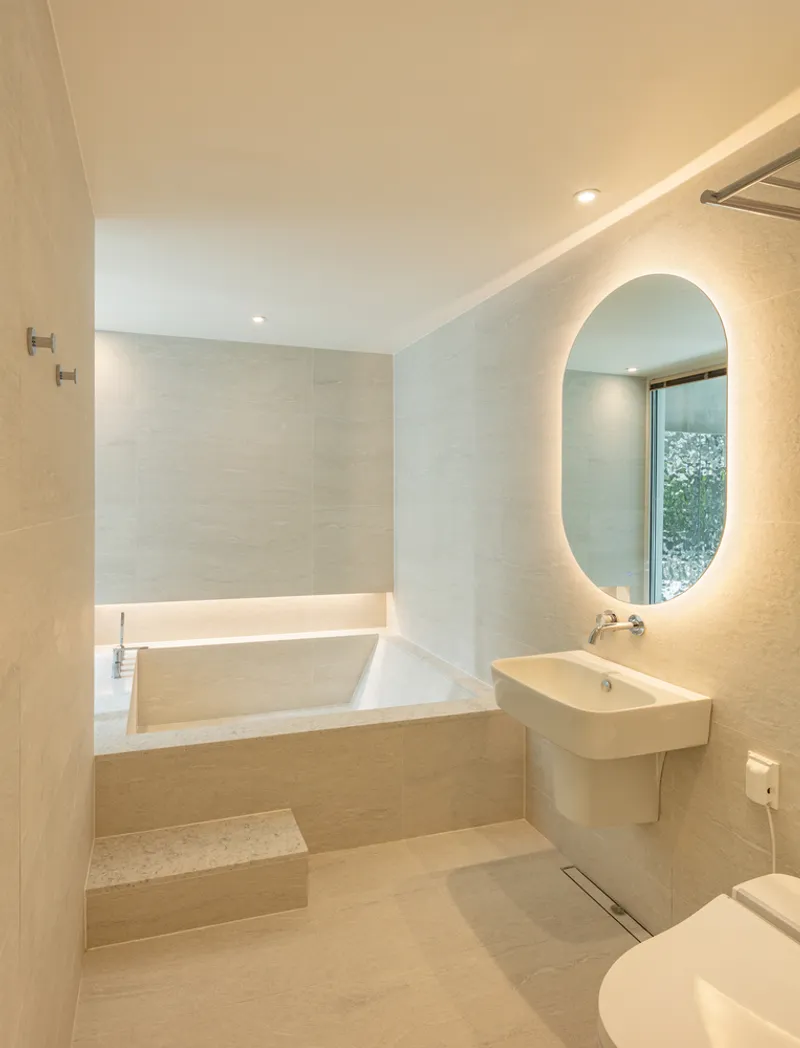
The layout of the Pangyo Two Courtyards House is meticulously planned for convenience, ensuring easy access to essential areas like the kitchen and laundry room. Communal spaces are designed to be inviting and comfortable, promoting family gatherings, while private areas are thoughtfully separated to ensure personal privacy. This careful consideration of the home's functionality makes it a truly comfortable place to live.
The Pangyo Two Courtyards House by June Architects stands as a model for urban courtyard houses in South Korea, offering a solution to the challenges of urban living through its innovative design. By blending the indoors with the outdoors and balancing public visibility with private tranquility, this home sets a new standard for residential architecture. It not only provides a blueprint for integrating nature into urban homes but also showcases how architectural creativity can enhance our living environments in densely populated cities.


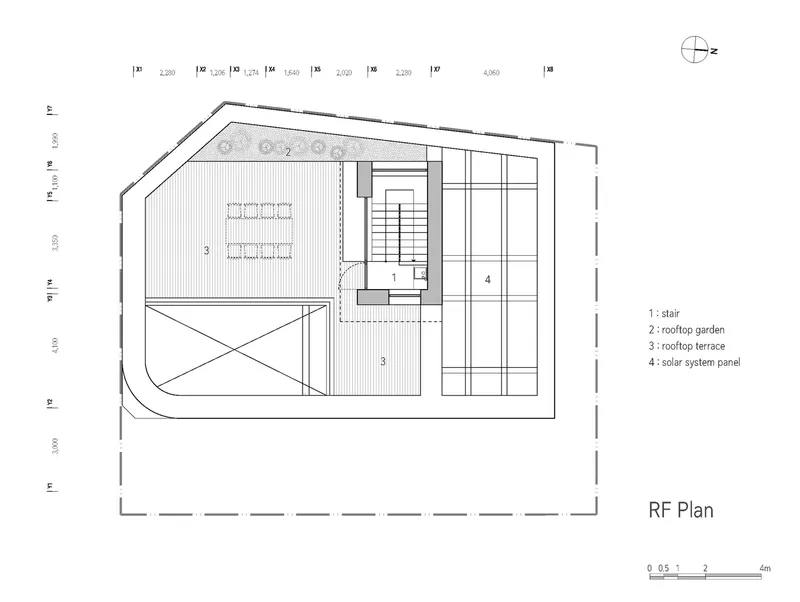
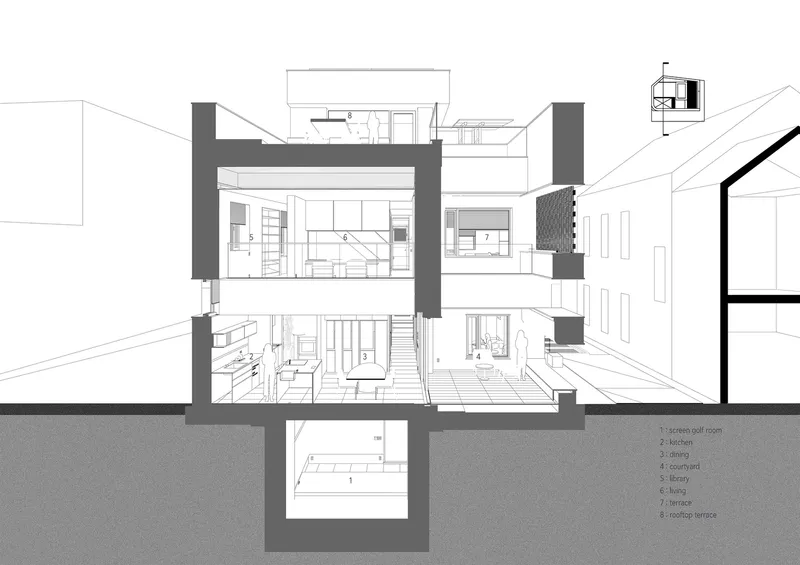


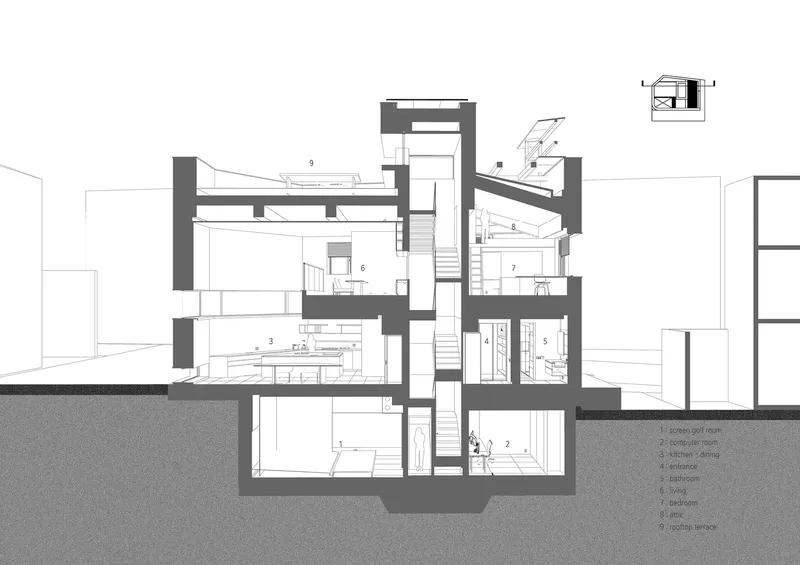
All photographs are work of Kyungsub Shin




Popular Articles
Popular articles from the community


Riyadh For All: Intergenerational Urban Design for Active Aging in Rabat
Riyadh For All reimagines urban design in Rabat with intergenerational co-living, adaptive courtyards, and Moroccan cultural exchange today.

Co-life: Sustainable Architecture for Age-Friendly Community Living
Co-life reimagines sustainable architecture for seniors through courtyards, rammed earth, shared gardens, and spaces designed for belonging.

The Earth Pod: 3D Printed Homes for Resilient Refugee Communities
The Earth Pod reimagines refugee housing through 3D printed homes made from clay, combining resilience, self-sufficiency, and rapid shelter.

The Musturak Paradise: Senior Living Architecture for a Connected Future in Temara, Morocco
The Musturak Paradise reimagines senior living architecture in Temara via private homes, social spaces, culture, community, and shared care.


Similar Reads
You might also enjoy these articles


Hodi-Mandai Geram
Project Function: Preservation and revitalization of the Intangible heritage and socio-spatial identity of the Hodi by Housing, Cultural Memory Center, Sacred Grove, landscape, local tourism economy


Olio Towers: A Mid-Rise for Performers That Fuses Housing, Rehearsal, and Stage
Located blocks from Houston's Theater District, this modular tower stacks living units around a central performance atrium.

Oasis: Modular Green Housing Carved into Dhaka's Urban Fabric
A shortlisted Plugin Housing entry reclaims unauthorized settlements in Dhaka with stepped concrete volumes, green roofs, and ventilation-driven design.

Black Hole: A Floating Megastructure for the Post-Physical Era
Emiliano Mazzarotto envisions a spherical, self-scaling arena where e-sports, digital hotels, and holographic stadiums replace traditional public space.


Explore Architecture Competitions
Discover active competitions in this discipline



Challenge to reimagine the Iron Throne


Photograph architecture without architects


Illustrate the lost glory of Angkor Wat - Render Challenge


Design challenge to reuse E-waste
Comments (0)
Please login or sign up to add comments
No comments yet. Be the first to comment!