
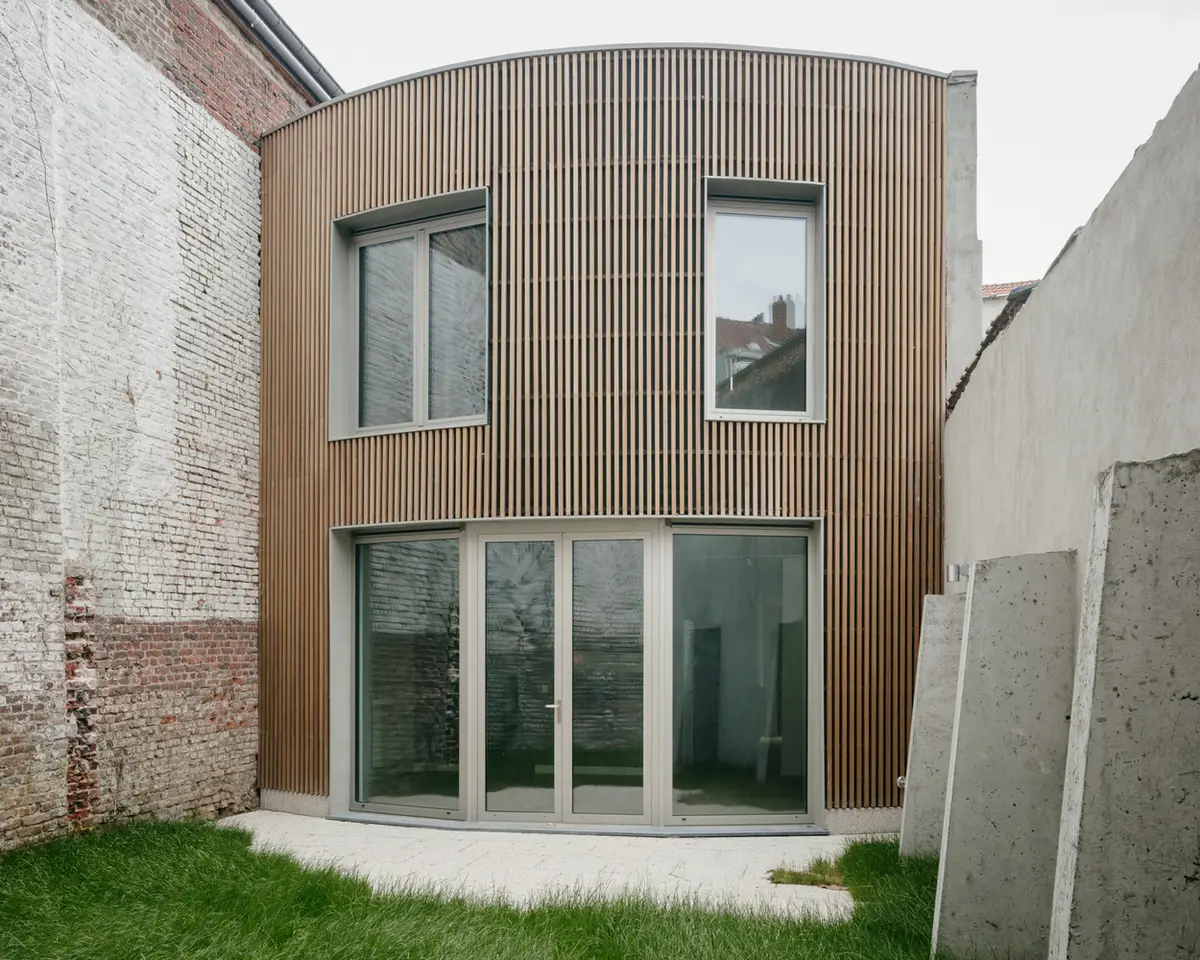
Urban Multifamily Architecture: The Koto / Notan Office Project in Schaerbeek
The article explores the Koto / Notan Office project, showcasing innovative urban multifamily architecture blending private, communal, and workspace areas.


Urban multifamily architecture involves designing residential spaces that accommodate a variety of family sizes and workspaces within an urban environment. The Koto / Notan Office project in Schaerbeek, Brussels, stands as a perfect example of how multifamily buildings can be designed to adapt to the diverse needs of residents while respecting and integrating into the surrounding urban fabric. This project not only provides a unique solution to space utilization but also showcases how architecture can mediate between private and public spheres in dense city environments.
The Vision Behind the Koto / Notan Office Project
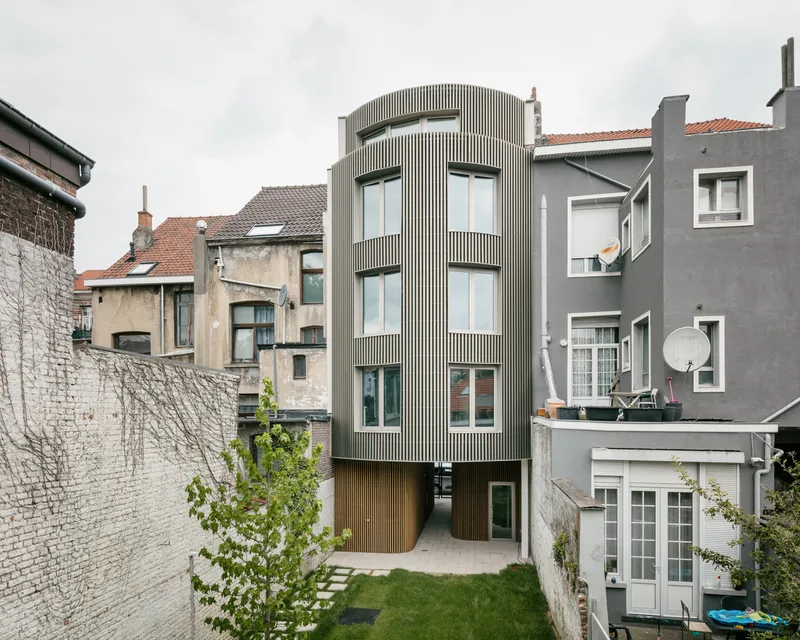
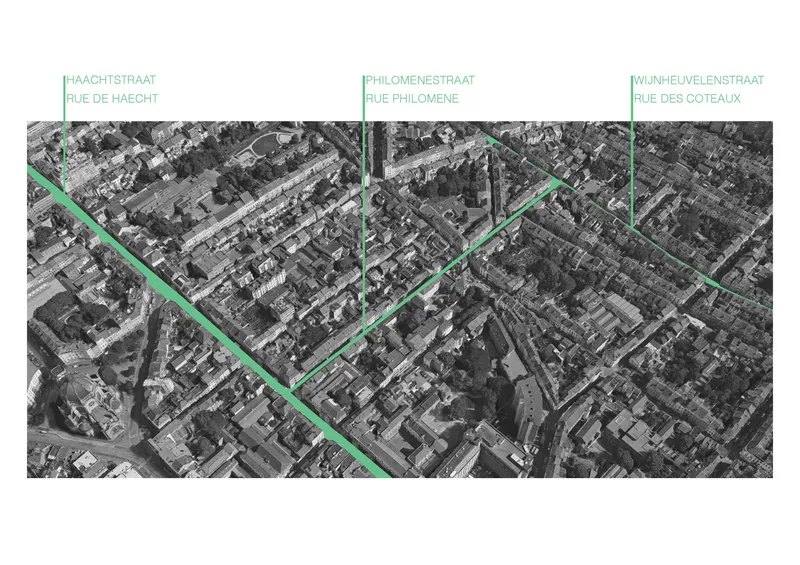
Designed by Notan Office, this development reimagines urban living in Brussels by combining four distinct abodes with a functional workspace. The architects aimed to maximize the potential of a site once occupied by street-front garages, transforming it into a multifaceted residential and professional space. By situating the building along Côteaux Street, a busy thoroughfare in the Schaerbeek district, the project contributes to the area’s evolving urban landscape while also enhancing the quality of life for its residents.
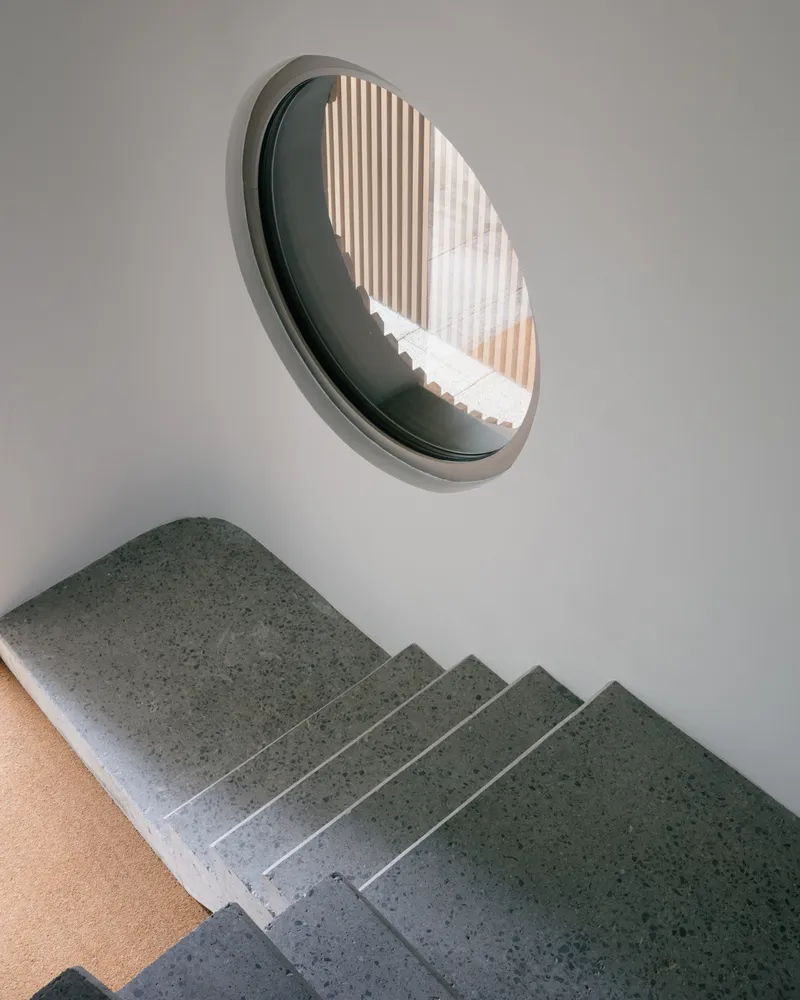
Project Highlights: Multifunctional Spaces and Urban Context
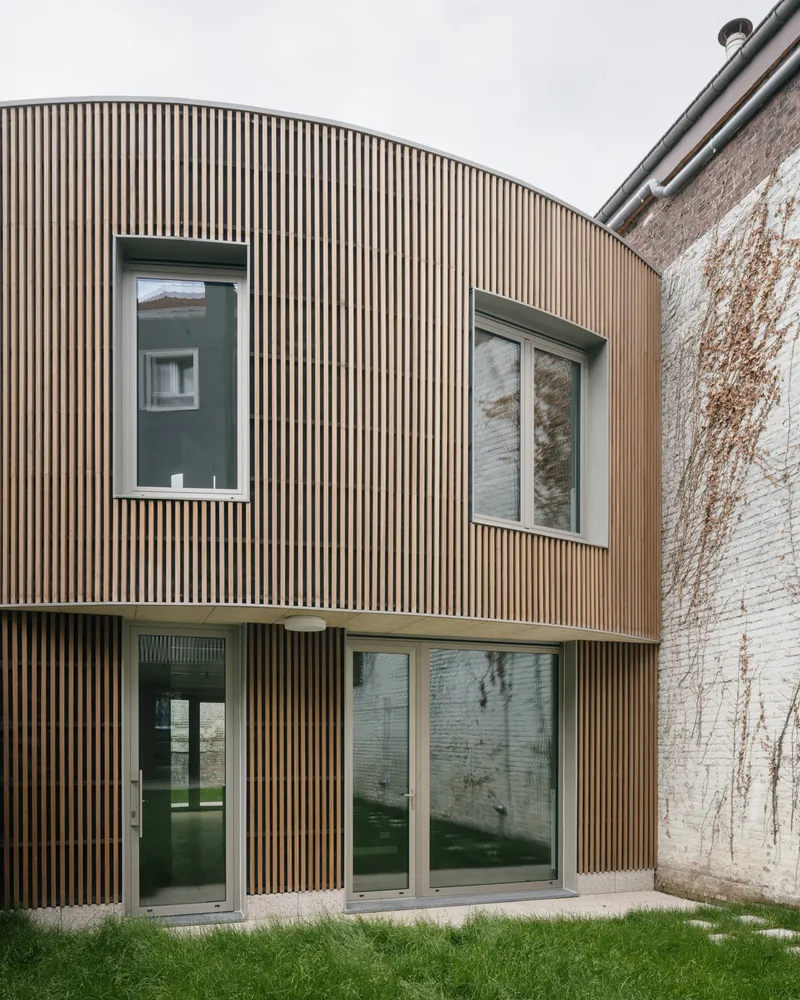
At the heart of the design is the juxtaposition of private and communal spaces. The project features a combination of two-bedroom apartments, a four-bedroom duplex, and a three-bedroom duplex, all integrated with a workspace. This diverse mix of typologies ensures that the building can accommodate various needs, from family living to professional work, while fostering a sense of community within a dense urban context.
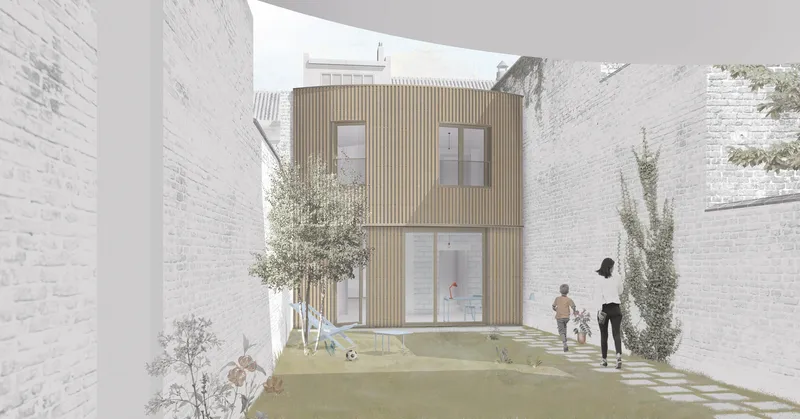
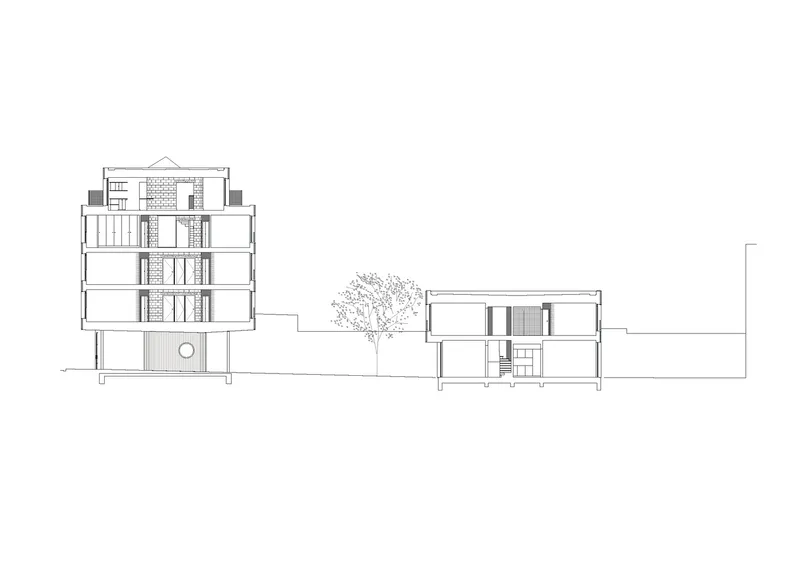
- Four Distinct Abodes: The project is anchored by two main volumes. The front-facing structure houses a mixture of apartments, while the rear volume creates a private garden space, enhancing the living experience for the residents.
- Work and Living Integration: The inclusion of a workspace within the residential area speaks to the evolving nature of urban multifamily architecture, where home offices have become a necessity for modern living.
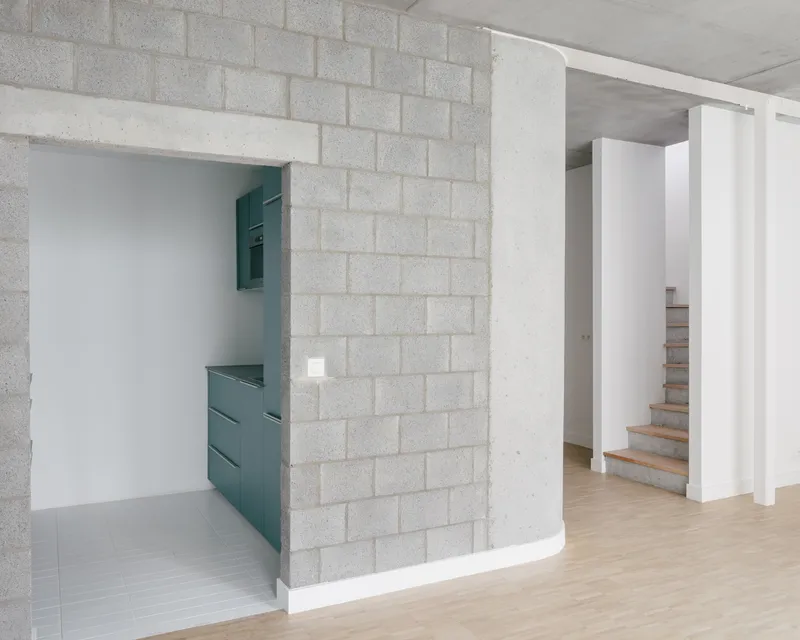
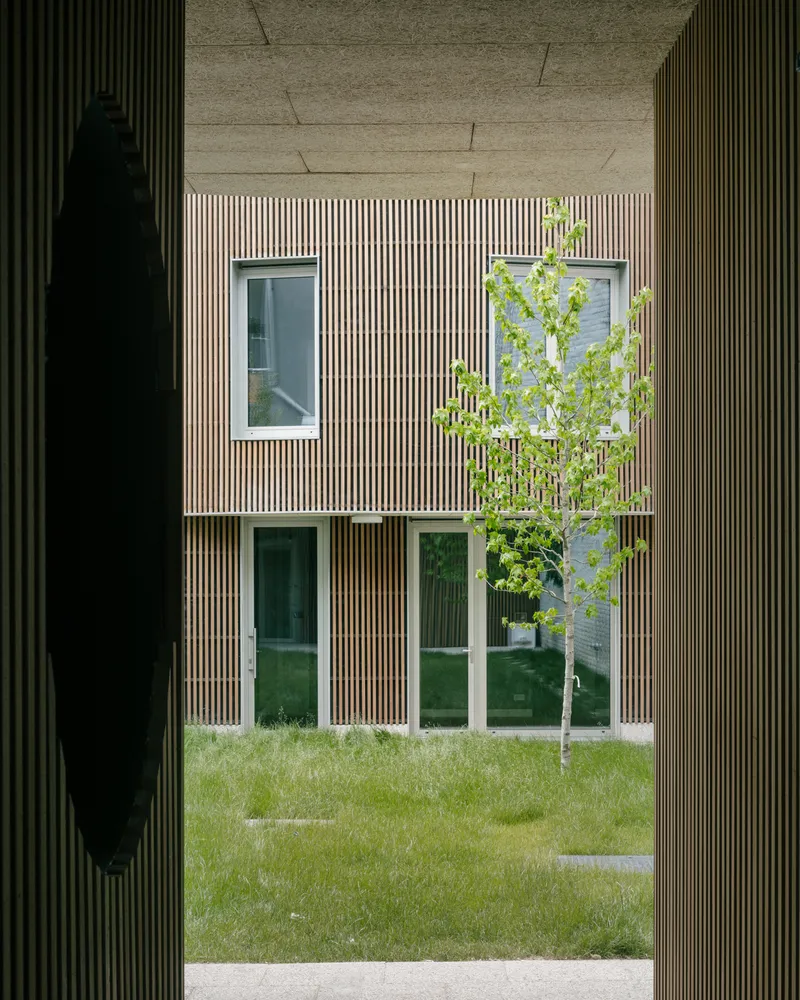
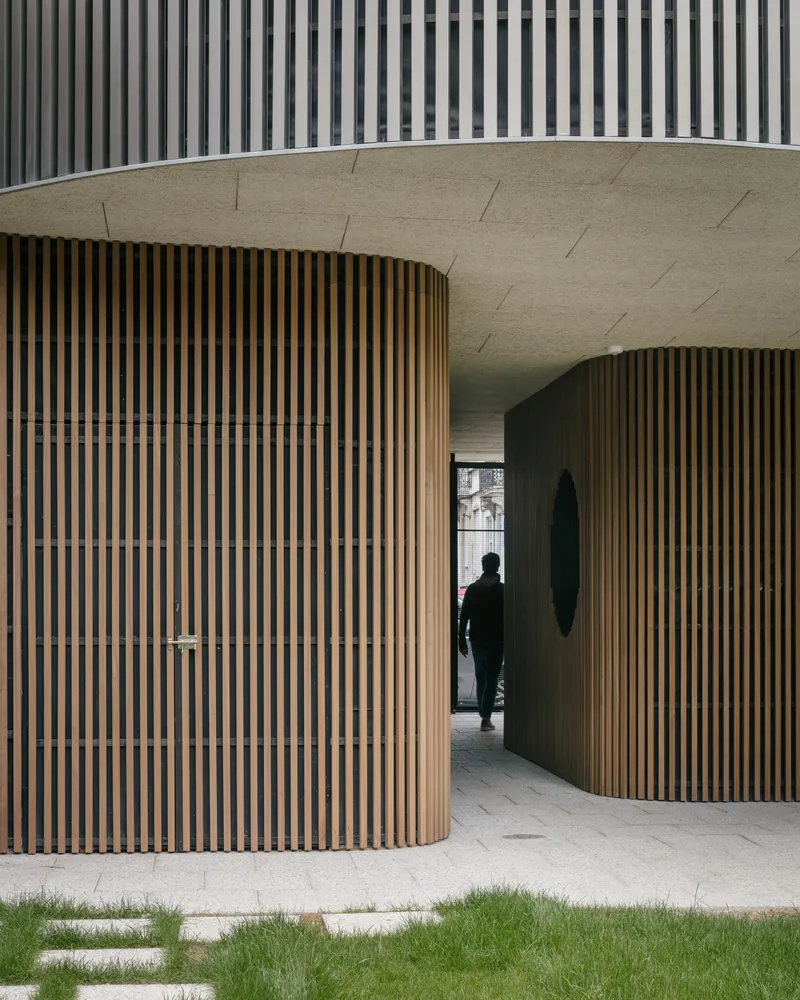
Architectural Design and Urban Assimilation
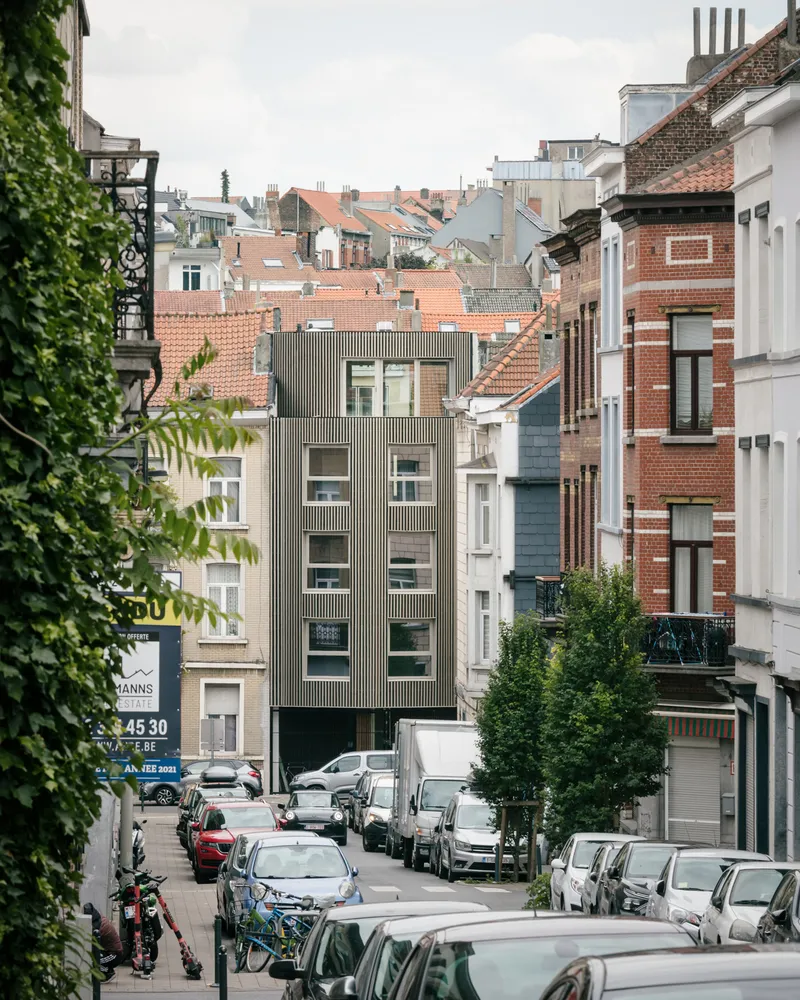
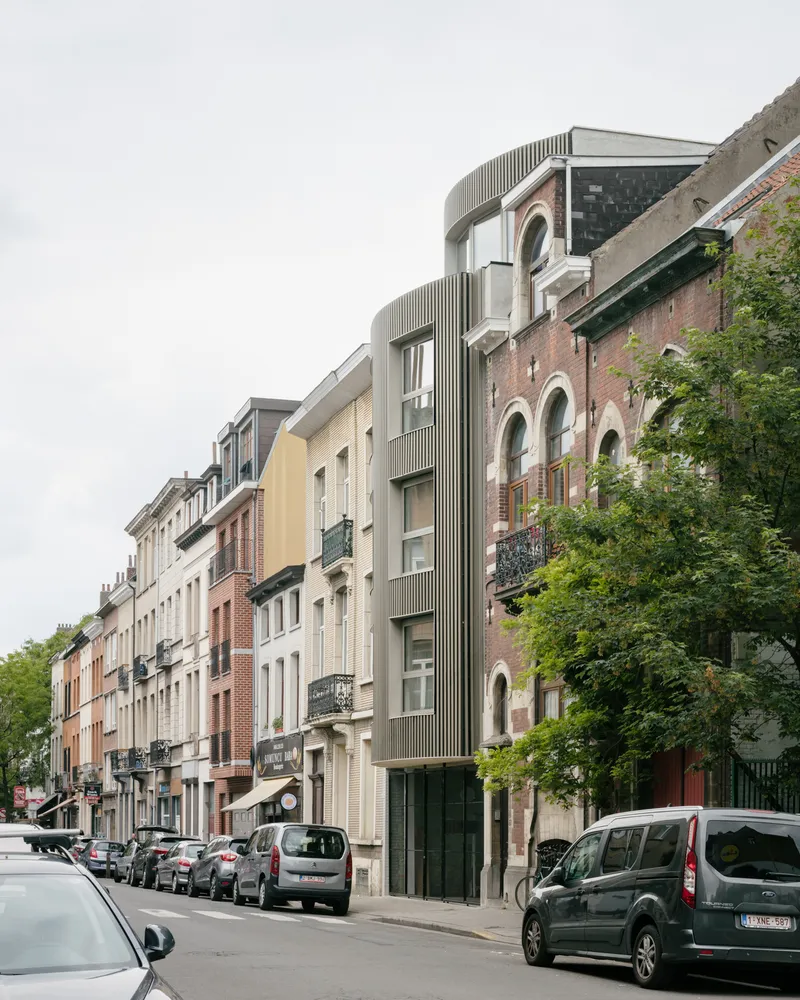
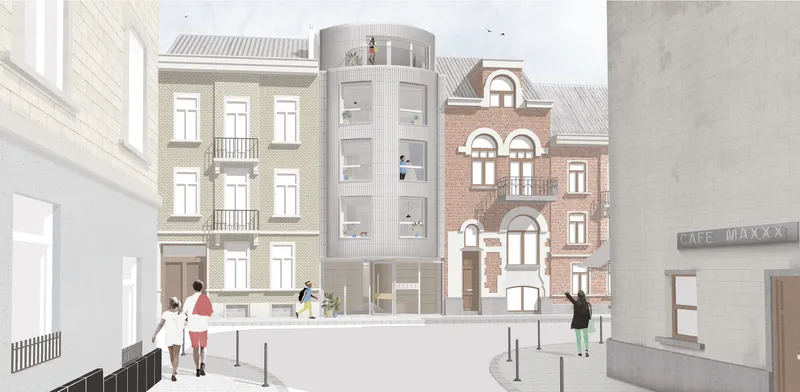
One of the standout features of the Koto project is how it interacts with its urban surroundings. The design does not merely fit into the existing fabric of Schaerbeek; it enhances it. The facade of the building is light and contemporary, setting itself apart from the neighboring structures while maintaining a respectful dialogue with the eclectic architectural styles that dominate the area.
The project is strategically aligned with Philomène Street, which offers unobstructed views and optimal solar orientation, maximizing natural light for the interiors. This thoughtful alignment ensures that both the private gardens and public-facing areas receive adequate sunlight, contributing to the overall comfort and well-being of the residents.
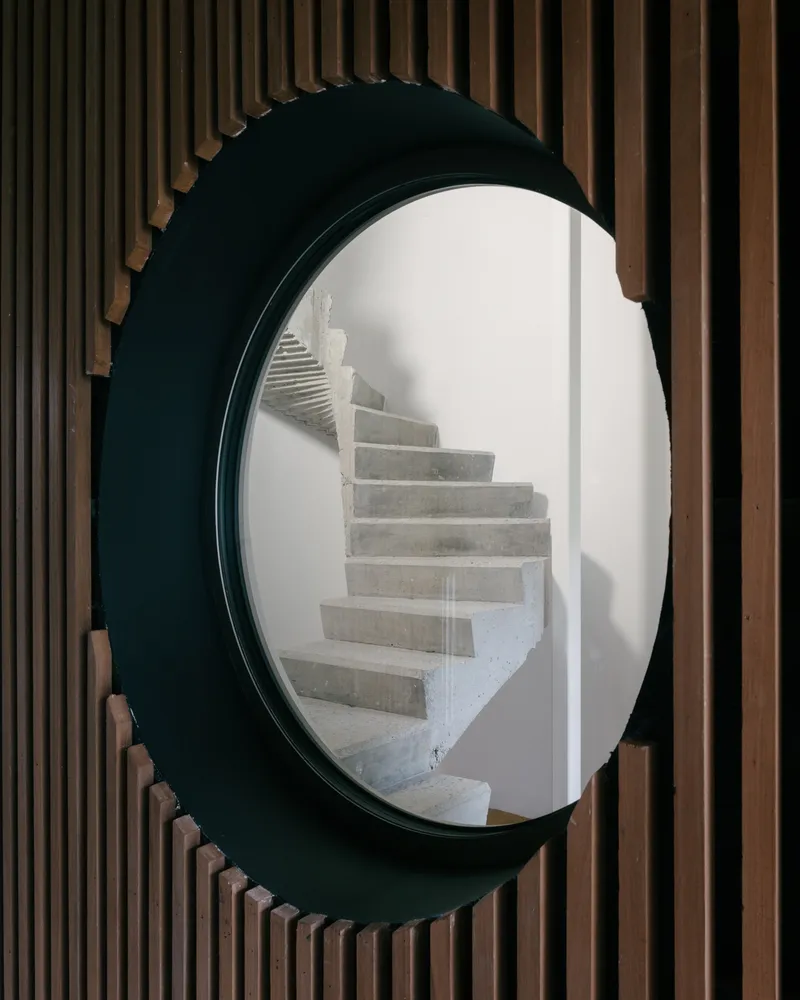
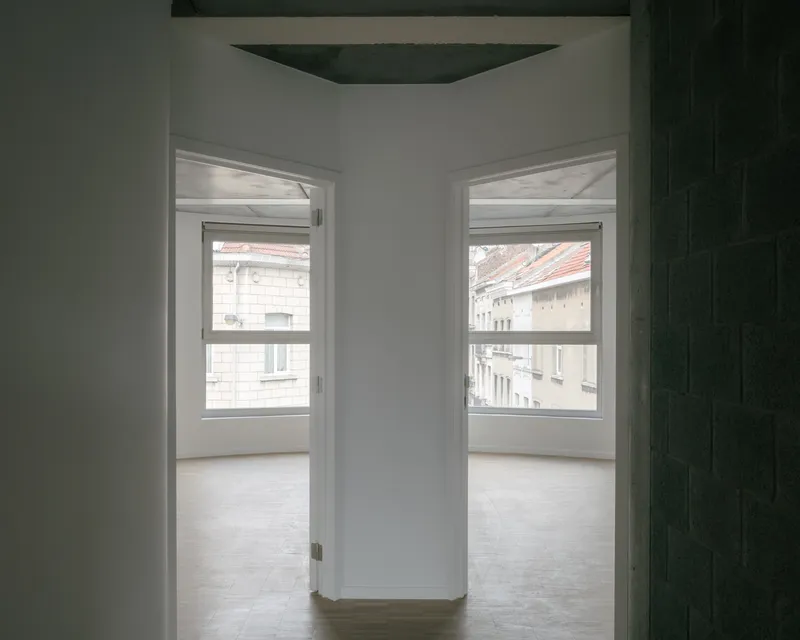
Urban Assimilation and Facade Design
The building’s facade is a statement in urban design. Its light materials and angular forms create a visual harmony with the surrounding structures, offering a contemporary yet contextual design solution. The facade design is not merely aesthetic but serves as a guiding element, framing the urban views and providing a modern counterpoint to the more traditional buildings across the street.
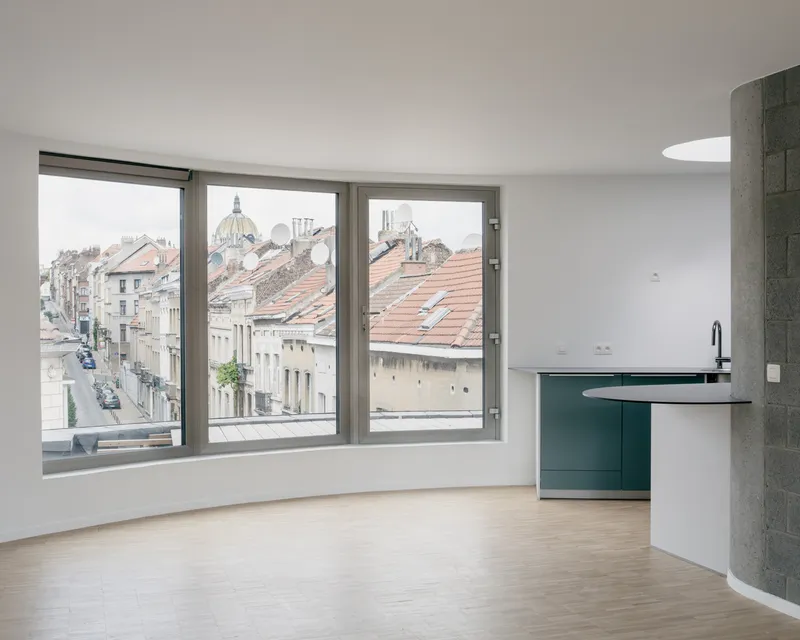
Versatility and Adaptability in Design
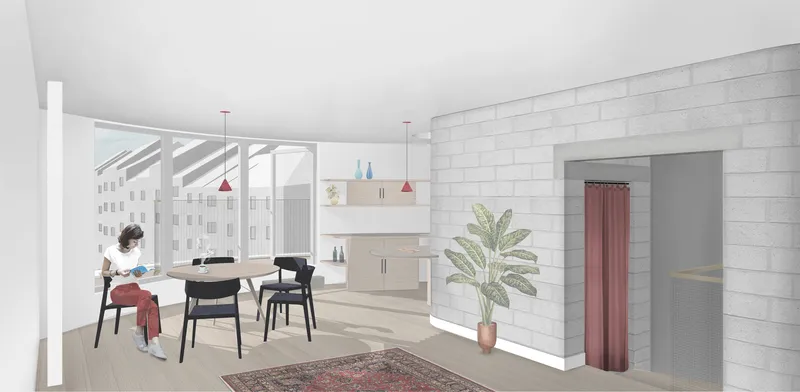
The Koto / Notan Office project is a prime example of how urban multifamily architecture can adapt to changing needs. The interior layout is highly flexible, offering a range of spatial configurations. The functional core of the building houses essential services such as kitchens, bathrooms, and circulation zones, allowing the facades to be used for more varied spatial arrangements.
This adaptability is crucial in multifamily urban living, where individual preferences and evolving needs must be accommodated within limited spaces. The design accommodates different living arrangements, from single-bedroom suites to larger family units, with layouts that prioritize privacy, light, and connection to the surrounding urban environment.
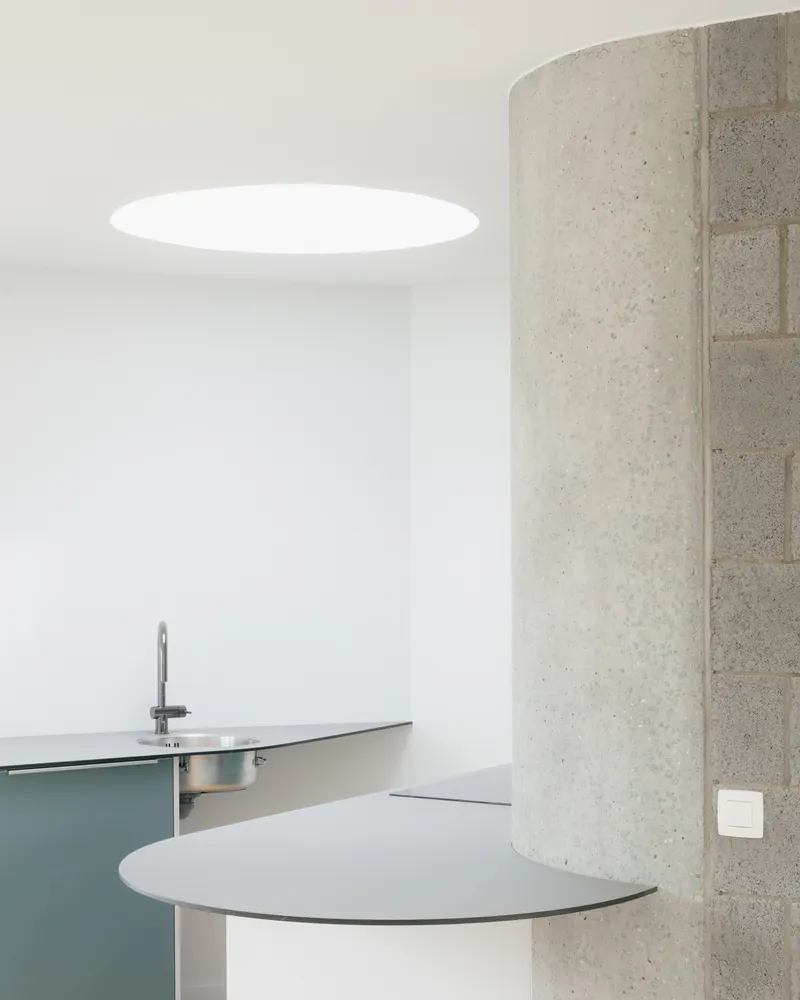
The Role of Communal Gardens and Private Patios
The integration of private gardens and communal green spaces is another critical feature that elevates this urban multifamily development. The courtyard serves as a shared space, creating a transition between private patios and the bustling streets of Schaerbeek. The design ensures that each resident has access to outdoor space, fostering a sense of community and well-being in an otherwise dense urban environment.
Future Directions for Urban Multifamily Architecture
The Koto / Notan Office project exemplifies the possibilities of urban multifamily architecture, where careful attention to site, materiality, and function can result in a harmonious blend of private and shared spaces. By integrating workspaces, residential units, and communal gardens, the project offers a forward-thinking approach to urban living that addresses contemporary needs for flexibility, community, and connectivity.
All the photographs are work of Stijn Bollaert


Popular Articles
Popular articles from the community


GROUP A Strips a 1969 Rotterdam Harbor Headquarters to Its Frame and Wraps It in Timber Louvers
In Rotterdam's M4H harbor district, Ferro Offices reuses a 1969 frame, adds one timber storey and reaches BREEAM-NL Outstanding.

David Ortega Stacks a Two-Story Mexico City Penthouse Around a Steel Stair and a Pergola-Shaded Roof Terrace
In Colonia Roma, a 300 m² penthouse uses oak joinery, a planted steel stair and a slatted roof pergola to make a new-build apartment feel like a house.

LT2A and OPEN Architectes Thread a Brick and Glass High School Through a Wooded Belgian Campus
In Braine-l'Alleud, a 3,000 m² wing for Collège Cardinal Mercier pairs pale brick with a glazed colonnade, deferring to a small chapel and a dense wood.

U.GA Architects Wraps an Oval Rooftop Pool in Curved Board-Formed Concrete on Busan's Jeollidan-gil
In Busan's Jeonpo-dong, a 454 m² mixed-use block stacks a neighborhood facility, guest rooms and an oval rooftop pool inside spiraling concrete walls.

Similar Reads
You might also enjoy these articles


Hodi-Mandai Geram
Project Function: Preservation and revitalization of the Intangible heritage and socio-spatial identity of the Hodi by Housing, Cultural Memory Center, Sacred Grove, landscape, local tourism economy


Olio Towers: A Mid-Rise for Performers That Fuses Housing, Rehearsal, and Stage
Located blocks from Houston's Theater District, this modular tower stacks living units around a central performance atrium.

Oasis: Modular Green Housing Carved into Dhaka's Urban Fabric
A shortlisted Plugin Housing entry reclaims unauthorized settlements in Dhaka with stepped concrete volumes, green roofs, and ventilation-driven design.

Black Hole: A Floating Megastructure for the Post-Physical Era
Emiliano Mazzarotto envisions a spherical, self-scaling arena where e-sports, digital hotels, and holographic stadiums replace traditional public space.

Explore Aotu Architecture Office Competitions
Discover active competitions in this discipline

Challenge to reimagine the Iron Throne

Photograph architecture without architects

Illustrate the lost glory of Angkor Wat - Render Challenge

Design challenge to reuse E-waste
Comments (0)
Please login or sign up to add comments
No comments yet. Be the first to comment!