

utshof Güldenhof – A Visionary Center for Art, Architecture, and Sustainable Living by Heim Balp Architekten
Gutshof Güldenhof blends historic farm architecture with modern design, creating a sustainable cultural hub for art, living, and collaboration.


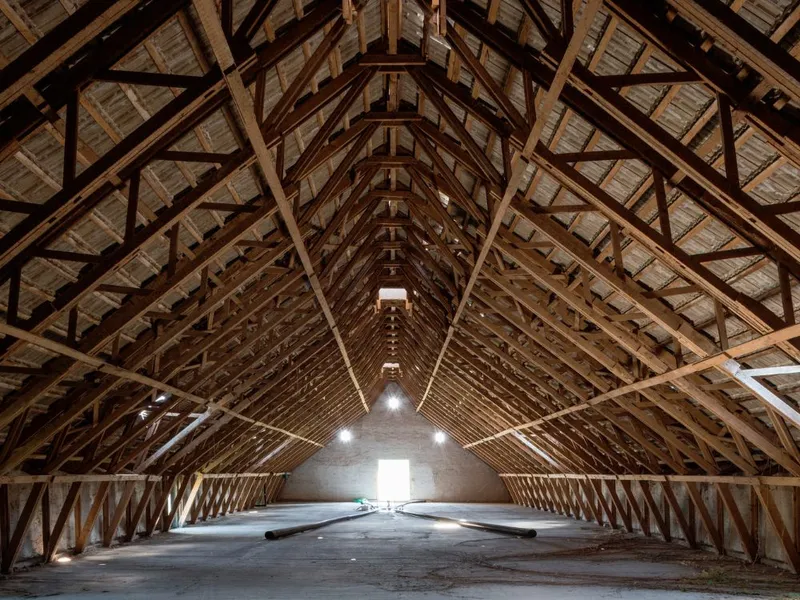
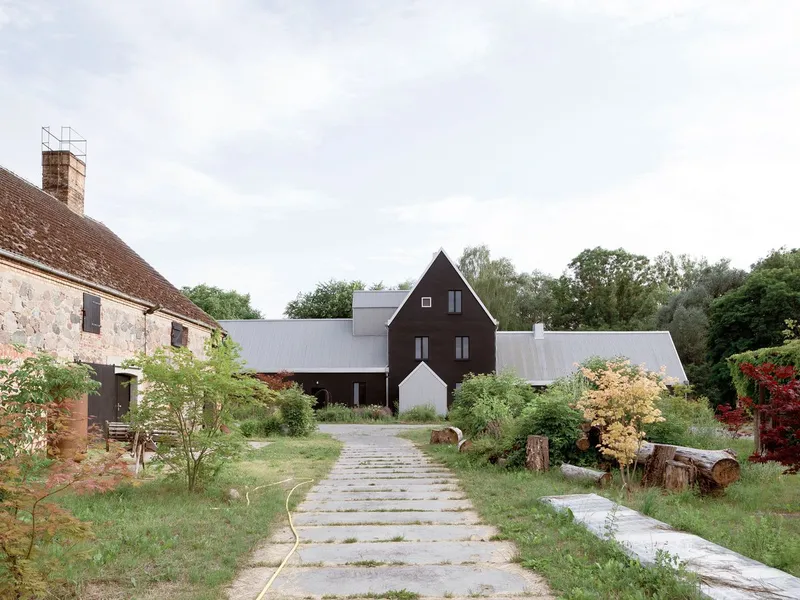
Nestled in the rural serenity of Stechlin, Brandenburg, near Berlin, Gutshof Güldenhof has been masterfully transformed by Heim Balp Architekten into a multifunctional hub dedicated to art, sustainable living, and communal collaboration. Spanning 5,000 m², this adaptive reuse project reimagines an abandoned 18th-century farmstead as a thriving center that fuses history, craft, and contemporary culture.
Conceived in close partnership with Vietnamese-Danish conceptual artist Danh Vo, the project serves not just as his primary residence and studio, but as a dynamic space for artistic production, cultural exchange, and ecological engagement. What was once a collection of livestock barns and stables now functions as a modern cultural campus—home to studios, exhibition and storage spaces, workshops for ceramics, metal, and woodwork, communal living quarters, and an organic greenhouse.
Architectural Philosophy: Adaptive Reuse Rooted in Context
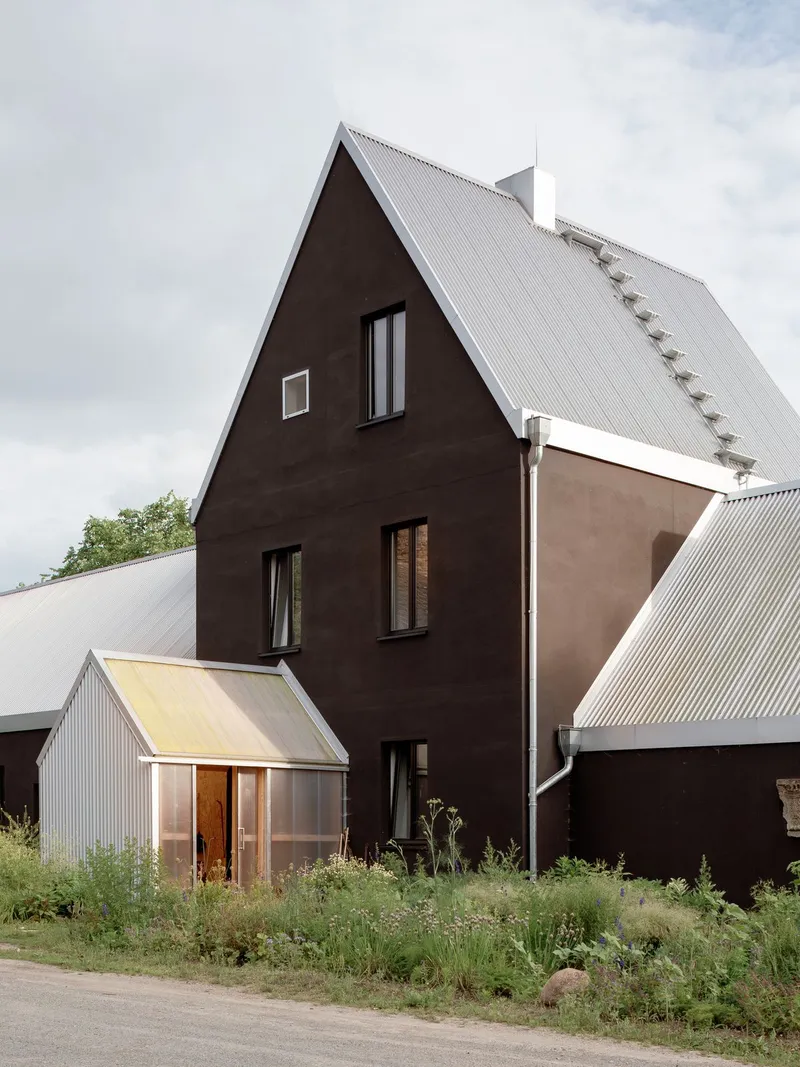
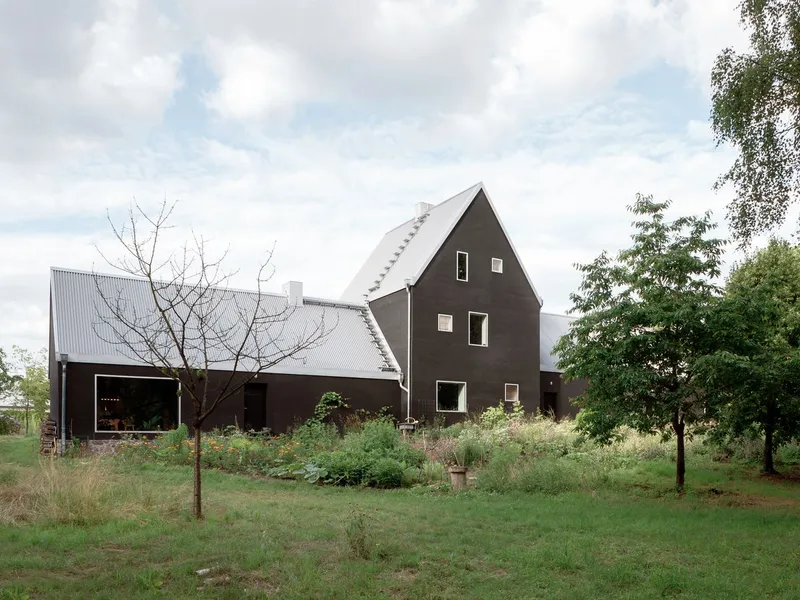
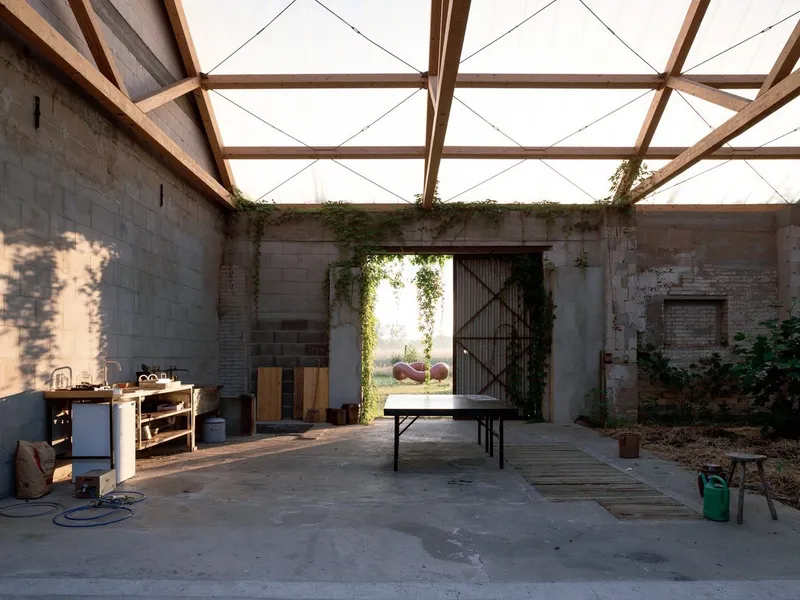
At the heart of Heim Balp Architekten's approach lies a sensitive architectural strategy that reclaims and revitalizes existing structures. The original buildings were preserved wherever possible—particularly the stone walls—while new interventions introduce modern sustainable materials, such as translucent polycarbonate roofing and metal cladding. This interplay of old and new creates a layered narrative that reflects both history and innovation.
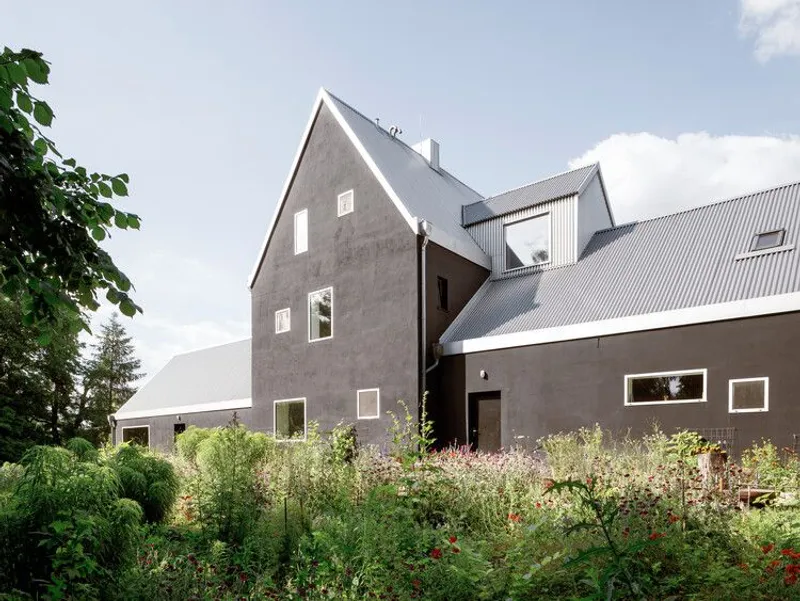
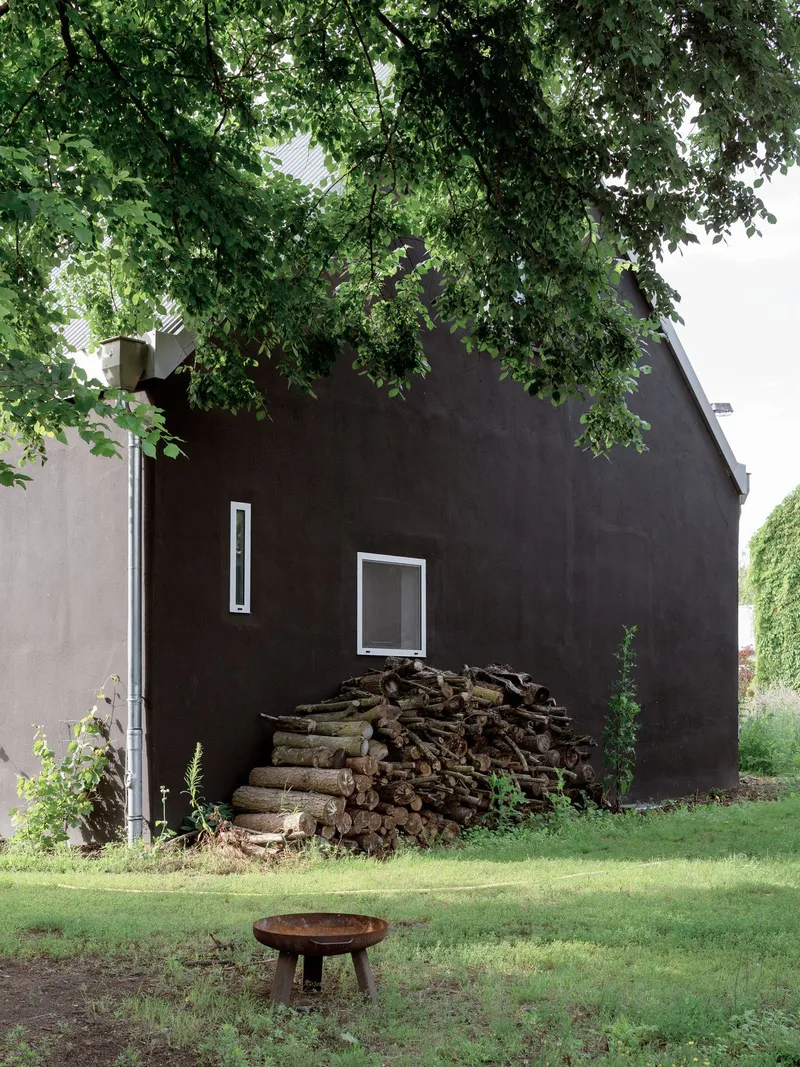
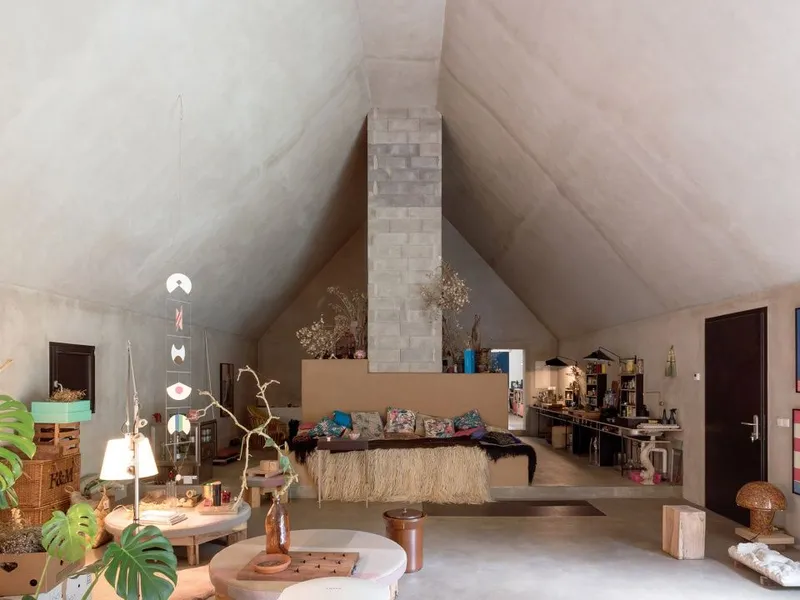
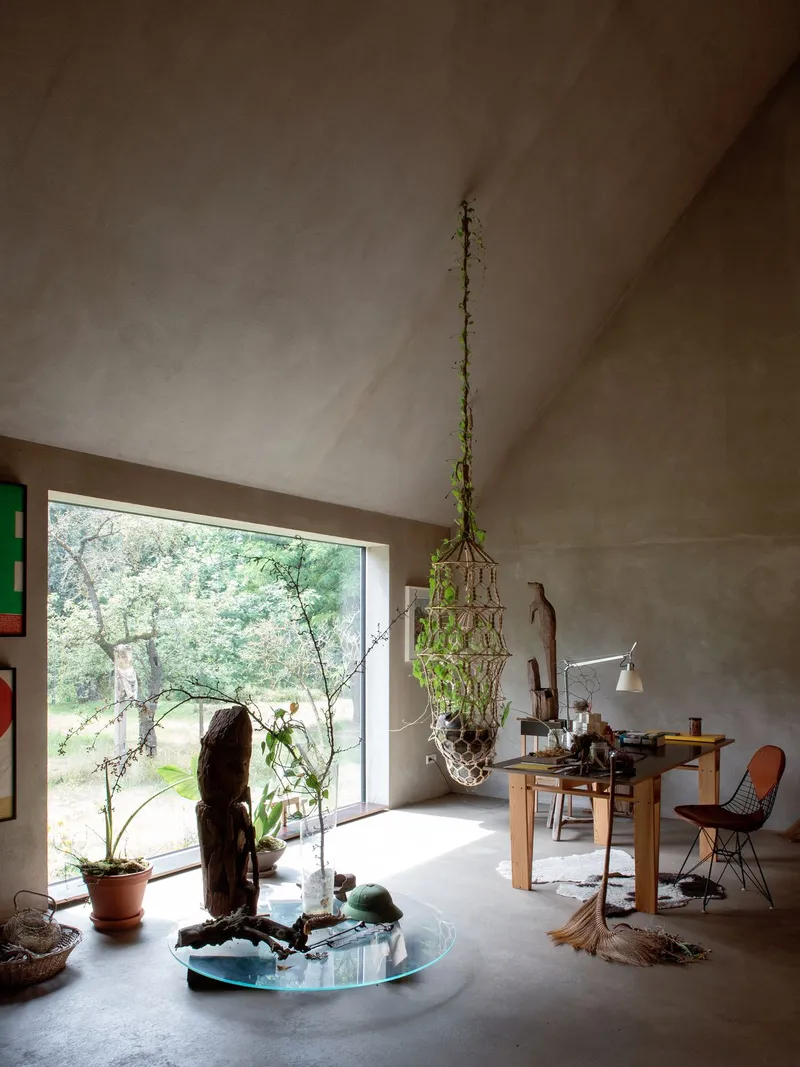
The main residence, a three-story former workers’ home, underwent significant transformation. With ceilings raised and façades reimagined in matte black plaster, it now features sculptural, abstract windows that create a visual rhythm against the rural landscape. The central kitchen, clad in metal and translucent panels, acts as the communal heart of the space, while a dramatic multi-purpose Russian-style oven in the west wing forms both a focal point and a functional heating system.
Designed for Collaboration and Creation
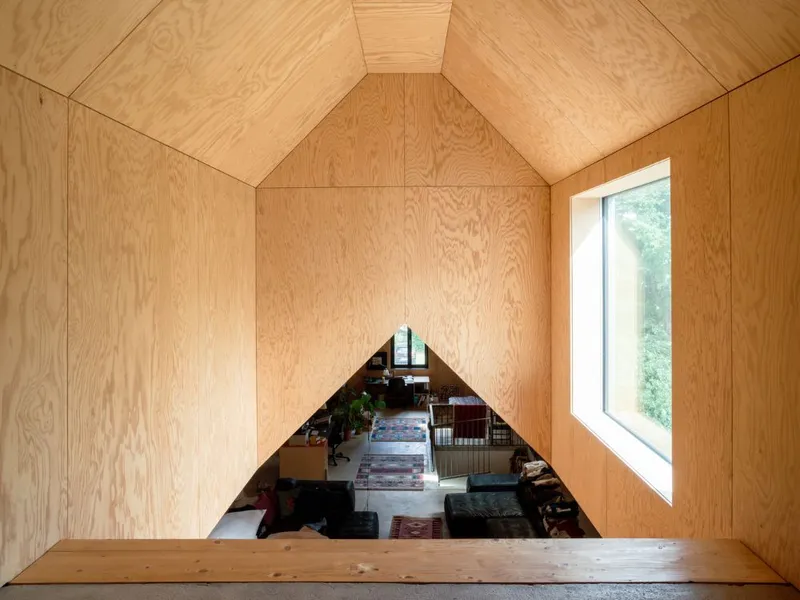
Gutshof Güldenhof functions as a living-art ecosystem, accommodating up to 20 collaborators at a time. The design includes diverse working environments—from high-ceilinged studios to reading rooms and a plywood-clad creative mezzanine. Smart spatial planning supports both collective interaction and individual exploration, aligning with Vo’s artistic philosophy of storytelling through space.
Noteworthy features include:
- A circular concrete staircase doubling as timber storage
- A wide wooden staircase that doubles as shelving and display
- Plywood-clad studios designed for flexibility
- Art storage with humidity control for delicate materials
Fusing Architecture with Ecology
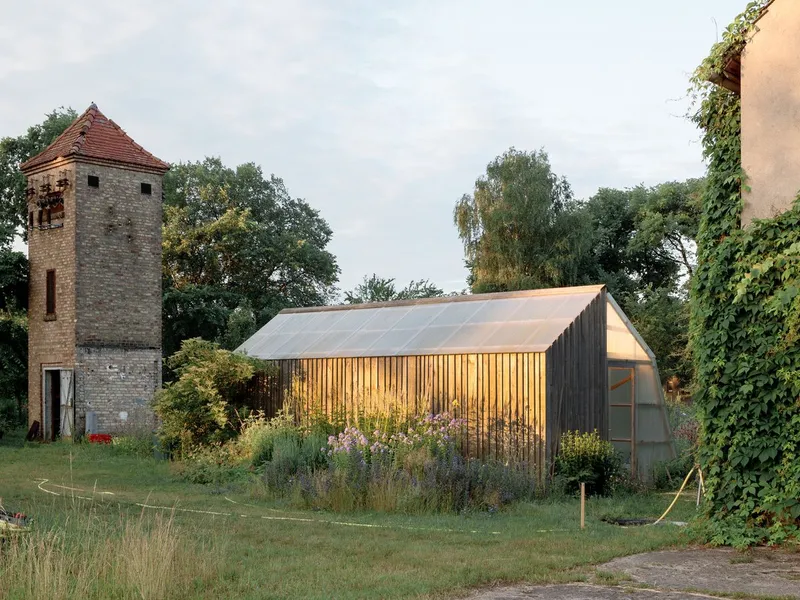
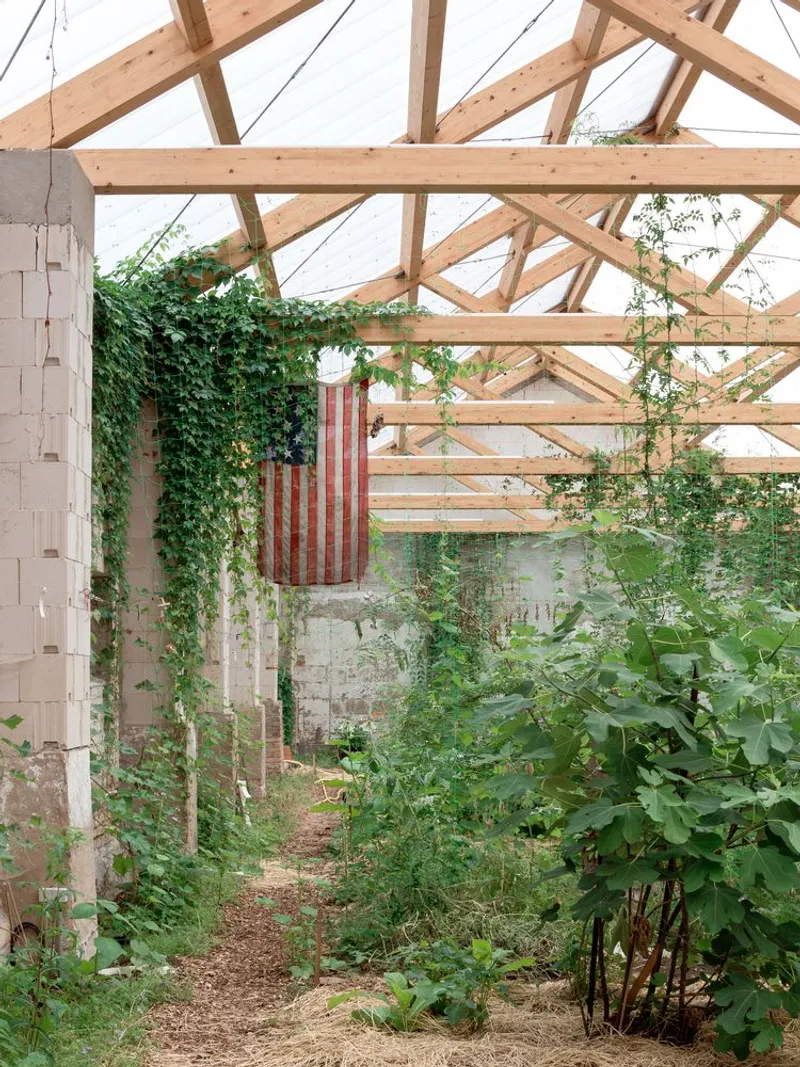
The North Stables have been entirely reimagined as a passive indoor greenhouse. With the roof and floor removed and replaced by a translucent polycarbonate canopy, this space now supports sustainable agriculture, fostering year-round growing and community-based food systems. This fusion of art and farming represents the project's holistic vision: living with intention, creating with purpose.
Meanwhile, the East Barn provides climate-controlled archival space on the ground floor and a 10-meter-tall exhibition venue above, ideal for performances, installations, and seasonal events. The West Barn, largely untouched, maintains its rustic character and is used for storage and heavy production.
A Model for Rural Cultural Revitalization
More than an architectural feat, Gutshof Güldenhof stands as a model for rural regeneration through culture, sustainability, and artistic practice. It continues Heim Balp Architekten’s legacy of transformative cultural design, following their redevelopment of Lindower Straße’s early 20th-century factory buildings in Berlin.
This visionary project is a testament to the power of adaptive reuse, demonstrating how neglected rural heritage can be converted into vibrant, contemporary spaces rooted in collaboration, community, and creativity.
All the photographs are works of Francesca lóvene



Popular Articles
Popular articles from the community


The Ocean Hive: Sustainable Architecture for a Self-Sufficient Civilization at Sea
The Ocean Hive imagines sustainable architecture at sea, where modular habitats, algae, wave power and ocean waste sustain a growing colony.

Conexión: Biophilic Design Reimagines High-Rise Living in Hong Kong
Conexión reimagines high-rise living in Hong Kong through biophilic design, green facades, shared spaces, daylight, water and nature within.

Co-life: Sustainable Architecture for Age-Friendly Community Living
Co-life reimagines sustainable architecture for seniors through courtyards, rammed earth, shared gardens, and spaces designed for belonging.

Co-Life: Senior Housing Design That Reconnects Older Adults With the City
Co-Life reimagines senior housing design through healing gardens, shared streets, workshops, and a sustainable community across generations.

Similar Reads
You might also enjoy these articles


Hodi-Mandai Geram
Project Function: Preservation and revitalization of the Intangible heritage and socio-spatial identity of the Hodi by Housing, Cultural Memory Center, Sacred Grove, landscape, local tourism economy


Olio Towers: A Mid-Rise for Performers That Fuses Housing, Rehearsal, and Stage
Located blocks from Houston's Theater District, this modular tower stacks living units around a central performance atrium.

Oasis: Modular Green Housing Carved into Dhaka's Urban Fabric
A shortlisted Plugin Housing entry reclaims unauthorized settlements in Dhaka with stepped concrete volumes, green roofs, and ventilation-driven design.

Black Hole: A Floating Megastructure for the Post-Physical Era
Emiliano Mazzarotto envisions a spherical, self-scaling arena where e-sports, digital hotels, and holographic stadiums replace traditional public space.

Explore New Bauhaus Competitions
Discover active competitions in this discipline



Challenge to reimagine the Iron Throne


Photograph architecture without architects


Illustrate the lost glory of Angkor Wat - Render Challenge


Design challenge to reuse E-waste
Comments (0)
Please login or sign up to add comments
No comments yet. Be the first to comment!