

Varanda Apartment by Estudio Guto Requena | São Paulo, Brazil
Varanda Apartment by Estudio Guto Requena blends smart automation, biophilic design, and flexible living in a modern São Paulo urban forest home.


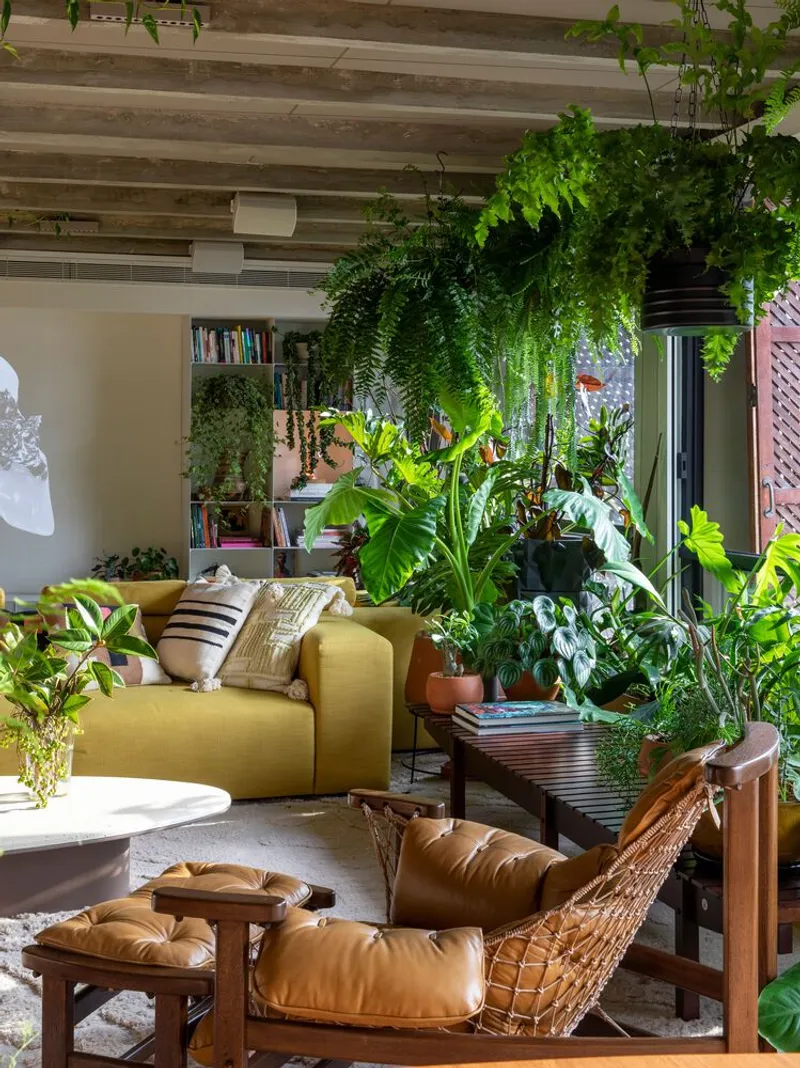
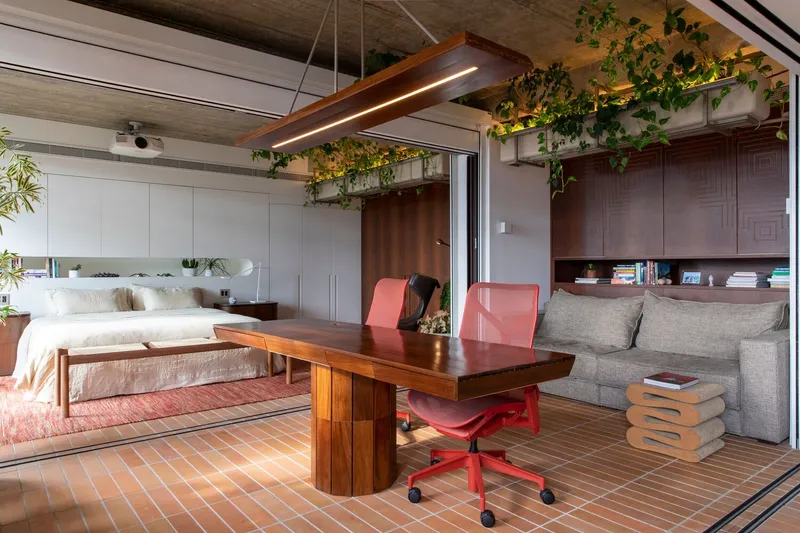
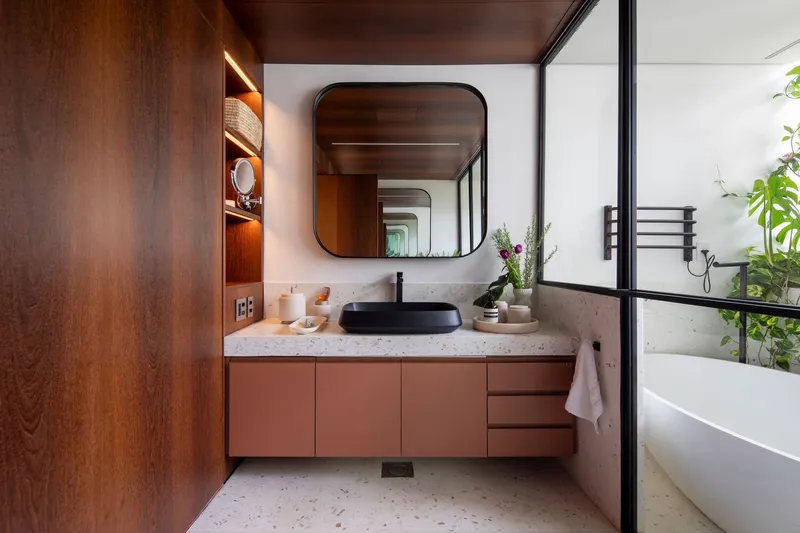
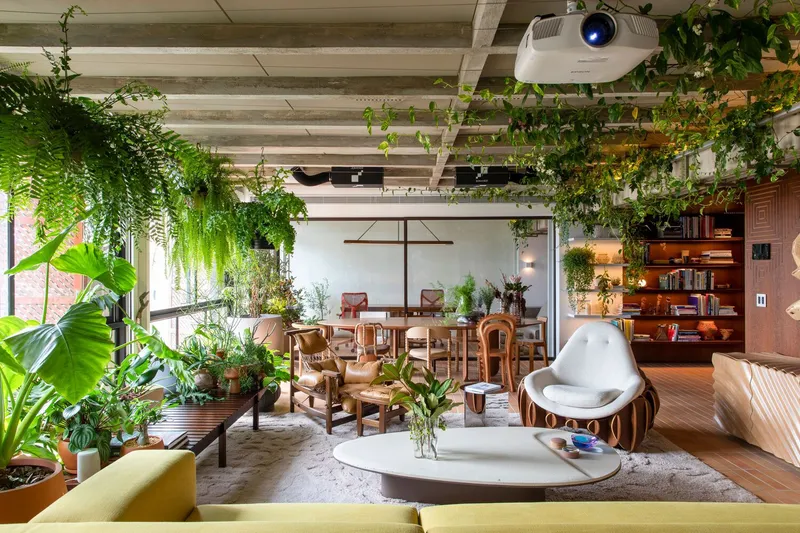
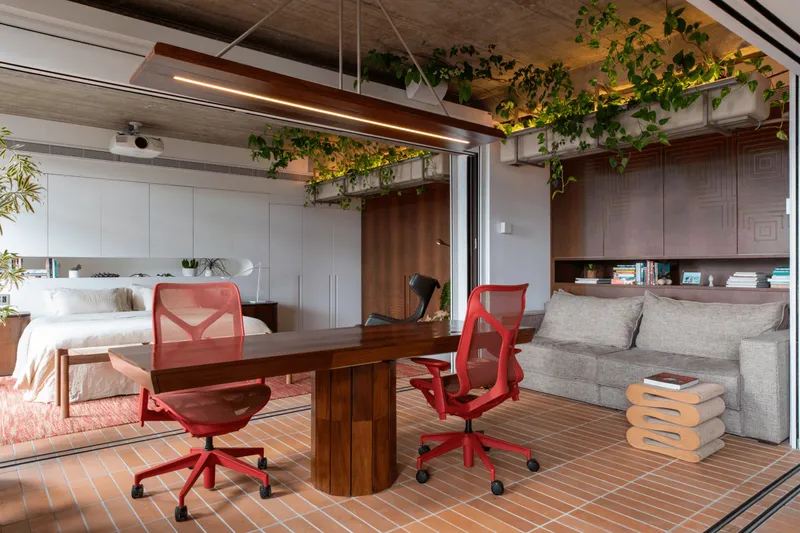
Varanda Apartment, designed by Estudio Guto Requena, is a 280 m² hyper-connected residence in São Paulo, completed in 2022. The apartment transforms an iconic 1962 modernist building by Botti and Rubin into a flexible, reconfigurable, and sustainable urban home. The design merges technology, biophilic elements, and parametric architecture to create a dynamic, interactive, and highly adaptable living environment. Photographs by Maíra Acayaba highlight the apartment’s unique interplay between nature, materials, and smart automation systems.
Hybrid Architecture & Smart Home Automation:
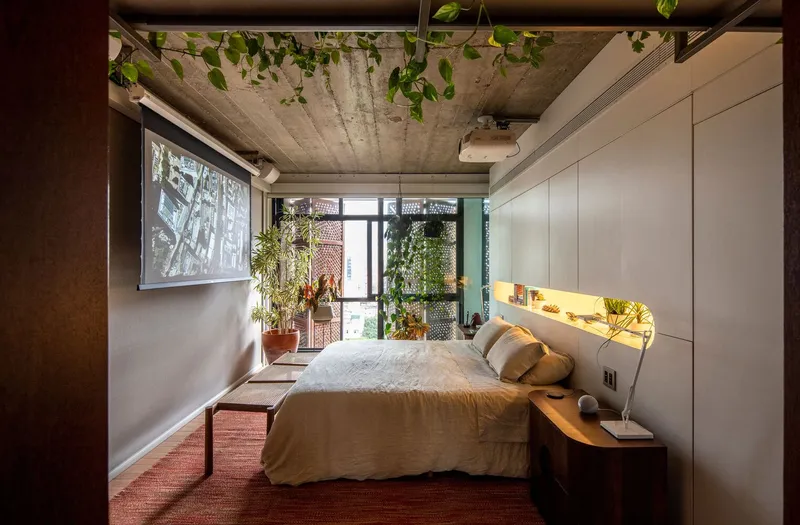
Blending concrete, brick, and digital technology, Varanda Apartment embodies hybrid architecture, where physical and virtual elements coexist. Smart home automation controls lighting, irrigation, audio, video, curtains, and furniture via mobile devices, keypads, or voice commands. Spaces adapt to diverse daily activities—work, leisure, social events, or relaxation—offering a flexible living experience that responds to the residents' needs.
Urban Forest & Biophilic Design:
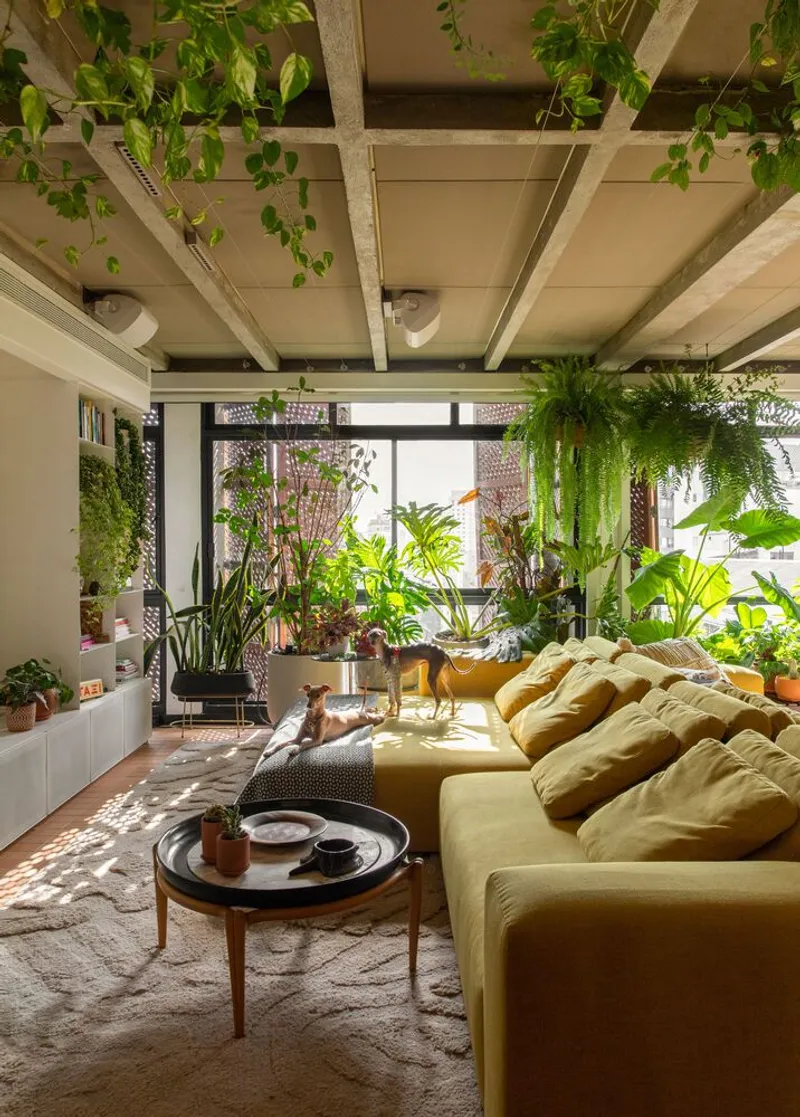
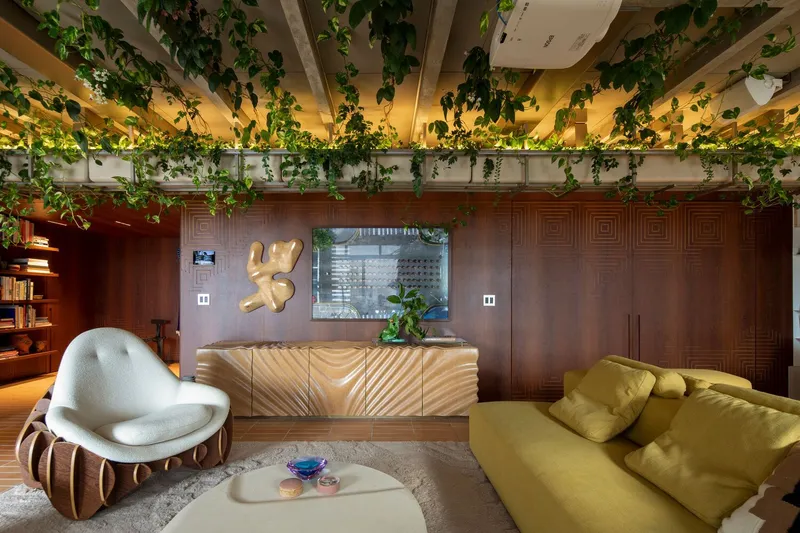
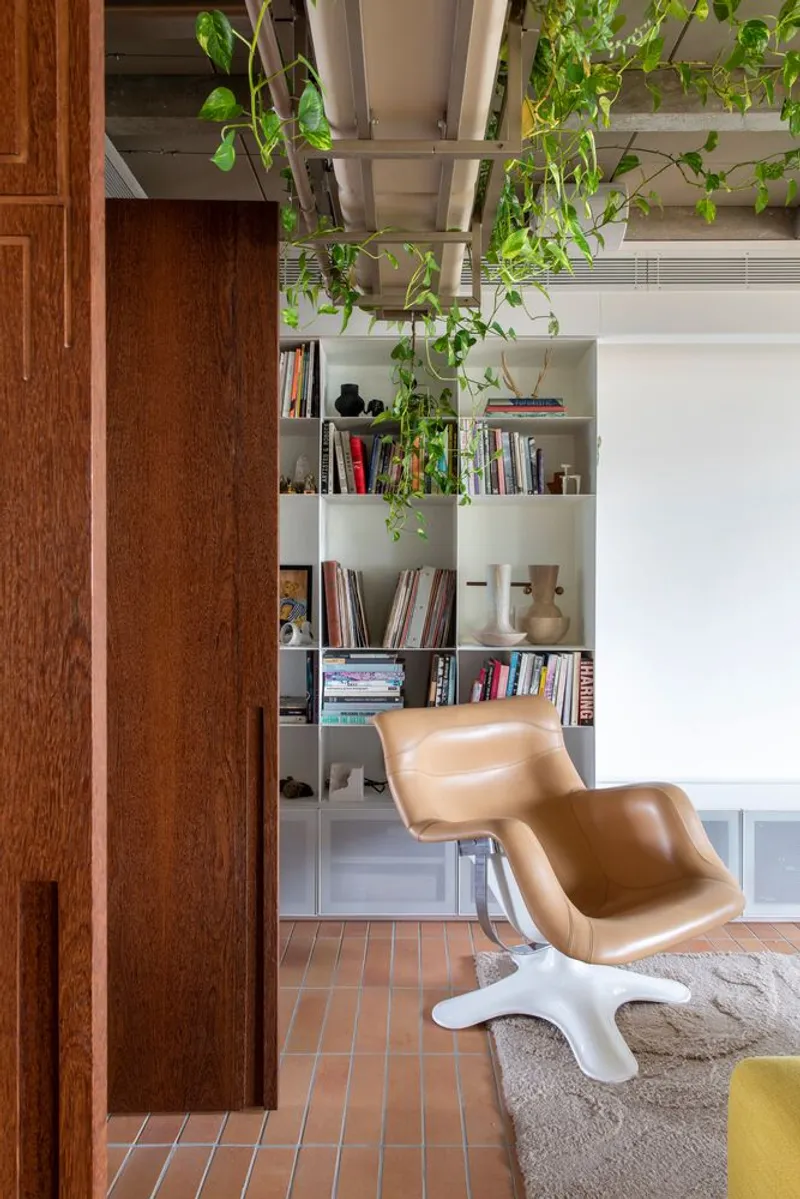
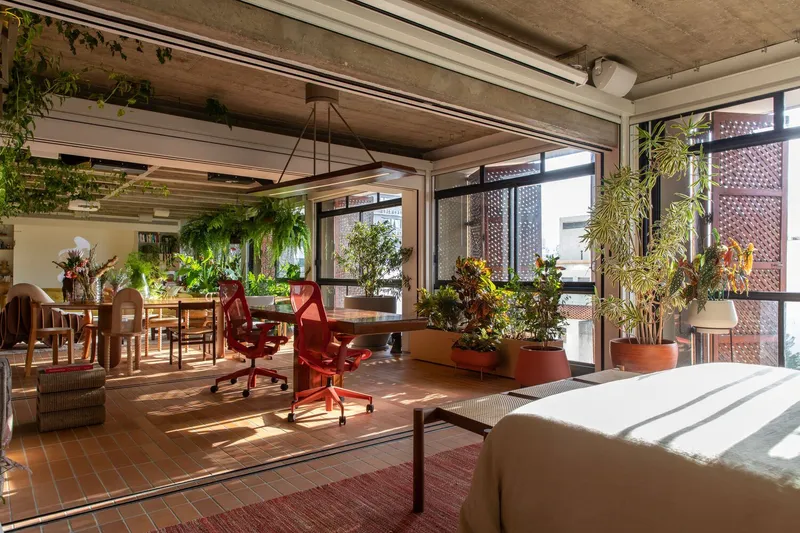
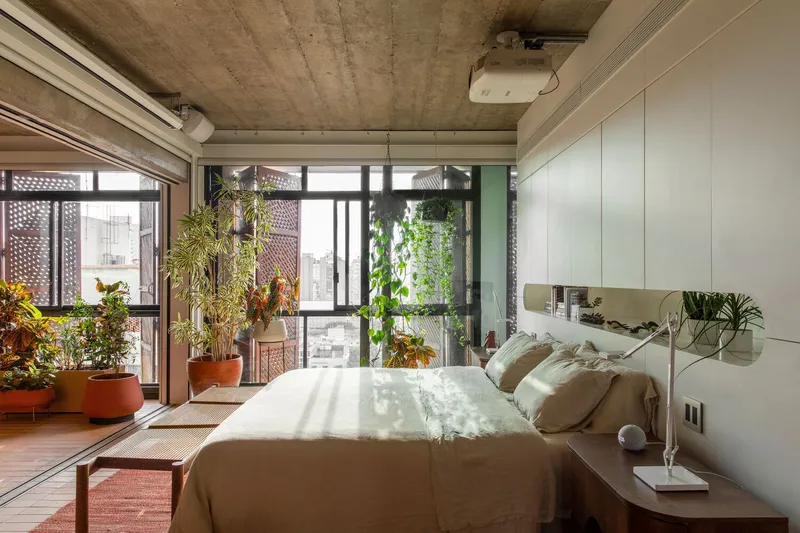
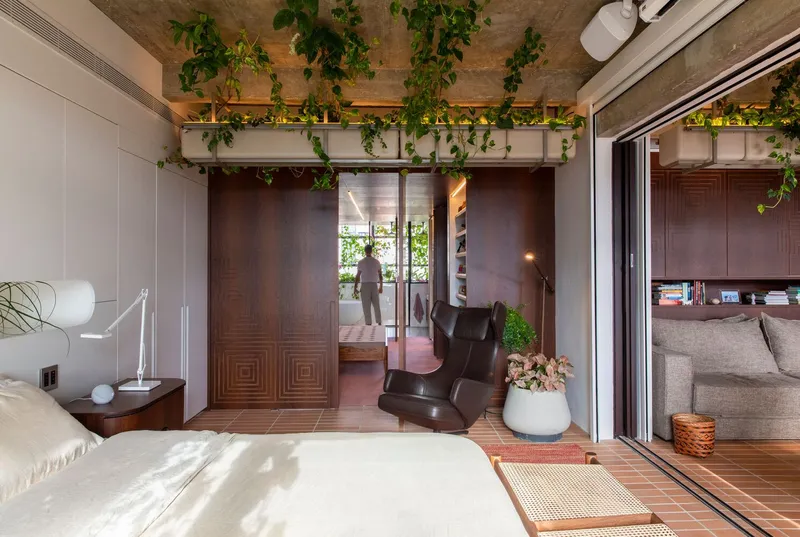
A signature feature is the apartment’s expansive balcony-turned-urban forest. Floor-to-ceiling glass walls frame a lush ecosystem with native Brazilian plants, fruit trees, and flowering species, creating a private biome that enhances air quality, reduces heat, and connects residents to nature. Suspended flower boxes, floor vases, and pendant gardens establish a biophilic microclimate, transforming the apartment into a living, breathing home.
Flexible Floor Plan & Adaptive Living:
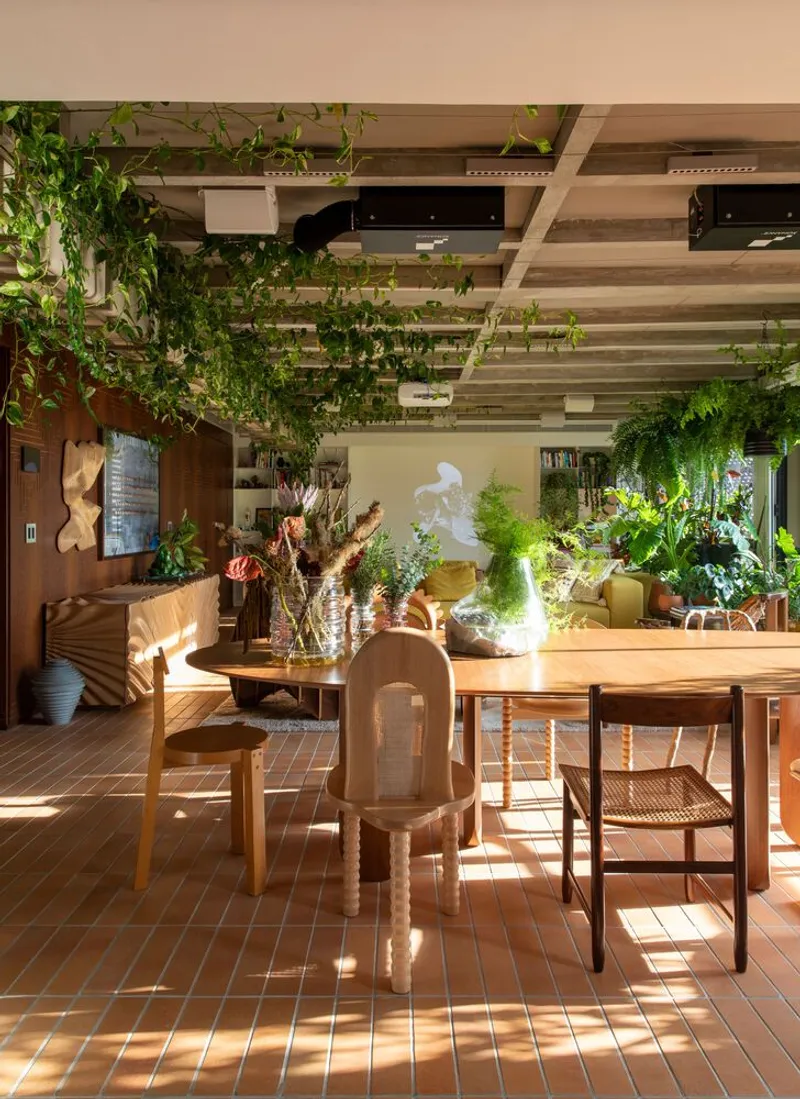
The design rejects the traditional French-inspired tripartition of social, intimate, and service spaces. Instead, the apartment is organized by activities rather than rooms. Walls and furniture are movable, allowing residents to redefine living spaces for working, sleeping, entertaining, or relaxing. Acoustic sliding doors and automated curtains create flexible environments that can be private or social at will.
Parametric Design & Brazilian Craftsmanship:
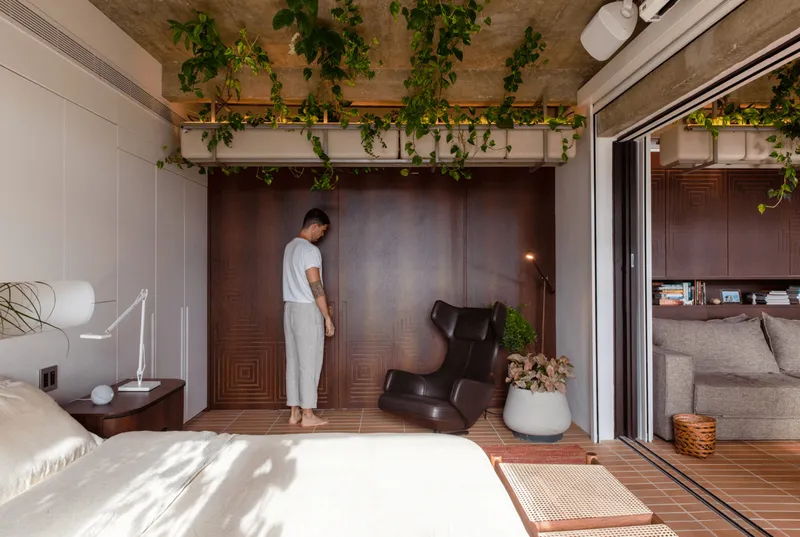
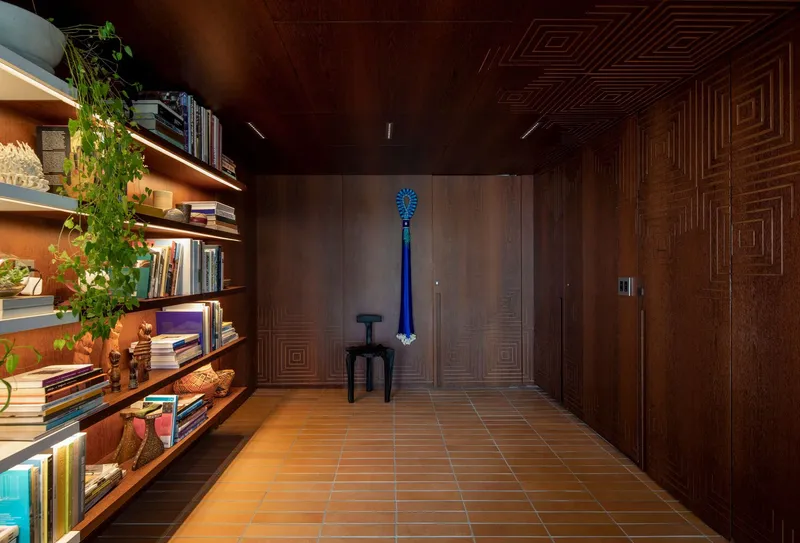
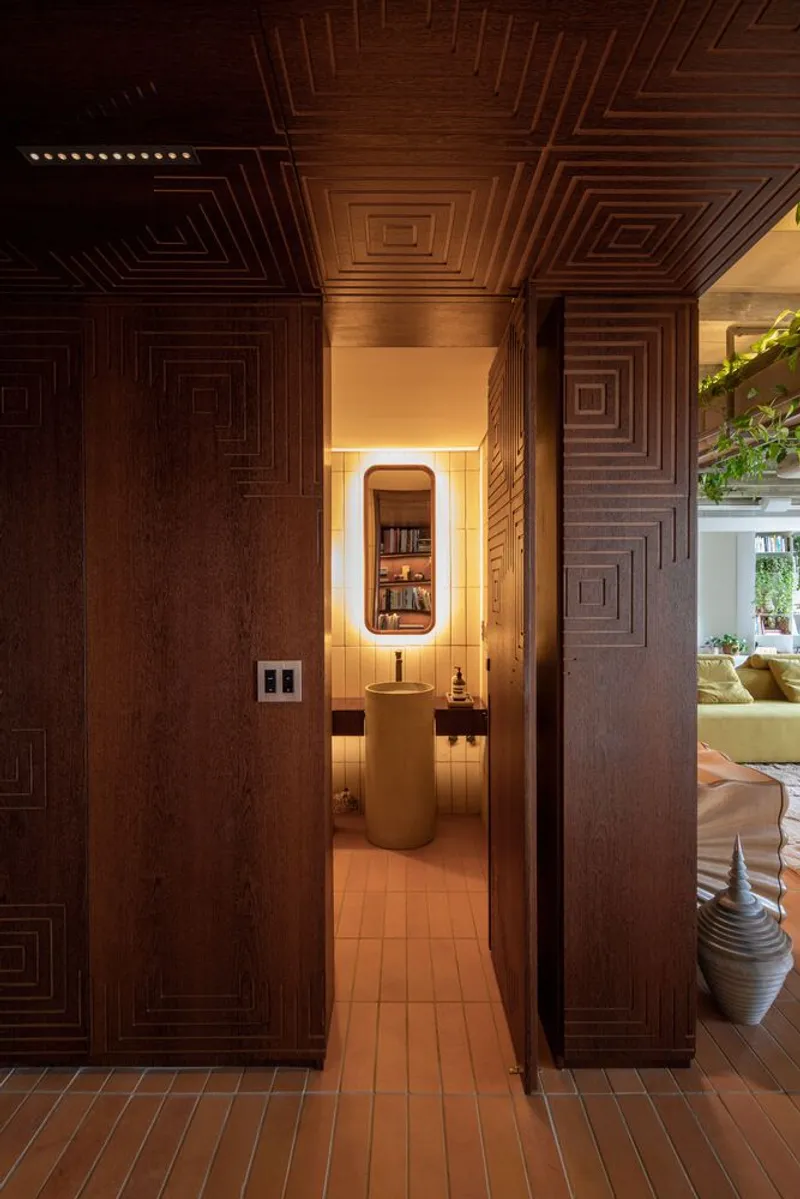
The apartment features a sucupira wood panel designed algorithmically, inspired by Botti and Rubin’s original 1956 muxarabi facade patterns. Parametric furniture, including the Attraction buffet, Turing rug, and Heart Wall installation, integrates technology and craft. The Heart Wall responds to human heartbeats with LED lights, creating interactive, emotional experiences within the home.
Interior Design & Iconic Furniture:
Varanda Apartment celebrates Brazilian design heritage while blending international classics. Iconic names like Sérgio Rodrigues, Lina Bo Bardi, Jean Gillon, Zanine Caldas, and contemporary designers such as Guilherme Wentz and Ronald Sasson coexist with pieces by Le Corbusier, Jasper Morrison, Antonio Citterio, and Frank Gehry. Recycled materials, including the restored Ipê wooden floor, reinforce the project’s sustainable ethos.
Sustainability & Energy Efficiency:
The apartment prioritizes sustainable materials and energy-efficient systems. All finishes are certified, lighting is LED, and furniture is created from reclaimed wood. Automation systems include energy control features, demonstrating that eco-conscious design can coexist with smart, high-tech living.
Research & Innovation:
Varanda Apartment reflects Guto Requena’s 20-year research on digital technologies, hybrid dwelling, and interactive architecture. His studies at NOMADS.Usp and Juntxs.Lab integrate technology, neuroscience, and design to create responsive environments, establishing new paradigms for urban living in the digital age.
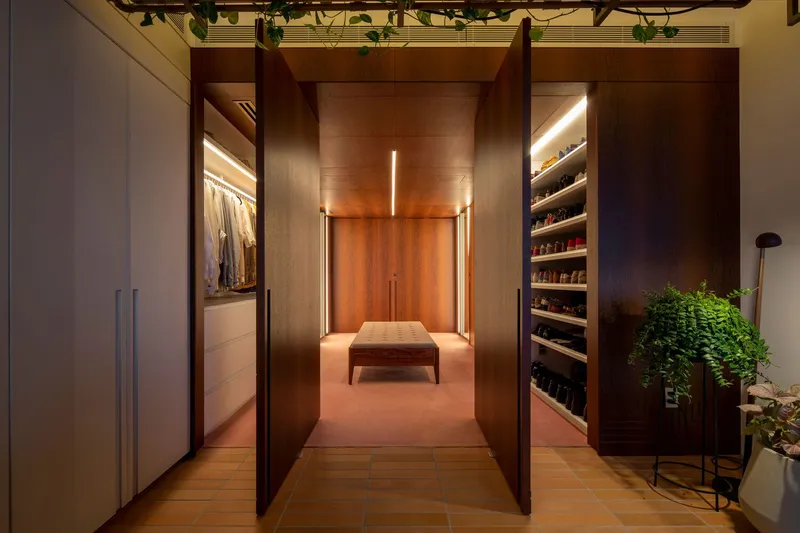
All Photographs are works of Maíra Acayaba


Popular Articles
Popular articles from the community

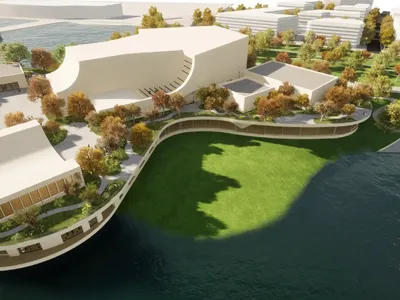
The Amber Palace Opera: A Geological Fiction Surfaces on Tallinn's Baltic Waterfront
Pierre Brillard reimagines a Baltic legend as a public landscape, opera house, and waterfront promenade rooted in Tallinn's coastal identity.
Cloaked Colonization: A Mobile Underwater Habitat That Moves Like a Fish
Micah Abaya's shortlisted EHC Pacific entry reimagines ocean settlement as a dispersed network of self-sustaining architectural organisms.
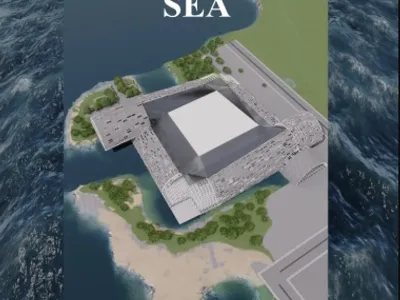
Opera on the Sea: Driftwood Logic Shapes a Timber Opera House on Estonia's Coast
Trevor Orgill's opera house translates the entangled drift of floating timber into a civic building where wood, water, and music converge.
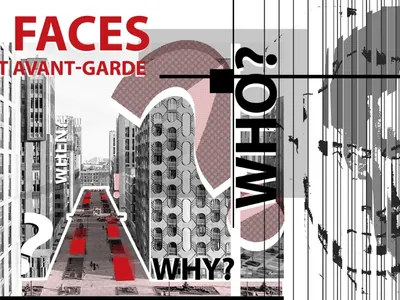
Faces of the Soviet Avant-Garde: Turning Moscow's Street Names into an Open-Air Museum
A network of sculptural installations across a Moscow residential district transforms forgotten architect names into spatial encounters with cultural memor

Similar Reads
You might also enjoy these articles


Hodi-Mandai Geram
Project Function: Preservation and revitalization of the Intangible heritage and socio-spatial identity of the Hodi by Housing, Cultural Memory Center, Sacred Grove, landscape, local tourism economy


Olio Towers: A Mid-Rise for Performers That Fuses Housing, Rehearsal, and Stage
Located blocks from Houston's Theater District, this modular tower stacks living units around a central performance atrium.

Oasis: Modular Green Housing Carved into Dhaka's Urban Fabric
A shortlisted Plugin Housing entry reclaims unauthorized settlements in Dhaka with stepped concrete volumes, green roofs, and ventilation-driven design.

Black Hole: A Floating Megastructure for the Post-Physical Era
Emiliano Mazzarotto envisions a spherical, self-scaling arena where e-sports, digital hotels, and holographic stadiums replace traditional public space.

Explore Interior Design Competitions
Discover active competitions in this discipline

Challenge to design luxury tourism on rails

Challenge to reimagine the Iron Throne

Photograph architecture without architects

VR headsets Storefront design competition
Comments (0)
Please login or sign up to add comments
No comments yet. Be the first to comment!