

Verdure Villa By Vessu Collaboration
Verdure Villa is a tranquil Bangkok residence blending gardens, Thai craftsmanship, and thoughtful spatial planning to create a serene urban sanctuary.


Nestled within the dense urban fabric of Bangkok, Thailand, Verdure Villa is a carefully crafted private residence that reimagines the family home as a peaceful sanctuary. Designed by Vessu Collaboration under the direction of lead architect Pruek Lertsrimongkol, the 450 m² villa offers a compelling response to the pressures of city living, prioritizing nature, calm, and introspection over noise and congestion. Completed in 2025, the project demonstrates how architecture can carve out tranquility even within one of Southeast Asia’s most dynamic metropolises.
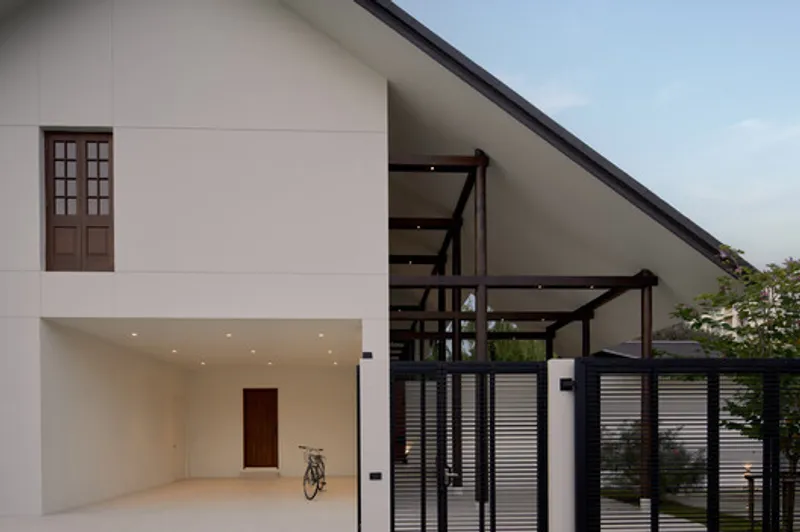
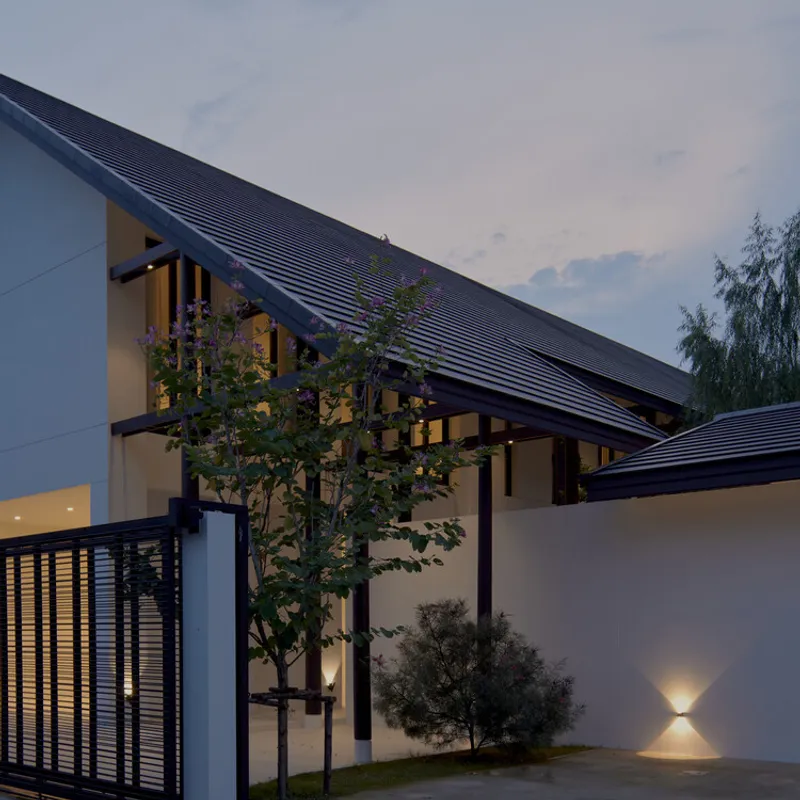
The design began with a fundamental question: How can a home in Bangkok feel like a retreat? This guiding principle informed every architectural decision, from site planning and spatial sequencing to material selection and landscape integration. Surrounded by concrete and traffic, Verdure Villa turns inward, creating a protected domestic world defined by greenery, filtered light, and quiet transitions.
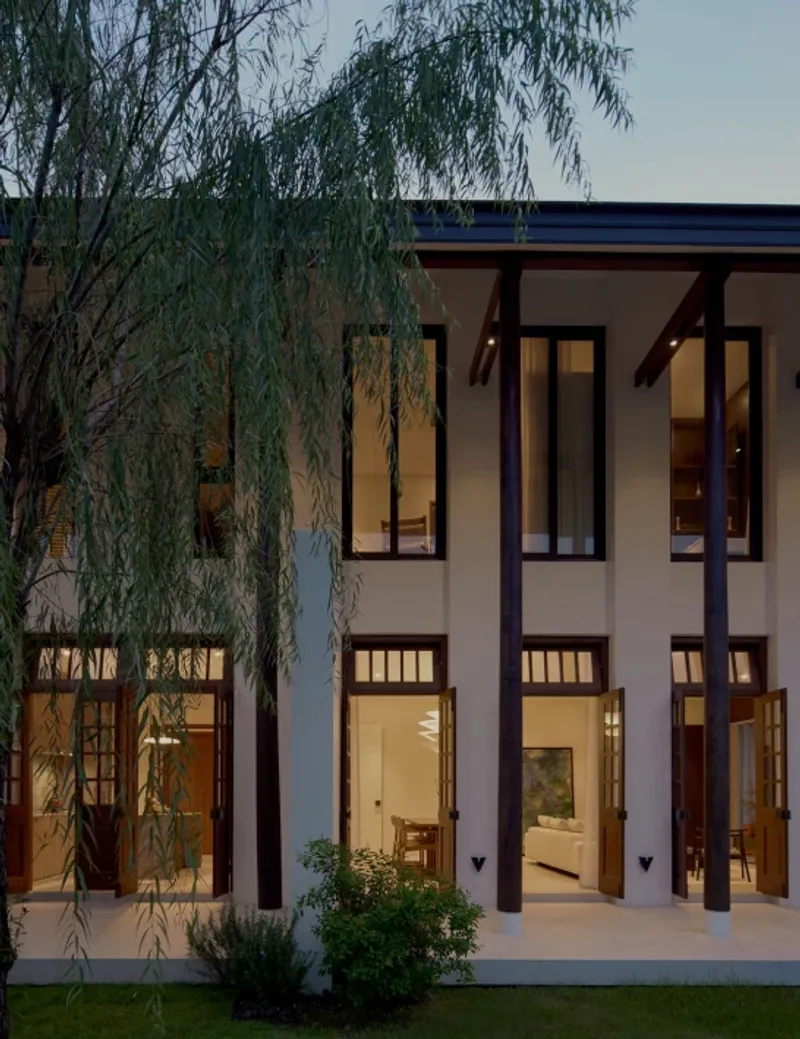
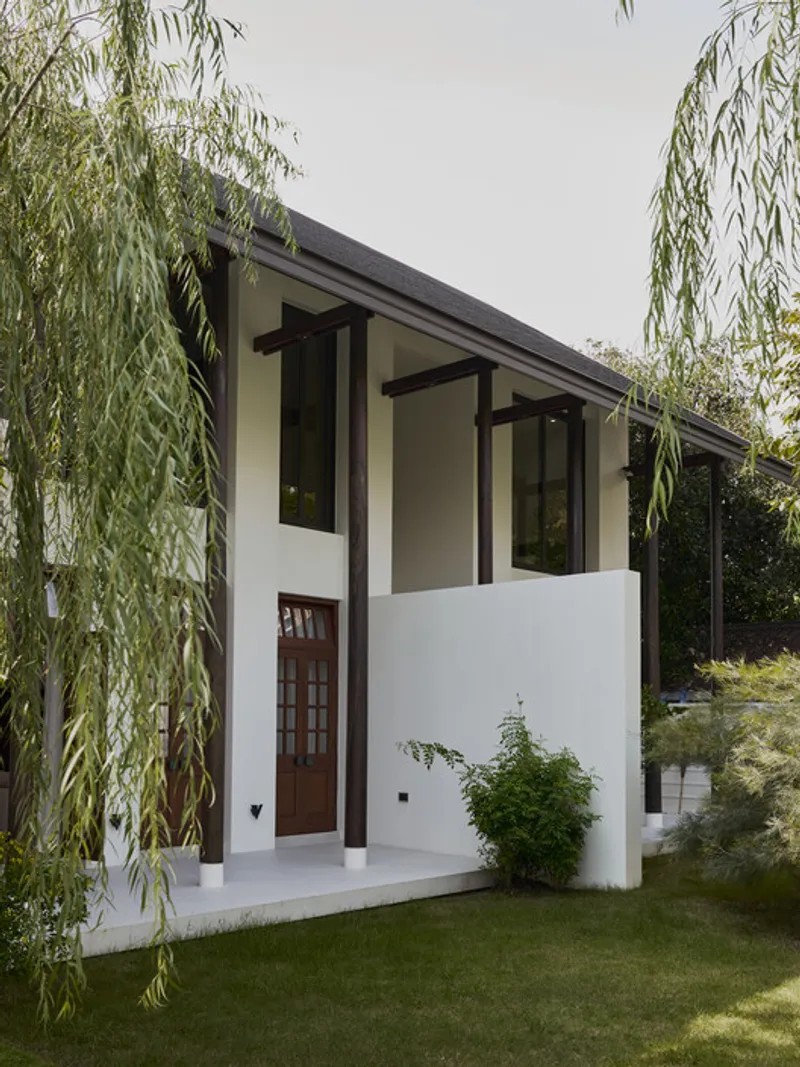
One of the primary challenges was the limited plot size, coupled with the client’s desire for every room to face a garden. To achieve this, the architects developed a compact yet efficient layout that maximizes internal views while shielding the house from the surrounding urban chaos. The parking area is positioned at the front of the site, acting as a buffer zone that absorbs noise and provides privacy for the living spaces beyond.
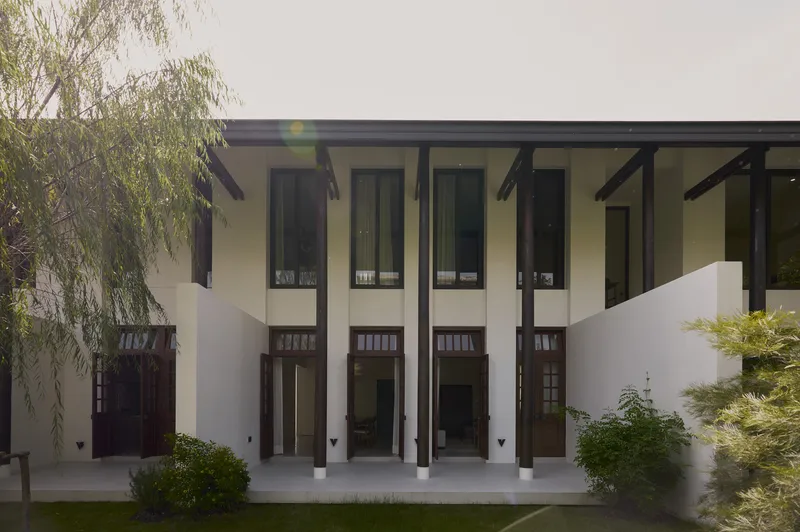
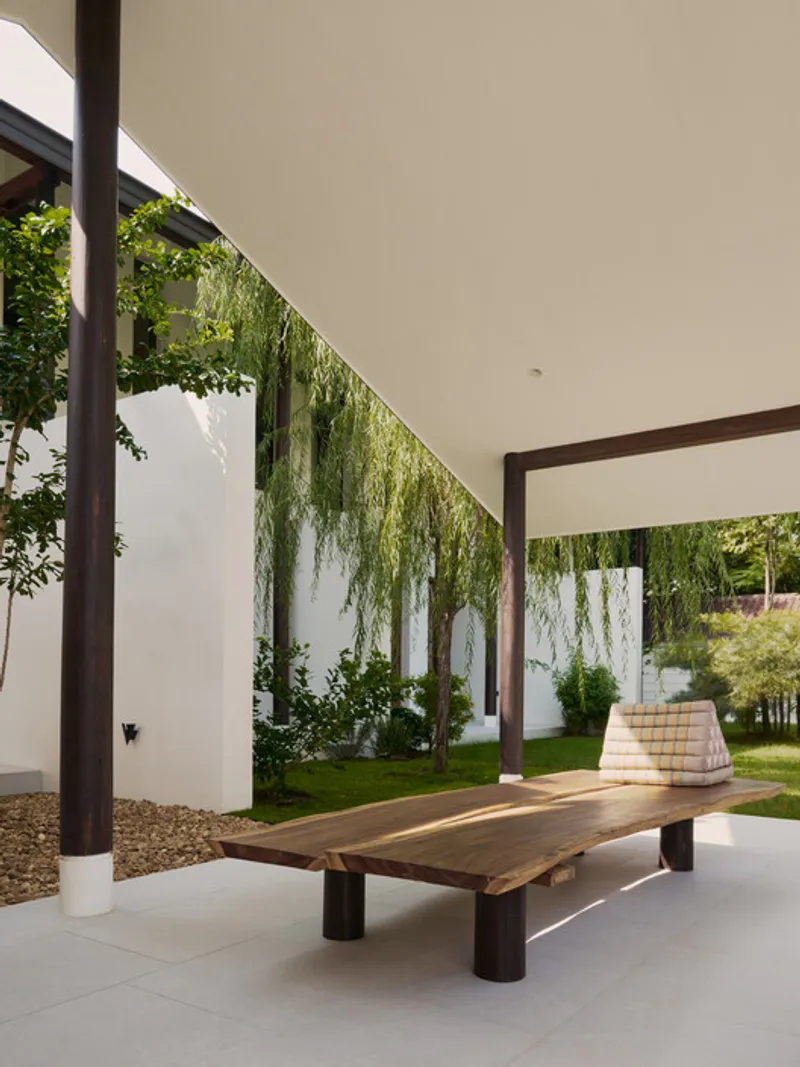
The spatial journey begins with the main kitchen, located immediately after entry. This practical decision reflects everyday family routines, offering a convenient drop-off point for groceries and daily activities. From here, the house opens into a generous open-plan living and dining area, which functions as the heart of the home. Bathed in soft natural daylight and cooled by cross-ventilation, this central space frames views of the surrounding gardens and becomes the primary circulation hub. All movement through the house passes this shared zone, naturally encouraging interaction and reinforcing family life.
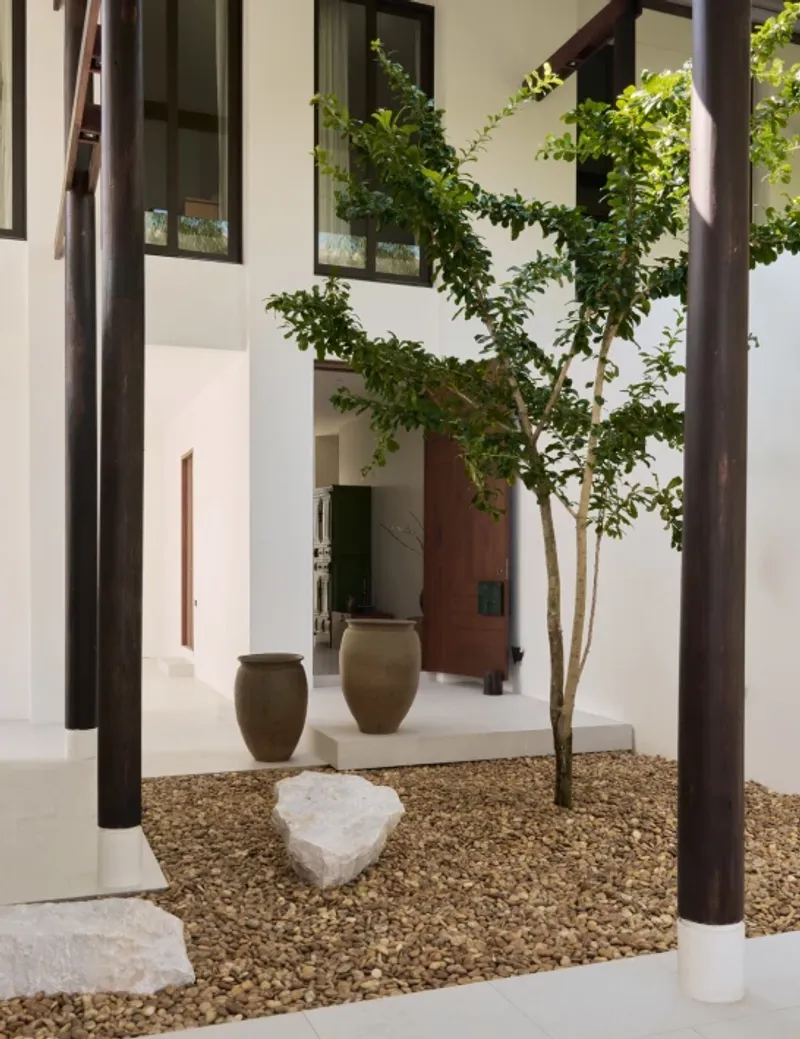
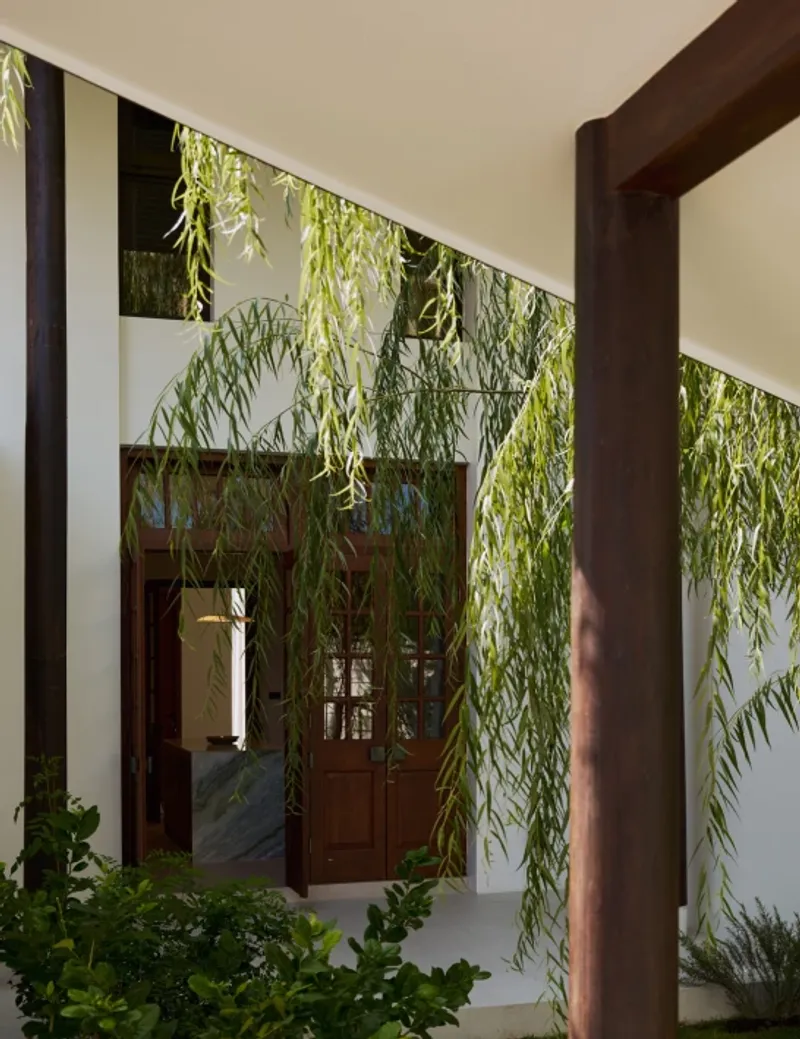
The villa is organized over two storeys, balancing flexibility and long-term use. On the ground floor, a multi-purpose bedroom is designed to accommodate future needs, such as elderly family members or guests. The upper level is dedicated to private bedroom wings, each carefully oriented toward the garden. This ensures consistent access to greenery, privacy, and a strong visual connection to nature from every personal space.
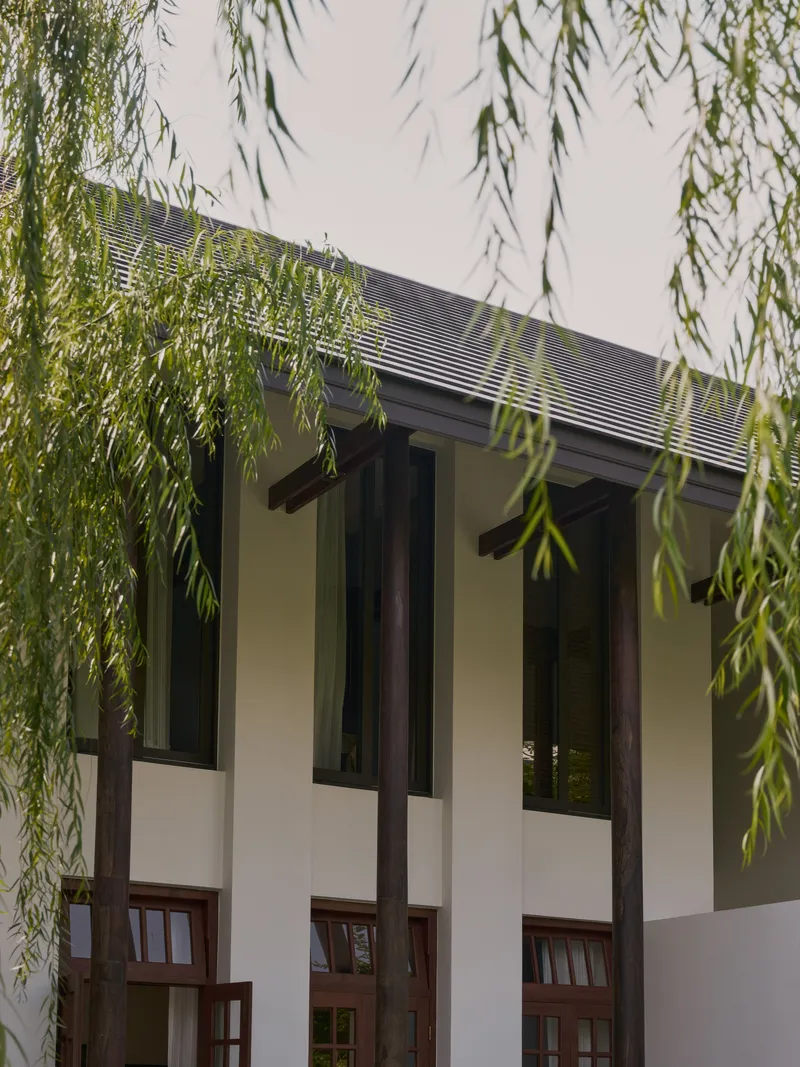
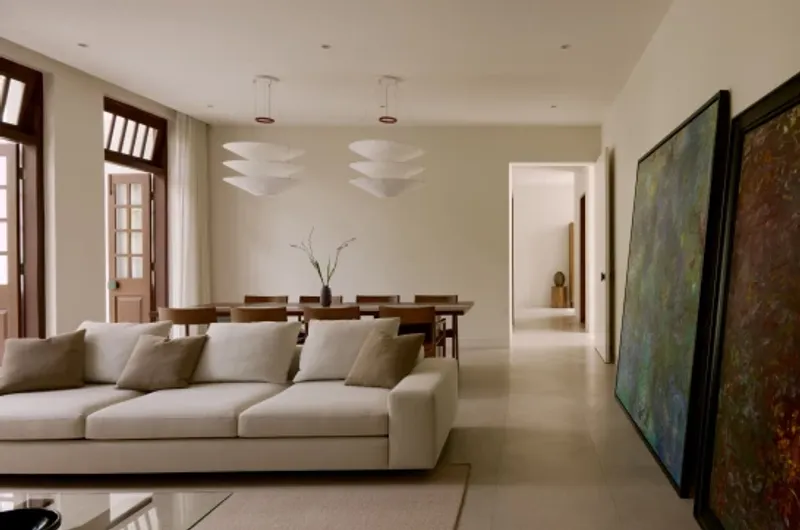
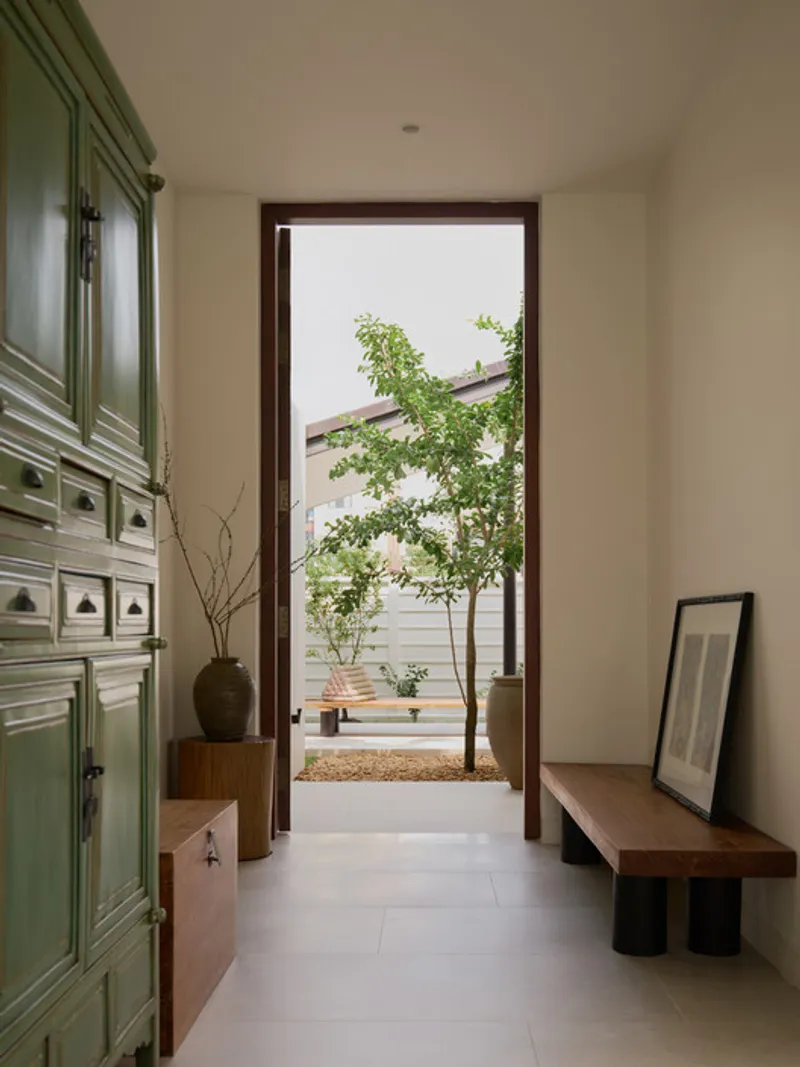
Beyond the interiors, landscape design plays a crucial role in shaping the home’s identity. The gardens are not treated as peripheral elements but as integral living spaces. A small garden pavilion, or sala, is nestled quietly among the plants, providing an outdoor room for reading, dining, resting, or hosting intimate gatherings. This pavilion reinforces the project’s philosophy of living with the garden, allowing daily life to unfold both indoors and outdoors in equal measure.
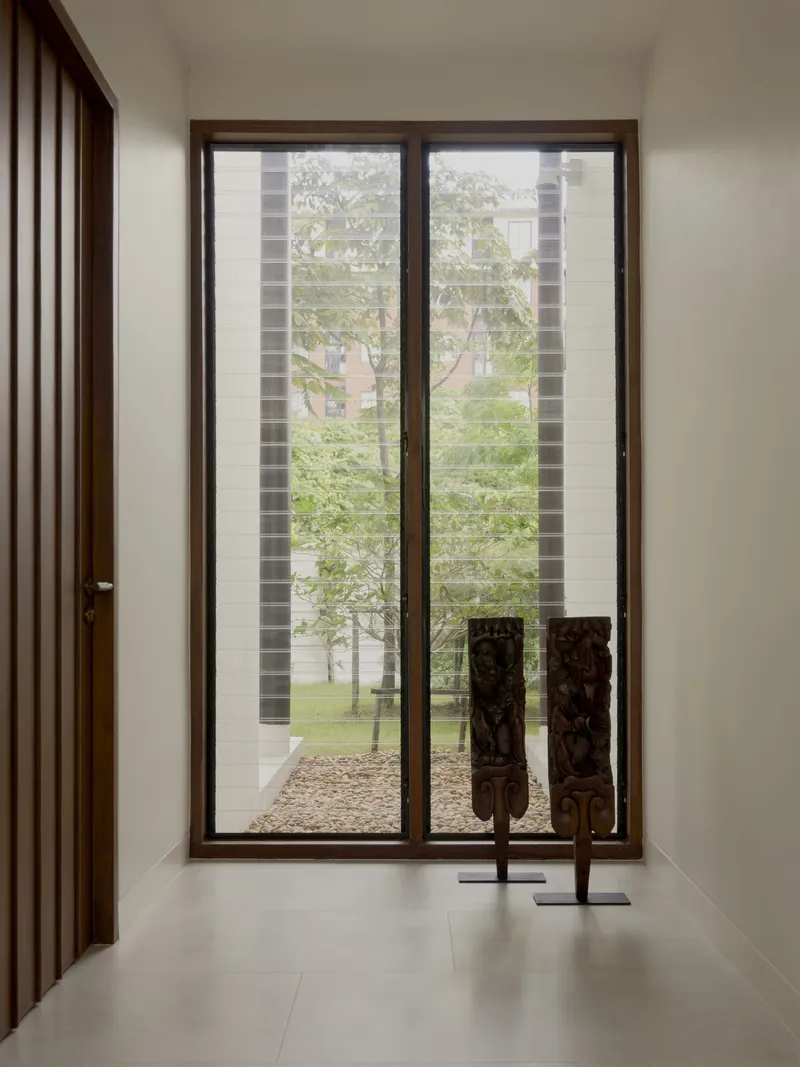
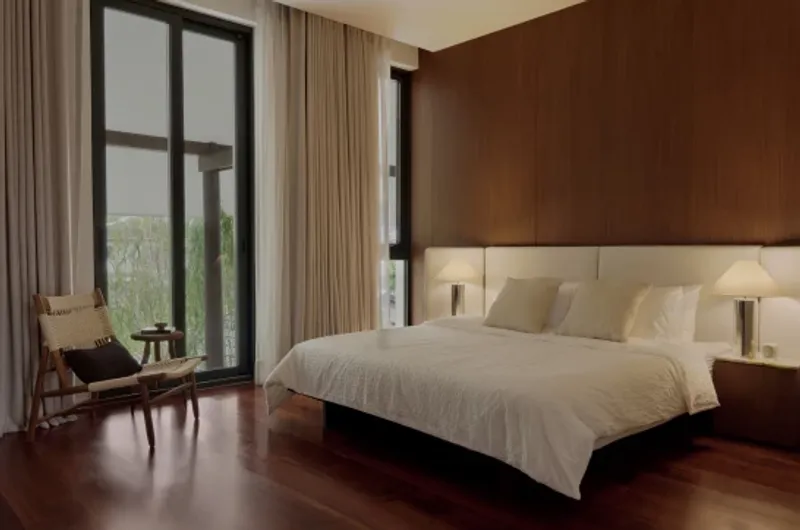
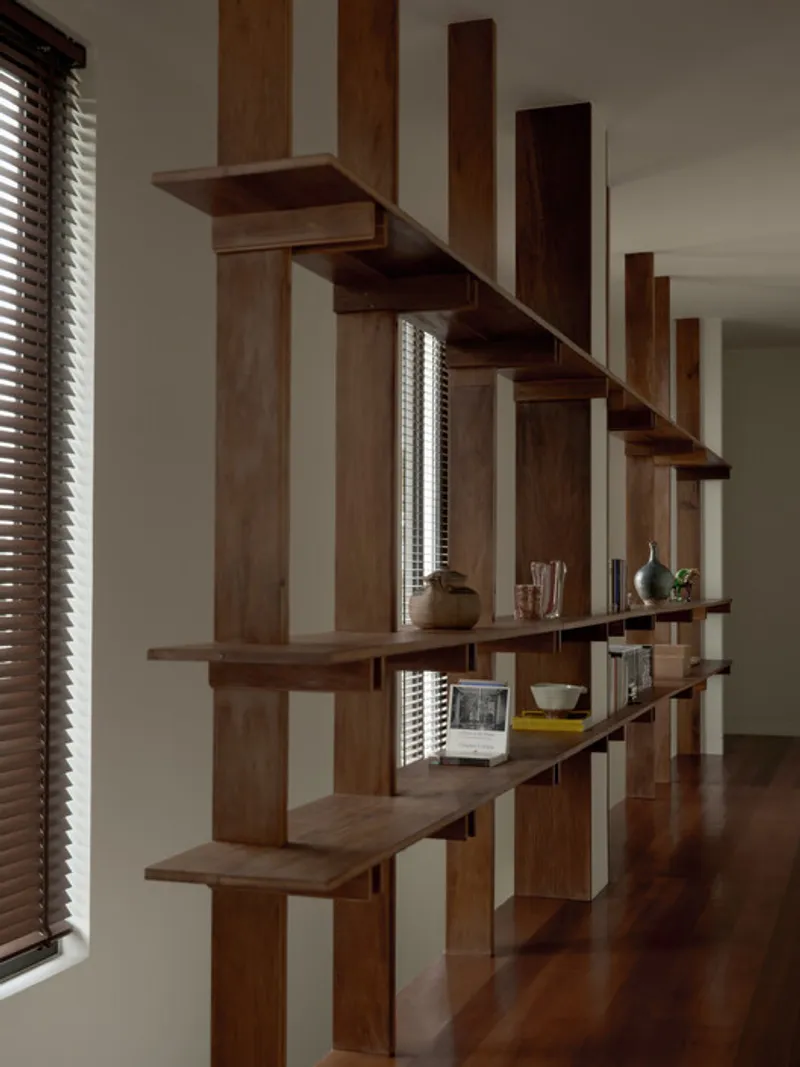
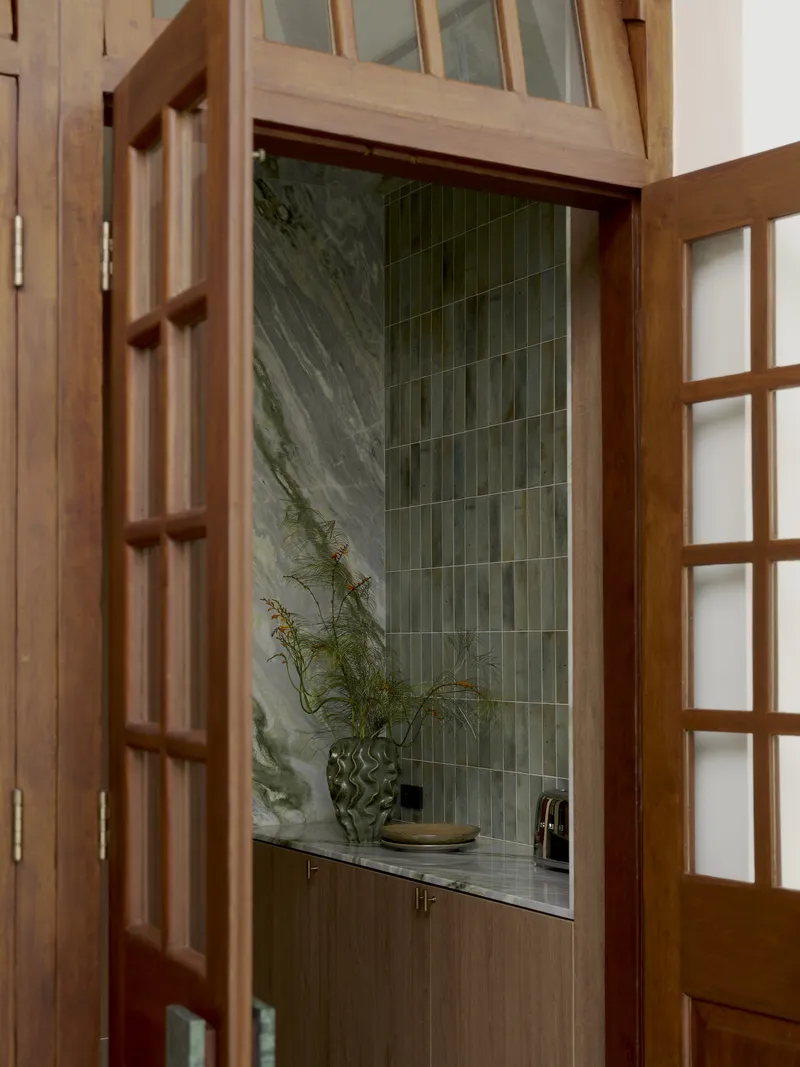
Materiality is central to Verdure Villa’s warmth and character. While the structural system relies on straightforward brick and concrete walls, the atmosphere is defined by timber floors, rounded columns, wooden windows, and reclaimed vintage doors sourced from an old school. These elements reference Thai vernacular architecture, interpreted through contemporary detailing and craftsmanship. The use of traditional materials and forms grounds the house in local culture while maintaining a modern architectural language.
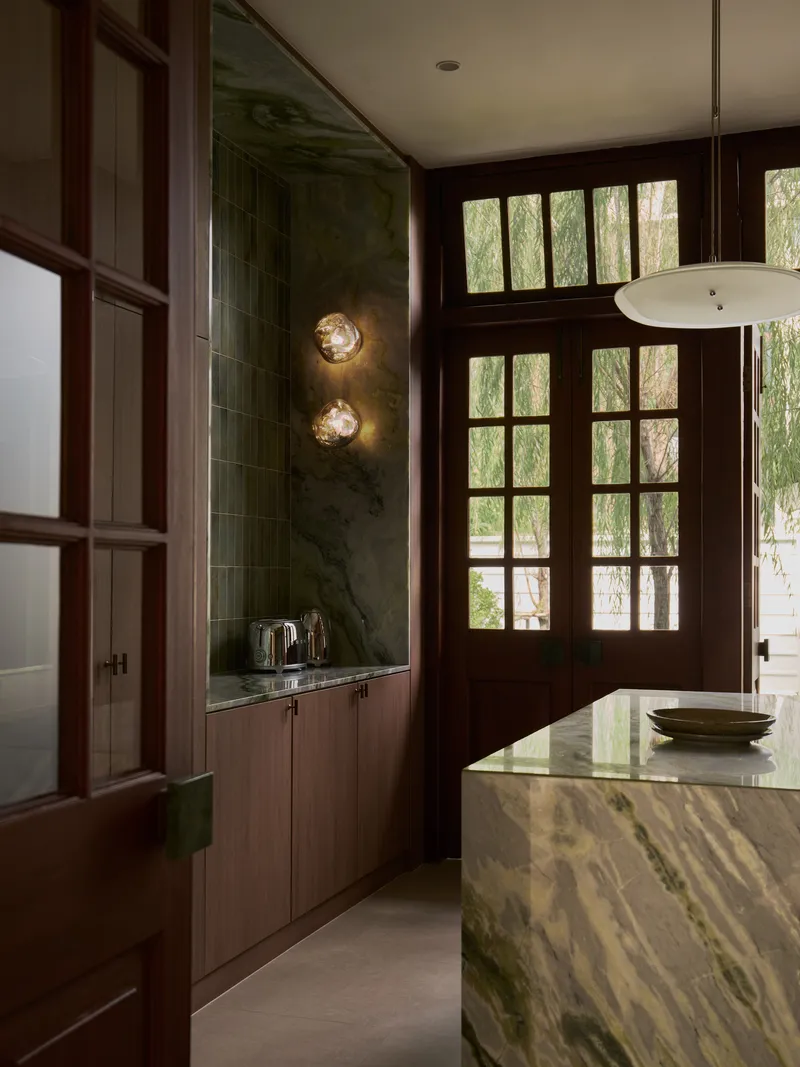
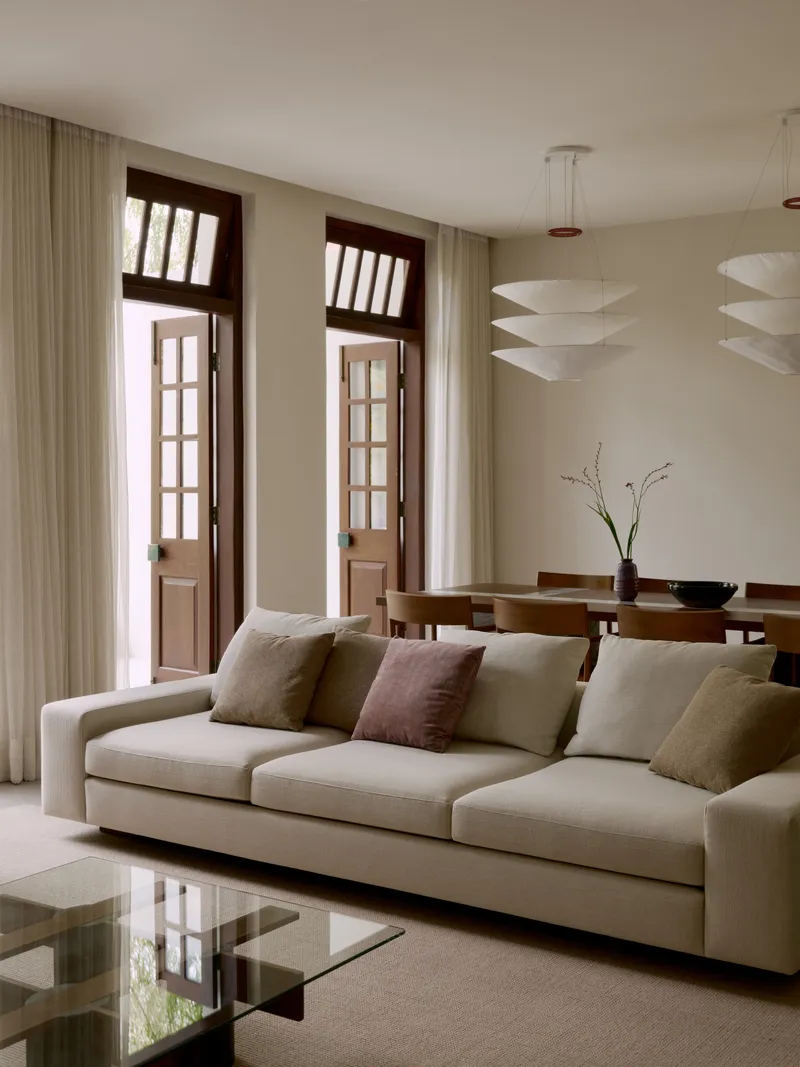
Inside, the interiors are enriched by a carefully curated collection of antique furniture, handcrafted objects, and vibrant artworks, giving the house a layered, lived-in quality. Rather than feeling new or pristine, Verdure Villa embraces imperfection and memory, creating a timeless domestic environment that evolves with its occupants.
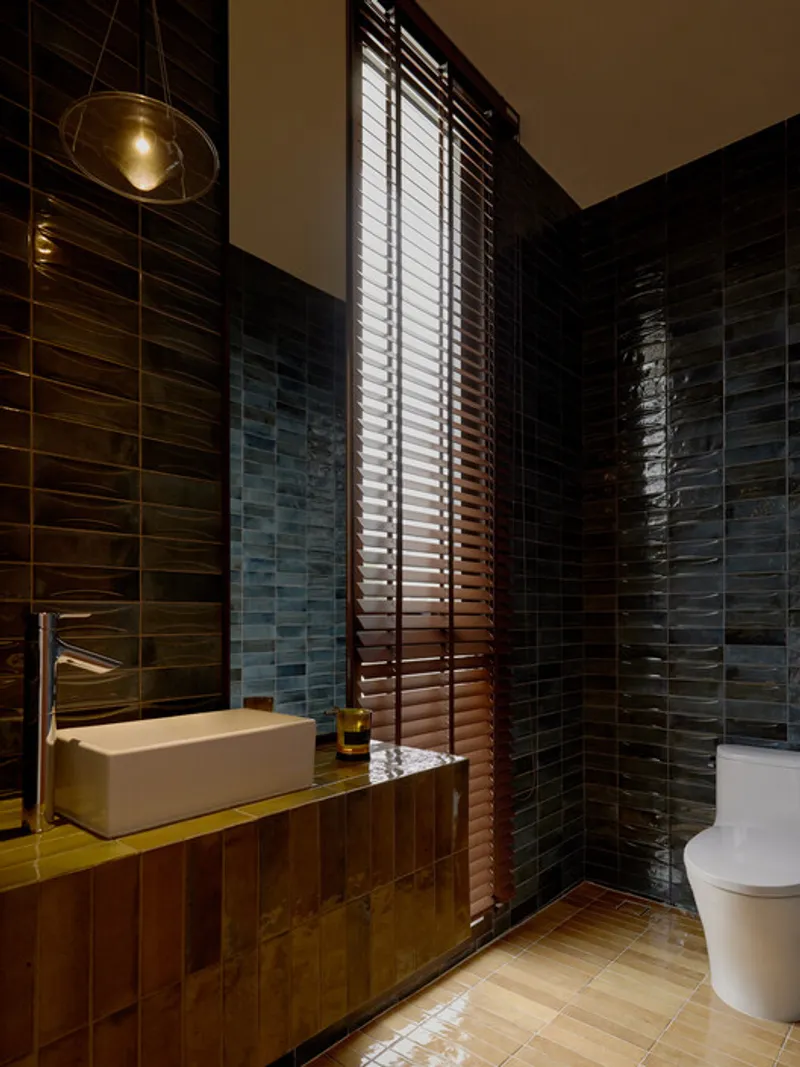
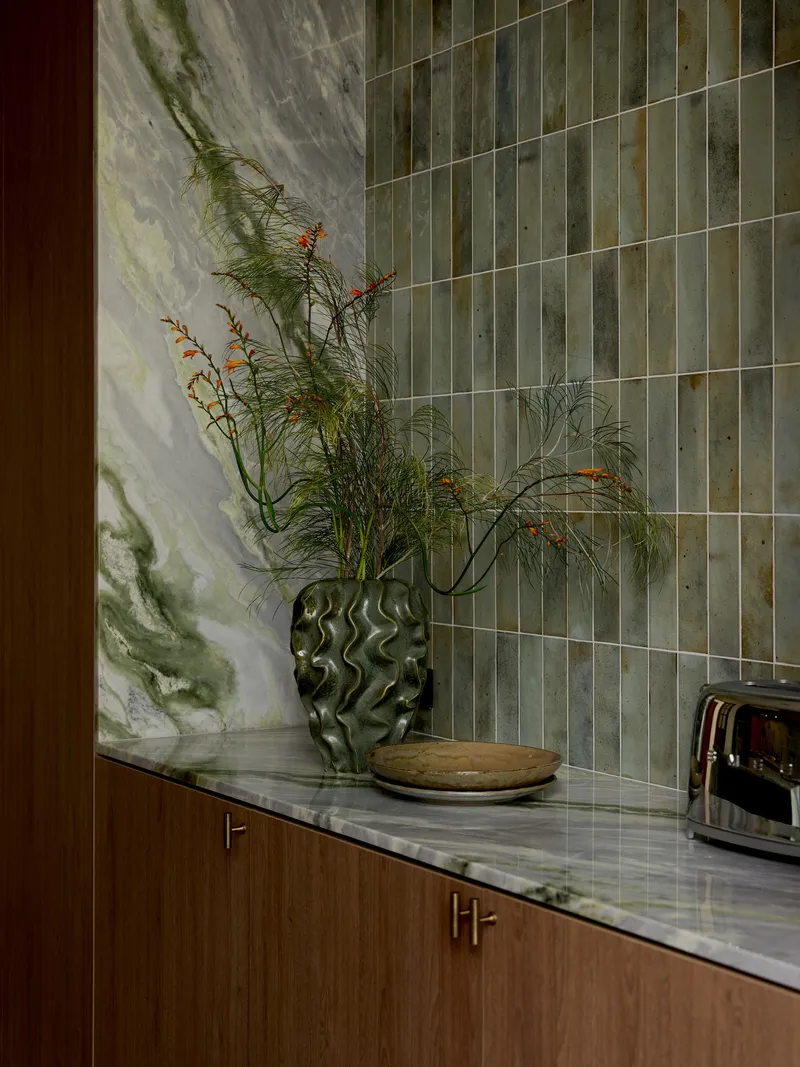
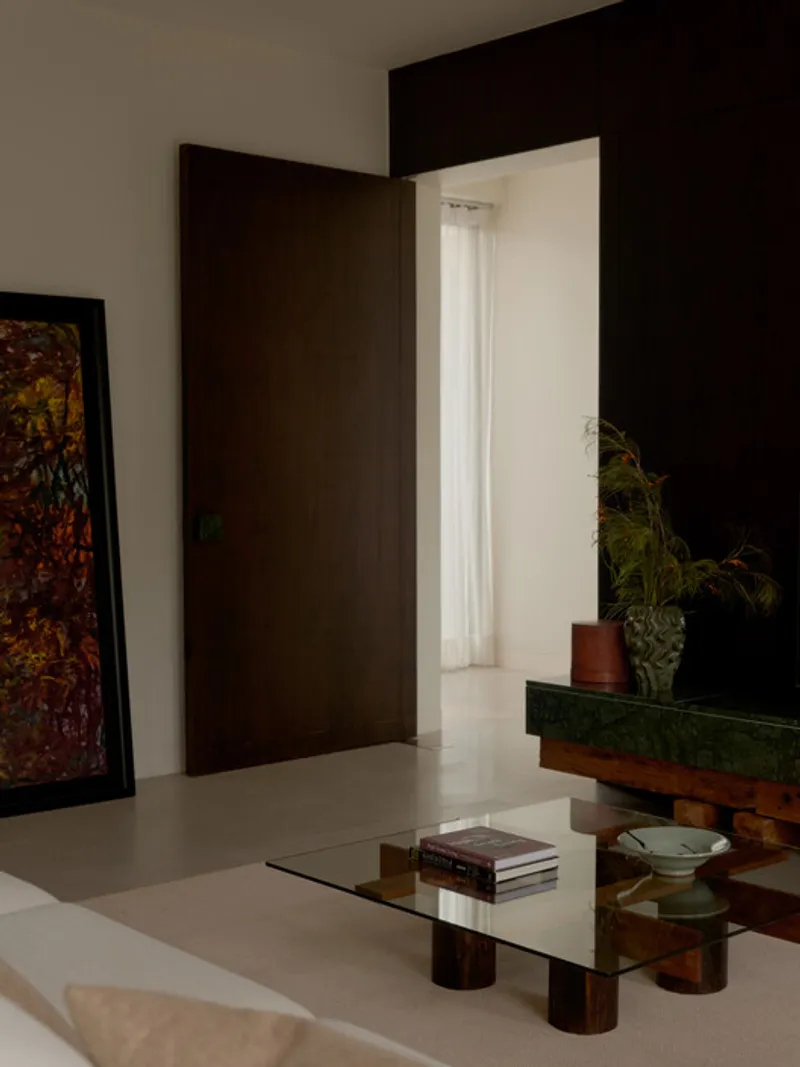
Ultimately, Verdure Villa stands as a poetic urban refuge: where nature softens the city, craftsmanship shapes everyday life, and architecture becomes a quiet backdrop for reflection and connection. It is a home where old and new coexist harmoniously, and where the garden and pavilion complete a deeply human vision of contemporary living in Bangkok.
All the photographs are works of THANAWATCHU


Popular Articles
Popular articles from the community


Cube Design Draws an Ecological Corridor Between Two Shenzhen Hills with the Nankai Building
Beside Shenzhen's container docks, the Nankai Building pairs stacked balconies with a climbing green screen to connect two hillsides across its height.

Juan García Correa, John González and Claudia Rueda Sink a Circular Amphitheater into a Manizales Engineering Building
On the La Nubia campus in Manizales, Colombia, the S1 Building folds labs and offices into a hillside of ramped lawns that double as a campus route.

David Macias Steps a Doorless Stone and Plaster House Down a Tropical Colombian Hillside
In the humid hills of Colombia, Threshold House replaces the front door with an open void and terraces its 850 m² down the slope instead of fighting it.

LT2A and OPEN Architectes Thread a Brick and Glass High School Through a Wooded Belgian Campus
In Braine-l'Alleud, a 3,000 m² wing for Collège Cardinal Mercier pairs pale brick with a glazed colonnade, deferring to a small chapel and a dense wood.

Similar Reads
You might also enjoy these articles


Hodi-Mandai Geram
Project Function: Preservation and revitalization of the Intangible heritage and socio-spatial identity of the Hodi by Housing, Cultural Memory Center, Sacred Grove, landscape, local tourism economy


Olio Towers: A Mid-Rise for Performers That Fuses Housing, Rehearsal, and Stage
Located blocks from Houston's Theater District, this modular tower stacks living units around a central performance atrium.

Oasis: Modular Green Housing Carved into Dhaka's Urban Fabric
A shortlisted Plugin Housing entry reclaims unauthorized settlements in Dhaka with stepped concrete volumes, green roofs, and ventilation-driven design.

Black Hole: A Floating Megastructure for the Post-Physical Era
Emiliano Mazzarotto envisions a spherical, self-scaling arena where e-sports, digital hotels, and holographic stadiums replace traditional public space.

Explore Villa Vernacular Competitions
Discover active competitions in this discipline

Challenge to reimagine the Iron Throne

Photograph architecture without architects

Illustrate the lost glory of Angkor Wat - Render Challenge

Design challenge to reuse E-waste
Comments (0)
Please login or sign up to add comments
No comments yet. Be the first to comment!