
Vertbois Building: A Bold Adaptive Reuse by Moussafir Architectes & Inside Outside Architecture
Vertbois Building blends brutalist aesthetics with adaptive reuse, transforming a 1970s structure into flexible, modern living and working spaces.


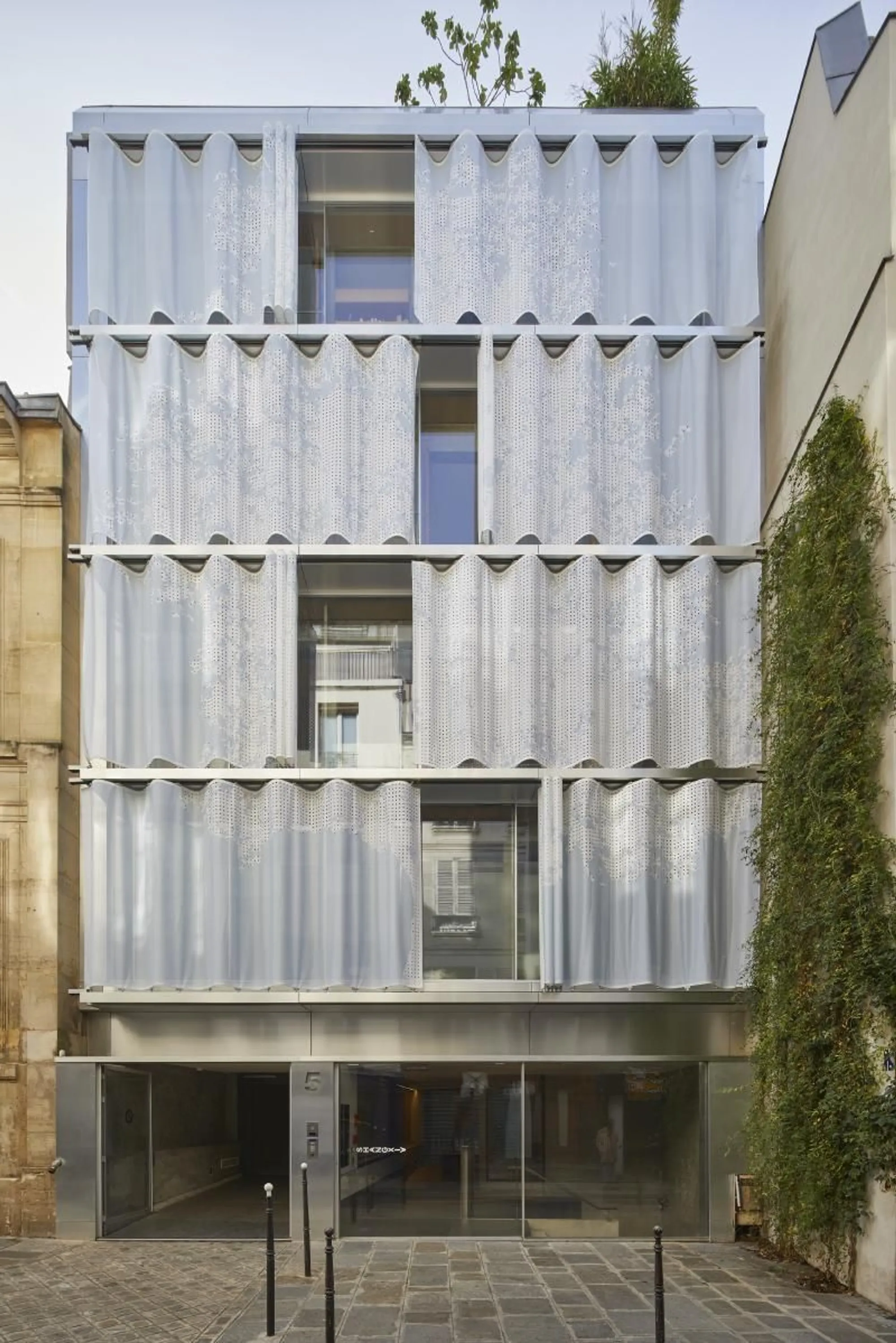
The Vertbois Building in Paris represents a forward-thinking approach to adaptive reuse architecture, designed by Moussafir Architectes in collaboration with Inside Outside Architecture. This 10-level, mixed-use structure has been reimagined to harmonize modernist ideals with brutalist aesthetics, transforming a once-generic 1970s commercial structure into a versatile and expressive building fit for contemporary urban life.


Historical Context & Architectural Significance
Originally designed by the Biro Fernier firm during the economic boom of post-war France, the building stands as a rare 1970s architectural specimen in the Haut Marais district, known primarily for its preserved historic landmarks. Despite its age and presence in a protected zone, local authorities (ABF) determined that the structure held no formal heritage status, allowing a full transformation of both the façade and the interior program.
Constructed using reinforced concrete over a 3-level underground parking structure of prestressed concrete, the building features a Mansard roof with six dormers (lucarnes) and a suspended garden—an innovative solution for its time. The redesign preserves and enhances these structural elements while introducing new functional layers.

Design Concept: Embracing Brutalism and Flexibility
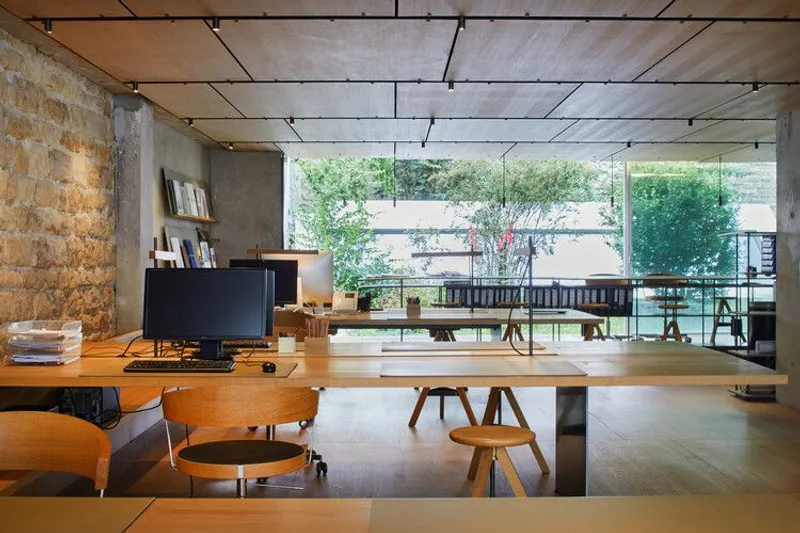
The core of the renovation strategy was to reveal the building’s neutral structural framework—open-plan floors without intermediate columns—that enabled programmatic flexibility. By exposing and celebrating the original load-bearing concrete skeleton, the architects made a conscious decision to blur the lines between residential and office typologies.
The interior spaces, including flats designed like offices, reflect this multi-functionality. From open-plan layouts and visible beams to unified flooring and detailing, the building evokes the rationality of modernist architecture while supporting a hybrid lifestyle.
Façade and Materials: Between Transparency and Structure
The new façade design respects the building’s original modular rhythm while modernizing its expression. On the street side, it follows a strict 1.36m pitch, while the courtyard façade spans 10 meters without intermediate supports. The staircases, railings, and façade systems are treated as “borrowed” elements—lightweight, suspended, and separated from the load-bearing shell to express the structure's solidity and permanence.
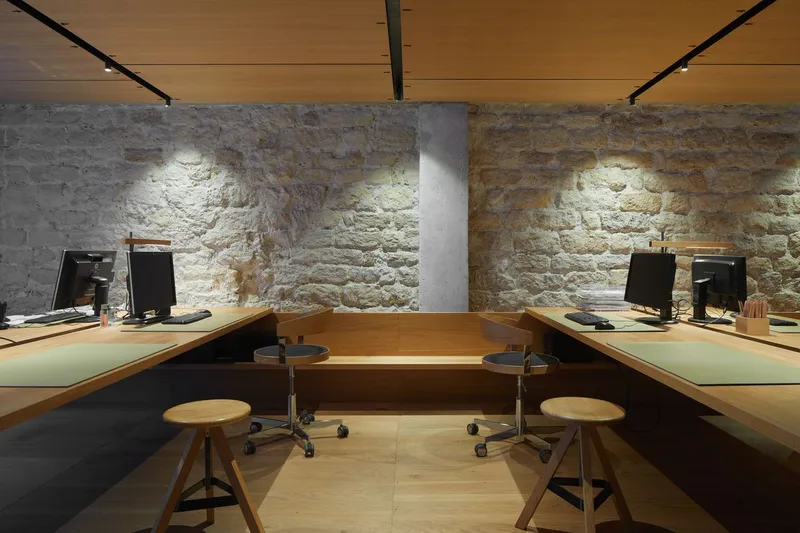
Material choices emphasize the brutalist palette—raw concrete, exposed frames, and locksmith-like metallic details—all while embracing a contemporary edge. The transparent glazing on both façades brings in ample daylight and opens up the once-heavy structure to the vibrant cityscape of Paris.

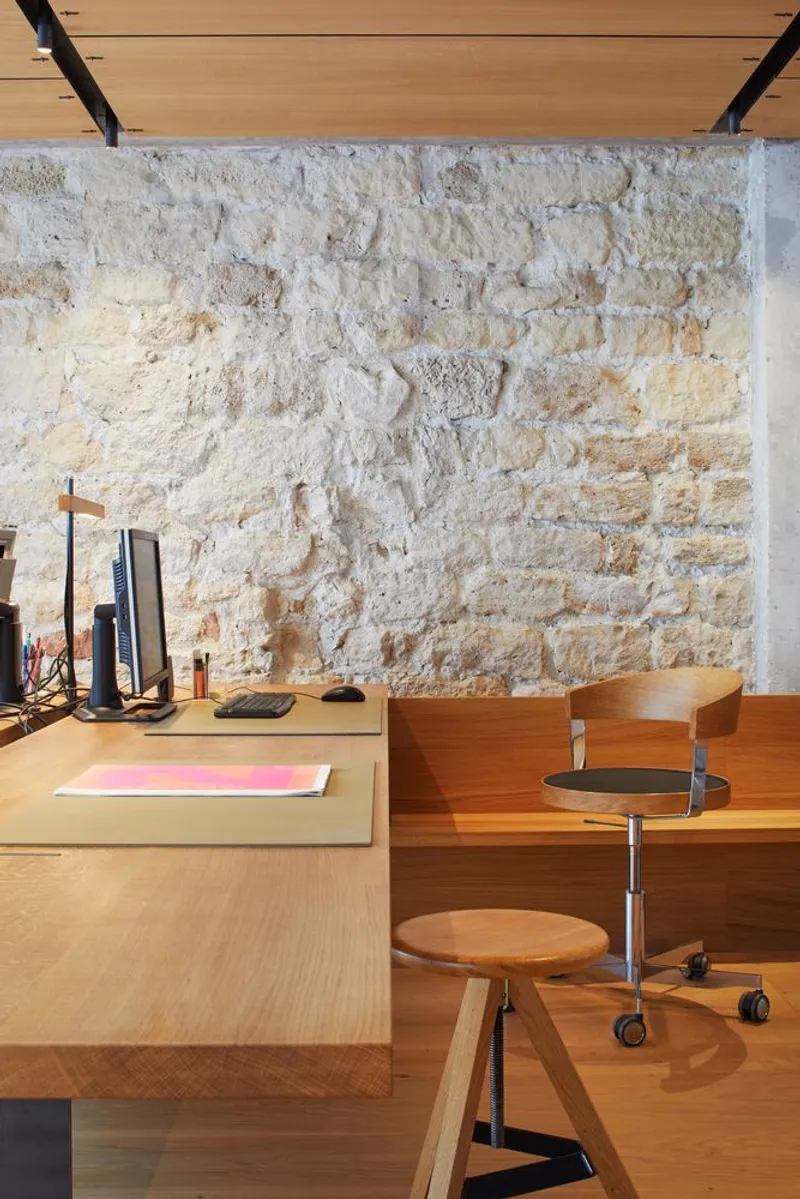
Interior Experience: Spatial Clarity and Openness
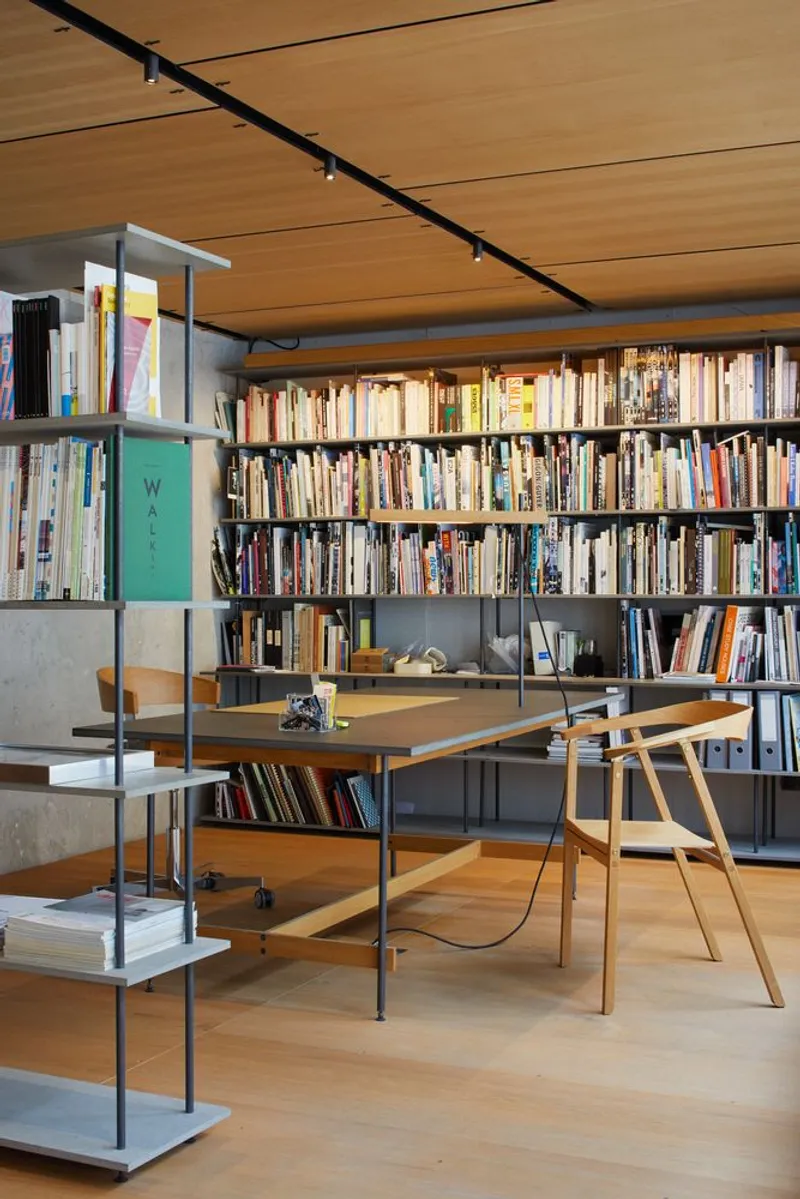
The building’s interiors emphasize spatial clarity, natural light, and material honesty. Large windows frame city views, while custom millwork, exposed ceilings, and refined concrete finishes create a sense of balance between roughness and refinement. The choice to design flats like office spaces not only reflects current trends in remote workand flexible living but also supports long-term sustainability in terms of building adaptability.
The Vertbois Building sets a new benchmark in Parisian renovation architecture, showing how a seemingly ordinary 1970s building can be reborn through visionary adaptive reuse. The project is a tribute to modernist legacies, brutalist beauty, and the sustainable reuse of urban infrastructure.
This transformative project is not just about aesthetics—it’s about resilience, flexibility, and redefining architectural relevance in a historic city.

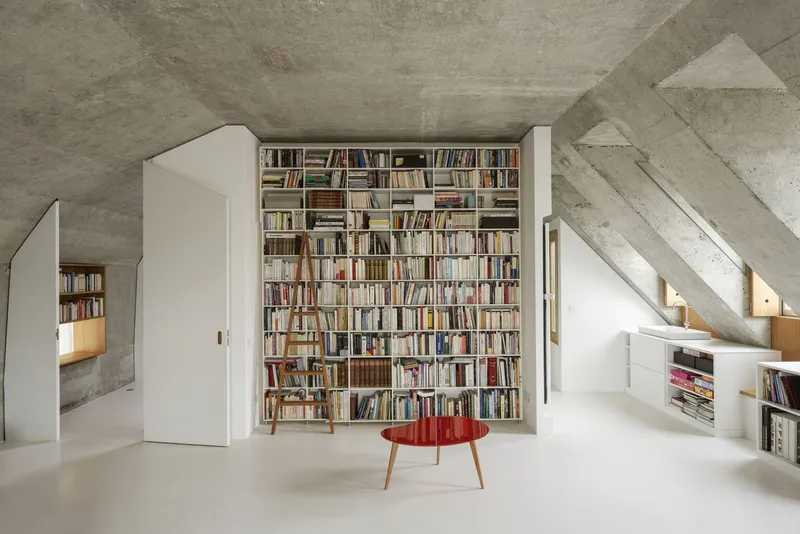

All the photographs are works of Vincent Leroux



Popular Articles
Popular articles from the community


Lunar Spiral: Space Architecture Shaped by the Mathematics of the Universe
Lunar Spiral reimagines space architecture through Fibonacci geometry, lunar regolith, levitating habitats, and self-sustaining Moon living.

The Ocean Hive: Sustainable Architecture for a Self-Sufficient Civilization at Sea
The Ocean Hive imagines sustainable architecture at sea, where modular habitats, algae, wave power and ocean waste sustain a growing colony.

Conexión: Biophilic Design Reimagines High-Rise Living in Hong Kong
Conexión reimagines high-rise living in Hong Kong through biophilic design, green facades, shared spaces, daylight, water and nature within.

The Musturak Paradise: Senior Living Architecture for a Connected Future in Temara, Morocco
The Musturak Paradise reimagines senior living architecture in Temara via private homes, social spaces, culture, community, and shared care.
Similar Reads
You might also enjoy these articles


Hodi-Mandai Geram
Project Function: Preservation and revitalization of the Intangible heritage and socio-spatial identity of the Hodi by Housing, Cultural Memory Center, Sacred Grove, landscape, local tourism economy


Olio Towers: A Mid-Rise for Performers That Fuses Housing, Rehearsal, and Stage
Located blocks from Houston's Theater District, this modular tower stacks living units around a central performance atrium.

Oasis: Modular Green Housing Carved into Dhaka's Urban Fabric
A shortlisted Plugin Housing entry reclaims unauthorized settlements in Dhaka with stepped concrete volumes, green roofs, and ventilation-driven design.

Black Hole: A Floating Megastructure for the Post-Physical Era
Emiliano Mazzarotto envisions a spherical, self-scaling arena where e-sports, digital hotels, and holographic stadiums replace traditional public space.


Explore Residential Building Competitions
Discover active competitions in this discipline


Challenge to design mud housing for contemporary communities


Challenge to reimagine the Iron Throne


Photograph architecture without architects


Illustrate the lost glory of Angkor Wat - Render Challenge
Comments (0)
Please login or sign up to add comments
No comments yet. Be the first to comment!