
Villa Meisenweg by Urben Seyboth Architekten: Sustainable Family Residence in Switzerland
Swiss Villa Meisenweg features sustainable timber construction, courtyard-centered design, minimalist interiors, seasonal views, PV energy, geothermal heating, and natural material finishes.


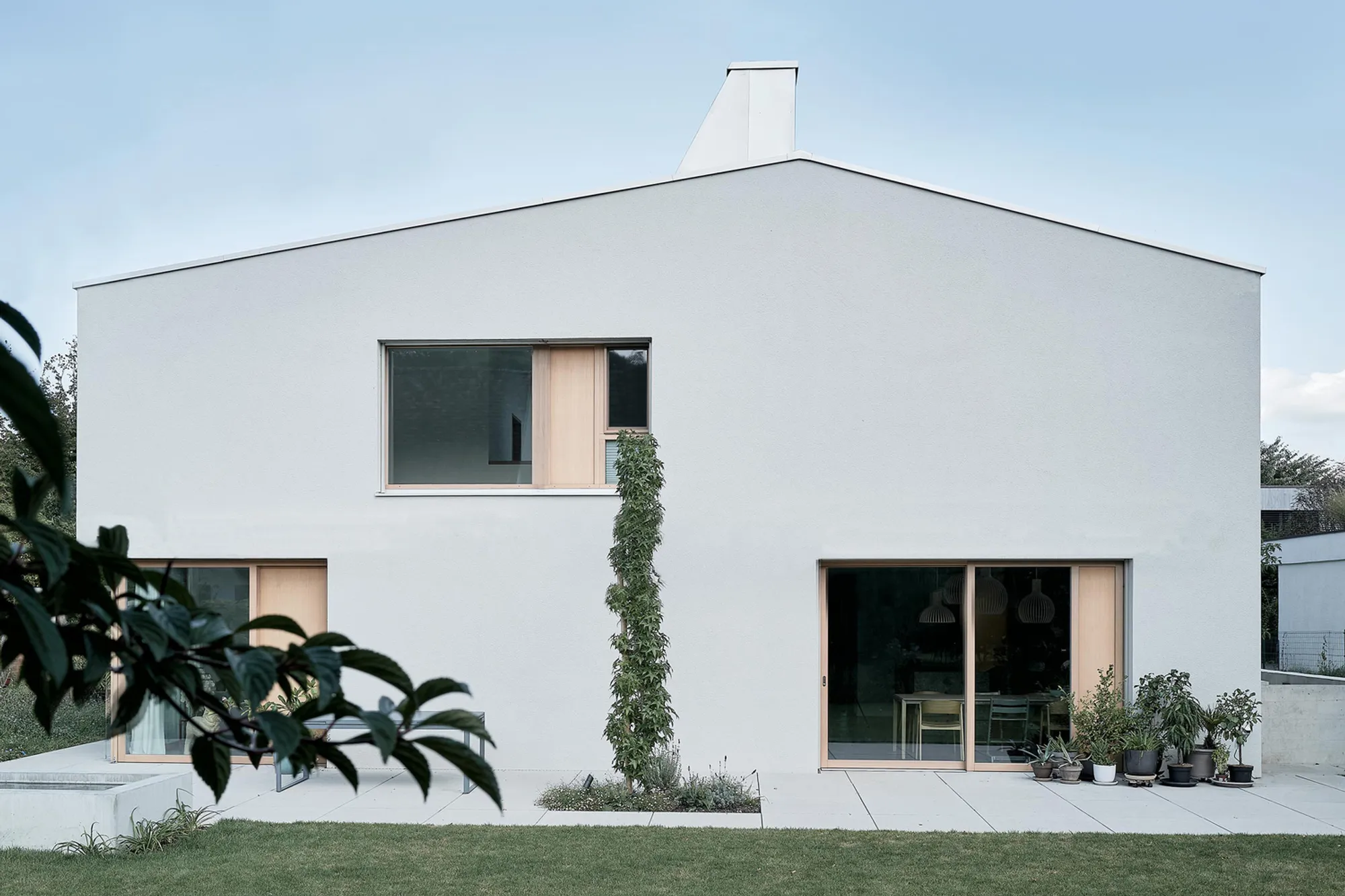
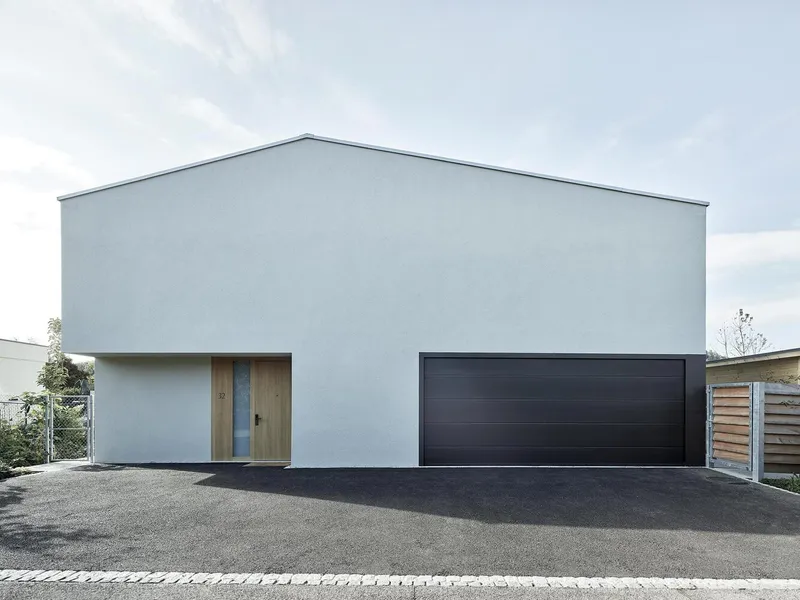
Villa Meisenweg, designed by Urben Seyboth Architekten in 2021, exemplifies a contemporary Swiss family home that balances privacy, sustainability, and architectural elegance. Situated at the edge of a settlement, the villa transitions seamlessly from urban context to agricultural green spaces, adjacent industrial facilities, and nearby highways. Its compact, introverted volume presents a closed façade toward the street, while the asymmetrical gable roof references traditional residential forms of the surrounding neighborhood, establishing harmony with local architecture.
Courtyard-Centered Spatial Design
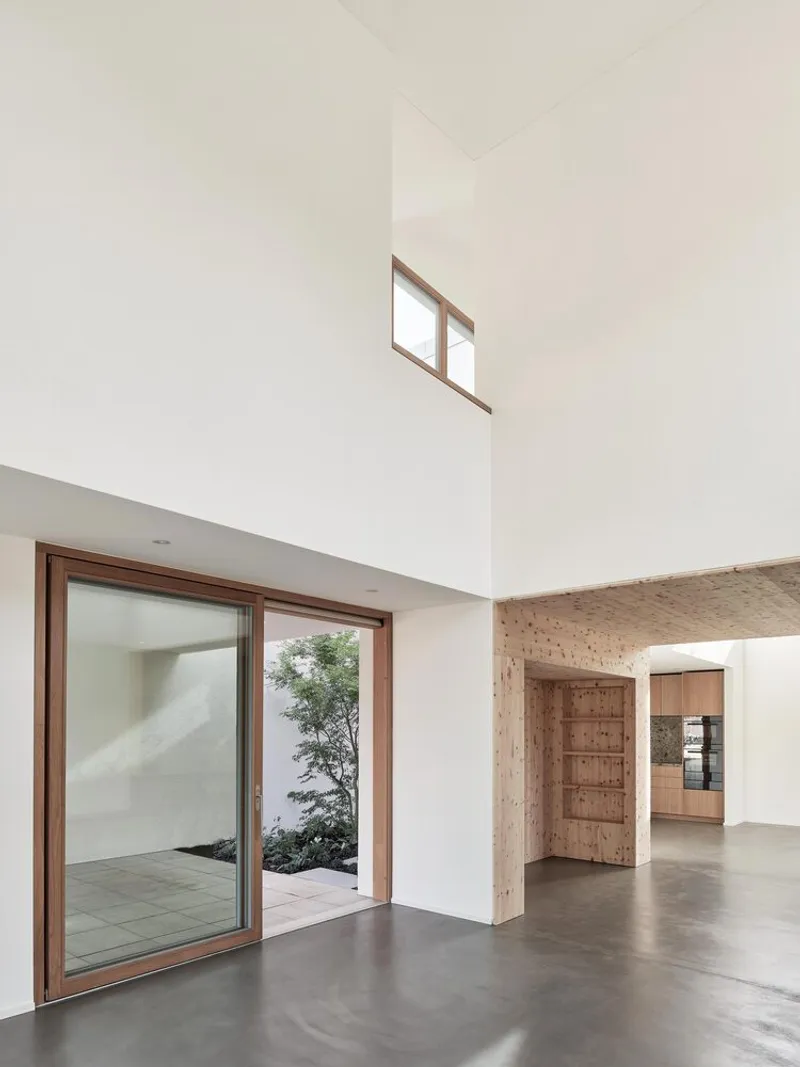
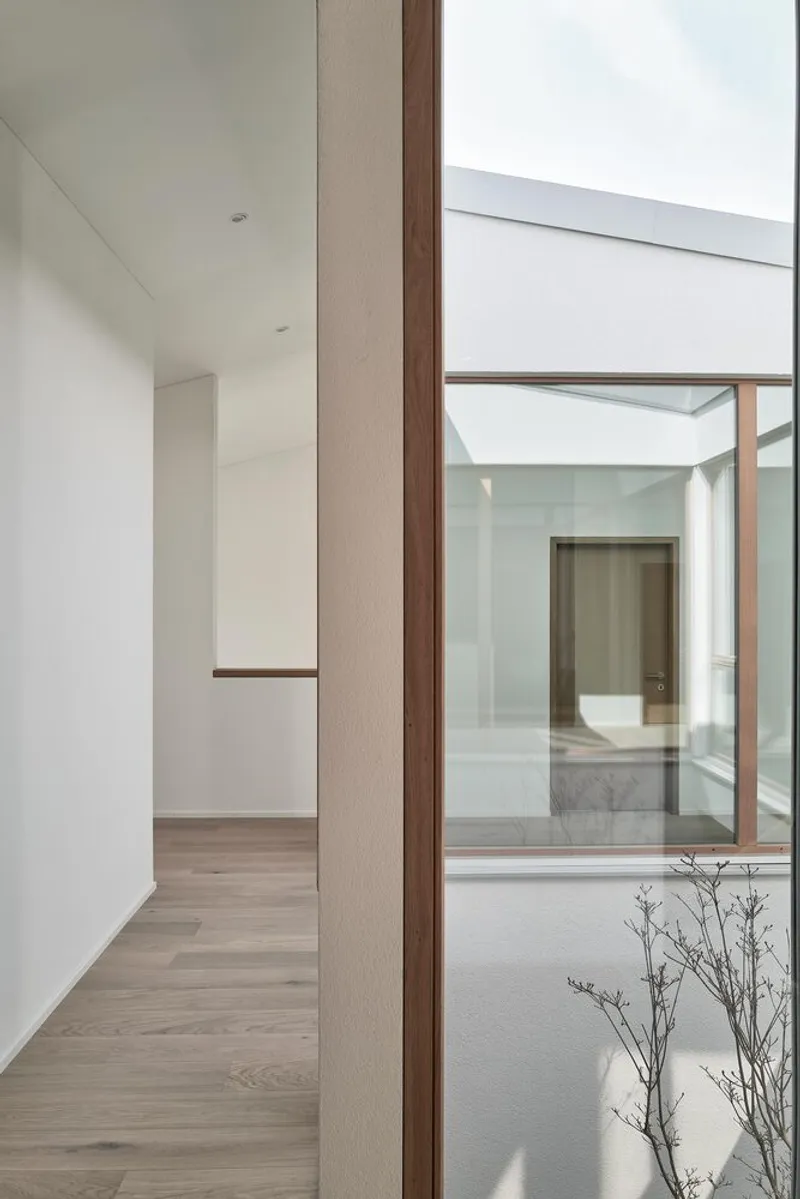
Upon entering, visitors encounter the villa’s central spatial concept: a landscaped courtyard that anchors the building’s design. This courtyard functions as a visual and functional nucleus, creating a clear spatial hierarchy while framing the interaction of sky and earth. Surrounding architecture and landscape converge, offering a meditative and family-focused environment.
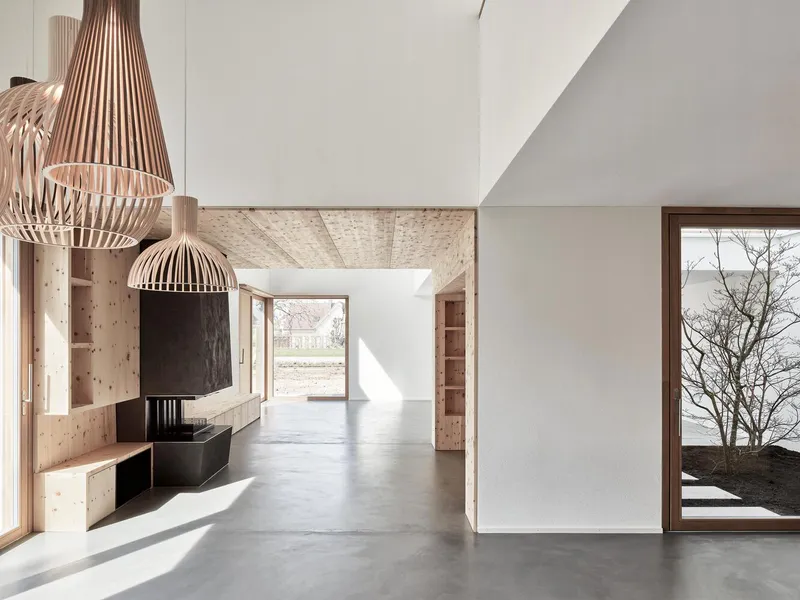
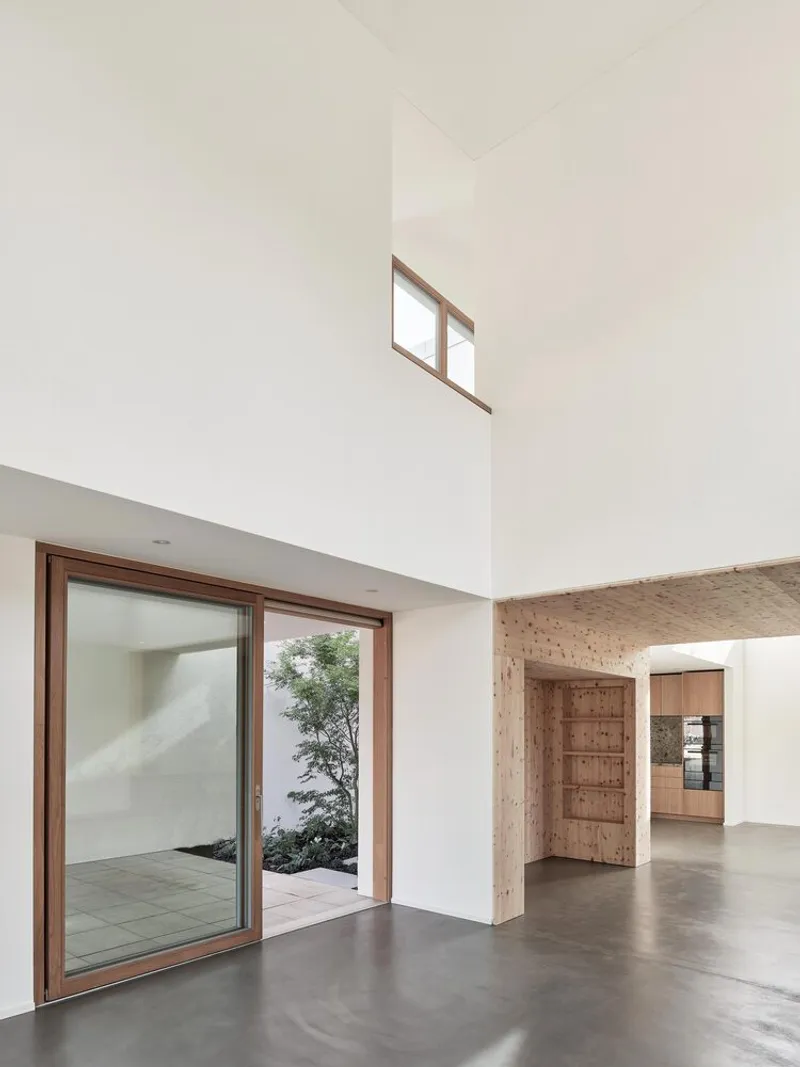
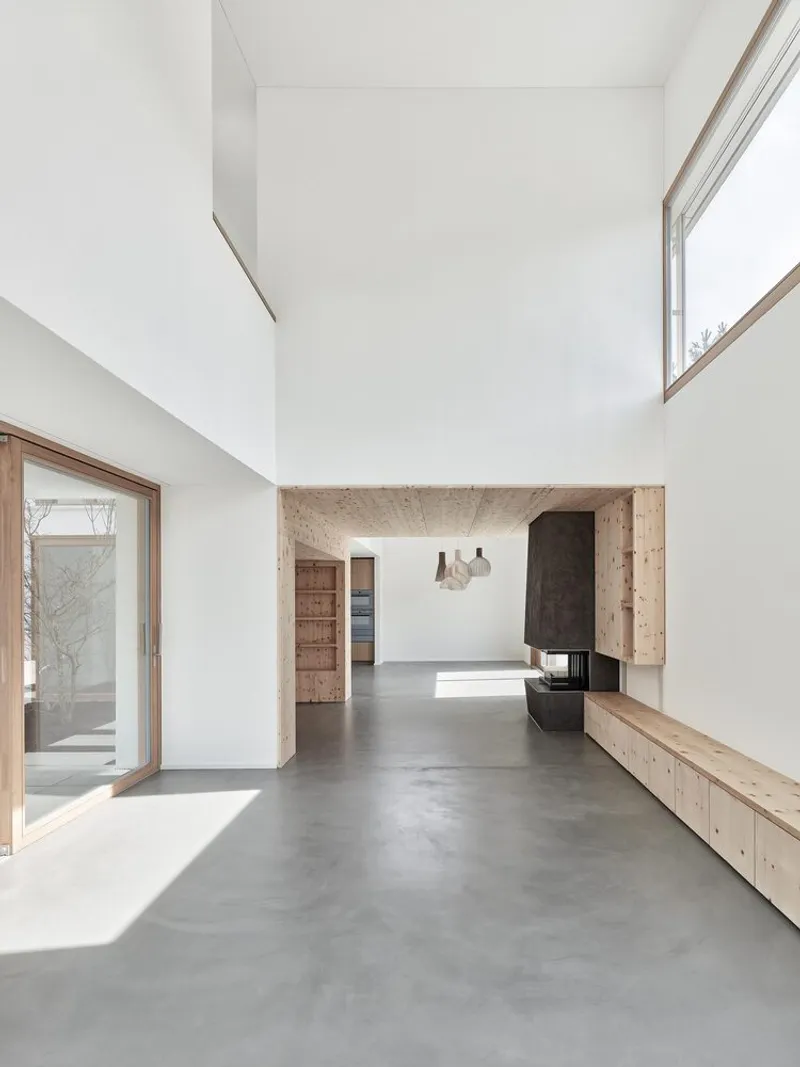
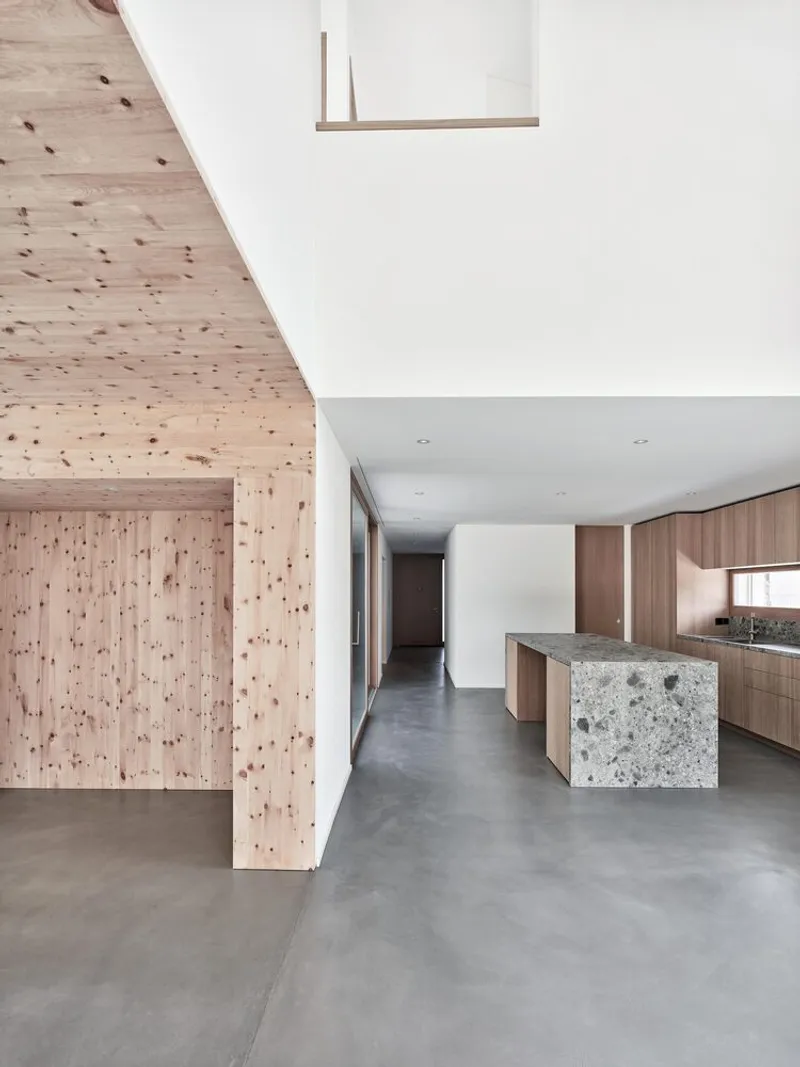
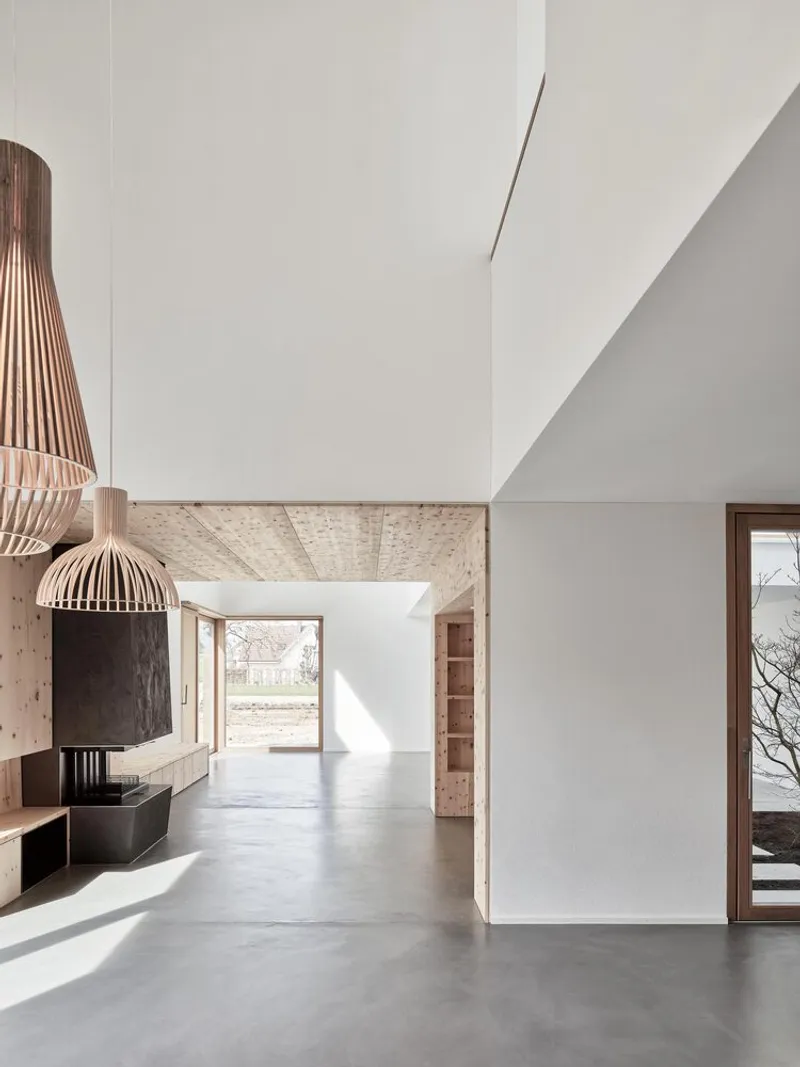
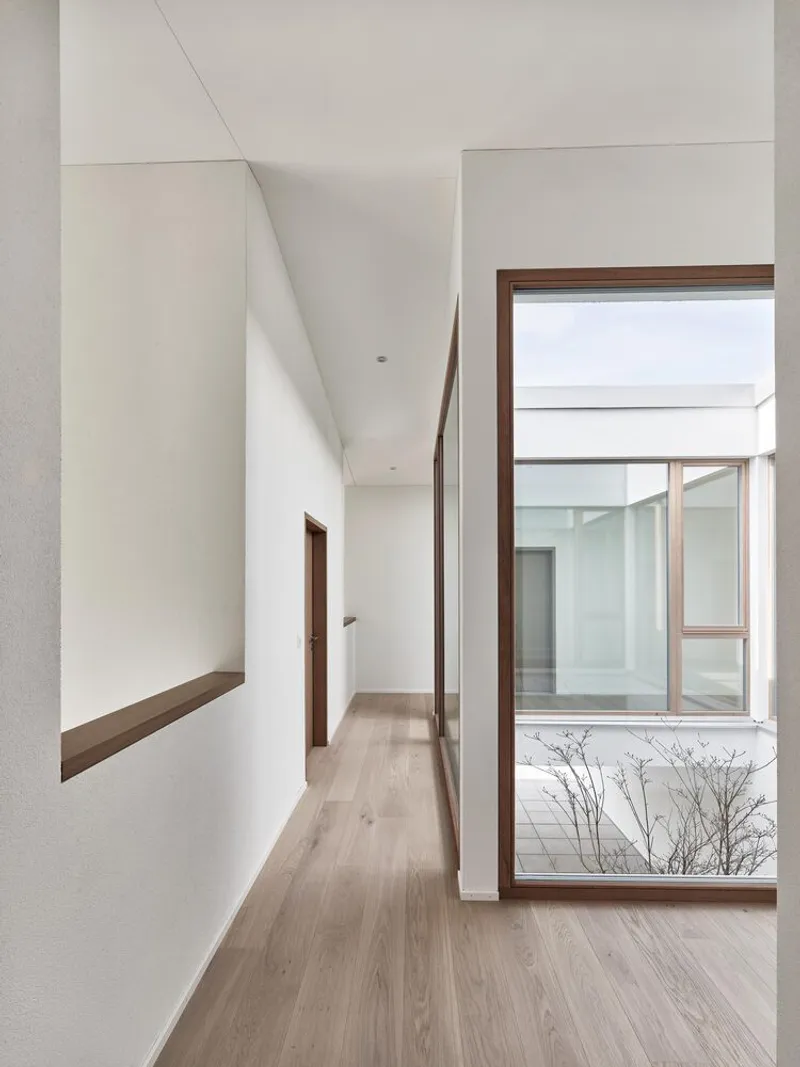
The first floor features an open-plan circumferential room continuum, combining living, dining, cooking, and an Arvenstube lounge around the courtyard. Carefully positioned openings allow the morning sun to illuminate the dining space and the evening light to enhance the living area. Two strategically placed air spaces and the courtyard itself generate a rhythmic division of interior spaces, fostering dynamic visual connections throughout the home.
Upper Floors and Seasonal Views
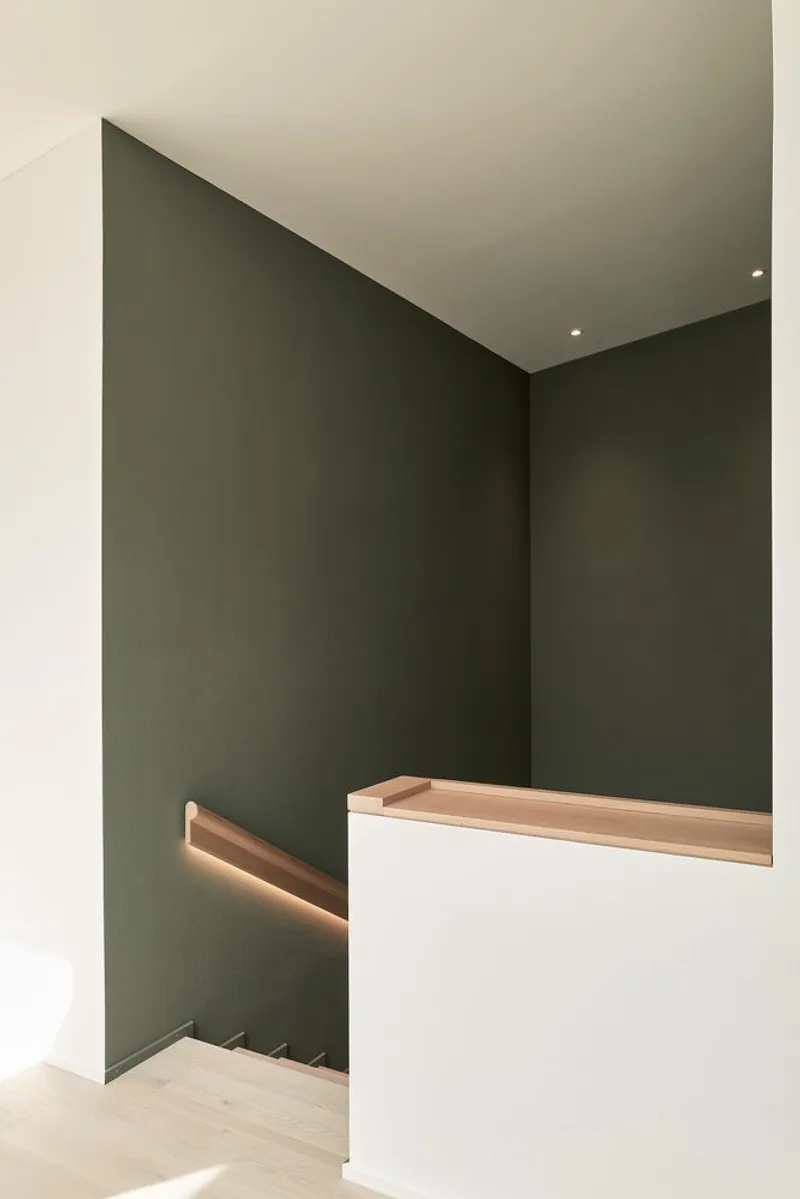
On the upper level, a circumferential corridor provides access to bedrooms and the guest area. Large glass surfaces surrounding the courtyard frame seasonal changes, including the striking yellow-red foliage of the fan maple tree in autumn, enhancing the connection to nature year-round.
Sustainable Construction and Energy Efficiency
The villa combines robust and lightweight construction techniques: a solid basement anchors the home, while upper floors employ timber element construction. A wood-concrete hybrid ceiling on the first floor improves thermal performance in summer by storing heat, contributing to energy efficiency. The design integrates renewable materials and sustainable systems, including a photovoltaic (PV) energy system, geothermal heating, and naturally ventilated wooden interiors, demonstrating a strong commitment to environmental responsibility.
Minimalist Interior Materiality
Interior finishes remain restrained yet refined, emphasizing natural materials. Floors and wet areas use mineral trowel finishes, while oak frames windows, balustrades, and fixtures. Walls and ceilings are finished in lime plaster, complemented by pinewood in the reading area, infusing the space with natural fragrance and tactile warmth. The simplicity of materials underscores a design philosophy focused on longevity, comfort, and sustainability.
Villa Meisenweg exemplifies a modern, sustainable Swiss residence that harmoniously integrates landscape, sunlight, and materiality, offering a serene family-oriented retreat.
All photographs are works of
Kuster Frey




Popular Articles
Popular articles from the community


Lunar Spiral: Space Architecture Shaped by the Mathematics of the Universe
Lunar Spiral reimagines space architecture through Fibonacci geometry, lunar regolith, levitating habitats, and self-sustaining Moon living.

The Musturak Paradise: Senior Living Architecture for a Connected Future in Temara, Morocco
The Musturak Paradise reimagines senior living architecture in Temara via private homes, social spaces, culture, community, and shared care.

Hill & Cross Opera: Sculptural Opera House Architecture Shaped by Tallinn’s Landscape and Identity
Hill & Cross Opera reimagines opera house architecture in Tallinn through its sculptural hill, civic plaza, glass wave and a luminous cross.

Co-Life: Senior Housing Design That Reconnects Older Adults With the City
Co-Life reimagines senior housing design through healing gardens, shared streets, workshops, and a sustainable community across generations.


Similar Reads
You might also enjoy these articles


FAMM Arquitectura Organizes Ten Villas Around Courtyards and Jungle in Nosara, Costa Rica
El Molino pairs two elongated volumes with deep overhangs and timber louvers to build a compact coastal community five minutes from the beach.

Oscar Niemeyer's Ibirapuera Park Pavilions Define São Paulo's Cultural Identity in Concrete and Curve
A constellation of modernist volumes set within São Paulo's most important urban park, conceived for the city's 400th anniversary in 1954.
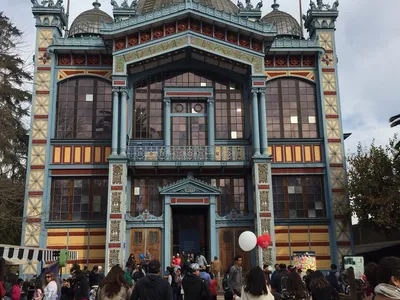
How Henri Picq's 1889 Paris Pavilion Traveled 11,000 Kilometers to Become Santiago's Artequín Museum
A prefabricated iron and glass pavilion built for the Paris Universal Exposition found a second life as a children's art museum in Chile.

Sanjay Puri Architects Wraps a Jaipur Office Tower in Capsule-Shaped Green Buffers
A nine-level climate-responsive workplace near Jaipur Airport uses stacked planter terraces and aluminium screens to fight 40°C heat.

Explore Architecture Competitions
Discover active competitions in this discipline



Challenge to reimagine the Iron Throne


Photograph architecture without architects


Illustrate the lost glory of Angkor Wat - Render Challenge


Design challenge to reuse E-waste
Comments (0)
Please login or sign up to add comments
No comments yet. Be the first to comment!