
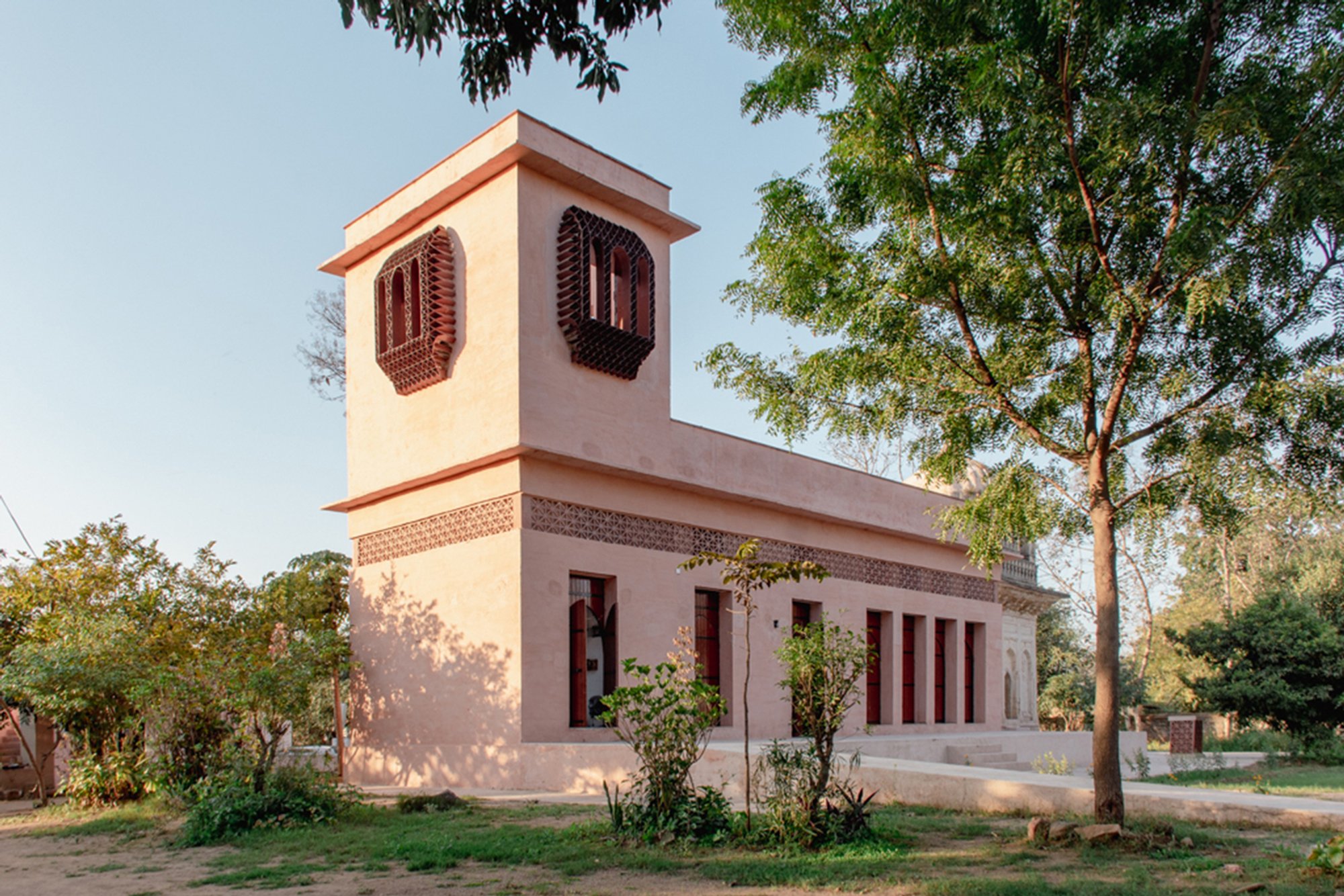
Visitors’ Center at the Royal Gardens of Rajnagar by Dharatal
A contemporary center blending Bundeli heritage with sustainable design, supporting organic farming, community training, and heritage conservation in Rajnagar.

A Contemporary Tribute to Bundeli Heritage through Architecture and Community Empowerment
Nestled in the heart of Rajnagar, Madhya Pradesh, the Visitors’ Center at Pateriya ka Bagh, designed by Dharatal, is a contemporary architectural intervention rooted in heritage conservation, sustainable design, and community development. Commissioned by the Belgian Chapter of the Indian Trust for Rural Heritage and Development (ITRHD), the project was initiated in 2016 and officially inaugurated in April 2022.
Set within the grounds of Pateriya ka Bagh, one of fifteen historic produce gardens created by the Chhatarpur royal family between the 18th and 19th centuries, this modest 142 m² center serves a multi-functional role—as an interpretation pavilion for the Royal Gardens of Rajnagar, a training facility for organic farming, a vocational center for local women and youth, and a repository for an organic seed bank.
Reviving the Spirit of Bundelkhand’s Lost Gardens
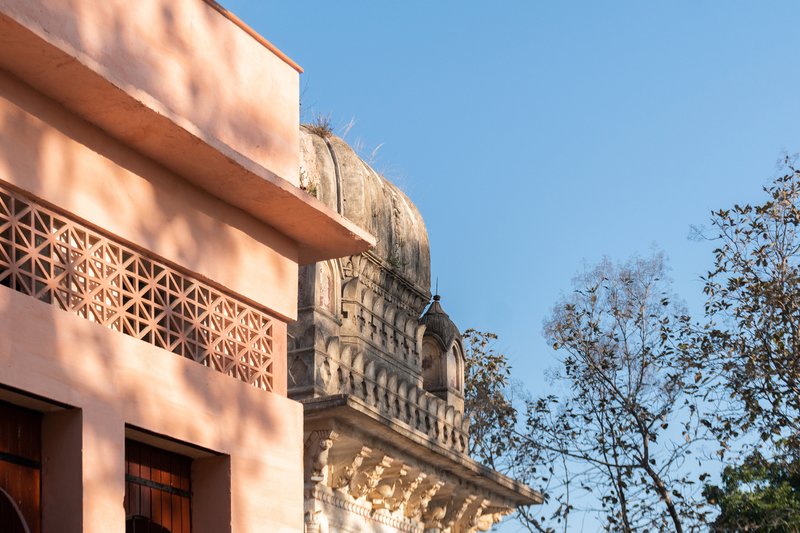
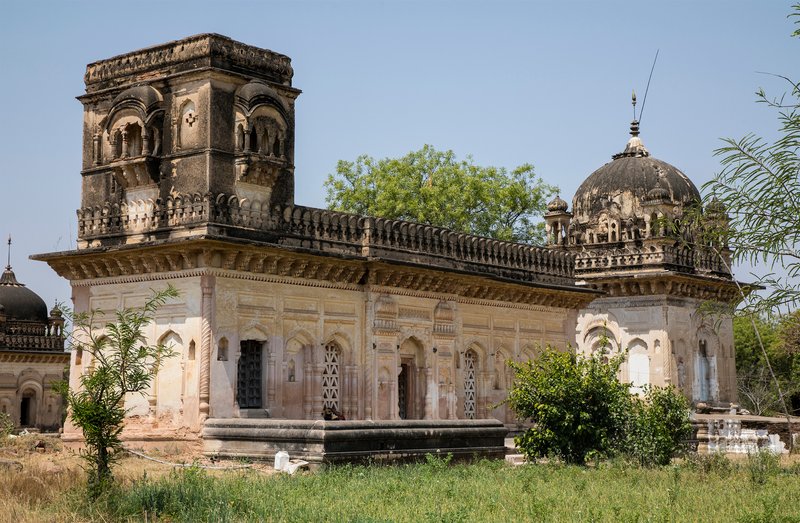
The Royal Gardens of Rajnagar, formerly known as the Lost Gardens of Khajuraho, are a series of walled landscapes that historically featured Shiva temples, outhouses (kothis), samadhi platforms, draw-wells, and stepwells, connected by a network of irrigation channels. With ITRHD funding the conservation of these historic gardens, the architectural brief for the Visitors’ Center was to respectfully reinterpret the traditional Bundeli typology without creating a pastiche.
Architectural Design: Contextual, Climate-Responsive, and Community-Oriented
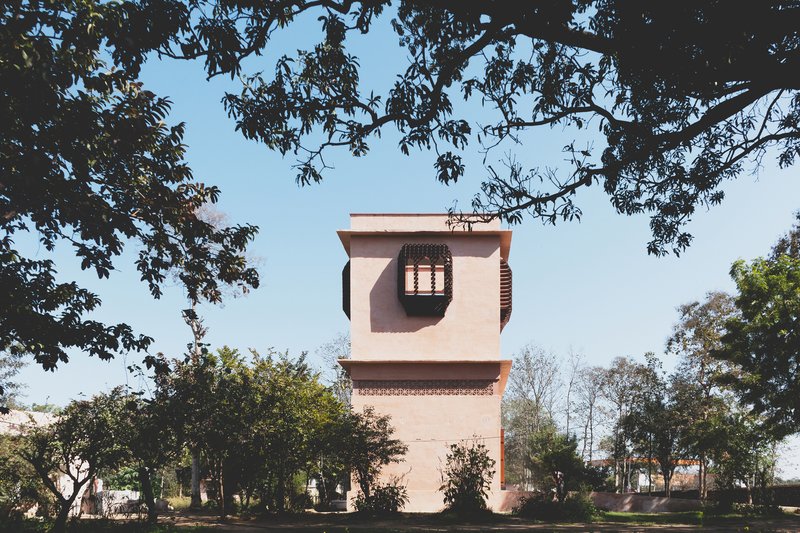
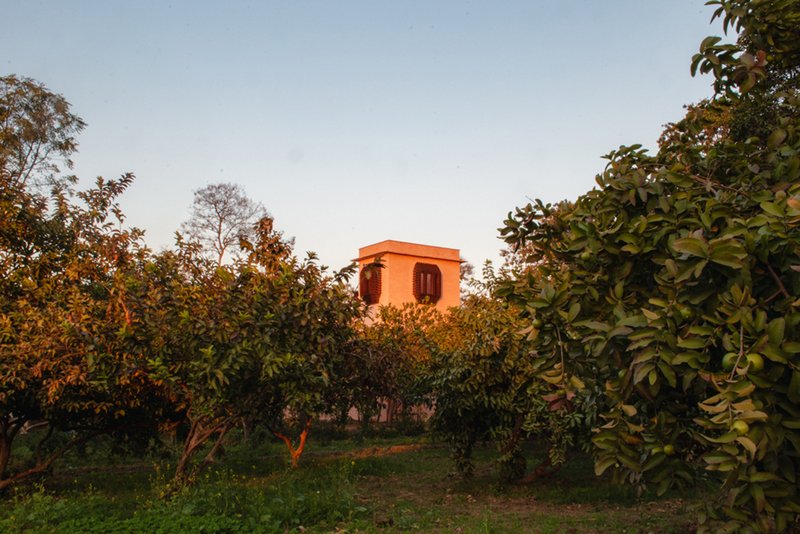
Built adjacent to an existing Shiva temple where a historic kothi once stood, the load-bearing structure of the new Visitors’ Center was constructed using locally sourced lime, brick, and stone. The design reimagines the original one-room kothi with an accessible stairwell tower that references the stepwells of Bundelkhand, while also passively cooling the roof by casting northern shadows.
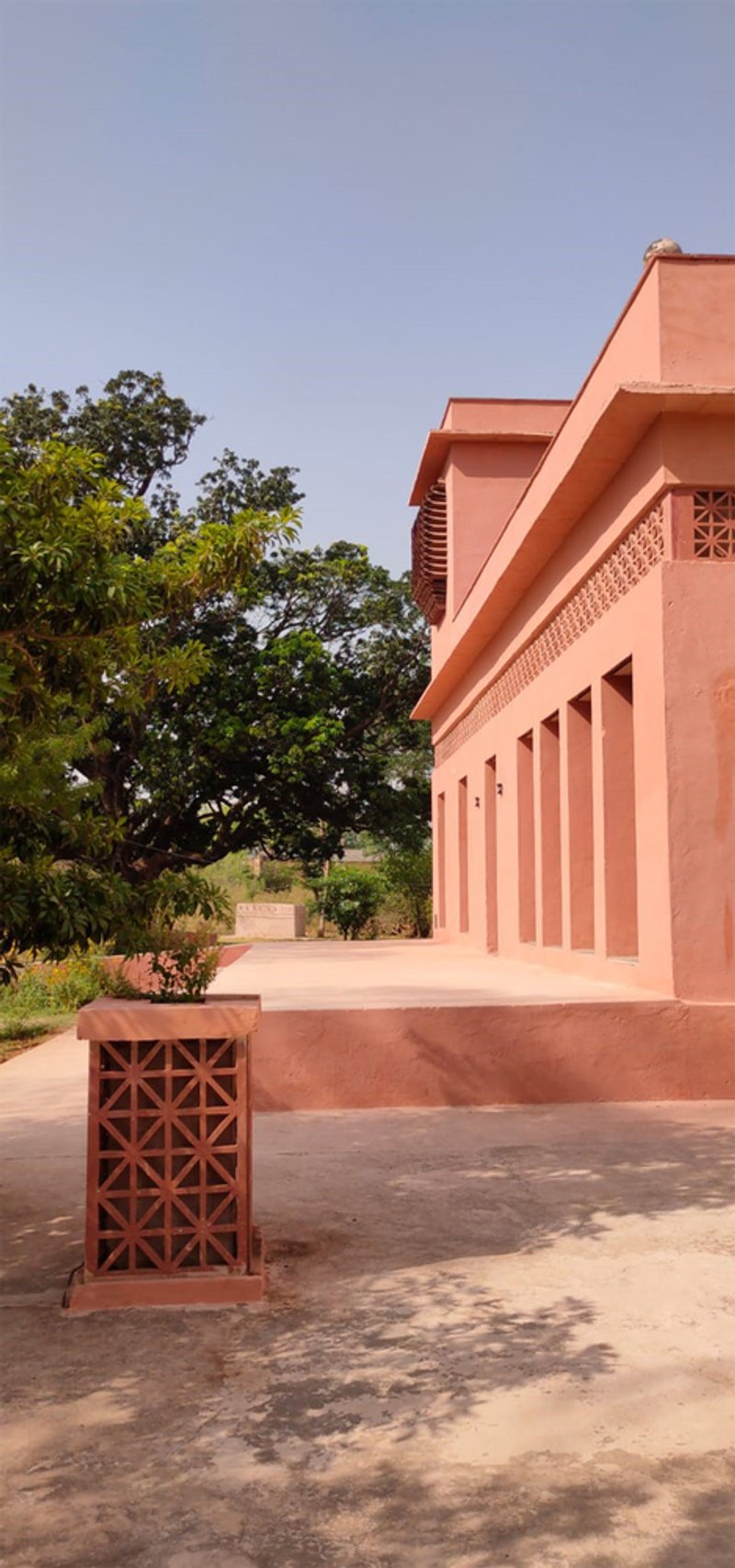
A verandah stretches across the front, functioning as a community platform for folk music concerts, festival feasts, and local gatherings, reinforcing the center’s social mission.
Traditional Details with a Modern Twist
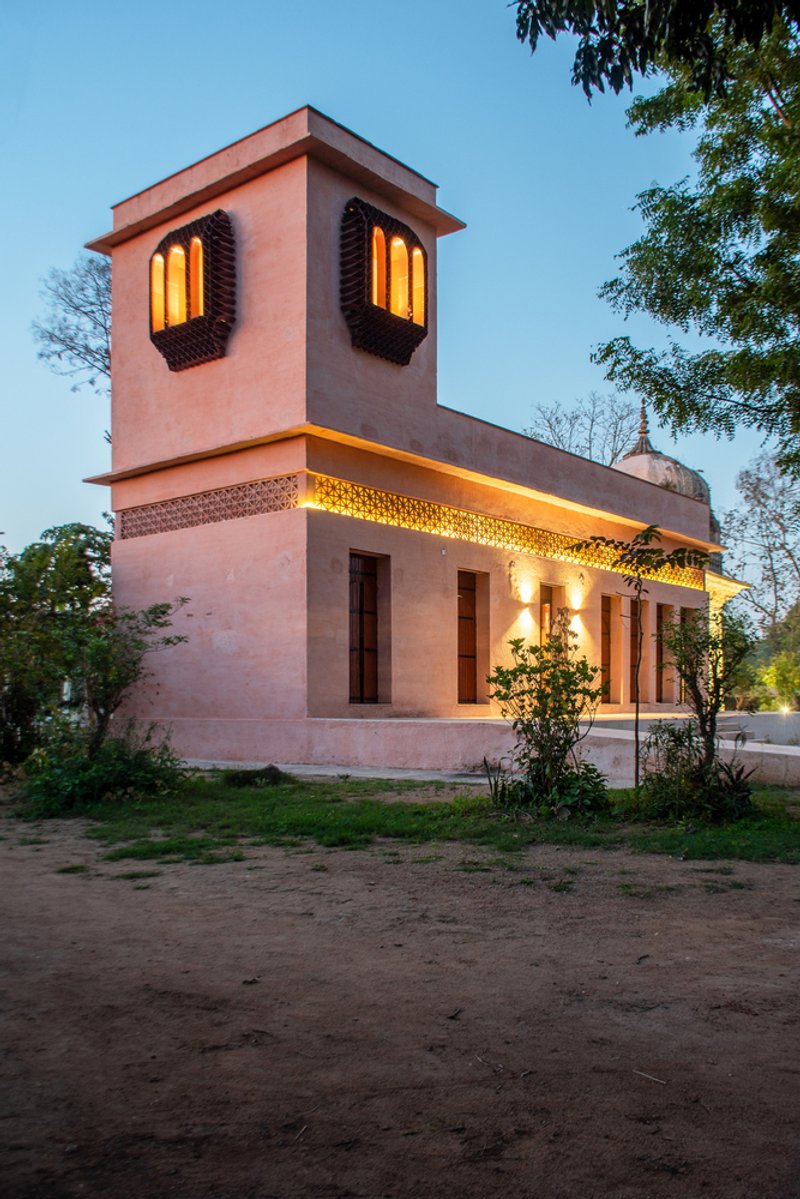
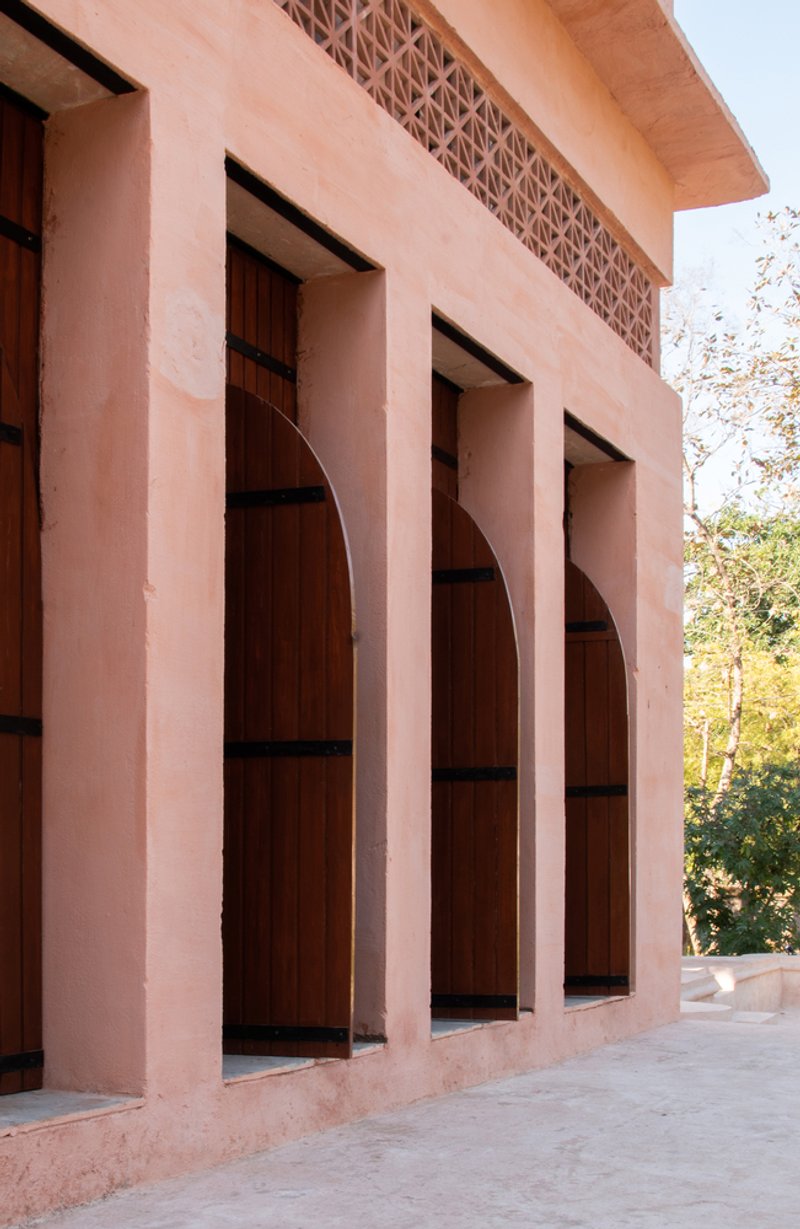
The interiors are naturally lit and cross-ventilated, thanks to a carefully calibrated architectural palette. Pivoted arched wooden doors, terracotta jaalis, and recessed fenestrations offer climate adaptability while evoking historical motifs. The rear elevation remains solid, mimicking the original kothi’s design and protecting the space from the harsh western sun—an intentional decision that also allows for an exhibition wall within the interior.
Three standout features are the aluminum-crafted jharokhas—a contemporary reinterpretation of Bangaldar-style balconies—custom-made on site, bridging traditional symbolism with lightweight modern construction. The roofing system uses locally available gneiss stone, lending durability while reducing thermal gain.
Additionally, universal access has been integrated with the inclusion of ramps leading to both the main pavilion and the rear toilet block, ensuring inclusive design for all users.
Reclaiming Heritage for the Future
This Visitors’ Center is more than just an architectural addition—it's a catalyst for rural revival. It represents how heritage architecture, when sensitively reinterpreted, can support education, sustainability, women’s empowerment, and rural livelihoods.
By fusing local materials, traditional building knowledge, and contemporary architectural language, Dharatal’s design sets a precedent for low-carbon, context-driven development that honors its past while empowering its future.
All photographs are works of Rahul Palagani - Studio Nara, Dharatal, DFG




Popular Articles
Popular articles from the community

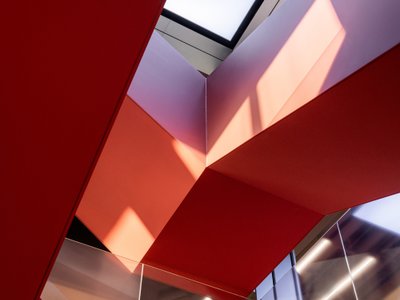
Ippolito Fleitz Group Identity Architects Turn Eight Floors in Shanghai into a Vertical Creative City
Publicis Groupe's new headquarters in Xintiandi reimagines the office as a courtyard-driven urban landscape stacked across eight floors.
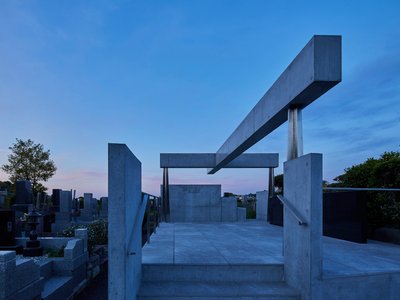
Takeshi Hosaka Architects Suspends a Concrete Cross Above a Yokohama Cemetery
A 28-square-meter burial renovation in Yokohama lifts the symbol of resurrection into the sky so mourners see it against heaven.

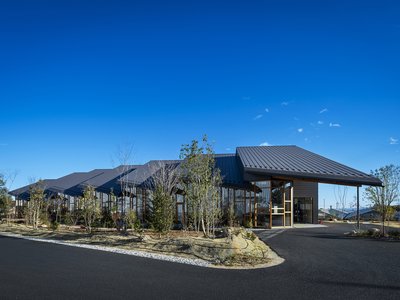
20 Most Popular Office Building Projects of 2025
From biophilic workspaces in India to net-positive energy offices in New Delhi, 20 office building projects that defined architecture in 2025.
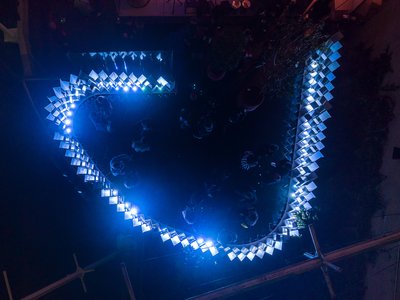
Rojkind Arquitectos and Think Parametric Build a Glueless Pavilion from 67 Interlocking Panels
A serpentine fiber-cement installation in Chapultepec Park celebrates a decade of architectural media in Mexico City.


Similar Reads
You might also enjoy these articles
Olio Towers: A Mid-Rise for Performers That Fuses Housing, Rehearsal, and Stage
Located blocks from Houston's Theater District, this modular tower stacks living units around a central performance atrium.
Oasis: Modular Green Housing Carved into Dhaka's Urban Fabric
A shortlisted Plugin Housing entry reclaims unauthorized settlements in Dhaka with stepped concrete volumes, green roofs, and ventilation-driven design.

Black Hole: A Floating Megastructure for the Post-Physical Era
Emiliano Mazzarotto envisions a spherical, self-scaling arena where e-sports, digital hotels, and holographic stadiums replace traditional public space.
Compact & Sustainable Living in Piraeus: A Four-Level Family Home Built Around Light and Air
A narrow townhouse in one of Greece's densest port cities uses a central atrium and passive strategies to house three generations under one roof.

Explore Architecture Competitions
Discover active competitions in this discipline




The International Standard for Design Portfolios


The Global Benchmark for Architecture Dissertation Awards


The Global Benchmark for Graduation Excellence


Challenge to reimagine the Iron Throne
Comments (0)
Please login or sign up to add comments
No comments yet. Be the first to comment!