
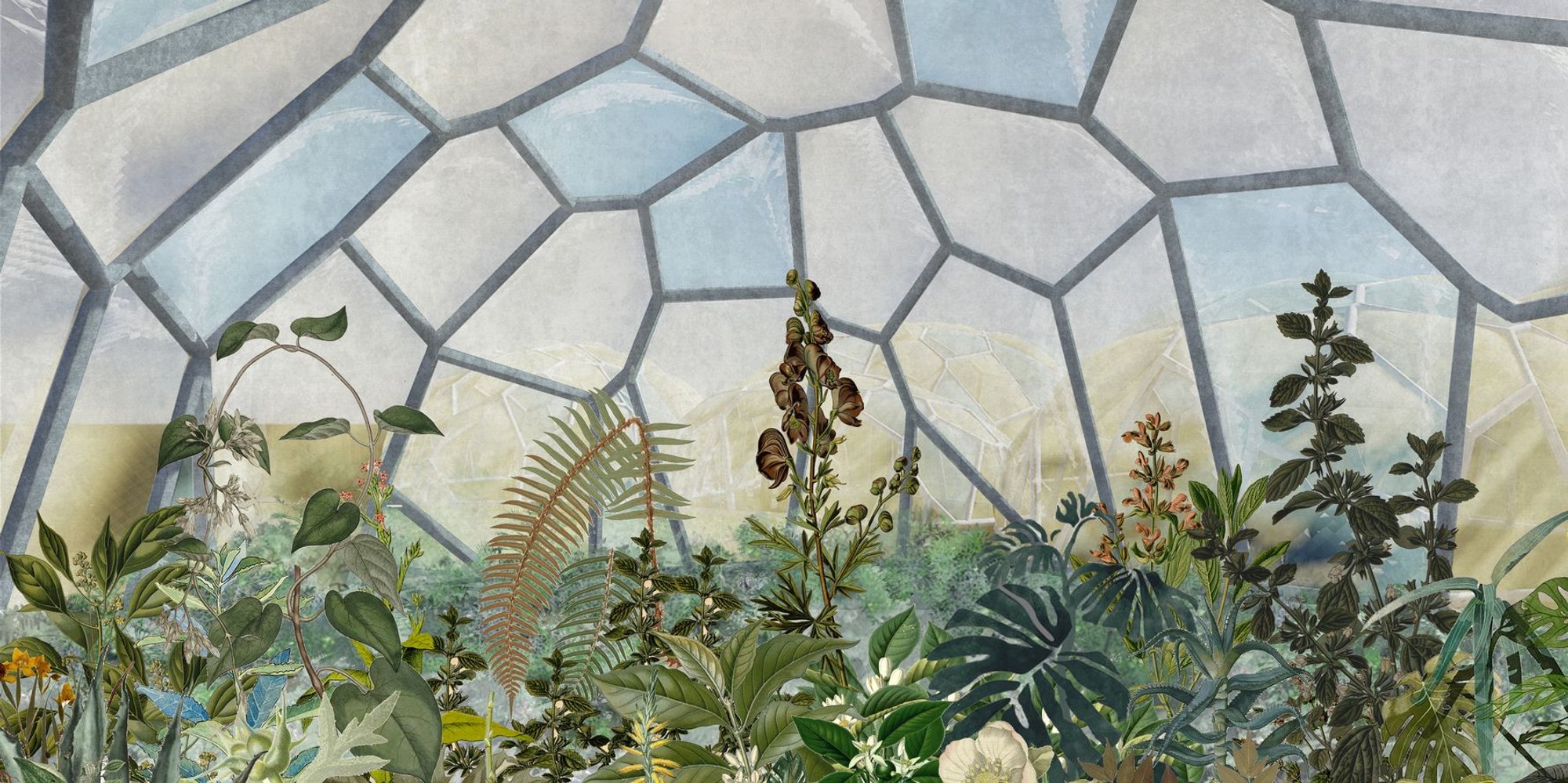
WARM FOR ELDERS: Bridging Generations Through Biophilic Design
Greenhouse-inspired biophilic architecture connecting generations through shared spaces, nature, and seasonal adaptability.

A Biophilic Architecture Strategy to Foster Intergenerational Wellbeing
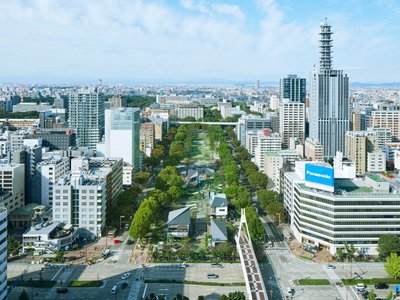
This project "WARM FOR ELDERS" envisions a vibrant, inclusive public space in Munich that integrates biophilic architecture to enhance the lives of older adults. Designed to respond to both seasonal challenges and social needs, the space combines greenhouses, a cafe, and a bookstore to create year-round opportunities for engagement, wellness, and connection.
Although the park is tailored to support the elderly, the intention is broader: to design a space that welcomes all generations. By crafting an environment where nature, architecture, and human interaction intersect, this project fosters opportunities for communication between older and younger people alike.
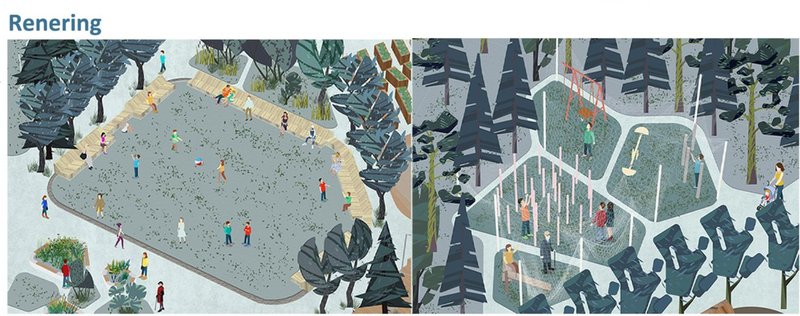
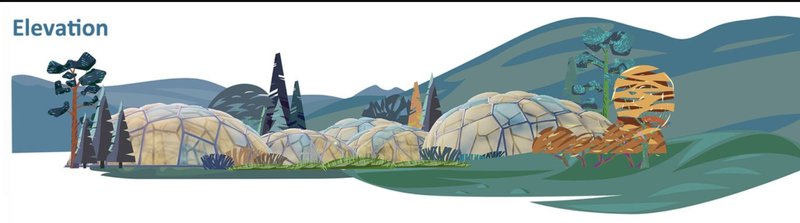
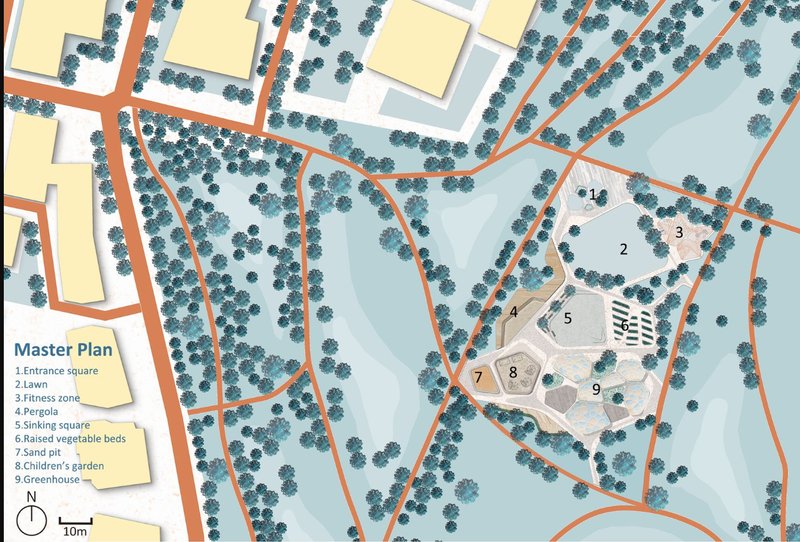
Located near the English Garden and the iconic landmarks of Munich, the site is well-positioned to be a community hub. The layout encourages daily activities such as walking, socializing, reading, gardening, and exercising — all supported by thoughtfully designed biophilic structures that offer shelter and comfort through the colder months.
Key elements include:
- Greenhouse Domes for warm, light-filled communal areas
- Children’s Garden to encourage family visits and interaction
- Fitness and Pergola Zones that support active lifestyles
- Cultural Nooks like a bookstore and cafe to stimulate the mind
The master plan integrates these components into a natural setting, encouraging ecological awareness and reinforcing the human-nature connection that defines biophilic architecture.
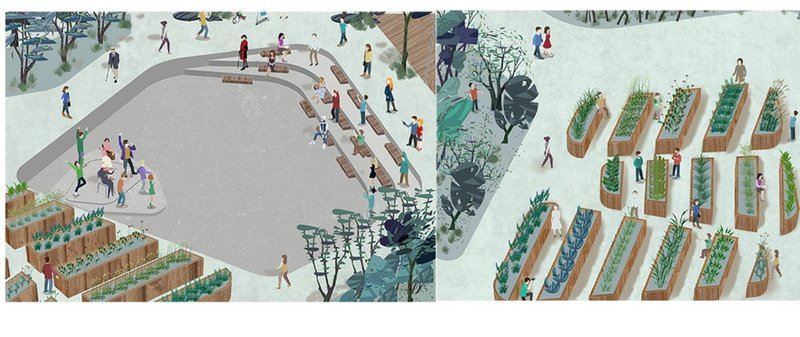
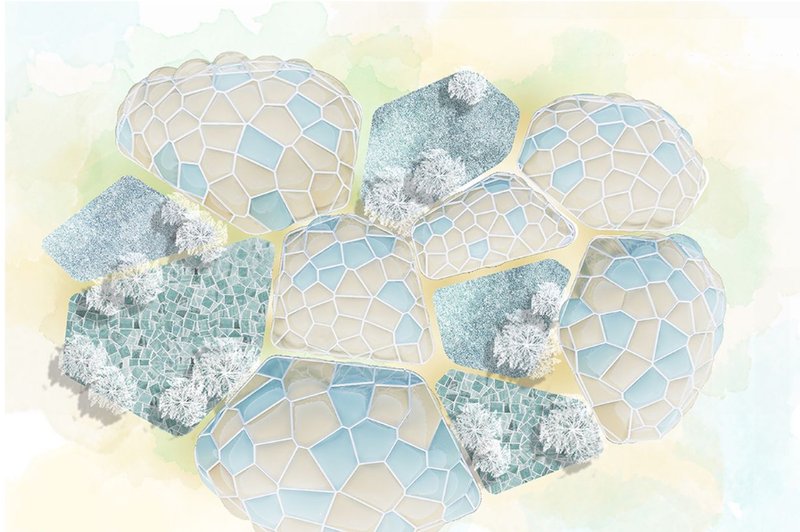
This innovative approach not only addresses climatic needs through sustainable design but also aims to redefine how public space can support aging with dignity, while strengthening intergenerational bonds.
Project by: 墨 陈 & Ying Lu Shortlisted Entry in: Huddle Competition



Popular Articles
Popular articles from the community

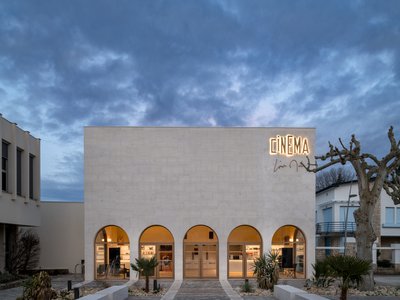
Louis Malle Cinema: A Limestone Cultural Landmark Revitalizing Community Life in Prayssac
Limestone cinema extension with public forecourt, blending heritage and modern design to create flexible cultural spaces and strengthen community interaction.
On the Brooks House by Monsoon Collective – A Contemporary Kerala Home Rooted in Tradition
Kerala home blending tradition and modernity with water-inspired design, brick architecture, courtyard planning, and sustainable rainwater harvesting strategies.
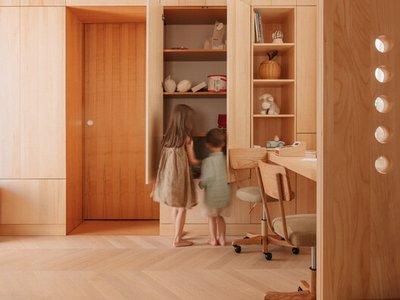
Treehouse Apartment: A Warm Timber Interior Blending Craft, Play, and Contemporary Living
Warm timber apartment with integrated treehouse, combining natural materials, craftsmanship, and playful design to create a flexible, family-oriented living environment.
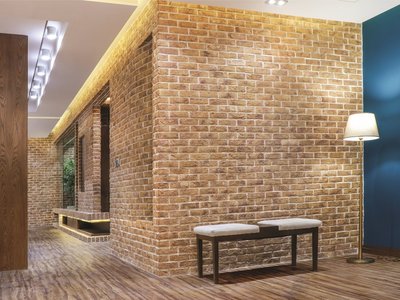
A Contemporary Take on Iranian Residential Architecture
A modern interior design in Mashhad that reinterprets brick, light, and spatial flow to create a warm, contemporary residential architecture.


Similar Reads
You might also enjoy these articles


The Ken Roberts Memorial Delineation Competition (Krob)
As the most senior architectural drawing competition currently in operation anywhere in the world, it draws hundreds of entries each year, awarding the very best submissions in a series of medium-based categories.


Waterfront Redevelopment and Urban Revitalization in Mumbai: Forging a New Dawn for Darukhana
A transformative waterfront redevelopment project reimagining Darukhana’s shipbreaking heritage into an inclusive urban future.

OUT-OF-MAP: A Call for Postcards on Feminist Narratives of Public Space
Rhizoma Design and Research Lab invites artists, designers, architects, researchers, and students to reflect on how feminist perspectives can reshape public space. Selected works will be exhibited in Barcelona, October 2026. Submissions open until 15 April 2026.


Documentation Work on Buddhist Wooden Temple
Architectural syncretism and cultural hybridity: A comparative study of the Buddhist temples in Chattogram Hill tracks





Comments (0)
Please login or sign up to add comments
No comments yet. Be the first to comment!