
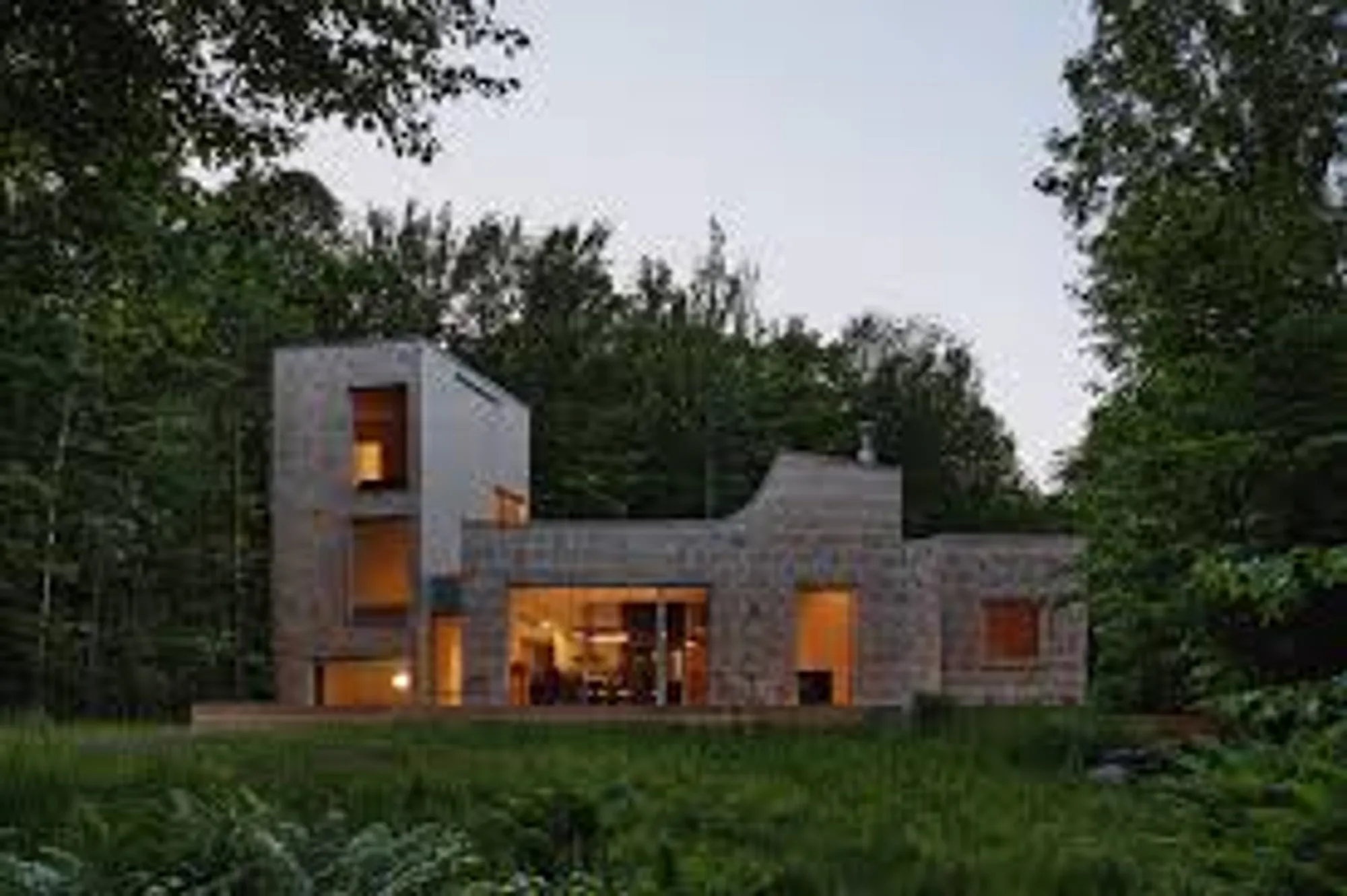
Waterhouse Residence by o y a m a + Julia Manaças Architecte — A Serene Dialogue Between Architecture and Nature
Waterhouse Residence blends nature and architecture through cedar-clad volumes, natural light, and fluid spaces designed for harmony and tranquility.


Nestled in the lush landscape of Sutton, Quebec, the Waterhouse Residence by o y a m a + Julia Manaças Architecte is an architectural ode to nature — an exploration of balance between built form and the surrounding wilderness. The house is immersed in the scenic beauty of the Green Mountains, tranquil ponds, wildflowers, and boulders that define its picturesque site.
A Home Rooted in Context
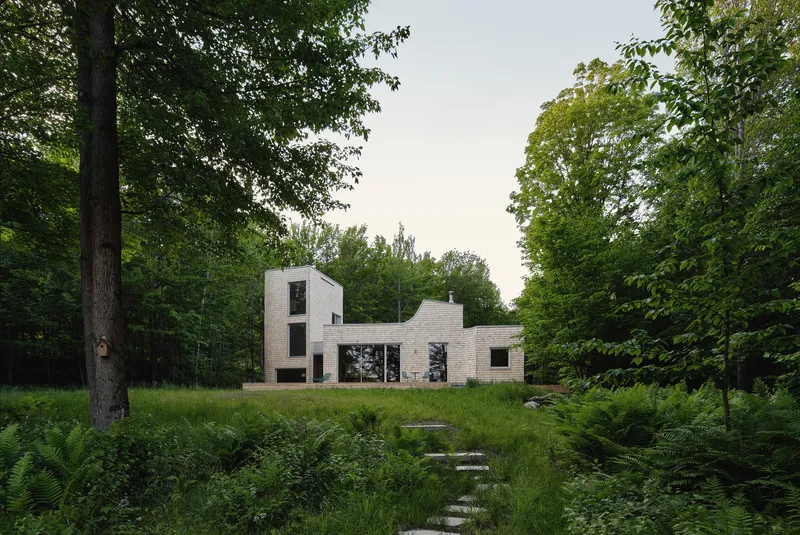
From the first encounter with the site, the architects were captivated by its natural richness — the gentle slopes, native vegetation, and ever-changing light. This sensory experience shaped the guiding principle of the project: to design a home that embraces the land rather than dominates it.
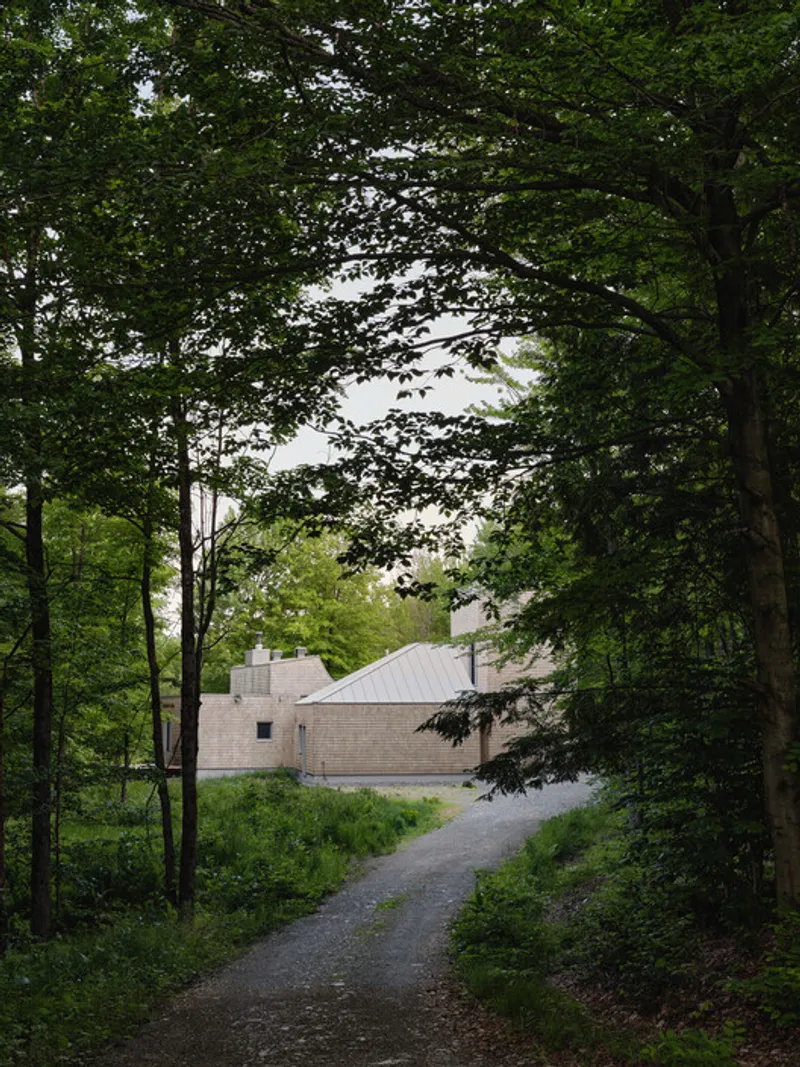
Set within a natural clearing, Waterhouse Residence redefines the traditional single-family home through a series of distinct yet connected volumes. Each form is oriented to frame views, capture sunlight, and establish intimate connections with the landscape.
Three Volumes, One Harmony
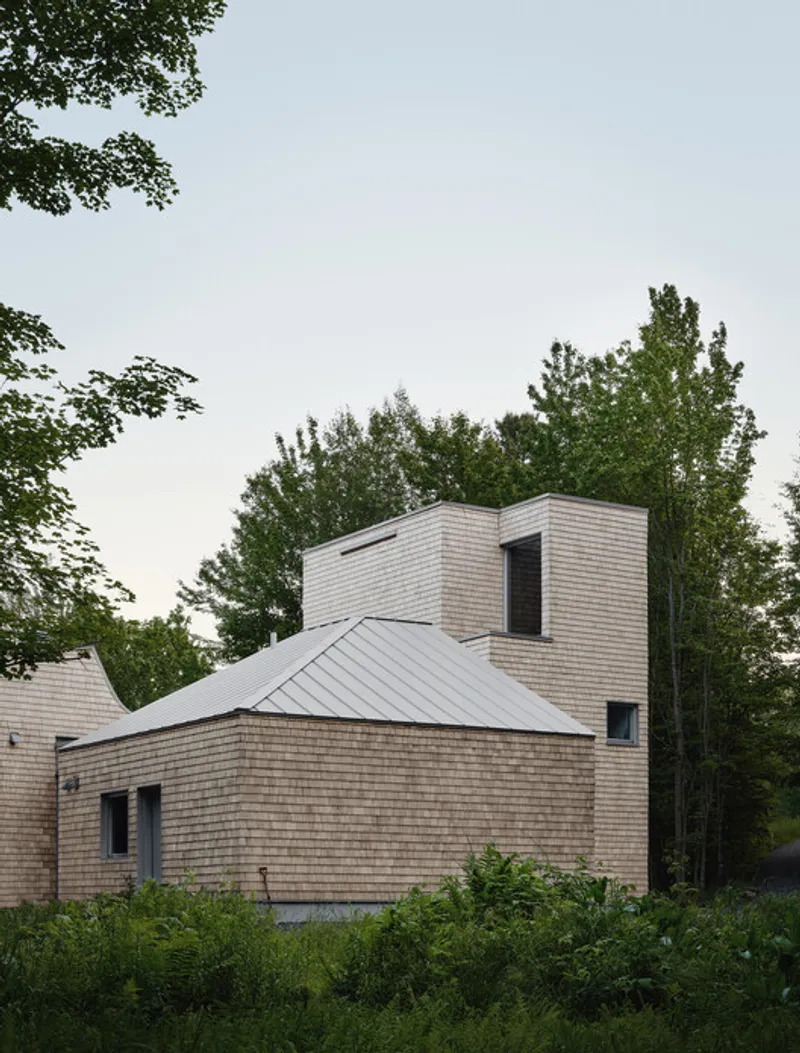
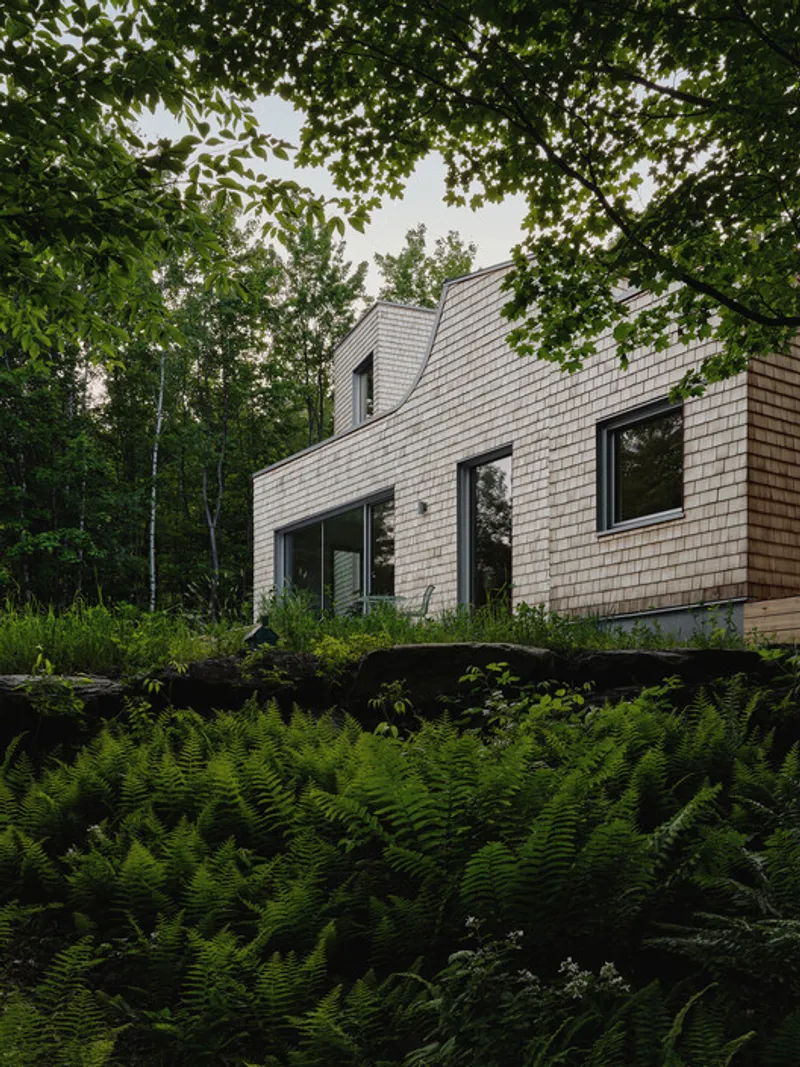
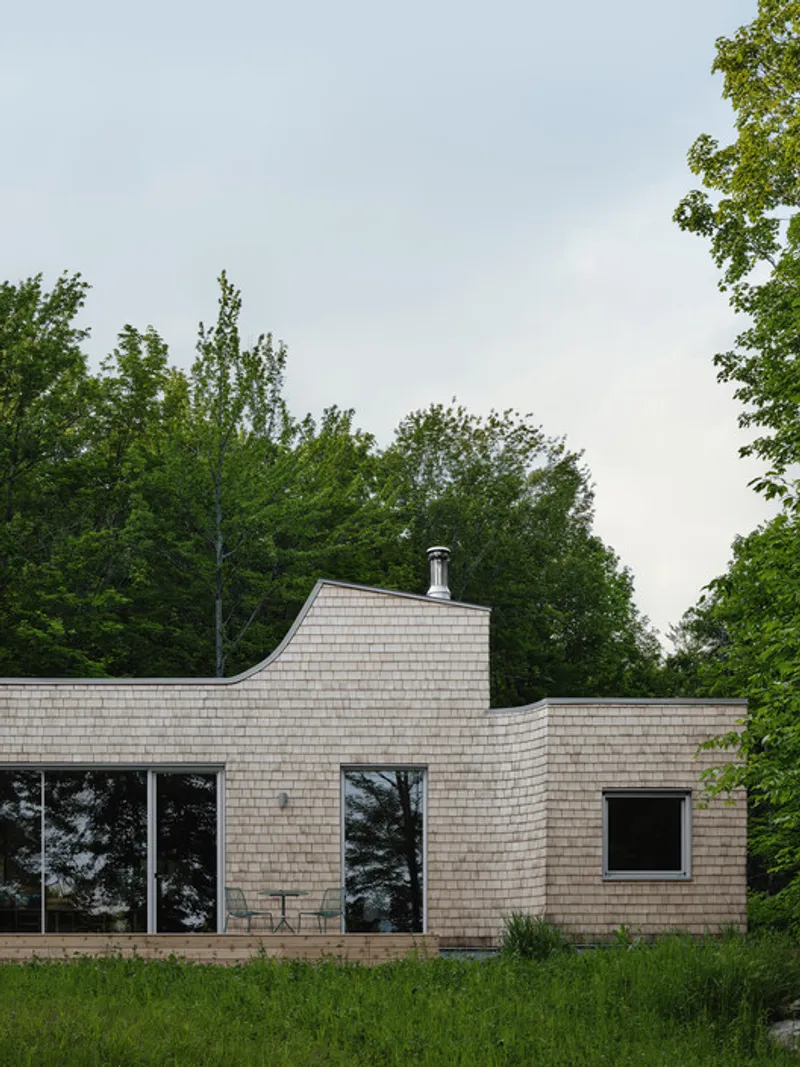
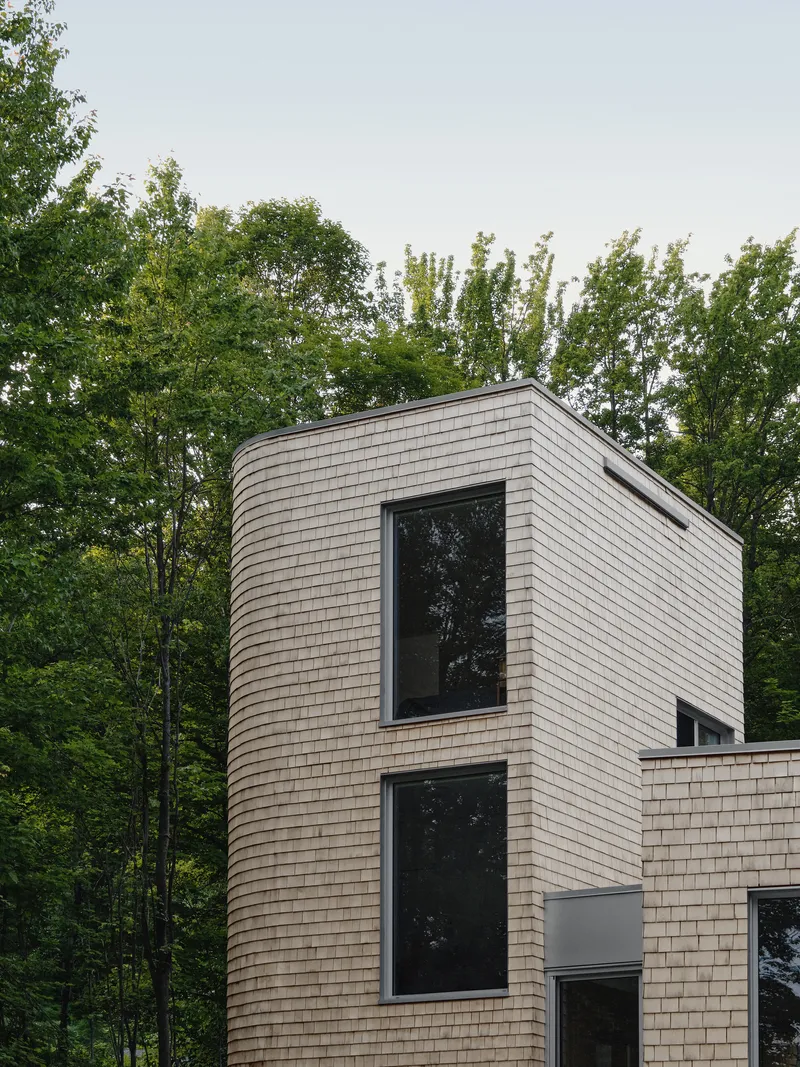
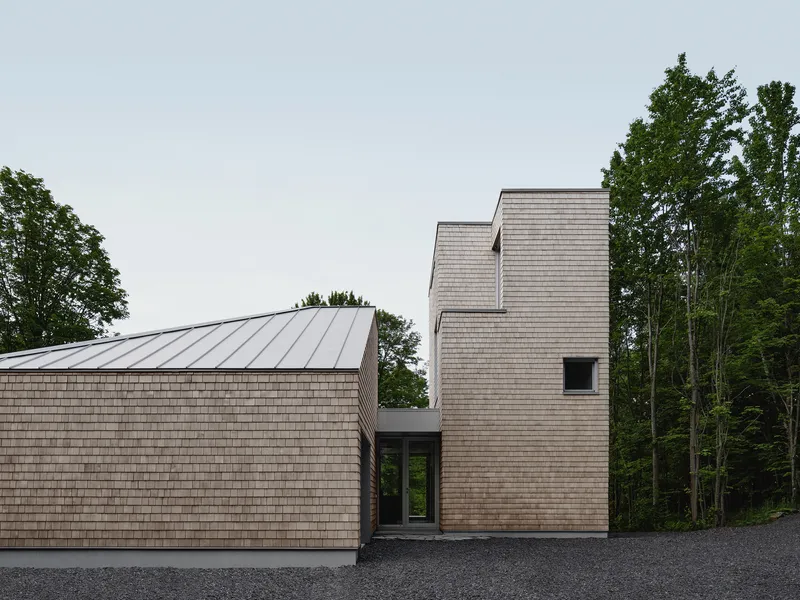
The residence is composed of three main structures — the Tower, the Atelier, and the Great Room. Together, they form a small architectural “village” unified by a single cladding material: cedar shingles, chosen for their timeless aesthetic and ability to age gracefully within the natural environment.
- The Tower rises three stories, housing guest suites and private offices. Each floor reveals new perspectives, transitioning from ground-level intimacy to elevated panoramic views.
- The Atelier serves as both a workshop and sheltered garage, characterized by its sculptural pyramid-like interior.
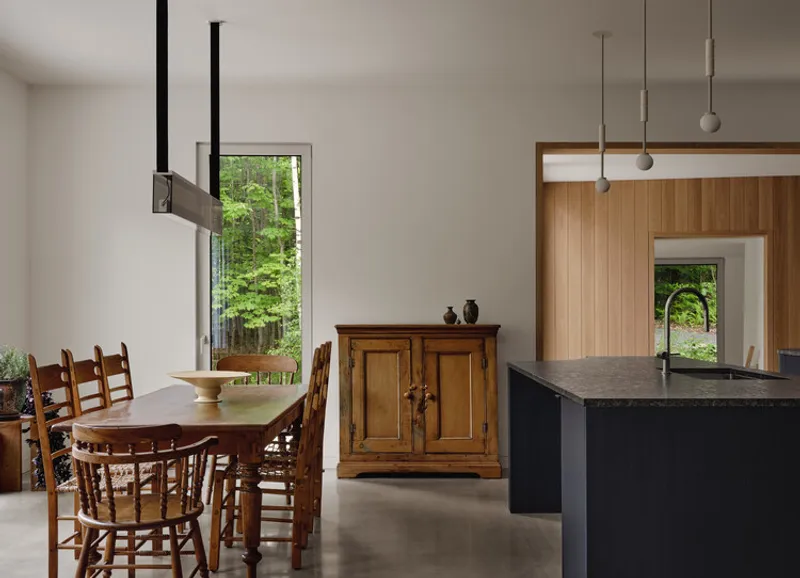
- The Great Room, the heart of the home, orients fully south to maximize sunlight and connect visually with the pond and gardens. This space hosts the living, dining, and kitchen areas — designed for both solitude and social gatherings.
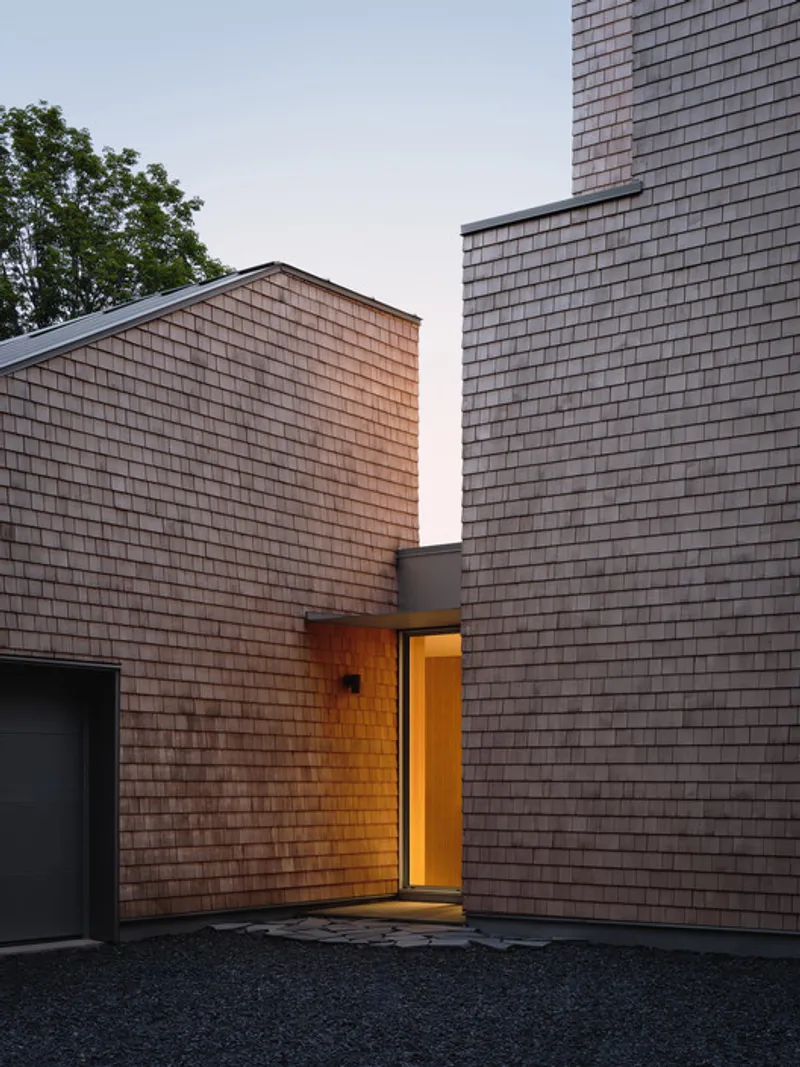
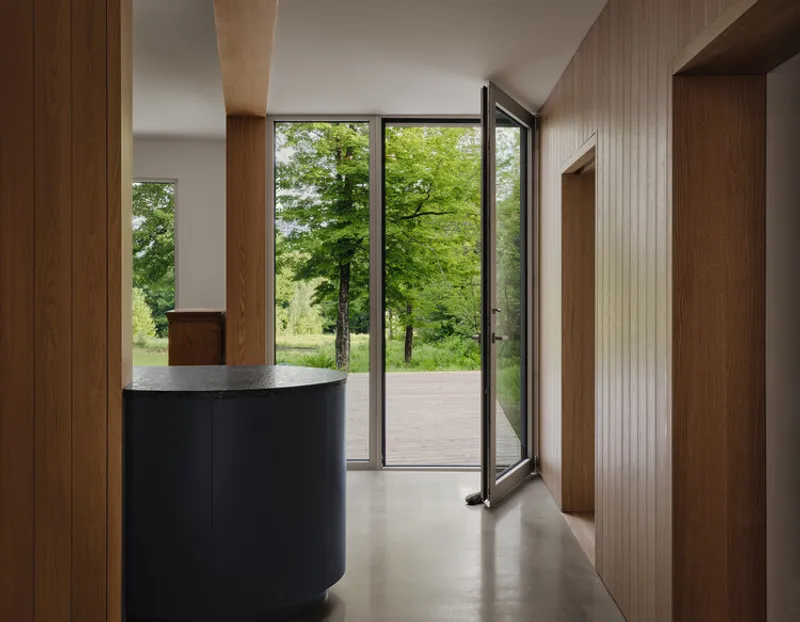
Between these structures lies an internal courtyard, clad in warm oak panelling that extends the tactile comfort of the interiors outdoors. The courtyard acts as both threshold and sanctuary — an intermediary space that blends light, shadow, and reflection.
Crafting Atmosphere Through Material and Light
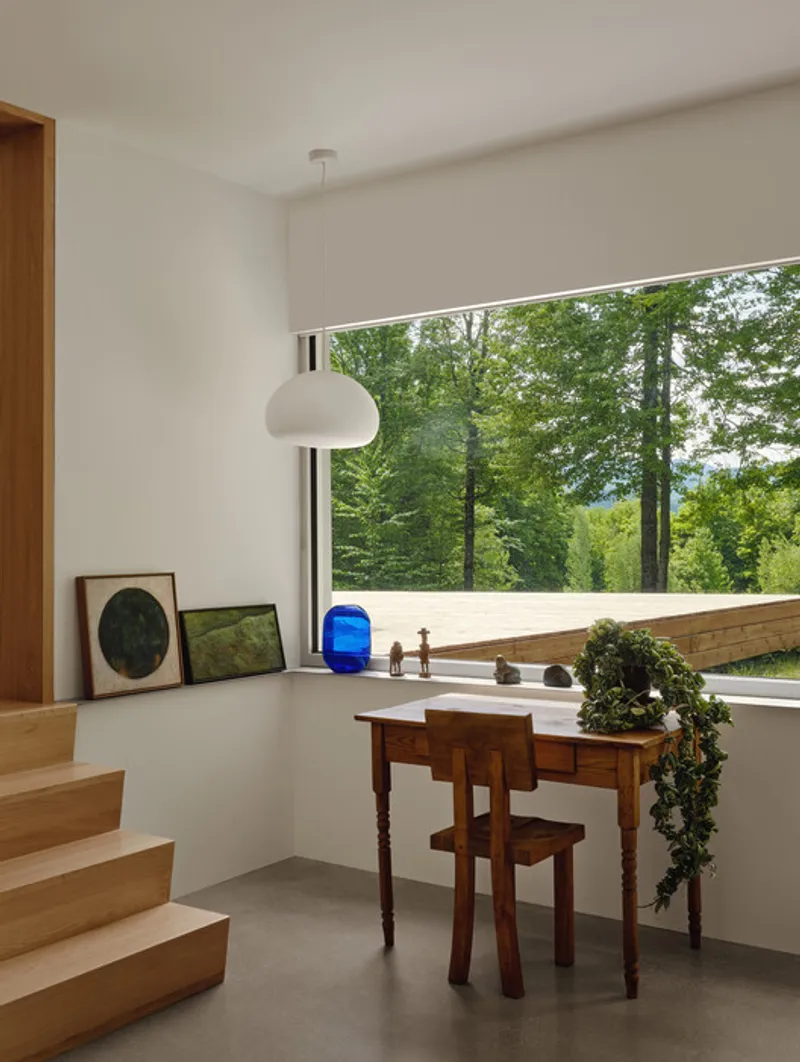
The architects employed a restrained palette of natural materials — cedar, oak, and brick — to enhance the home's tactile and sensory experience. Large glass openings blur the line between inside and out, creating a rhythmic interplay of light throughout the day.
A thick central wall conceals functional systems like the fireplace, storage, and ventilation, while also grounding the open-plan living areas. The green roof softens the building’s silhouette and enhances its environmental performance, allowing the home to merge seamlessly into its forested surroundings.
A Journey Through Space
Circulation in Waterhouse Residence unfolds organically. Pathways between rooms and volumes are guided by light rather than rigid corridors, creating an experience that feels intuitive and meditative. The transitions between openness and enclosure evoke a sense of discovery — every corner offering a new connection to the outdoors.
From the outside, the home appears as a sculptural ensemble — geometric yet natural, monumental yet humble. From within, it feels fluid and alive, always in dialogue with the elements — water, wind, and sunlight.
A Living Sculpture in the Landscape
More than a house, Waterhouse Residence is an architectural meditation on coexistence — a poetic synthesis of human presence and the raw, untamed beauty of nature. It invites its occupants to slow down, observe, and immerse themselves in the landscape’s rhythm.
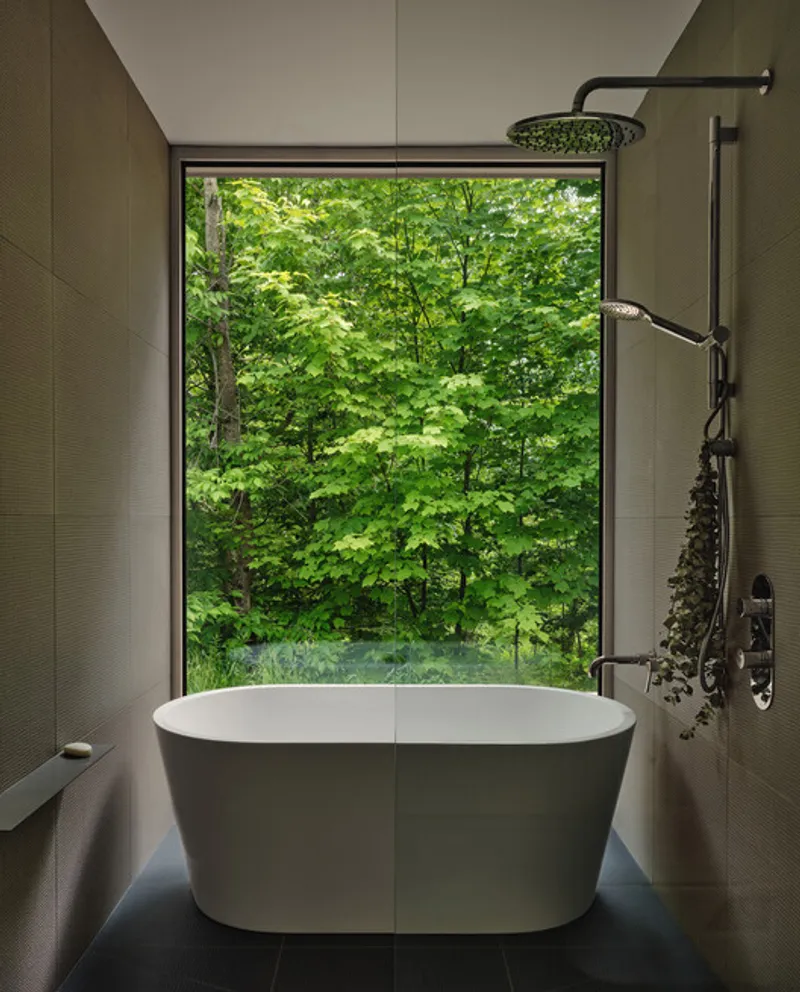
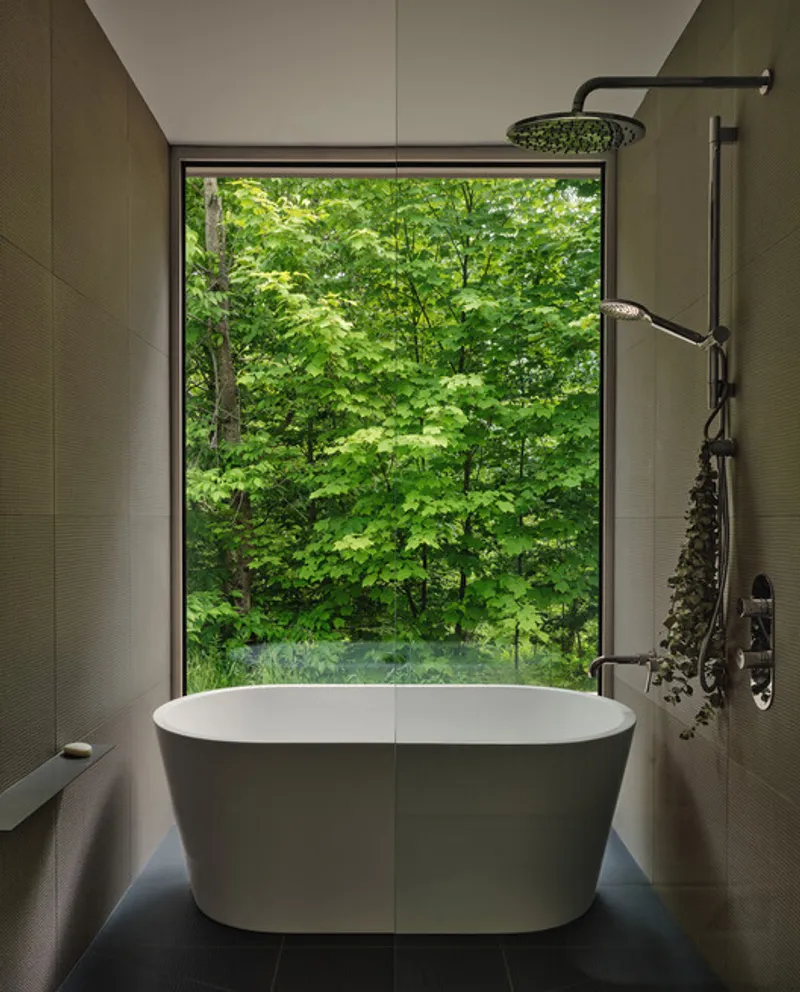
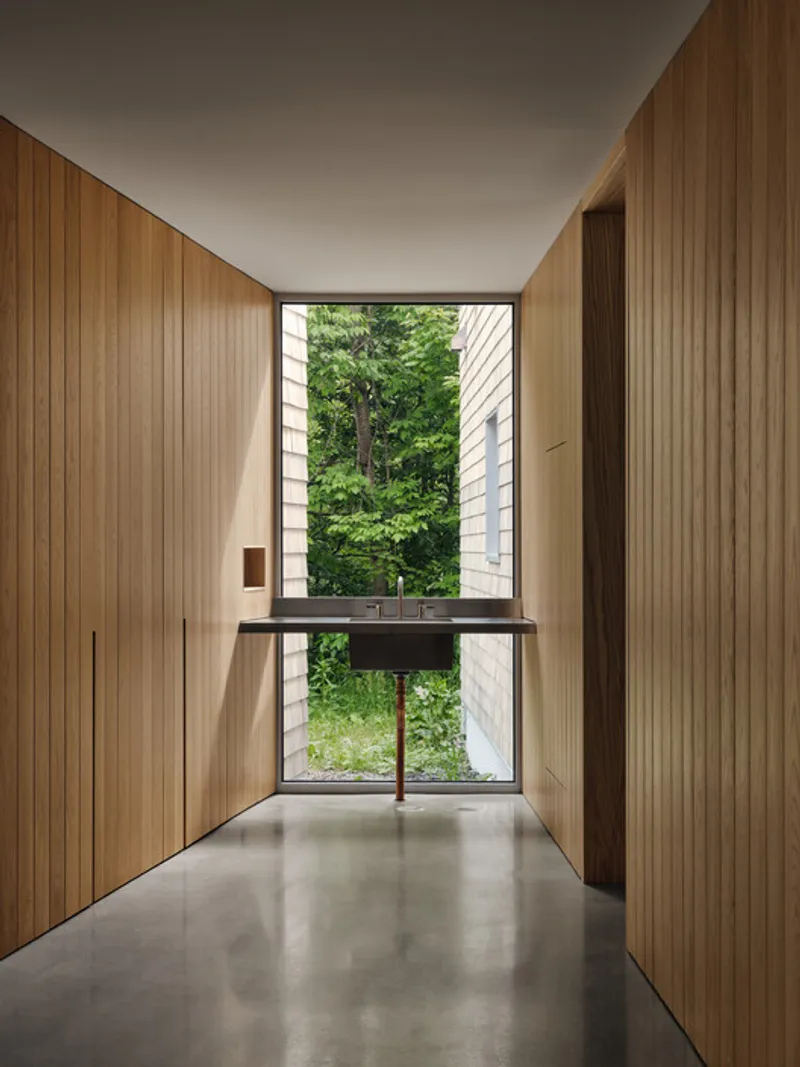
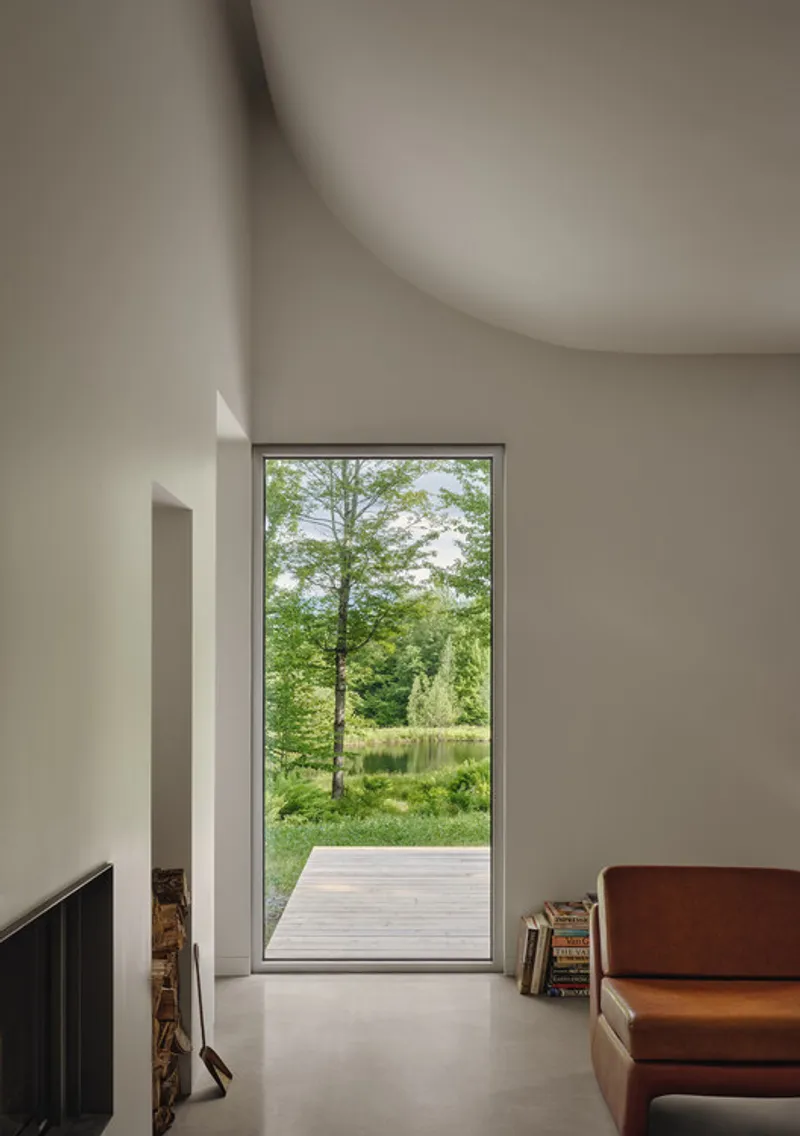
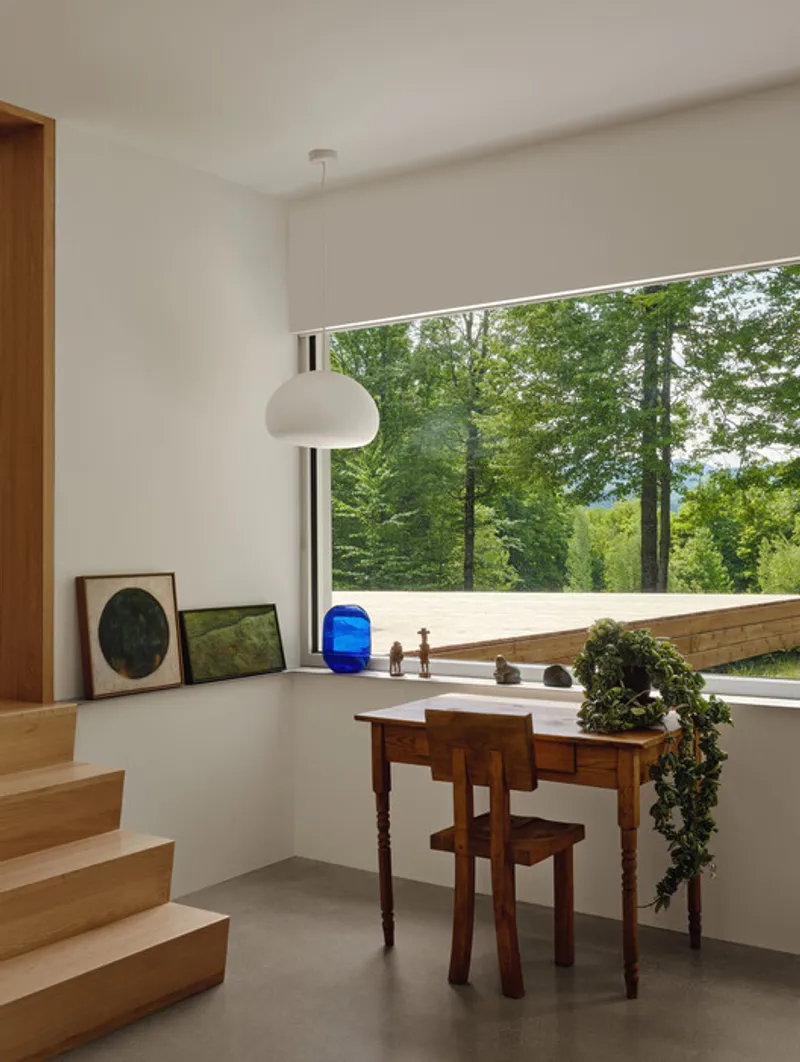
All the photographs are works of Alex Lesage




Popular Articles
Popular articles from the community


Play: Fragments of Their World
Familiar architecture becomes modular playground design, creating safe spaces where displaced children can learn, connect, imagine and play.

Hill & Cross Opera: Sculptural Opera House Architecture Shaped by Tallinn’s Landscape and Identity
Hill & Cross Opera reimagines opera house architecture in Tallinn through its sculptural hill, civic plaza, glass wave and a luminous cross.

Co-life: Sustainable Architecture for Age-Friendly Community Living
Co-life reimagines sustainable architecture for seniors through courtyards, rammed earth, shared gardens, and spaces designed for belonging.

The Ocean Hive: Sustainable Architecture for a Self-Sufficient Civilization at Sea
The Ocean Hive imagines sustainable architecture at sea, where modular habitats, algae, wave power and ocean waste sustain a growing colony.


Similar Reads
You might also enjoy these articles


Hodi-Mandai Geram
Project Function: Preservation and revitalization of the Intangible heritage and socio-spatial identity of the Hodi by Housing, Cultural Memory Center, Sacred Grove, landscape, local tourism economy


Olio Towers: A Mid-Rise for Performers That Fuses Housing, Rehearsal, and Stage
Located blocks from Houston's Theater District, this modular tower stacks living units around a central performance atrium.

Oasis: Modular Green Housing Carved into Dhaka's Urban Fabric
A shortlisted Plugin Housing entry reclaims unauthorized settlements in Dhaka with stepped concrete volumes, green roofs, and ventilation-driven design.

Black Hole: A Floating Megastructure for the Post-Physical Era
Emiliano Mazzarotto envisions a spherical, self-scaling arena where e-sports, digital hotels, and holographic stadiums replace traditional public space.

Explore Architecture for Water Competitions
Discover active competitions in this discipline


Challenge to design mud housing for contemporary communities


Challenge to reimagine the Iron Throne


Photograph architecture without architects


Illustrate the lost glory of Angkor Wat - Render Challenge
Comments (0)
Please login or sign up to add comments
No comments yet. Be the first to comment!