
We Should Be So Lucky House Renovation by Multiplicity: Melbourne’s Iconic Urban Home Transformed
We Should Be So Lucky House in Melbourne, renovated by Multiplicity, transforms a compact 60 m² home with functional, modern, and sustainable design.

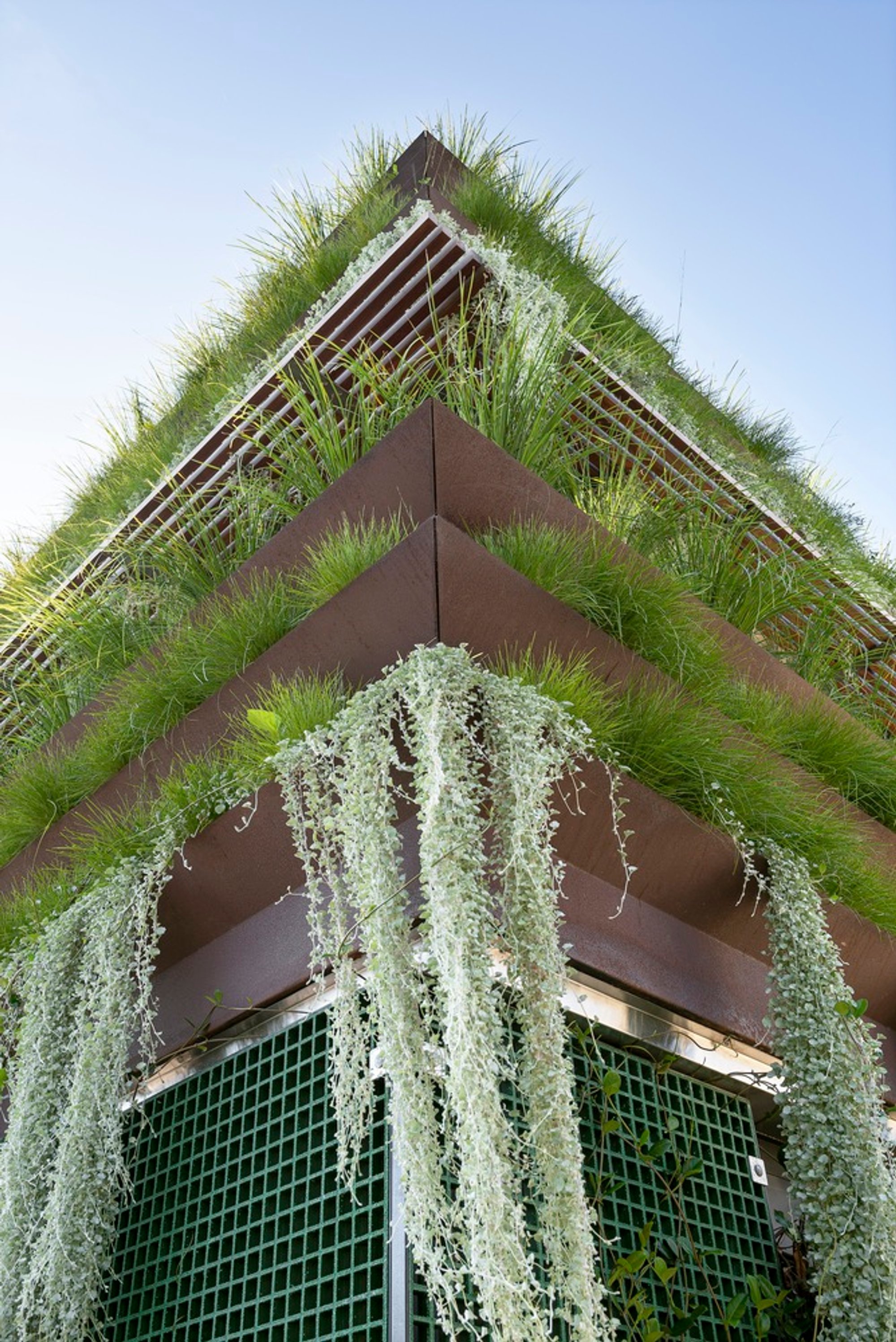
Melbourne’s We Should Be So Lucky House, originally designed by architect David Luck, stands as a celebrated landmark in its urban streetscape. Despite being less than a decade old, the home required extensive exterior remediation and interior adaptation to resolve builder faults and meet the evolving needs of its residents. Multiplicity’s renovation philosophy emphasizes repurposing and respectful intervention, preserving what works while decisively upgrading what is required to enhance longevity and usability.
Respecting the Original Vision
Multiplicity approached this project with deep respect for David Luck’s original concept, which creatively integrated greenery into the streetscape. While the architect’s work predated the renovation, the team maintained close communication with Luck, ensuring that all interventions enhanced rather than replaced the original design. With suggestions even to rebuild from scratch, the renovation instead focused on amplifying the house’s existing strengths, layering functional and aesthetic improvements while honoring the initial vision.
Exterior Renovation and Sustainable Solutions
Externally, the house required a series of targeted interventions. Galvanic corrosion between different metals was addressed to ensure durability, while water pumps and irrigation systems supporting the façade’s garden beds were optimized. FRP security screens were installed to provide privacy and physical protection without compromising visual appeal. The result is a resilient, low-maintenance exterior that seamlessly integrates with Melbourne’s urban greenery.
Interior Optimization for Small Footprints
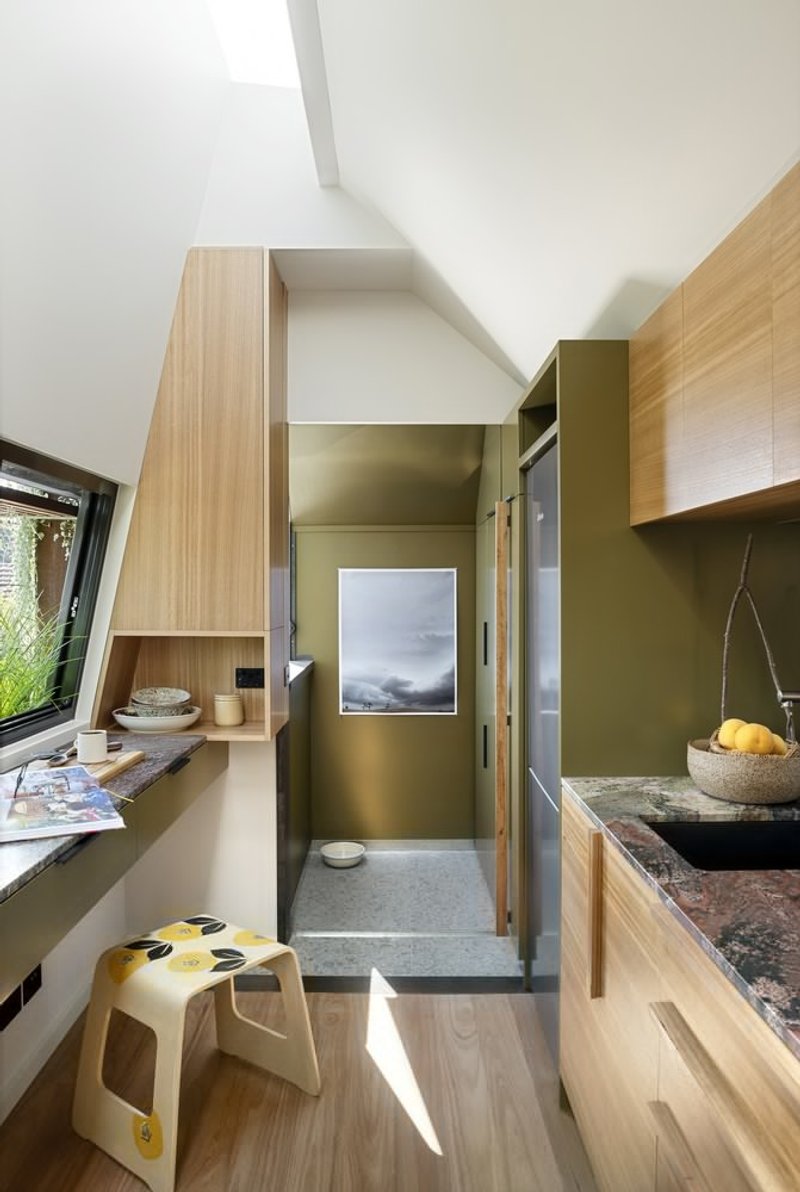
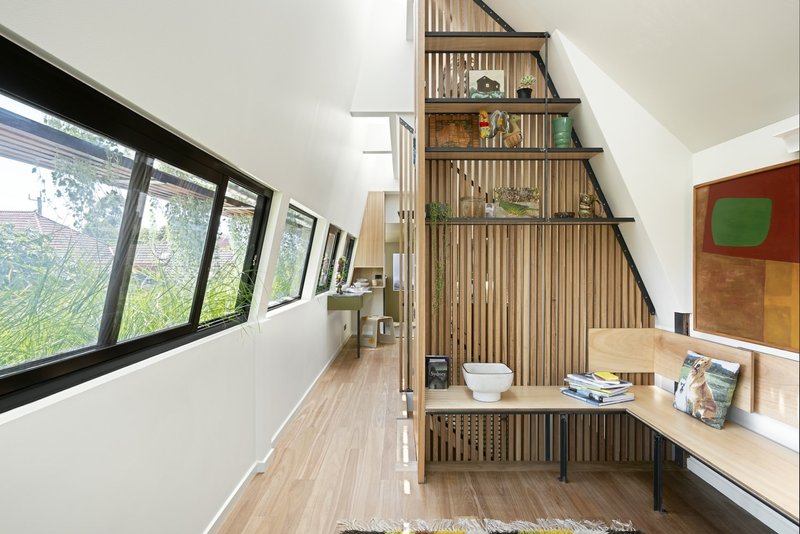
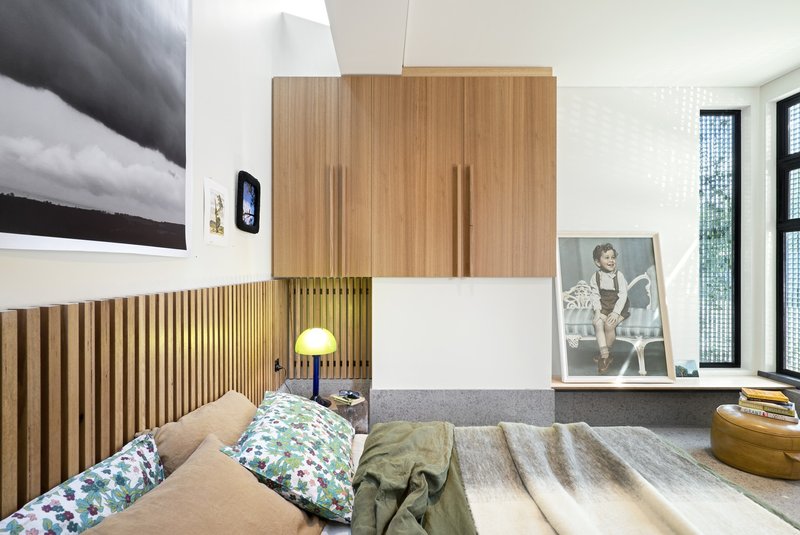
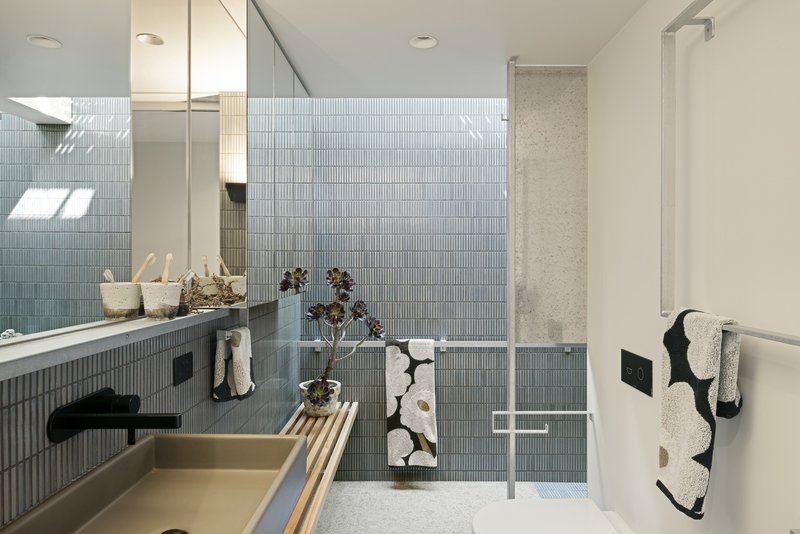
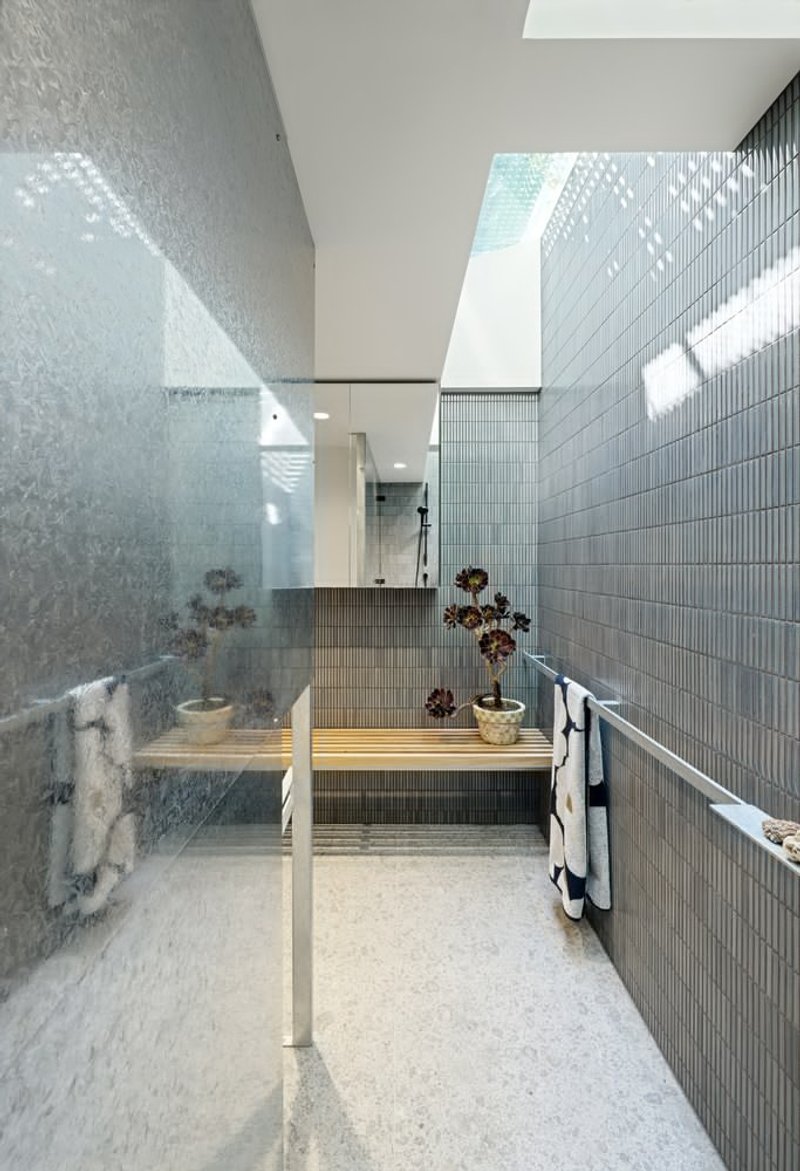
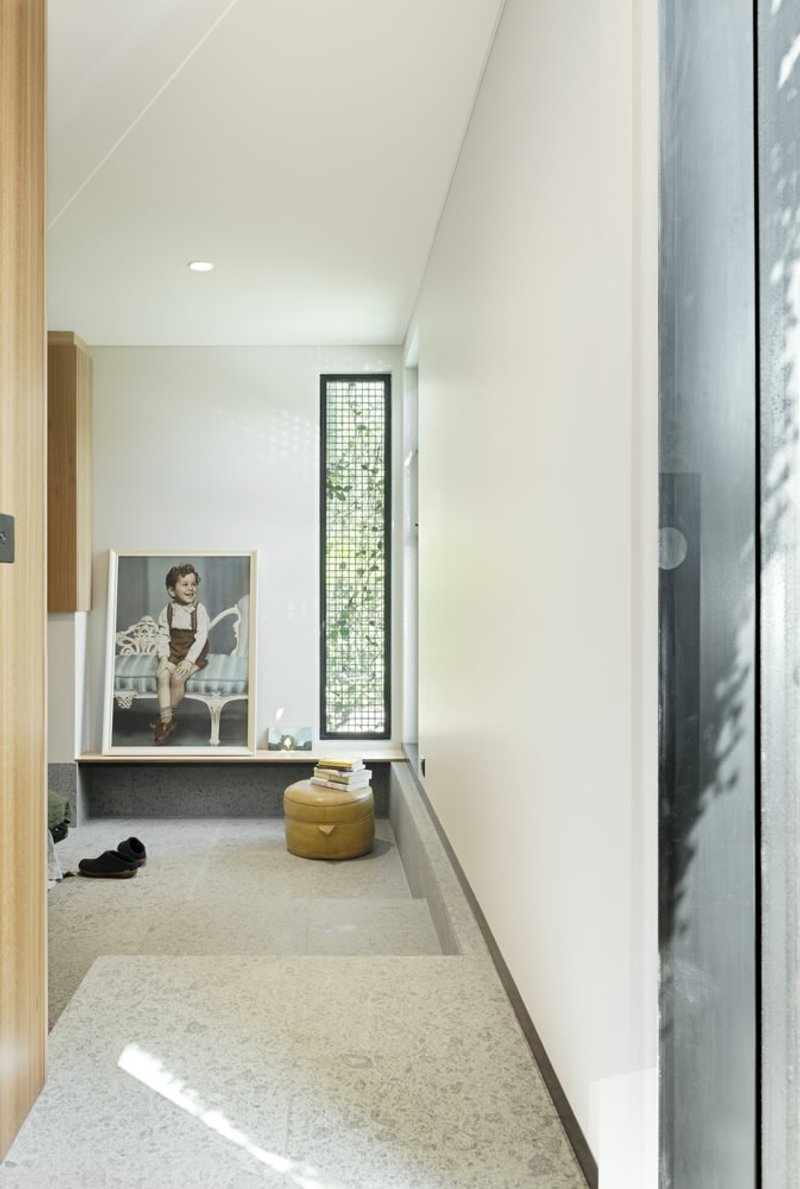
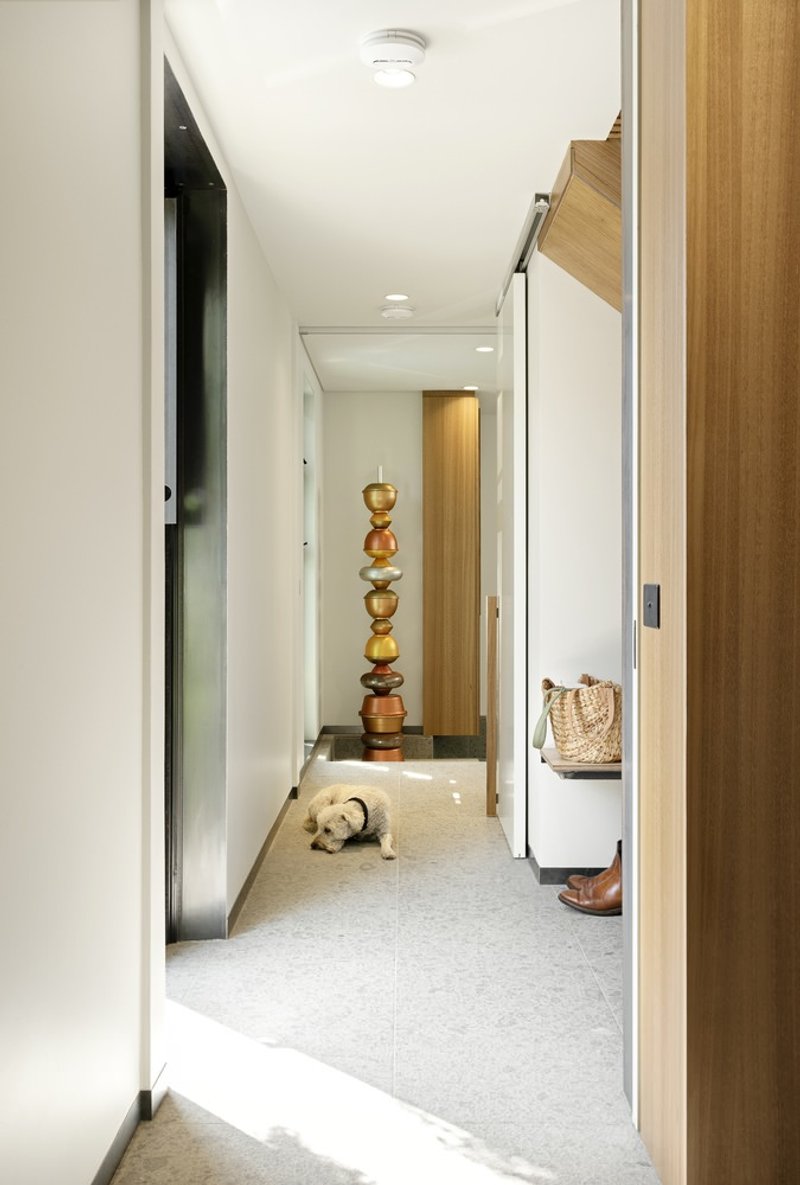
Inside, Multiplicity tackled both spatial inefficiencies and functional shortcomings. Hinged doors were replaced with sliding doors to reclaim valuable floor space, and custom joinery was introduced to maximize storage. The bathroom underwent a full remodel to address a leaky shower and an awkwardly placed laundry cupboard, creating a sense of openness within the home’s compact 60 m² footprint. The relocated laundry now sits on the once-underutilized upstairs balcony, improving workflow and freeing up living areas.
The kitchen was reconfigured to increase preparation space and functionality, fostering a sense of generosity despite the home’s small scale. Custom seating was added in the living area to accommodate intimate dinner parties, blending practicality with refined design. These internal interventions respect the home’s original geometry while enhancing daily usability and comfort for its occupants.
From Local Landmark to Functional Home
The renovation transformed We Should Be So Lucky House from an iconic architectural statement into a fully functional, contemporary home. Multiplicity successfully balanced respect for the original design with the practical needs of modern living, creating a space that works harder on its pocket-handkerchief site while retaining its original charm and greenery integration. The home now exemplifies thoughtful urban residential design, demonstrating how sensitive architectural intervention can elevate both form and function.
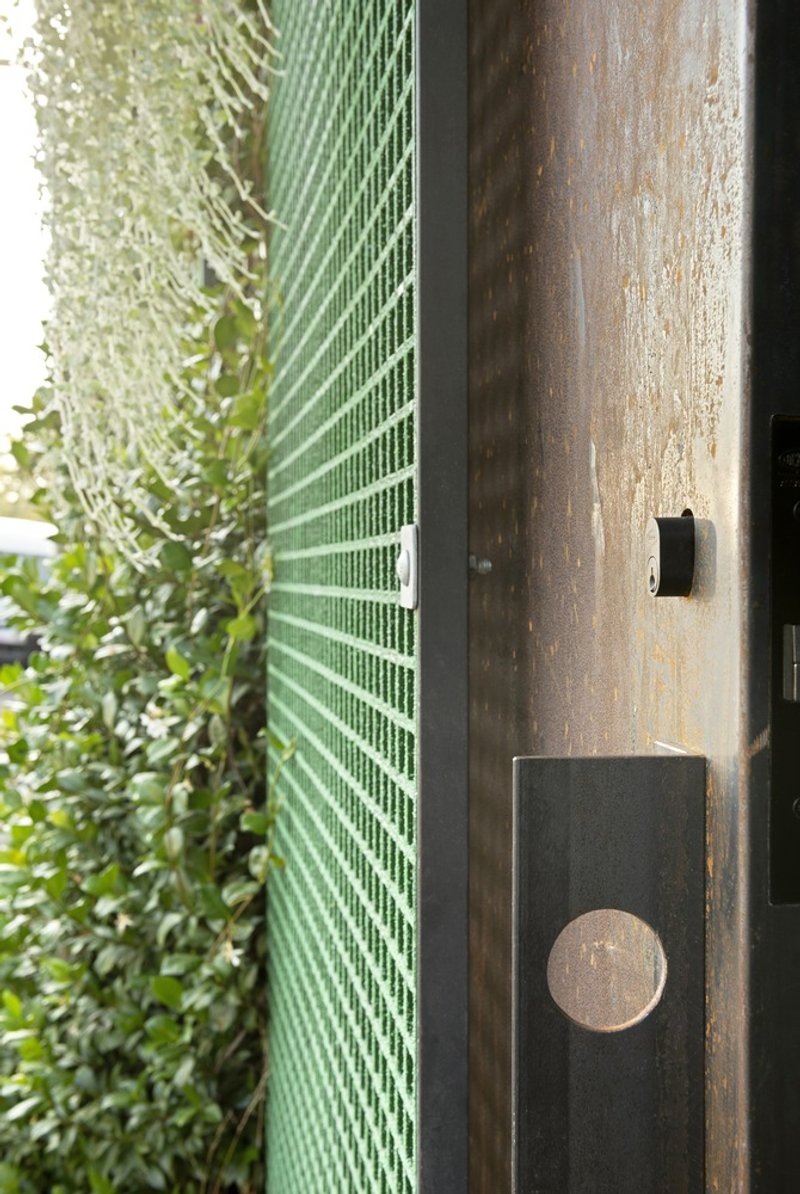
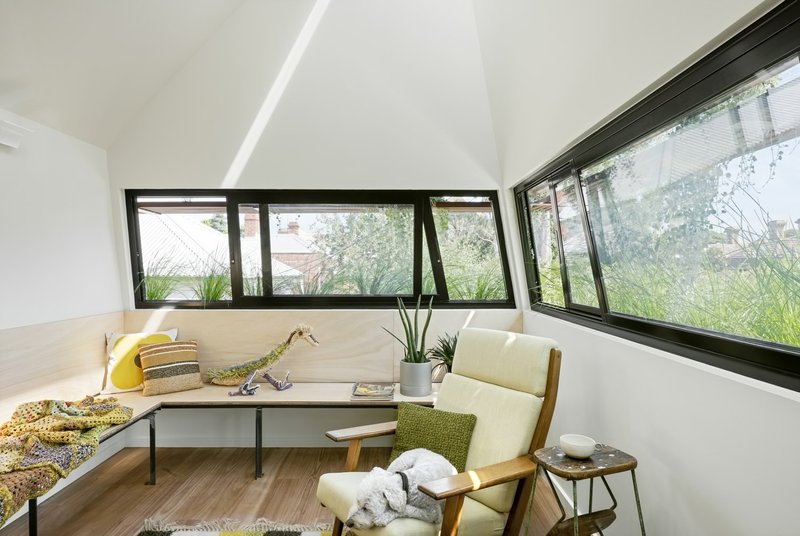
All photographs are works of Emma Cross



Popular Articles
Popular articles from the community

gru.a Builds a 70 m² Timber Shelter That Opens Like a Farm Door in Brazil's Valley of the Vines
In the mountainous region near Rio de Janeiro, a compact retreat uses plywood panels and deep eaves to blur the line between inside and out.
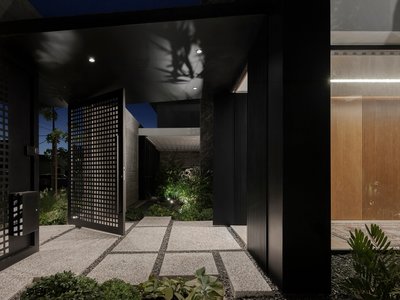
Constanti Architects Builds a Fortress of Privacy in Nicosia with House 345
A concrete and timber residence in Cyprus reinterprets the traditional introverted courtyard house for a new urban landscape.
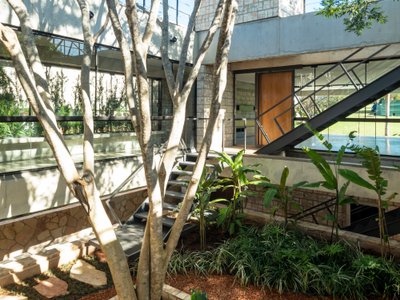
OMCM arquitectos Builds a Summer House in Paraguay from Quarry Waste Blocks and Three Sacred Trees
In the young hillside neighborhood of Altos, a 696-square-meter concrete volume hovers on six pillars around three preserved native Yvyraju trees.
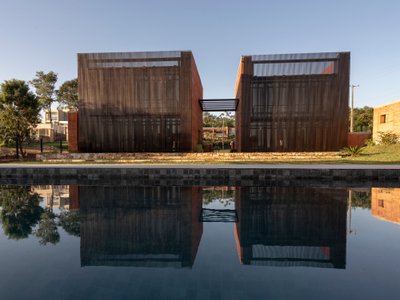
BAUEN Builds Two Rammed Earth Volumes in Paraguay Inspired by the Ovenbird's Nest
In San Bernardino, a house of compacted earth channels the instinct of a constructive bird to shelter life from the Paraguayan summer.


Similar Reads
You might also enjoy these articles

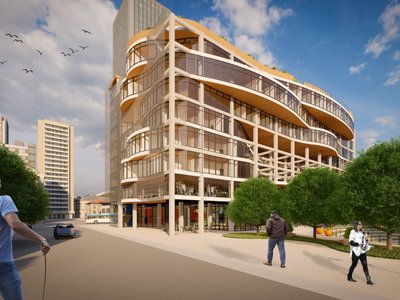
Olio Towers: A Mid-Rise for Performers That Fuses Housing, Rehearsal, and Stage
Located blocks from Houston's Theater District, this modular tower stacks living units around a central performance atrium.
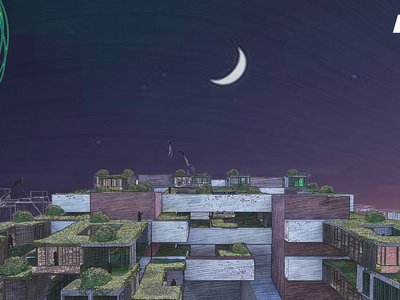
Oasis: Modular Green Housing Carved into Dhaka's Urban Fabric
A shortlisted Plugin Housing entry reclaims unauthorized settlements in Dhaka with stepped concrete volumes, green roofs, and ventilation-driven design.

Black Hole: A Floating Megastructure for the Post-Physical Era
Emiliano Mazzarotto envisions a spherical, self-scaling arena where e-sports, digital hotels, and holographic stadiums replace traditional public space.
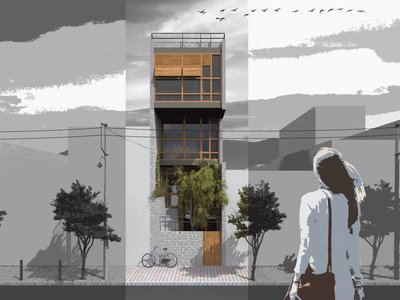
Compact & Sustainable Living in Piraeus: A Four-Level Family Home Built Around Light and Air
A narrow townhouse in one of Greece's densest port cities uses a central atrium and passive strategies to house three generations under one roof.


Explore Architecture Competitions
Discover active competitions in this discipline




The International Standard for Design Portfolios


The Global Benchmark for Architecture Dissertation Awards


The Global Benchmark for Graduation Excellence


Challenge to reimagine the Iron Throne
Comments (0)
Please login or sign up to add comments
No comments yet. Be the first to comment!