
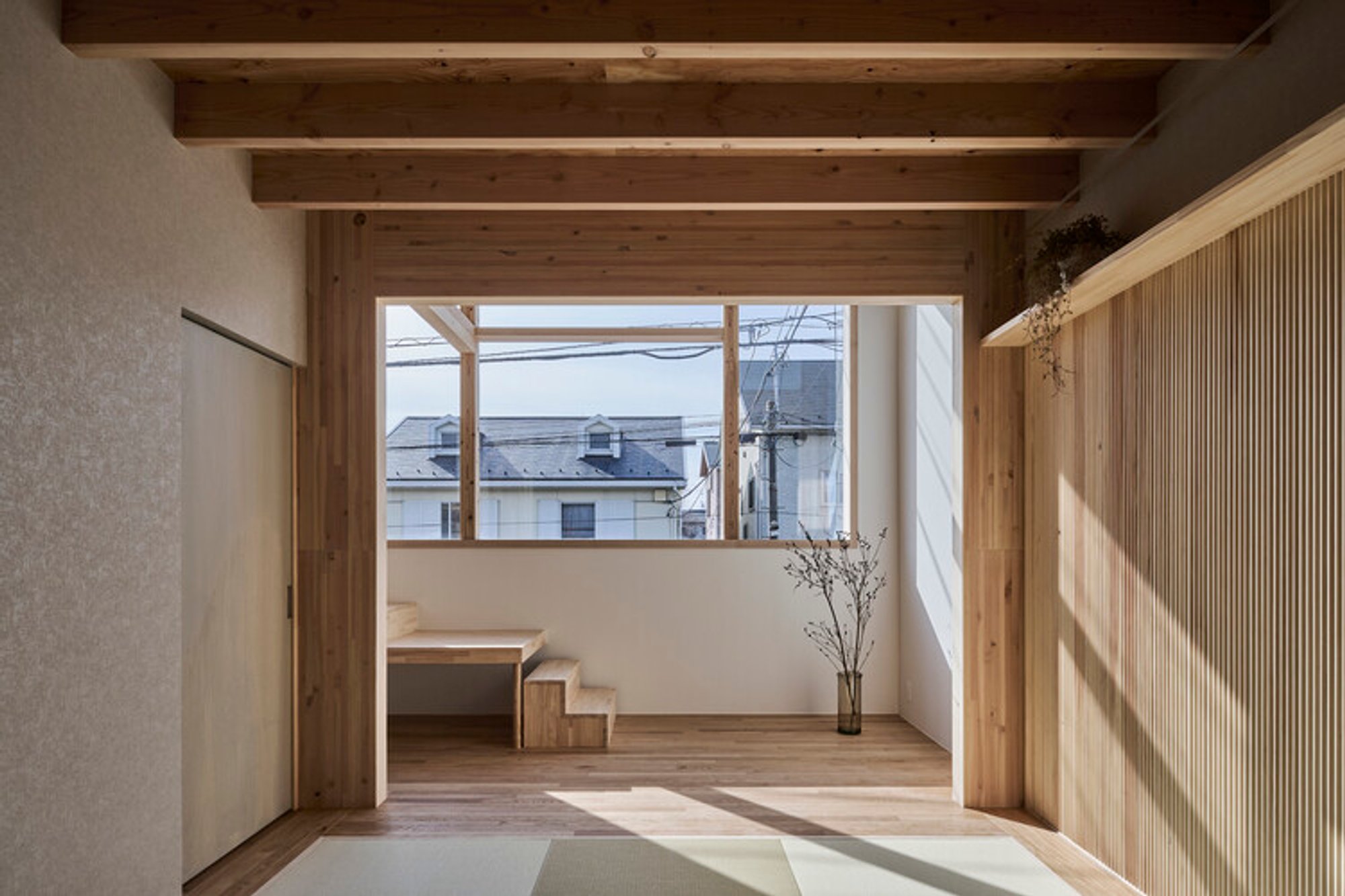
WEAVE House by 2321Architects — A Subtle Interlacing of Nature, Light, and Daily Life
WEAVE House by 2321Architects interlaces light, wood, and daily rituals, creating a serene, sustainable family home in Saitama, Japan.

A House Woven from Nature, Light, and Everyday Culture
Nestled in a calm residential neighborhood of Saitama, Japan, the WEAVE House by 2321Architects is a poetic exploration of how architecture can embody the delicate rhythm of daily life. Designed by Ryuichi Ozaki, this 109-square-meter family home brings together natural materials, passive performance, and cultural sensitivity—an approach that redefines modern living as a gentle interlacing of environment and emotion.
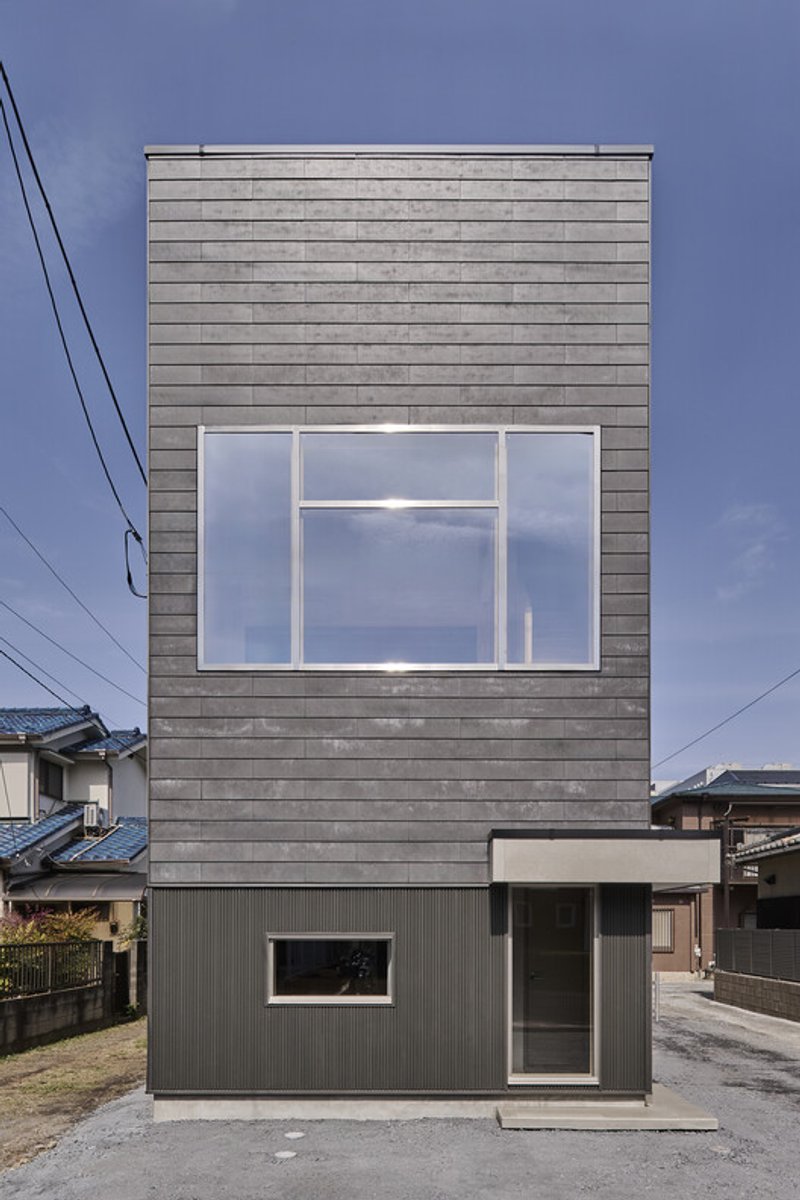
The name “WEAVE” symbolizes this philosophy. It refers not only to the tactile interlacing of textures and materials but also to the emotional threads of light, air, and human presence that shape the essence of dwelling. The project avoids the cold precision of technological performance metrics, instead pursuing a more human-centered architecture—one that lives, breathes, and ages gracefully with its inhabitants.
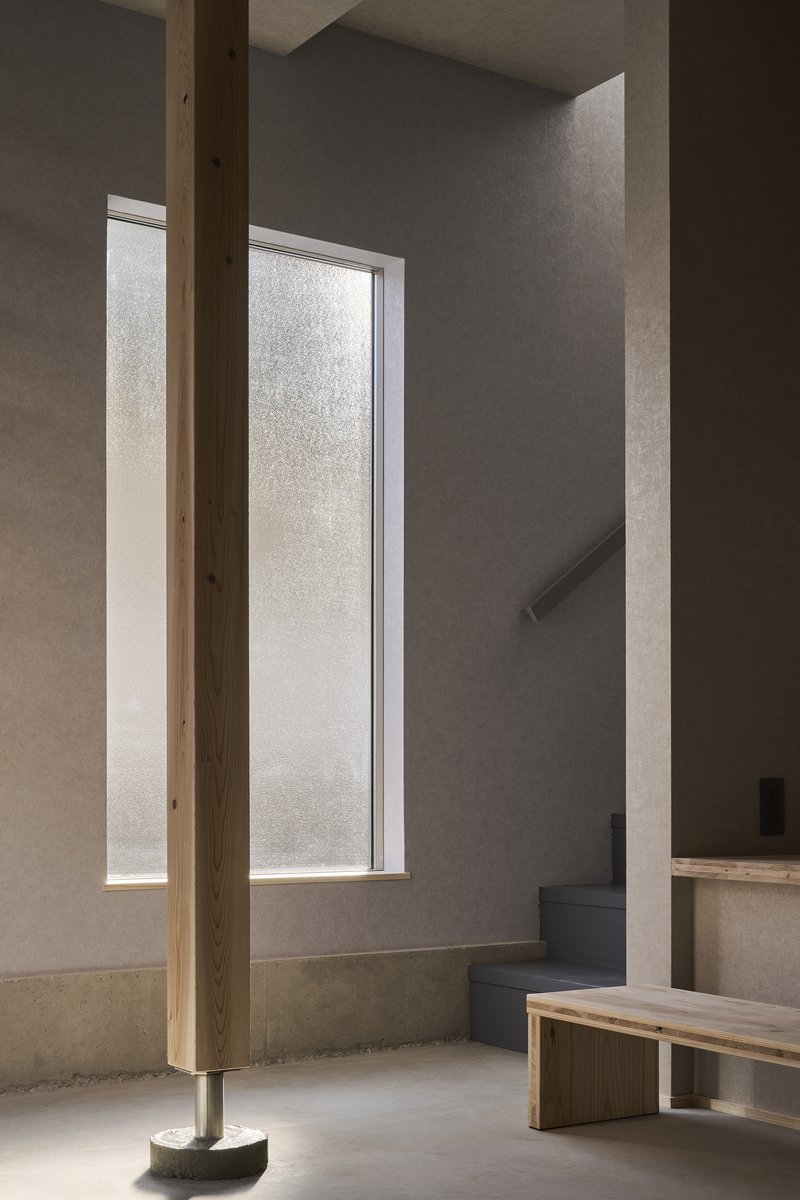
Designing a Living Fabric
For the architects, “living” is not static—it’s a continuous cycle connecting work, school, and home, woven together by the family’s daily routines. The house was designed for a young couple in their thirties and their three children, on a site selected for its proximity to familiar surroundings and community ties.
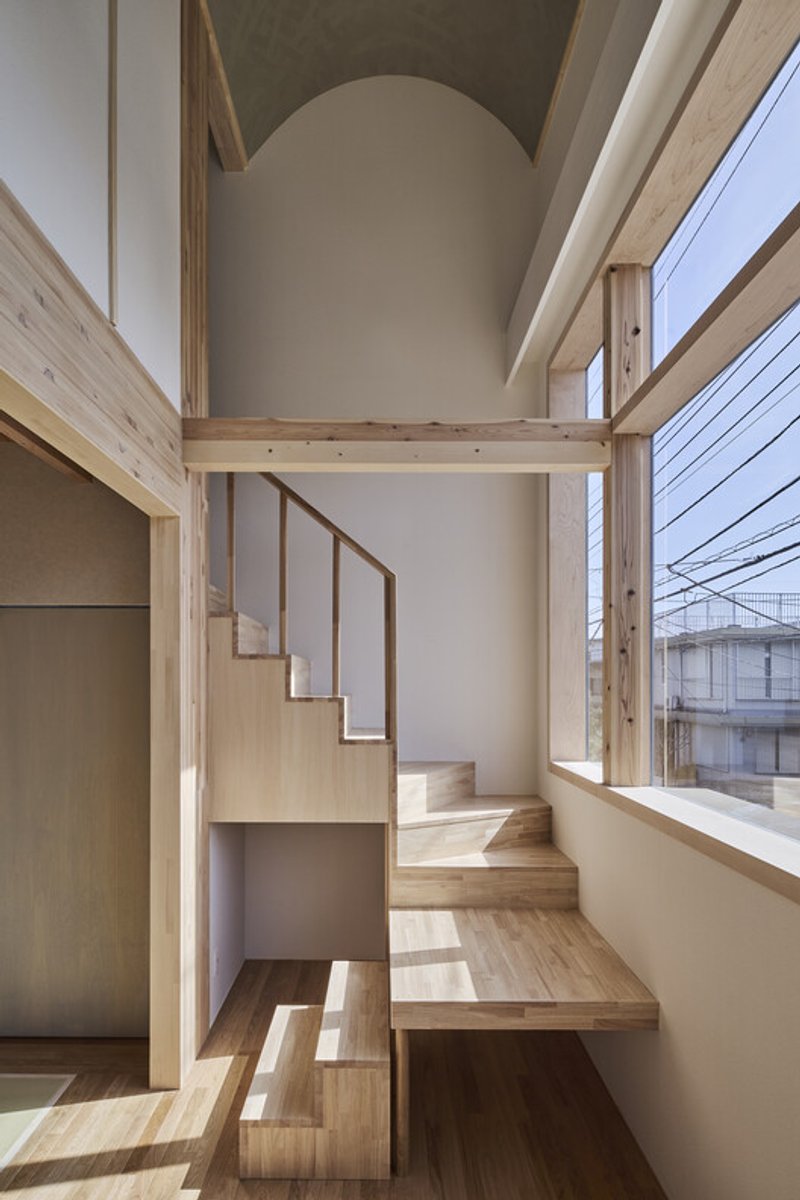
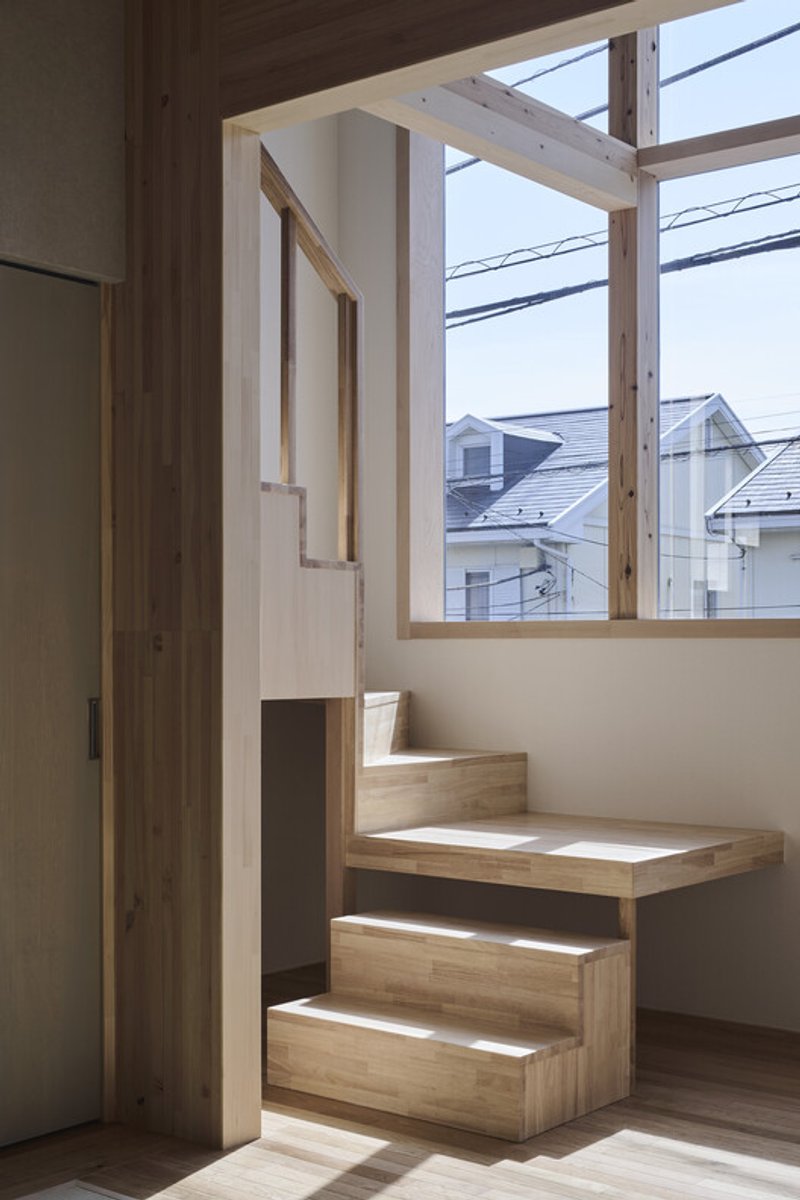
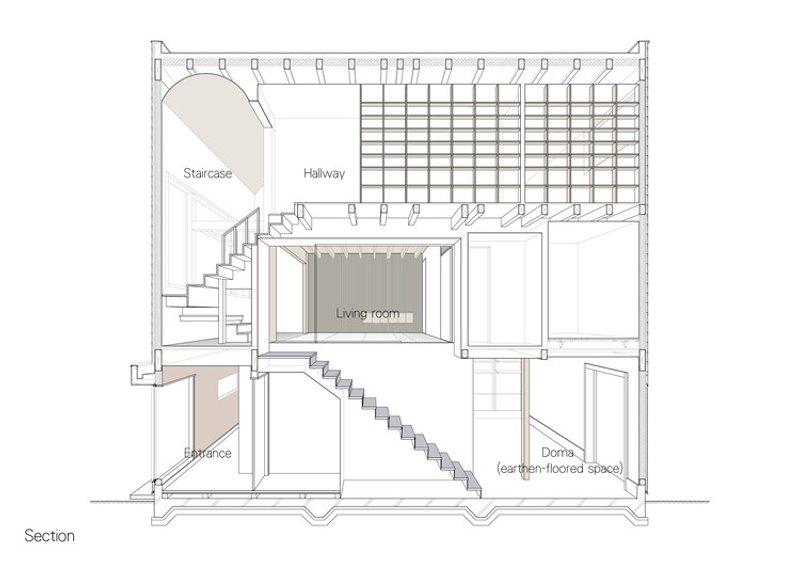
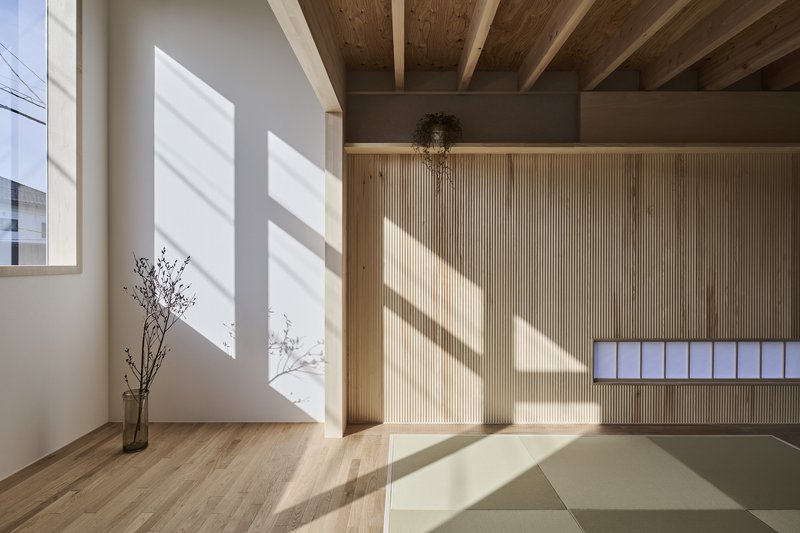
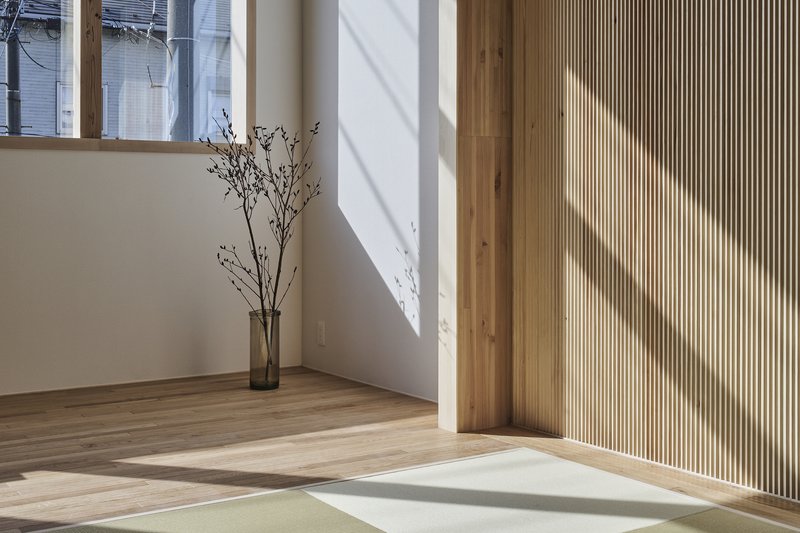
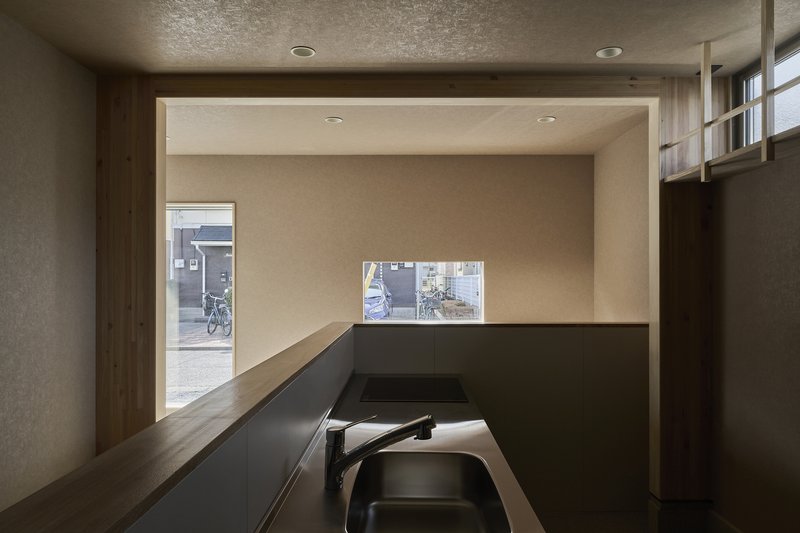
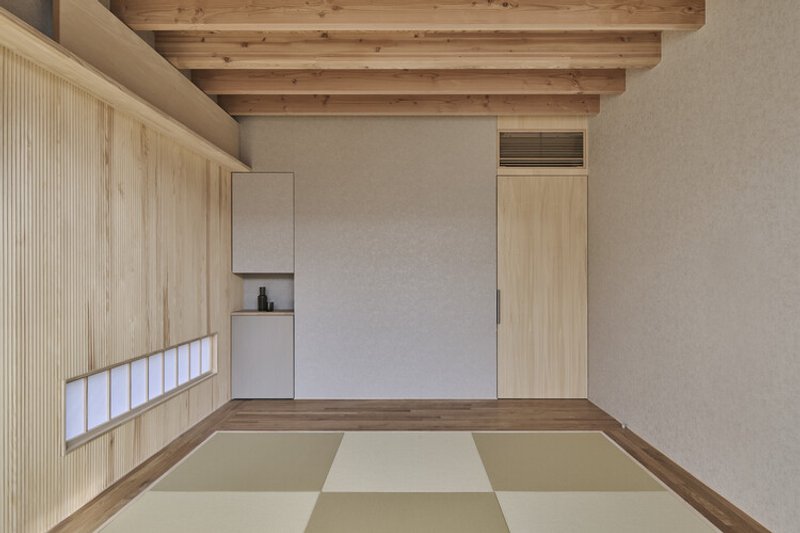
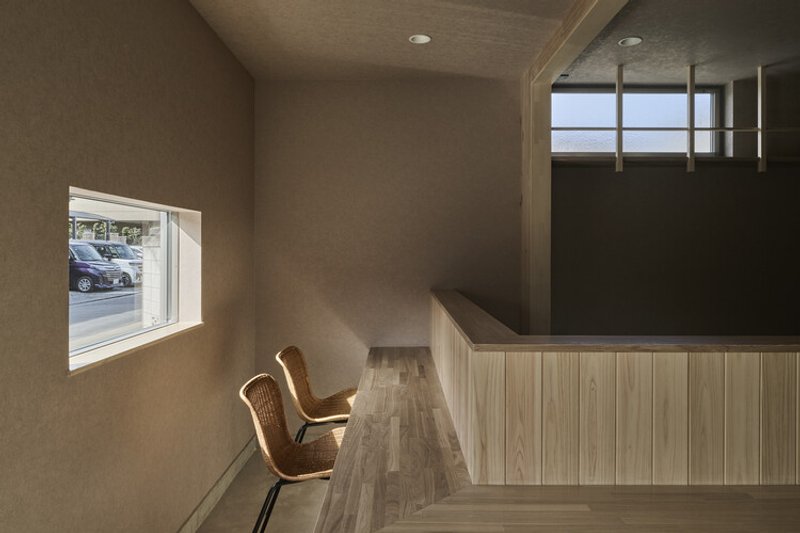
The spatial concept is guided by the metaphor of weaving. The home rises gently along the flow of movement, revealing one crafted element after another—like a loom revealing fabric. Visitors encounter a curved metallic ceiling that softly diffuses daylight, textured wooden paneling reminiscent of rippling waves, and exposed 60-mm timber beams that create a rhythmic ceiling landscape.
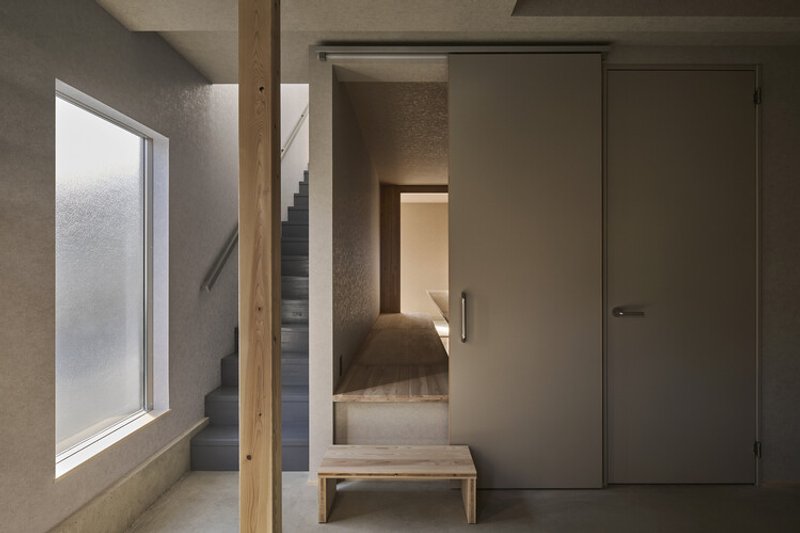
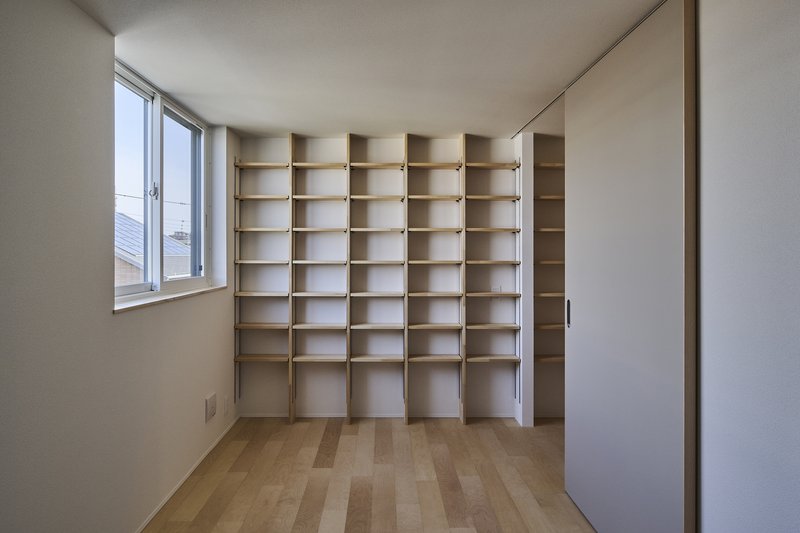
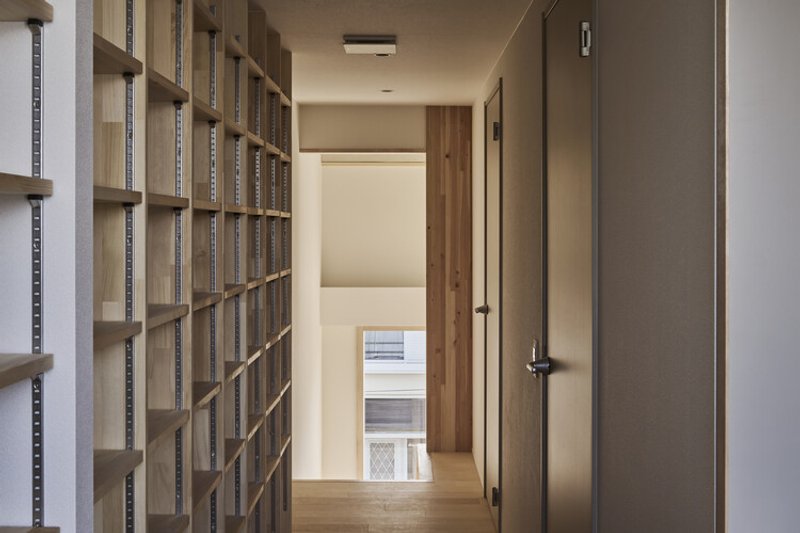
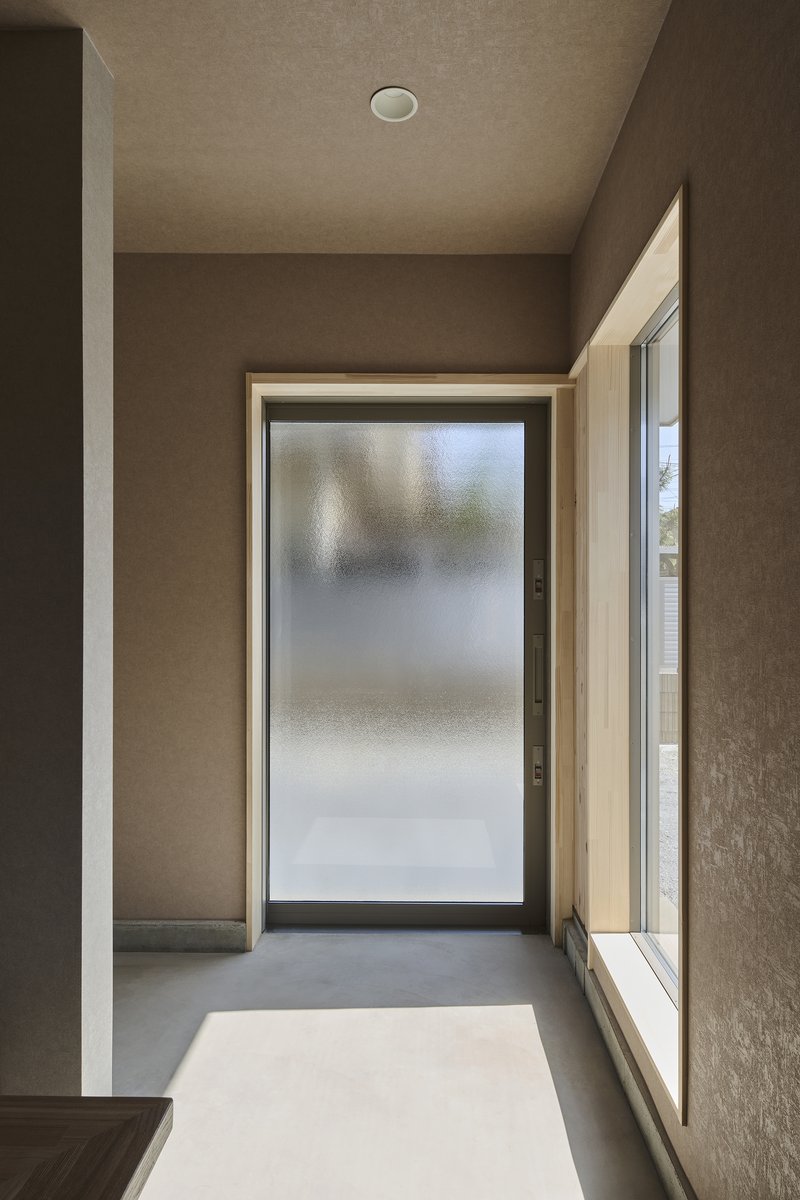
Each material was chosen to maintain a tactile, human scale. Even details such as bookshelves densely filled with volumes and softened wall edges contribute to the spatial rhythm. The interplay of light, shadow, and touch creates what the architects describe as the home’s “grain”—a subtle quality born from the union of texture, time, and daily ritual.
Environmental Sensibility through Simplicity
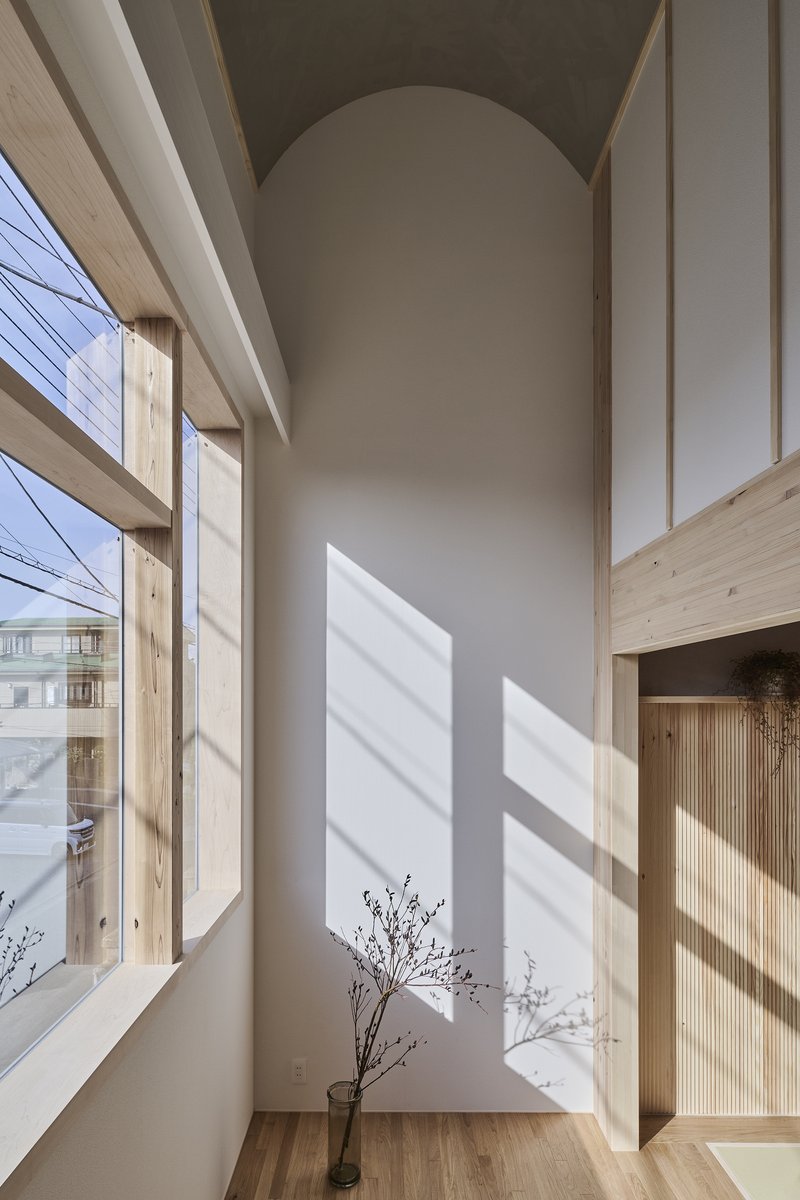
Rather than relying on overt technological gestures, WEAVE House integrates environmental performance into the natural behavior of its occupants. Openings and apertures are precisely oriented so that winter sunlight penetrates deeply, while vacuum-insulated glazing with solar control minimizes unwanted heat gain.
The architecture promotes a passive comfort strategy:
- Cross-ventilation ensures constant airflow.
- Thermal mass and heat-release rhythms balance internal temperatures.
- Stepless roll screens offer intuitive control—adjusted like one chooses clothing with the seasons.
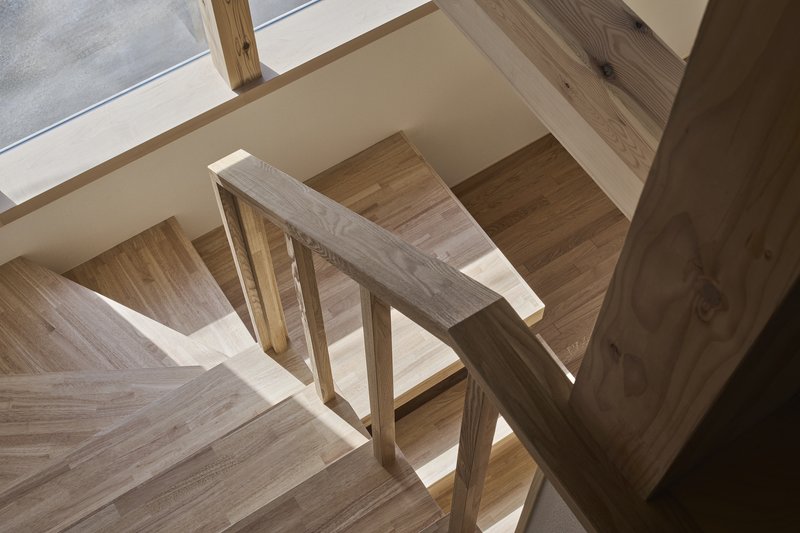
This minimal-mechanical approach transforms energy efficiency from a mechanical task into an instinctive act of daily life. The residents, through small gestures—adjusting screens, opening windows—participate in a quiet dialogue with their environment.
A Subtle Beauty in Everyday Gestures
True to its concept, WEAVE House avoids ostentation. It does not showcase technology or monumental form; instead, it becomes a quiet apparatus for living, merging function and feeling. The interlacing of circulation, materials, and atmosphere generates a gentle rhythm that encourages mindfulness and comfort.
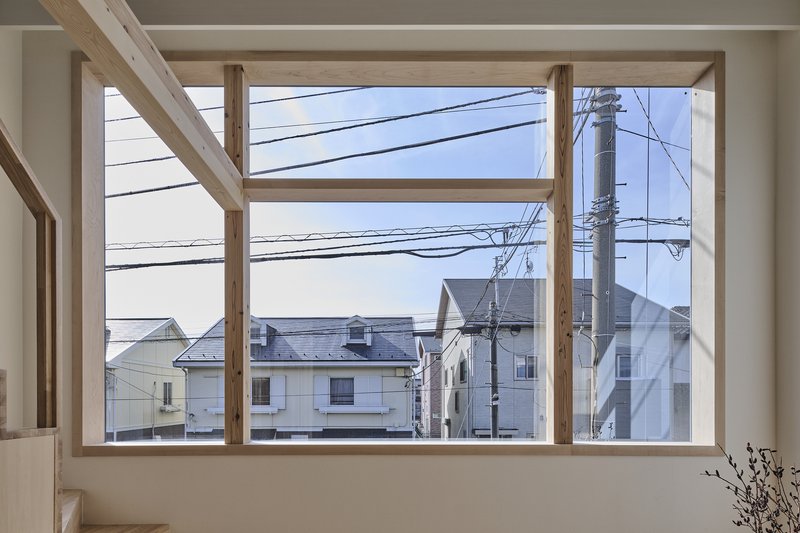
In doing so, the home redefines what sustainability and beauty mean in contemporary suburban Japan. It celebrates the poetry of the ordinary—a place where environmental awareness and aesthetic sensitivity coexist effortlessly. The spirit of “WEAVE” lies not in what is seen, but in what is felt—in the grain of wood, the warmth of sunlight, and the continuity of family life that threads through it all.
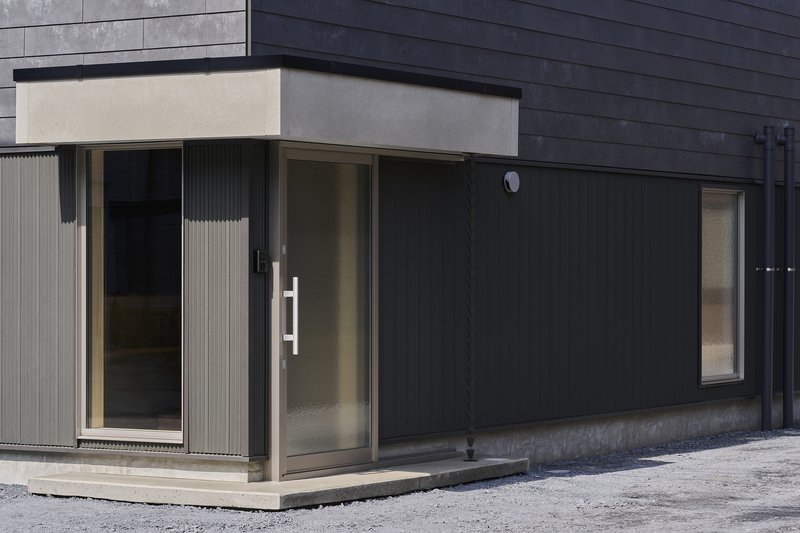
All the Photographs are works of Hiroki Kawata




Popular Articles
Popular articles from the community

MAKER architecten Rewire a 1972 Brutalist Dormitory on the VUB Campus as a Living Lab
A modular renovation strategy in Belgium breathes new life into Willy Van Der Meeren's modernist student housing without erasing its concrete bones.
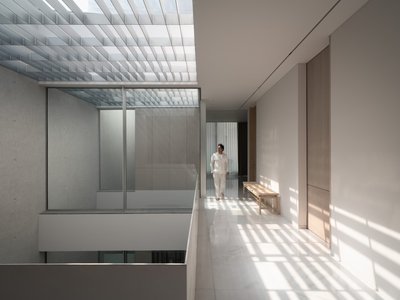
Residence BB 214: Quiet Precision in Ludhiana
Minimalist Architecture & Design Studio composes a residence of white volumes, filtered light, and deliberate restraint in Punjab's urban fabric.

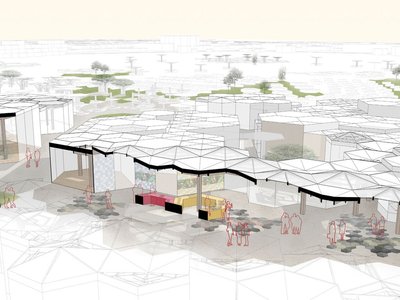
20 Most Popular Commercial Architecture Projects of 2025
From sustainable market concepts to heritage factories, the commercial buildings and proposals that drew the most attention on uni.xyz this year.
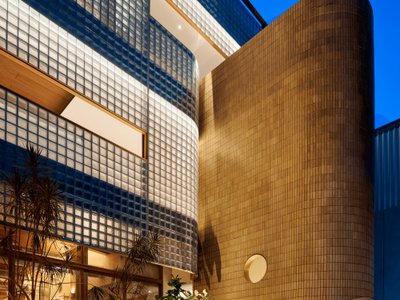
Gunawarman 35: Jakarta's Corner of Quiet Complexity
WOFF's mixed-use building in Jakarta pairs translucent glass block walls with a buff brick cylinder to hold coffee, wellness, and work under one roof.


Similar Reads
You might also enjoy these articles

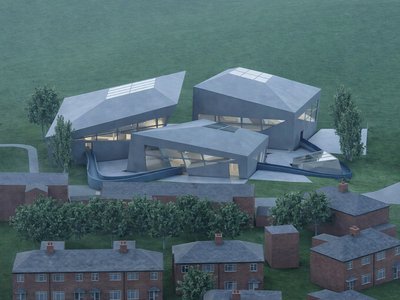
Filtering Space: A Gradual Spatial Experience
From urban intensity to spatial calm.

The Ken Roberts Memorial Delineation Competition (Krob)
As the most senior architectural drawing competition currently in operation anywhere in the world, it draws hundreds of entries each year, awarding the very best submissions in a series of medium-based categories.
Waterfront Redevelopment and Urban Revitalization in Mumbai: Forging a New Dawn for Darukhana
A transformative waterfront redevelopment project reimagining Darukhana’s shipbreaking heritage into an inclusive urban future.

OUT-OF-MAP: A Call for Postcards on Feminist Narratives of Public Space
Rhizoma Design and Research Lab invites artists, designers, architects, researchers, and students to reflect on how feminist perspectives can reshape public space. Selected works will be exhibited in Barcelona, October 2026. Submissions open until 15 April 2026.

Explore Architecture Competitions
Discover active competitions in this discipline




The International Standard for Design Portfolios


The Global Benchmark for Architecture Dissertation Awards


The Global Benchmark for Graduation Excellence


Challenge to reimagine the Iron Throne
Comments (0)
Please login or sign up to add comments
No comments yet. Be the first to comment!