
Westside Duplex by Boyd Architects – Contemporary Infill Housing in Historic Charleston
Westside Duplex in Charleston by Boyd Architects blends historic design motifs with modern infill housing, flood resilience, and rooftop living spaces.


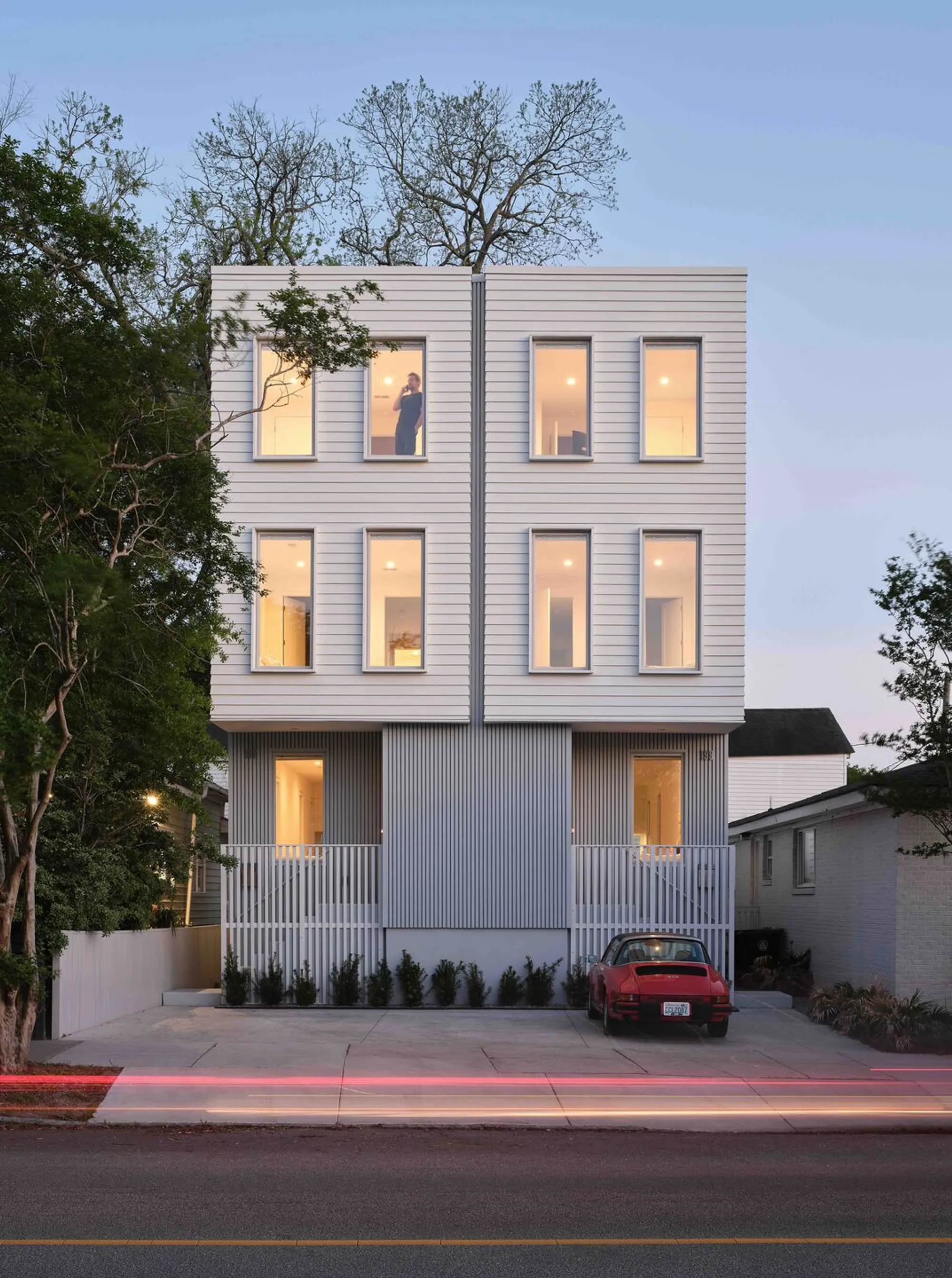
Located in the heart of Charleston’s historic Westside neighborhood, Westside Duplex by Boyd Architects redefines modern urban living within one of the United States’ most protected heritage districts. Designed in 2022, this 3,000 ft² infill project seamlessly blends contemporary architecture with historic Charleston design motifs, meeting the city’s stringent architectural oversight while addressing flood resilience, limited space, and evolving housing needs.
Urban Context and Site Constraints
Charleston’s downtown core is renowned for its low-rise historic architecture and strict preservation standards. The Westside neighborhood, nestled between the bustling Septima Clark Parkway and the expansive Hampton Park, faces significant design challenges due to sandy infill land, flood zones, and zoning restrictions.
The duplex was strategically built on what was once a backyard for an adjacent corner property. The infill development approach maximizes the site’s potential while adhering to regulations involving parking, flood safety, tree protection, and massing requirements.
Design Concept and Layout
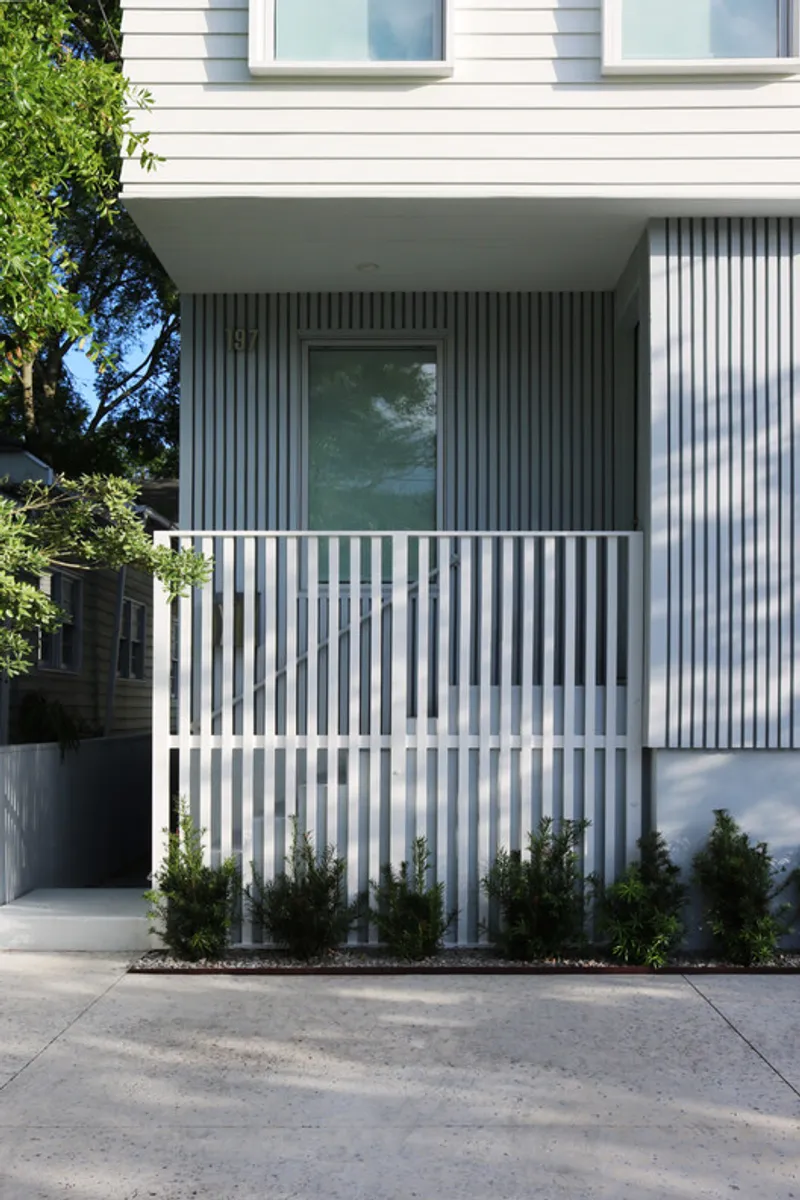
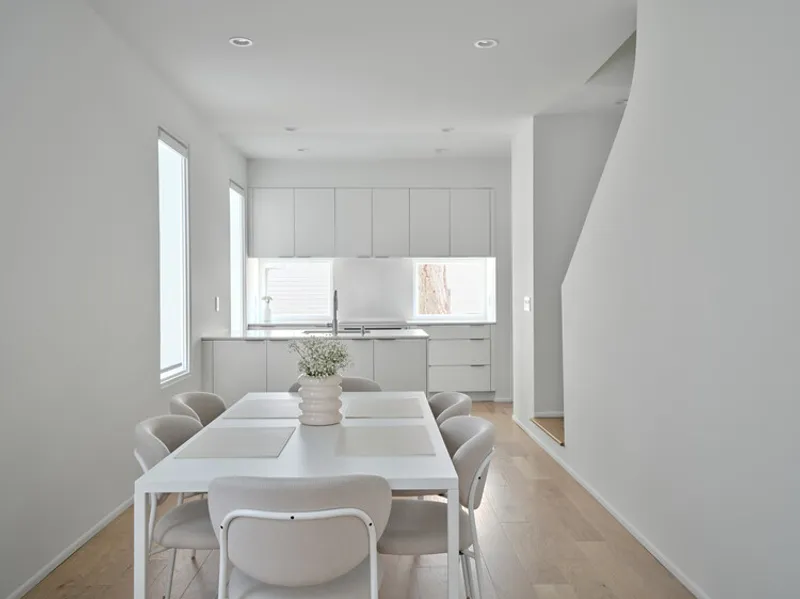
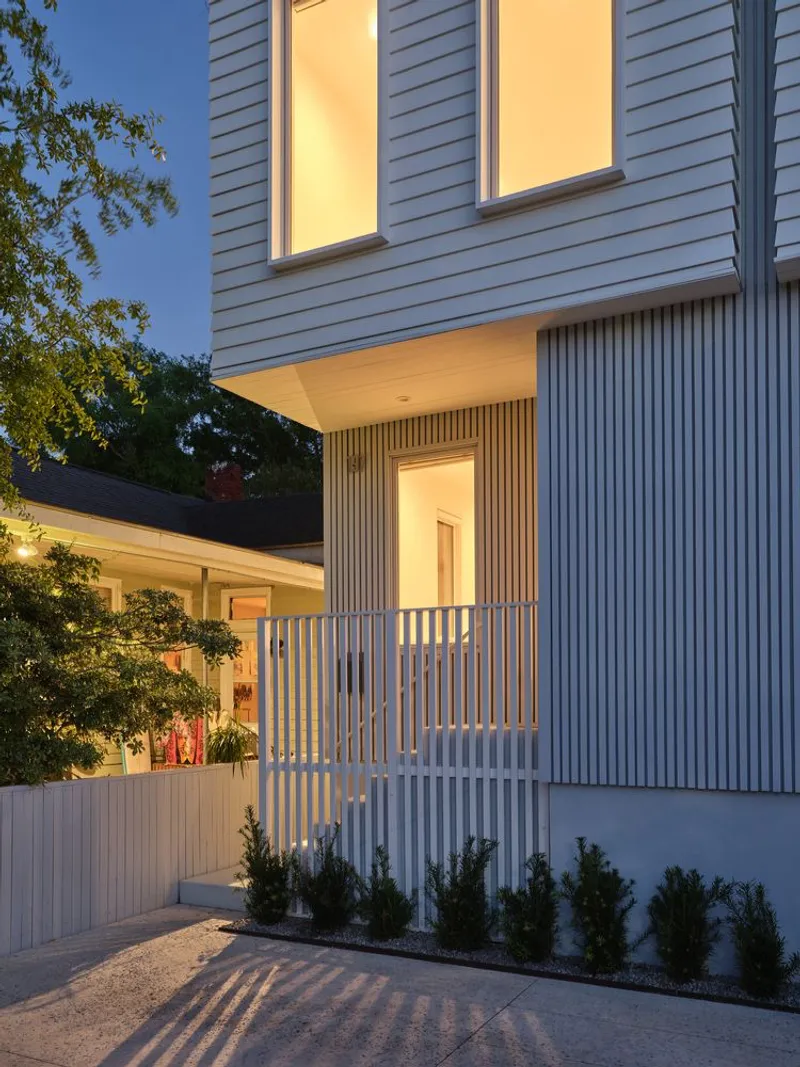
The building houses two townhouse-style units, each spanning 1,500 ft² with three bedrooms, three-and-a-half bathrooms, and a private roof terrace. Side-loaded entries are shielded by powder-coated aluminum privacy screens, offering both security and a visual break from street activity.
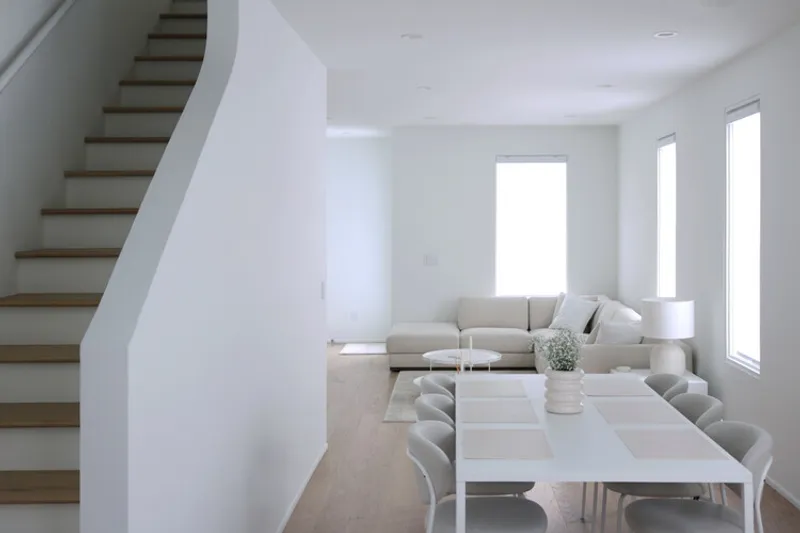
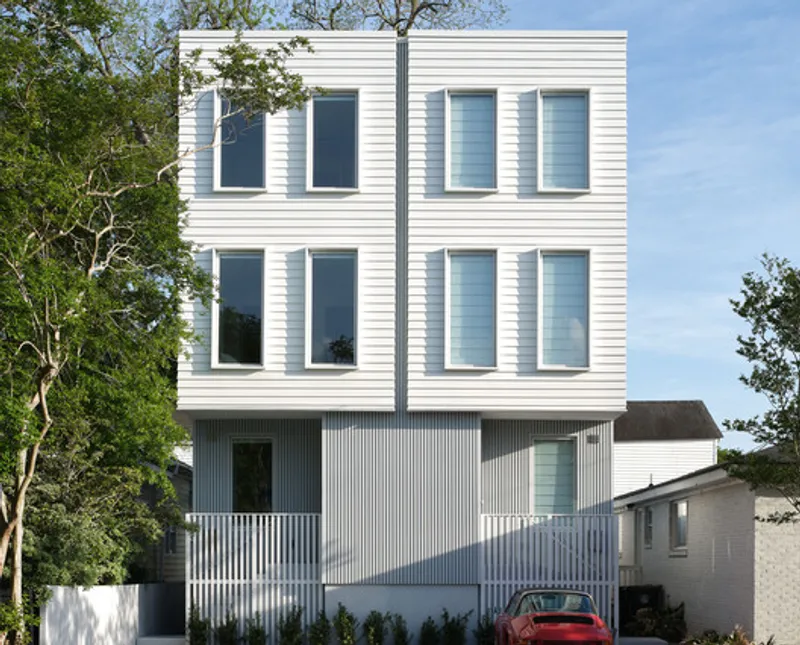
Although technically one structure, the duplex’s front elevation is split by a large vertical break in the cantilever, visually distinguishing the two homes while preserving design symmetry.
Architectural Language and Materials
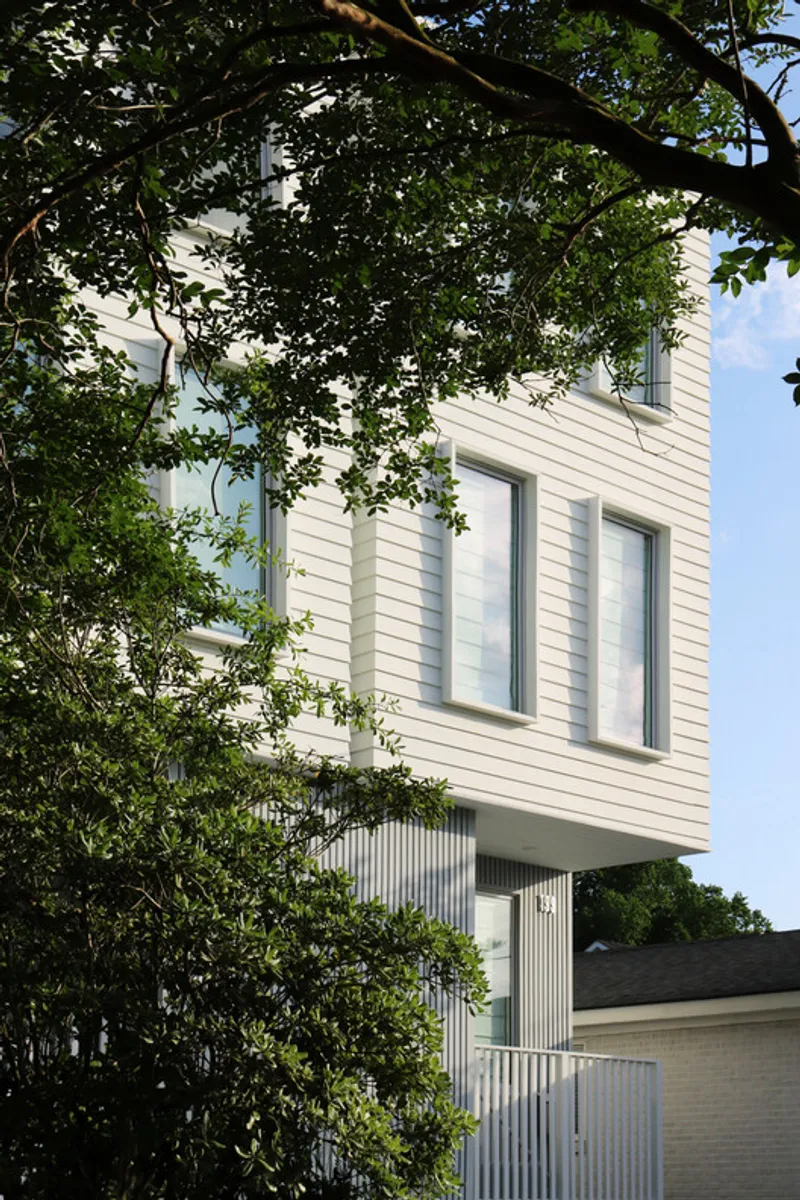
Boyd Architects took inspiration from historic Charleston elements but reinterpreted them with a modern twist. The façade features common lap siding, executed in poly-ash cladding for durability and precise mitered corners, eliminating the need for traditional trim boards.
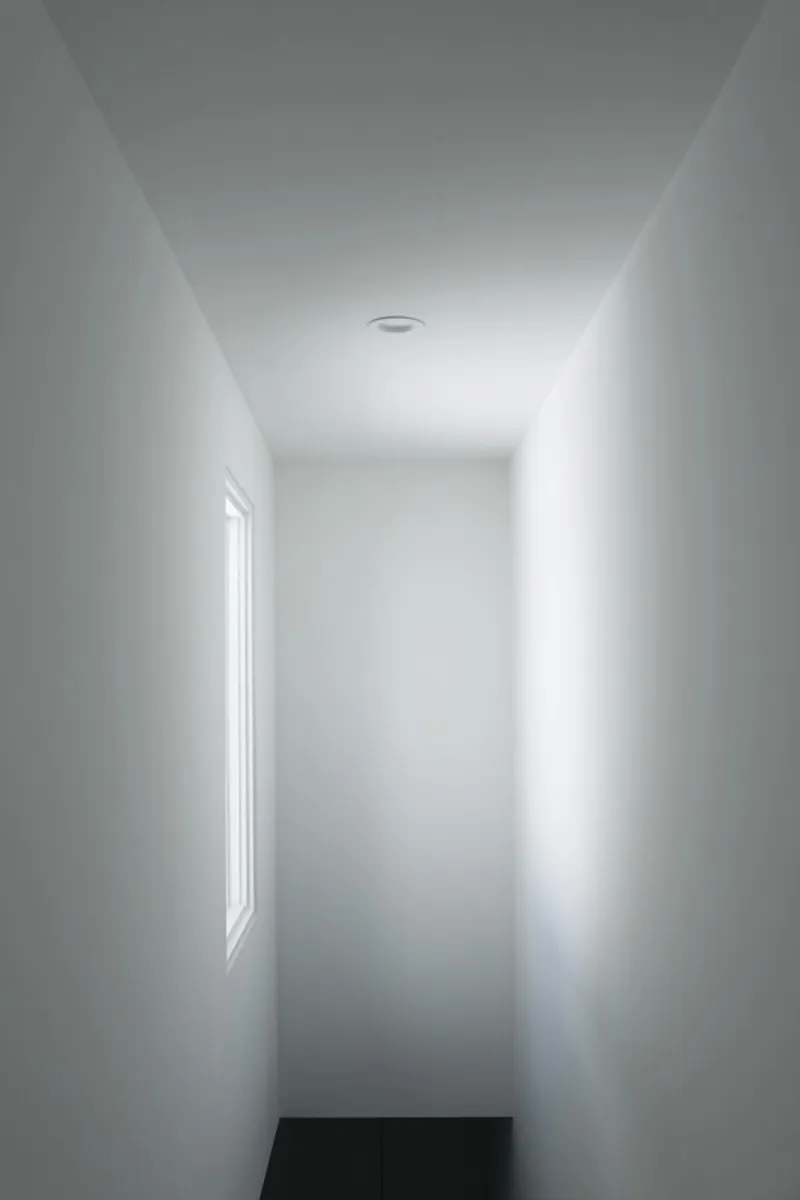
Windows are framed with rotated trim boards to add depth and shadow play, enhancing the building’s architectural character. This combination of traditional proportions and innovative detailing respects Charleston’s heritage while projecting a forward-thinking aesthetic.

Resilience and Livability
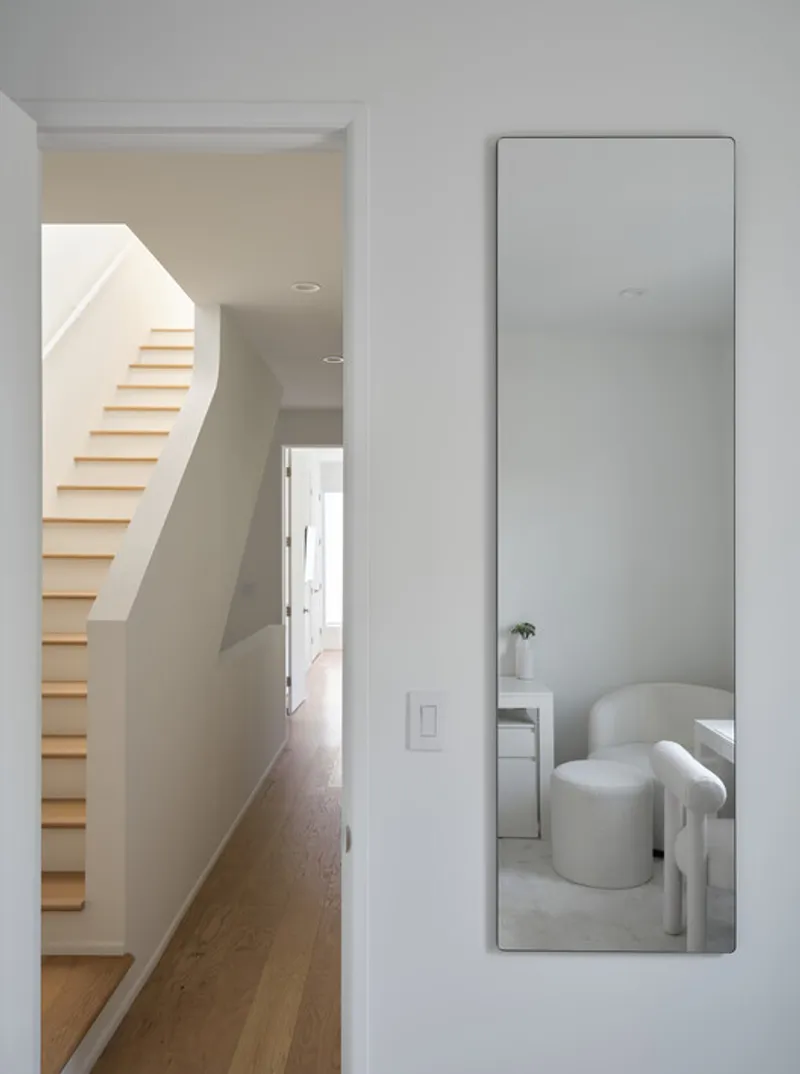
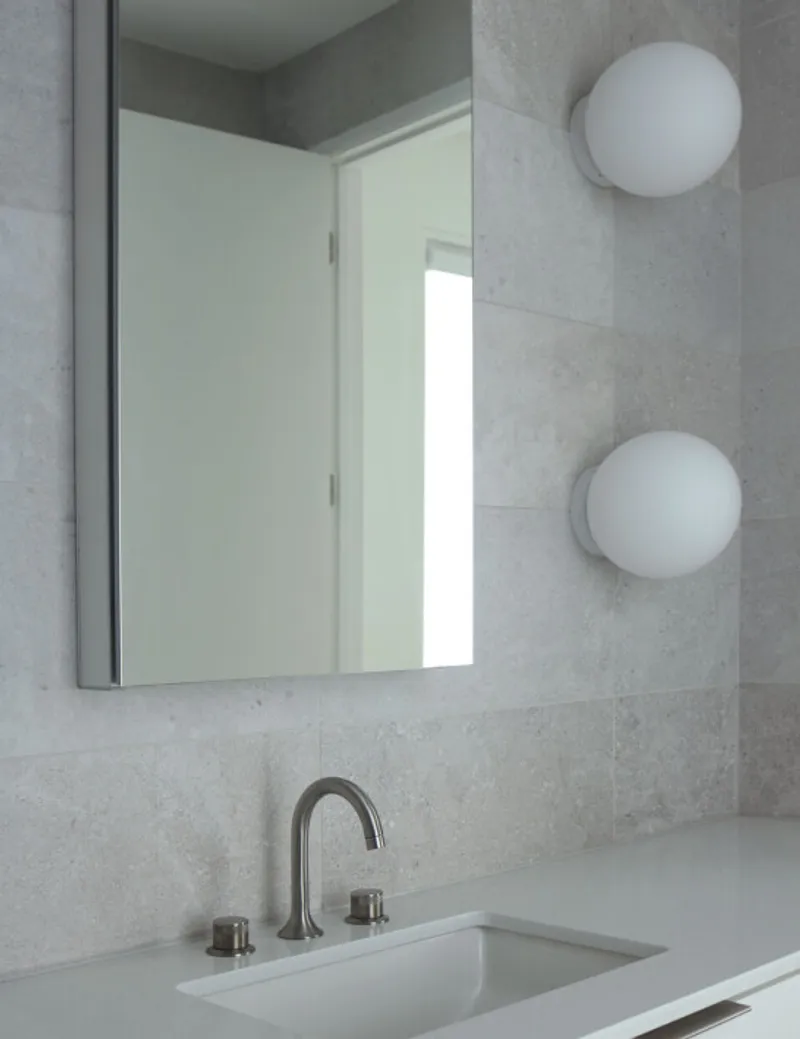
Given the site’s location in a flood zone, the design incorporates elevated living spaces and robust materials for weather resilience. The rooftop terraces provide private outdoor living with panoramic neighborhood views, while the layout maximizes light, ventilation, and functional flow.
By marrying heritage respect with modern efficiency, Westside Duplex serves as a model for sustainable, high-quality urban infill in historically sensitive contexts.
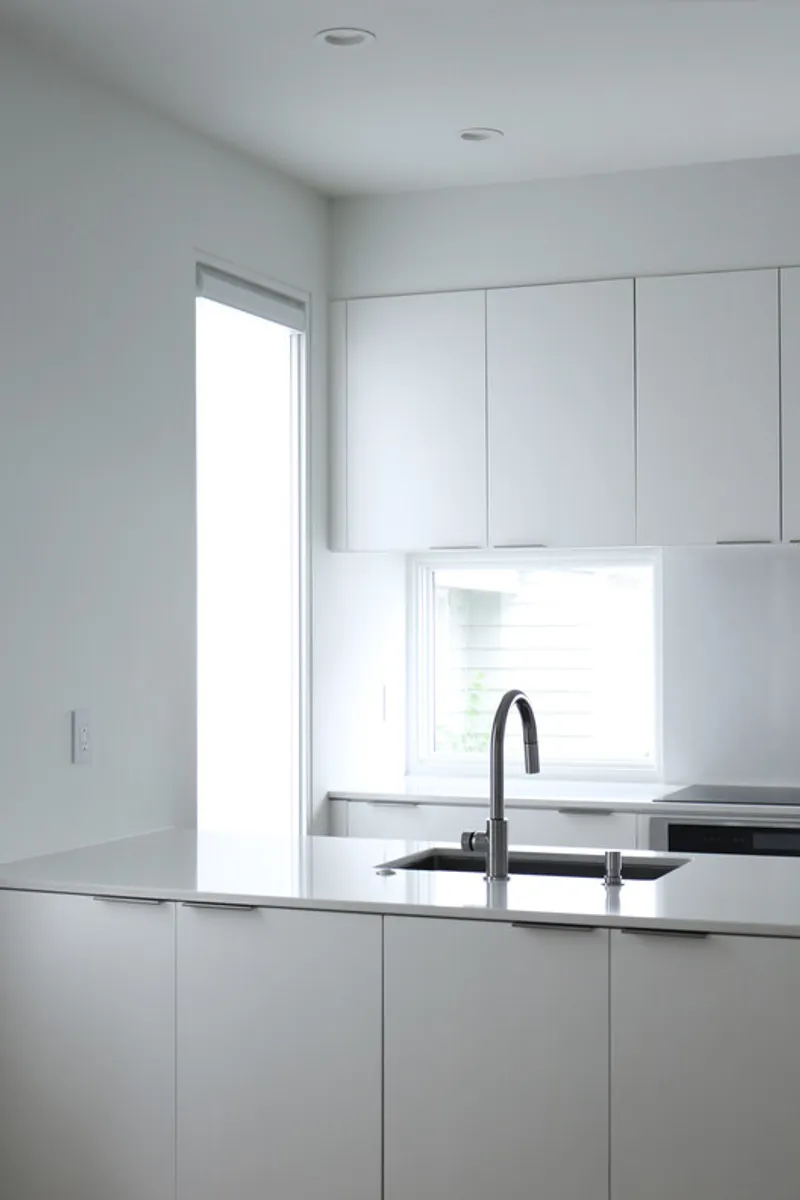
All the photographs are works of Keith Isaacs Photo




Popular Articles
Popular articles from the community

EW PARK: Sustainable Architecture Reimagines the Future of Urban Parking
EW PARK reimagines city parking as a modular wooden tower combining automation, solar energy, electric mobility, and adaptable urban design.
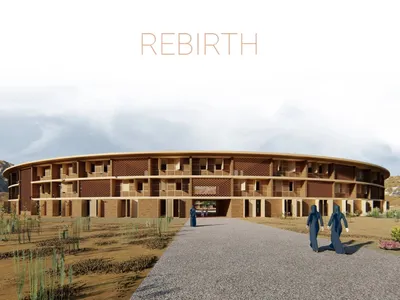
REBIRTH: Sustainable Architecture Shaped by Community, Resilience and Renewal
REBIRTH uses sustainable architecture, circular design, local materials and shared spaces to restore community, dignity and hope for widows.

Riyadh For All: Intergenerational Urban Design for Active Aging in Rabat
Riyadh For All reimagines urban design in Rabat with intergenerational co-living, adaptive courtyards, and Moroccan cultural exchange today.
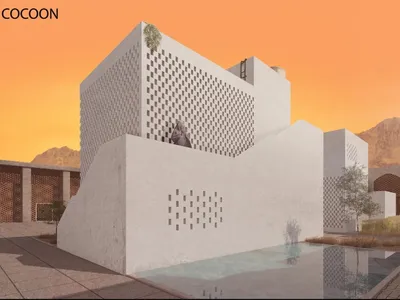
A Reinforced Cocoon: Vernacular Architecture for Security, Healing and Community in Qandahar
A Reinforced Cocoon reimagines Afghan vernacular architecture as secure community space for widowed women, families, healing and resilience.


Similar Reads
You might also enjoy these articles


Hodi-Mandai Geram
Project Function: Preservation and revitalization of the Intangible heritage and socio-spatial identity of the Hodi by Housing, Cultural Memory Center, Sacred Grove, landscape, local tourism economy


Olio Towers: A Mid-Rise for Performers That Fuses Housing, Rehearsal, and Stage
Located blocks from Houston's Theater District, this modular tower stacks living units around a central performance atrium.

Oasis: Modular Green Housing Carved into Dhaka's Urban Fabric
A shortlisted Plugin Housing entry reclaims unauthorized settlements in Dhaka with stepped concrete volumes, green roofs, and ventilation-driven design.

Black Hole: A Floating Megastructure for the Post-Physical Era
Emiliano Mazzarotto envisions a spherical, self-scaling arena where e-sports, digital hotels, and holographic stadiums replace traditional public space.


Explore Housing Competitions
Discover active competitions in this discipline



The International Standard for Design Portfolios


The Global Benchmark for Architecture Dissertation Awards


The Global Benchmark for Graduation Excellence


Challenge to reimagine the Iron Throne
Comments (0)
Please login or sign up to add comments
No comments yet. Be the first to comment!