

Wide House by BLDUS: A Contemporary Alley House in Washington, D.C.
A long, light-filled, BLDUS-designed alley house using BamCore, balancing privacy and openness through screened porches, cedar cladding, and bamboo structure.


Located discreetly within a narrow alley in central Washington, D.C., Wide House by BLDUS redefines the architectural possibilities of urban infill housing. Departing from the rigid conventions of the city’s traditional rowhouse typology, this 315-square-meter, six-bedroom residence proposes a new model for alley dwellings: one that prioritizes light, privacy, sustainability, and spatial generosity within a constrained urban footprint.
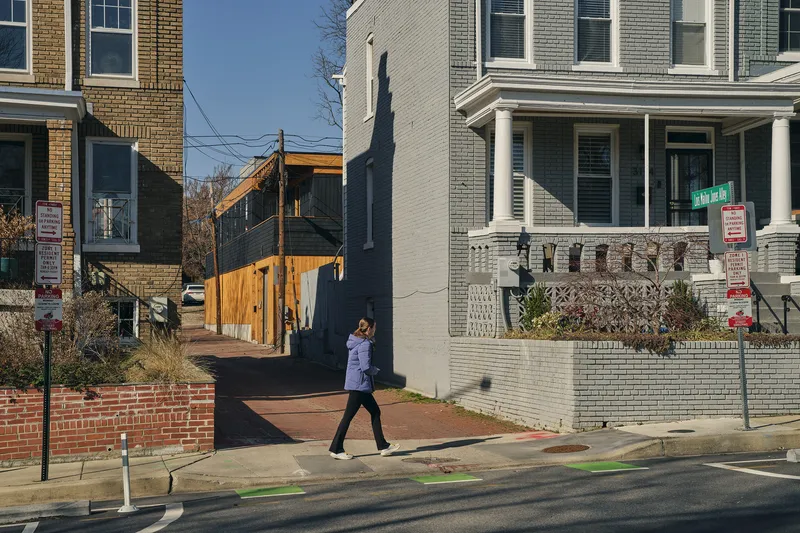
Completed in 2023, the project demonstrates how thoughtful architectural strategies and innovative construction systems can transform overlooked urban parcels into high-performance residential environments that respond to both social and environmental demands.
Reinterpreting the Alley House Typology
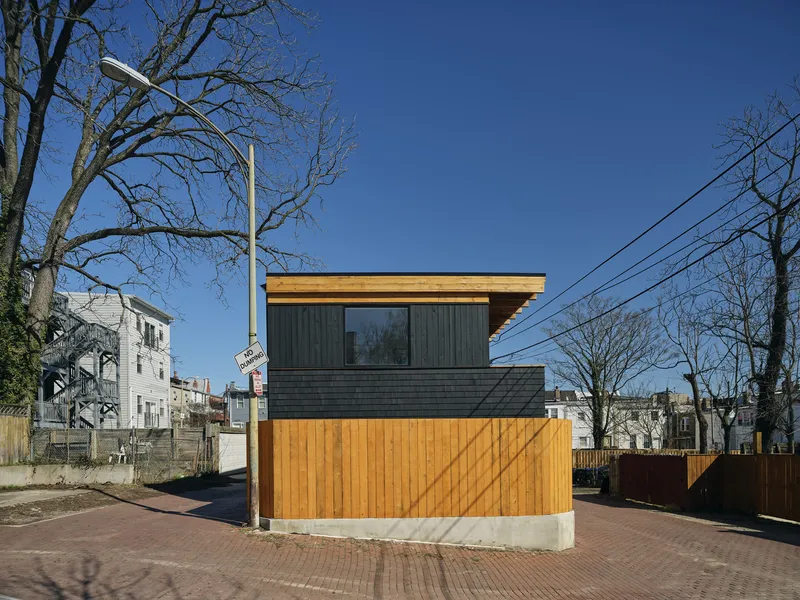
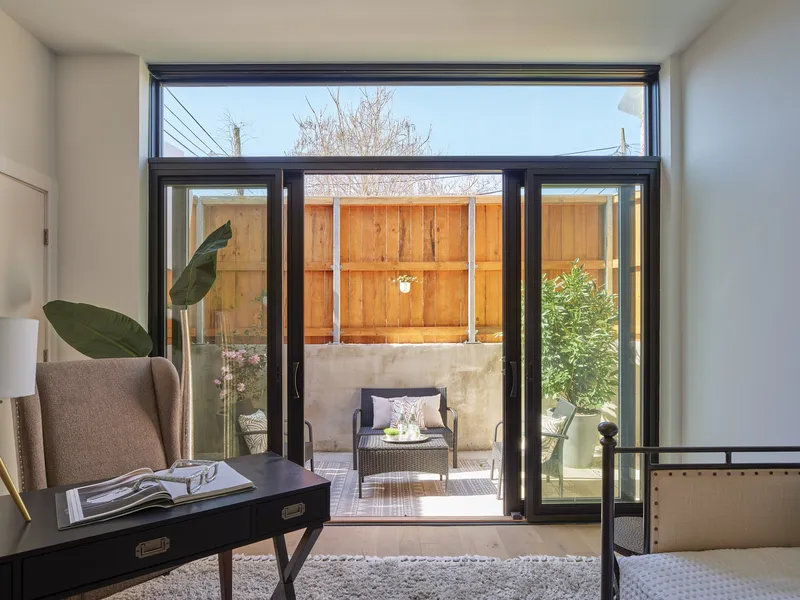
Rather than replicating the repetitive massing of surrounding rowhouses, Wide House stretches horizontally along its site, creating a long, thin volume that maximizes frontage and daylight exposure. The design carefully negotiates privacy in a dense urban context by inserting a series of outdoor rooms: porches, balconies, and screened spaces, between the interior living areas and the property’s integral perimeter fence.
These transitional zones soften the boundary between public and private space while allowing the house to breathe, both visually and climatically. The result is a residence that feels open and expansive without sacrificing seclusion, a critical balance in Washington, D.C.’s evolving alley neighborhoods.
Sustainable Construction with BamCore Technology
Wide House is the first speculative residence in Washington, D.C. to utilize BamCore’s Prime Wall System, marking a significant step forward for sustainable residential construction in the city. The prefabricated system is composed of CNC-cut hybrid bamboo-wood plywood panels that are tilted into place on site, forming a structural shell with continuous hollow wall cavities and no traditional studs.
This innovative approach dramatically reduces thermal bridging, improving overall energy performance while minimizing material waste. The use of rapidly renewable bamboo further strengthens the project’s environmental credentials, aligning with contemporary goals for low-carbon, high-efficiency housing.
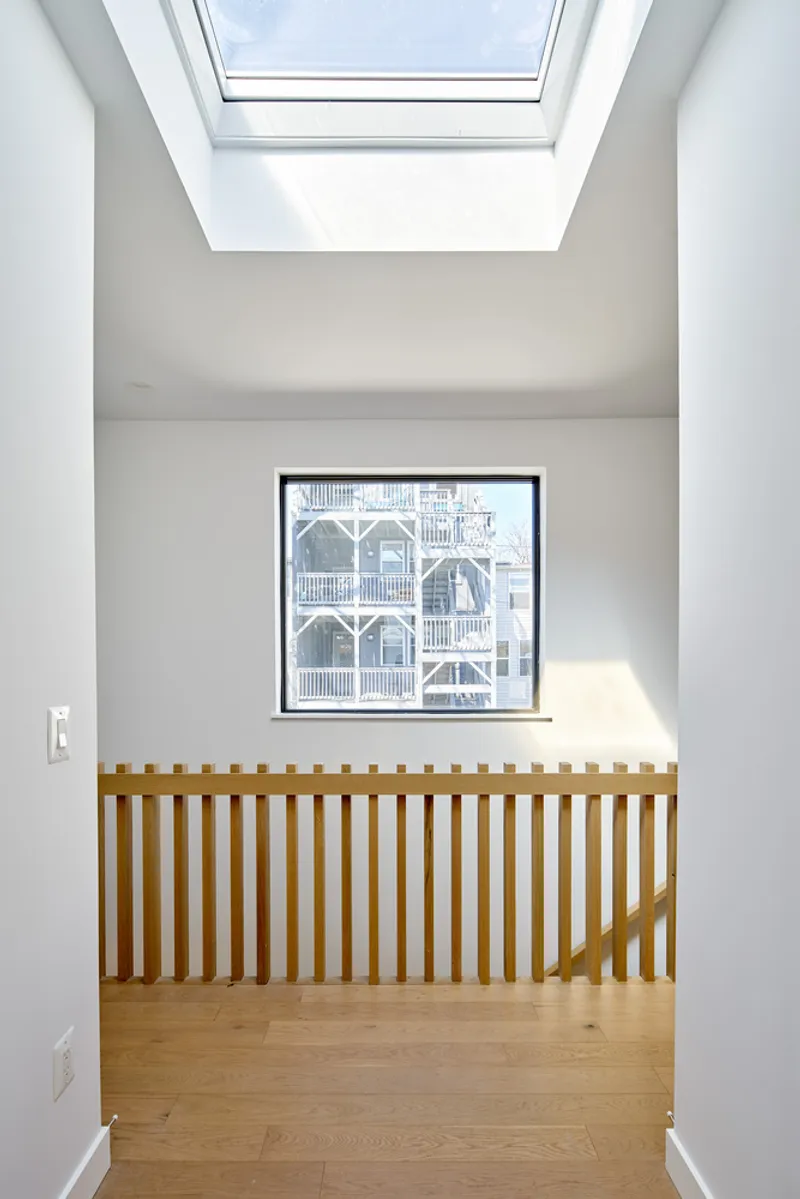
Material Expression and Architectural Identity
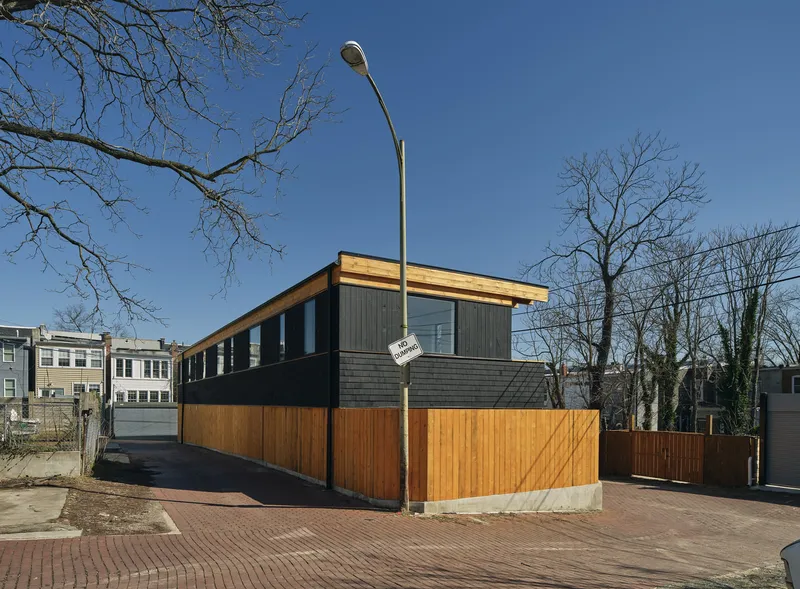
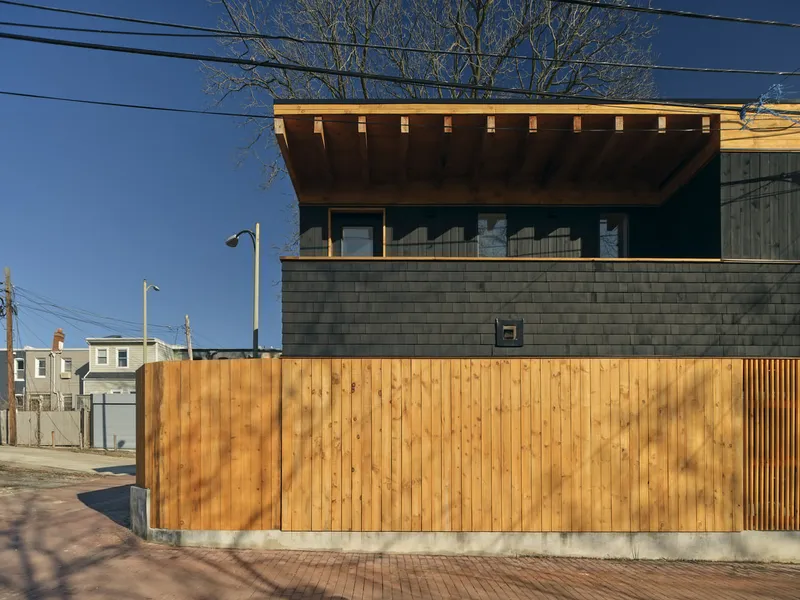
The BamCore structural frame is clad in cedar and pine, materials chosen for their durability, warmth, and ability to weather gracefully over time. Heavy cedar timbers extend the roof plane outward, creating sheltered second-floor balconies that reinforce the home’s horizontal emphasis and deepen its relationship with the outdoors.
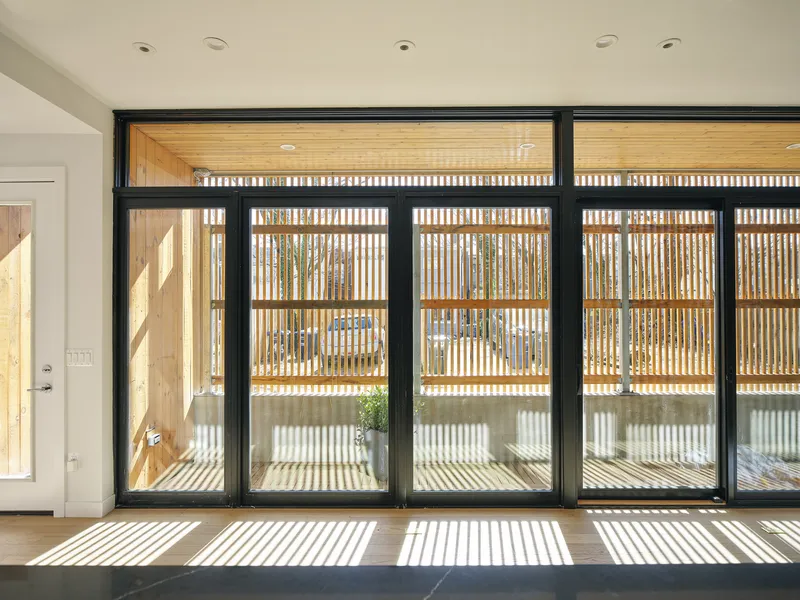
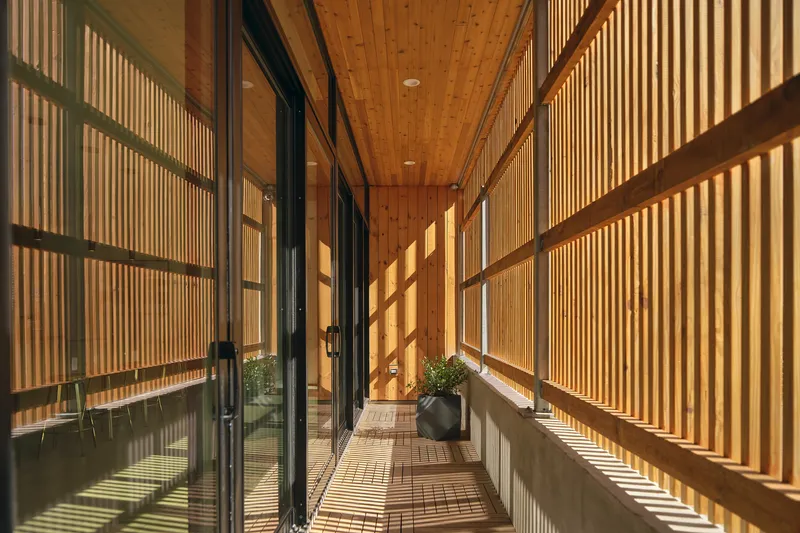
A carefully articulated wood screen lines the street-facing edge of the house, aligning with the perimeter fence before peeling away to admit daylight. This layered façade strategy enhances privacy while animating the exterior with shifting patterns of light and shadow throughout the day.
Light, Climate, and Spatial Experience
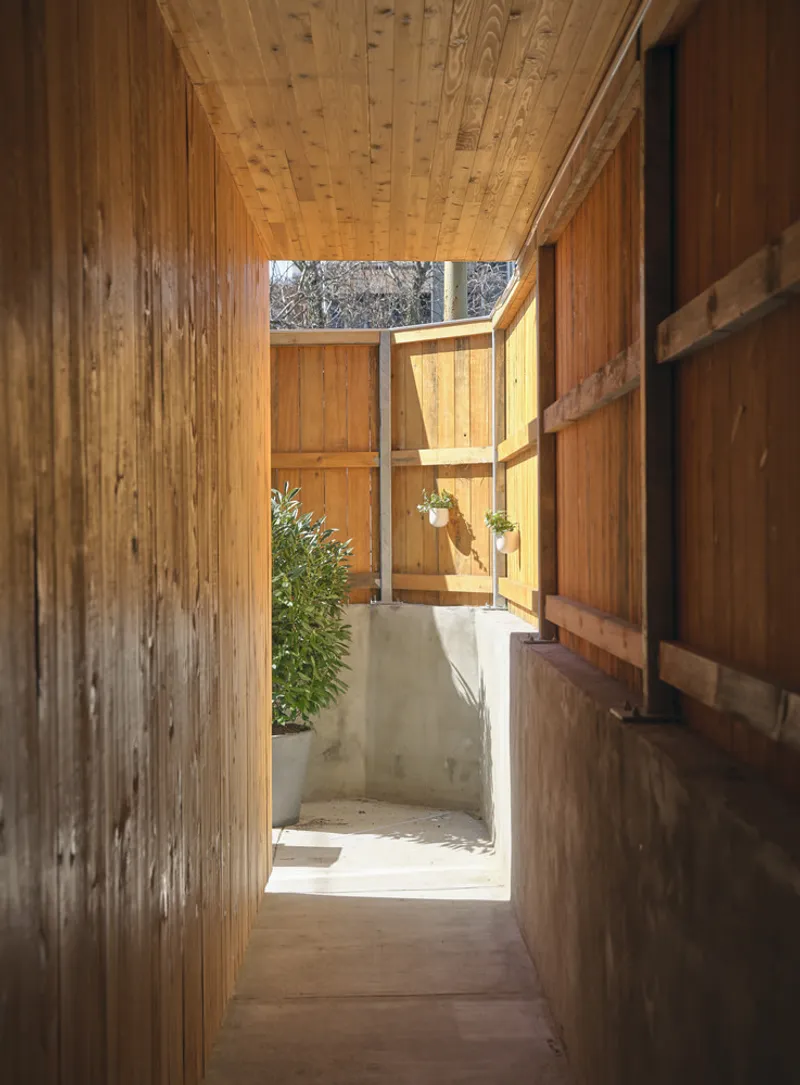
A defining feature of the house is its 45-foot-long, enclosed, south-facing porch, which anchors the project both spatially and climatically. Acting as a buffer between interior spaces and direct sunlight, the porch mitigates solar glare and heat gain while providing a generous, private outdoor room that tracks the movement of the sun.
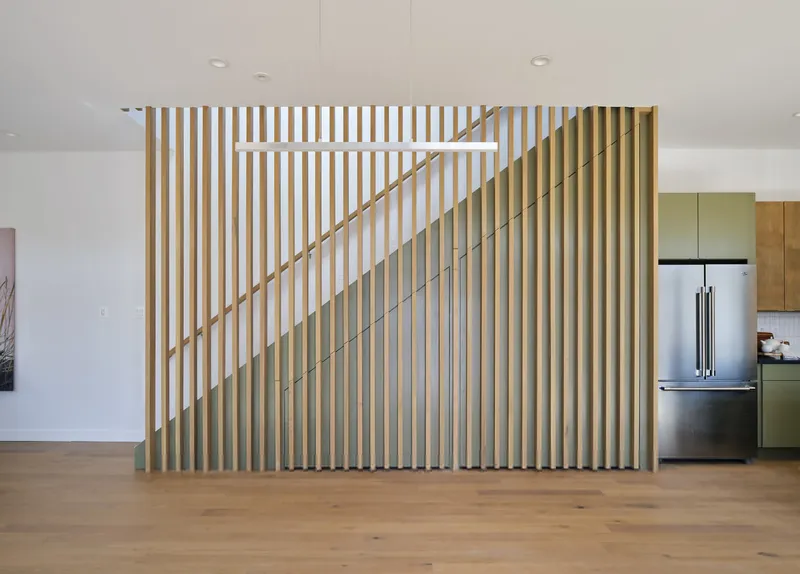
Inside, natural light filters deep into the plan, guided by the home’s elongated form and carefully positioned openings. An interior oak stair screen echoes the rhythm of the exterior wood elements, creating visual continuity as it rises through the house and reinforcing the project’s cohesive material language.
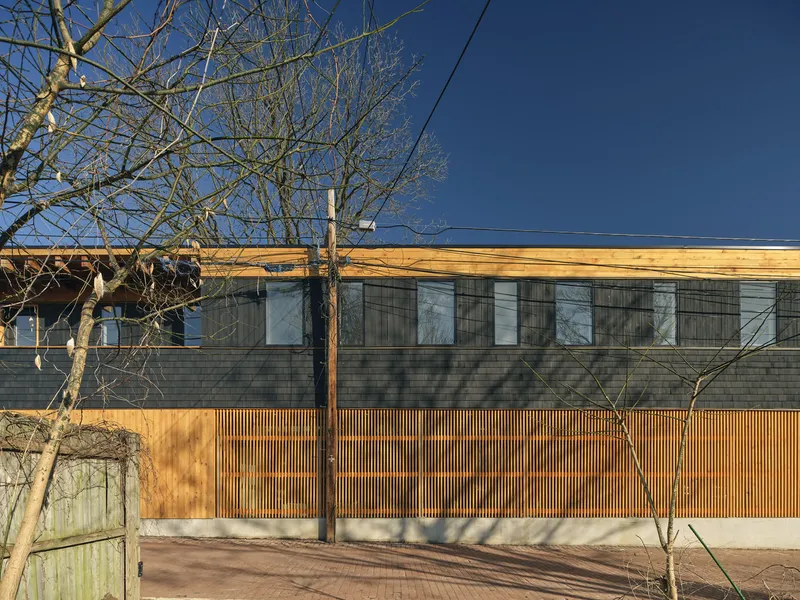
A New Model for Urban Residential Architecture
Wide House exemplifies how contemporary residential architecture can respond intelligently to dense urban conditions without compromising comfort, sustainability, or design quality. By rethinking the alley house typology, embracing innovative bamboo-based construction, and prioritizing the relationship between light, privacy, and outdoor space, BLDUS delivers a forward-looking model for urban living in Washington, D.C.
The project stands as a compelling case study for architects, developers, and cities seeking sustainable, high-quality housing solutions within tight urban constraints.


Popular Articles
Popular articles from the community


The Musturak Paradise: Senior Living Architecture for a Connected Future in Temara, Morocco
The Musturak Paradise reimagines senior living architecture in Temara via private homes, social spaces, culture, community, and shared care.

Conexión: Biophilic Design Reimagines High-Rise Living in Hong Kong
Conexión reimagines high-rise living in Hong Kong through biophilic design, green facades, shared spaces, daylight, water and nature within.

EW PARK: Sustainable Architecture Reimagines the Future of Urban Parking
EW PARK reimagines city parking as a modular wooden tower combining automation, solar energy, electric mobility, and adaptable urban design.

Riyadh For All: Intergenerational Urban Design for Active Aging in Rabat
Riyadh For All reimagines urban design in Rabat with intergenerational co-living, adaptive courtyards, and Moroccan cultural exchange today.

Similar Reads
You might also enjoy these articles

FAMM Arquitectura Organizes Ten Villas Around Courtyards and Jungle in Nosara, Costa Rica
El Molino pairs two elongated volumes with deep overhangs and timber louvers to build a compact coastal community five minutes from the beach.
Oscar Niemeyer's Ibirapuera Park Pavilions Define São Paulo's Cultural Identity in Concrete and Curve
A constellation of modernist volumes set within São Paulo's most important urban park, conceived for the city's 400th anniversary in 1954.
How Henri Picq's 1889 Paris Pavilion Traveled 11,000 Kilometers to Become Santiago's Artequín Museum
A prefabricated iron and glass pavilion built for the Paris Universal Exposition found a second life as a children's art museum in Chile.
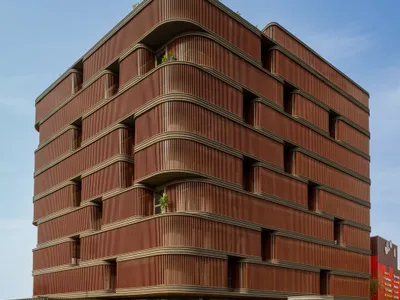
Sanjay Puri Architects Wraps a Jaipur Office Tower in Capsule-Shaped Green Buffers
A nine-level climate-responsive workplace near Jaipur Airport uses stacked planter terraces and aluminium screens to fight 40°C heat.


Explore Architecture Competitions
Discover active competitions in this discipline



Challenge to reimagine the Iron Throne


Photograph architecture without architects


Illustrate the lost glory of Angkor Wat - Render Challenge


Design challenge to reuse E-waste
Comments (0)
Please login or sign up to add comments
No comments yet. Be the first to comment!