

WISDOM HAVEN
Project of the future library in Lublin

The main concept behind designing a library building is to create a space that serves as a hub of knowledge, learning, and community engagement. A well-designed library goes beyond being a mere repository of books and becomes a dynamic center that fosters intellectual exploration, collaboration, and cultural enrichment. Libraries are no longer limited to being silent spaces for individual study. They have evolved to accommodate a variety of activities and cater to diverse user needs. Modern library designs often include flexible spaces that can be easily adapted for group discussions, presentations, workshops, or even social gatherings. This flexibility allows the library to cater to different learning styles, promote collaboration, and host a range of community events.
The basis for shaping the body of the building was a reference to the existing building lines provided for in the local spatial development plan. In addition, the analysis of the existing environment allowed to determine the paths chosen by local residents. The projected expansion of existing buildings and the creation of a public plaza to the south of the development area were also taken into account.
Six other building concepts were created before the final version of the design was created. The best excerpts were selected from each proposal. The whole has been combined into the current concept and expanded.
Design investigation played a vital role in creating the architectural library design. Various methods to conduct thorough research and analysis, including site analysis, user research, case studies, functional analysis and sustainability analysis. These methods helped understand the site, user needs, existing designs, functional requirements and sustainability considerations, informing the design process and ensuring the creation of an effective and tailored library space.
The library program was condensed into its final form through a series of iterative design processes. Initially, the program was developed based on the research and analysis conducted during the design investigation phase. This involved identifying the required spaces and functions, such as reading areas, study spaces, computer labs, children's sections and administrative areas. In addition, the survey showed that there should be a lot of greenery in the building. Then the idea of introducing an indoor garden to relax was created.
The materials for the library building were carefully chosen through a thoughtful process. Contextual analysis helped to understand the architectural style, materials, and cultural significance of the surrounding area. It aimed to create a design that harmonized with the environment while establishing its unique identity. In considering the functional requirements were selected materials that would meet the specific needs of the library. Prioritized were materials that provided acoustic insulation to ensure a quiet and conducive environment for reading and studying. Additionally, sustainability played a crucial role in material selection. The design opted for eco-friendly and energy-efficient materials, such as recycled or locally sourced materials, that reduced the environmental impact of the building. It also considered factors like thermal insulation, natural lighting and water efficiency to enhance the library's sustainability performance. Aesthetics and architectural expression were also taken into account. The building considered the visual impact of the materials, their textures, colors, and how they would contribute to the overall design concept. It create a visually appealing and inviting space that reflected the library's purpose and the community it served.
The objective of designing a library of the future is met through flexible and adaptable spaces that can be easily customized to accommodate various activities and user preferences. This library integrate cutting-edge technologies such as high-speed internet access, digital resources and self-checkout systems. They strive to be inclusive and accessible to all users, incorporating features like ramps, elevators and wide aisles. By embracing these approaches, libraries of the future provide an environment that caters to the evolving needs of users and embraces emerging technologies.
The Wisdom Haven Library integrates spaces for studying and areas for relaxation. Three sections of the building are designed to cater perfectly to the needs of its users. The inner courtyard serves as a central point of the building, facilitating better communication. The architecture of the building encourages engagement with culture in various forms. The restaurant part is conveniently situated in close proximity to a public square, fostering connections between library users and residents of nearby multi-family housing. In the southeastern section of the building is located a reading and relaxation zone among trees. The selected plant species represent various plant formations occurring in Poland. The library collections, reading rooms, multimedia facilities and co-working spaces are situated in the northern part of the library. In the center of this area is designated silent zone that provides access to the green roof.
Library can evolve with time, embracing changes to meet the shifting needs of their users. It integrate new technologies, offering digital resources and online databases. Physical spaces become flexible, encouraging collaboration and interactive learning. Libraries also expand their role as community hubs, hosting events, workshops, and cultural programs. With each passing year, libraries continue to transform, adapting to the digital age while remaining a vital source of knowledge and connection. The designed building creates diverse spaces for local community interaction.


Popular Articles
Popular articles from the community

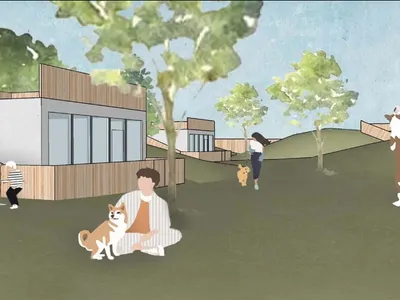
Temporary Home for Dogs: A Reversed Zoo Rethinks Animal Shelter Architecture
In Bucharest, a sinuous corridor and freed landscape flip the logic of containment, designing a shelter that works to make itself unnecessary.

Manzana Morphosis: Stretching Barcelona's Grid into a Living Landscape for 2050
A radical reworking of the Eixample manzana turns density into a tool for generous public space, vertical ecology, and environmental performance.

Singing Woman: An Opera House That Performs Before the Curtain Rises
Ovidiu Cristian Pavel's conceptual opera house translates Estonia's choral identity into a sculpted waterfront landmark facing the Baltic Sea.
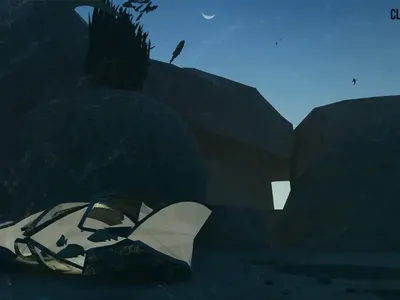
Cloaked Colonization: A Mobile Underwater Habitat That Moves Like a Fish
Micah Abaya's shortlisted EHC Pacific entry reimagines ocean settlement as a dispersed network of self-sustaining architectural organisms.

Similar Reads
You might also enjoy these articles

Shakur's House: Exposed Brick as an Interior Organiser in a 168 m² Mashhad Residence
Brick moves indoors in this Mashhad residence, where masonry walls, glass partitions and teal planes sequence a compact home without closing it off.

Day and Night Park: A Time-Based Urban Newsstand in Beijing
A temporary urban newsstand in Beijing blending travel, light, and reading through poetic colors, compact form, and community-focused design.

Modernist Patio Renovation in El Masnou, Barcelona by Oliver Segura Arquitectura + Cebrià Arquitectura
Modernist patio renovation blending tradition and innovation with a movable pool, leveled floors, and Catalan materials in El Masnou.

Alto Residencial Coop: Cooperative Housing Development in Santiago de Compostela by Carbajo Barrios Arquitectos
A linear cooperative housing complex blending white volumes and perforated metal façades, enhancing community living, natural light, privacy, and urban integration.

Explore Architecture Competitions
Discover active competitions in this discipline


Challenge to reimagine the Iron Throne

Photograph architecture without architects

Illustrate the lost glory of Angkor Wat - Render Challenge

Design challenge to reuse E-waste
Comments (0)
Please login or sign up to add comments
No comments yet. Be the first to comment!