

Wooden House by Studio Noun: Sustainable Timber Architecture with Local Craftsmanship
Studio Noun’s Wooden House combines sustainable timber construction with local craftsmanship, creating a modern, eco-friendly home in Switzerland.


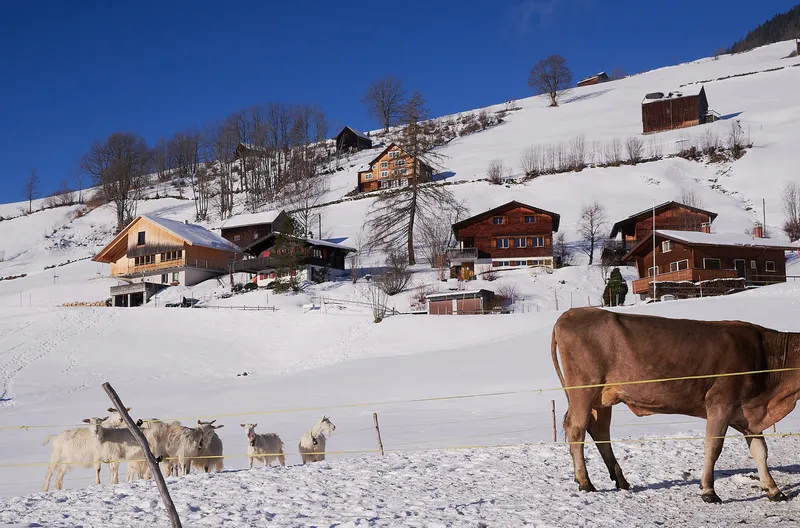
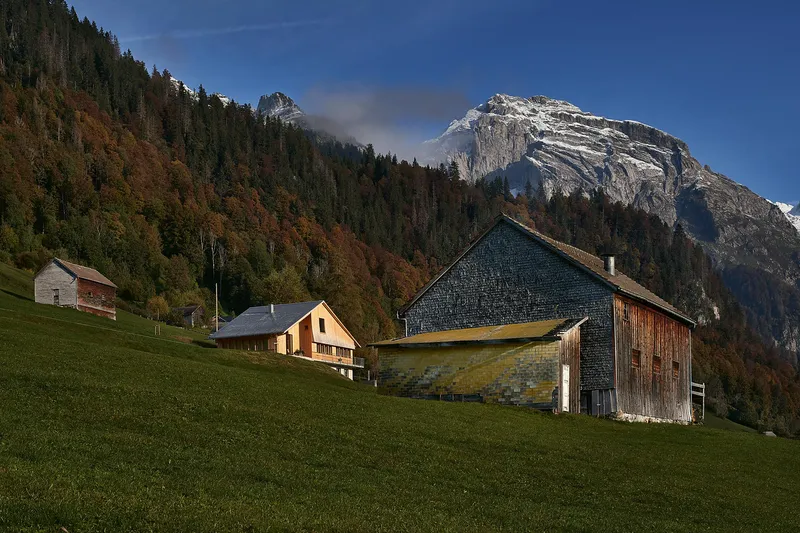
Nestled in the scenic landscape of Unterwasser (Toggenburg) in Switzerland, Studio Noun’s Wooden House is a testament to sustainable, low-tech architecture. Designed to preserve the traditional craft of timber construction, the house incorporates locally sourced materials and innovative prefabrication methods, making it an exemplary case for contemporary wood architecture.

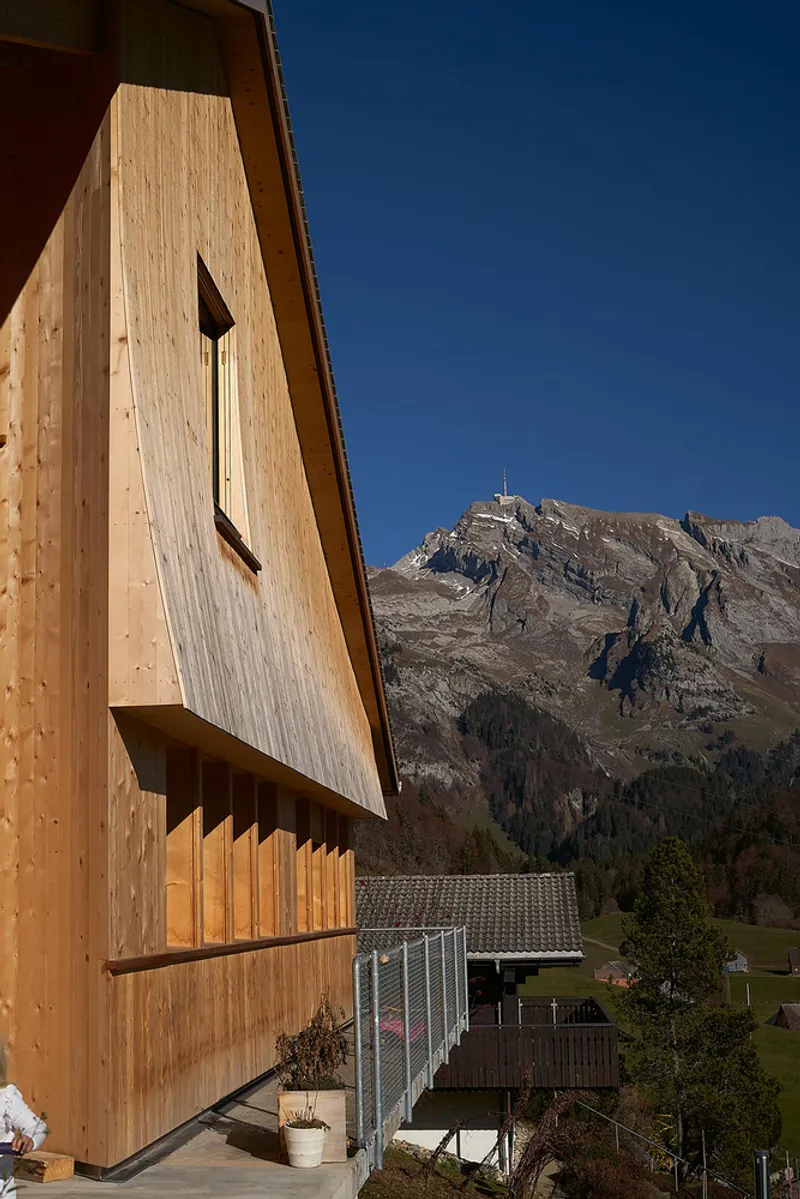
Concept and Design:
The design concept for the Wooden House focused on minimizing the use of glue, metal, and concrete, aiming to create a structure almost entirely out of wood. By using solid timber construction, the architects were able to build the house without the usual materials typically needed to join elements, such as glue or metal. The walls are crafted from a series of cross-laid planks joined with beech wood dowels, with air pockets trapped between the layers, providing natural insulation.
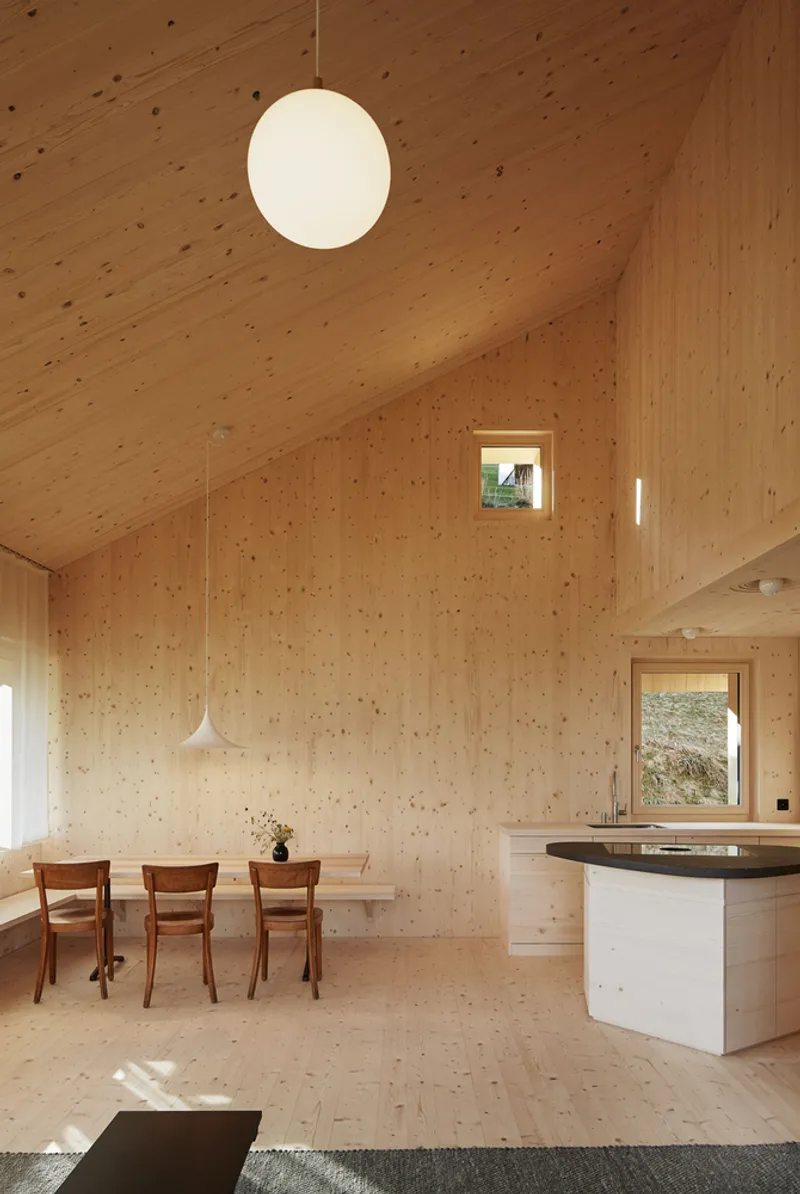
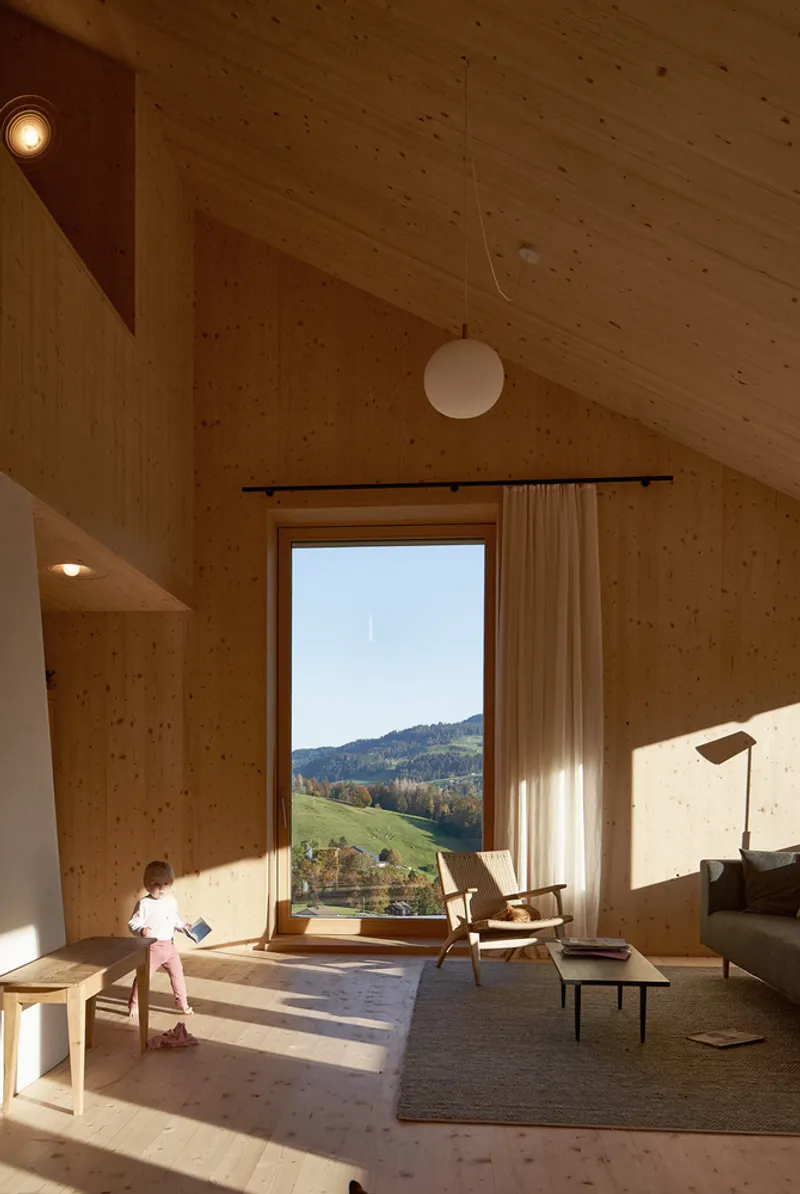
Sustainable Materials and Craftsmanship:
The timber used for the construction—spruce and fir—was sourced from a 30-kilometer radius, sawn locally, and installed by skilled local craftsmen. The commitment to sustainability extends beyond the structural elements: the interior finishes, including doors, floors, and built-in cupboards, are also made from the same locally sourced wood, further reinforcing the house’s connection to its natural surroundings.
The Wooden House is a direct response to a growing family’s need for more space while respecting the cultural and agricultural protection zone in which it is located. The architects maintained the foundations of the old house built in the 1970s to create the new timber structure, ensuring minimal environmental impact.
Architectural Details:
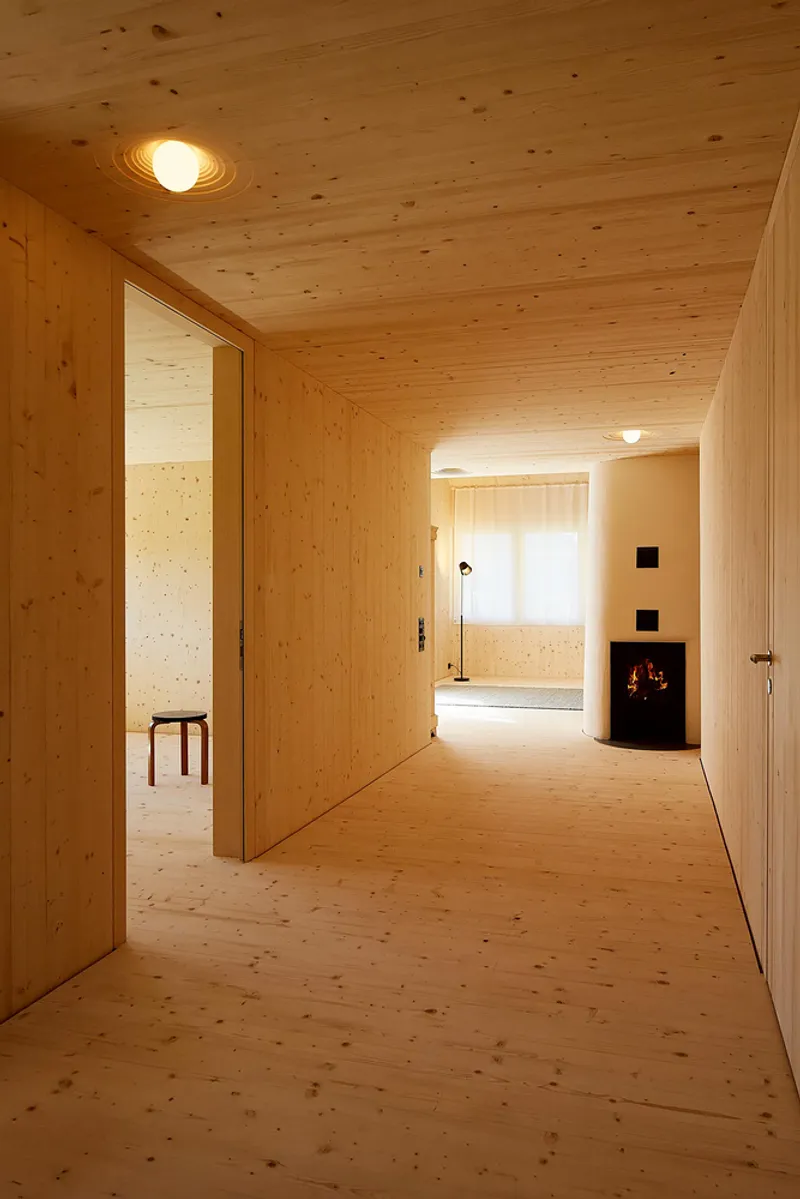
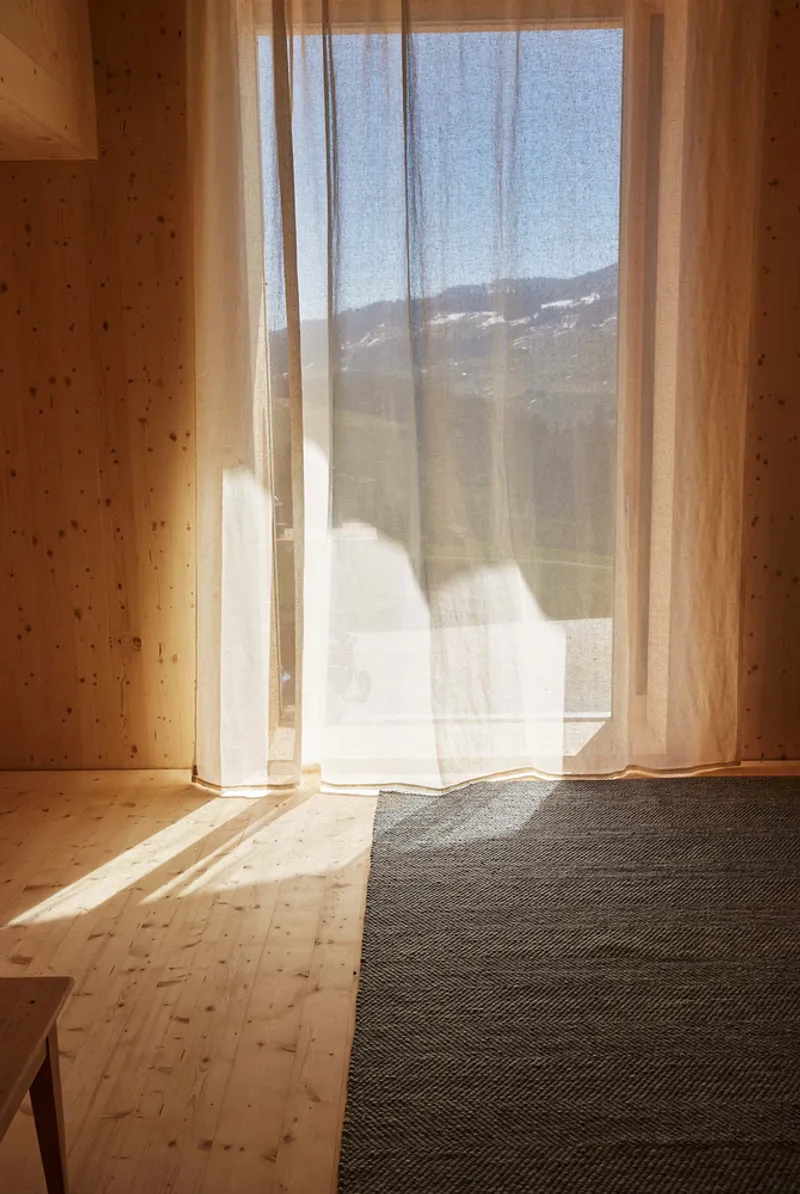
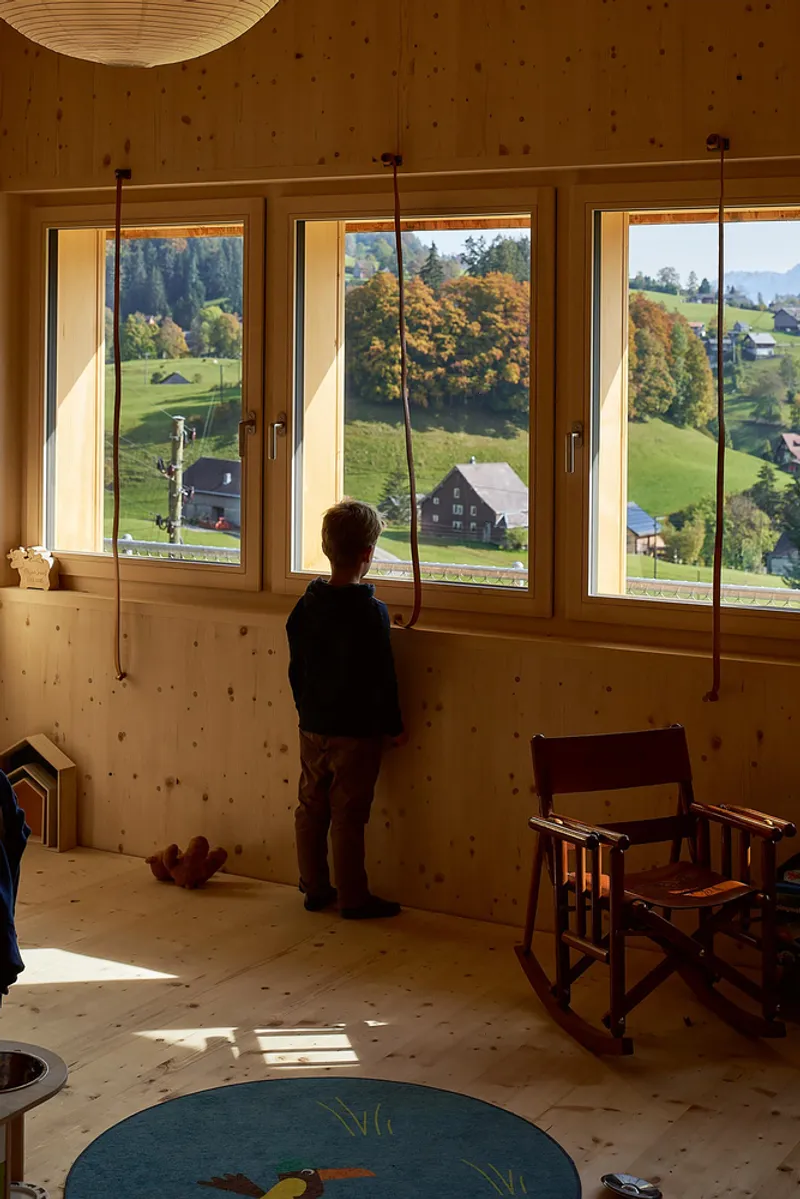
The design also reflects local architectural typologies. Ribbon windows running the length of the south and west façades are characteristic of traditional Swiss houses, as is the exaggerated shed roof motif. A distinctive corner cut at the building’s edge creates a covered, wind-protected space, providing a view into the valley and giving the house a unique character. Inside, a double-height room centered around a large fireplace serves as the heart of the home. The open hallway running through the center of the house connects the living area to the upper floor, with daylight streaming in through a large roof opening, providing a bright and airy atmosphere.
Aesthetic Touches:
The interior design of the Wooden House is thoughtfully curated, with the beauty of the natural wood highlighted throughout. Specially designed light fixtures with circular sockets carved into the wood evoke the growth rings of tree trunks, adding a natural, organic touch to the space.
All photographs are works of Zsigmond Toth


Popular Articles
Popular articles from the community


Tsunami Convergenics: Turning Catastrophic Ocean Forces into Underwater Housing Infrastructure
A speculative underwater settlement off the coast of Onagawa, Japan, treats tsunamis and typhoons as energy sources rather than threats.

Faces of the Soviet Avant-Garde: Turning Moscow's Street Names into an Open-Air Museum
A network of sculptural installations across a Moscow residential district transforms forgotten architect names into spatial encounters with cultural memor

Opera on the Sea: Driftwood Logic Shapes a Timber Opera House on Estonia's Coast
Trevor Orgill's opera house translates the entangled drift of floating timber into a civic building where wood, water, and music converge.
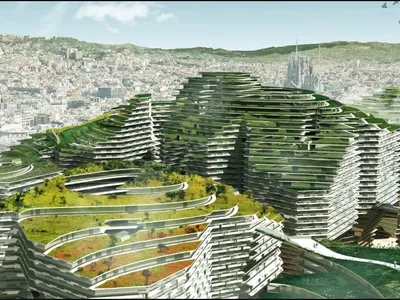
Manzana Morphosis: Stretching Barcelona's Grid into a Living Landscape for 2050
A radical reworking of the Eixample manzana turns density into a tool for generous public space, vertical ecology, and environmental performance.

Similar Reads
You might also enjoy these articles


Hodi-Mandai Geram
Project Function: Preservation and revitalization of the Intangible heritage and socio-spatial identity of the Hodi by Housing, Cultural Memory Center, Sacred Grove, landscape, local tourism economy


Olio Towers: A Mid-Rise for Performers That Fuses Housing, Rehearsal, and Stage
Located blocks from Houston's Theater District, this modular tower stacks living units around a central performance atrium.

Oasis: Modular Green Housing Carved into Dhaka's Urban Fabric
A shortlisted Plugin Housing entry reclaims unauthorized settlements in Dhaka with stepped concrete volumes, green roofs, and ventilation-driven design.

Black Hole: A Floating Megastructure for the Post-Physical Era
Emiliano Mazzarotto envisions a spherical, self-scaling arena where e-sports, digital hotels, and holographic stadiums replace traditional public space.

Explore Wood Construction Competitions
Discover active competitions in this discipline

Challenge to reimagine the Iron Throne

Photograph architecture without architects

Illustrate the lost glory of Angkor Wat - Render Challenge

Design challenge to reuse E-waste
Comments (0)
Please login or sign up to add comments
No comments yet. Be the first to comment!