
YANIVAS - An Abode Of Memories
Encapsulating Memories In A Space Through Exploration Of Symbolism In Architectural Space Making Elements

Phase 1 : Study of Semiotics & developing larger understanding of symbolism in our society
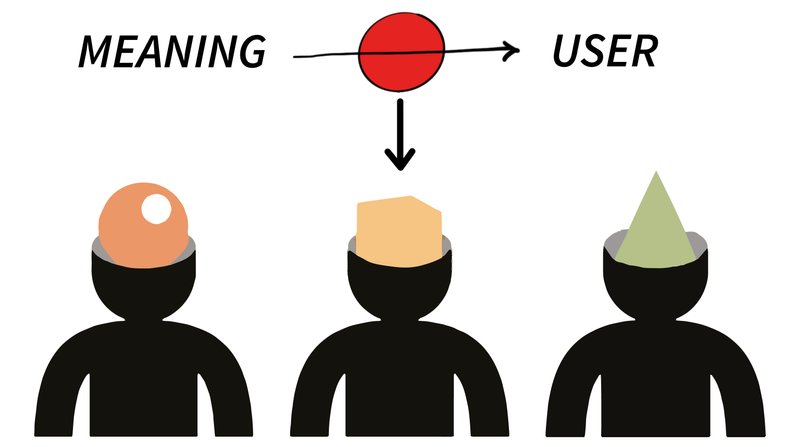
Semiotics is the study of how people form and express their interpretations.
Its roots are in the study of how visual and linguistic symbols construct meaning in society. It’s a method of looking at the world and comprehending how the region and culture in which we live have an unconscious affect on all of us.
Symbolism is the use of symbols to signify ideas and qualities by giving them symbolic meaning that are different from their literal sense. Symbolism and its role in architecture is like a design tool in order to convey meanings of designer’s thought into meaningful experiences for people.
Phase 2 : Study of the link between Memory & Architecture
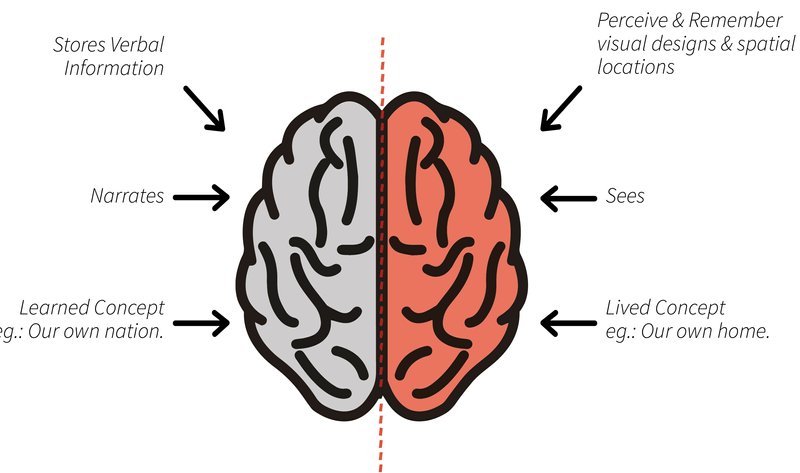
The idea of connecting with one’s memory is not given enough importance in our country, which is why we see such poor translation of memorial spaces in terms of design. People do not connect with the memorials in India, because they turn into a knowledge center or a place to just empathize with a certain individual(s) or event.
Studying literatures to understand symbolism, manifestation of memories and their connect with architecture constructs an information base to investigate into cases to draw design paradigms for memorial language in India.
Phase 3 : Link between Memorial architecture as a typology and symbolism in architectural space making elements as a theory
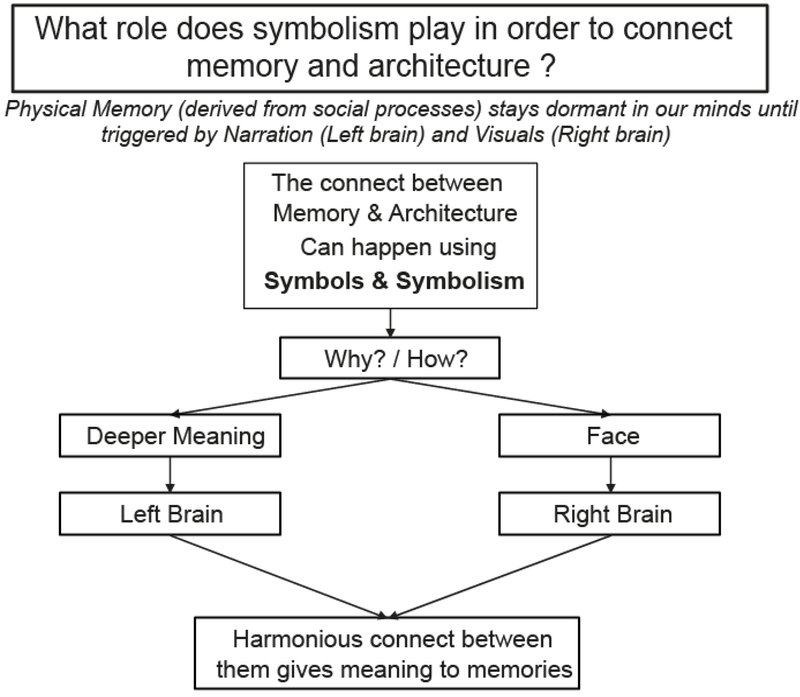
The idea behind undertaking the thesis titled, ‘Yanivas.’ is to bring to light the above-mentioned idea and look for valid architectural solutions towards re-imagining how memorial spaces can be better imagined in order to meaningfully connect memories within an architectural space.
The reason for looking at symbolism in architecture as an approach to attempt at this undertaking is because symbolism holds an innate quality of creating an impact, this when administered through architectural elements of space making could bring about meaningful connections.
Phase 4 : Organization
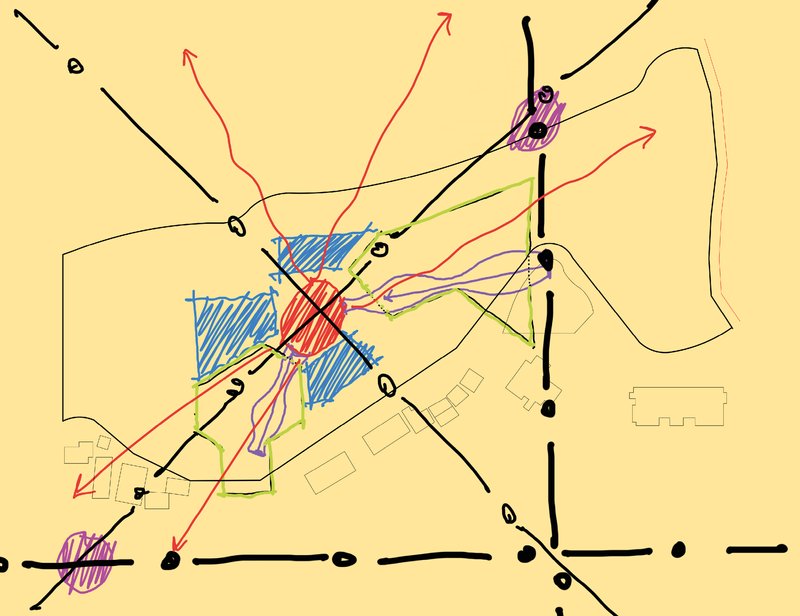
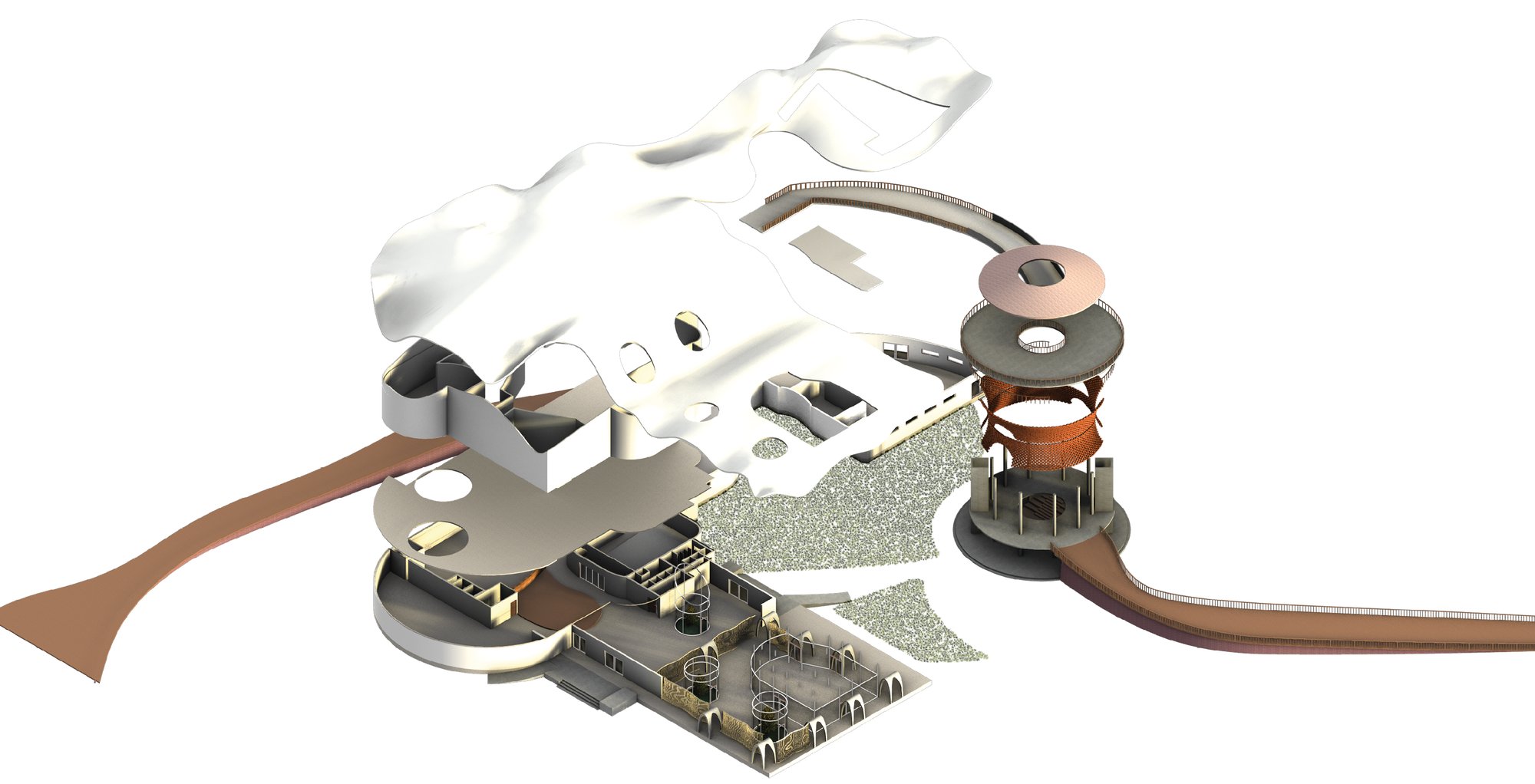
The site is located at the Haji Ali Interchange, which is part of the newly designed coastal road project currently under construction.
At the scale of Mumbai was selected keeping in mind that the project required heavy footfall due to an existing activity in the city. Keeping this in mind a number of public activity spaces were surveyed leading to the selection of the site between Haji Ali Dargah and Mahalaxmi Temple, both being culturally significant in the city scape.
Orientation on the site was done by determining an axis connecting the 2 public spaces and the design intervention acting as means for connecting users across that stretch. This also ensured the redirecting of an existing footfall towards the project, thus creating the necessary traction towards a new language for an existing typology at city scale.
The design spaces were worked out after intense series of exercises that took into account environmental factors, sociological factors, visual connection, proximity logics, etc.
Phase 5 : Design Language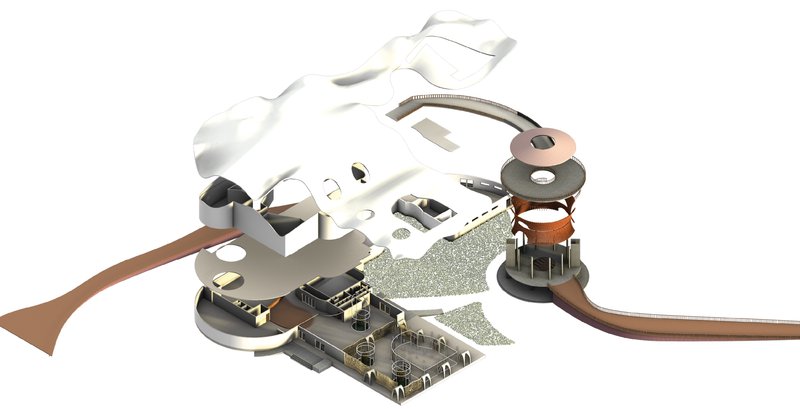
As this design was intended to be a space for interact, interlace, and introspect, the design language chosen was brutalist in nature with a touch of softness brought by the choice of materials such as rammed earth, exposed terracotta bricks, Walnut Wood finishes and ferrocement finishes in necessary spaces. Other than these, predominant design consists of exposed rusty concrete with highlight material being lime plaster with colour tints added.
Phase 6 : Predicted aging of the design
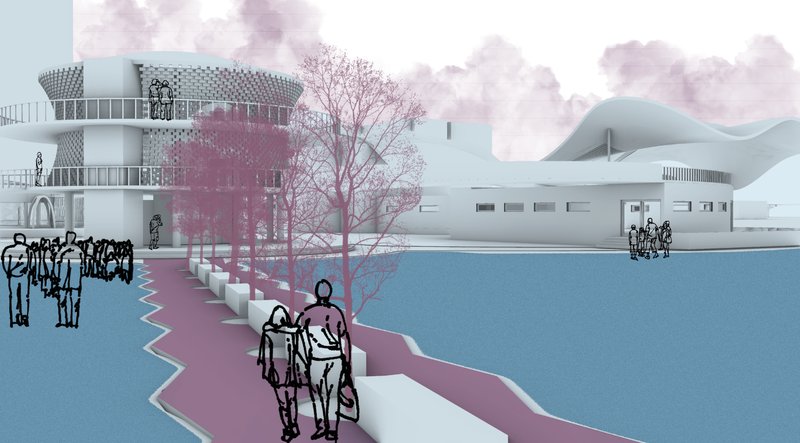
I intended and hope this design evolves in a serene yet serendipitous space allowing memories of various users with various backgrounds and experiences during covid to sustain as well as becomes a space of solace where people can confide in each other, thus enabling a positive outlook to life after a disastrous pandemic.




Popular Articles
Popular articles from the community

H&P Architects Stack a Vertical River of Brick and Greenery in Hanoi
A perforated terracotta tower in Dong Anh channels water, light, and air through eight staggered levels of domestic life.

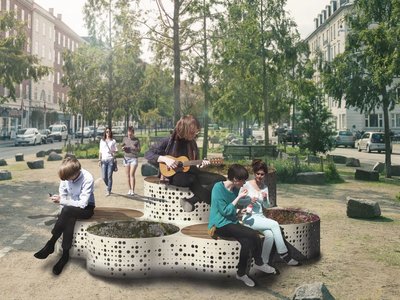
20 Most Popular Furniture Design Projects of 2025
Modular street systems, parametric benches, and insect hotels: the furniture design projects that captivated architects on uni.xyz in 2025.
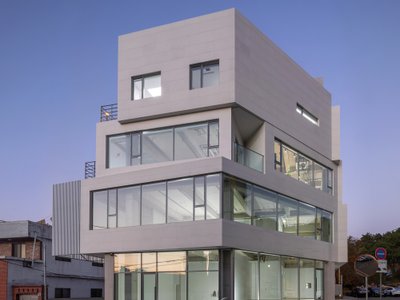
Architects Group RAUM Stacks Offset White Volumes into a Compact Office Tower in Busan
A 524-square-meter building on a tight corner lot in Haeundae plays with sunlight rights and shifting floor plates to create generous terraces.

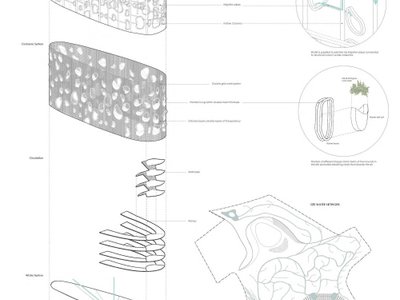
Biophilic Architecture and Regenerative Stadium Design: Biophilia Lagos by Rachel George
A regenerative stadium in Lagos transforms landfill into a living ecosystem through biophilic architecture, waste reuse, and environmental healing.

Similar Reads
You might also enjoy these articles

The Rhythm of Seasons
A Farmers' Market Connecting Nature and the City

More Than a Building-Designing a Living System
More Than a Building-Designing a Living System
Base Beyond
DESERT COMPOUND ARID: TOURISM OF ABSENCE AND ABUNDANCE


Explore Conceptual Architecture Competitions
Discover active competitions in this discipline




The International Standard for Design Portfolios


The Global Benchmark for Architecture Dissertation Awards


The Global Benchmark for Graduation Excellence


Challenge to reimagine the Iron Throne
Comments (0)
Please login or sign up to add comments
No comments yet. Be the first to comment!