
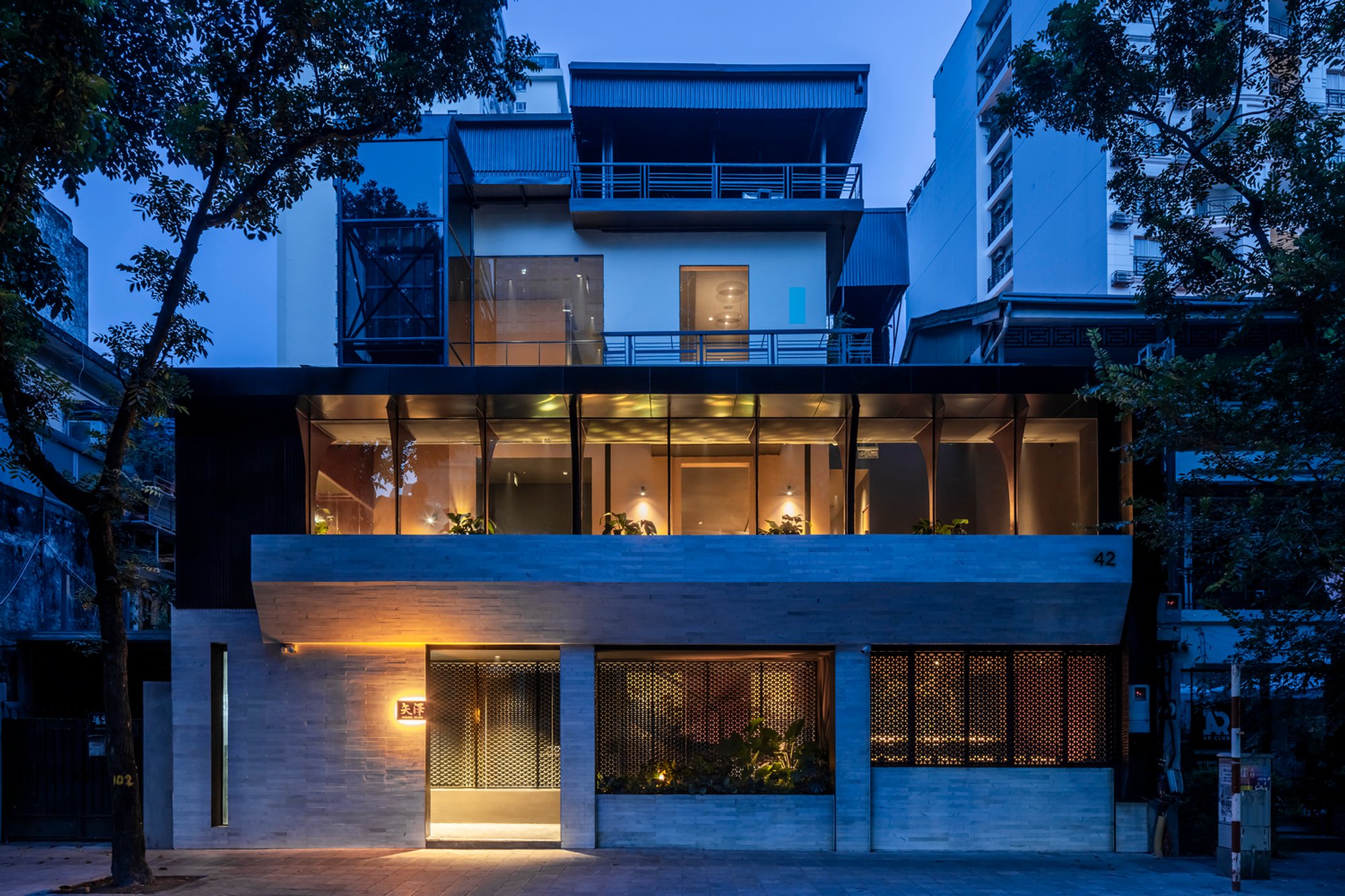
Yazawa Hanoi Restaurant Design: A Fusion of Tradition and Modernity in Architecture
The article explores the innovative design of Yazawa Hanoi Restaurant, blending historical architecture with modern elements, emphasizing iron.

The Yazawa Hanoi Restaurant design by Takashi Niwa Architects introduces a unique fusion of traditional Vietnamese architectural elements and modern design principles. Located in the heart of Hanoi, Vietnam, this innovative restaurant combines the region's historical French colonial influences with contemporary interpretations of iron as a material. The project’s design speaks to the cultural landscape of Hanoi, emphasizing interaction, tradition, and craftsmanship through every detail.
Architectural Vision and Material Selection
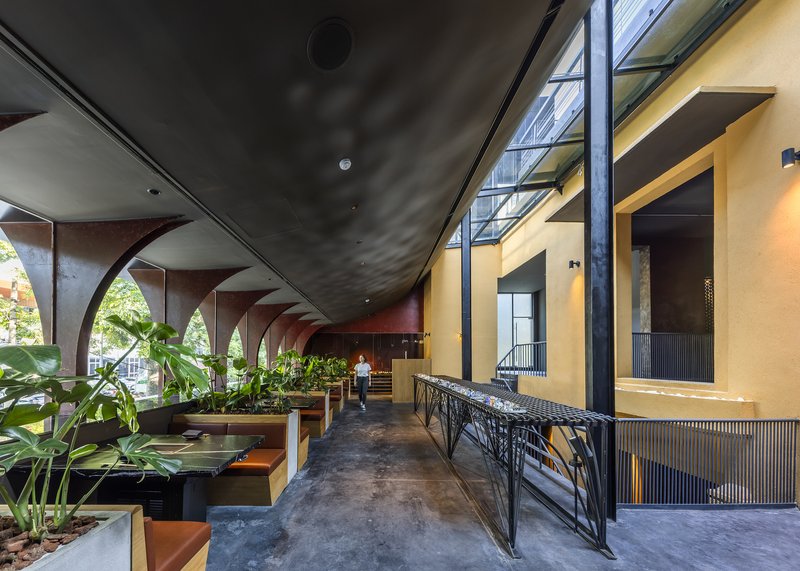
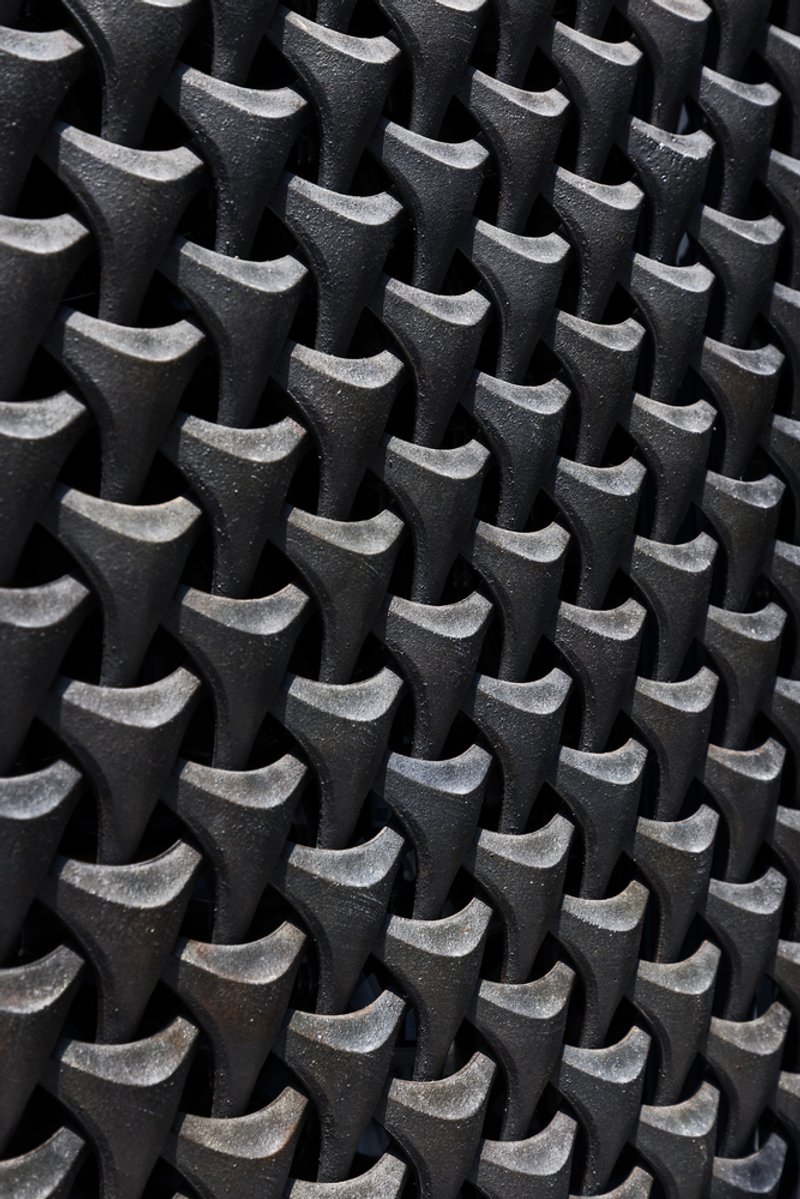
One of the standout features of the Yazawa Hanoi Restaurant design is the creative use of iron. The design team used iron not only as a structural material but as an aesthetic element that plays a crucial role in transforming the space. From the griddles used for cooking the signature yakiniku (Japanese BBQ) to the intricate iron emblems and screens, iron is integral to both the food and the environment.
The restaurant’s architects leveraged cast iron, iron oxide pigments, and iron plates, creating a dramatic contrast between the old and new. This thoughtful use of iron allows for a dialogue between the building’s history and modern renovations, honoring both its colonial past and the restaurant’s dynamic future.
Renovating a French Colonial Villa in Hanoi
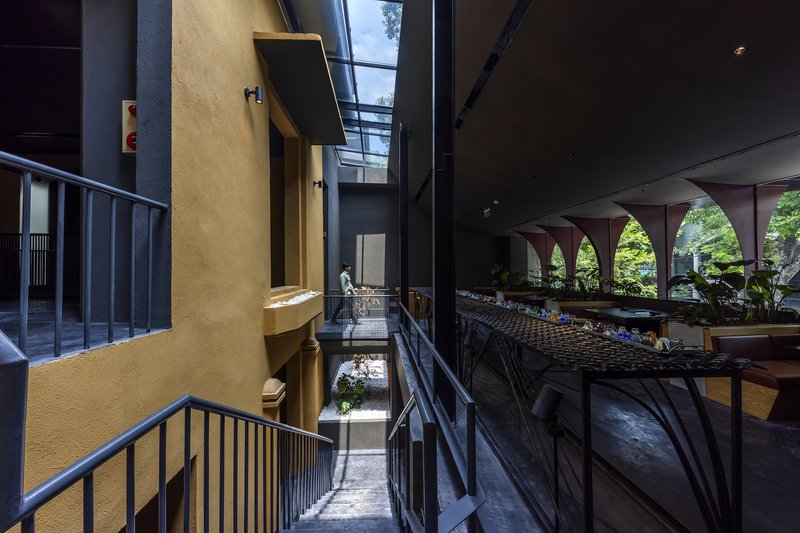
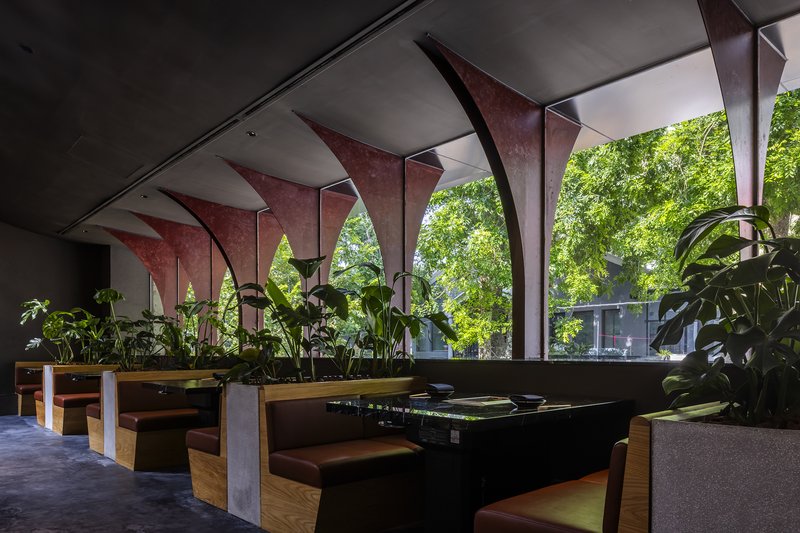
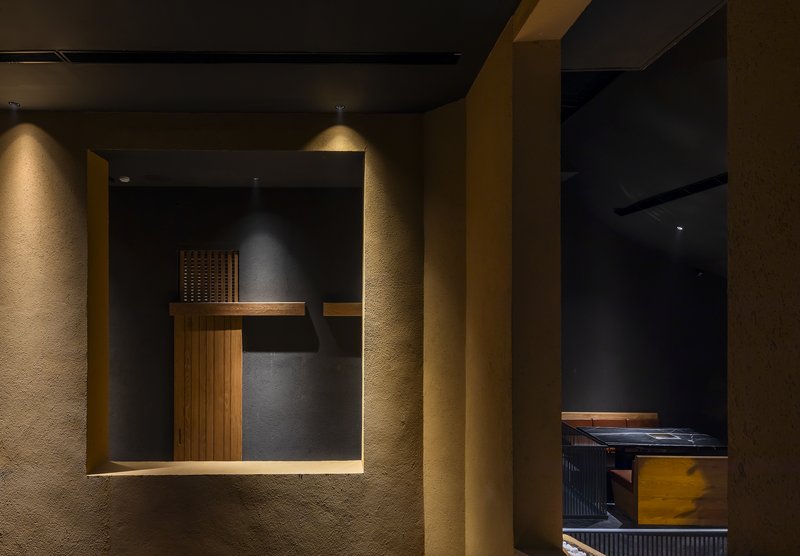
Located in a quiet, green area of Hanoi, the restaurant is housed in a French colonial villa that has been through multiple renovations over the years. The building's cream-colored exterior and ordered columns were preserved to maintain the historical essence, while the interior was reimagined to meet the restaurant's contemporary needs.
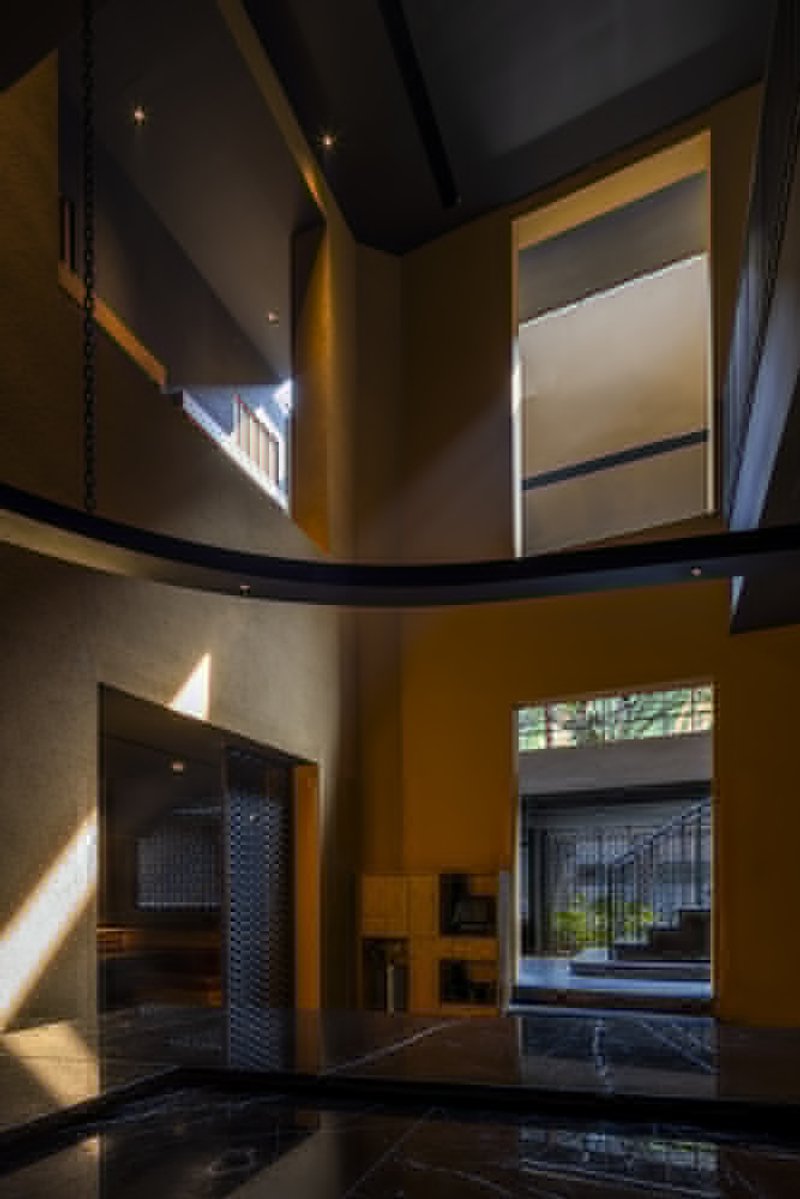
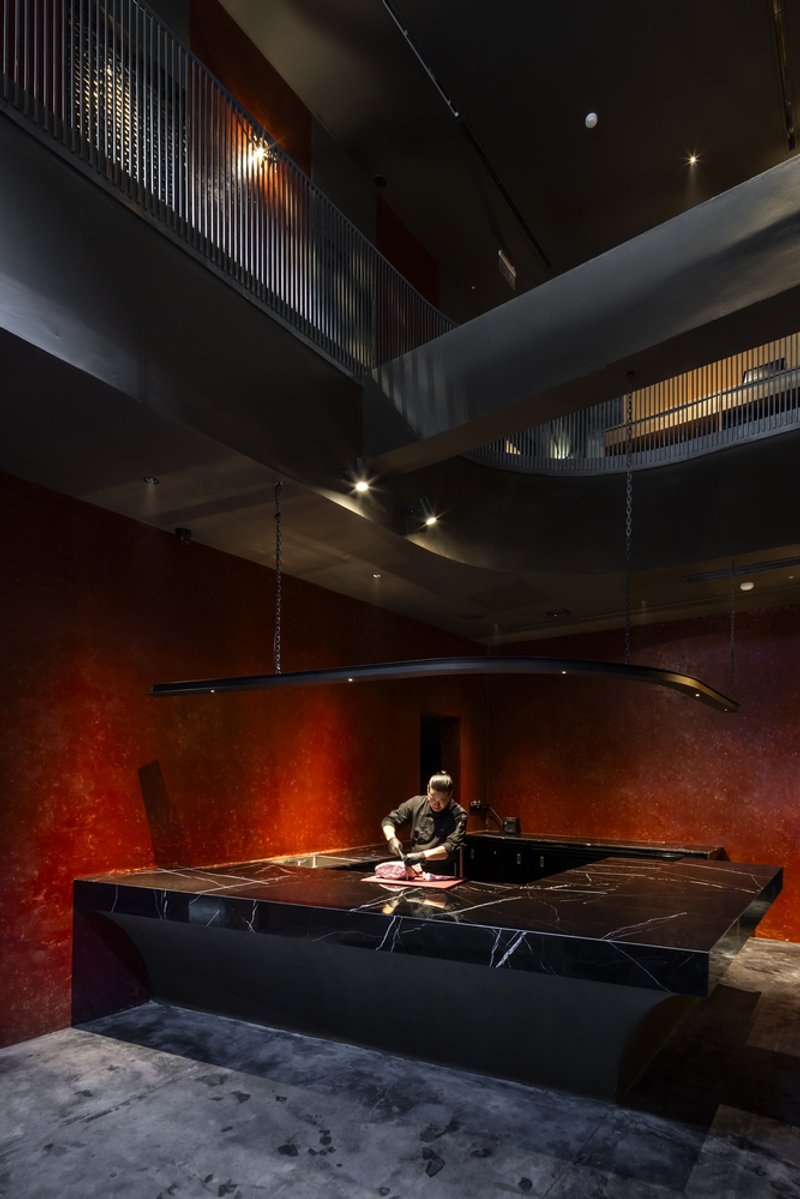
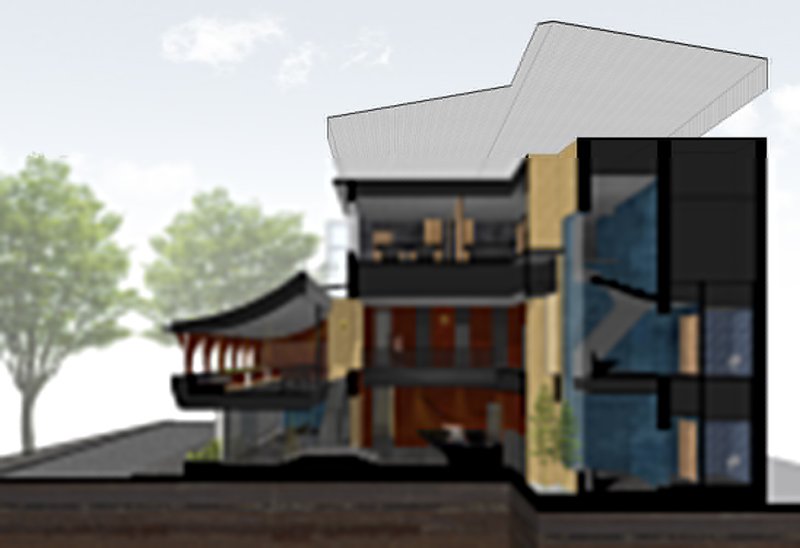
Takashi Niwa Architects applied extensive structural reinforcements to the old building, creating a large void above the open kitchen. This open kitchen concept not only adds to the visual appeal but also invites patrons to enjoy the art of cooking, a core experience of dining at Yazawa.
The Role of Iron in the Design of Yazawa Hanoi
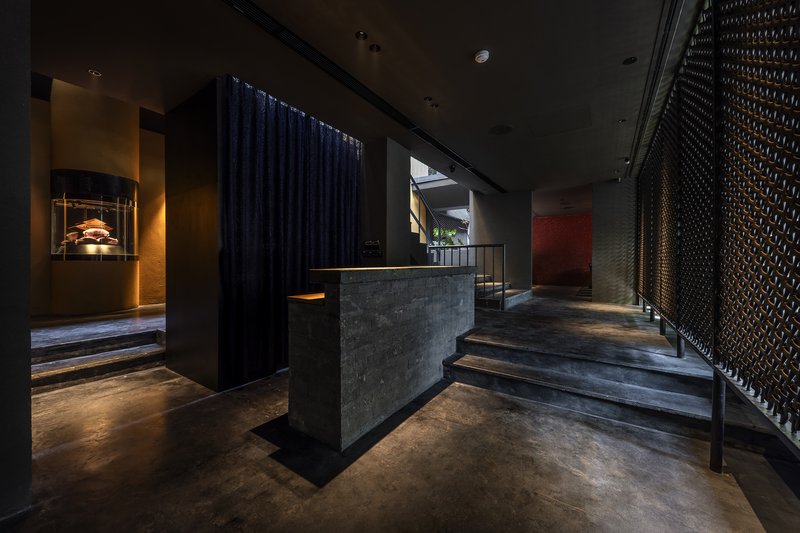
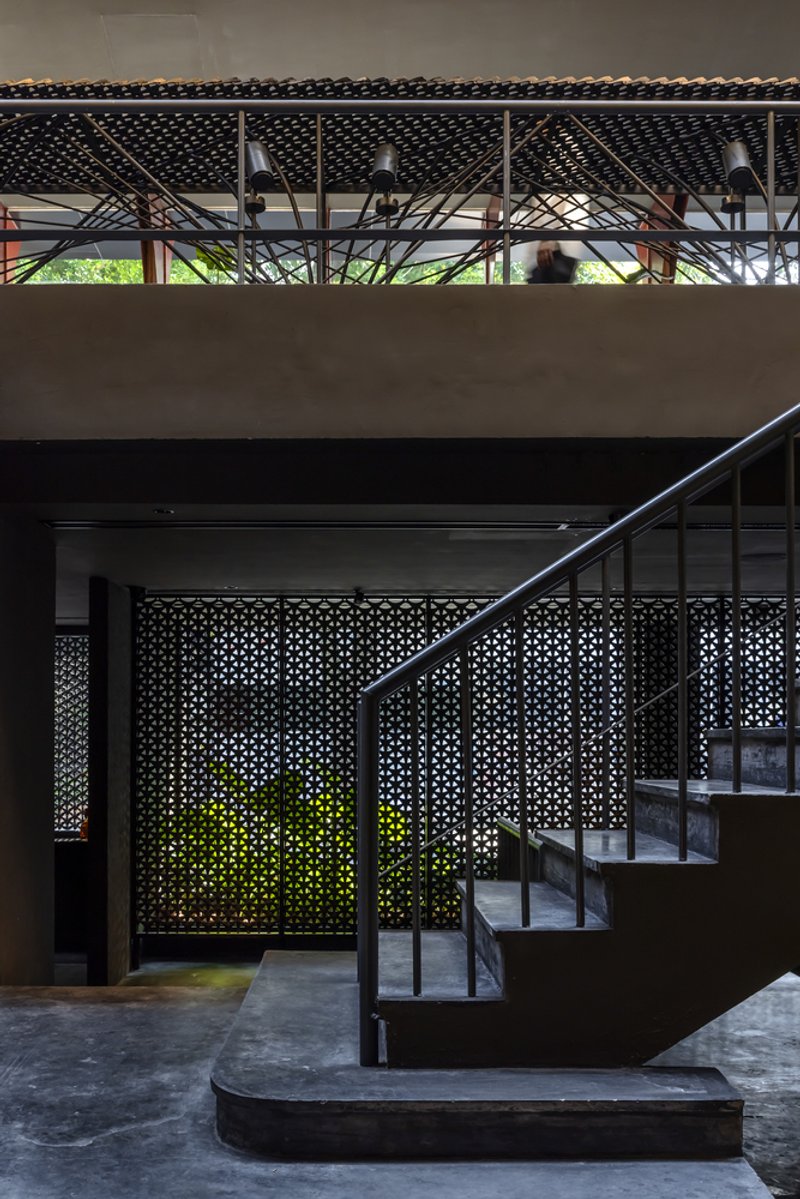
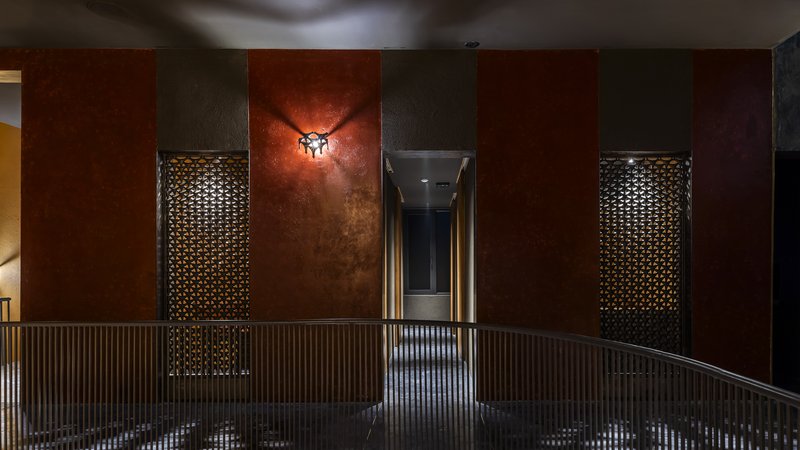
Iron plays a dual role in the Yazawa Hanoi Restaurant design—as both a material and a metaphor. Traditional wrought iron elements found in Vietnamese architecture, such as porous walls and decorative fences, were reinterpreted in the restaurant’s design. These elements create a balance between privacy and interaction, an essential characteristic of the local urban fabric.
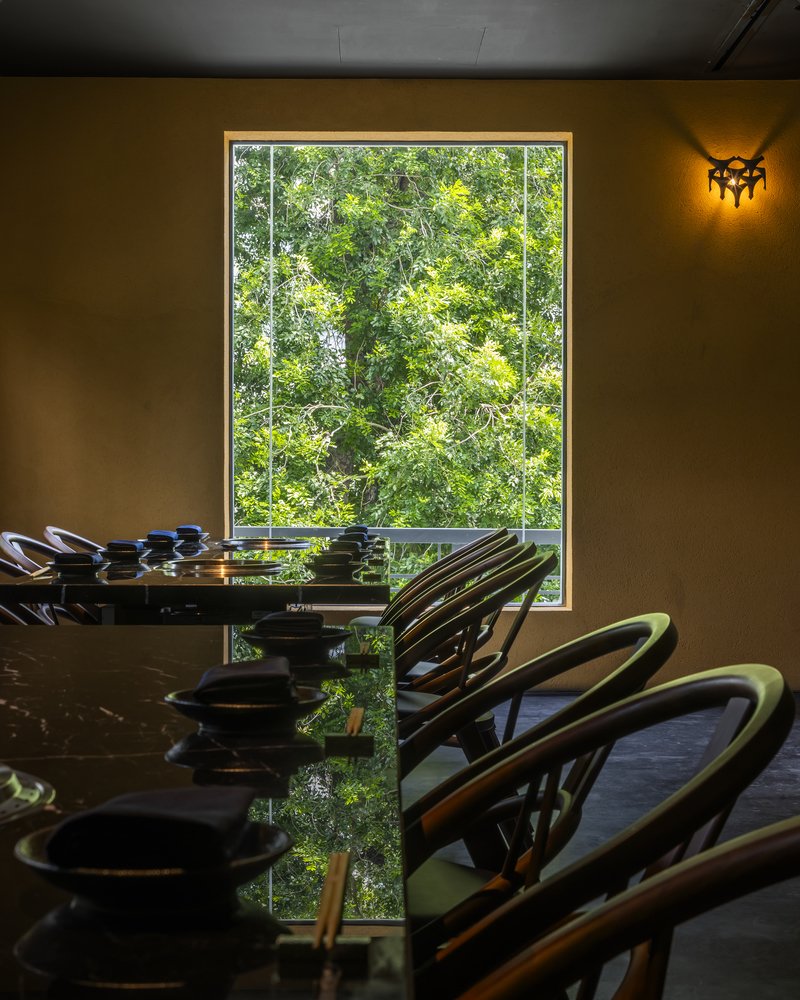
The iron emblem of the restaurant, inspired by the letter "Y" for Yazawa, is a striking feature. This emblem, which was mass-produced using 3D printing technology, is prominently displayed throughout the restaurant, including in the lighting fixtures, tabletops, and wine showcase. The emblem brings a distinct, cohesive identity to the space, enhancing the guest experience.
A Layered Dining Experience: Privacy and Public Interaction
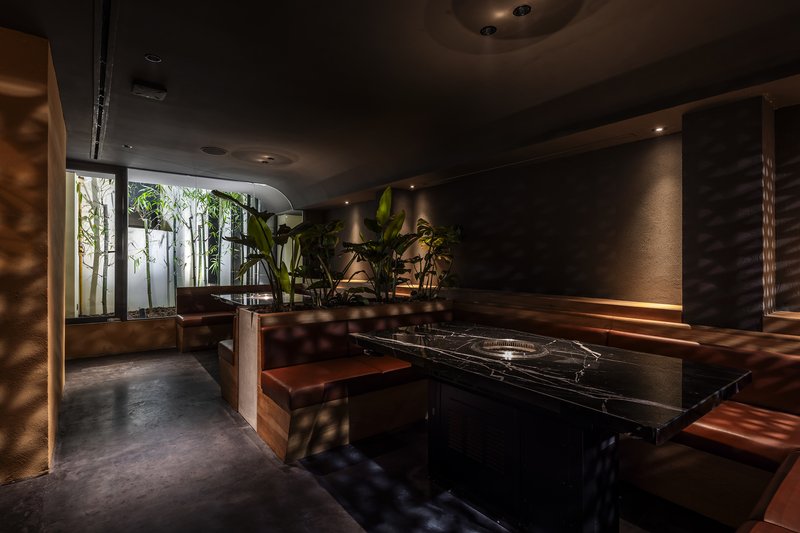
The design of the Yazawa Hanoi Restaurant also considers the layered experience of dining. The second floor features a spacious 30-seat main dining area, while private dining rooms offer a more intimate experience for guests. The layout of the restaurant encourages movement between the public spaces and private rooms, allowing diners to experience different "scenes" throughout their meal. This dynamic arrangement not only offers variety but also adds depth to the overall dining experience.
The restaurant is designed with various spaces to cater to diverse preferences. From the expansive open kitchen that allows guests to interact with chefs to the intimate private dining areas, every part of the restaurant is meticulously crafted to ensure comfort and engagement.
Unique Color Schemes and Cultural Influence
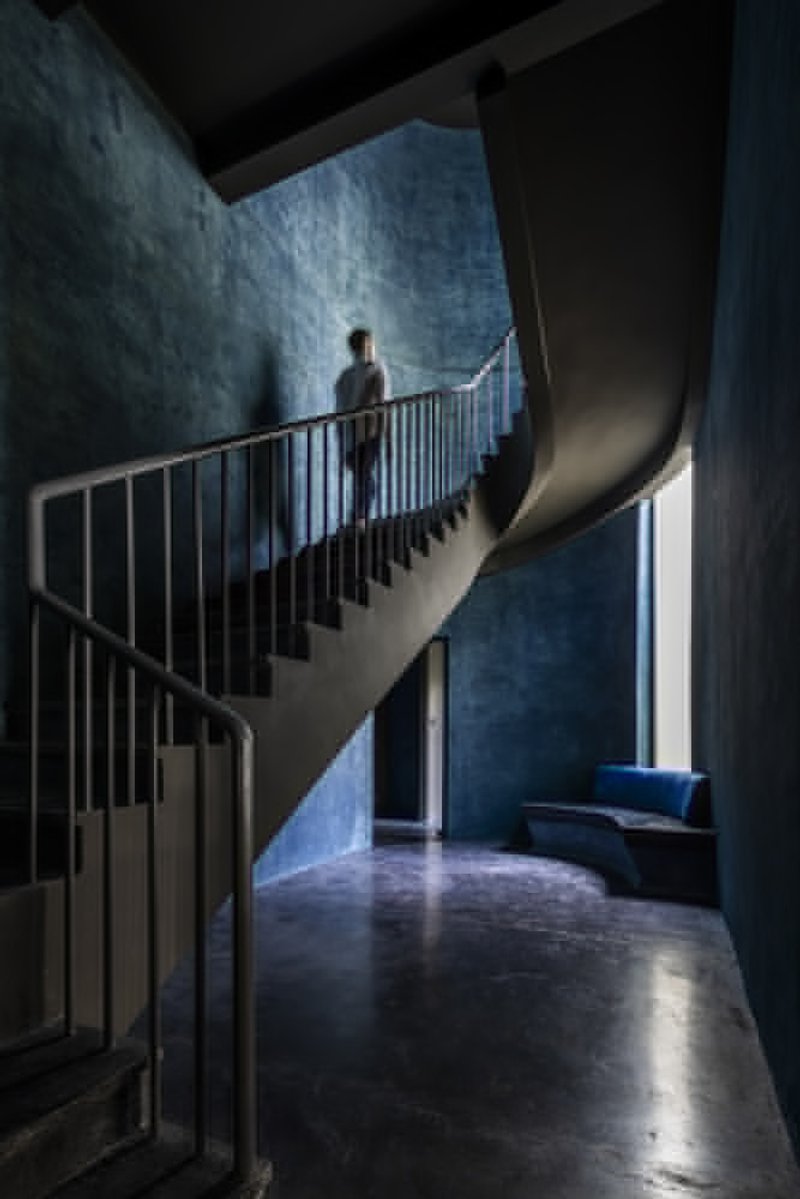
The Yazawa Hanoi Restaurant design uses distinctive colors to differentiate areas and guide the flow of the experience. The dining areas are painted with Bengala, a red iron oxide pigment that evokes the transformation of iron. The contrast of this warm, earthy hue with the vibrant indigo blue used in the bathrooms and circulation spaces creates a striking visual impact. The indigo dyeing process itself is an elaborate, handmade effort that adds a layer of craftsmanship to the space.
These color choices reflect the deep cultural connection between the materials used in the design and the broader Vietnamese tradition, while also reinforcing the narrative of transformation and change central to the restaurant’s concept.
The Integration of Local and Global Design Elements
By incorporating local architectural traditions such as wrought iron and cast iron, along with global design principles, Takashi Niwa Architects has created a restaurant that speaks to both its environment and its purpose. The design of the Yazawa Hanoi Restaurant transcends mere functionality, creating a space where architectural elements and culinary experiences interact.
The Future of Restaurant Design in Hanoi
The Yazawa Hanoi Restaurant design exemplifies how architecture can be used to create memorable dining experiences that are both visually stimulating and culturally significant. The restaurant’s use of iron as both a physical and symbolic material serves as a reminder of the layers of history in Hanoi, while also offering a glimpse into the future of restaurant design. As the city continues to evolve, this restaurant stands as a testament to the power of thoughtful design and its ability to bridge the past with the present.
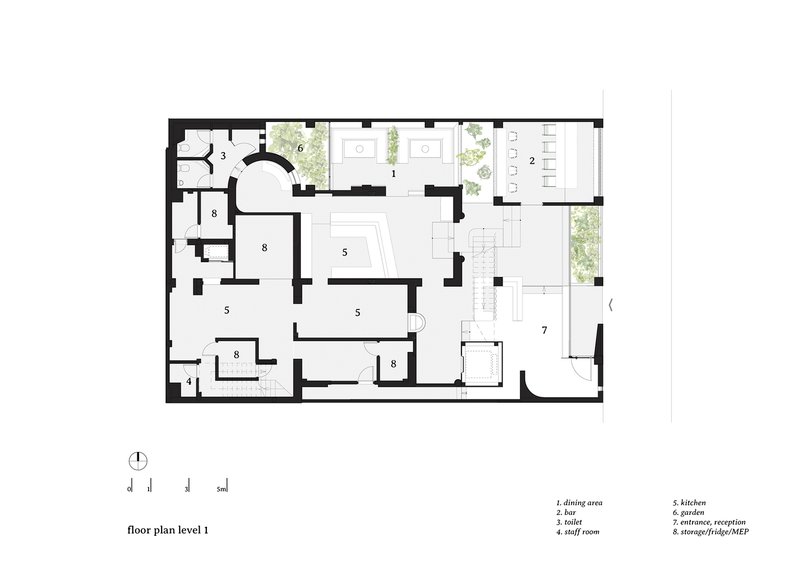
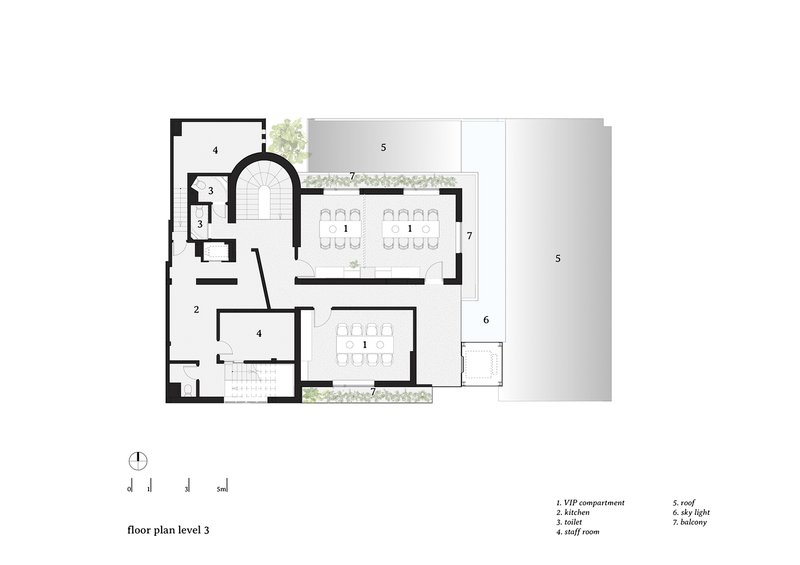
All photographs are work of Hiroyuki Oki




Popular Articles
Popular articles from the community

BAUEN Builds Two Rammed Earth Volumes in Paraguay Inspired by the Ovenbird's Nest
In San Bernardino, a house of compacted earth channels the instinct of a constructive bird to shelter life from the Paraguayan summer.
OMCM arquitectos Builds a Summer House in Paraguay from Quarry Waste Blocks and Three Sacred Trees
In the young hillside neighborhood of Altos, a 696-square-meter concrete volume hovers on six pillars around three preserved native Yvyraju trees.
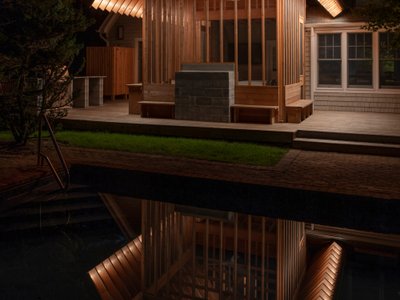
BLDUS Turns a 250-Square-Foot Screened Porch into a Pine Forest Temple in East Hampton
A gabled cedar pavilion mimics the rhythm of surrounding pines, anchoring a 1990s wooded home to its hollow in Long Island.
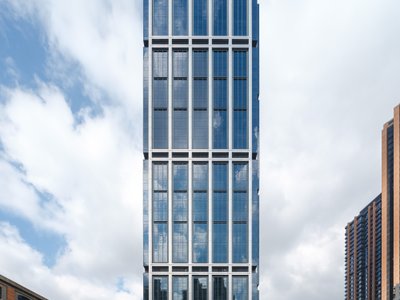
Foster + Partners Wraps a 200-Meter Shanghai Tower in Stainless Steel and Industrial Memory
The Suhe Centre Office Tower anchors a regenerated waterfront district in Shanghai with an all-steel structure that nods to local warehouse heritage.


Similar Reads
You might also enjoy these articles

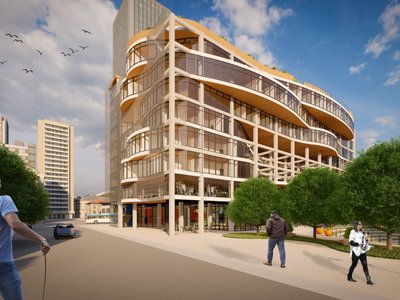
Olio Towers: A Mid-Rise for Performers That Fuses Housing, Rehearsal, and Stage
Located blocks from Houston's Theater District, this modular tower stacks living units around a central performance atrium.
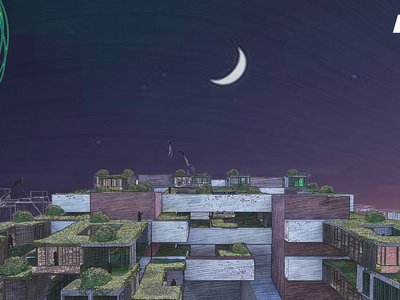
Oasis: Modular Green Housing Carved into Dhaka's Urban Fabric
A shortlisted Plugin Housing entry reclaims unauthorized settlements in Dhaka with stepped concrete volumes, green roofs, and ventilation-driven design.

Black Hole: A Floating Megastructure for the Post-Physical Era
Emiliano Mazzarotto envisions a spherical, self-scaling arena where e-sports, digital hotels, and holographic stadiums replace traditional public space.
Compact & Sustainable Living in Piraeus: A Four-Level Family Home Built Around Light and Air
A narrow townhouse in one of Greece's densest port cities uses a central atrium and passive strategies to house three generations under one roof.


Explore Architecture Competitions
Discover active competitions in this discipline




The International Standard for Design Portfolios


The Global Benchmark for Architecture Dissertation Awards


The Global Benchmark for Graduation Excellence


Challenge to reimagine the Iron Throne
Comments (0)
Please login or sign up to add comments
No comments yet. Be the first to comment!