
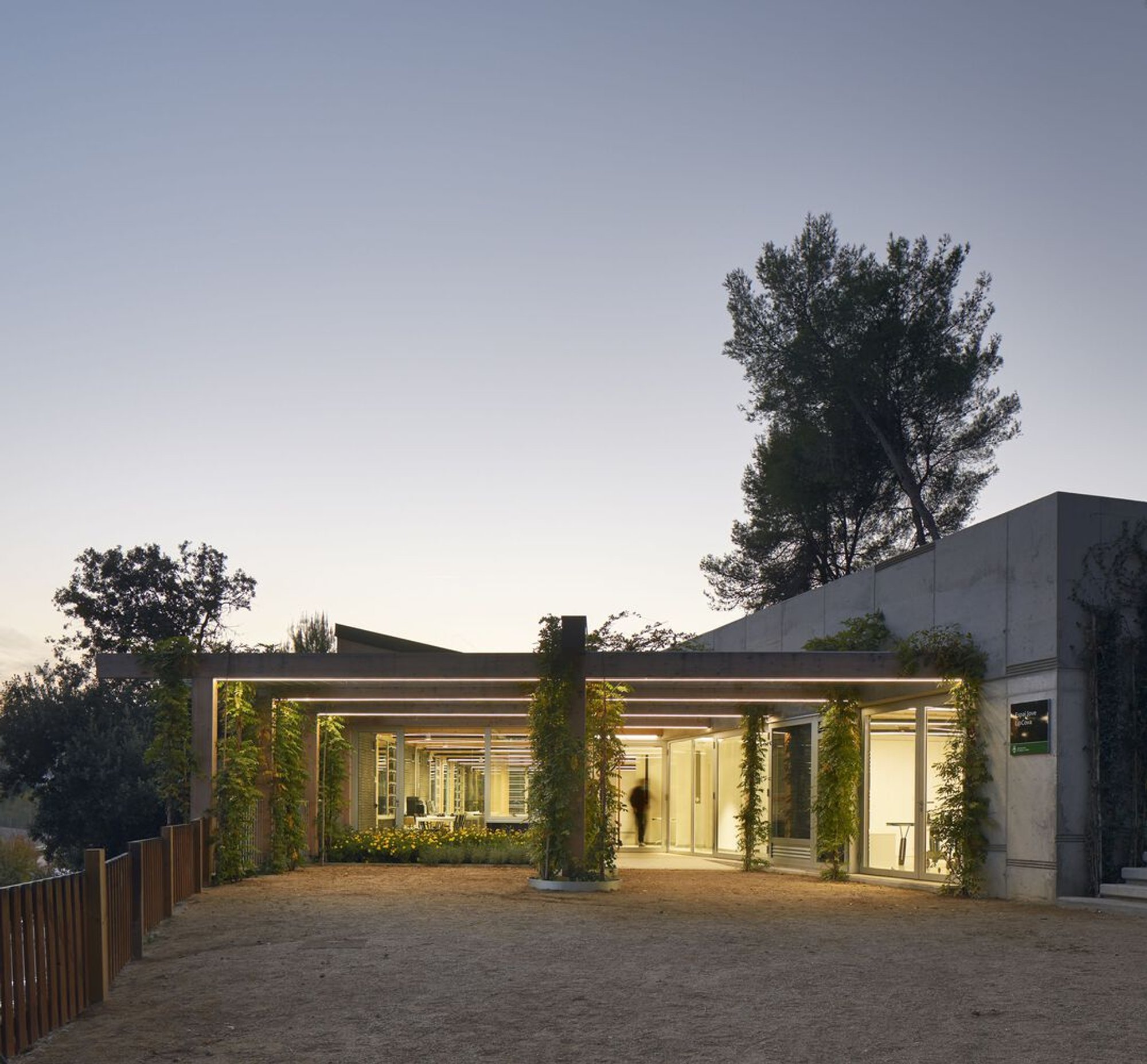
Youth Center La C@va by Aquidos – A Sustainable Community Hub in Spain
Youth Center La C@va is a sustainable, community-focused space integrating passive design, bioclimatic strategies, and neuroarchitecture for social engagement.

A Vision for Social and Cultural Engagement
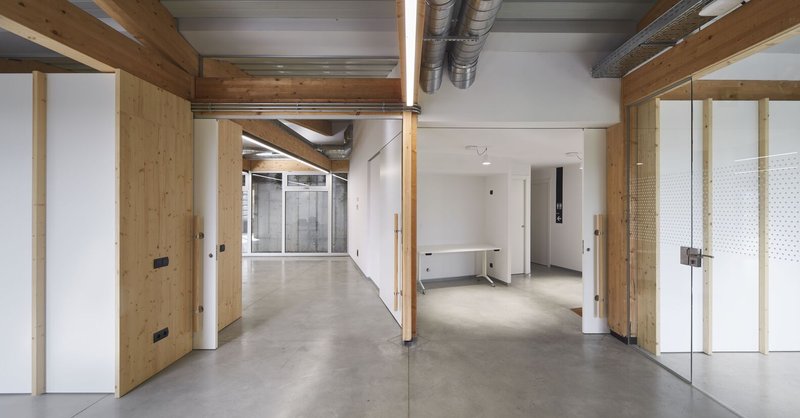
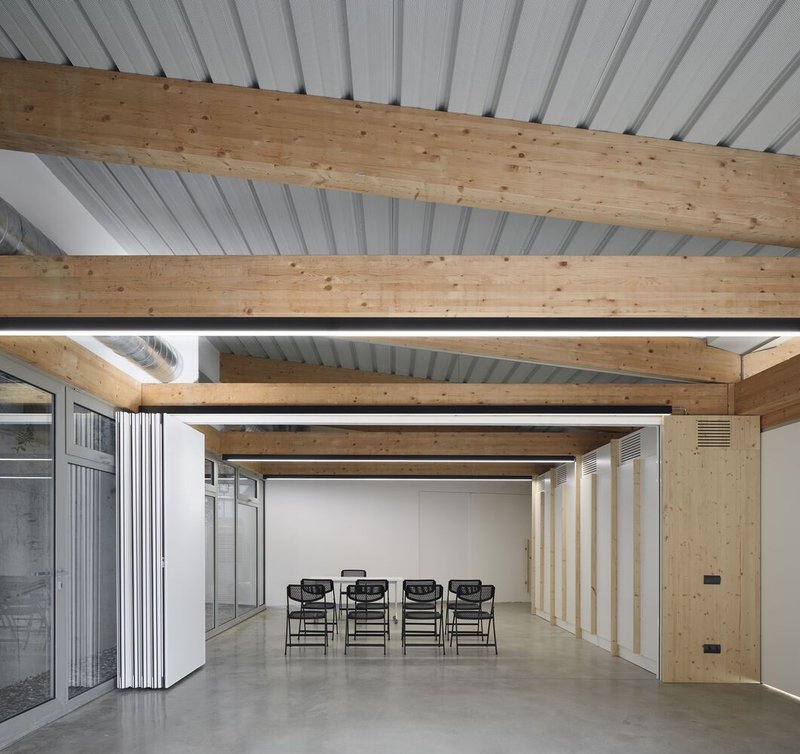
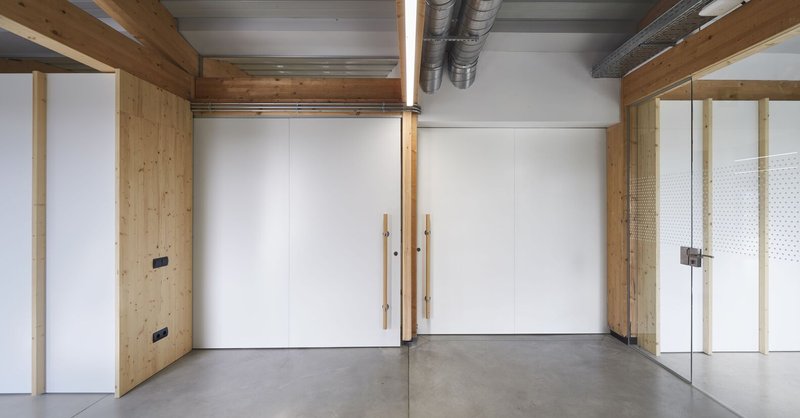
The Youth Center La C@va, designed by Aquidos, is a transformation of a small municipal building into a vibrant, multi-functional space that fosters social and cultural connections. Located in Spain, this 301 m² renovation and expansion project integrates sustainable architecture with community needs, creating a dynamic space for youth activities.
The design focuses on strengthening collective identity, offering a welcoming environment where young people can interact, learn, and grow. The architects—Oriol Marin i Gordi, Carles Bárcena Roig, Aleix Jané Canals, and Núria Garcia i Soto—developed a project that harmonizes with its surroundings, seamlessly integrating indoor and outdoor spaces.
Sustainability and Passive Design Strategies
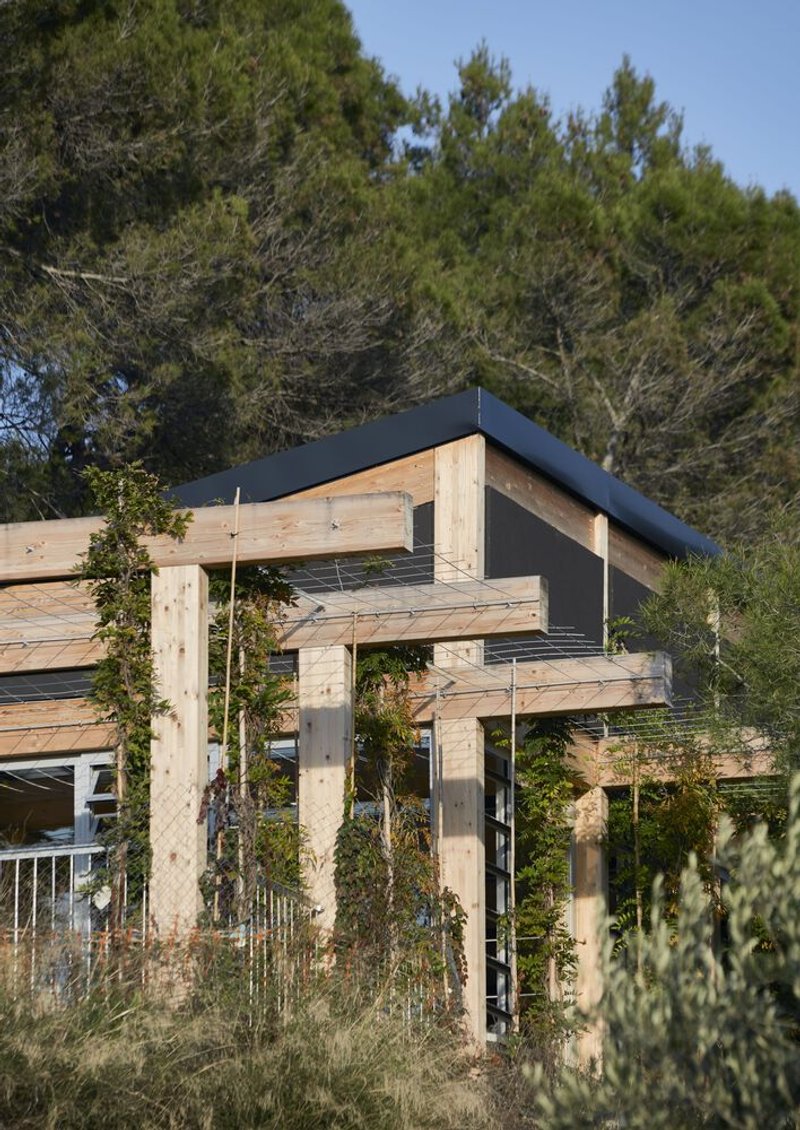
A key aspect of this project is its energy efficiency and environmental sustainability. The extension follows a longitudinal axis that aligns with the site's topography and maximizes solar exposure. The south-facing façade is designed with plant pergolas featuring native deciduous vegetation, providing natural shading in summer and allowing solar gain in winter.
Additional sustainable features include:
- TROMBE wall solar collectors, maintaining a higher indoor temperature during winter.
- SATE insulation, optimizing thermal performance.
- A semi-buried patio, utilizing the chimney effect for natural ventilation and cooling.
- A heat pump system with enthalpy and air ducts, ensuring year-round thermal comfort.
These bioclimatic strategies minimize the need for artificial heating and cooling, reducing energy consumption and maintenance costs. The integration of natural lighting, ventilation, and greenery enhances indoor air quality and contributes to a healthier environment.
Neuroarchitecture and Human-Centered Design
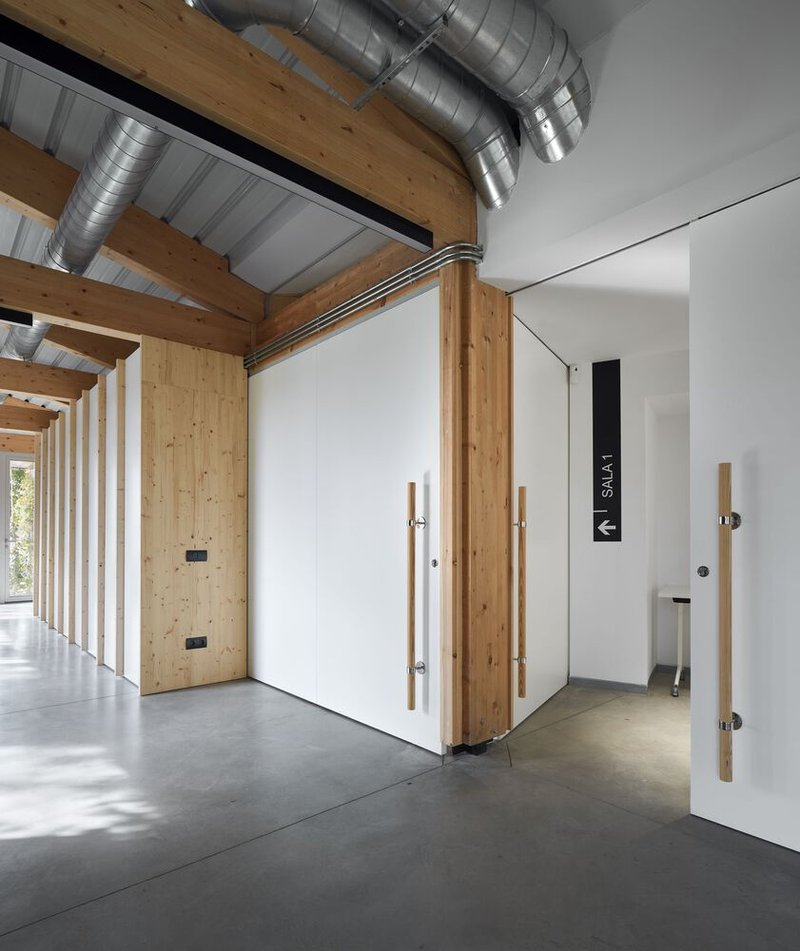
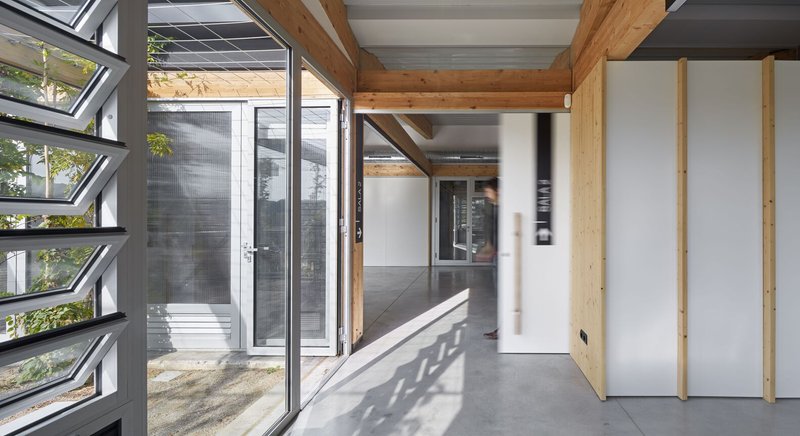
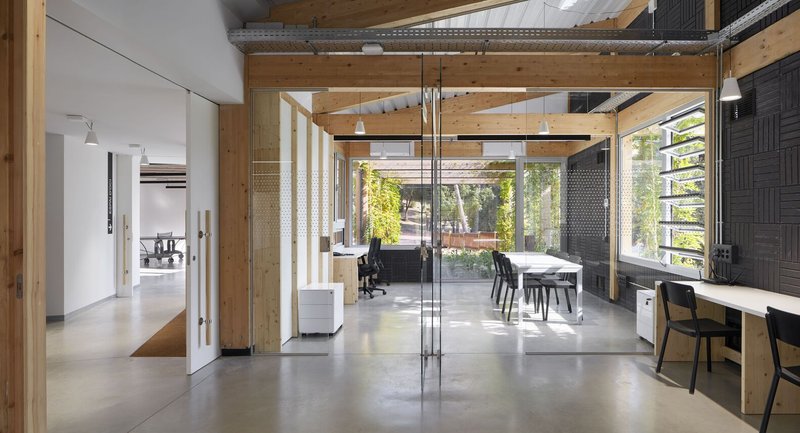
The design follows the principles of neuroarchitecture, emphasizing the psychological and emotional impact of built environments. The relationship between architecture and human behavior has been carefully considered to create a space that enhances well-being. Features such as visual connections to nature, abundant daylight, and spatial fluidity contribute to a sense of openness and comfort.
As a publicly funded project, Youth Center La C@va sets an example for sustainable design in community architecture, serving as a pedagogical model for eco-conscious construction. It demonstrates how sustainable and healthy architecture can be seamlessly integrated into urban contexts, benefiting both individuals and the environment.
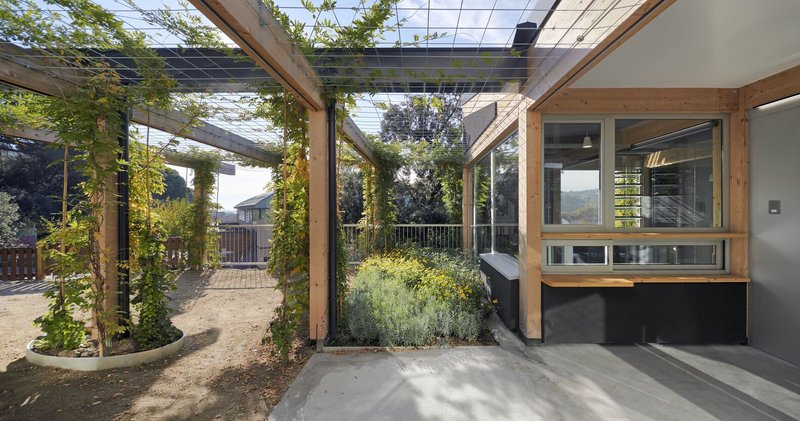
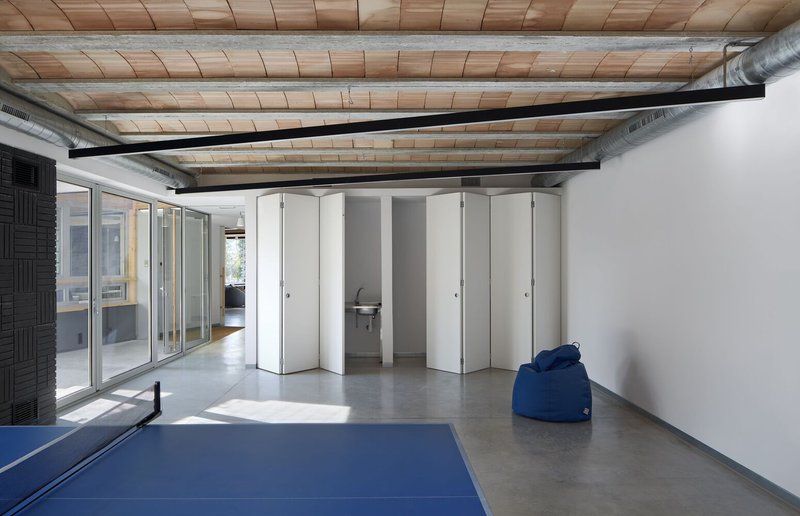
All Photographs are works of Pol Viladoms



Popular Articles
Popular articles from the community

Constanti Architects Builds a Fortress of Privacy in Nicosia with House 345
A concrete and timber residence in Cyprus reinterprets the traditional introverted courtyard house for a new urban landscape.
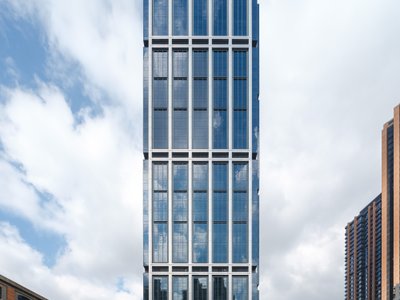
Foster + Partners Wraps a 200-Meter Shanghai Tower in Stainless Steel and Industrial Memory
The Suhe Centre Office Tower anchors a regenerated waterfront district in Shanghai with an all-steel structure that nods to local warehouse heritage.
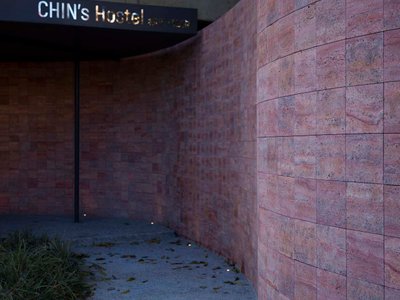
VEIVE Architects Builds a Mountain Hostel That Disappears into a Hangzhou Hillside
On the Huihang Ancient Trail in Xiangjian Village, a shelter of wood, steel, and rammed earth roots itself in the rural landscape.
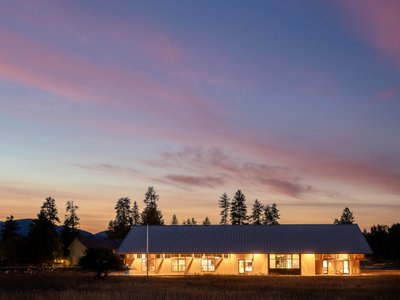
Johnston Architects Reimagines the Methow Valley Hay Barn as a Small-Town Library in Winthrop
A 7,300-square-foot timber library channels the region's agrarian vernacular to serve a rural Washington community of 400 year-round residents.


Similar Reads
You might also enjoy these articles

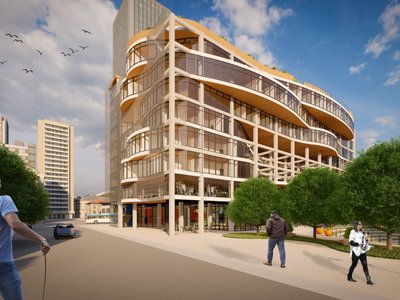
Olio Towers: A Mid-Rise for Performers That Fuses Housing, Rehearsal, and Stage
Located blocks from Houston's Theater District, this modular tower stacks living units around a central performance atrium.
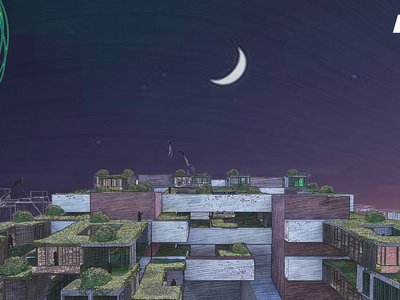
Oasis: Modular Green Housing Carved into Dhaka's Urban Fabric
A shortlisted Plugin Housing entry reclaims unauthorized settlements in Dhaka with stepped concrete volumes, green roofs, and ventilation-driven design.

Black Hole: A Floating Megastructure for the Post-Physical Era
Emiliano Mazzarotto envisions a spherical, self-scaling arena where e-sports, digital hotels, and holographic stadiums replace traditional public space.
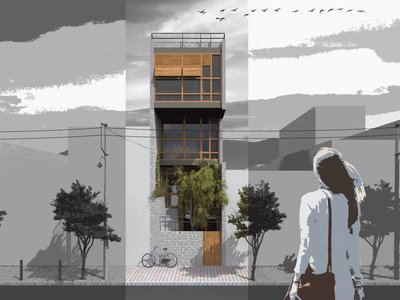
Compact & Sustainable Living in Piraeus: A Four-Level Family Home Built Around Light and Air
A narrow townhouse in one of Greece's densest port cities uses a central atrium and passive strategies to house three generations under one roof.


Explore Architecture Competitions
Discover active competitions in this discipline




The International Standard for Design Portfolios


The Global Benchmark for Architecture Dissertation Awards


The Global Benchmark for Graduation Excellence


Challenge to reimagine the Iron Throne
Comments (0)
Please login or sign up to add comments
No comments yet. Be the first to comment!